
Lockbolt Rivets Manufacturer
When standard rivets or bolts fail to meet your strength and stability requirements, Rivmate also offers lockbolt rivets and Huck-type rivets. These are commonly used in industrial applications that require higher strength, more secure clamping, and vibration-resistant connections.
- Provide support for Huck-style matching
- Supports double-sided installation
- Select a model based on grip range and hole size
- Provide support for drawing and sample inspection
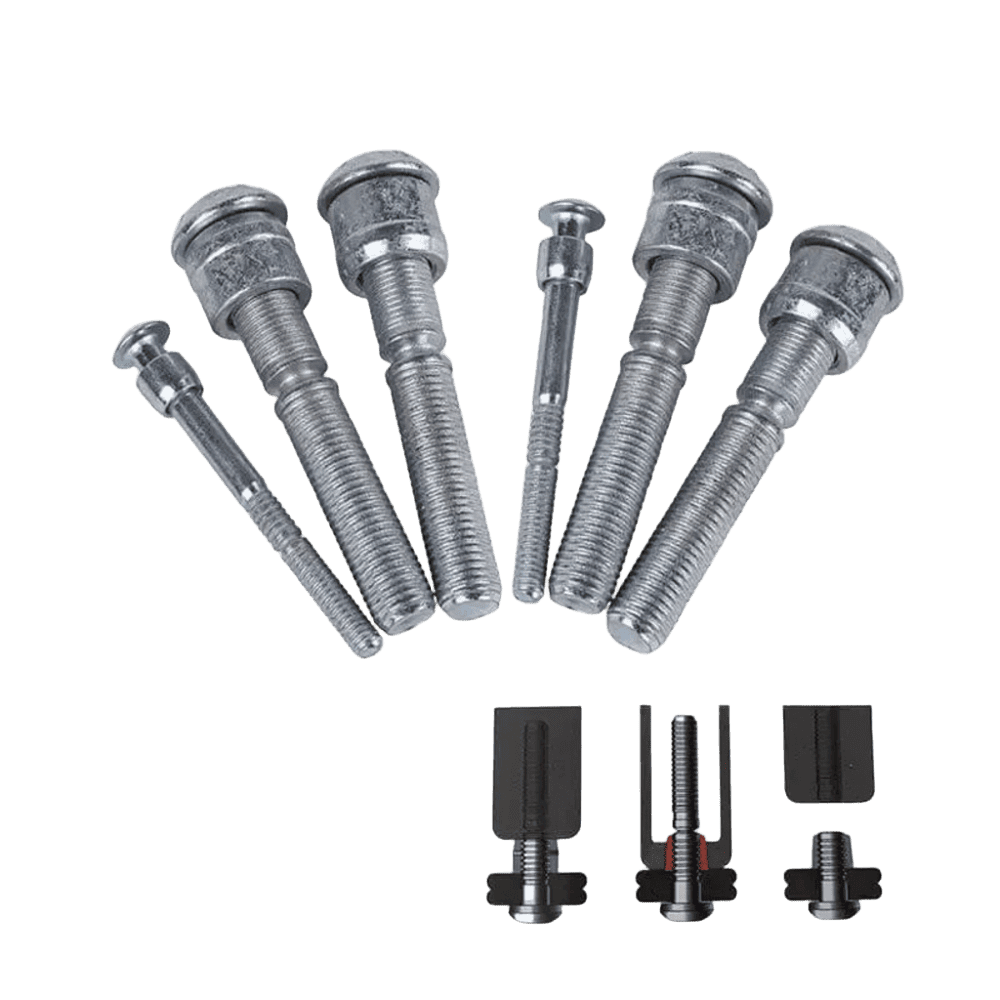
Why Choose Our Lockbolt Rivets
- Large grip range reduces the inventory of fasteners and simplifies the inventory control and is adaptable to the scope of width of sheet material thickness.
- High shear and tensile strength of high-strength assembly.
- The high-strength controlled riveting provides the excellent vibration resistance.
- Rapid installation for large-scale application.
- The brazier head, countersunk head and large brazier head are suitable for multiple applications.
- Be convenient for checking impact.
- A large-scale selection for dedicated installation tool.
Rivmate —— Your Professional Customized Lockbolt Rivets Manufacturer
RIVMATE manufactures and sells lockbolt rivets and can customize lockbolt rivet solutions to meet your specific needs.Rivmate will help you determine the appropriate lockbolt rivet solution based on your product’s actual application. We provide customized lockbolt rivets and, depending on the product type and order requirements, will conduct riveting performance tests and mechanical property evaluations.
As a professional manufacturer of lockbolt rivets in China, we have established a laboratory in accordance with the IATF 16949:2016 standard to provide reliable testing and calibration data to our customers and partners. We are ideally suited to support long-term procurement and project collaboration with importers, distributors, OEM buyers, and industrial clients.
Lockbolt Rivet by Material
Lockbolt rivets made from different materials vary significantly in terms of strength, corrosion resistance, cost, installation and forming processes, and operating environments. When selecting a material, you should not base your decision solely on price. Instead, you should consider factors such as load, vibration, base material, corrosion resistance requirements, and installation tools.
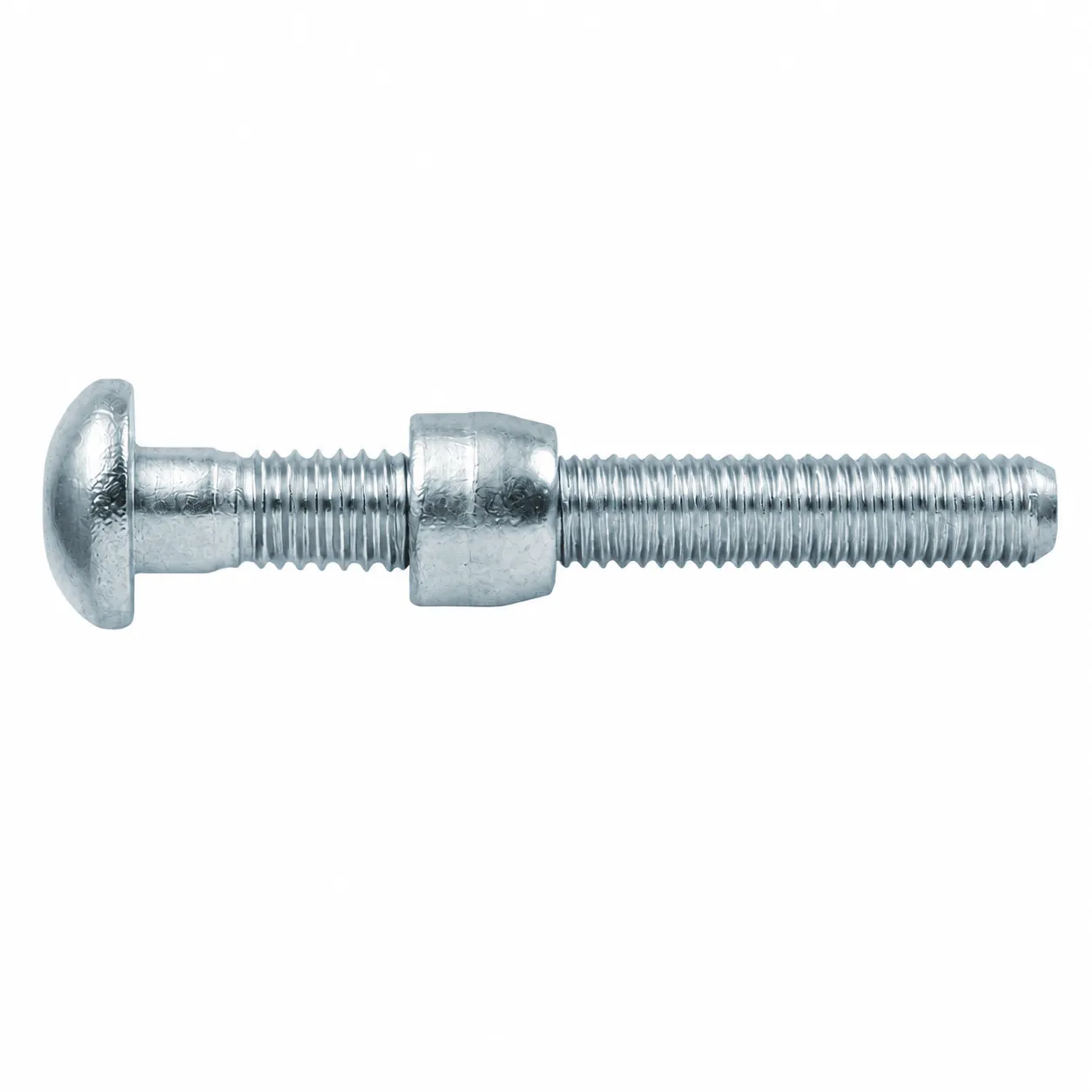
Carbon Steel Lockbolt Rivets
Carbon steel offers high joint strength, cost-effective solutions, and excellent shear resistance. Lockbolt rivets are commonly used in industrial applications involving heavy-duty equipment such as trucks, trailers, and steel structures.
Rivamte Lockbolt Rivets Types
Lockbolt Rivets are available in a variety of specifications to accommodate different hole diameters, clamping ranges, and structural strength requirements.
Based on the specific requirements of your product, determine whether you need Lockbolt Rivets with a shear point and the appropriate diameter.
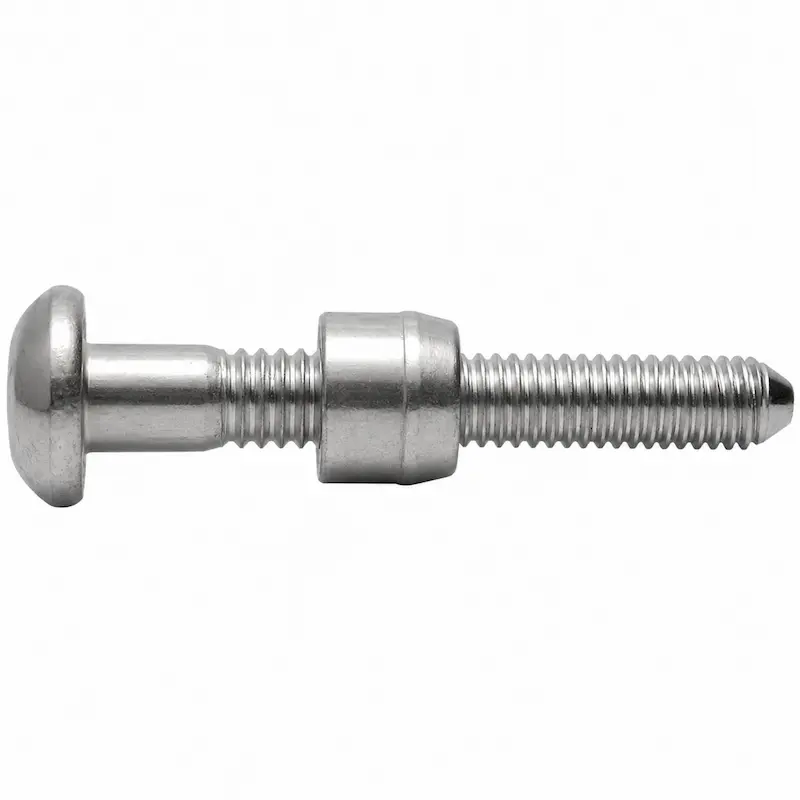
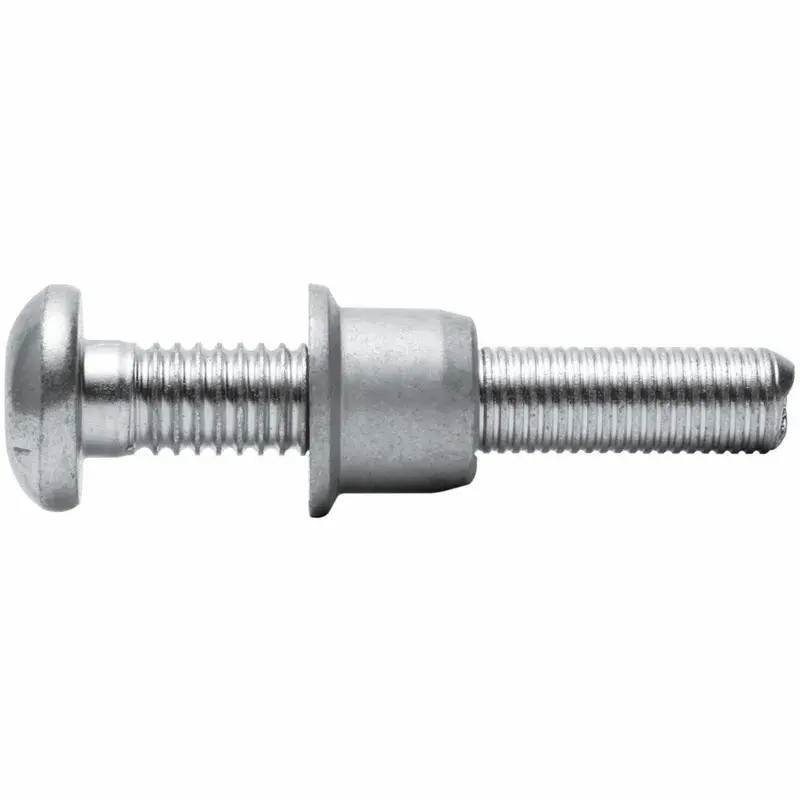
C6L Lockbolt Rivet
The C6L Lockbolt Rivet is a small-diameter lockbolt rivet with a fixed break. It is ideal for joining small to medium-sized structural components, with diameters ranging from 4.8 mm to 9.5 mm.
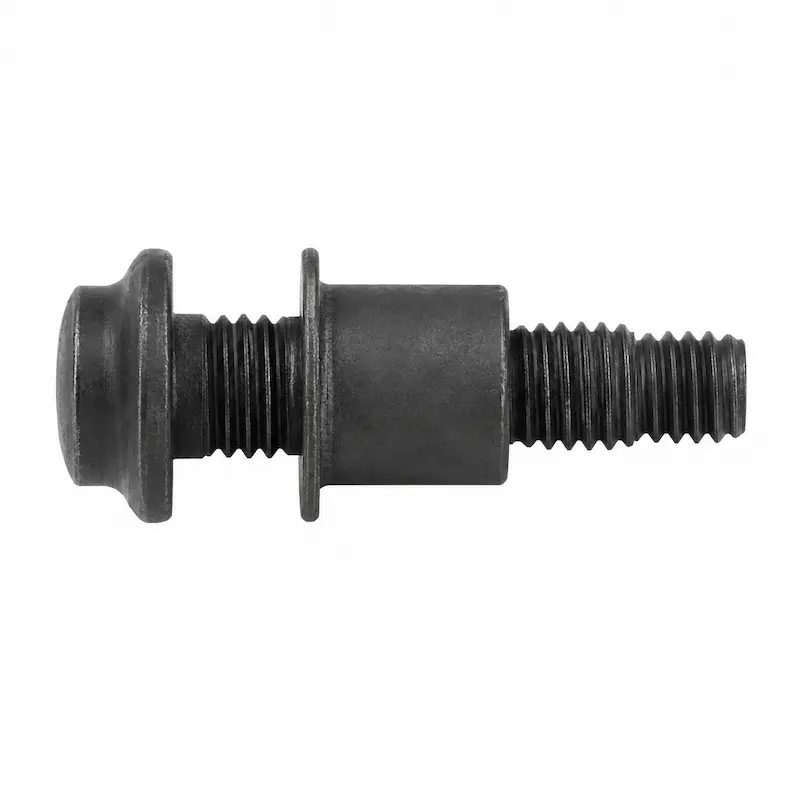
C50L Lockbolt Rivet
As a product featuring a fixed-break ring groove, Lockbolt Rivets cover a wide range of diameters from 12.7 to 22.2 mm. Lockbolt Rivets are suitable for high-strength, heavy-duty structural connections.
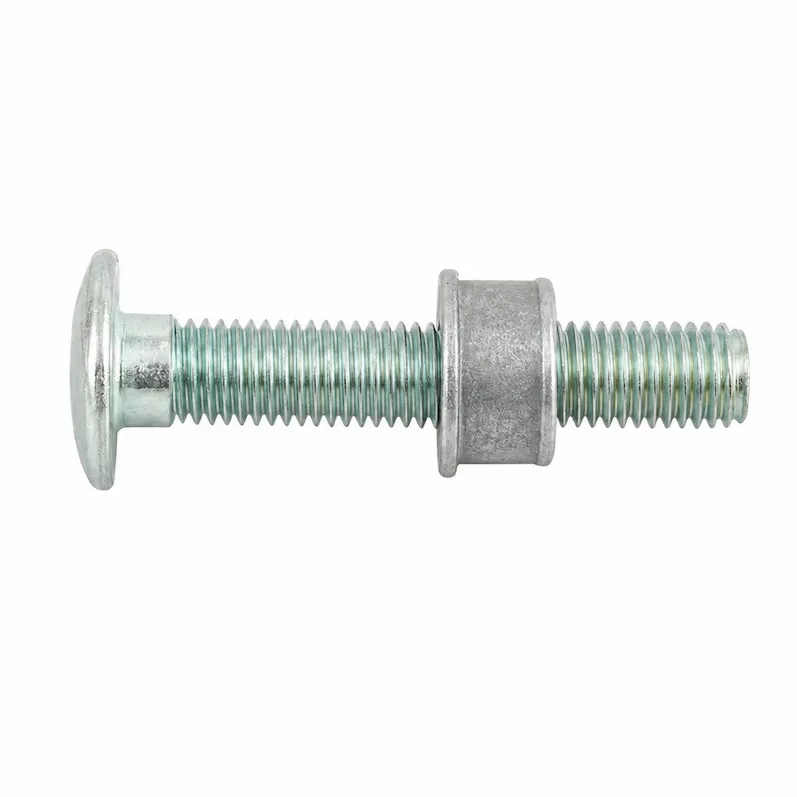
BOLTAIL Lockbolt Rivet
Installation does not cause pin breakage, which helps reduce corrosion at the break point and secondary processing issues. Lockbolt Rivets diameters typically range from 7.9 mm to 20 mm.
MI-LOCK Lockbolt Rivet
Sizes range from 4.8 to 9.5 mm, offering a wide clamping range and pins that always break flush. Thye are suitable for joining workpieces with significant variations in thickness.
Lockbolt Rivet By Head Type
The head type you choose for your lockbolt rivets will indirectly affect the workpiece’s mounting surface, bearing area, hole machining, assembly space, and the final connection quality. Selecting an inappropriate head type can lead to a range of issues, including head interference, surface irregularities, workpiece damage, and mismatched countersink holes. Please send us your requirements, and Rivmate can help you determine the appropriate lockbolt rivet head type.
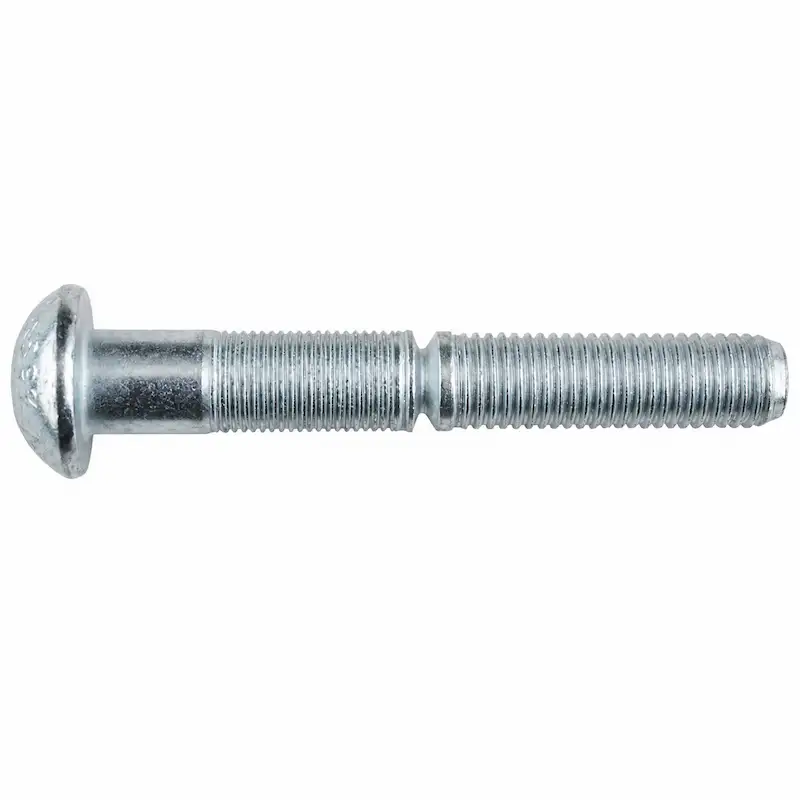
Dome Head Lockbolt Rivets
Round-head lockbolt rivets have a relatively round head with a distinct bulge. They are suitable for most structural fastening applications where surface finish is not a concern and the head can remain exposed. They are commonly used in general industrial assembly applications.
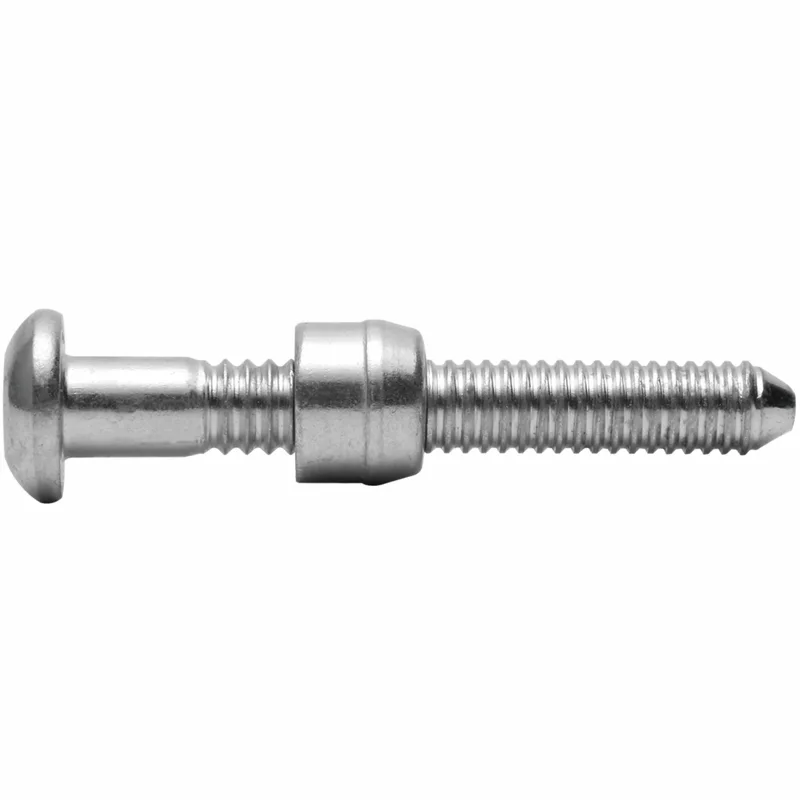
Pan Head Lockbolt Rivets
The head of a pan head is flatter than that of a dome head, which is noticeably more rounded, and has a slightly rounded top. Lockbolt rivets are ideal for applications where headroom is limited but the rivet does not need to be fully countersunk into the workpiece surface.
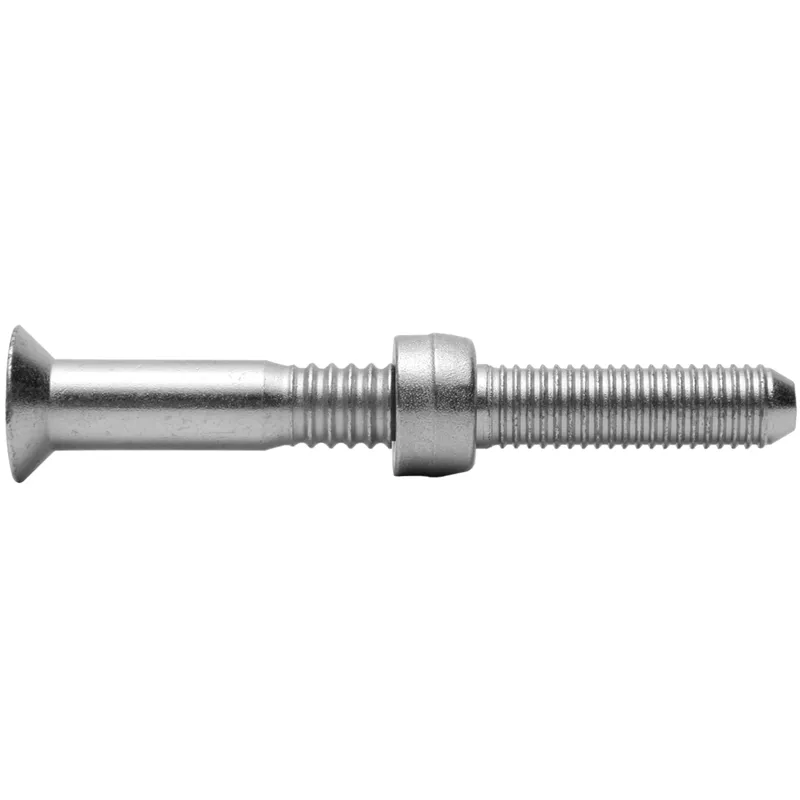
Countersunk Head Lockbolt Rivets
A large cap helps increase the contact area between the head and the workpiece, thereby reducing localized pressure. It is suitable for workpieces that are thin, made of soft materials, or where the edges of holes are prone to tearing.
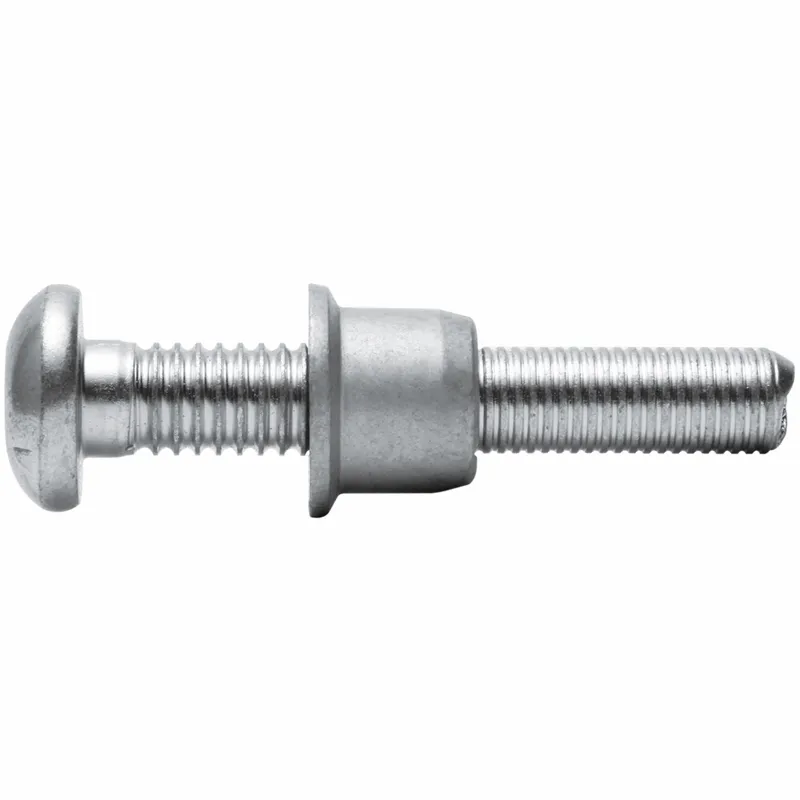
Large Flange Head Lockbolt Rivets
Countersunk lockbolt rivets are suitable for applications requiring a flush surface. Before selecting a model, you must verify the angle, depth, and thickness of the countersunk hole to ensure the head seats properly after installation.
| Series / Art Code | Pin Material | Collar Material | Surface Treatment | Hole Size | Grip Range | A | B | C | Standard Collar F | Standard Collar G | Standard Collar H | Tensile Strength | Shear Strength |
|---|---|---|---|---|---|---|---|---|---|---|---|---|---|
| SLBP-R6 | Carbon Steel | Carbon Steel | Green trivalent electroplating blue white zinc | 5.1 mm | 4.8-27.0 mm | 4.9 | 9.5 | 3.0 | 4.9 | 8.05 | 6.0 | 7500N | 7800N |
| SLBP-R8 | Carbon Steel | Carbon Steel | Green trivalent electroplating blue white zinc | 6.6 mm | 1.6-27.0 mm | 6.4 | 12.2 | 3.2 | 6.4 | 10.15 | 7.9 | 12500N | 13500N |
| SLBP-R10 | Carbon Steel | Carbon Steel | Green trivalent electroplating blue white zinc | 8.2 mm | 3.2-34.9 mm | 8.1 | 16.0 | 4.8 | 7.8 | 12.4 | 9.5 | 21000N | 21500N |
| SLBP-R12 | Carbon Steel | Carbon Steel | Green trivalent electroplating blue white zinc | 9.8 mm | 3.2-34.9 mm | 9.7 | 19.0 | 6.0 | 9.6 | 15.2 | 12.0 | 30000N | 31000N |
| SLBP-R16 | Carbon Steel | Carbon Steel | Green trivalent electroplating blue white zinc | 13.5 mm | 6.4-89.0 mm | 12.8 | 23.4 | 7.9 | 13.3 | 20.0 | 16.0 | 76000N | 64000N |
| SLBP-R20 | Carbon Steel | Carbon Steel | Green trivalent electroplating blue white zinc | 17.0 mm | 6.4-89.0 mm | 16.0 | 29.0 | 10.0 | 16.6 | 25.1 | 22.0 | 120000N | 100000N |
| SLBP-R24 | Carbon Steel | Carbon Steel | Green trivalent electroplating blue white zinc | 20.5 mm | 6.4-89.0 mm | 19.2 | 35.0 | 12.0 | 19.8 | 29.7 | 24.0 | 181000N | 146000N |
| SLBP-R28 | Carbon Steel | Carbon Steel | Green trivalent electroplating blue white zinc | 23.5 mm | 12.7-89.0 mm | 22.3 | 40.5 | 13.9 | 23.4 | 34.6 | 28.1 | 250000N | 196000N |
Steps of Lockbolt Rivet Installation
- Insert the rivet into the pre-drilled hole, ensuring that the rivet head sits flush against the workpiece.
- Place the rivet gun’s nozzle over the rivet mandrel and hold the tool vertically.
- Activate the rivet gun and pull the rivet mandrel to expand the rivet body and secure the workpiece.
- Once the rivet mandrel breaks off, the riveting is complete. Check that the rivet is secure and flush.
Lockbolt Rivet Manufacturing You Can Trust
Rivmate has established its own independent testing laboratory, equipped with tensile testing machines, salt spray testers, hardness testers, and laser vision sorting equipment. The company has obtained IATF 16949 automotive quality certification. All production strictly adheres to the PPAP Level 3 control standards, meeting the stringent acceptance requirements of automotive manufacturers and heavy industry projects.
- Large Stock Inventory
- IATF16949 Quality System
- Independent Testing Laboratory
- Precision Dimension Control
Rivmate manages its own production scheduling in-house and has established an integrated Lockbolt Rivet production line. We maintain a stock of over one million standard Lockbolt Rivets, ensuring no order shortages or delivery delays even during peak seasons.
Pop Rivet Cold Heading Machines
Rivet Assembly machines
Our Rivet Warehouse
Stable Bulk Supply for Lockbolt Rivets
Rivmate manufactures its own lockbolt rivets, eliminating markups from multiple layers of distributors. Overseas bulk purchase customers deal directly with our factory headquarters. All specifications of steel, stainless steel, and alloy steel lockbolt rivets are produced on our in-house production lines.
- Standard models are available for quick restocking
- Private-label manufacturing is available
- We accept both small-batch trial orders and large-volume long-term contracts
- Quality and dimensional consistency are easily controlled.
Lockbolt Rivets Manufacturer utilize multi-station cold heading machines, CNC thread rolling equipment, and fully automated heat treatment production lines. All processes are fully automated, with manual labor limited to inspection, ensuring dimensional tolerances are maintained within 0.03mm.
Applications of Lockbolt Rivets
When selecting a locking rivet, you need to determine whether it is suitable for your specific application.
You should consider whether the connection point is subject to prolonged vibration.Will it be subjected to shear or tensile loads? Is the back of the workpiece accessible? Do you require a more stable clamping force? Do you wish to reduce bolt loosening, welding rework, or on-site maintenance costs? If you are unsure, please consult Rivmate. We will help you determine whether locking rivets are suitable for your needs.
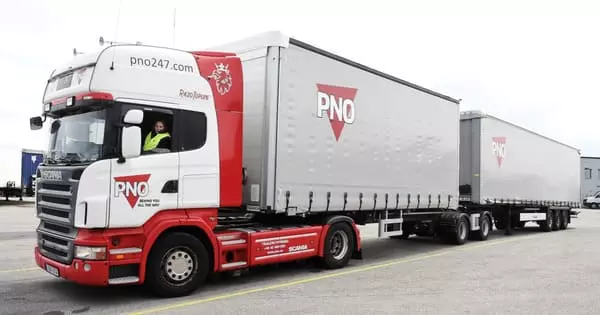
Truck & Trailer Applications
Reduces bolt loosening and connection instability caused by prolonged vibration. Lockbolt rivets can be used to connect frames, chassis, crossbeams, and body structures.

Railway & Transit Applications
Reduces issues such as loose fasteners, abnormal noises, rivet head detachment, or unstable riveting. Enhances long-term operational stability. Lockbolt rivets are particularly well-suited for use in rail vehicles, car body structures, or transportation equipment.

Steel Structure Applications
Reduce torque management, improve assembly consistency, and minimize the need for rework on some welds. Lockbolt rivets are commonly used for heavy-duty structural connections in steel structures, platforms, supports, and large frames.
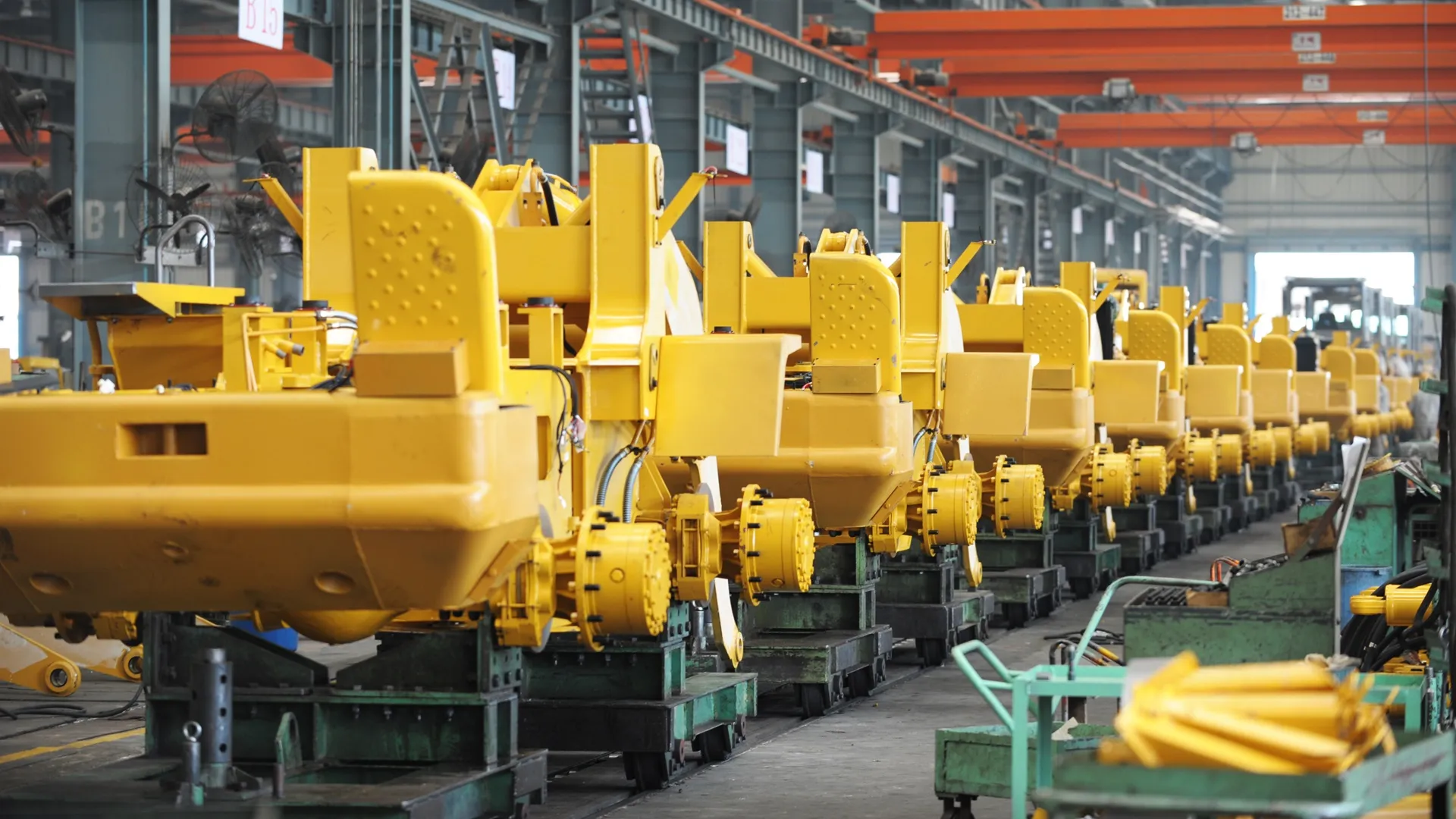
Heavy Equipment Applications
Lockbolt rivets provide a more secure mechanical locking connection, preventing downtime caused by loose connections. Lockbolt rivets are suitable for construction machinery, mining equipment, agricultural machinery, and heavy industrial equipment.

Solar Mounting & Solar Tracker Applications
Ideal for applications requiring high clamping force, vibration-resistant connections, and consistent installation across large-scale projects. Lockbolt rivets are used for outdoor track brackets, support rails, or structural connections in outdoor environments.

Safety Fence, Guardrail & Protective Structures
Designed for long-term outdoor use, these fasteners are impact-resistant and tamper-proof. Locking rivets are commonly used in guardrails, protective fences, industrial barriers, and safety structures.
Get An Instant Quote Now
1.What are the best lockbolt rivets for heavy-duty construction projects?
In heavy-duty construction projects, it is generally recommended to prioritize larger-sized Lockbolt rivets, such as R16, R20, R24, or R28. These sizes are suitable for thicker materials and higher structural loads. However, the specific size must be determined based on the total plate thickness, hole diameter, load-bearing requirements, shear resistance requirements, and installation space.
High-strength lockbolts are better suited for heavy-duty structures because they offer higher tensile strength, shear strength, and better resistance to vibration and loosening. High-strength carbon steel lockbolts, specifically the carbon steel high-strength lockbolt system, are typically selected. These lockbolts consist of a carbon steel pin and a carbon steel sleeve. Using specialized tools, the sleeve is crimped and locked onto the pin’s annular groove, forming a stable, permanent mechanical locking structure.
2.How to verify authenticity when purchasing lockbolt rivets from new vendors?
When selecting a new supplier to purchase Lockbolt Rivets, you can follow the process below to verify the supplier’s legitimacy and minimize financial losses.
First, you can ask the supplier to provide factory videos, photos of production equipment, photos of testing equipment, a business license, and quality management system certificates.
Second, you should request samples. Upon receiving the samples, do not rely solely on their appearance. You need to conduct actual installation tests.
At the same time, you need to review key technical documents. For outdoor or heavy-duty projects, you should also request salt spray test or corrosion resistance test data.
Before placing a large formal order, it is recommended that you first place a small trial order. You can conduct random inspections of products from different batches to determine whether the supplier’s mass production quality is consistent
3.How do lockbolt rivets compare to traditional rivets in strength and durability?
Lockbolt rivets generally offer higher strength and greater durability than traditional rivets. If your application requires higher tensile strength, higher shear strength, and better vibration resistance, lockbolt rivets are usually the better choice.
If you simply need to join ordinary sheet metal, enclosures, or lightweight components, traditional rivets are usually sufficient.
4.What are the key benefits of using lockbolt rivets in structural applications?
The key advantages of Lockbolt rivets lie in their high tensile strength, high shear strength, high vibration resistance, consistent clamping force, and permanent mechanical locking performance. If your structure needs to withstand shear forces, tensile forces, impacts, or continuous vibration, Lockbolt rivets are generally more reliable than standard rivets.
5.What is the typical lifespan of a properly installed lockbolt rivet in harsh environments?
In harsh environments, the service life of Lockbolt Rivets primarily depends on the material, coating, hole diameter, riveting range, and installation quality. If you select the appropriate material and coating and install them correctly, Lockbolt Rivets can typically maintain long-term stability in harsh environments.
For general heavy-duty structures, we recommend using carbon steel Lockbolt Rivets.
For applications in damp, salt spray, outdoor, or corrosive environments, we recommend selecting stainless steel or surface treatments with higher corrosion resistance ratings.
6.How do lockbolt rivets perform under extreme temperature fluctuations?
Lockbolt Rivets perform consistently in environments with fluctuating temperatures. This is because they utilize a pin-and-collar mechanical locking mechanism rather than relying on thread friction to prevent loosening.
When temperatures rise or fall, metal materials undergo thermal expansion and contraction. If you select the correct material, hole diameter, and riveting range, Lockbolt Rivets can maintain good clamping force and vibration resistance.
However, you cannot focus solely on the rivet itself. You must also consider the materials being joined.
If the thermal expansion coefficients of the rivet and the sheet metal differ significantly, additional stress may be generated after temperature cycling.
Lockbolt Rivets Videos
Watch our video on lockbolt rivets to learn how they work. Through real-world factory tests and experiments, you’ll gain a deeper understanding of how lockbolt rivets provide superior vibration resistance, high shear strength, and reliable long-term fastening performance.
Tensile Test of Carbon Steel Lockbolt Rivets
Riveting Test of Carbon Steel Lockbolt Rivets
Breakage Strength Test of Carbon Steel Lockbolt Rivets
Resource Center
Access helpful materials to support your project planning and product selection. Download documents for reference and on-site use.
Rivet Catalog
Browse our full blind rivet catalog including product types, specifications, and application examples.I am Trailer Box Description Text. You can change me anytime from settings.
Lockbolt Rivet Drawing
Download the technical drawings for the rivets, which include dimensions, internal structure, and basic product information
What is a lockbolt rivet?
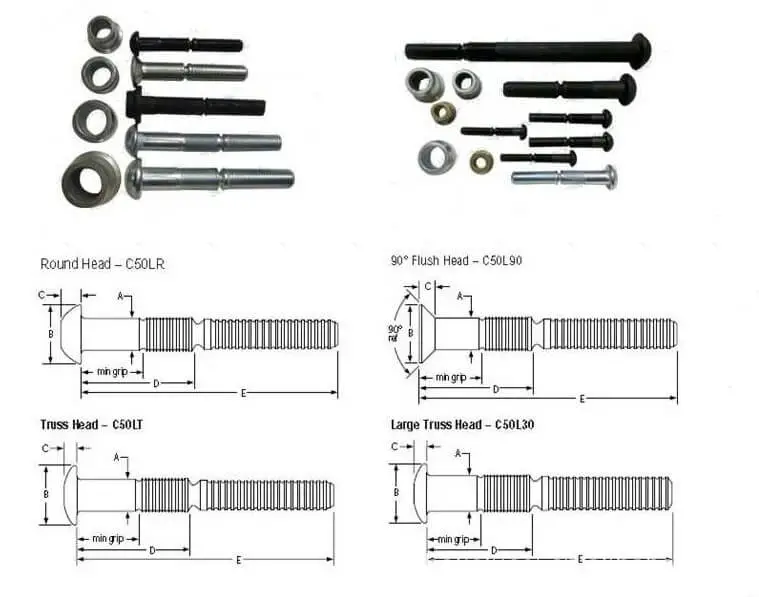
Lockbolt rivets are also commonly referred to as Lockbolt Fasteners, Lockbolt Systems, or High-Strength Lockbolts. A Lockbolt rivet is a high-strength mechanical locking fastener.
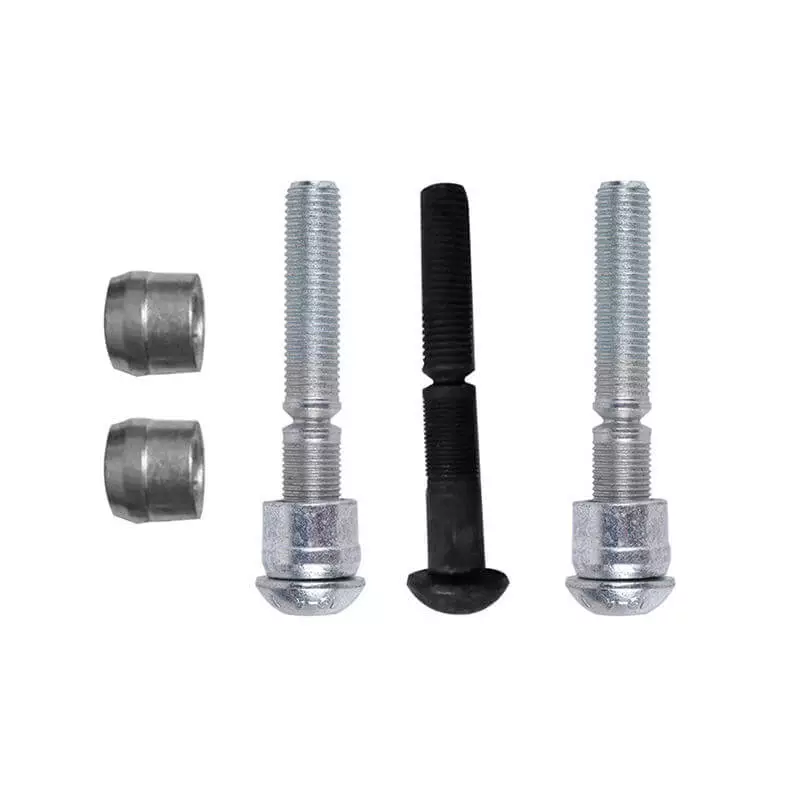
Lockbolt rivets typically consist of two parts: pin and collar.One end of the pin features a ring-shaped groove, while the collar has a corresponding convex groove. By inserting the pin into the convex groove of the collar and then compressing it, the two components are securely joined together. Lockbolt rivets offer a wide clamping range, high tensile strength, high shear strength, and excellent vibration resistance.
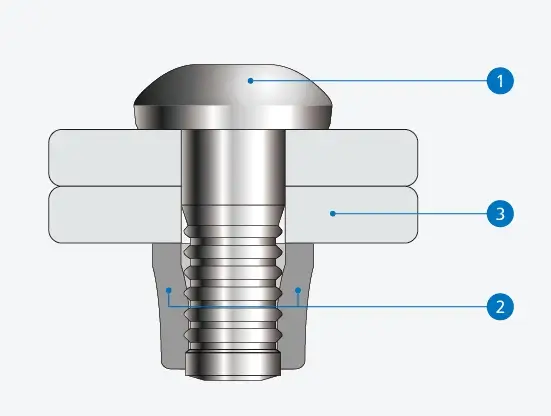
Structural Composition of Lockbolt Rivets
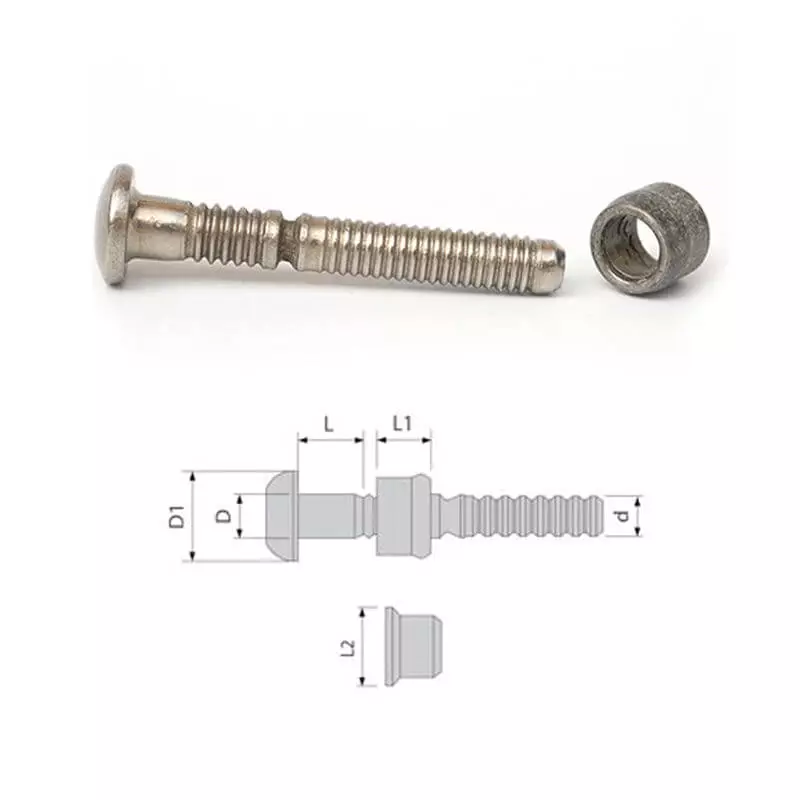
A lockbolt rivet is a two-way rivet consisting of a shank and a collar. A specialized tool is used to press the collar into the groove on the shank, creating a mechanical lock.
During installation, the pin is inserted through a hole in the workpiece, and the collar is placed over the other side. The installation tool pulls the pin while simultaneously pressing the collar into the groove on the pin, ultimately creating a stable mechanical locking connection. This type of assembly is typically classified as a two-side installation, meaning both sides of the workpiece must be accessible.
①Pin
The pin is the main load-bearing component of the entire Lockbolt rivet. It passes through the hole in the workpiece and bears the primary tensile and shear loads.
② Collar
The collar is a critical locking component in a lockbolt rivet. During installation, the tool presses the collar into the annular groove of the pin, creating a mechanical interlock between the collar and the pin.
③ Grooves
The grooves are the locking positions on the pin. During installation, the collar is pressed into these grooves to create a mechanical lock. This determines whether the collar can be locked in place.
④ Head
The head of the locking rivet is primarily responsible for providing a bearing surface and ensuring proper positioning on one side of the workpiece.

How Lockbolt Rivets Work

Step 1: Prepare the Installation Holes
You must first machine holes of the appropriate size in the workpiece. The hole diameter must match that of the lockbolt rivet. If the hole is too small, the pin may not fit or installation may be too difficult. If the hole is too large, the hole may not be fully filled, resulting in unstable clamping force and potentially compromising shear strength.
Step 2: Insert the Pin
Insert the pin into the appropriate hole from one side of the workpiece. The pin head should remain on the front side, while the shank passes through all the workpieces being joined.
Step 3: Install the Collar
Move to the other side of the workpiece and slip the collar onto the pin. Lockbolt rivets require two-side installation.
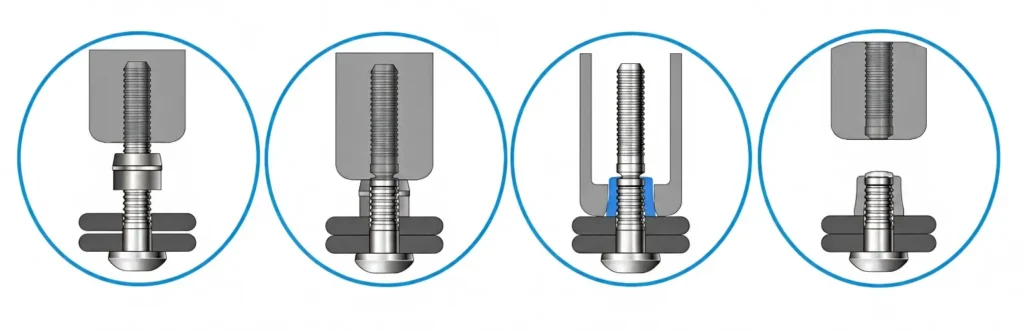
Step 4: Use the Tool to Pull the Pin and Swage the Collar
Use a specialized installation tool to grip the tail end of the pin and pull it outward, simultaneously pressing the collar into the groove on the pin. This process is called “collar swaging.” In other words, the collar is not simply slipped over the pin but is forcefully pressed into the groove by the tool, creating a mechanical interlock with the pin.
Step 5: Forming a mechanical locking connection
Once the collar is pressed into the groove on the pin, the pin and collar form a stable mechanical lock.
For products with a break point, the tail of the pin will break off at the designated location; for products without a break point, such as the BobTail type, no traditional break point is created.
Lockbolt Rivets VS Blind Rivets
| Comparison Item | Lockbolt Rivet | Standard Blind Rivet |
|---|---|---|
| Structure | Pin + Collar mechanical locking | Rivet body + mandrel pull-riveting structure |
| Strength | Higher strength, suitable for structural fastening | Medium to low strength, suitable for general sheet metal joining |
| Vibration Resistance | Excellent vibration resistance and not easy to loosen | Depends on rivet type; standard blind rivets have limited vibration resistance |
| Clamping Force | More stable and longer-lasting clamping force | Relatively lower clamping force |
| Installation Tool | Requires special lockbolt installation tools and nose assembly | Can be installed with standard manual, pneumatic, or electric rivet guns |
| Removal Difficulty | Difficult to remove; designed as a permanent fastening solution | Difficult to remove, but usually can be drilled out |
| Application Scenarios | Trucks, trailers, rail transit, heavy equipment, and steel structures | Sheet metal, cabinets, ventilation ducts, and light-duty assembly |
| Cost | Higher cost | Lower cost |
Advantages of Lockbolt Rivet
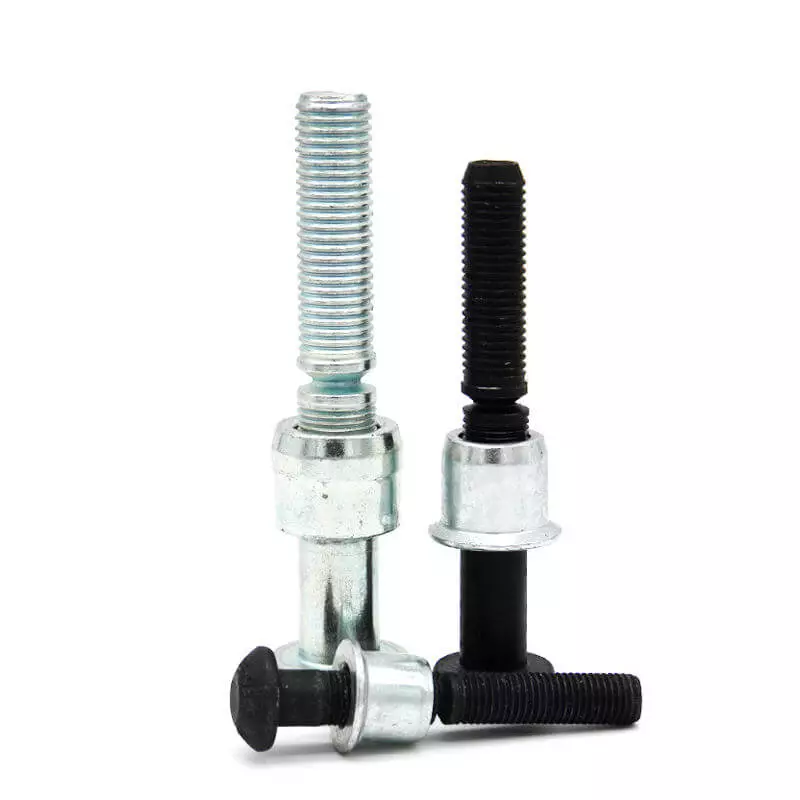
- For High-Strength Structural Connections
If your product application is subject to high shear or tensile loads, standard open-end or blind rivets may not be suitable. Lockbolt rivets are ideal for structural connections requiring higher shear strength, tensile strength, and connection stability. - Superior Vibration Resistance and Anti-Loosening Capabilities
Lockbolt rivets form a stable connection through a mechanical locking mechanism, unlike standard bolts that rely primarily on thread torque. When installed, the collar is pressed into the ring groove of the pin, creating a mechanically locked connection. This makes them suitable for applications involving long-term vibration, impact, or repeated stress, helping to reduce the risk of loosening. - Fast Installation
Traditional bolt connections require placing nuts, tightening, and torque verification, while welding demands even more process steps and skilled workers. Lockbolt rivets are installed using specialized tools, with a clear process, making them suitable for repetitive assembly. - Can serve as an alternative to bolts or welding in certain scenarios
If you need to reduce maintenance due to bolt loosening or prefer not to use welding in certain locations, Lockbolt rivets can be used as a replacement. - Multiple clamping range options for different material thicknesses
Lockbolt rivets offer a wide clamping range, making them suitable for riveting applications involving workpieces of varying thicknesses.