
Dome Head Blind Rivets
Rivmate offers high-quality dome-head blind rivets suitable for general metal fastening, equipment assembly, and industrial fastening applications.
- The dome head design offers strong versatility and is suitable for most industrial assembly positions.
- Easy to install with one-side access only, making it ideal for fast assembly and mass production.
- Available with different sizes, materials, surface finishes, and bulk order supply support.
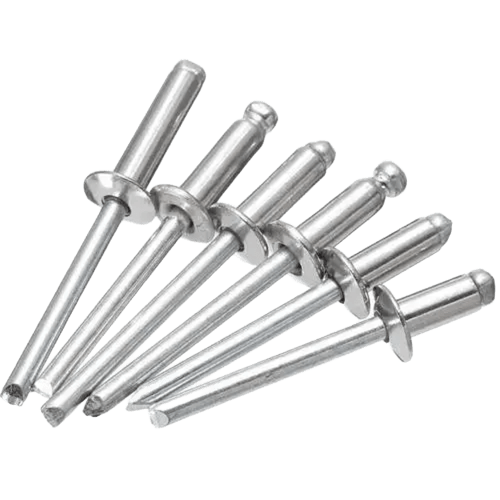
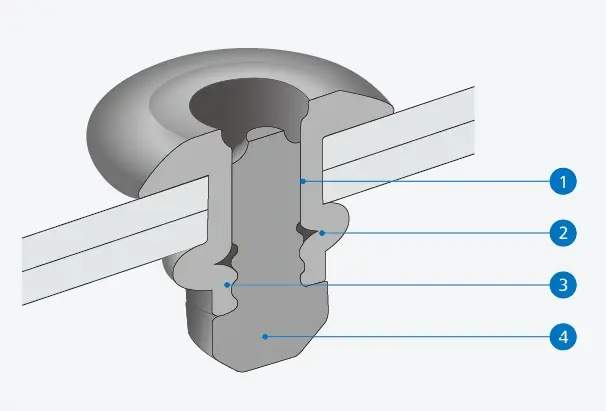
Why Choose Our Dome Head Blind Rivets
- Round-head blind rivets have a wide range of applications and are a common choice for general-purpose pop rivets.
- They enable reliable single-sided riveted joints and improve assembly efficiency.
- Installation is quick and easy, helping to improve assembly efficiency on mass production lines.
Rivmate —— Your Professional Customized Dome Head Blind Rivets Manufacturer
As a manufacturer of Dome Head Blind Rivets, Rivmate provides you with round head blind rivets suitable for a wide range of general assembly applications. The dome head design is one of the most widely used blind rivet head styles, offering easy installation, broad compatibility, and flexible application.
Your Dome Head Blind Rivets can be matched according to sheet thickness, hole size requirements, grip range, head dimensions, material combinations, and surface finish requirements. Whether used in sheet metal fabrication, equipment manufacturing, electrical cabinets, industrial panels, or structural component fastening, Rivmate can provide you with professional customization support and long-term stable supply assurance.
Dome Head Blind Rivets-Classified by Material
Rivmate can provide you with Dome Head Blind Rivets in a variety of material combinations, suitable for sheet metal fabrication, equipment manufacturing, electrical cabinets, and industrial structural component fastening. Different materials of Dome Head Blind Rivets are suitable for different fastening environments and performance requirements.
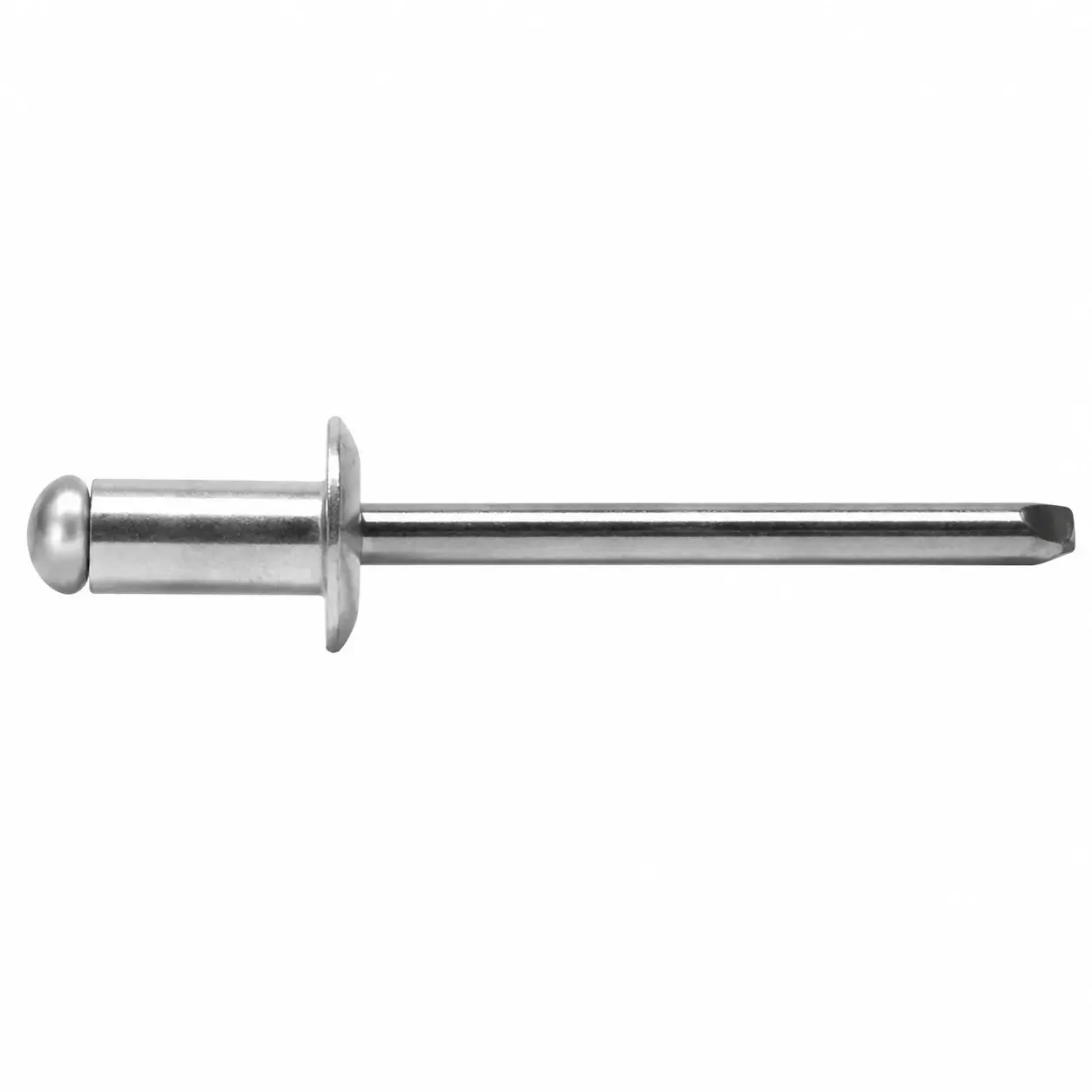
Aluminum & Steel Dome Head Blind Rivets
Aluminium rivet body with carbon steel mandrel, suitable for thin metal sheets and sheet metal assembly.
Aluminum & Carbon steel Dome Head Blind Rivets
Suitable for sheet metal panels, covers and light-gauge structural assemblies, it produces a flush-surface riveted finish.
All aluminum Dome Head Blind Rivets
Aluminum body and aluminum mandrel reduce material mismatch, making it suitable for aluminum structures
Aluminum & Stainless steel Dome Head Blind Rivets
Designed for recessed holes, providing a low-profile fastening solution for sheet metal, aluminum panels, and industrial covers.
All steel / All carbon steel Dome Head Blind Rivets
Countersunk head design allows the rivet to sit flush with the material surface, ideal for steel sheets and equipment panels.
All stainless steel Dome Head Blind Rivets
All stainless steel construction provides excellent corrosion resistance for demanding assemblies.
Stainless Steel Dome Head Blind Rivets
Stainless steel countersunk rivets designed for flush surface fastening, suitable for outdoor, corrosive.
Dome Head Blind Rivets-Classified by size
Rivmate’s Dome Head Blind Rivets can be classified by different diameters, lengths, and grip ranges to meet the fastening requirements of different sheet thicknesses and assembly structures. Whether used for light sheet metal joining, equipment housings, metal panels, or industrial component fastening, we can provide stable size matching and bulk supply support.
2.4 mm Peel Type Blind Rivet
Small-diameter sizes, suitable for small-hole, thin-gauge, and light-load connections.
3.2 mm Peel Type Blind Rivet
These small- to medium-diameter sizes balance ease of installation with foundation clamping force.
4.8 mm Peel Type Blind Rivet
Suitable for assembling metal panels and housings, ensuring consistent rivet strength
9.8 mm Peel Type Blind Rivet
Suitable for applications requiring large apertures, high load-bearing capacity.
Dome Head Blind Rivets-Classified by Structure
Rivmate provides Dome Head Blind Rivets classified by structure, helping you choose the most suitable rivet type based on your actual assembly requirements. Open-end rivets are suitable for general assembly, closed-end rivets are suitable for sealing requirements, multi-grip rivets are suitable for workpieces with varying sheet thicknesses, and structural rivets are suitable for applications that require higher strength and better vibration resistance.
Dome Head Open Type Blind Rivets
Standard round-head design, suitable for general assembly, with a clean appearance and a wide range of applications.
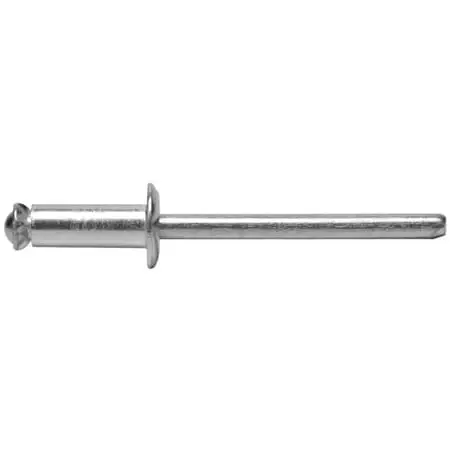
Dome Head Peel Type Blind Rivets
Standard round-head design, suitable for general assembly, with a clean appearance and a wide range of applications.
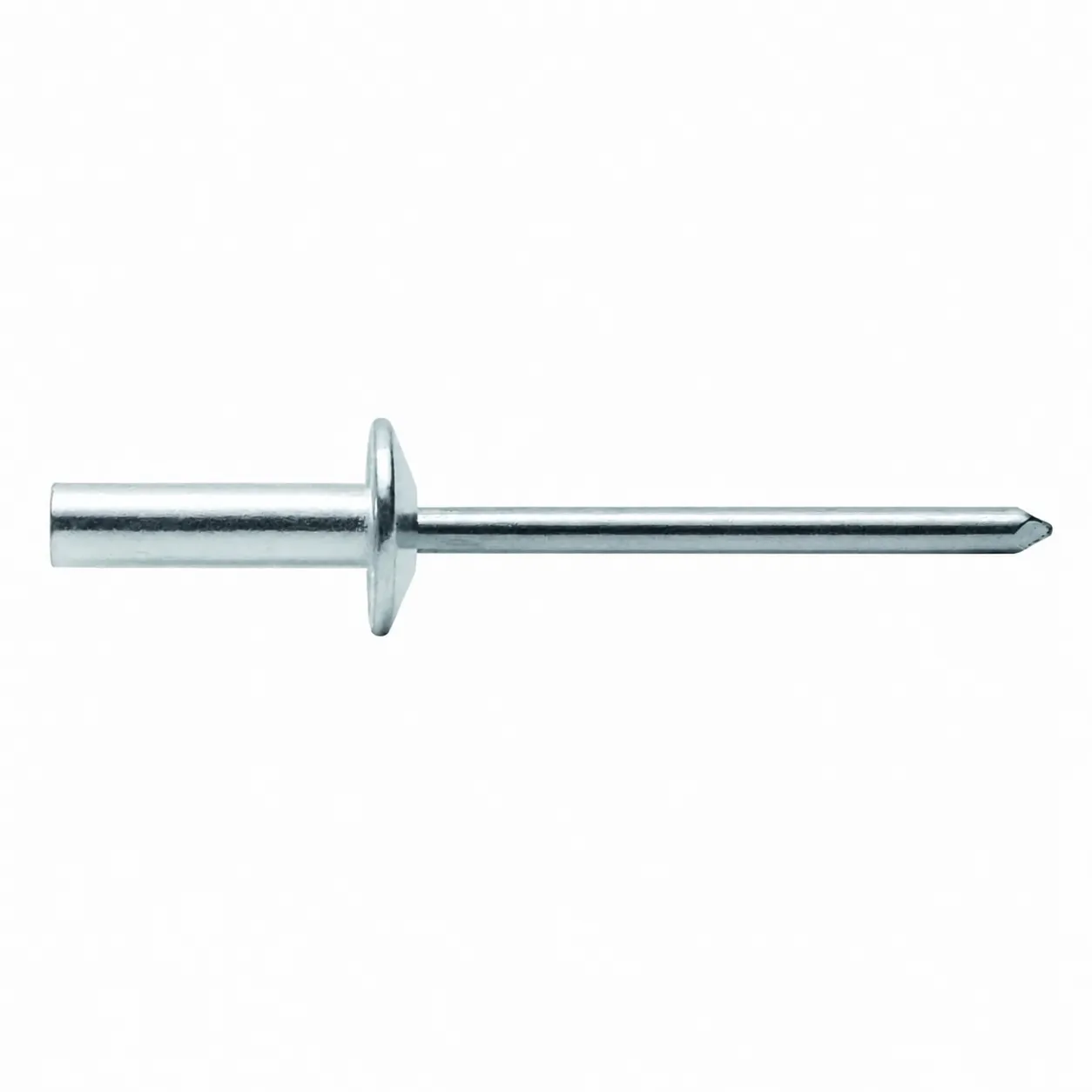
Dome Head Sealed Type Blind Rivets
Standard round-head design, suitable for general assembly, with a clean appearance and a wide range of applications.
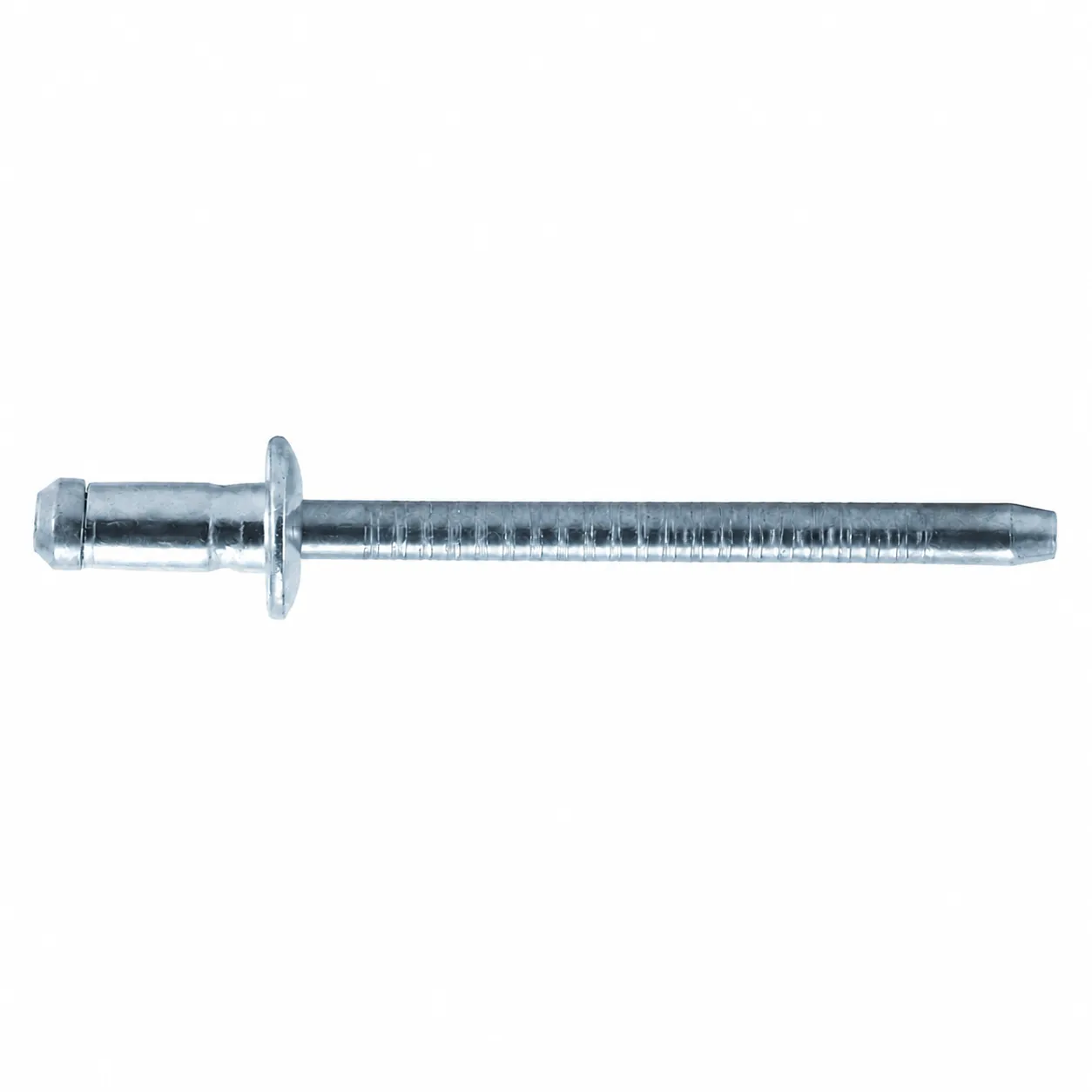
Dome Head Uni-Grip Blind Rivets
Standard round-head design, suitable for general assembly, with a clean appearance and a wide range of applications.
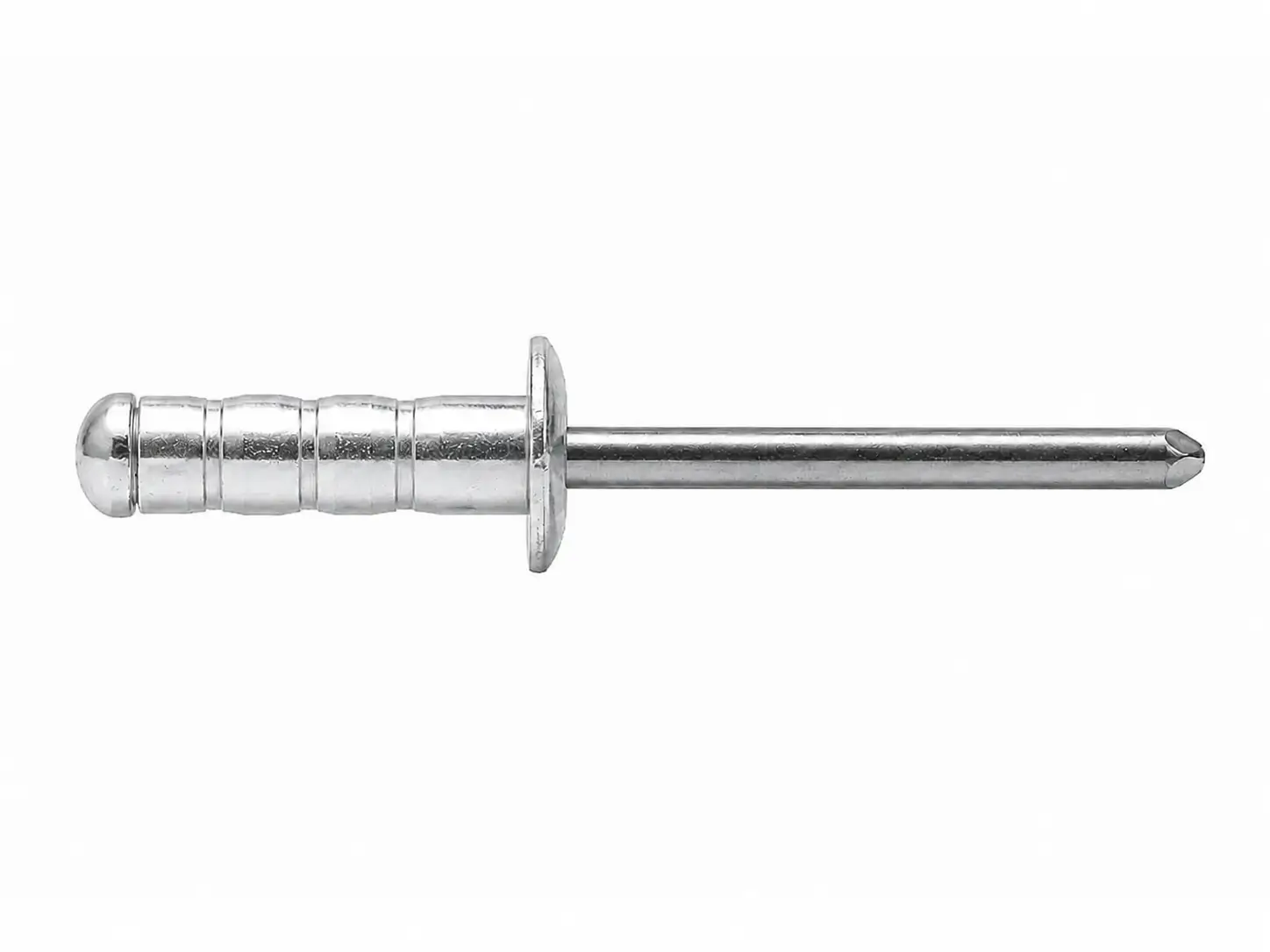
Dome Head Multi-Grip Blind Rivets
Standard round-head design, suitable for general assembly, with a clean appearance and a wide range of applications.

Dome Head Trifirm Type Blind Rivets
Standard round-head design, suitable for general assembly, with a clean appearance and a wide range of applications.
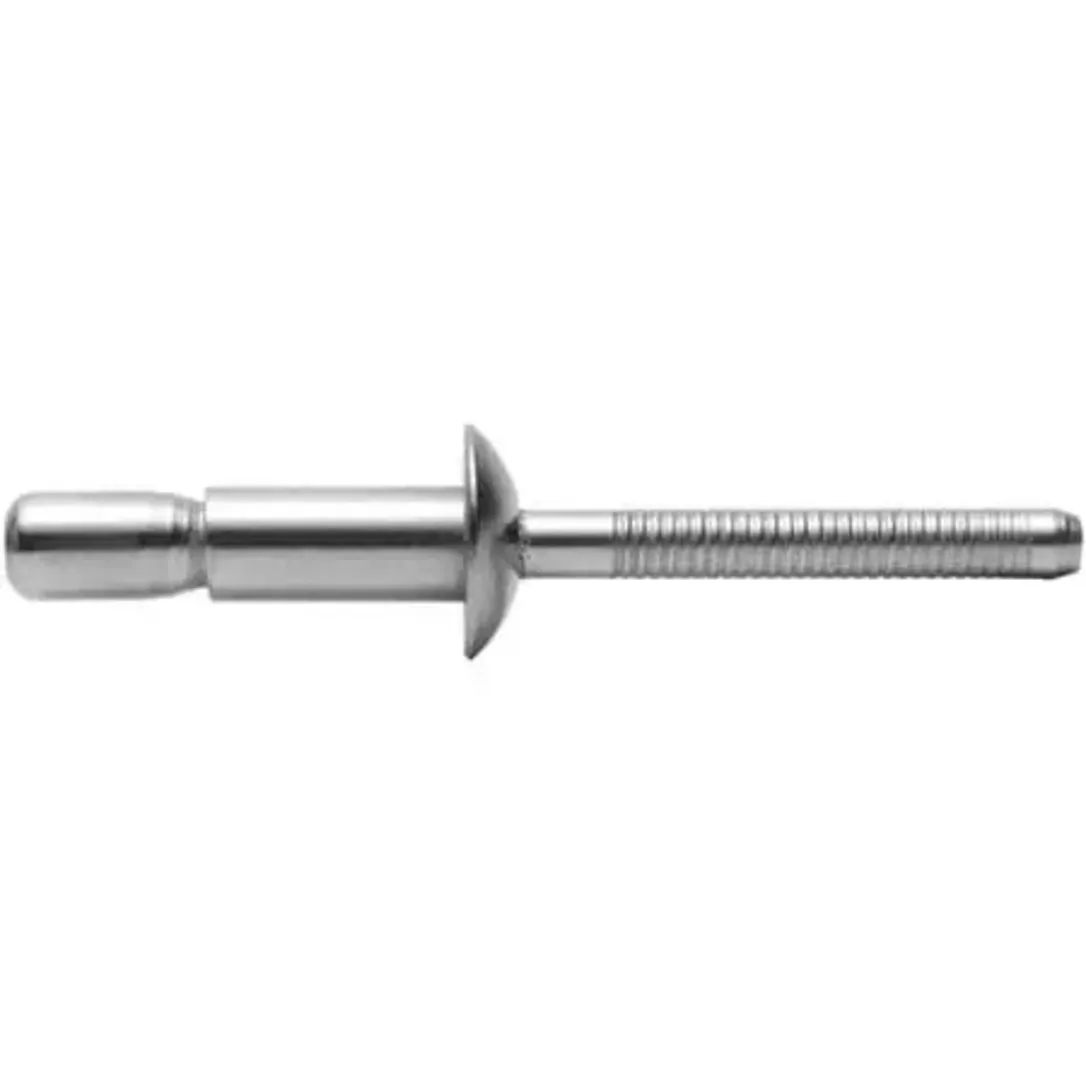
Dome Head Now-Lock Blind Rivets
Standard round-head design, suitable for general assembly, with a clean appearance and a wide range of applications.
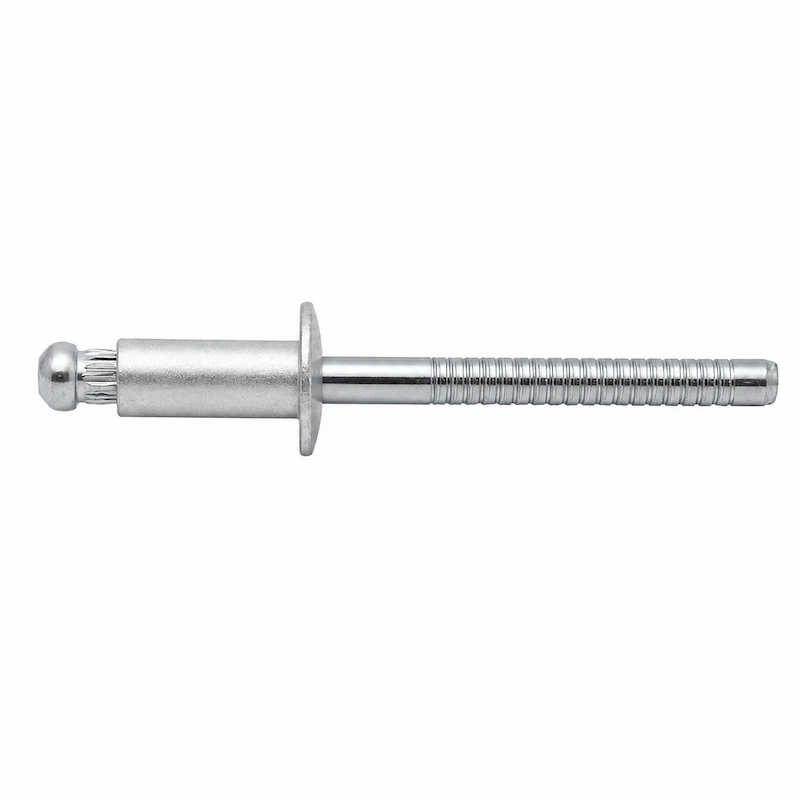
Dome Head Q-Lock Blind Rivets
Standard round-head design, suitable for general assembly, with a clean appearance and a wide range of applications.
| Product Series | Material Combination | Dome Head Code / Prefix | Diameter Range | Available Size Range | Grip Range | Typical Strength Range |
|---|---|---|---|---|---|---|
| Open Type Blind Rivet | Aluminum Body / Carbon Steel Mandrel | AS | 2.4mm - 6.4mm | 2.4x4.0 - 6.4x40.0 | 0.5 - 33.0mm | Tensile: 280N - 3000N Shear: 180N - 2200N |
| Open Type Blind Rivet | All Aluminum | AA | 2.4mm - 6.4mm | 2.4x4.0 - 6.4x40.0 | 0.5 - 33.0mm | Tensile: 200N - 2200N Shear: 150N - 1500N |
| Open Type Blind Rivet | Aluminum Body / Stainless Steel Mandrel | AB | 2.4mm - 6.4mm | 2.4x4.0 - 6.4x40.0 | 0.5 - 33.0mm | Tensile: 500N - 4850N Shear: 350N - 3400N |
| Open Type Blind Rivet | All Carbon Steel | SS | 3.0mm - 6.4mm | 3.0x6.0 - 6.4x40.0 | 1.0 - 33.0mm | Tensile: 1125N - 5400N Shear: 915N - 4350N |
| Open Type Blind Rivet | All Stainless Steel | BB-S | 3.0mm - 6.4mm | 3.0x6.0 - 6.4x35.0 | 1.0 - 28.0mm | Tensile: 2000N - 8850N Shear: 1600N - 6500N |
| Peel Type Blind Rivet | Aluminum Body / Carbon Steel Mandrel | ASP | 3.2mm - 6.4mm | 3.2x10.0 - 6.4x25.0 | 1.0 - 24.0mm | Tensile: 700N - 3400N Shear: 500N - 2900N |
| Sealed Type Blind Rivet | Aluminum Body / Steel Mandrel | ASF | 3.2mm - 6.4mm | 3.2x6.5 - 6.4x24.0 | 0.5 - 17.5mm | Tensile: 1350N - 4900N Shear: 1100N - 3600N |
| Sealed Type Blind Rivet | All Aluminum | AAF | 3.2mm - 6.4mm | 3.2x6.5 - 6.4x24.0 | 0.5 - 17.5mm | Tensile: 540N - 2200N Shear: 460N - 2000N |
| Sealed Type Blind Rivet | Aluminum Body / Stainless Steel Mandrel | ABF | 3.2mm - 6.4mm | 3.2x6.5 - 6.4x24.0 | 0.5 - 17.5mm | Tensile: 1450N - 4900N Shear: 1100N - 3600N |
| Sealed Type Blind Rivet | All Steel | SSF | 3.2mm - 4.8mm | 3.2x7.0 - 4.8x25.0 | 0.5 - 20.0mm | Tensile: 1300N - 2800N Shear: 1150N - 2400N |
| Sealed Type Blind Rivet | Stainless Steel 304 Body / 420 Mandrel | BBF-S | 3.2mm - 6.4mm | 3.2x6.0 - 6.4x25.0 | 0.5 - 17.0mm | Tensile: 2200N - 8000N Shear: 2000N - 6000N |
| Sealed Type Blind Rivet | Stainless Steel 304 / 304 | A2BBF-S | 3.2mm - 6.4mm | 3.2x7.0 - 6.4x25.0 | 1.0 - 16.0mm | Tensile: 2200N - 8000N Shear: 2000N - 6000N |
| Sealed Type Blind Rivet | Stainless Steel 316 / 316 | A4BBF-S | 3.2mm - 6.4mm | 3.2x7.0 - 6.4x25.0 | 1.0 - 16.0mm | Tensile: 2200N - 8000N Shear: 2000N - 6000N |
| Sealed Type Blind Rivet | Copper Body / Steel Mandrel | CSF | 3.2mm - 4.8mm | 3.2x7.0 - 4.8x16.0 | 0.5 - 11.0mm | Tensile: 1000N - 3100N Shear: 800N - 2200N |
| Uni-Grip Blind Rivet | All Steel | SSPMG | 3.2mm - 6.4mm | 3.2x6.5 - 6.4x16.5 | 1.0 - 12.0mm | Tensile: 1300N - 6800N Shear: 1200N - 9500N |
| Uni-Grip Blind Rivet | All Stainless Steel | BBPMG | 3.2mm - 6.4mm | 3.2x6.5 - 6.4x16.5 | 1.0 - 12.0mm | Tensile: 1600N - 8000N Shear: 1600N - 13700N |
| Multi-Grip Blind Rivet | Aluminum Body / Steel Mandrel | ASMG | 3.2mm - 6.4mm | 3.2x6.0 - 6.4x25.5 | 1.0 - 17.5mm | Tensile: 850N - 4000N Shear: 650N - 3800N |
| Multi-Grip Blind Rivet | Aluminum Body / Stainless Steel Mandrel | ABMG | 3.2mm - 6.4mm | 3.2x6.0 - 6.4x25.5 | 1.0 - 17.5mm | Tensile: 850N - 4000N Shear: 650N - 3800N |
| Multi-Grip Blind Rivet | All Steel | SSMG | 3.2mm - 6.4mm | 3.2x8.0 - 6.4x25.5 | 1.0 - 17.5mm | Tensile: 1200N - 4000N Shear: 1000N - 3800N |
| Multi-Grip Blind Rivet | All Stainless Steel | BBMG | 3.2mm - 6.4mm | 3.2x8.0 - 6.4x25.5 | 1.0 - 17.5mm | Tensile: 2000N - 7500N Shear: 1700N - 6000N |
| Trifirm Rivet | All Aluminum | AAT | 4.0mm - 4.8mm | 4.0x14.0 - 4.8x25.0 | 1.0 - 12.0mm | Tensile: 750N - 950N Shear: 550N - 750N |
| Now-Lock Blind Rivet | Carbon Steel | SSN | 4.8mm - 9.8mm | 4.8x10.0 - 9.8x21.0 | 1.6 - 15.9mm | Tensile: 4440N - 17700N Shear: 5780N - 26600N |
| Now-Lock Blind Rivet | Stainless Steel | BBN | 4.8mm - 9.8mm | 4.8x10.0 - 9.8x21.0 | 1.6 - 15.9mm | Tensile: 4440N - 19400N Shear: 5800N - 26080N |
| Q-Lock Blind Rivet | All Aluminum | AAQ | 3.2mm - 6.4mm | 3.2x7.0 - 6.4x22.9 | 1.57 - 15.88mm | Tensile: 1100N - 3340N Shear: 1000N - 3780N |
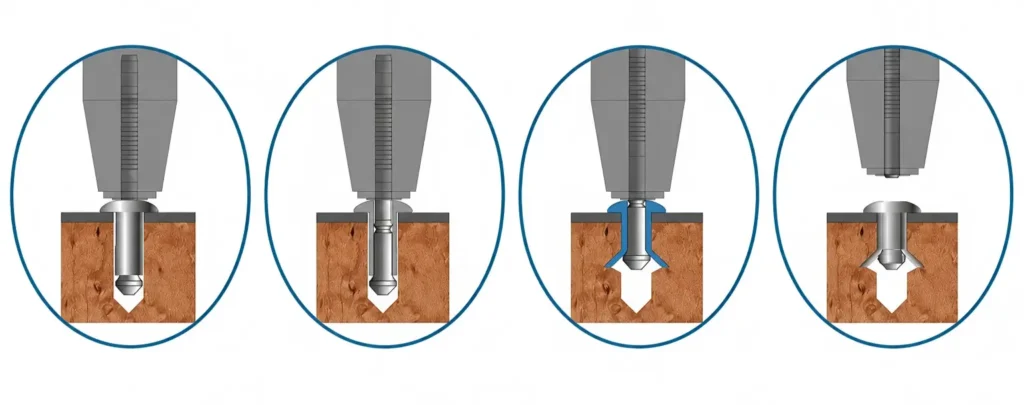
Steps of Blind Rivet Installation
- Insert the rivet into the pre-drilled hole, ensuring that the rivet head sits flush against the workpiece.
- Place the rivet gun’s nozzle over the rivet mandrel and hold the tool vertically.
- Activate the rivet gun and pull the rivet mandrel to expand the rivet body and secure the workpiece.
- Once the rivet mandrel breaks off, the riveting is complete. Check that the rivet is secure and flush.
Dome Head Blind Rivet Manufacturing You Can Trust
For Dome Head Blind Rivets, stable manufacturing capability directly affects installation efficiency and final fastening quality. If the rivet dimensions are inconsistent, the mandrel break is unstable, or the grip range does not match the sheet thickness, it may lead to lower assembly efficiency, loose riveting, or inconsistent appearance. Through a mature production process, Rivmate provides more reliable dome head blind rivet supply for your bulk assembly projects.
- Suitable for distributor inventory replenishment and OEM mass assembly needs
- Specifications can be matched according to sheet thickness, hole diameter, and application scenarios
- Supports multiple material combinations, including aluminum, steel, and stainless steel
From production forming to finished product inspection, Rivmate focuses on dimensional consistency and application stability for every batch of dome head blind rivets, helping you reduce procurement risks caused by incorrect selection, installation issues, and batch-to-batch differences.
Pop Rivet Cold Heading Machines
Rivet Assembly machines
Our Rivet Warehouse

Stable Bulk Supply for Dome Head Blind Rivets
For customers who use Dome Head Blind Rivets in large quantities, supply stability directly affects assembly efficiency and inventory turnover. Rivmate can provide continuous bulk production support for dome head blind rivets based on your procurement plan, helping you meet the needs of distributor inventory, OEM assembly, and project-based purchasing.
- Ideal for bulk purchases by overseas fastener distributors and industrial customers
- Support for long-term supply plans and repeat orders
- Covers common specifications of round-head blind rivets and a variety of material combinations
Through bulk production management and finished product inspection, Rivmate ensures that each batch of Dome Head Blind Rivets remains stable in dimensions, head shape, surface quality, and installation performance, helping customers reduce assembly problems caused by batch-to-batch differences.
Applications of Dome Head Blind Rivets
Dome Head Blind Rivets are suitable for assembly positions that require installation efficiency, fastening stability, and a clean appearance. They can be used for joining aluminum sheets, steel sheets, stainless steel sheets, equipment panels, metal housings, and industrial structural components, making them a common general-purpose riveting solution for sheet metal fabrication and mass production.
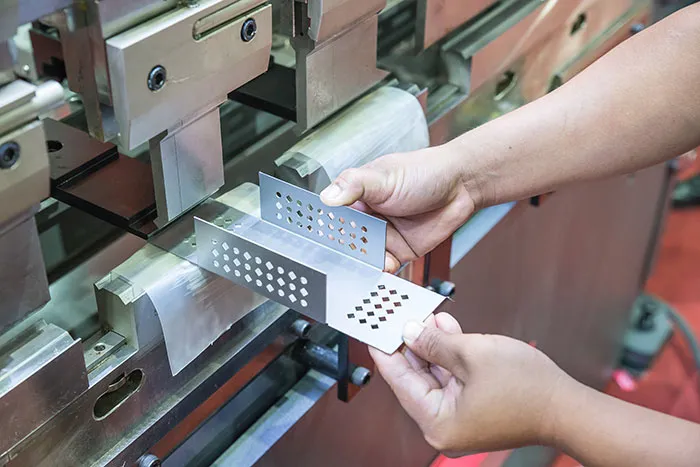
Sheet Metal Fabrication
In sheet metal fabrication, dome head blind rivets can be used to create permanent joints in thin sheets, bent parts, stamped parts and metal cladding. The single-sided installation method improves assembly efficiency and is suitable for mass production and riveting locations where space is limited.
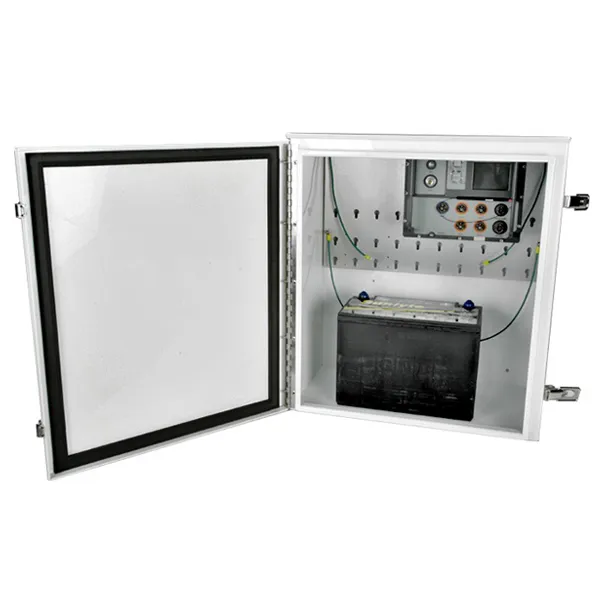
Equipment Housings
Dome head blind rivets provide a secure fastening solution for the assembly of machinery housings, protective covers and equipment panels. Compared to screw fastenings, riveted joints are less prone to loosening due to vibration, making them suitable for long-term use in industrial equipment.
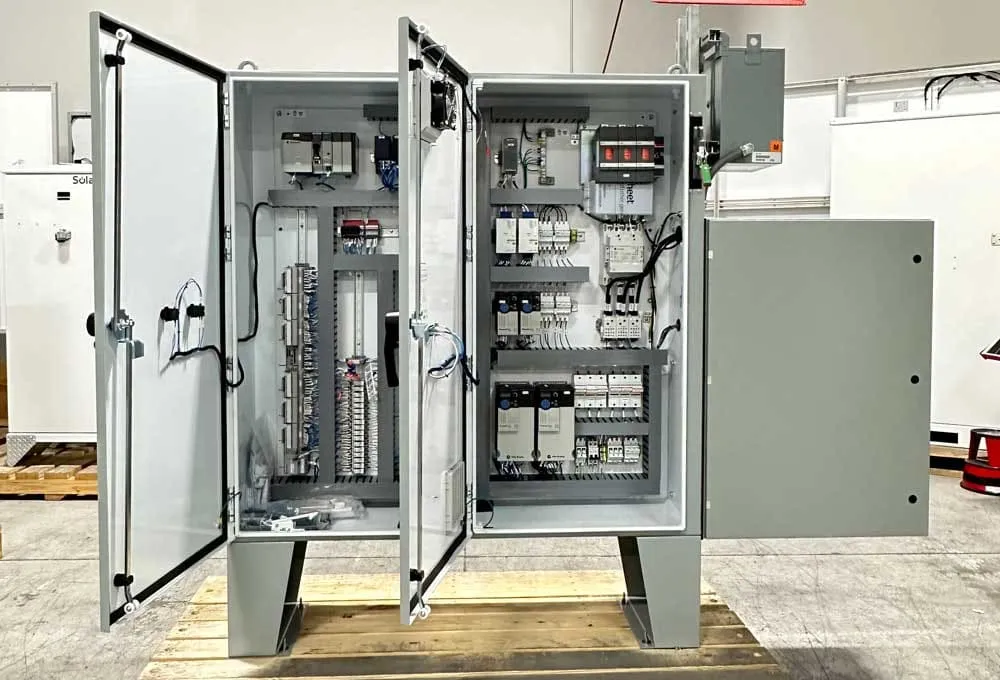
Electrical Cabinets And Control Boxes
Dome Head Blind Rivets can be used in the assembly of electrical cabinets, control boxes, enclosures and metal door panels. Their rounded heads provide a neat finish, making them suitable for cabinet manufacturing projects where surface consistency and assembly efficiency are key requirements.
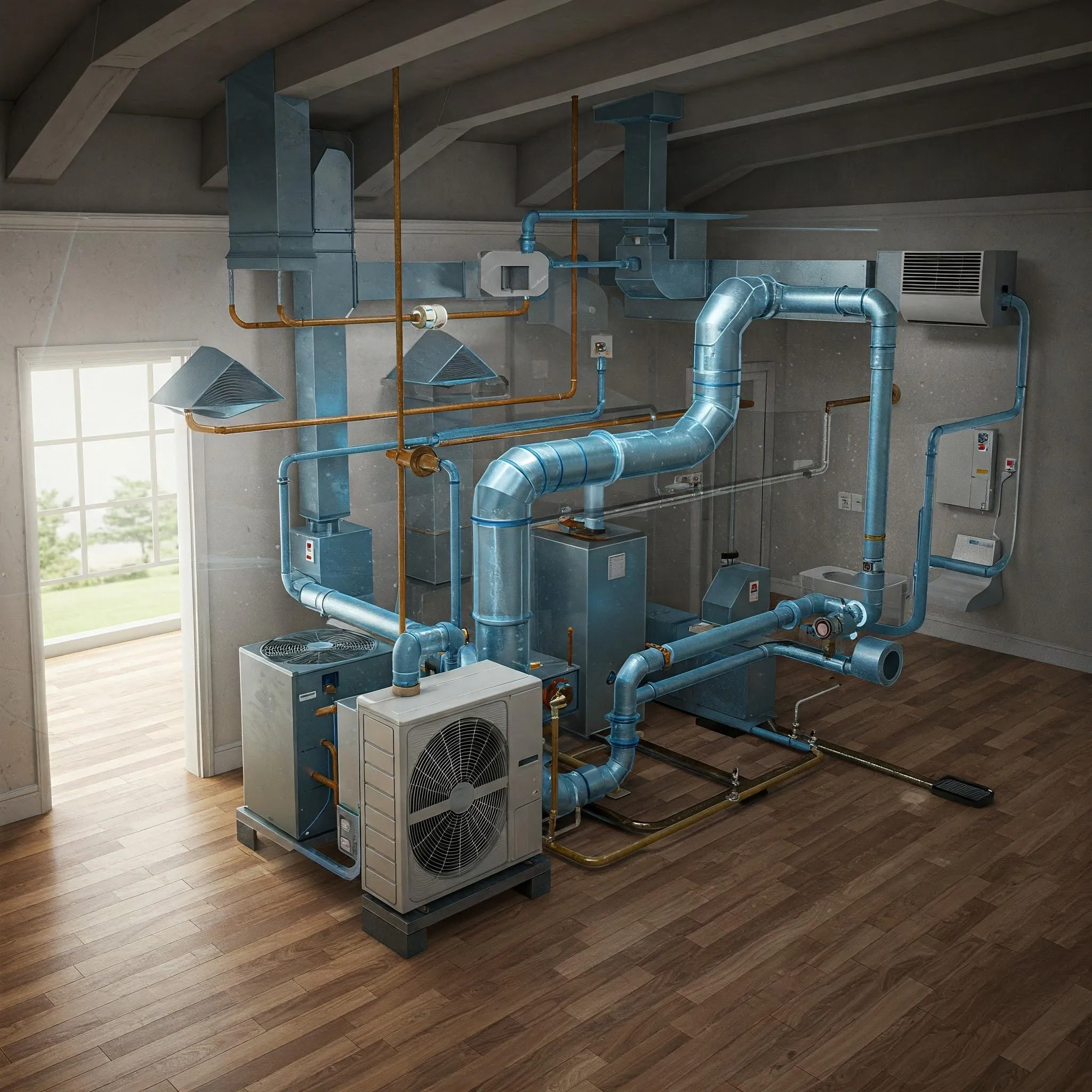
HVAC And Ventilation Components
In ventilation ducts, air-conditioning equipment casings, fan components and sheet metal joints, round-head blind rivets enable rapid single-sided fastening. They are suitable for high-volume assembly applications, helping to improve installation efficiency and ensure stable connections.
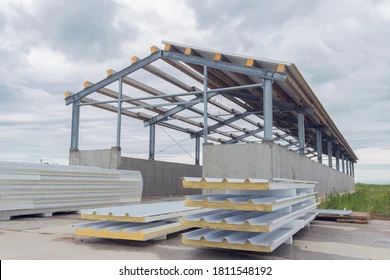
Industrial Panels And Metal Frames
Dome head blind rivets are also suitable for joining industrial panels, metal frames, brackets and lightweight structural components. Rivmate can provide suitable materials, sizes and surface finishes based on your sheet thickness, hole diameter, clamping range and operating environment.
Get An Instant Quote Now
1.Best dome head blind rivets for aluminum panels?
For most aluminum panel assembly projects, Aluminum Dome Head Blind Rivets are a suitable choice.
Rivmate can help you match the right dome head blind rivet specifications according to your aluminum panel thickness, application position, and bulk assembly requirements.
2.Which dome head blind rivets offer the highest corrosion resistance?
In highly corrosive environments, it is recommended to use all-stainless-steel dome-head blind rivets rather than standard steel or galvanised steel rivets. This is because the galvanised coating relies primarily on its surface coating for protection; once the coating wears away or following prolonged exposure to a damp environment, there remains a risk of corrosion.
3.Can dome head blind rivets be used for plastic panel assembly?
Yes, but the right Dome Head Blind Rivets should be selected according to the thickness, hardness, and compression resistance of the plastic panel.
For plastic panels, it is generally recommended to choose an aluminum rivet body, a suitable grip range, and lower installation force.
4.What are the recommended dome head blind rivets for electrical enclosure assembly?
When assembling electrical enclosures, it is recommended to select dome-head blind rivets appropriate to the operating environment. For indoor electrical cabinets, control boxes or enclosures, aluminium-body/steel-mandrel dome-head blind rivets are a common choice, offering a balance between installation efficiency, cost and connection stability.
5.What types of finishes are available for dome head blind rivets?
Common surface treatments for dome-head blind rivets include galvanizing, colored zinc plating, nickel plating, oxidation, spray coating, passivation, Dacromet, and zinc-nickel alloy coating, among others.
These different surface treatments are primarily used to enhance the rivets’ corrosion resistance, visual consistency, weather resistance, and assembly compatibility.
Dome Head Blind Rivets
Watching our Dome Head Blind Rivets video can help you understand more clearly how this product performs during actual assembly and how it delivers reliable fastening results.
Dome Head Blind Rivets: Tensile test
Dome Head Blind Rivets: Riveting test
Resource Center
Access helpful materials to support your project planning and product selection. Download documents for reference and on-site use.
Rivet Catalog
Browse our full blind rivet catalog including product types, specifications, and application examples.I am Trailer Box Description Text. You can change me anytime from settings.
Dome Head Blind Rivet Drawing
Download the technical drawings for the rivets, which include dimensions, internal structure, and basic product information
Differences between dome head and countersunk blind rivets?
| Comparison Item | Dome Head Blind Rivets | Countersunk Blind Rivets | How To Choose |
|---|---|---|---|
| Head Design | Designed with a rounded head that remains visible above the material surface after installation. | Designed with a flat or tapered head that sits flush or nearly flush with the material surface. | Choose dome head for general fastening; choose countersunk head when a flush surface is required. |
| Hole Requirement | Usually installed into a standard straight hole without additional countersinking. | Usually requires a countersunk hole to allow the rivet head to fit properly. | Dome head is easier for standard assembly; countersunk head needs more accurate hole preparation. |
| Surface Appearance | Creates a visible rounded fastening point on the surface. | Creates a cleaner, flatter, and lower-profile surface after riveting. | Use countersunk rivets for appearance-sensitive panels or low-protrusion requirements. |
| Installation Efficiency | Faster and easier to install because no countersink preparation is normally required. | May require extra processing time due to countersink preparation and alignment control. | For faster mass assembly, dome head blind rivets are usually more efficient. |
| Application Areas | Commonly used for sheet metal fabrication, equipment housings, electrical cabinets, HVAC parts, and general industrial assembly. | Commonly used for flat panels, decorative surfaces, door panels, machinery covers, and areas where protruding heads may interfere. | Select based on whether the rivet head can remain exposed after installation. |
| Assembly Cost | Usually more cost-effective for standard fastening because the installation process is simpler. | May increase processing cost because the workpiece often needs countersinking. | If a flush surface is not necessary, dome head rivets are often the more economical option. |
| Best For | General-purpose fastening, standard holes, fast production assembly, and visible rivet heads. | Flush fastening, low-profile surfaces, clean appearance, and space-sensitive assembly positions. | Use dome head for universal applications and countersunk head for flat surface requirements. |
Which companies offer custom dome head blind rivet manufacturing?
Companies capable of providing custom dome-head blind rivet manufacturing are typically blind rivet manufacturers with in-house production facilities, rather than suppliers who merely deal in stock items. When making your selection, you should focus on whether the supplier possesses the capabilities for cold heading, dimensional inspection, material matching, surface treatment and batch order management.
Are dome head blind rivets waterproof?
Whether dome head blind rivets are waterproof depends primarily on their construction. Standard open-ended dome-head blind rivets are suitable for conventional fastening applications, but cannot be used as a reliable waterproof seal. Closed-ended dome head blind rivets, due to their sealed tail design, are more effective at preventing moisture, dust and debris from entering through the rivet hole.
Common problems when installing dome head blind rivets?
Common problems include loose rivets, the rivet head not sitting flush after installation, abnormal mandrel break position, hole deformation, and insufficient sheet clamping. These issues are usually related to incorrect rivet size selection, oversized hole diameter, mismatched grip range, or unstable pulling force from the installation tool.