
Blind Rivets for Sheet Metal HVAC Assembly
Rivmate supplies professional blind rivets for sheet metal HVAC assembly, specifically designed for sheet metal HVAC assembly. They ensure efficient, stable and distortion-free connections for your projects whilst maintaining structural integrity.
HVAC Rivet Solution
Why you Should Use Blind Rivets for Sheet Metal HVAC Assembly
In sheet metal HVAC assembly scenarios, you need not only to complete the connection but also to address issues relating to sheet metal deformation, assembly efficiency and long-term stability.
Blind rivets enable more efficient and stable connections without increasing process complexity. Using blind rivets for thin sheet metal HVAC applications effectively reduces stress concentration and prevents sheet metal deformation. This helps you achieve structural stability + controlled quality + standardised production.
3–5×
≤30%
increase in installation efficiency
reduction in the risk of air leakage
Common Challenges in Sheet Metal HVAC Assembly and Rivet Solutions
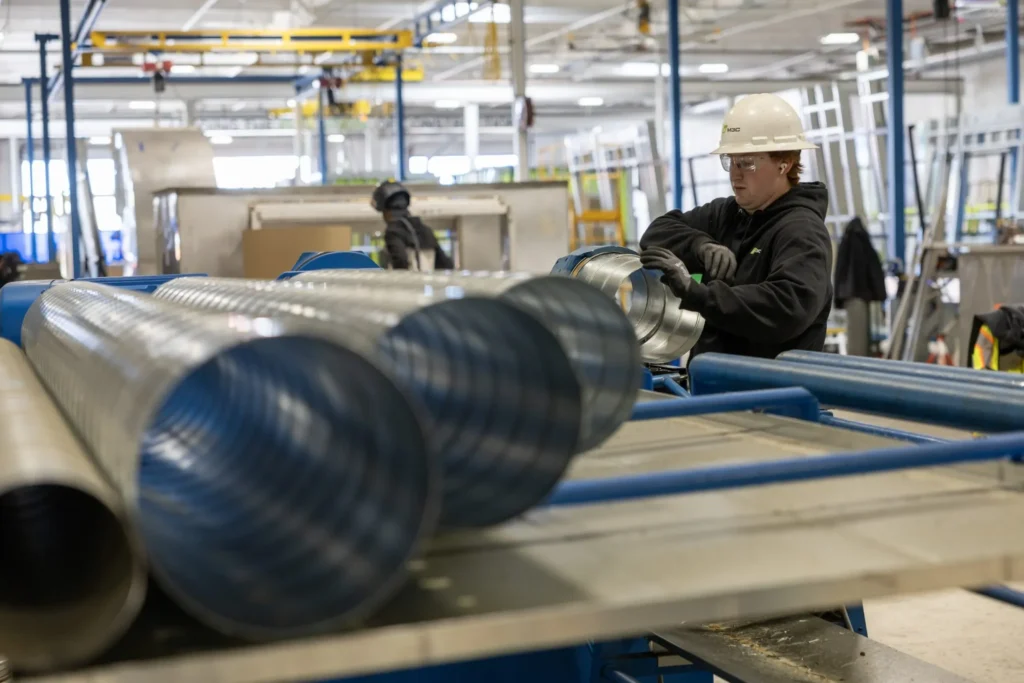
Thin sheet deformation → Large flange rivet solution
In sheet metal assembly, thin sheets are highly susceptible to deformation when subjected to stress, which directly affects structural accuracy and visual consistency. By using blind rivets, the large flange design effectively distributes stress, reduces stress concentration, and minimises the risk of deformation at source.
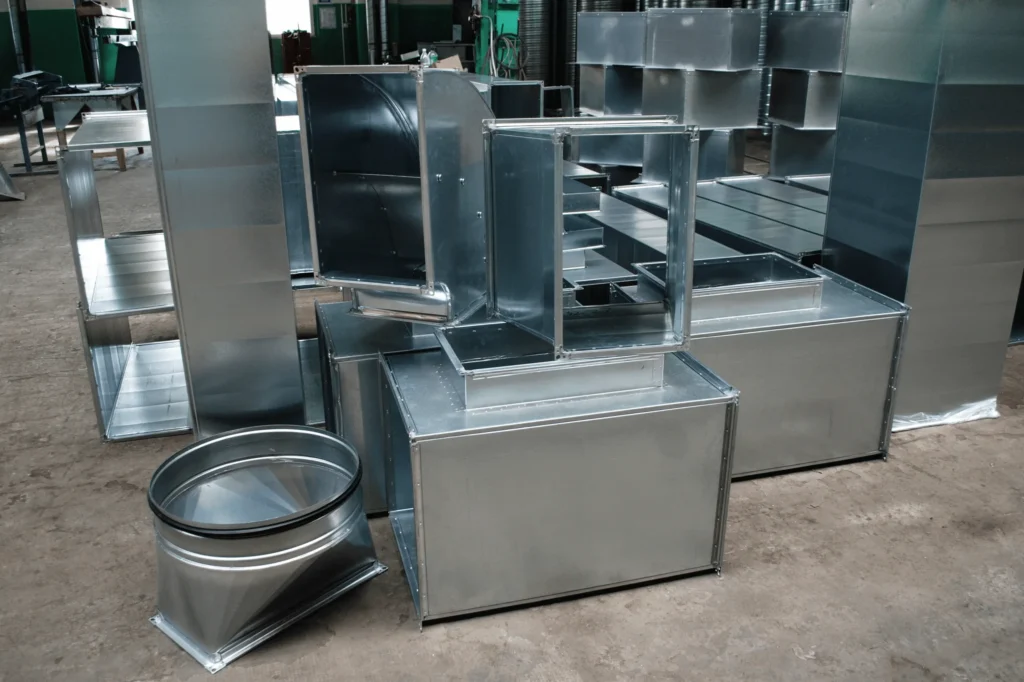
Screw loosening → Permanent riveted structure
HVAC equipment generates continuous vibration during operation, causing screw connections to loosen easily and compromising long-term stability. By using Blind Rivets for Sheet Metal HVAC Assembly, you can achieve a permanently locked structure that remains stable even in vibrating environments, eliminating the need for repeated maintenance
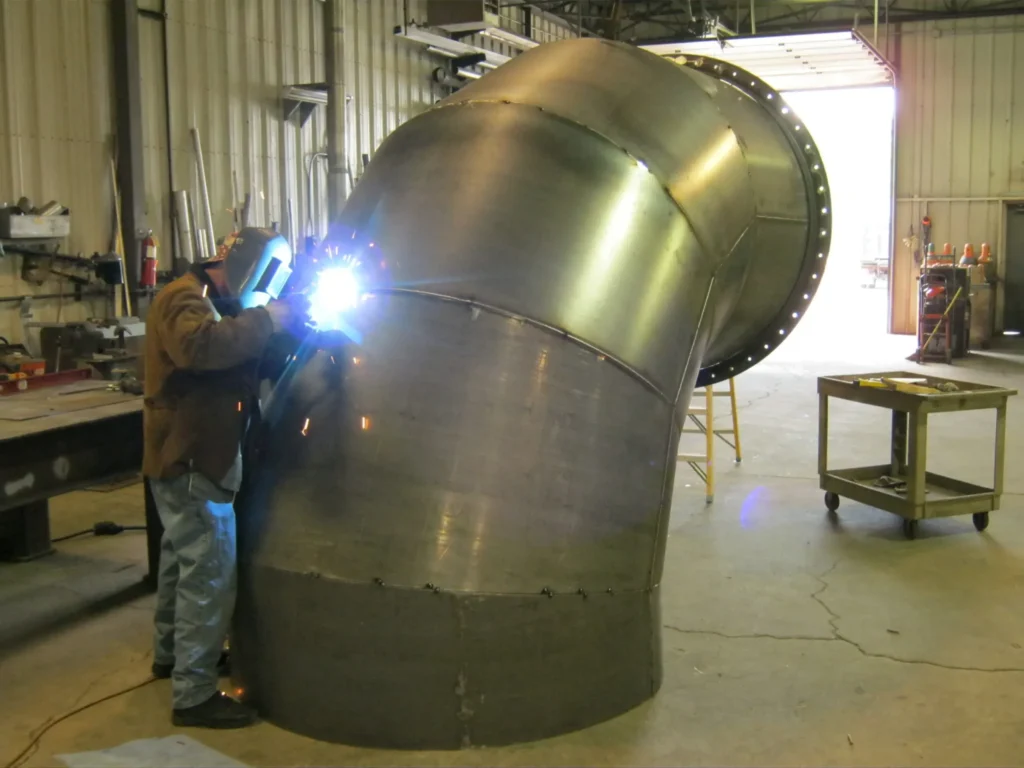
Heat distortion → No-heat fastening solution
Welding in sheet metal assembly can easily cause thermal distortion, with a particularly pronounced effect on thin-gauge structures, whilst also potentially damaging surface coatings. Blind rivets require no heat treatment, allowing you to complete the connection whilst preserving the integrity and appearance of the sheet metal structure.
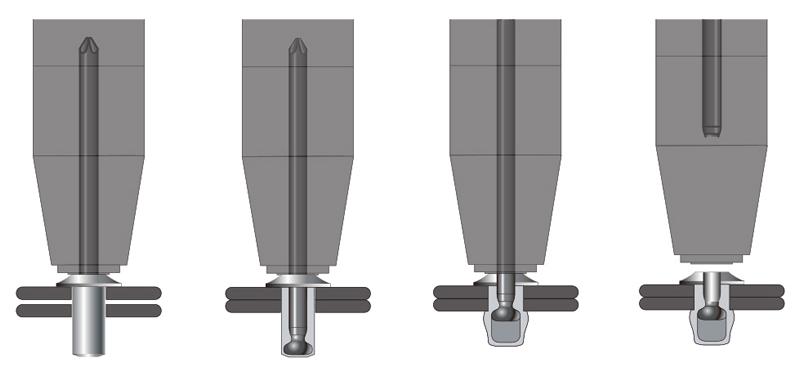
Slow assembly → Fast blind riveting
On mass-production HVAC assembly lines, efficiency directly determines costs and delivery capabilities. Blind rivets support single-sided installation, enabling rapid assembly at 2–5 seconds per point, significantly boosting overall production efficiency
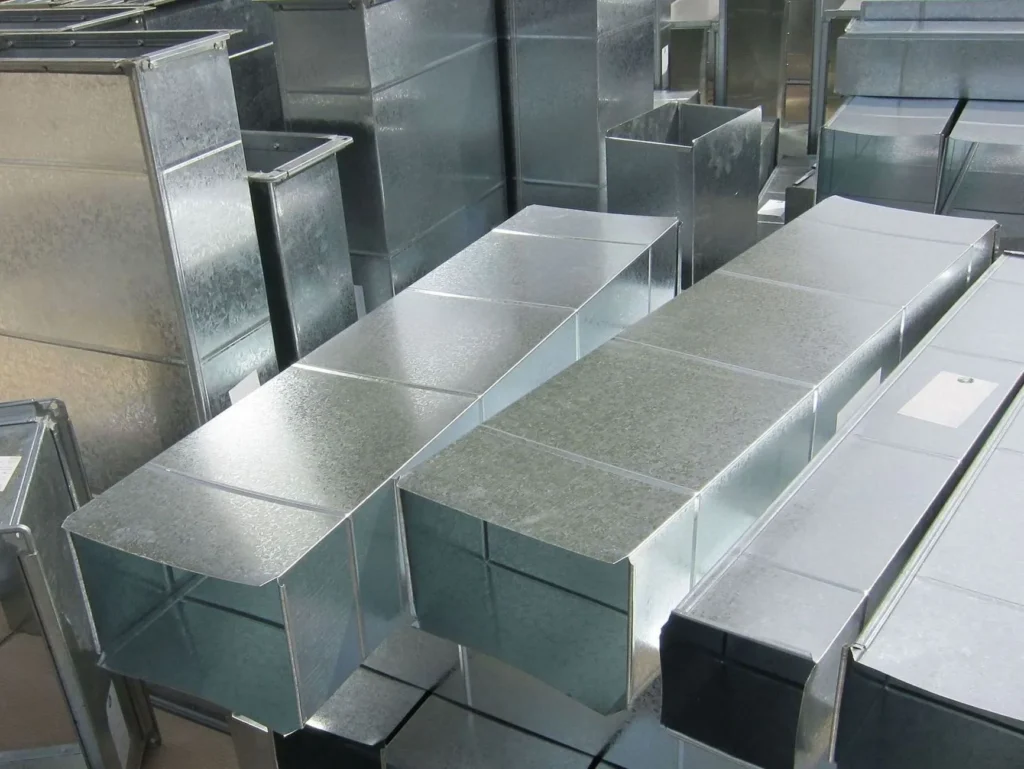
When joining panels, you need to ensure assembly accuracy and visual consistency. By using blind rivets, you can achieve a secure connection without damaging the surface finish.
In thin sheet metal assembly, the most critical challenge is controlling deformation whilst maintaining structural strength. By using blind rivets for thin sheet metal HVAC applications, you can effectively distribute forces and reduce stress concentration.
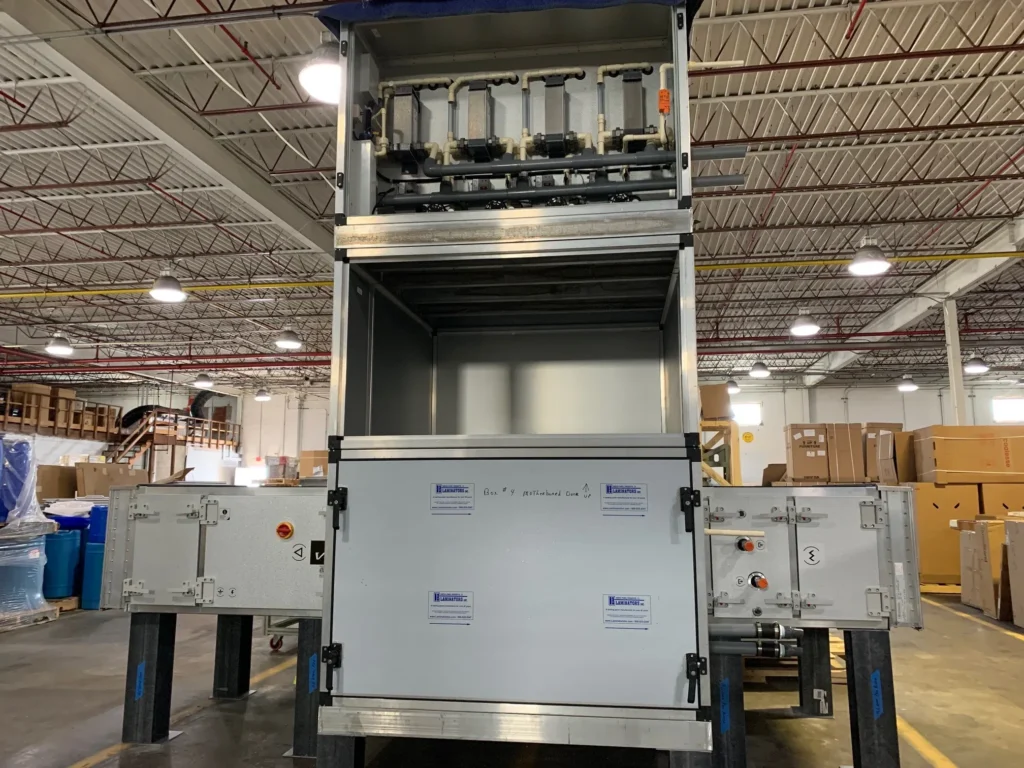
Connections in equipment housings require not only structural strength but also long-term stability. In such scenarios, blind rivets help prevent screw loosening and enhance the overall reliability of the connection.
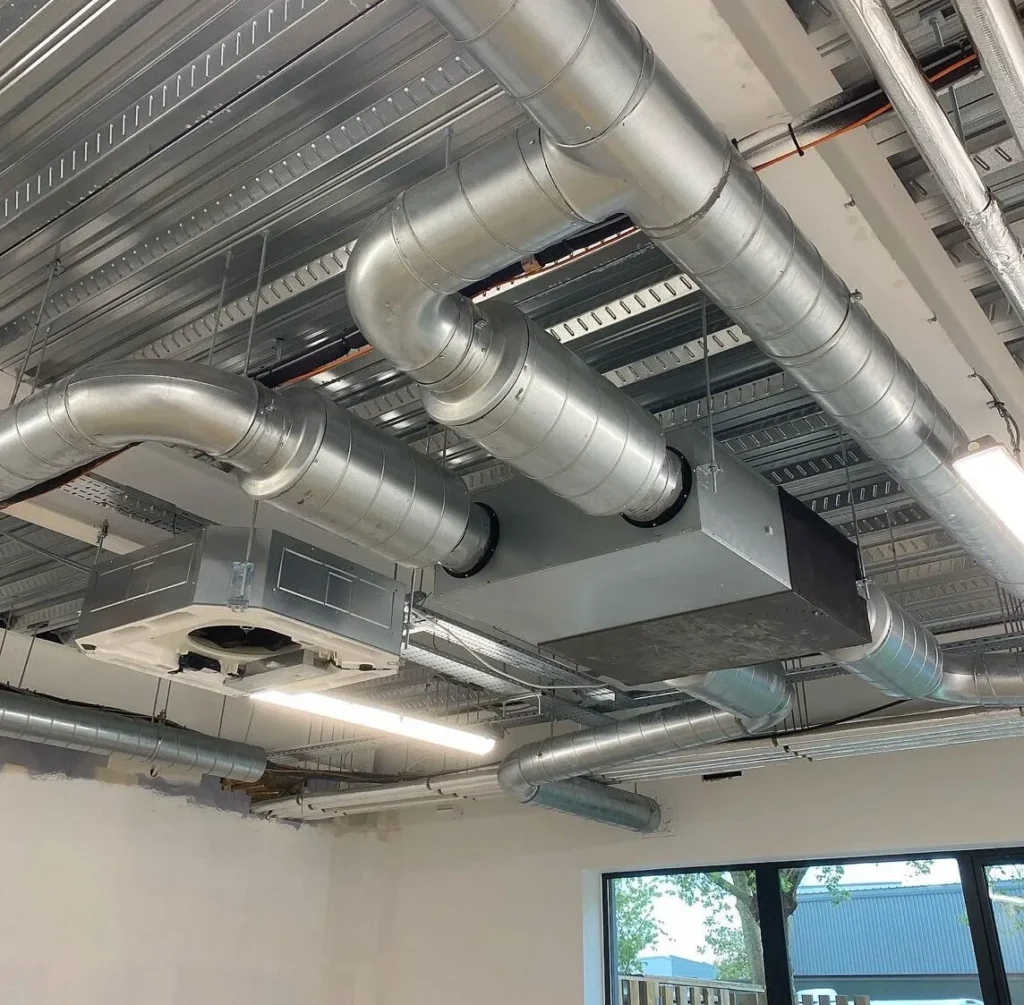
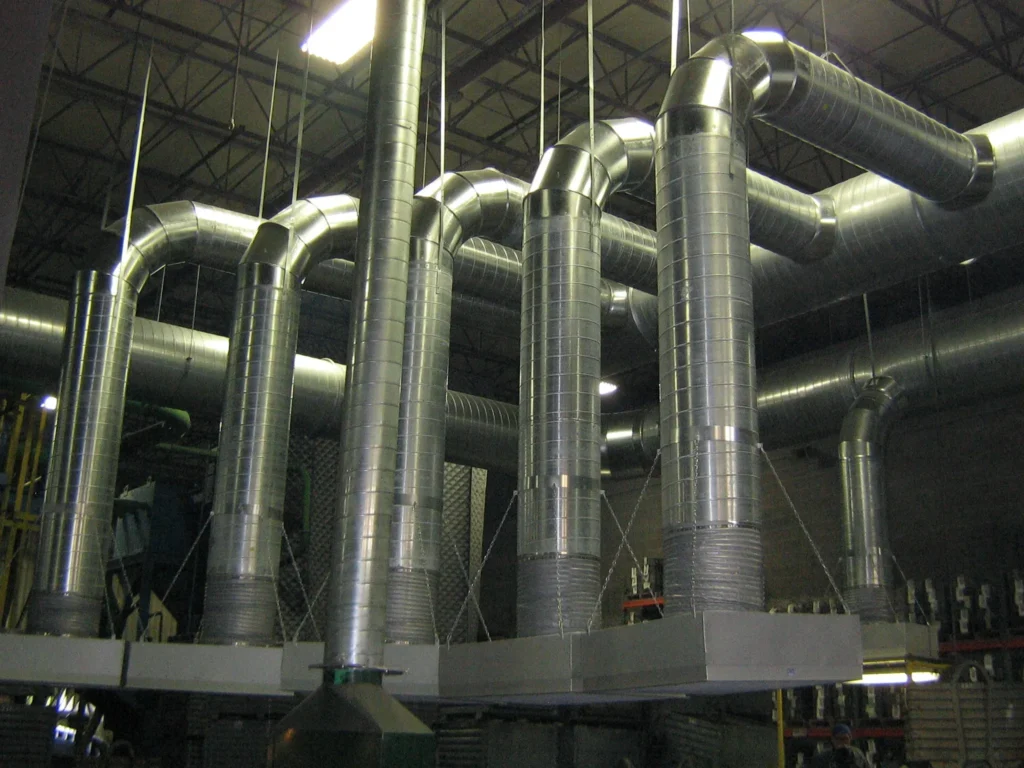
When assembling ductwork systems, you need to balance installation efficiency with connection consistency. Blind rivets enable quick, single-sided installation, allowing you to significantly boost efficiency during large-scale assembly whilst ensuring stable connections.
Not sure which Blind Rivets for Sheet Metal HVAC Assembly to choose?
Simply provide details of your material, thickness and intended application, and we will recommend the most suitable rivet solution to help you avoid issues such as deformation, loosening and efficiency problems.
Recommended Rivets
RIVMATE Rivet Types for Sheet Metal HVAC Assembly
In Sheet Metal HVAC Assembly, your choice of fasteners depends not only on the strength of the joint, but also on the characteristics of the sheet metal, assembly efficiency and long-term stability. Rivmate offers a range of blind rivet solutions tailored to these different operating conditions.
Large Flange Rivets
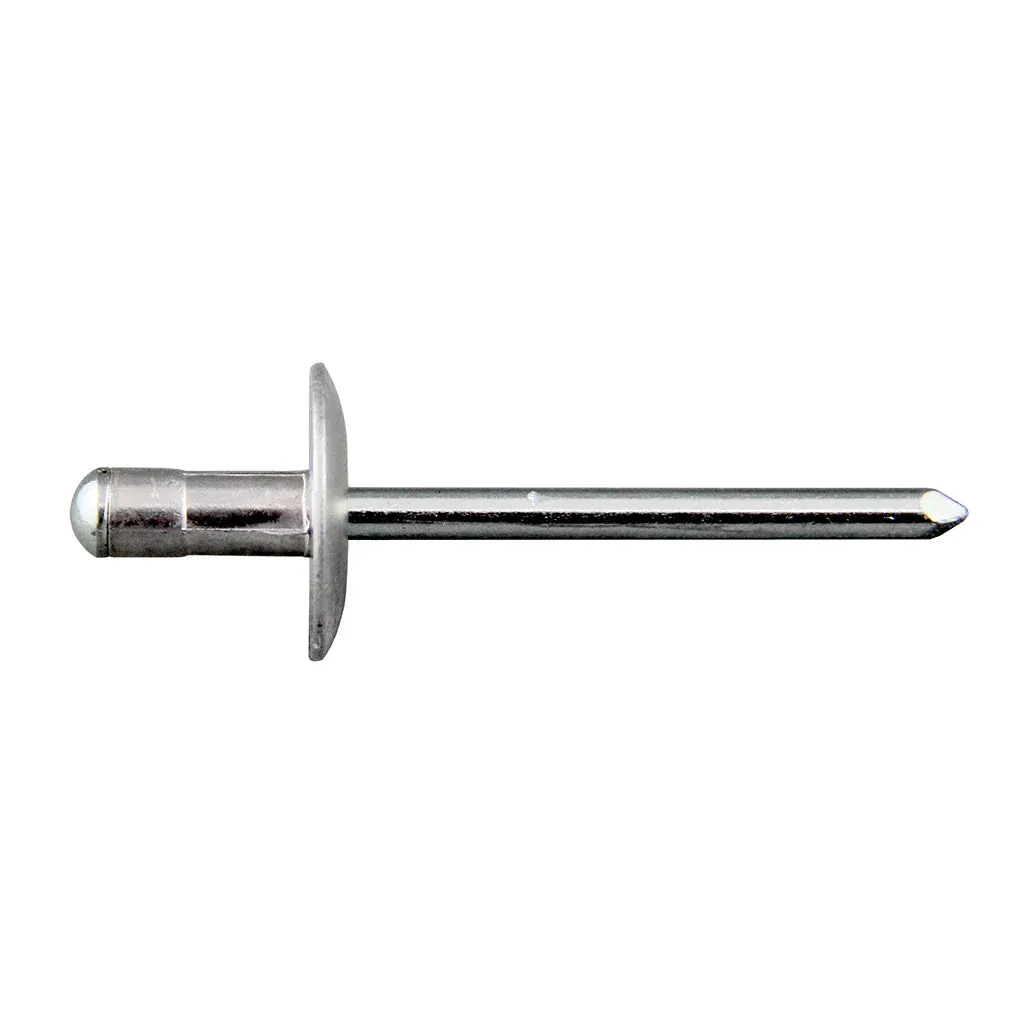
→ Thin sheet protection
When working with thin sheet metal joints, the large flange design effectively distributes forces and reduces stress concentration.
Structural rivets
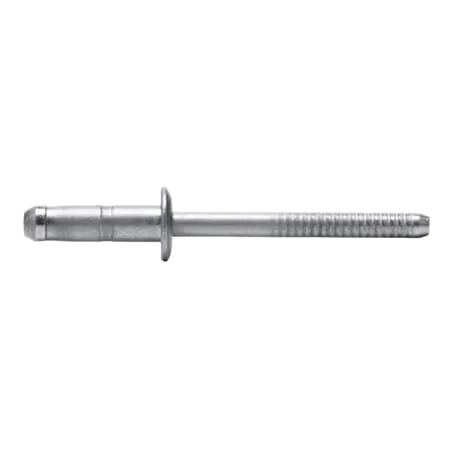
→ High-strength connections
In load-bearing or vibration-prone areas, where higher tensile and shear strength is required, structural rivets ensure long-term, stable connections.
Multi-grip rivets
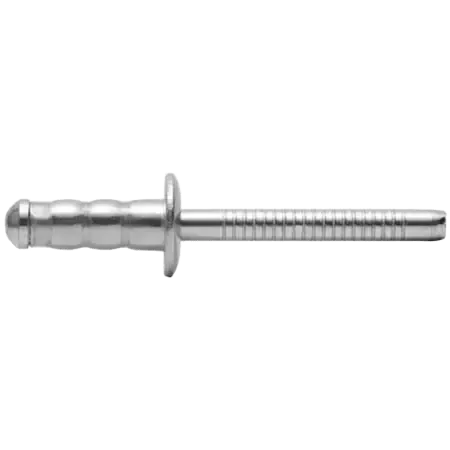
→ Adaptability to multiple thicknesses
In multi-specification sheet metal assembly, a single model can cover a range of thicknesses, reducing SKU complexity whilst enhancing assembly efficiency
Sealed Rivets
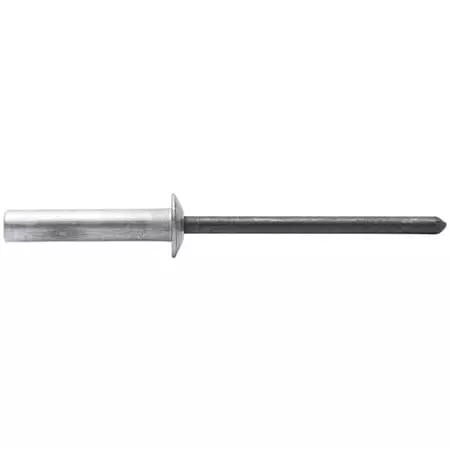
→ Sealing requirements
When your assembly involves sealing requirements (such as equipment enclosures or ductwork structures), sealed rivets can effectively enhance airtightness.
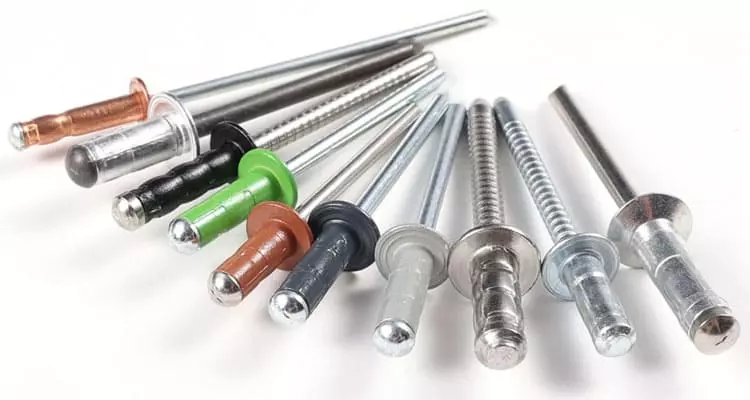

Choose Blind Rivets for Sheet Metal HVAC Assembly
| Application | Thickness | Rivet Type | Reason |
|---|---|---|---|
| Thin sheet panels | 0.5–1.5 mm | Large flange | To prevent deformation |
| Mixed structure | 1–3 mm | Multi-grip | To improve efficiency |
| Structural area | 2–4 mm | Structural | High strength |
When dealing with blind rivets for thin sheet metal HVAC applications, you should prioritise the large flange design, which reduces stress concentration by increasing the load-bearing area, thereby effectively controlling deformation issues.
In multi-specification assembly, you can reduce the need for model changes and improve production efficiency by using multi-grip rivets. In load-bearing or critical connection areas, structural rivets should be prioritised to ensure long-term stability.
manufacturer
Rivmate Manufacturing Excellence
Coating Line
You can expect consistent and traceable surface treatment quality. The automated coating line precisely controls coating thickness and uniformity, ensuring that every batch of rivets maintains a high level of consistency in corrosion resistance, color consistency (matching RAL standards), and adhesion.
RIVMATE QC System
The entire production process, from raw material intake to finished product shipment, undergoes systematic inspection. You can rely on a range of tests, including tensile strength, shear strength, clamp force verification, and assembly performance testing, to ensure that every batch of products delivers consistent structural performance and assembly consistency in actual sheet metal HVAC assemblies.
IATF 16949 Quality System
The rivet products you use are subject to end-to-end quality management based on automotive industry standards, encompassing systematic approaches such as supplier management, statistical process control (SPC), failure mode and effects analysis (FMEA), and the Plan-Do-Check-Act (PDCA) cycle. This ensures customers receive products with low defect rates, strong traceability, and high batch consistency.
OEM
Custom Rivet Solutions
Custom
Flange Diameter
You can request a larger or special flange size to better distribute load on composite panels.
02
Special
Surface Coatings
You can choose coatings for corrosion resistance, durability, or specific environmental conditions.
03
OEM &
Private Label Packaging
You can customize packaging with your brand, labels, and carton specifications for your market.
Need Help With Your Project?
FAQ: Blind Rivets for Sheet Metal HVAC Assembly
Q1: Are blind rivets suitable for thin sheet metal HVAC applications?
Yes, blind rivets for thin sheet metal HVAC applications are specifically designed for thin sheet metal structures. Their large flange design helps distribute stress, effectively reducing sheet metal deformation, making them particularly suitable for panel connections and enclosure structures in HVAC sheet metal assembly.
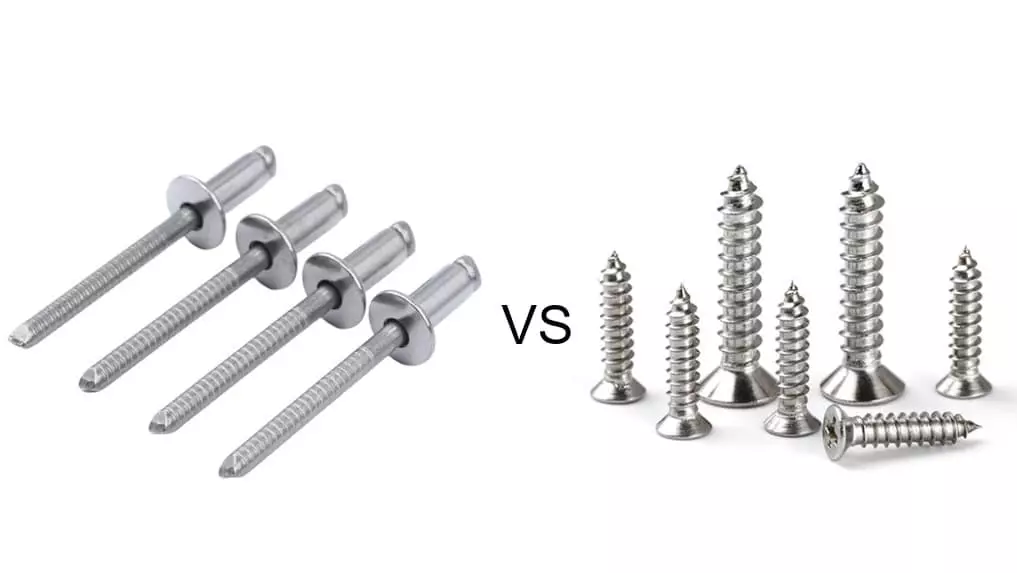
Q2: Blind rivets vs. screws — which is better for sheet metal HVAC assembly?
Blind rivets offer greater stability and higher assembly efficiency compared to screws.
Blind Rivets for Sheet Metal HVAC Assembly create a permanent, locked-in structure that is resistant to loosening, while installation speed can be increased by 30–50%, making them better suited for mass production environments.
Q3: How do blind rivets prevent deformation in thin sheet metal HVAC structures?
In thin-sheet HVAC structures, deformation is typically caused by stress concentration.
When using blind rivets, the large flange design increases the load-bearing area and reduces localized stress, thereby effectively controlling deformation issues.
Q4: How fast is installation using blind rivets in sheet metal HVAC assembly?
Compared to screw connections, the use of blind rivets in mass production significantly improves overall assembly efficiency, making them suitable for high-volume HVAC sheet metal production lines.
Q5: Can blind rivets replace welding in sheet metal HVAC assembly?
Yes. In sheet metal HVAC assembly, blind rivets do not require heat treatment, thereby avoiding the sheet deformation and surface damage caused by welding, while simplifying the process and improving assembly efficiency.
Q6: What is your MOQ?
The MOQ for standard products is typically 50,000, depending on the specifications and model. The MOQ for customised products (such as special dimensions or colours) will be higher. For project orders, we can provide flexible solutions to meet your requirements.