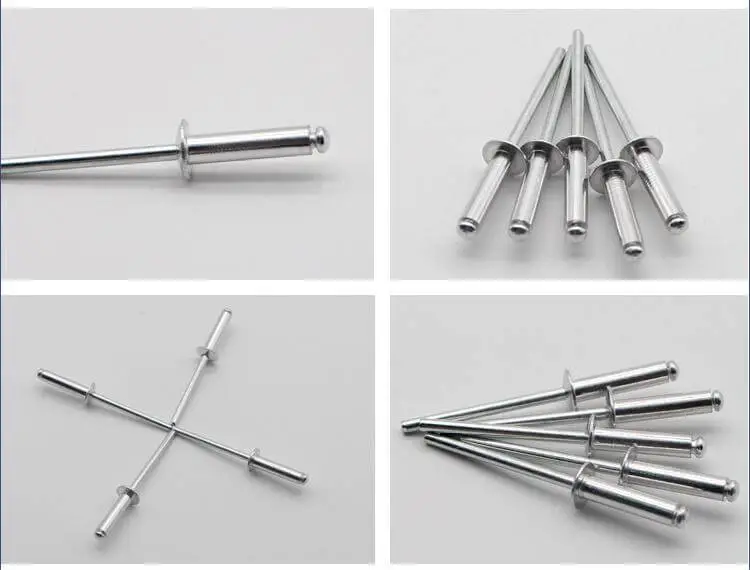
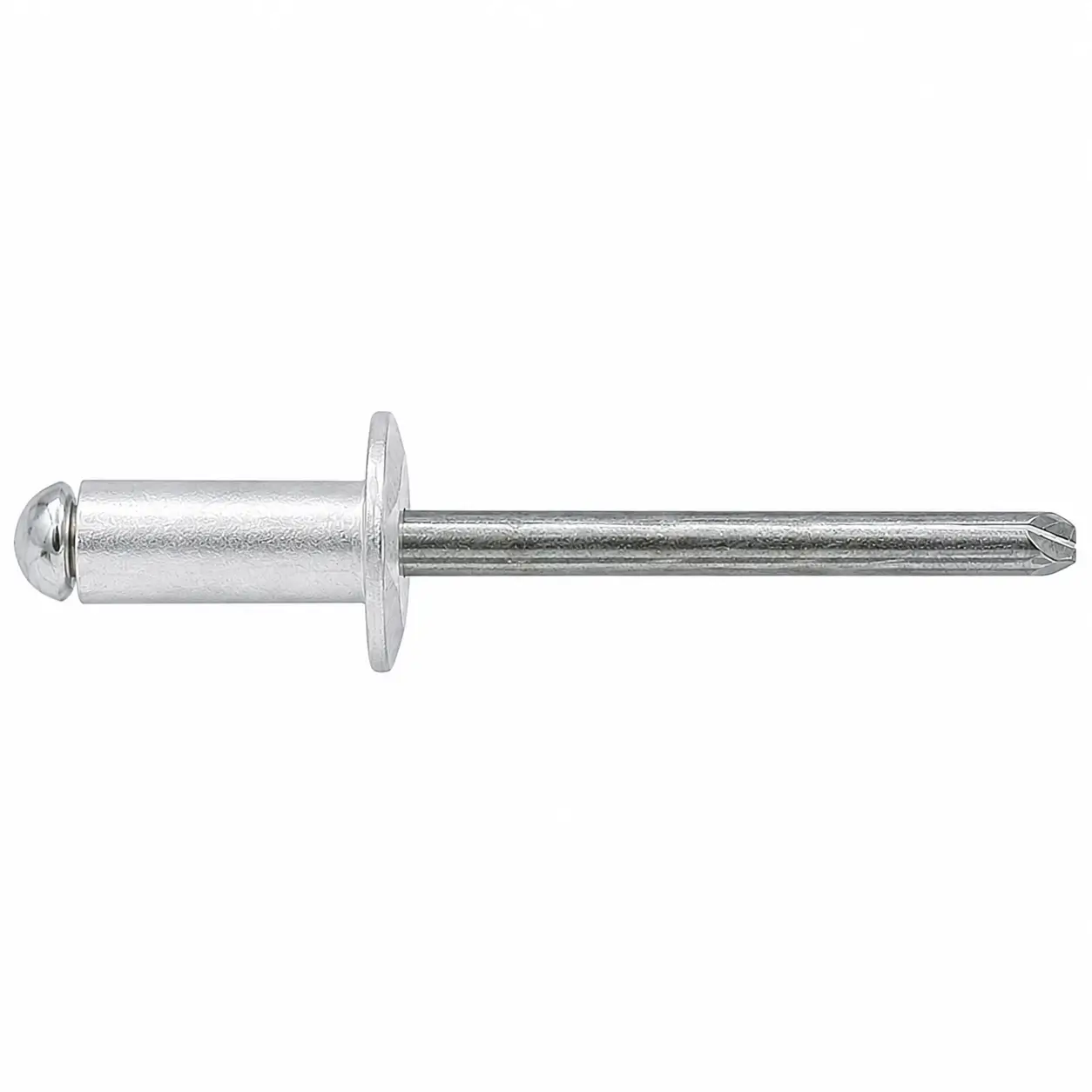
Open End Blind Rivet Manufacturer
Rivmate maintains full process control from raw materials, cold heading, rivet core machining, assembly, and surface treatment through to final inspection. We offer a comprehensive range of Open End Blind Rivets in various specifications and materials, all with consistent quality. We also support OEM packaging and bulk supply.
- Available in multiple sizes to meet the needs of different sheet thicknesses and hole diameters
- Lowest cost, reducing your procurement expenses
- Suitable for sheet metal, HVAC, enclosures, and mechanical assembly
Why Choose Our Open End Blind Rivets
- Standard blind rivets with prices advantage.
- Blind Side Riveting.
- For fast & simple installation.
- For the full automatic installation.
- High retaining force after riveting.
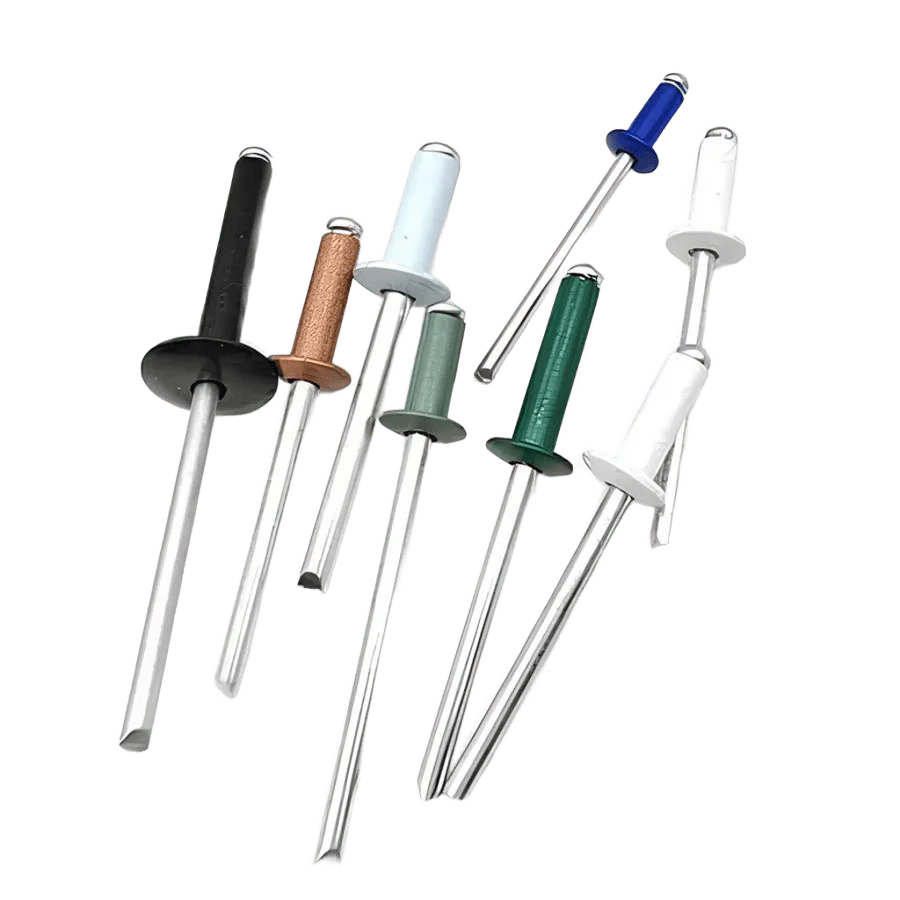
- Various colours
Rivmate —— Your Professional Customized Open End Blind Rivets Manufacturer
Rivmate is a specialist manufacturer and supplier of open-end blind rivets. We provide bespoke open-end blind rivet solutions for original equipment manufacturers (OEMs), sheet metal fabricators, the heating, ventilation and air conditioning (HVAC) sector, cabinet manufacturers and industrial clients.
We provide selection advice based on parameters such as sheet metal thickness, material, hole diameter, rivet head type and surface finish. This helps you avoid issues such as specification mismatches, loose rivets, sheet metal perforation and core breakage.
Types of Open End Blind Rivets by Material
Open end blind rivets are available in a variety of material combinations to meet different application requirements. These include aluminum, steel, stainless steel, and copper. Each material offers distinct advantages in terms of strength, corrosion resistance, weight, and cost.
Aluminum body/Carbon Steel mandrel Open Rivets
It combines the lightweight properties of aluminum with cost-effectiveness and the excellent riveting performance of carbon steel rivet cores. It is suitable for general industrial assembly and similar applications.
Aluminum body/Aluminum mandrel Open Rivets
It is lighter overall and offers better corrosion resistance than aluminum-clad steel-core combinations. It helps reduce rusting of the steel nail core. It is suitable for applications requiring lightweight solutions.
Aluminum body/Stainless steel mandrel Open Rivets
This product combines the lightweight, easy-to-install, and corrosion-resistant properties of aluminum, making it ideal for applications that require optimal weight, aesthetic appeal, rust resistance, and assembly stability.
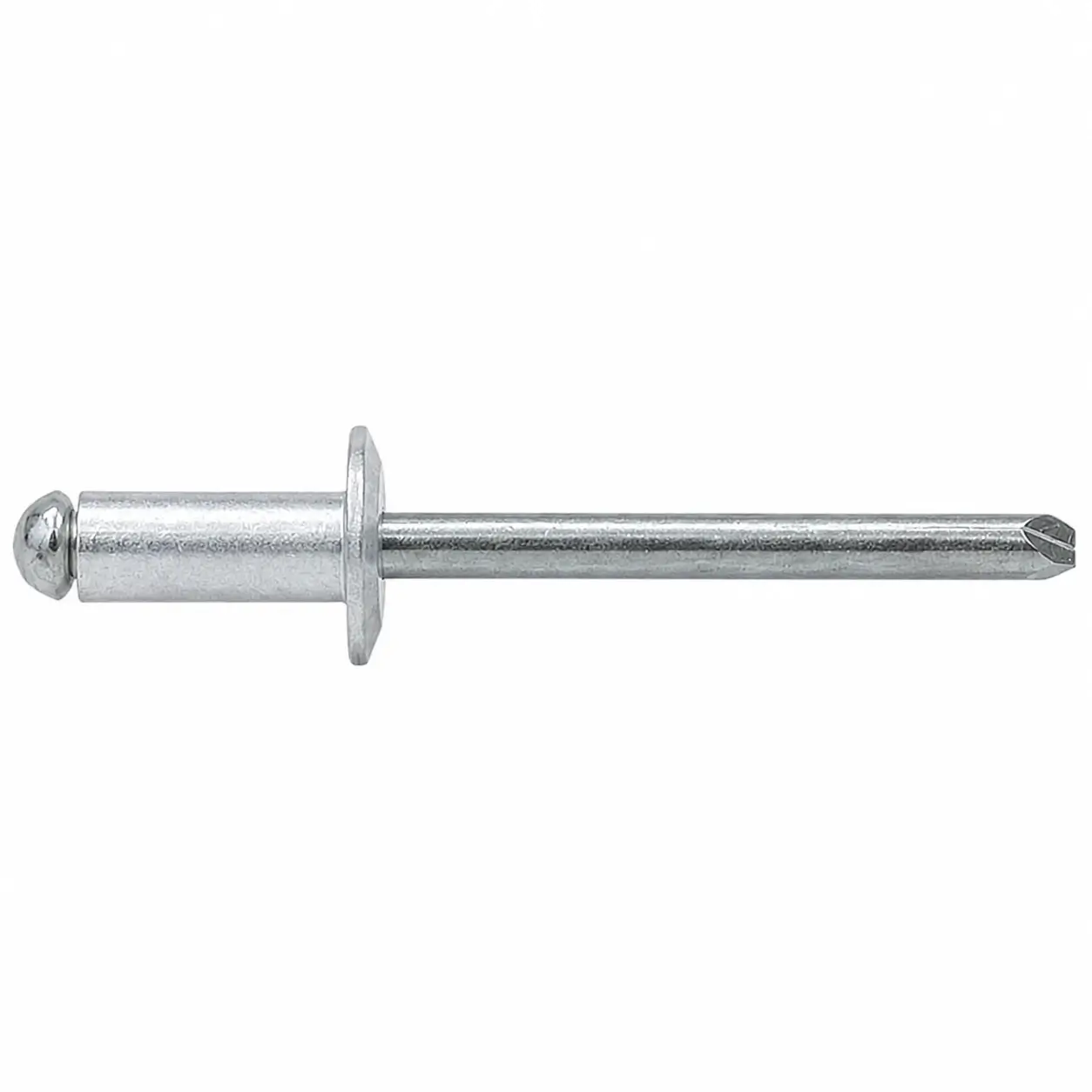
Carbon body/Carbon mandrel Open Rivets
This product offers higher joint strength and superior tensile and shear resistance. It is suitable for steel plate connections, metal enclosures, sheet metal structural components, and general industrial assembly applications.
Stainless Steel body/ Stainless Steel mandrel Open Rivets
It offers superior corrosion resistance, consistent strength, and a long service life. It is suitable for applications with high corrosion resistance requirements, such as equipment used in humid, outdoor, and coastal environments.
Types of Open End Blind Rivets by Size
Open end blind rivets are available in a variety of sizes to accommodate different sheet metal thicknesses and application requirements. Selecting the correct rivet size not only ensures a secure connection but also improves assembly efficiency and long-term reliability.
2.4mm Open End Blind Rivets
It is a lightweight, small-diameter model. The riveting range is 0.5 mm to 3.0 mm. It is suitable for precision assembly connections in compact spaces where the load is light and the joint is not subjected to significant stress.
4.8mm Open End Blind Rivets
It is a commonly used size for medium-duty industrial applications. The riveting range is 1.0 mm to 8.0 mm. Compared to the 3.2 mm and 4.0 mm sizes, the 4.8 mm rivet offers superior tensile and shear strength.
3.0mm Open End Blind Rivets
It measures between 2.4 mm and 3.2 mm. The riveting range is 0.5 mm–4.0 mm. Compared to the 2.4 mm size, the 3.0 mm rivet provides greater connection stability. It is suitable for joining light-duty components.
5.0mm Open End Blind Rivets
It falls within the medium-to-large diameter range. The riveting range is 1.0 mm–9.0 mm. It is slightly larger than 4.8 mm and can be used in markets or product systems where some customers prefer the 5.0 mm metric size.
3.2mm Open End Blind Rivets
These are small- to medium-sized rivets that are widely used. The riveting range is 0.5 mm to 5.0 mm. These sizes are well-received in the market and are commonly used for fastening hardware in home appliances.
6.0mm Open End Blind Rivets
It falls into the larger diameter range. The riveting range is 1.5 mm to 10.0 mm. It offers a larger riveting volume and stronger clamping force. It is suitable for connecting thicker materials and larger hole diameters.
4.0mm Open End Blind Rivets
This is a very common specification in standard industrial applications. The riveting range is 0.5 mm to 6.5 mm. It is suitable for most standard sheet metal, light-duty mechanical assemblies, and equipment enclosures.
6.4mm Open End Blind Rivets
It falls under the large-diameter category. The riveting range is 1.5 mm–12.0 mm. It is closer to the common 1/4-inch imperial size, making it suitable for the standard purchasing practices of industrial customers.
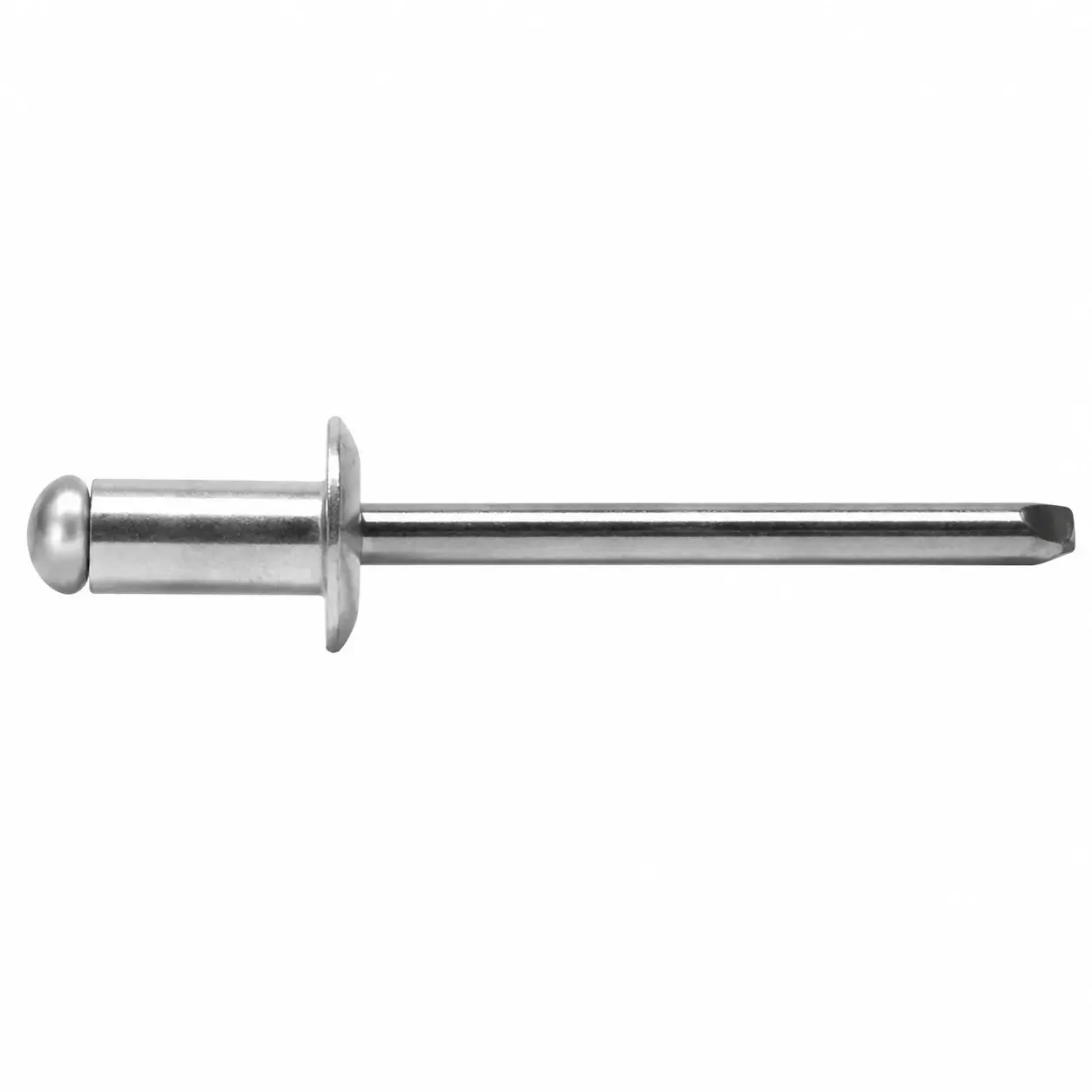
Types of Open End Blind Rivets by Head Type
Open end blind rivets are available in a variety of head styles to meet different load-bearing requirements, installation needs, and aesthetic standards. Selecting the appropriate head style not only enhances the reliability of the joint but also optimizes the product’s overall performance and assembly results.
Dome head open end blind rivets
This is the most common and versatile open-end pop rivet head type. It offers a good contact area and broad installation compatibility. It is suitable for most standard industrial fastening applications.
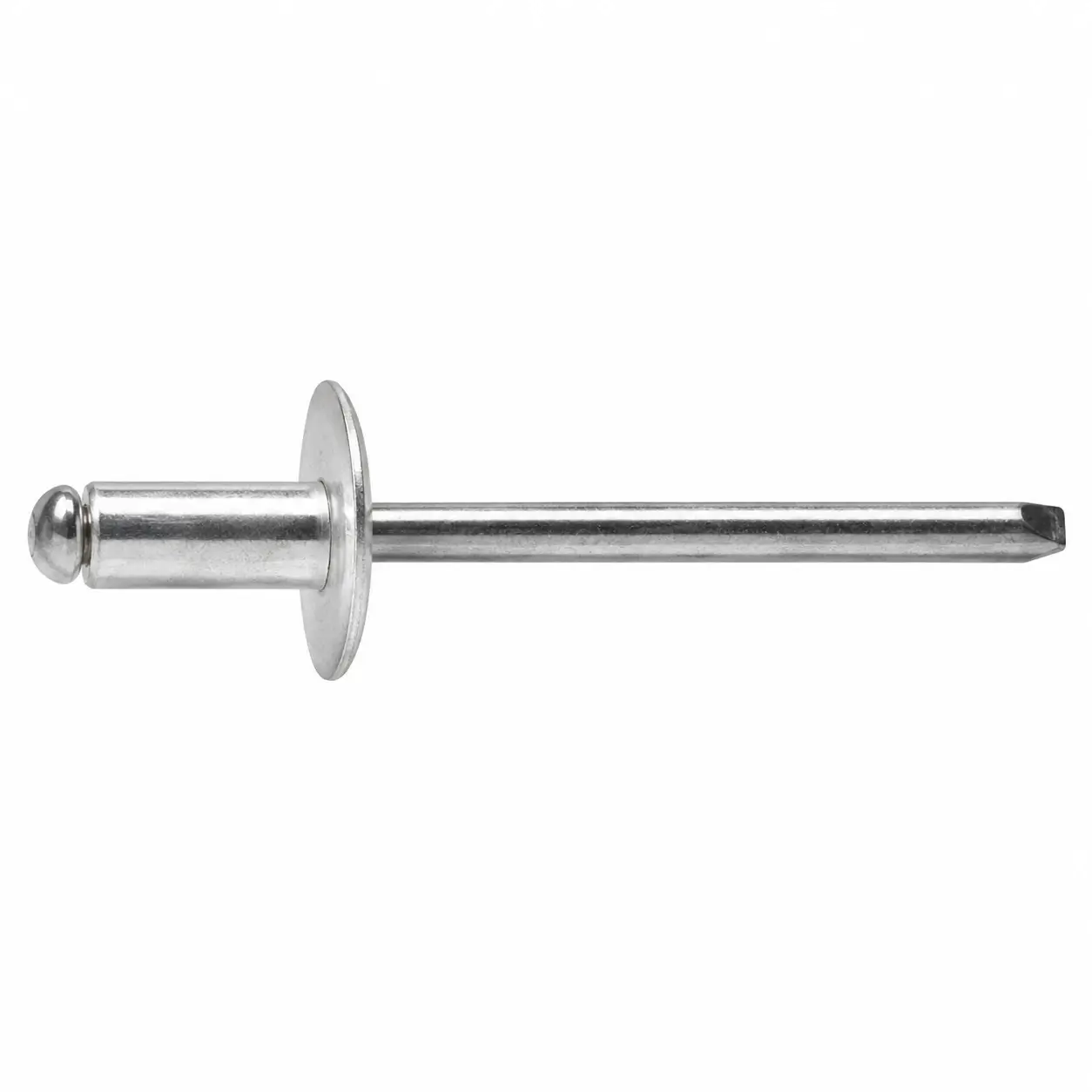
Large Flange Head Open End Blind Rivets
It features a wider brim design that provides a larger contact area. This helps distribute surface pressure more effectively during use, reducing the risk of material deformation. It is ideal for joining materials that are prone to tearing.
Countersunk Head Open End Blind Rivets
The rivet head can provide a flatter finish against the workpiece surface. This minimizes the impact of protrusions on appearance and assembly. It is suitable for applications where surface flatness is critical.
| Material Combination | Diameter (mm) | Drill Size (mm) | Tensile Strength | Shear Strength |
|---|---|---|---|---|
| Aluminum Body / Steel Mandrel | 2.4 | 2.5-2.6 | 280N | 180N |
| Aluminum Body / Steel Mandrel | 3 | 3.1-3.2 | 400N | 300N |
| Aluminum Body / Steel Mandrel | 3.2 | 3.3-3.4 | 500N | 400N |
| Aluminum Body / Steel Mandrel | 4 | 4.1-4.2 | 1000N | 800N |
| Aluminum Body / Steel Mandrel | 4.8 | 4.9-5.0 | 1500N | 1300N |
| Aluminum Body / Steel Mandrel | 5 | 5.1-5.2 | 1700N | 1500N |
| Aluminum Body / Steel Mandrel | 6 | 6.1-6.2 | 2500N | 2000N |
| Aluminum Body / Steel Mandrel | 6.4 | 6.5-6.6 | 3000N | 2200N |
| All Aluminum | 2.4 | 2.5-2.6 | 200N | 150N |
| All Aluminum | 3 | 3.1-3.2 | 300N | 250N |
| All Aluminum | 3.2 | 3.3-3.4 | 400N | 350N |
| All Aluminum | 4 | 4.1-4.2 | 900N | 700N |
| All Aluminum | 4.8 | 4.9-5.0 | 1300N | 850N |
| All Aluminum | 5 | 5.1-5.2 | 1500N | 1000N |
| All Aluminum | 6 | 6.1-6.2 | 1900N | 1200N |
| All Aluminum | 6.4 | 6.5-6.6 | 2200N | 1500N |
| Aluminum Body / Stainless Steel Mandrel | 2.4 | 2.5-2.6 | 500N | 350N |
| Aluminum Body / Stainless Steel Mandrel | 3 | 3.1-3.2 | 700N | 550N |
| Aluminum Body / Stainless Steel Mandrel | 3.2 | 3.3-3.4 | 1000N | 750N |
| Aluminum Body / Stainless Steel Mandrel | 4 | 4.1-4.2 | 1700N | 1100N |
| Aluminum Body / Stainless Steel Mandrel | 4.8 | 4.9-5.0 | 2500N | 1700N |
| Aluminum Body / Stainless Steel Mandrel | 5 | 5.1-5.2 | 2950N | 1950N |
| Aluminum Body / Stainless Steel Mandrel | 6 | 6.1-6.2 | 4200N | 3200N |
| Aluminum Body / Stainless Steel Mandrel | 6.4 | 6.5-6.6 | 4850N | 3400N |
| All Steel | 3 | 3.1-3.2 | 1125N | 915N |
| All Steel | 3.2 | 3.3-3.4 | 1285N | 1060N |
| All Steel | 4 | 4.1-4.2 | 1990N | 1550N |
| All Steel | 4.8 | 4.9-5.0 | 2920N | 2300N |
| All Steel | 5 | 5.1-5.2 | 3255N | 2575N |
| All Steel | 6 | 6.1-6.2 | 5000N | 4000N |
| All Steel | 6.4 | 6.5-6.6 | 5400N | 4350N |
| All Stainless Steel | 3 | 3.1-3.2 | 2000N | 1600N |
| All Stainless Steel | 3.2 | 3.3-3.4 | 2500N | 1800N |
| All Stainless Steel | 4 | 4.1-4.2 | 3800N | 3100N |
| All Stainless Steel | 4.8 | 4.9-5.0 | 6000N | 4500N |
| All Stainless Steel | 5 | 5.1-5.2 | 6500N | 5000N |
| All Stainless Steel | 6 | 6.1-6.2 | 7500N | 5700N |
| All Stainless Steel | 6.4 | 6.5-6.6 | 8850N | 6500N |
Why Choose Rivmate?
Rivmate is a professional Open End Blind Rivet manufacturer with a 40,000㎡ production facility and a complete in-house manufacturing system. We place particular emphasis on controlling the dimensions of the rivet shells, the consistency of the head profiles, the fracture stability of the rivet cores, the quality of the surface finish and the accuracy of packaging. This helps our customers minimise procurement risks such as assembly failures, mix-ups in specifications, delivery delays and inconsistent batch quality.
- Comply with ISO 9001
- IATF 16949 Quality Management
- Reliable Supply & Fast Delivery
Whether you are sourcing for distribution, OEM production, or industrial projects, Rivmate provides dependable Open End Blind Rivet solutions backed by manufacturing expertise, stable quality, and responsive service.
Pop Rivet Cold Heading Machines
Rivet Assembly machines
Our Rivet Warehouse
Stable Bulk Open End Blind Rivets Supply for Distributors
Rivmate provides stable bulk supply support for overseas fastener distributors, wholesalers, and importers. We offer aluminum, steel, stainless steel, and other Open End Blind Rivets with complete options in diameter, length, head style, and surface treatment, helping you build a more complete and competitive product line.
- Complete Product Range for Distributor Needs
- OEM Packaging & Label Customization
- Stable Quality & Long-Term Replenishment
As a professional Open End Blind Rivets Manufacturer and Supplier, Rivmate helps distributors improve inventory turnover, reduce sourcing risks, and secure reliable long-term supply for their local markets.
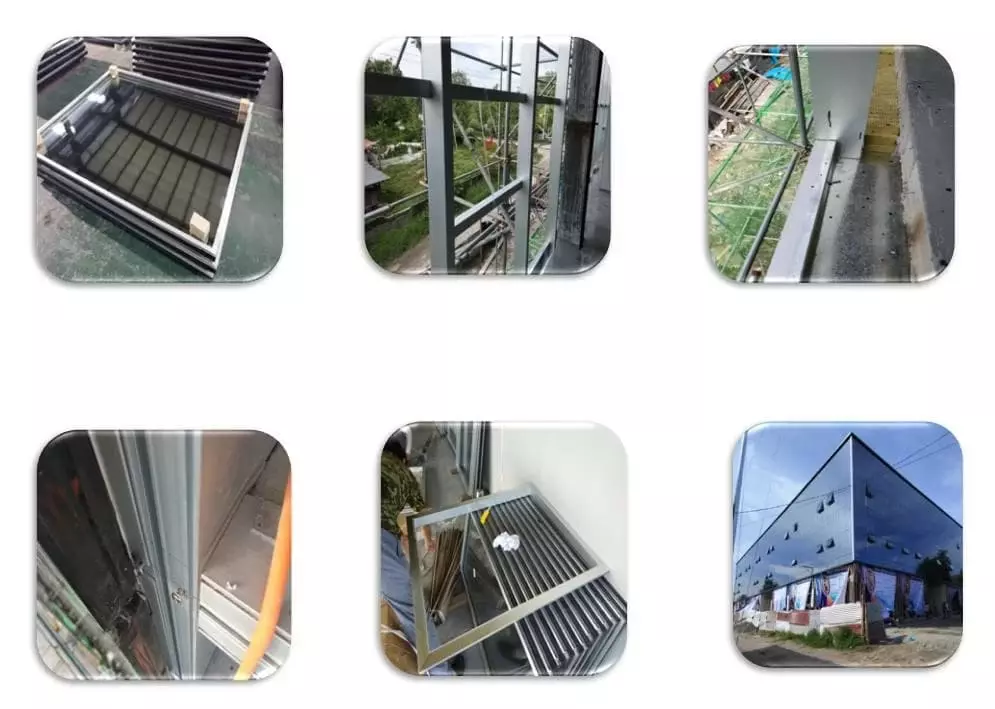
Applications of Open end Blind Rivets
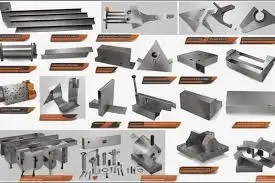
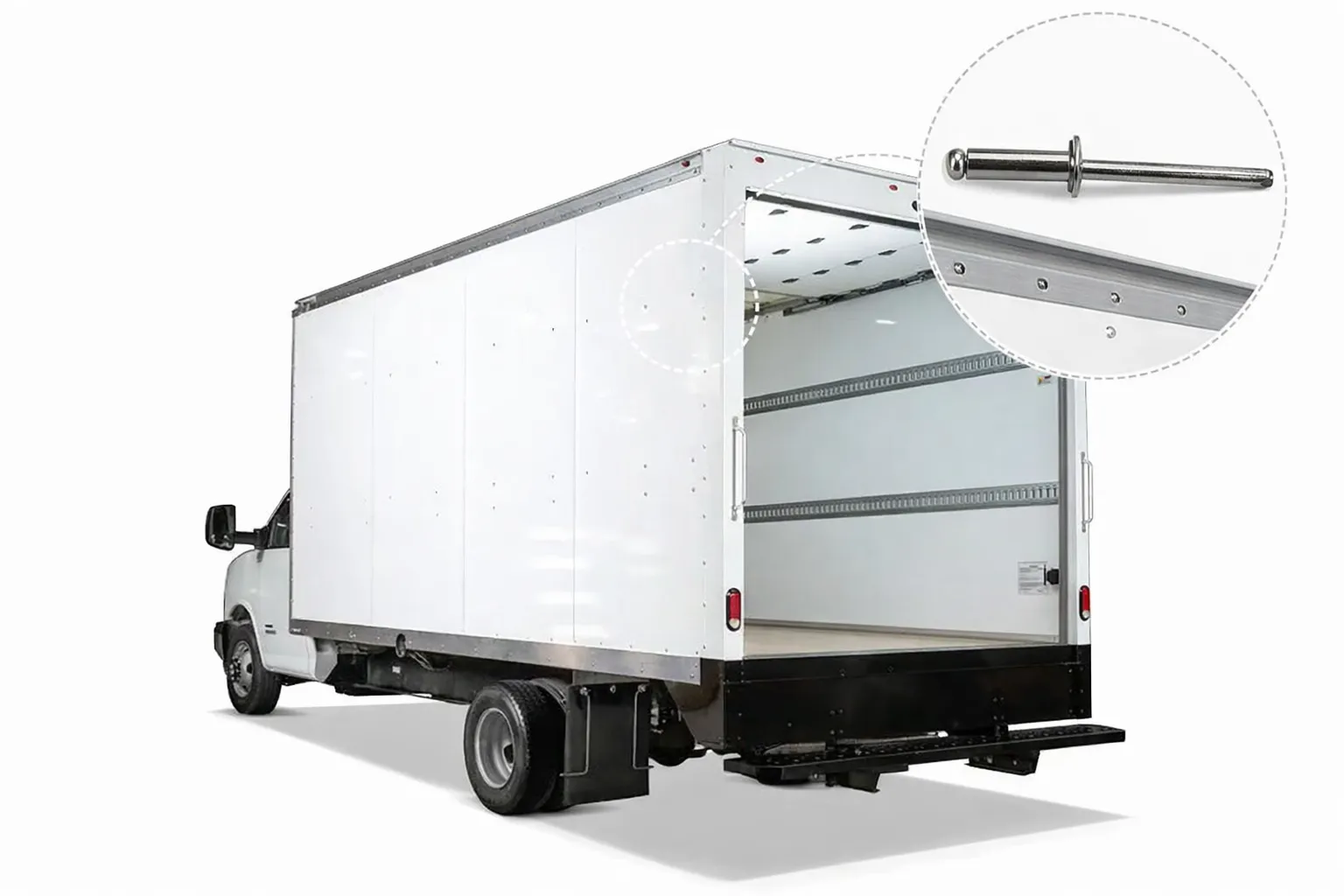
open end blind rivets are widely used in sheet metal assembly, HVAC systems, automotive components, machinery and equipment, electrical cabinets, furniture, and general industrial fastening applications.
Sheet Metal Fabrication
In sheet metal fabrication, open-end blind rivets are commonly used to join metal panels, equipment housings, lightweight brackets, protective covers, enclosures and thin-sheet assemblies. Single-sided installation can significantly improve installation efficiency.
HVAC Systems
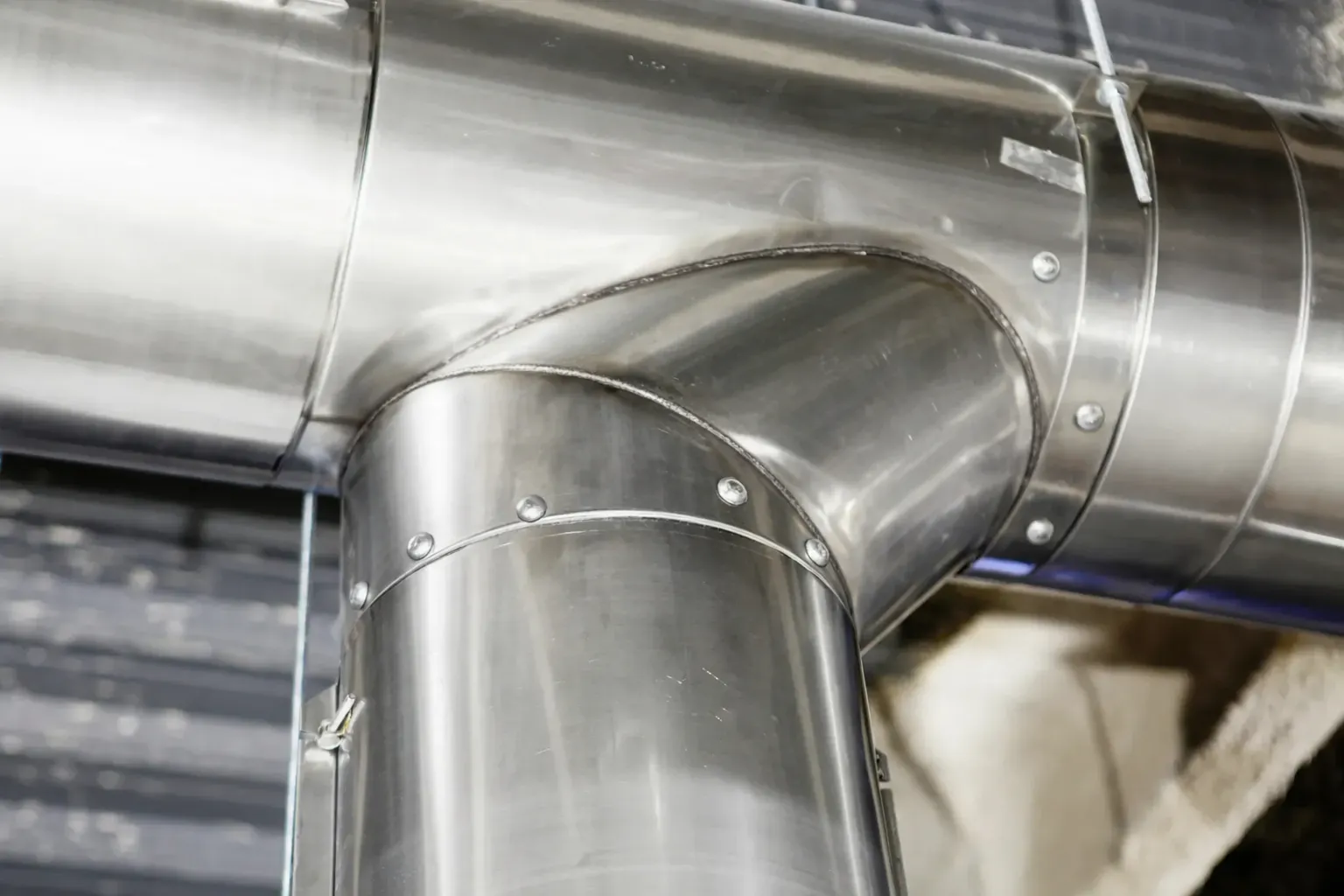
Open end blind rivets can be used for connecting HVAC ductwork, ventilation equipment, air conditioning casings, metal panels, air outlet fittings and lightweight brackets. Compared to screw fastenings, blind rivets are quicker to install, making them suitable for mass assembly and on-site installation, thereby helping to improve production efficiency for HVAC components.
Cabinets & Enclosures
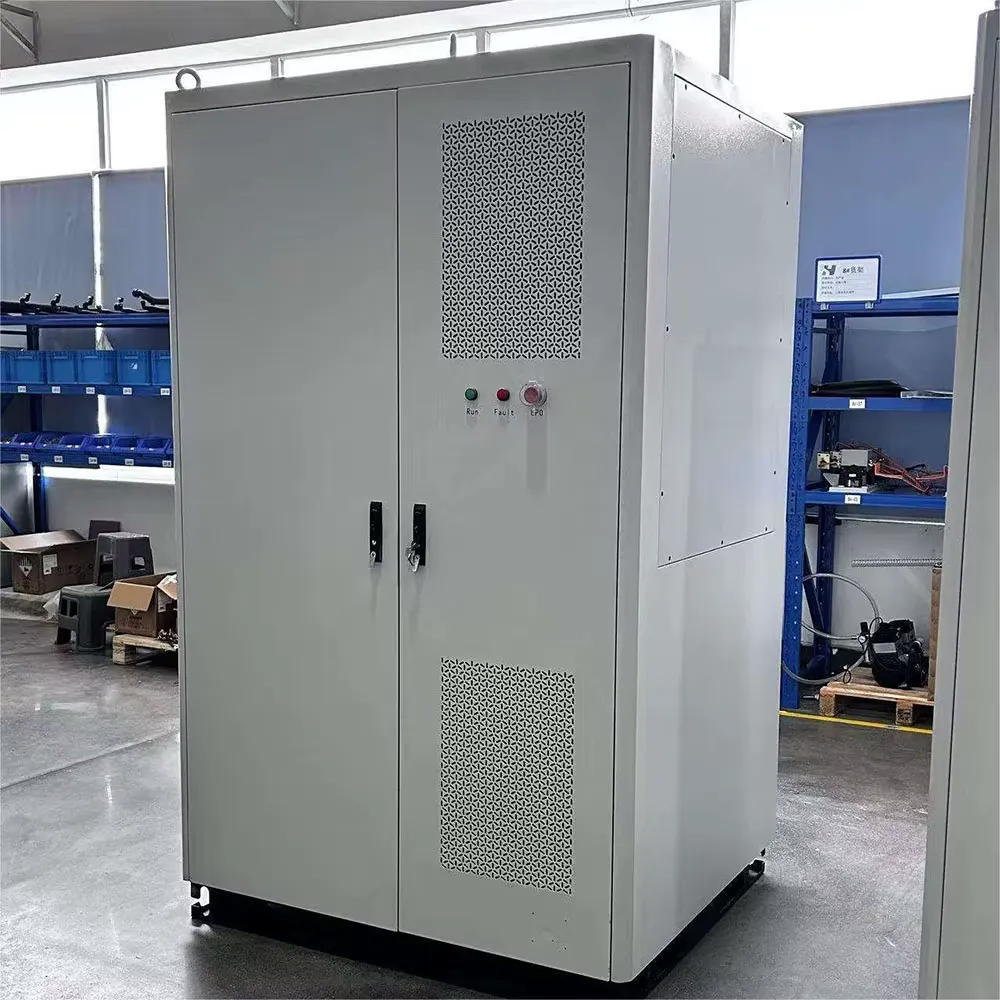
In the assembly of electrical cabinets, control cabinets, metal enclosures, equipment housings and industrial chassis, open-end blind rivets can be used for panel fastening, bracket connections and the installation of reinforcing components. They can also be used for assembling enclosures and securing internal fittings.
Machinery Manufacturing
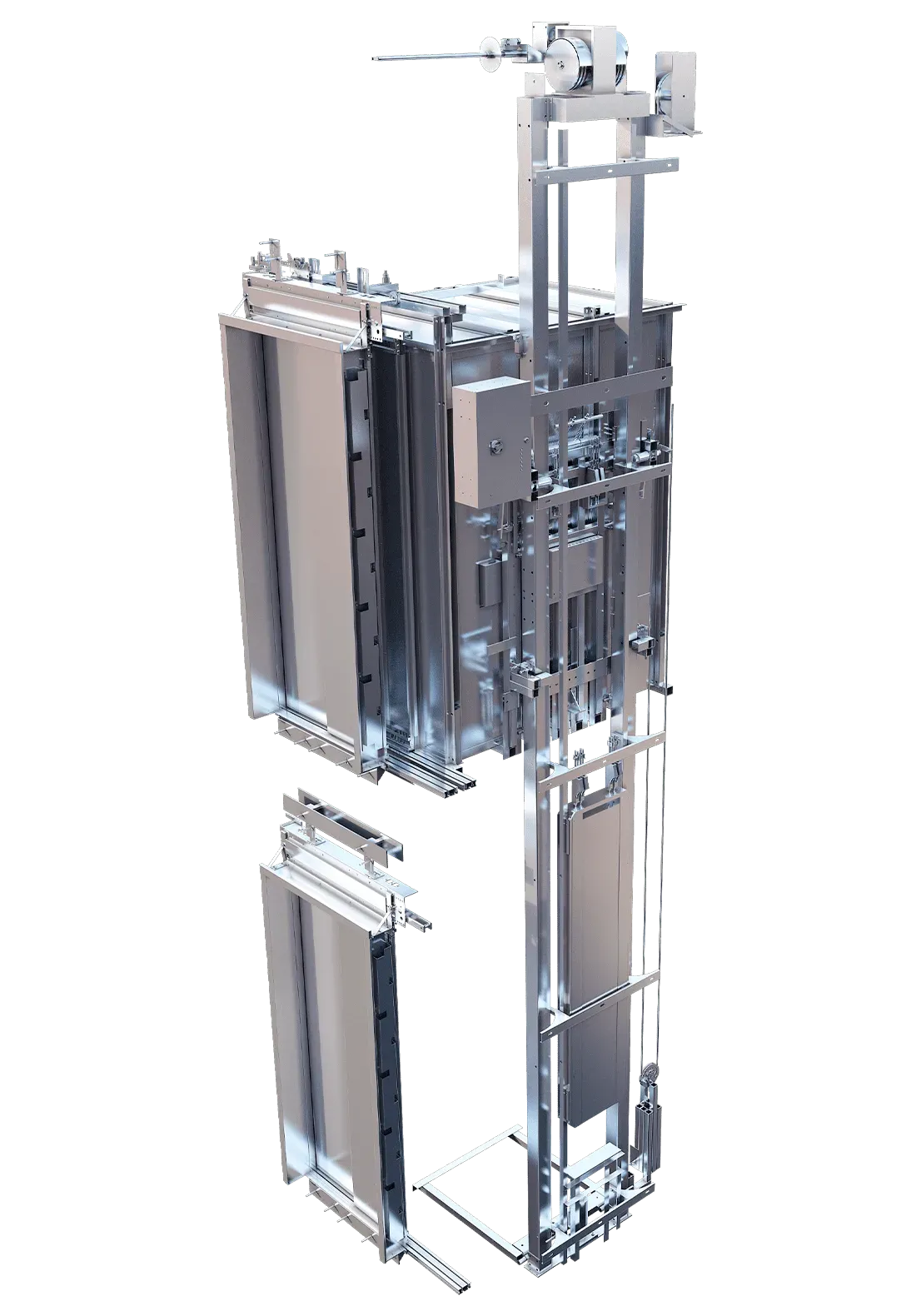
Open end blind rivets are a cost-effective choice for securing standard enclosures, housings and panels. They help you improve assembly efficiency and reduce the time required for installing traditional fasteners.
Automotive Non-Structural Parts
Open end blind rivets are suitable for applications requiring installation efficiency, visual consistency and high-volume assembly. It can be used for fastening non-structural automotive components, interior trim, lightweight brackets, covers, panels, accessories and certain exterior body parts.
Aluminum Profiles & Light Frames
In the assembly of aluminium profiles, door and window fittings, and lightweight frames, open-end blind rivets offer a fast, lightweight and cost-effective method of joining. Aluminium open-end blind rivets are particularly well-suited for joining aluminium components. They reduce weight and enhance aesthetic compatibility.
Solar & General Industrial Components
Open end blind rivets are suitable for use in solar applications for securing lightweight covers, cable trays, enclosures and accessories, as well as for non-load-bearing connections. They are ideal for solar installations where cost control, ease of installation and high-volume requirements are key considerations.
Get An Instant Quote Now
Do open blind rivets offer water resistance?
Open end blind rivets are not completely waterproof, as the tail end of the rivet shell is open. Once installed, there may still be tiny channels inside the rivet through which moisture can enter via the rivet hole.
How do I choose the right Open End Blind Rivet size?
In addition to considering the diameter or length of the rivet, one must also take into account the total thickness of the sheet metal, the hole diameter, the grip range, the material strength, the head type and the application environment.
What are the typical grip range specifications for various open blind rivet diameters?
2.4mm→0.5–3.0mm
3.0mm→0.5–4.0mm
3.2mm→0.5–5.0mm
4.0mm→0.5–6.5mm
4.8mm→1.0–8.0mm
5.0mm→1.0–9.0mm
6.0mm→1.5–10.0mm
6.4mm→1.5–12.0mm
How do Open End Blind Rivets improve assembly efficiency?
Open end blind rivets can improve assembly efficiency through single-sided installation, rapid riveting, a reduction in assembly steps and suitability for high-volume production.
Can Open End Blind Rivets be removed after installation?
Open end blind rivets are permanent mechanical fasteners. Consequently, removing them requires destroying the rivet body.
How to identify genuine open end rivet manufacturers
A genuine manufacturer of open end blind rivets must possess genuine production capacity and quality control capabilities. They must also be able to guarantee bulk supply and provide technical support for product selection for your projects.
As a specialist manufacturer of open end blind rivets, Rivmate does not merely supply open-end blind rivets. We also offer expertise in product selection, testing, customisation and reliable supply.
Open end Blind Rivets Video
Let’s watch this video to see the shear test, riveting test, and mandrel breakage test for Open-End Blind Rivets. This will give you a better understanding of Rvimate’s Open-End Blind Rivets.
Rivmate open type Rivet: Shear test
Rivmate open type Rivet: Riveting test
Rivmate open type Rivet: Mandrel breaking test
Resource Center
Access helpful materials to support your project planning and product selection. Download documents for reference and on-site use.
Rivet Catalog
Browse our full blind rivet catalog including product types, specifications, and application examples.I am Trailer Box Description Text. You can change me anytime from settings.
Open End Blind Rivet Drawing
Download the technical drawings for the rivets, which include dimensions, internal structure, and basic product information
What is an open end blind rivet?
An open-end blind rivet is a mechanical fastener that can only be installed from one side of the workpiece. It is used to permanently join two or more material components. The tail end of an open-end blind rivet has an open structure. After installation, the interior of the rivet mandrel is not completely sealed, and the tail end remains open.
The Structure of Open End Blind Rivets
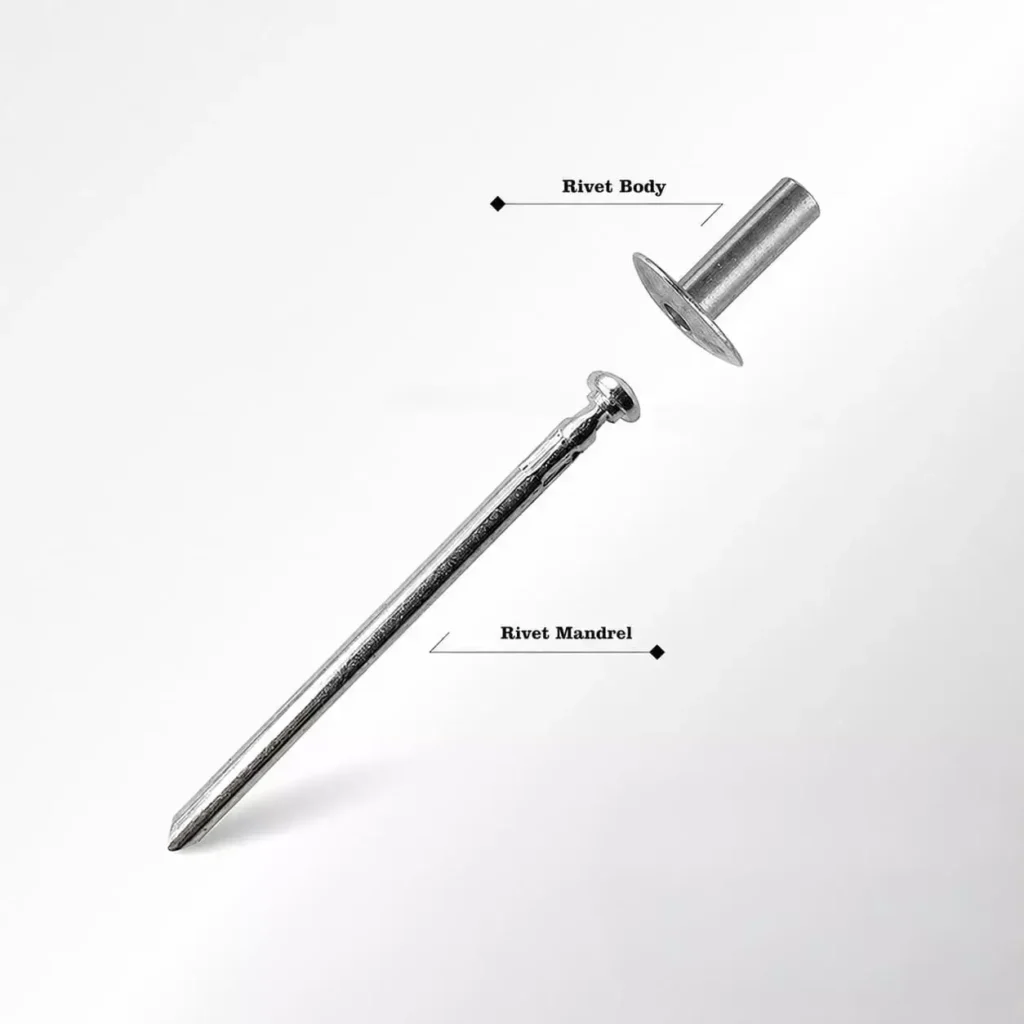
An open-end blind rivet consists of a rivet body and a rivet mandrel.
The rivet body is the main component that actually clamps the workpiece after installation. During installation, the mandrel is pulled, causing the tail end of the rivet body to deform and form a bulge or clamping structure on the reverse side of the workpiece.
The mandrel is the component that is gripped and pulled by the rivet gun during installation.
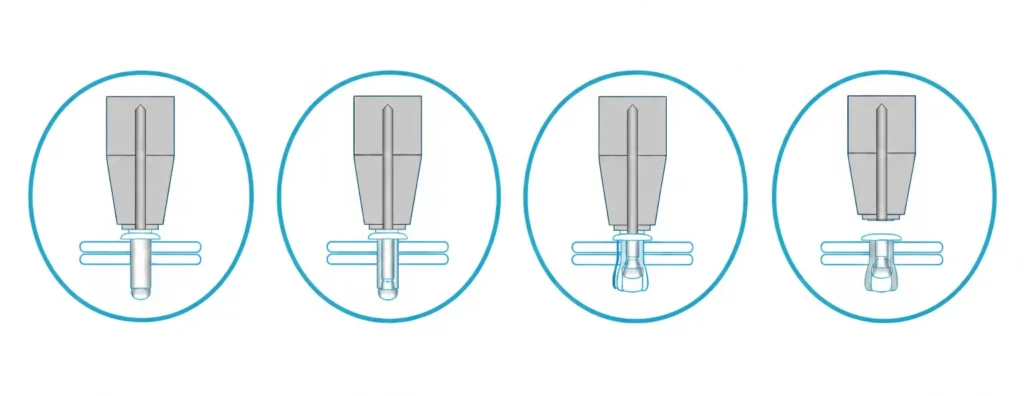
how do open end rivets work?
Step 1: Pre-drill the hole
Pre-drill holes of a suitable diameter based on the rivet diameter. Avoid drilling holes that are too large, which could cause loosening, or too small, which could compromise the stability of the subsequent riveting.
Step 2: Insert the Open End Blind Rivet
Insert the open end rivet into the hole. Ensure that the head of the rivet lies flush with the surface of the workpiece. Ensure that the length of the rivet matches the grip range.
Step 3: Pull the Mandrel with a Rivet Tool
Use a riveting tool to grip the mandrel. Form a bulge or flared structure at the tail end of the rivet shell.
Step 5: The mandrel breaks, completing the riveting process
Once the tail end of the rivet shell has been sufficiently deformed and has gripped the material, the rivet mandrel will break at the predetermined breaking point. This completes the riveting process.
Limitations of open-end blind rivets
① Limited sealing performance: The open end of open-ended pop rivets may allow air, water and dust to enter the channel.
② Moderate vibration resistance.
③ Not suitable for structures subjected to extremely high loads.
④ Sensitive to clamping range.
Open End vs Closed End Blind Rivets
| Comparison Items | Open End Blind Rivet | Closed End Blind Rivet |
|---|---|---|
| Structure | Open end | Closed end |
| Cost | Lower | Higher |
| Sealing | Incomplete seal | Better sealing |
| Applications | General industrial fastening | Waterproof and airtight applications |
| Common Applications | Sheet metal, enclosures, HVAC, machinery housings | Marine, containers, outdoor equipment, sealed enclosures |
| Recommendation Logic | Cost-sensitive, general-purpose connections | Sealing-critical, waterproof and dustproof applications |
How to Choose the Right Open End Blind Rivets
Step 1: Check the materials to be joined
Step 2: Determine the total thickness of the materials (clamping range)
Step 3: Determine the strength requirements (tensile strength/shear strength)
Step 4: Consider the operating environment
Step 5: Select the head style
Step 6: Determine the hole diameter and dimensions
Best practices for sourcing open end blind rivets in large quantities
1. Confirm the Exact Rivet Specifications Before Bulk Order
Firstly, you need to confirm the full specifications. These include diameter, length, grip range, drill hole size, head type, body material, mandrel material and surface finish.
2. Choose the Right Material Combination
You should select the material based on the specific sheet metal, environmental conditions and strength requirements of your project. Different material combinations are suitable for different requirements in terms of strength, weight, corrosion resistance and cost.
3. Match the Size With Real Grip Range
Before purchasing open end blind rivets, you should first measure the total thickness of all the materials to be joined. You should then select a rivet length that covers that thickness range.
4. Test Samples Before Placing Large Orders
Sample testing can help you determine whether open-end blind rivets are suitable for assembly on your production line. It will also help you assess whether the quality meets your requirements for long-term bulk stocking.
5. Evaluate the Supplier’s Manufacturing Capability
- Does this factory have a physical facility and production workshop for open-end blind rivets?
- Does this factory have the capacity for cold heading, mandrel processing, assembly and packaging?
- Can this factory supply open-end blind rivets in a variety of materials, sizes and head types?
- Can this factory outline its production and inspection processes?
- Does this factory support long-term bulk supply?
- Can this factory provide samples and technical documentation?
- Does this factory support OEM packaging and mixed-specification orders?
6. Check Quality Control Before Bulk Shipment
Open-end blind rivets are high-consumption industrial fasteners. It is essential to ensure consistency in batch dimensions, core breakage, strength and appearance. This helps prevent a high number of assembly failures and customer complaints.
7. Choose Packaging Based on Sales Channel
When purchasing Open End Blind Rivets in bulk, the packaging method should be selected in accordance with the customer’s requirements. Before placing an order, the customer should confirm the quantity per box, the quantity per carton, the label content, the outer carton markings, the palletisation method and whether barcodes are required.
8. Plan Inventory for Common Sizes and Fast-Moving Types
We recommend prioritising the stocking of commonly used sizes and standard materials in line with local market demand.
9. Build a Long-Term Supply Plan
We recommend establishing a stable procurement plan with your suppliers. This will help you reduce the risk of stock-outs and improve supply chain stability.