
countersunk rivet nut Manufacturer
Rivmate specializes in supplying standard and custom countersunk rivet nuts. These reduce protrusions on the material surface, minimizing interference with sheet metal assembly. They are suitable for applications such as electrical cabinets, removable components, elevators, and slide rails.
- Improves surface flatness
- Enhanced anti-rotation performance
- Supports repeated bolt assembly and disassembly
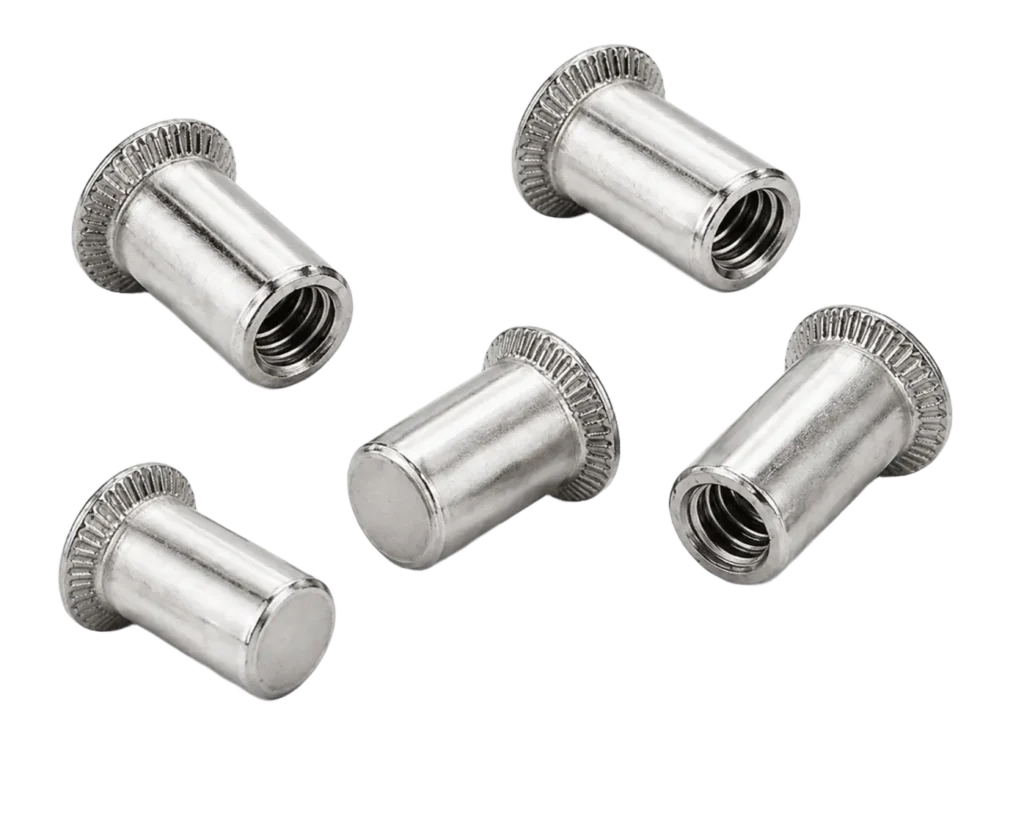
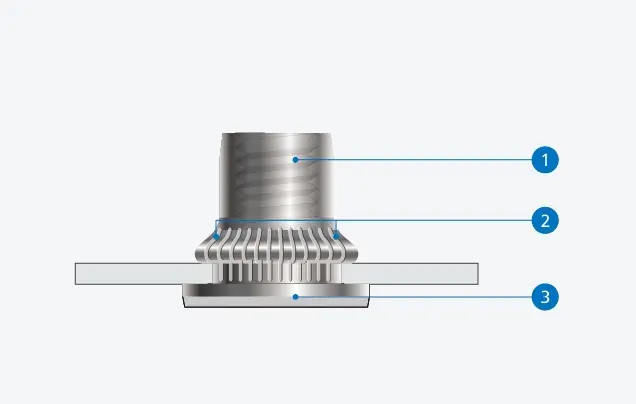
Why Choose Our countersunk rivet nut
- Supports single-sided installation
- Low-profile installation improves surface flatness
- Suitable for internal threaded connections in thin plates
- Provides better anti-rotation performance
- Improves assembly efficiency and batch consistency
Rivmate —— Your Professional Customized countersunk rivet nut Manufacturer
Rivmate is a professional manufacturer of custom countersunk rivet nuts. We supply countersunk rivet nuts made of carbon steel, stainless steel, and other materials, and offer a variety of designs, including open-end, closed-end, knurled-body, and round-body styles.
As a supplier of custom countersunk rivet nuts, Rivmate can manufacture products based on your drawings or samples. Whether you need M3, M4, M5, M6, M8, M10, or M12 specifications, we maintain ample inventory. If you are unsure about the specifications for your rivet nuts, our team of professional engineers can provide a customized, one-on-one solution based on factors such as your application environment.
Classified by Material
Carbon steel countersunk rivet nuts and stainless steel countersunk rivet nuts are the two most commonly used options in industrial applications. Countersunk rivet nuts are available in a variety of materials to suit different application environments, strength requirements, corrosion resistance needs, and procurement costs.

Carbon Steel Countersunk Rivet Nuts
Carbon Steel Countersunk Rivet Nuts are suitable for applications that require mechanical strength, cost-effective bulk purchasing, and reliable industrial assembly. Carbon steel is the more cost-effective option.

Stainless Steel Countersunk Rivet Nuts
Stainless steel countersunk rivet nuts suited for projects with higher requirements for corrosion resistance, long service life, for outdoor environments. They are in industrial assembly applications where rust prevention is critical.
Classified by size
Countersunk rivet nuts are available in common sizes such as M3, M4, M5, M6, M8, M10, and M12, based on thread size. Different sizes are suitable for different plate thicknesses, connection strengths, bolt sizes, and industrial assembly applications.
M3 Countersunk Rivet Nut
The grip range for this size is 1.6–3.5 mm. It is suitable for precision assembly applications with limited space, small connection points, and low load requirements.
M8 Countersunk Rivet Nut
The grip range for this size is 2–4.5 mm. It is suitable for industrial applications such as equipment housings and structural support components that require higher load-bearing capacity and higher torque.
M4 Countersunk Rivet Nut
The grip range for this size is 1.5–5 mm. It is suitable for lightweight connections and provides a stable internal thread while maintaining a low-profile appearance.
M10 Countersunk Rivet Nut
The grip range for this size is 2–5 mm. It is suitable for large-scale equipment, heavy-duty sheet metal structures, and other applications requiring larger bolt connections and higher-strength assemblies.
M5 Countersunk Rivet Nut
The grip range for this size is 1.5–3.5 mm. It has a wide range of applications and is suitable for most medium-strength industrial sheet metal assembly needs.
M12 Countersunk Rivet Nut
The grip range for this size is 1.6–6.5 mm. It is suitable for high-strength fastening applications; the appropriate model should be selected based on the actual board thickness, hole diameter, and installation conditions.
M6 Countersunk Rivet Nut
The grip range for this size is 1.5–4 mm. It provides stronger threaded connections and is suitable for applications requiring higher assembly strength.
Classified by Bottom Structure
Countersunk rivet nuts can be classified into open-end countersunk rivet nuts and closed-end countersunk rivet nuts based on their bottom structure. The two types differ in their suitable applications and primary functions.
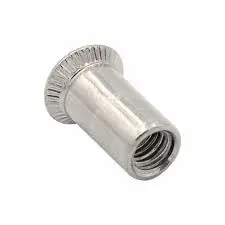
Open End Countersunk Rivet Nut
The Open End Countersunk Rivet Nut features an open bottom design, making it suitable for general industrial sheet metal assembly and standard threaded connections.
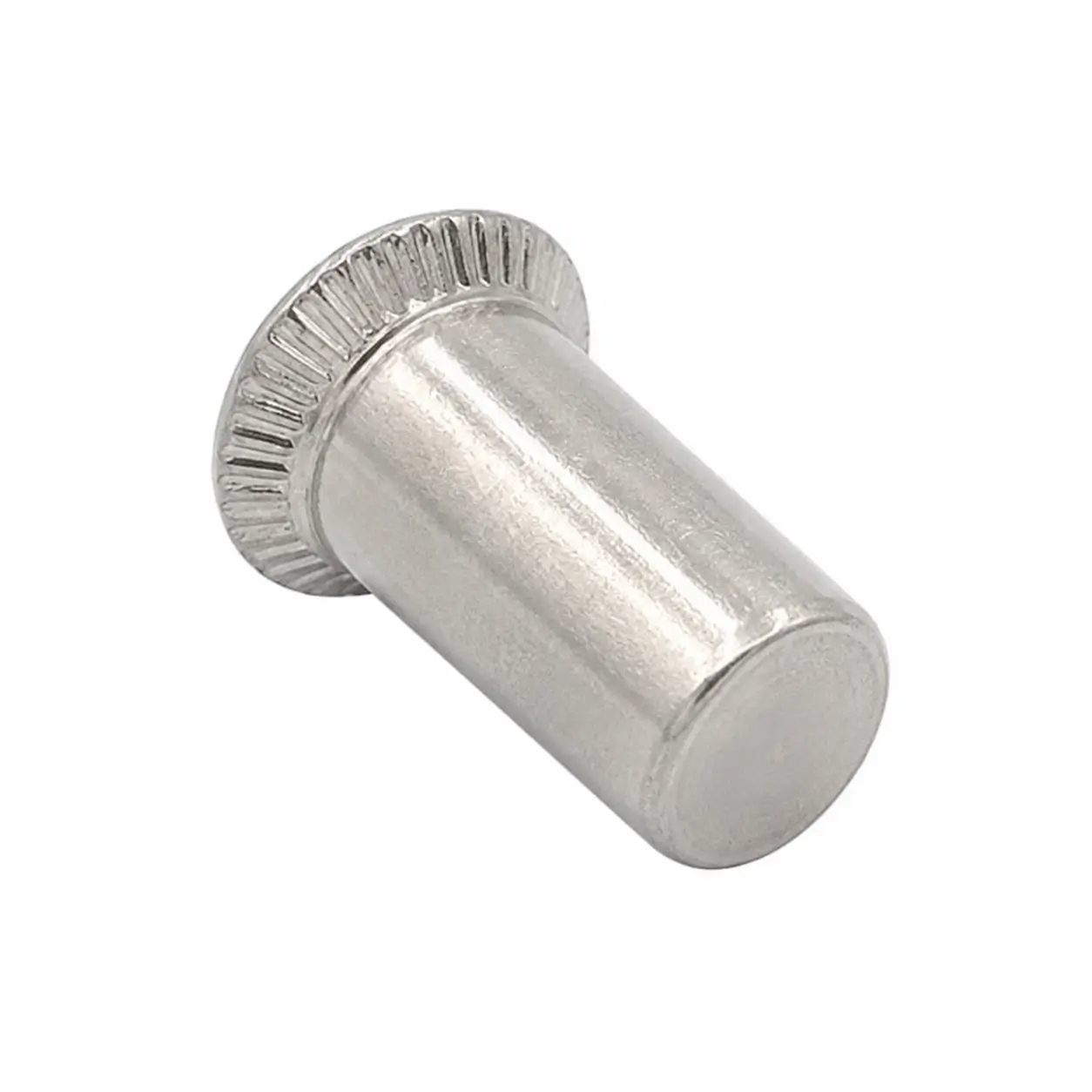
Closed End Countersunk Rivet Nut
The Closed End Countersunk Rivet Nut has a closed bottom design, which helps prevent dust, liquids, oil, or other contaminants from entering through the bottom of the thread.
Classified by External Surface Structure
The Knurled Countersunk Rivet Nut combines the features of both a countersunk design and a knurled surface. For customers who need to repeatedly install and remove bolts, require the nut to withstand a certain assembly torque, or have specific requirements for the consistency of mass production, the Knurled Countersunk Rivet Nut is a more reliable choice.
Knurled Countersunk Rivet Nut
The outer surface features a knurled pattern. During installation, the knurled texture enhances the grip between the rivet nut and the hole wall. This helps improve anti-rotation performance and reduces the risk of the rivet nut rotating along with the bolt during tightening or removal.
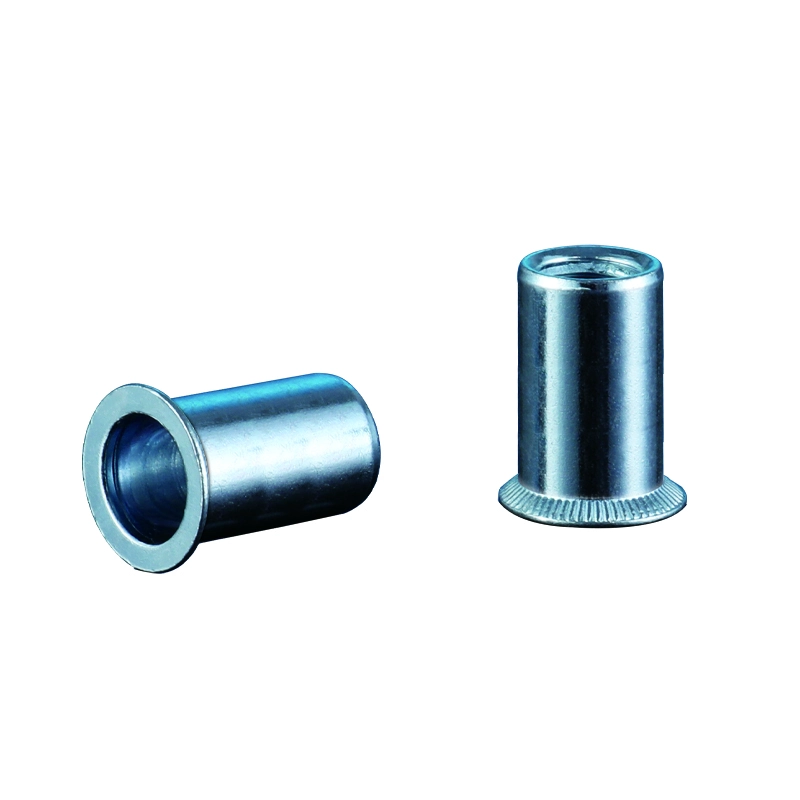
Round Countersunk Rivet Nut
Its mounting holes are easier to machine, making it suitable for standard round-hole assembly. The outer surface is smooth, and the design is simple. It is suitable for conventional sheet metal connections and industrial assembly applications. A reliable and cost-effective choice.
| Material | Body | End | Thread | Grip Range | Hole | A | D | DK | K | L | Part No. |
|---|---|---|---|---|---|---|---|---|---|---|---|
| Carbon Steel Countersunk Rivet Nut - Round Body | |||||||||||
| Carbon Steel | Round | Open | M3 | 1.60-3.50 | 5.00 | 4.50 | 4.90 | 7.80 | 1.50 | 9.50 | SCRM3-35 |
| Carbon Steel | Round | Open | M4 | 1.50-3.00 | 6.00 | 6.50 | 5.90 | 9.00 | 1.50 | 12.00 | SCRM4-30 |
| Carbon Steel | Round | Open | M4 | 3.00-5.00 | 6.00 | 6.50 | 5.90 | 9.00 | 1.50 | 13.00 | SCRM4-50 |
| Carbon Steel | Round | Open | M5 | 1.50-3.50 | 7.00 | 7.50 | 6.90 | 10.00 | 1.50 | 13.00 | SCRM5-35 |
| Carbon Steel | Round | Open | M6 | 1.50-4.00 | 9.00 | 9.00 | 8.90 | 12.00 | 1.50 | 15.50 | SCRM6-40 |
| Carbon Steel | Round | Open | M8 | 2.00-4.50 | 11.00 | 11.00 | 10.90 | 14.00 | 1.50 | 18.50 | SCRM8-45 |
| Carbon Steel | Round | Open | M10 | 2.00-5.00 | 13.00 | 13.00 | 12.90 | 16.00 | 1.50 | 21.00 | SCRM10-50 |
| Carbon Steel | Round | Open | M10 | 1.60-5.00 | 12.00 | 11.50 | 11.90 | 15.00 | 1.50 | 21.00 | SCRM10-50(12H) |
| Carbon Steel | Round | Open | M12 | 1.60-4.50 | 16.00 | 17.50 | 15.90 | 19.00 | 1.90 | 26.00 | SCRM12-45 |
| Carbon Steel | Round | Open | M12 | 4.50-6.50 | 16.00 | 17.50 | 15.90 | 19.00 | 1.90 | 28.00 | SCRM12-65 |
| Carbon Steel | Round | Open | M12 | 1.00-4.00 | 15.00 | 17.50 | 14.90 | 18.00 | 1.50 | 22.00 | SCRM12-40(15H) |
| Carbon Steel | Round | Open | M12 | 4.00-6.50 | 15.00 | 17.50 | 14.90 | 18.00 | 1.50 | 24.00 | SCRM12-65(15H) |
| Carbon Steel | Round | Closed | M4 | 1.50-3.00 | 6.00 | 12.30 | 5.90 | 9.00 | 1.50 | 17.50 | SCRFM4-30 |
| Carbon Steel | Round | Closed | M5 | 1.50-3.50 | 7.00 | 14.00 | 6.90 | 10.00 | 1.50 | 19.50 | SCRFM5-35 |
| Carbon Steel | Round | Closed | M6 | 1.50-4.00 | 9.00 | 17.50 | 8.90 | 12.00 | 1.50 | 23.50 | SCRFM6-40 |
| Carbon Steel | Round | Closed | M8 | 1.50-4.00 | 11.00 | 20.00 | 10.90 | 14.00 | 1.50 | 26.50 | SCRFM8-40 |
| Carbon Steel | Round | Closed | M8 | 4.50-6.50 | 11.00 | 20.00 | 10.90 | 14.00 | 1.50 | 29.50 | SCRFM8-65 |
| Carbon Steel | Round | Closed | M10 | 1.50-5.00 | 13.00 | 21.50 | 12.90 | 16.00 | 1.50 | 30.00 | SCRFM10-50 |
| Carbon Steel Countersunk Rivet Nut - Knurled Body | |||||||||||
| Carbon Steel | Knurled | Open | M3 | 1.50-2.50 | 5.00 | 4.50 | 4.90 | 7.50 | 1.50 | 9.50 | SCKM3-25 |
| Carbon Steel | Knurled | Open | M3 | 2.50-4.00 | 5.00 | 4.50 | 4.90 | 7.50 | 1.50 | 10.50 | SCKM3-40 |
| Carbon Steel | Knurled | Open | M4 | 1.50-3.00 | 6.00 | 6.50 | 5.90 | 9.00 | 1.50 | 12.00 | SCKM4-30 |
| Carbon Steel | Knurled | Open | M4 | 3.50-5.00 | 6.00 | 6.50 | 5.90 | 9.00 | 1.50 | 13.00 | SCKM4-50 |
| Carbon Steel | Knurled | Open | M5 | 1.50-3.50 | 7.00 | 7.50 | 6.90 | 10.00 | 1.50 | 13.00 | SCKM5-35 |
| Carbon Steel | Knurled | Open | M5 | 3.00-5.00 | 7.00 | 7.50 | 6.90 | 10.00 | 1.50 | 15.00 | SCKM5-50 |
| Carbon Steel | Knurled | Open | M6 | 1.50-4.00 | 9.00 | 9.00 | 8.90 | 12.00 | 1.50 | 15.50 | SCKM6-40 |
| Carbon Steel | Knurled | Open | M6 | 4.00-6.00 | 9.00 | 9.00 | 8.90 | 12.00 | 1.50 | 17.00 | SCKM6-60 |
| Carbon Steel | Knurled | Open | M8 | 2.00-4.50 | 11.00 | 11.00 | 10.90 | 14.00 | 1.50 | 18.50 | SCKM8-45 |
| Carbon Steel | Knurled | Open | M8 | 4.50-6.00 | 11.00 | 11.00 | 10.90 | 14.00 | 1.50 | 21.00 | SCKM8-60 |
| Carbon Steel | Knurled | Open | M10 | 2.00-5.00 | 13.00 | 13.00 | 12.90 | 16.00 | 1.50 | 21.00 | SCKM10-50 |
| Carbon Steel | Knurled | Open | M10 | 3.50-6.50 | 13.00 | 13.00 | 12.90 | 16.00 | 1.50 | 24.00 | SCKM10-65 |
| Carbon Steel | Knurled | Open | M10 | 1.60-5.00 | 12.00 | 11.50 | 11.90 | 15.00 | 1.50 | 19.00 | SCKM10-50(12H) |
| Carbon Steel | Knurled | Open | M10 | 4.00-7.50 | 12.00 | 11.50 | 11.90 | 15.00 | 1.50 | 24.00 | SCKM10-75(12H) |
| Carbon Steel | Knurled | Open | M12 | 2.00-5.00 | 16.00 | 16.50 | 15.90 | 19.00 | 1.90 | 24.00 | SCKM12-50 |
| Carbon Steel | Knurled | Open | M12 | 5.00-7.00 | 16.00 | 16.50 | 15.90 | 19.00 | 1.80 | 27.50 | SCKM12-70 |
| Carbon Steel | Knurled | Open | M12 | 1.00-4.00 | 15.00 | 16.50 | 14.90 | 18.00 | 1.50 | 22.00 | SCKM12-40(15H) |
| Carbon Steel | Knurled | Closed | M3 | 1.50-2.50 | 5.00 | 10.30 | 4.90 | 7.50 | 1.50 | 15.50 | SCKFM3-25 |
| Carbon Steel | Knurled | Closed | M3 | 2.50-4.00 | 5.00 | 10.30 | 4.90 | 7.50 | 1.50 | 17.50 | SCKFM3-40 |
| Carbon Steel | Knurled | Closed | M4 | 1.50-3.00 | 6.00 | 12.30 | 5.90 | 9.00 | 1.50 | 17.50 | SCKFM4-30 |
| Carbon Steel | Knurled | Closed | M4 | 3.00-5.00 | 6.00 | 12.30 | 5.90 | 9.00 | 1.50 | 19.50 | SCKFM4-50 |
| Carbon Steel | Knurled | Closed | M5 | 1.50-3.50 | 7.00 | 14.00 | 6.90 | 10.00 | 1.50 | 19.50 | SCKFM5-35 |
| Carbon Steel | Knurled | Closed | M5 | 3.50-5.00 | 7.00 | 14.00 | 6.90 | 10.00 | 1.50 | 23.50 | SCKFM5-50 |
| Carbon Steel | Knurled | Closed | M6 | 1.50-4.00 | 9.00 | 17.50 | 8.90 | 12.00 | 1.50 | 23.50 | SCKFM6-40 |
| Carbon Steel | Knurled | Closed | M6 | 4.00-6.00 | 9.00 | 17.50 | 8.90 | 12.00 | 1.50 | 25.50 | SCKFM6-60 |
| Carbon Steel | Knurled | Closed | M8 | 1.50-4.50 | 11.00 | 20.00 | 10.90 | 14.00 | 1.50 | 26.50 | SCKFM8-45 |
| Carbon Steel | Knurled | Closed | M8 | 4.50-6.00 | 11.00 | 20.00 | 10.90 | 14.00 | 1.50 | 29.50 | SCKFM8-60 |
| Carbon Steel | Knurled | Closed | M10 | 1.50-5.00 | 13.00 | 21.50 | 12.90 | 16.00 | 1.50 | 30.00 | SCKFM10-50 |
| Carbon Steel | Knurled | Closed | M10 | 4.50-6.50 | 13.00 | 21.50 | 12.90 | 16.00 | 1.50 | 32.50 | SCKFM10-65 |
| Carbon Steel | Knurled | Closed | M12 | 1.50-5.50 | 16.00 | 22.50 | 15.90 | 19.00 | 1.50 | 33.00 | SCKFM12-55 |
| Carbon Steel | Knurled | Closed | M12 | 5.50-7.00 | 16.00 | 22.50 | 15.90 | 19.00 | 1.50 | 35.00 | SCKFM12-70 |
| Stainless Steel 304/316 Countersunk Rivet Nut - Round Body | |||||||||||
| SS 304/316 | Round | Open | M4 | 1.50-3.00 | 6.00 | 7.50 | 5.90 | 9.00 | 1.50 | 12.00 | BCRM4-30 |
| SS 304/316 | Round | Open | M5 | 1.50-3.50 | 7.00 | 7.80 | 6.90 | 10.00 | 1.50 | 13.00 | BCRM5-35 |
| SS 304/316 | Round | Open | M6 | 1.50-4.00 | 9.00 | 9.00 | 8.90 | 12.00 | 1.50 | 15.50 | BCRM6-40 |
| SS 304/316 | Round | Open | M8 | 2.00-4.50 | 11.00 | 12.00 | 10.90 | 14.00 | 1.50 | 18.50 | BCRM8-45 |
| SS 304/316 | Round | Open | M10 | 2.00-5.00 | 13.00 | 13.00 | 12.90 | 16.00 | 1.50 | 21.00 | BCRM10-50 |
| SS 304/316 | Round | Closed | M4 | 1.50-3.00 | 6.00 | 12.30 | 5.90 | 9.00 | 1.50 | 17.50 | BCRFM4-30 |
| SS 304/316 | Round | Closed | M5 | 1.50-3.50 | 7.00 | 14.00 | 6.90 | 10.00 | 1.50 | 19.50 | BCRFM5-35 |
| SS 304/316 | Round | Closed | M6 | 1.50-4.00 | 9.00 | 17.50 | 8.90 | 12.00 | 1.50 | 23.50 | BCRFM6-40 |
| SS 304/316 | Round | Closed | M8 | 1.50-4.00 | 11.00 | 20.00 | 10.90 | 14.00 | 1.50 | 26.50 | BCRFM8-40 |
| SS 304/316 | Round | Closed | M10 | 1.50-5.00 | 13.00 | 21.50 | 12.90 | 16.00 | 1.50 | 30.00 | BCRFM10-50 |
| Stainless Steel 304/316 Countersunk Rivet Nut - Knurled Body | |||||||||||
| SS 304/316 | Knurled | Open | M3 | 1.50-2.50 | 5.00 | 4.50 | 4.90 | 7.50 | 1.50 | 8.50 | BCKM3-25 |
| SS 304/316 | Knurled | Open | M3 | 2.50-3.50 | 5.00 | 4.50 | 4.90 | 7.50 | 1.50 | 11.50 | BCKM3-35 |
| SS 304/316 | Knurled | Open | M4 | 1.50-3.00 | 6.00 | 7.50 | 5.90 | 9.00 | 1.50 | 12.00 | BCKM4-30 |
| SS 304/316 | Knurled | Open | M4 | 3.00-5.00 | 6.00 | 7.50 | 5.90 | 9.00 | 1.50 | 13.00 | BCKM4-50 |
| SS 304/316 | Knurled | Open | M5 | 1.50-3.50 | 7.00 | 7.80 | 6.90 | 10.00 | 1.50 | 13.00 | BCKM5-35 |
| SS 304/316 | Knurled | Open | M5 | 3.00-5.00 | 7.00 | 7.80 | 6.90 | 10.00 | 1.50 | 15.00 | BCKM5-50 |
| SS 304/316 | Knurled | Open | M6 | 1.50-4.00 | 9.00 | 9.00 | 8.90 | 12.00 | 1.50 | 15.50 | BCKM6-40 |
| SS 304/316 | Knurled | Open | M6 | 4.00-6.00 | 9.00 | 9.00 | 8.90 | 12.00 | 1.50 | 19.00 | BCKM6-60 |
| SS 304/316 | Knurled | Open | M8 | 2.00-4.50 | 11.00 | 12.00 | 10.90 | 14.00 | 1.50 | 18.50 | BCKM8-45 |
| SS 304/316 | Knurled | Open | M8 | 4.50-6.50 | 11.00 | 12.00 | 10.90 | 14.00 | 1.50 | 21.00 | BCKM8-65 |
| SS 304/316 | Knurled | Open | M10 | 2.00-5.00 | 13.00 | 13.00 | 12.90 | 16.00 | 1.50 | 21.00 | BCKM10-50 |
| SS 304/316 | Knurled | Open | M10 | 4.50-6.50 | 13.00 | 13.00 | 12.90 | 16.00 | 1.50 | 24.00 | BCKM10-65 |
| SS 304/316 | Knurled | Open | M12 | 2.00-5.00 | 16.00 | 17.50 | 15.90 | 18.00 | 1.70 | 24.00 | BCKM12-50 |
| SS 304/316 | Knurled | Closed | M4 | 1.50-3.00 | 6.00 | 12.30 | 5.90 | 9.00 | 1.50 | 17.50 | BCKFM4-30 |
| SS 304/316 | Knurled | Closed | M5 | 1.50-3.50 | 7.00 | 14.00 | 6.90 | 10.00 | 1.50 | 19.50 | BCKFM5-35 |
| SS 304/316 | Knurled | Closed | M6 | 1.50-4.00 | 9.00 | 17.50 | 8.90 | 12.00 | 1.50 | 23.50 | BCKFM6-40 |
| SS 304/316 | Knurled | Closed | M8 | 1.50-4.50 | 11.00 | 20.00 | 10.90 | 14.00 | 1.50 | 26.50 | BCKFM8-45 |
| SS 304/316 | Knurled | Closed | M10 | 1.50-5.00 | 13.00 | 21.50 | 12.90 | 16.00 | 1.50 | 30.00 | BCKFM10-50 |
| SS 304/316 | Knurled | Closed | M12 | 1.50-5.50 | 16.00 | 22.50 | 15.90 | 19.00 | 1.50 | 33.00 | BCKFM12-55 |
Steps of Rivet Nut Installation
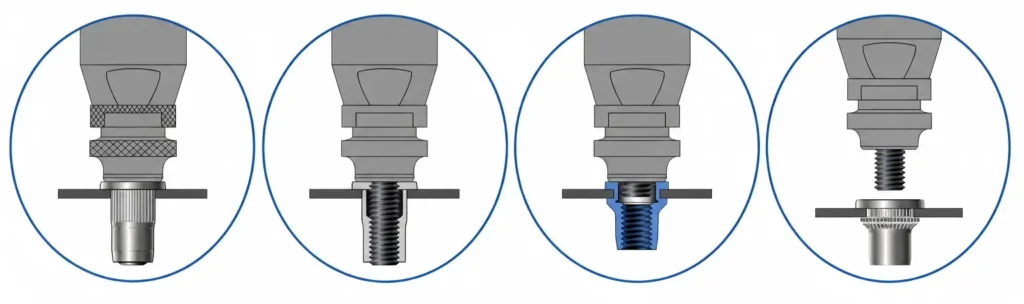
- Insert the rivet nut into the pre-drilled hole, ensuring that the head of the rivet nut is flush with the surface of the workpiece.
- Screw the rod of the rivet nut gun into the internal threads of the rivet nut, and hold the tool vertically.
- Activate the rivet nut gun and pull the rod to expand and deform the tail end of the rivet nut, clamping it securely to the workpiece.
- Once riveting is complete, retract the rod in the opposite direction. Check that the rivet nut is secure and confirm that the head is flush with the surface.
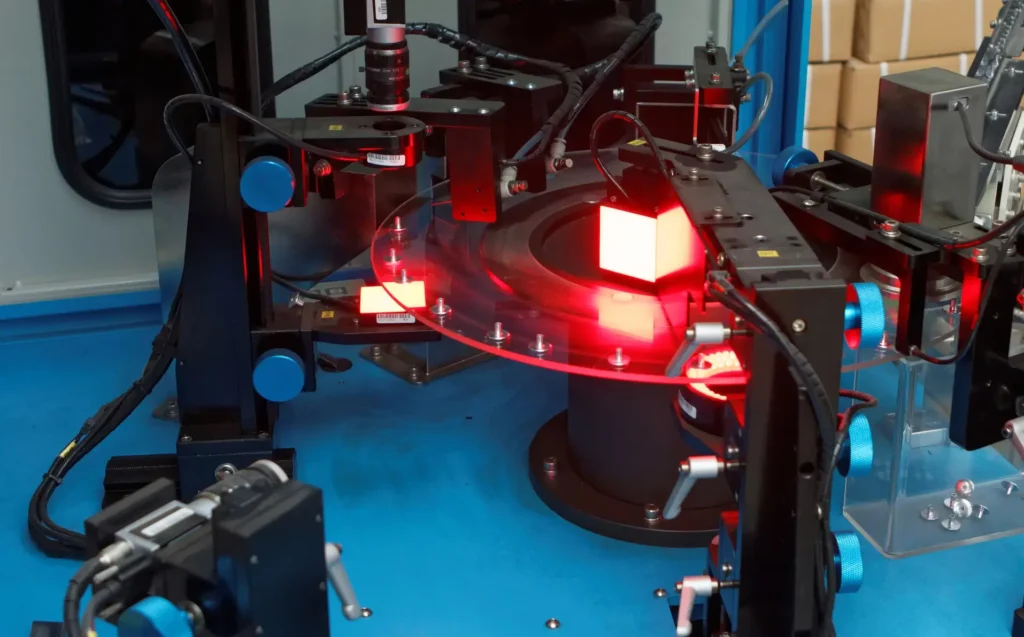
Countersunk Rivet Nut Testing for Stable Industrial Assembly
Rivmate, as a countersunk rivet nut manufacturer, is equipped with a dedicated testing laboratory for countersunk rivet nuts. These facilities are used to verify the outer diameter, head diameter, overall length, countersink depth, hole diameter match, and thread depth of countersunk rivet nuts.
- 13-Step Testing Process
- 99.9% Pass Rate
- 100% Rigorous Material Screening
From raw materials to the final formation of countersunk rivet nuts, the process undergoes 13 testing procedures. Rivmate is committed to helping customers improve consistency in mass assembly and reduce installation deviations and the risk of rework.

Our Certificate
Rivmate has established standardized production processes and a comprehensive quality management system for countersunk rivet nuts, positioning itself as a countersunk rivet nut manufacturer. These are supported by numerous quality documents and relevant certifications. For customers requiring long-term procurement, project audits, or supplier evaluations, Rivmate can provide the relevant quality documents upon request.
- Comply with ISO 9001
- IATF 16949 Quality Management
- Accurate Batch Traceability
Through systematic production management, inspection processes, and quality documentation, Rivmate helps customers achieve more consistent quality in countersunk rivet nuts and a more reliable long-term supply guarantee.
Applications of countersunk rivet nut
Countersunk rivet nuts are primarily used in structures where surface flatness, assembly clearance, appearance, and subsequent part fit are critical. The head sits closer to the sheet metal surface, reducing protrusion and assembly interference.
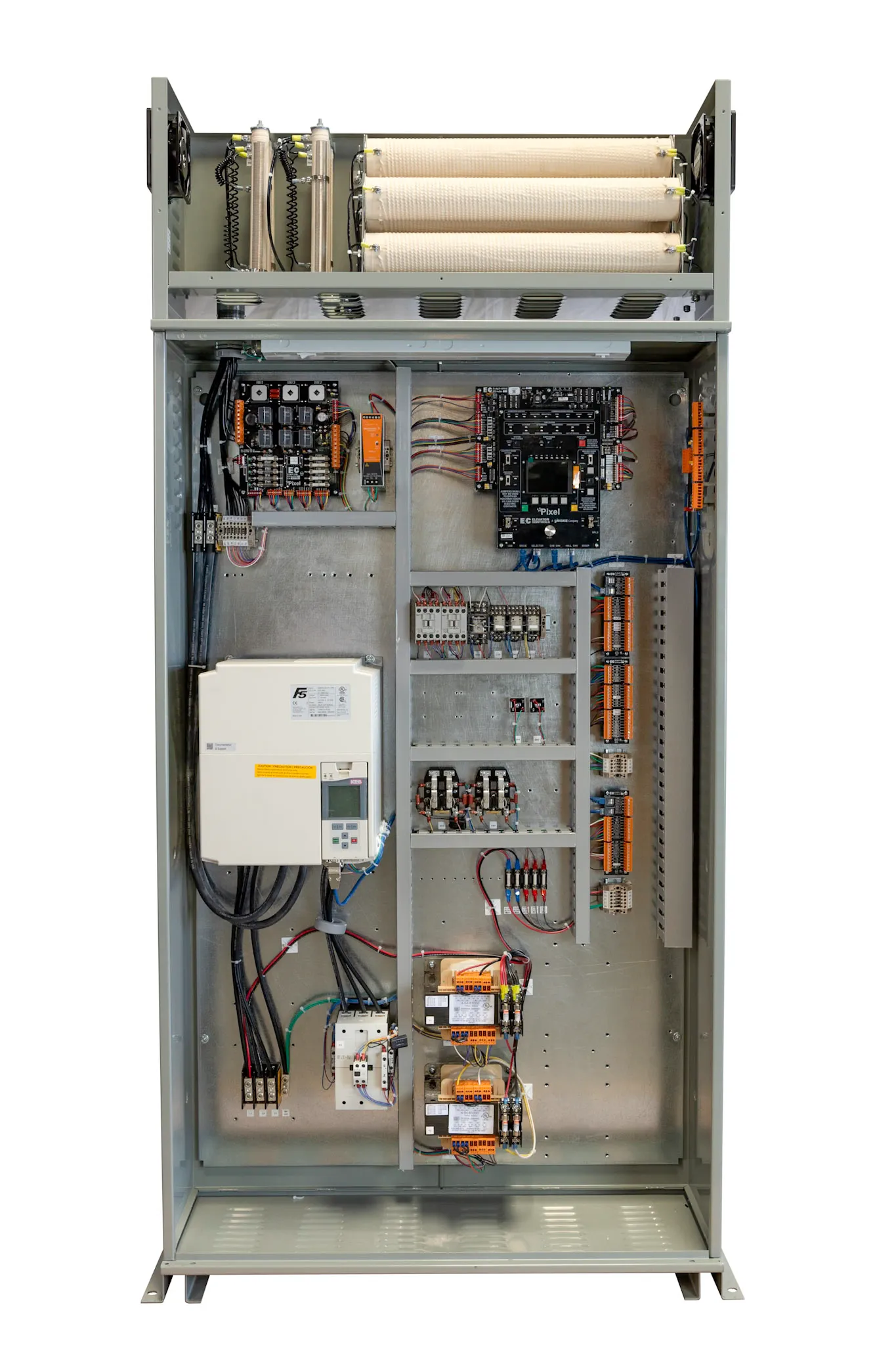
Electrical Cabinet Doors and Control Panel Faces
Countersunk Rivet Nuts have a flat surface and can create a stable internal thread in thin sheets, while minimizing protrusions on the door surface to ensure a neater cabinet assembly. This prevents any issues with door closure, seal strip fit, or visual consistency.
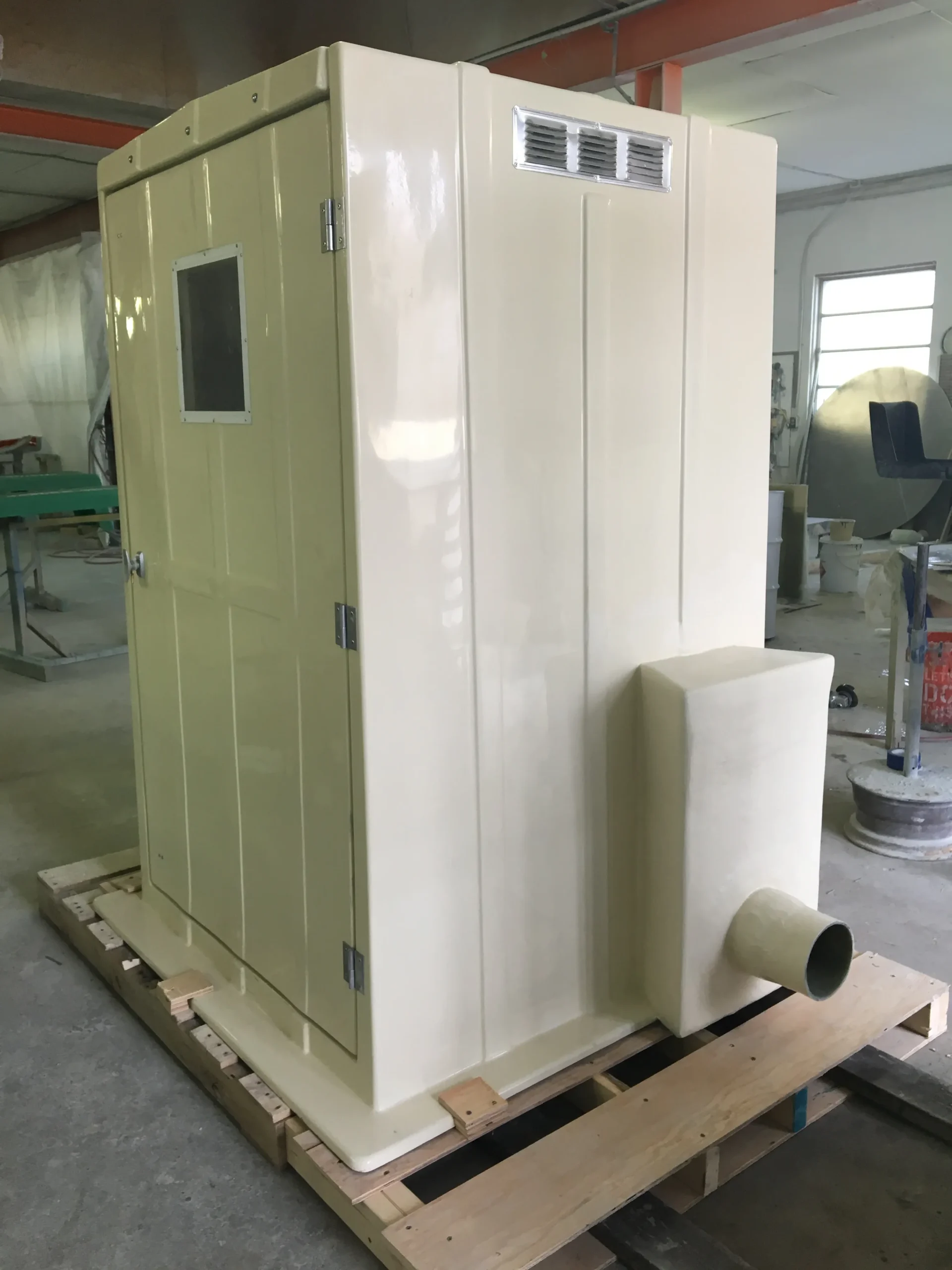
Equipment Enclosures and Removable Covers
These devices require frequent removal of the covers to maintain the internal components. Countersunk rivet nuts prevent the nut heads from interfering with the fit of external parts or causing scratches or impacts. The reusable threaded connections also make disassembly very convenient.

Elevator Panels and Decorative Metal Panels
Elevator car panels, door panels, decorative panels, and control panels have high aesthetic requirements. Countersunk Rivet Nuts are ideal for elevator car panels, door panels, and decorative panels. These applications require concealed or low-profile threaded fasteners. They help maintain a smoother, flatter appearance while providing reliable threaded fastening.
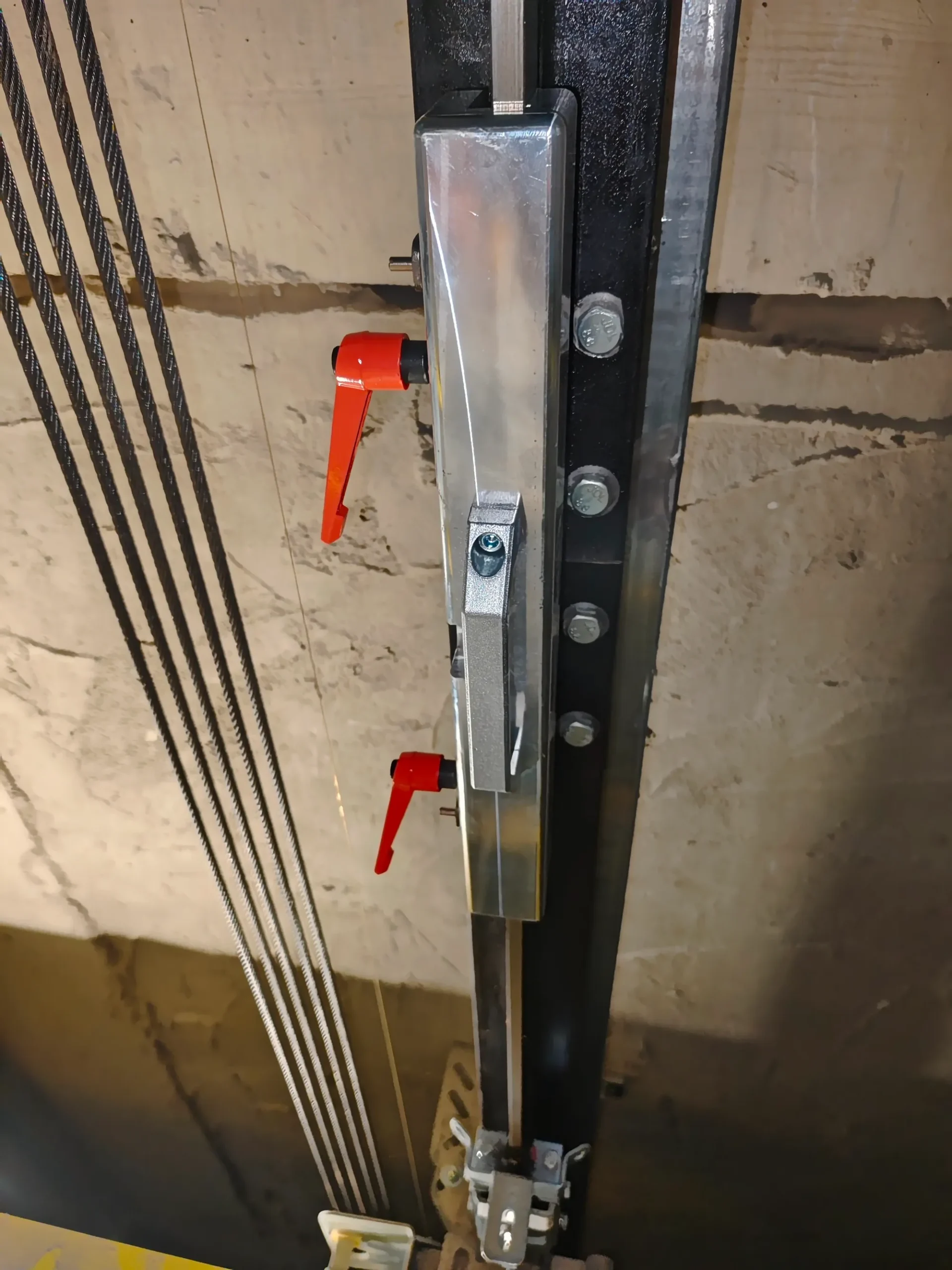
Rail, Slide, and Mating Surface Structures
When installing slide rails, guide rails, sealing strips, support plates, or cover plates, countersunk rivet nuts can reduce head interference, making it easier to fit or move subsequent parts. This prevents the rivet heads from protruding too high, which could interfere with the sliding, fitting, or positioning of parts.
Get An Instant Quote Now
Is a countersunk rivet nut waterproof?
Countersunk rivet nuts are not waterproof.
However, the closed-end design of countersunk rivet nuts can reduce the ingress of moisture from the bottom of the threads. This does not mean they are 100% waterproof. For applications with true waterproofing requirements, we recommend using sealing solutions such as sealant or sealing gaskets in conjunction with these nuts.
What type of material can countersunk rivet nuts be used in?
Countersunk rivet nuts are ideal for standard carbon steel sheets, stainless steel sheets, aluminum sheets, or galvanized sheets.
Are countersunk rivet nuts reusable?
The rivet nut body cannot be removed and reused.
Once installed on the sheet metal, the rivet nut body is secured to the sheet metal and does not need to be removed; however, the bolts or screws that are mated to it can be repeatedly removed and reinstalled.
How to choose countersunk rivet nuts for aluminum panels
We recommend using a knurled countersunk rivet nut for joining aluminum sheets.
Its knurled surface enhances the grip between the rivet nut and the hole wall, improving anti-rotation performance and enhancing the stability of the connection.
Benefits of using countersunk rivet nuts in sheet metal fabrication
Advantage 1: Internal threaded connections enhance connection stability.
Advantage 2: Reduced surface protrusions result in a smoother appearance.
Advantage 3: Supports single-sided installation, improving ease of assembly.
Advantage 4: Removable maintenance structure facilitates future maintenance.
countersunk rivet nut Test Video
To help you better understand the installation performance of the Countersunk Rivet Nut, Rivmate provides a multi-dimensional demonstration through test videos, from a countersunk rivet nut manufacturer.
Rivmate Knurled Body Rivet Nut: Torque Rotation Test
Rivmate Knurled Body Rivet Nut: Shear test
Rivmate Knurled Body Rivet Nut: Riveting test
Resource Center
Access helpful materials to support your project planning and product selection. Download documents for reference and on-site use.
Rivet Catalog
Browse our full blind rivet catalog including product types, specifications, and application examples.I am Trailer Box Description Text. You can change me anytime from settings.
Open End Blind Rivet Drawing
Download the technical drawings for the rivets, which include dimensions, internal structure, and basic product information
What Is a Countersunk Rivet Nut?
A countersunk rivet nut is a type of rivet nut with a countersunk head; it is also known as a countersunk rivet nut or a countersunk pull-through rivet nut.
It is an internally threaded fastener that can be installed on sheet metal, tubing, enclosures, or in locations where the back is inaccessible. It creates a stable internal threaded connection point on the sheet metal, allowing bolts or screws to be repeatedly tightened and removed.
The head of a countersunk rivet nut sits closer to the surface of the sheet metal, reducing protrusion and making it suitable for applications requiring surface flatness.
Differences between countersunk rivet nuts and standard rivet nuts
| Comparison Item | Countersunk Rivet Nut | Standard Rivet Nut |
|---|---|---|
| Head Structure | Countersunk head structure | Flat head, low-profile head, or other standard head types |
| Installation Hole Requirement | Requires a countersunk hole | Uses a standard round hole |
| Surface Effect After Installation | Lower head height and flatter surface | The head remains on the sheet surface |
| Appearance | Better for visible surfaces and appearance-sensitive panels | More visible head profile |
| Assembly Clearance | Better for limited space and contact-surface structures | Suitable for positions where head height does not affect assembly |
| Installation Difficulty | Requires higher accuracy for hole size, countersink angle, and countersink depth | Easier installation with higher assembly efficiency |
| Recommended Applications | Electrical cabinet doors, equipment covers, automotive sheet metal parts, elevator panels, HVAC housings, areas near sliding rails, and contact-surface structures | General sheet metal parts, machinery housings, brackets, cabinets, industrial panels, and equipment frames |
| Cost Factor | Requires an additional countersinking process | More suitable for general batch assembly |
| Selection Focus | Choose when low protrusion, flatter appearance, and reduced assembly interference are required | Choose when standard threaded fastening and cost efficiency are required |
How to select countersunk rivet nuts compatible with composite materials
- identify the type of composite material: Installation risks vary depending on the composite material.
- Select the correct grip range: For multi-layer composites, consider the total thickness.
- Control hole diameter and countersink quality: Ensure the hole surface is smooth and even
- Choose the appropriate outer diameter profile: Round or Knurled.
- Select compatible materials: Consider long-term connection stability.
- Select the appropriate surface treatment: Consider corrosion resistance, installation friction, thread fit, and compatibility with the composite material.
- Choose Open End or Closed End based on the environment: Determine whether your environment requires a certain level of sealing.
- Conduct sample testing before use: Countersunk rivet nuts intended for composite materials should be tested in real-world conditions before purchasing in bulk.
Comparison: countersunk rivet nut vs. weld nut.
| Key Comparison Item | Countersunk Rivet Nut | Weld Nut |
|---|---|---|
| 1. Installation Method | Installed from one side with a rivet nut tool, without access to the backside of the workpiece | Fixed to the sheet by welding, requiring welding equipment and operating space |
| 2. Welding Requirement | No welding required; installed by mechanical riveting | Requires welding and creates a heat-affected zone |
| 3. Impact on Thin Sheet Metal | Does not generate welding heat, helping reduce sheet deformation, burn marks, and surface damage | Welding heat may cause sheet deformation, burn-through, oxidation, or surface marks |
| 4. Surface Flatness | The countersunk head reduces head protrusion, making it suitable for low-profile installation | Welded areas may create visible protrusions or welding marks |
| 5. Suitable Sheet Condition | Suitable for painted, galvanized, oxidized, or non-weldable sheet materials | More suitable for bare metal sheets before welding, with surface treatment required after welding |
| 6. Installation Efficiency | Suitable for batch riveting assembly and compatible with manual, pneumatic, or automatic rivet nut tools | Welding efficiency depends on welding equipment, fixture positioning, and operation stability |
| 7. Hole and Processing Requirements | Requires accurate hole size, countersink dimensions, and a suitable grip range | Requires accurate positioning and stable welding strength |
| 8. Connection Reliability Risk | Oversized holes, mismatched grip range, or insufficient installation force may cause loosening or spin-out | Insufficient welding may cause detachment, while excessive welding may damage or deform the sheet |
| 9. Recommended Applications | Electrical cabinet doors, equipment covers, enclosed boxes, thin sheet housings, low-profile panels, and maintenance structures | Welded frames, thicker sheet structures, load-bearing connection points, and positions not sensitive to surface protrusion |
| 10. Overall Cost | Helps reduce welding, grinding, and post-treatment processes; suitable for flexible assembly and small-to-medium batch projects | The unit nut cost may be lower, but welding equipment, labor, fixtures, and post-treatment costs should be considered |