
Blind Rivets for HVAC Systems
Rivmate offers proven HVAC Rivet Solution options for ductwork, air handling units, and sheet metal structures, helping you achieve more reliable and efficient connections.
HAVC Rivet Solution
HVAC Rivet Solutions Explained
In HVAC systems, HVAC Rivets (blind rivets) are primarily used for duct connections, securing unit casings and assembling sheet metal structures. They provide a stable, permanent and non-loosening fastening solution.
Compared to traditional screws, HVAC fastener rivets are better suited to applications involving continuous vibration and high sealing requirements. Particularly in ductwork systems, sealed blind rivets can significantly reduce air leakage and improve system energy efficiency.
3–5×
≤30%
increase in installation efficiency
reduction in the risk of air leakage
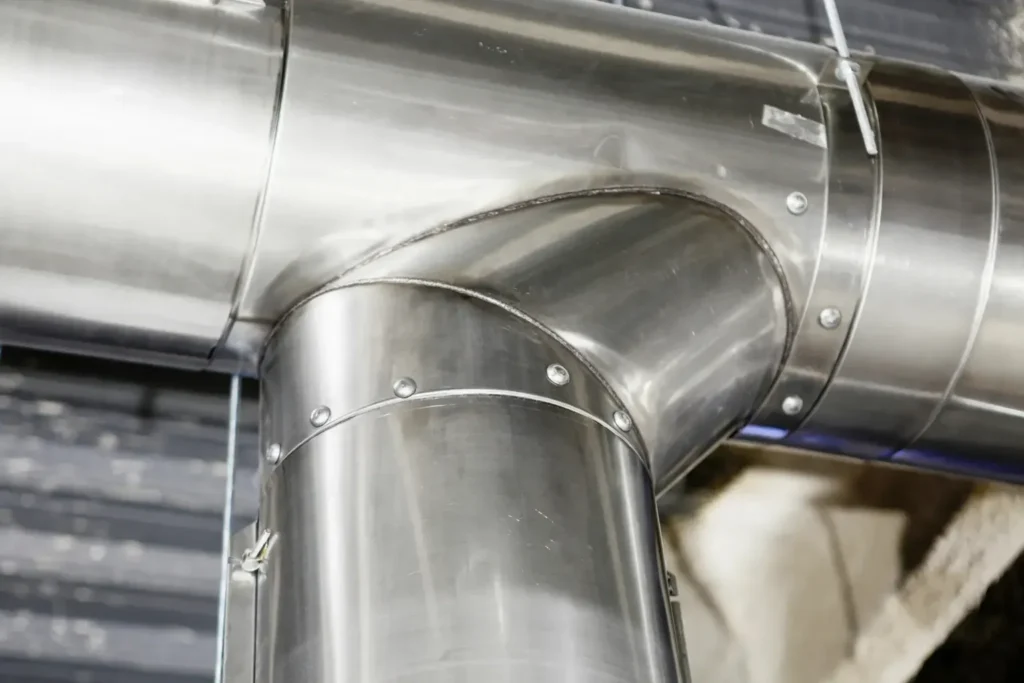
HVAC Fastening Challenges
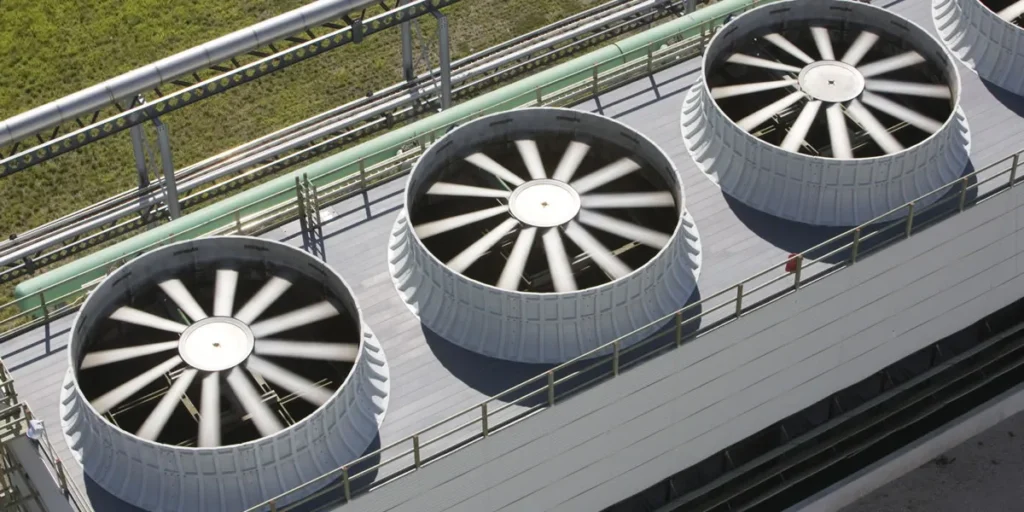
Vibration-induced loosening → Permanent riveted structure
The continuous vibration generated by the operation of fans and compressors can easily cause screws to come loose; blind rivets form an irreversible mechanical locking structure, effectively preventing failure due to loosening.
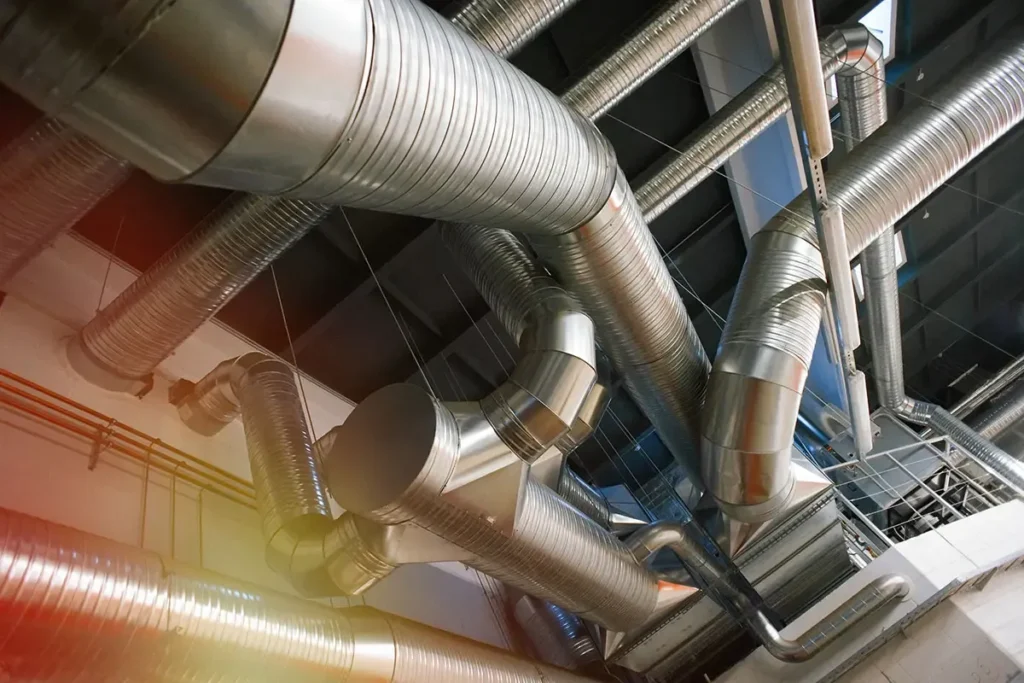
Risk of air leakage → Sealed rivet connections
Air leakage at duct joints is a common issue, with typical systems losing approximately 20–30% of airflow; sealed rivets significantly improve joint airtightness, reducing energy efficiency losses.
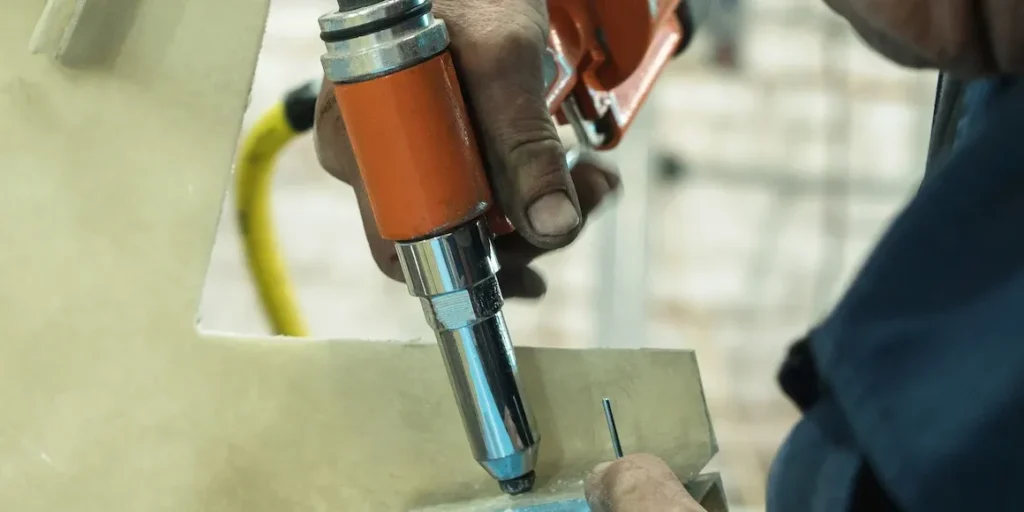
Inefficient installation → Single-sided quick installation
Traditional screws require operation and alignment from both sides, making installation complex; blind rivets allow for single-sided installation, significantly improving assembly efficiency and reducing labour costs.
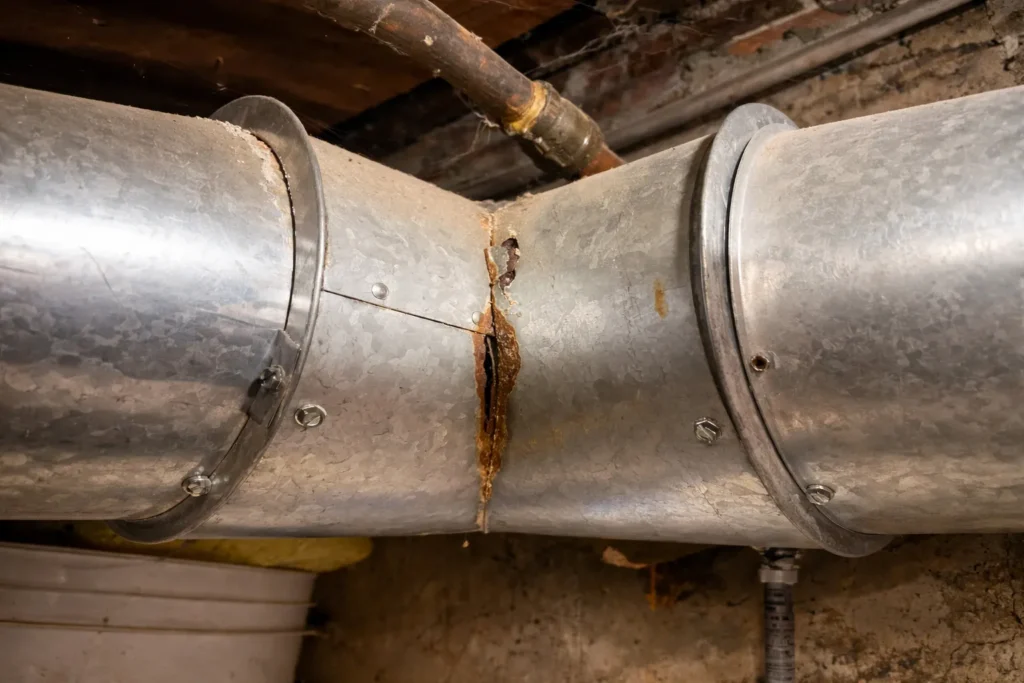
Corrosion failure → Material & surface treatment compatibility
HVAC outdoor or high-humidity environments can easily cause fasteners to oxidise and corrode; rivets made of aluminium, steel or stainless steel, as well as those with anti-corrosion coatings, are available to enhance long-term durability.

Blind Rivets for HVAC Ductwork
In HVAC ductwork systems, joints must meet high standards for airtightness and structural stability.
Hem-Lock rivets are suitable for joints requiring greater clamping force, helping to reduce panel deformation and enhance overall structural strength; Multi-Grip rivets can accommodate a range of panel thicknesses, reducing specification complexity and making them suitable for mass assembly.
Sealed rivets are used at critical connection points to effectively prevent air leakage, thereby improving the system’s airtightness and operational efficiency.
Blind Rivets for Air Handling Units
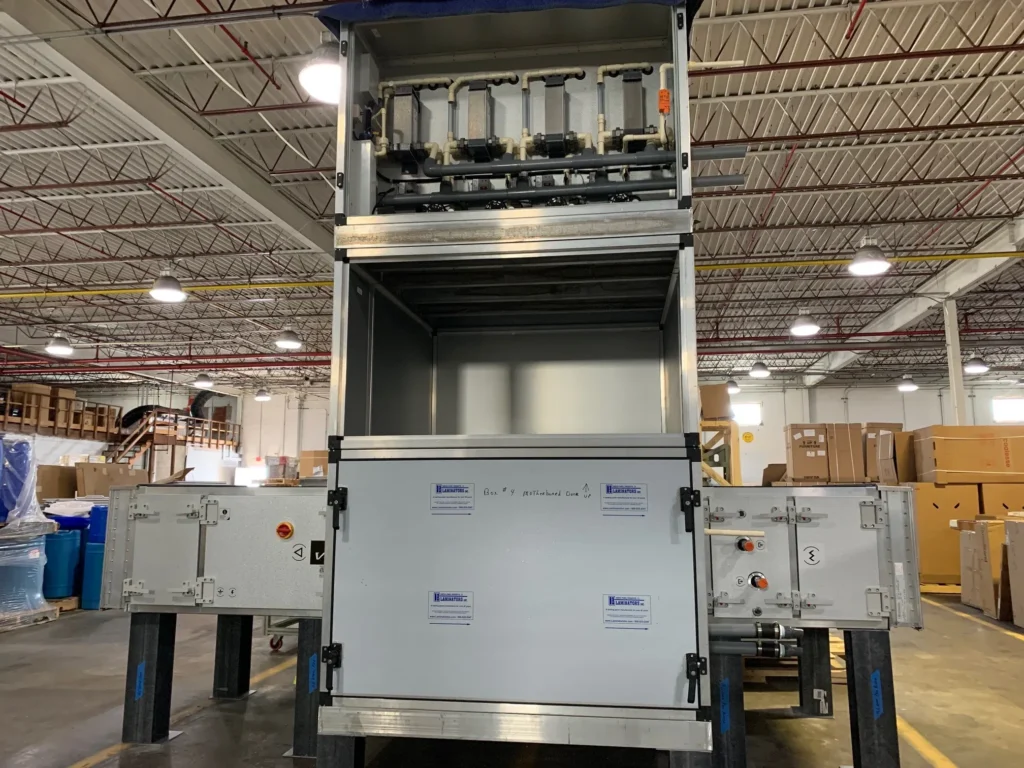
In AHU units, prolonged operation and vibration can easily cause traditional fasteners to loosen or even fail.
The use of structural blind rivets provides higher tensile and shear strength, maintaining a stable connection in environments subject to continuous vibration, thereby enhancing the structural reliability of the unit and reducing maintenance frequency.
Blind Rivets for HVAC Enclosures
Efficiency and consistency are key during the assembly of HVAC equipment enclosures. Standard blind rivets support rapid single-sided installation (approximately 2–5 seconds per point), eliminating the need for double-sided operation. This significantly boosts assembly efficiency (by approximately 3–5 times) whilst reducing labour costs, making them suitable for mass production and rapid on-site installation.

Blind Rivets for Rooftop HVAC Units
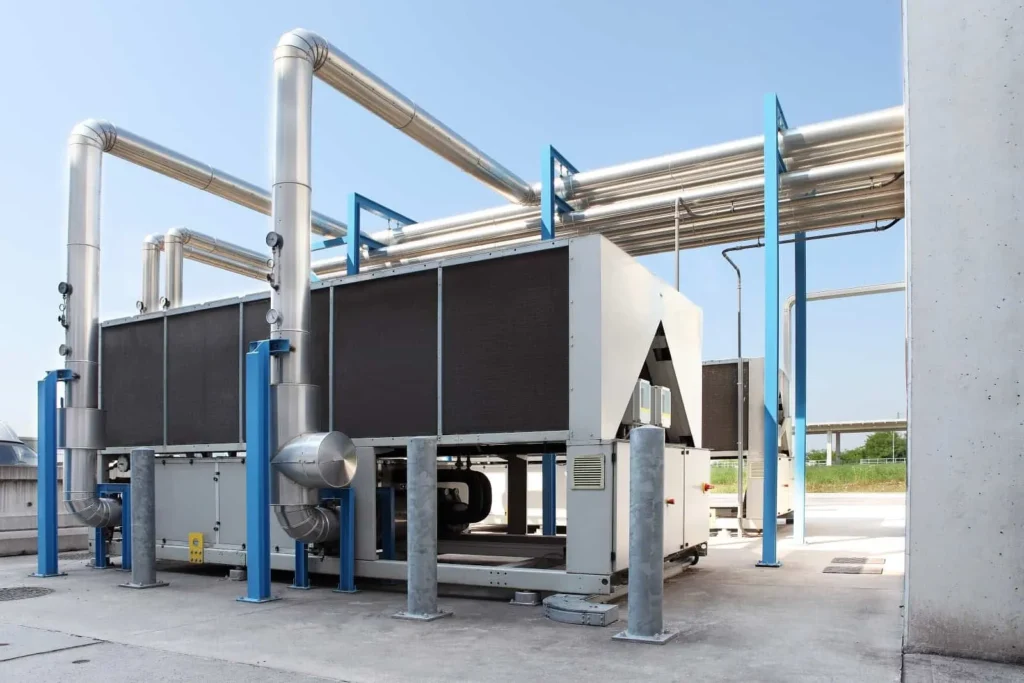
Rooftop HVAC units are exposed to outdoor environments for extended periods, facing challenges such as corrosion and temperature fluctuations.
The use of stainless steel or corrosion-resistant coated blind rivets effectively enhances corrosion resistance and reduces the risk of oxidation failure, thereby extending service life and lowering long-term maintenance costs.
Not sure which rivet to choose?
Wrong rivet selection can lead to loose joints, leakage, or costly rework. Tell Rivmate your material, thickness, and working conditions — we’ll recommend the exact rivet type and size with factory-level support.
Recommended Rivets
RIVMATE HVAC Fastener Rivet Selection Guide
In HVAC systems, selecting the correct type of rivet has a direct impact on airtightness, structural strength, and installation efficiency. Blind Rivets for HVAC Systems from Rivmate are designed for different operating conditions, helping you quickly identify the optimal fastening solution.
Solution 1 — Hem-Lock Blind Rivet
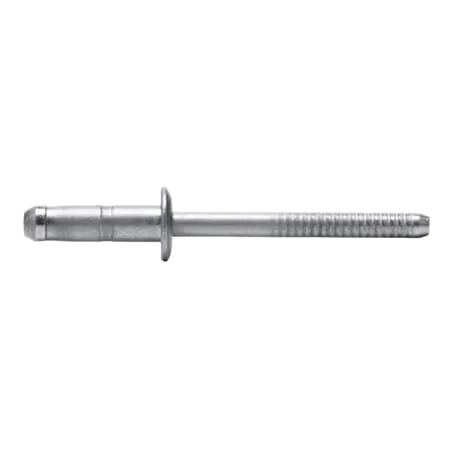
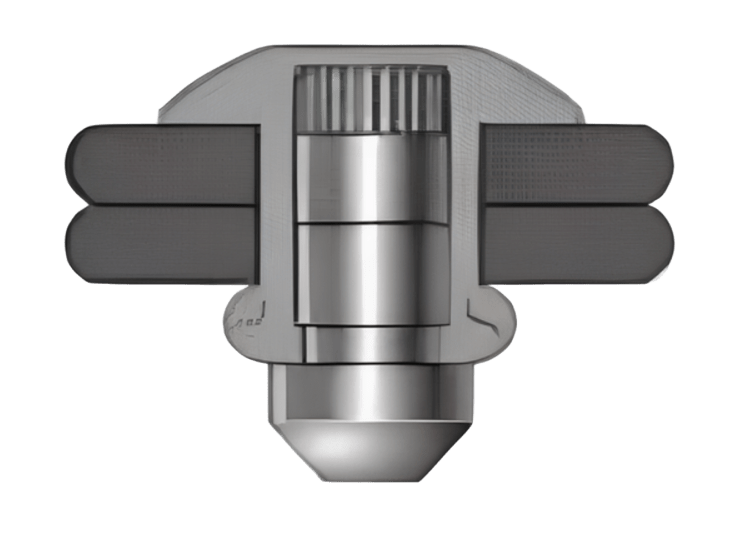
Hem-Lock rivets are suitable for high-strength fastenings in vibrating environments, offering superior clamping force and tensile and shear resistance to ensure long-term structural stability.
- Tensile strength up to 11.5 kN
- Shear strength up to 15.5 kN
- Large bearing surface design effectively reduces connection slippage
- IPX7 waterproof sealing performance
Solution 2 — Multi-Grip Blind Rivet
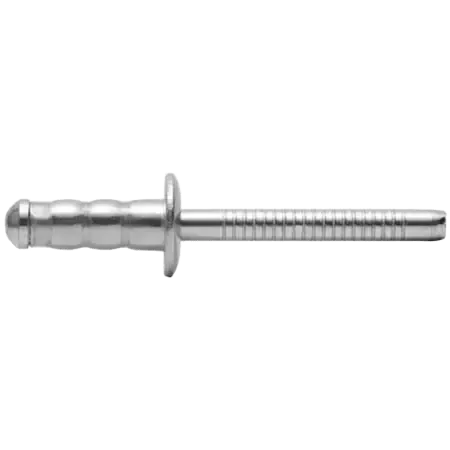
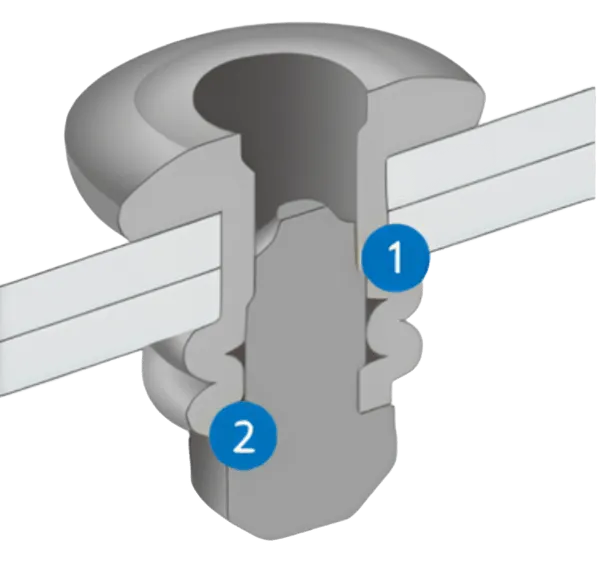
Multi-Grip rivets cover a wider range of sheet thicknesses, reducing the need to switch between specifications, thereby enhancing assembly flexibility and simplifying inventory management;
- 4.0 – 6.0 mm grip range
- Tensile strength: 4.2 kN
- Shear strength: 6.0 kN
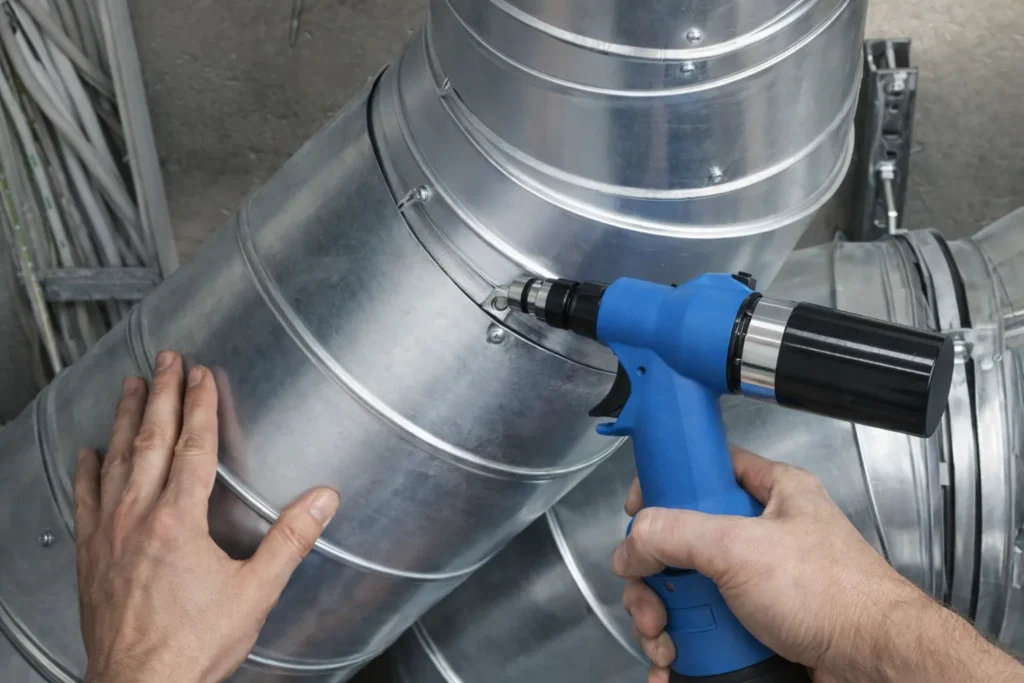
In HVAC systems, the fastening method not only affects installation efficiency but also has a direct bearing on long-term operational stability and maintenance costs. Compared to traditional screws, blind rivets offer more significant engineering advantages in environments subject to vibration and where airtightness is required:
Blind Rivets vs Screws in HVAC Comparison
| Factor | Blind Rivets | Screws |
|---|---|---|
| Installation | 2–5 seconds per point (3–5× increase in efficiency) | 10–20 seconds per point |
| Vibration | Permanently locked, no loosening | Prone to loosening under vibration, requiring regular maintenance |
| Airtightness | Optional sealed design, significantly reduces air leakage (≤30% risk reduction) | No sealing structure, prone to air leakage |
| Access | Single-sided installation, no rear access required | Requires access from both sides, limiting installation |

manufacturer
Rivmate Manufacturing Excellence
Cold Heading
Fully Automated Coating Line
IATF 16949
Rivmate employs a cold heading process to ensure high dimensional accuracy and consistent mechanical properties in its rivets, meeting the demands of high-strength fastening applications. Furthermore, utilising a fully automated coating production line, the company achieves standardised control of RAL colours, guaranteeing colour consistency across batches as well as uniform coating and reliable adhesion.
In terms of quality control, Rivmate has established a comprehensive QC system covering everything from raw materials and production processes to finished product inspection, ensuring that every batch of products meets performance standards. Our factory is certified to the IATF 16949 automotive quality management system, providing system-level assurance of long-term product stability and consistency.
OEM
Custom Rivet Solutions
Custom
Flange Diameter
You can request a larger or special flange size to better distribute load on composite panels.
02
Special
Surface Coatings
You can choose coatings for corrosion resistance, durability, or specific environmental conditions.
03
OEM &
Private Label Packaging
You can customize packaging with your brand, labels, and carton specifications for your market.
Need Help With Your Project?
Rivmate HVAC Rivets FAQ
Q1: What rivets are used in HVAC systems?
HVAC systems commonly use sealed blind rivets, Multi-Grip rivets and structural rivets. Sealed rivets are used to prevent air leakage, Multi-Grip rivets are suitable for a variety of panel thicknesses, and structural rivets are suitable for high-strength connections. The specific selection depends on the duct thickness, sealing grade and vibration environment.
Q2: Are blind rivets airtight?
Standard blind rivets are not completely airtight, but sealed blind rivets and Hem-Lock blind rivets can achieve airtight connections. When used in conjunction with sealant or tape, they can significantly reduce air leakage rates. In HVAC systems, this is a key measure for improving energy efficiency.
Q3: HVAC rivets vs screws — which is better?
Rivets are better suited to high-volume HVAC installations, as they are 3–5 times faster to install and are less prone to loosening. Screws are easier to remove but are more likely to come loose in vibrating environments. For long-term stability and airtightness requirements, rivets are generally the superior solution.
Q4: Can rivets resist vibration?
Yes, particularly as structural blind rivets offer high tensile and shear strength. Their locking mechanism creates a permanent connection that will not loosen due to vibration, unlike screws. They are suitable for AHU equipment and fan systems.
Q5: Do you offer custom HVAC rivets?
We can provide customisation, including dimensions, materials, clamping ranges and RAL colours. We offer selection advice tailored to specific application scenarios. Suitable for various ducting systems and equipment structural requirements.
Q6: What is your MOQ?
The MOQ for standard products is typically 50,000, depending on the specifications and model. The MOQ for customised products (such as special dimensions or colours) will be higher. For project orders, we can provide flexible solutions to meet your requirements.