
Fiberglass Blind Rivets for FRP & Composite Panels
Fastening Solutions Designed to Prevent Delamination
Seeking blind rivet solutions specifically engineered for FRP and composite panels? Rivmate delivers stable and reliable manufacturing support. Addressing the inherent delamination and cracking tendencies of fibreglass materials, we have optimised structural design. This achieves Optimised Load Distribution, helping you mitigate the risk of localised stress concentration during assembly. Through rational control of mandrel breakage and structural adaptation, we deliver Controlled Clamping Force, reducing damage to composites caused by excessive tightening.
For marine, outdoor, or corrosive environments, we also provide Corrosion-Resistant Options to meet long-term service requirements. Should you require a stable China manufacturer / supplier for long-term collaboration, we offer expert advice and manufacturing support tailored to your FRP panel specifications and project needs.

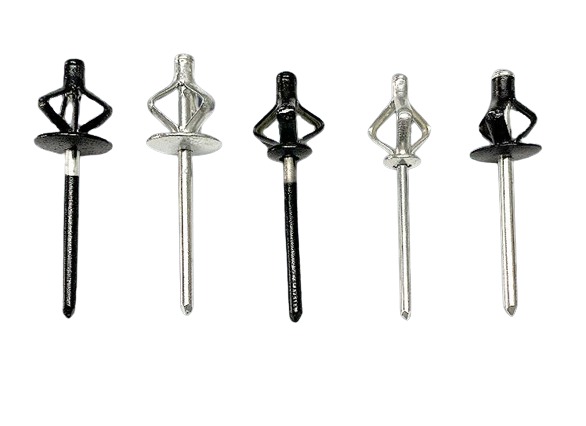
Composite-Safe Blind Rivet Design Principles
Fiberglass blind rivets refer to rivet solutions specifically optimised for joining fibreglass-reinforced plastic (FRP) and composite panels. As FRP constitutes a laminated composite material, its fibre-reinforced resin matrix structure is particularly sensitive to localised stress concentration. Consequently, joint designs must prioritise ‘stress dispersion and clamping control’.
These rivets typically achieve more uniform load distribution by optimising the cap diameter to match the clamping range. This reduces interlaminar shear stress, thereby minimising the risk of cracking and delamination.
In application, fibreglass blind rivets are primarily suited for light-to-medium load FRP structures, such as vehicle bodies, hull panels, tank structures, and composite shell assemblies. Their core value and defining characteristics lie in structural safety and material compatibility.
Structural Risks of Using Standard Rivets in Fiberglass Panels
In fibreglass-reinforced plastic (FRP) and composite structures, the use of standard small-flange blind rivets often carries inherent risks. FRP constitutes a laminated structural material formed by layering glass fibres with a resin matrix. This material is highly susceptible to localised stress concentration; should the bearing area within the joint become excessively small, high-stress zones readily form around the rivet holes.
When high clamping forces are applied during the installation of small-flange rivets, the load becomes concentrated within a limited contact area. From a mechanical perspective, when the pressure per unit area exceeds the local compressive strength of the FRP substrate, microcracks first form in the surface layer before propagating through the interlaminar interfaces.
Within FRP structures, prioritising structural configurations that distribute loads and regulate clamping forces reduces material damage risks and enhances long-term stability.
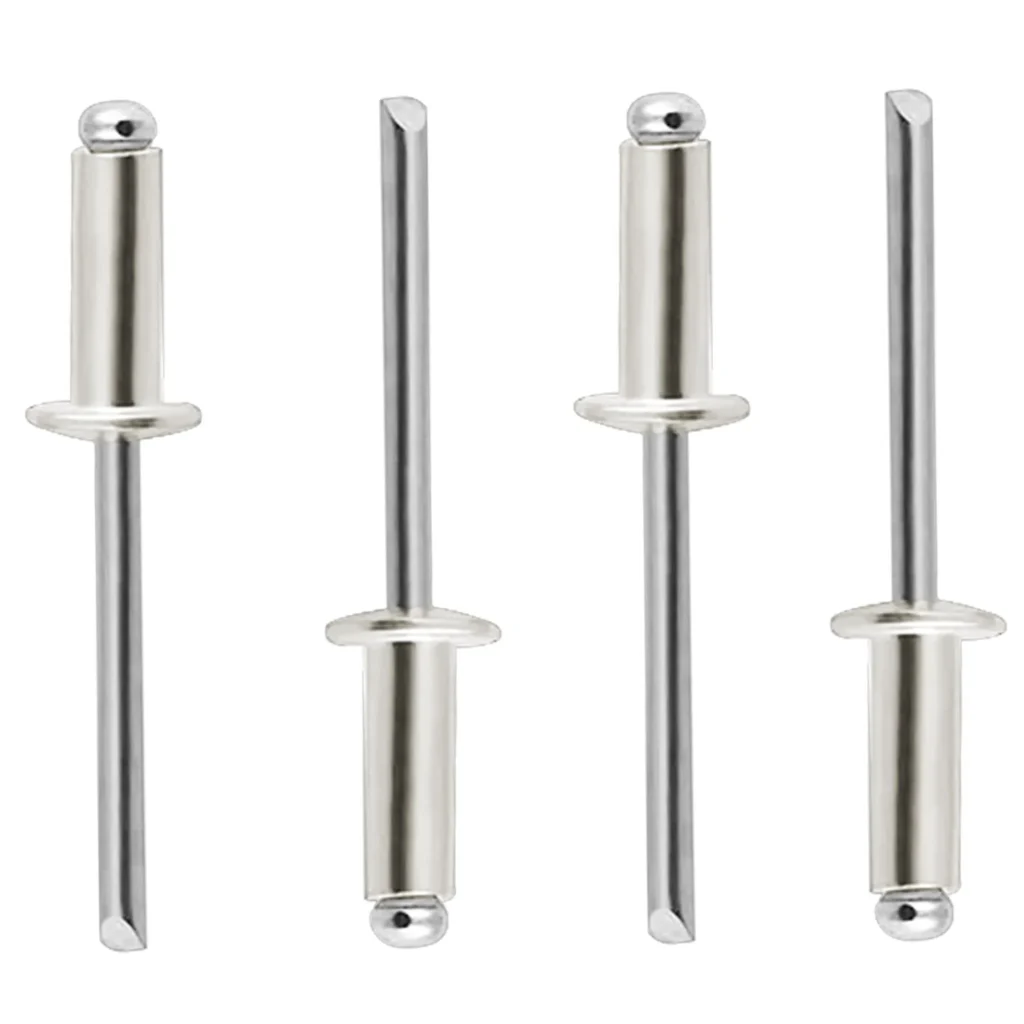
Recommended Blind Rivets for Fiberglass and FRP
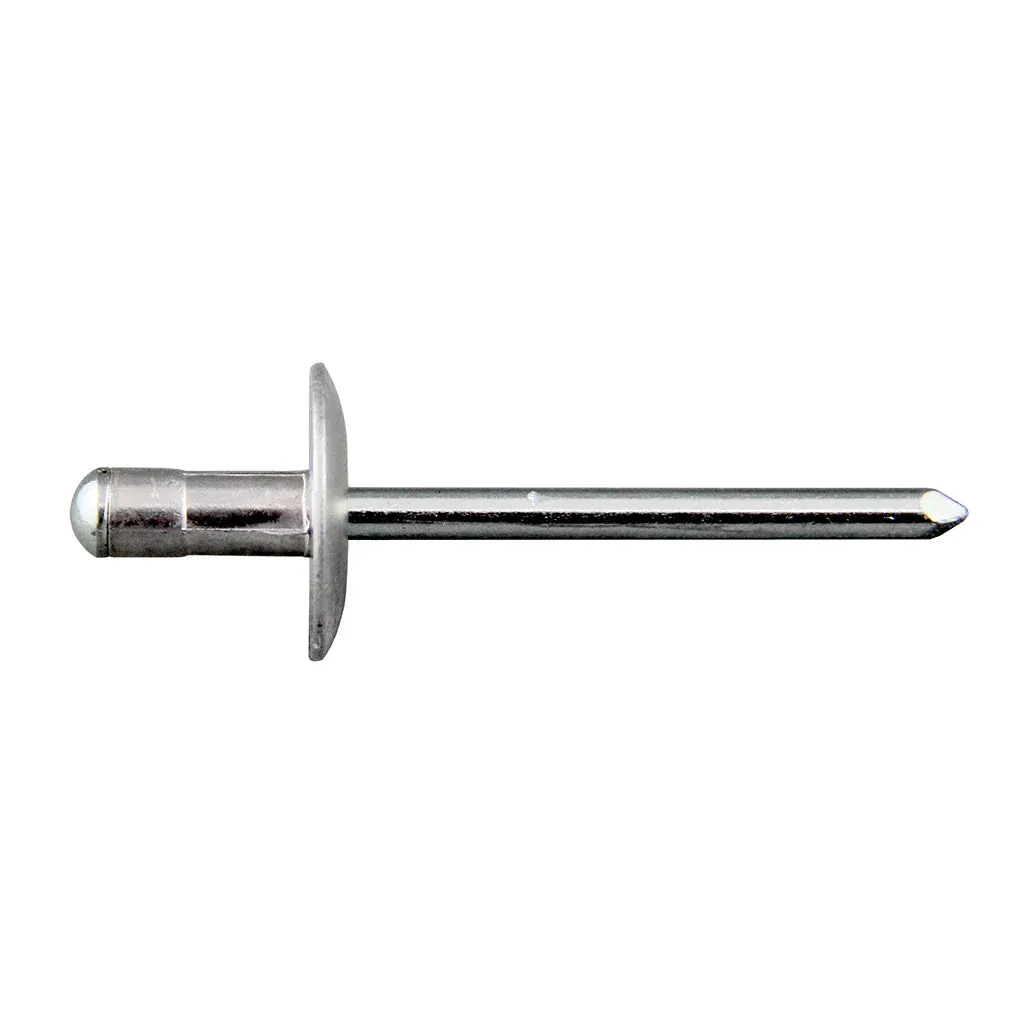
Large Flange Rivets
The large flange structure significantly increases the bearing surface area, reducing pressure per unit area and thereby minimising the risk of surface indentation and cracking in FRP.
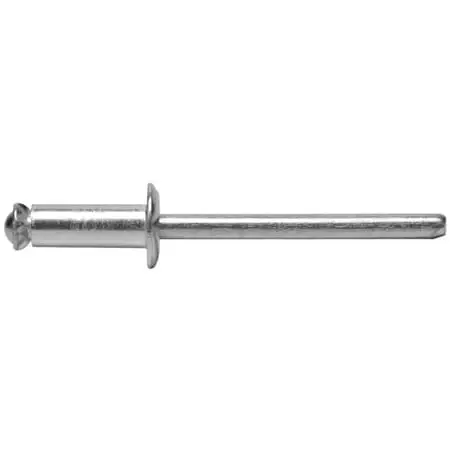
Peel Rivets
Upon installation, the rear section unfolds into a petal-like configuration, creating a substantial support surface on the reverse side. This aids in preventing pull-through and reduces interlaminar shear stress.

Tri-Fold Rivets
The three-petal expansion pattern distributes forces more uniformly across the backside. Compared to standard open-ended designs, it further minimises localised material damage.
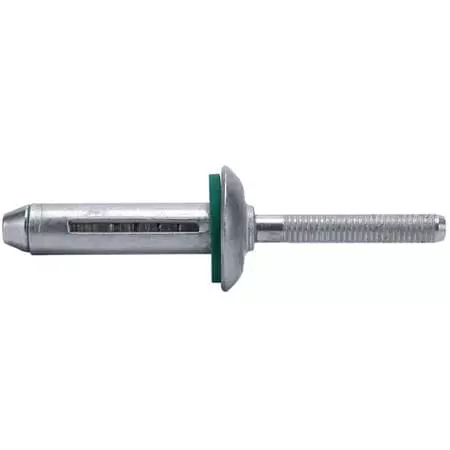
Bulb-Tite Rivets
The bulbous structure disperses loads and enhances vibration resistance post-installation. Suitable for light to medium-duty FRP structural connections, such as vehicle exteriors.
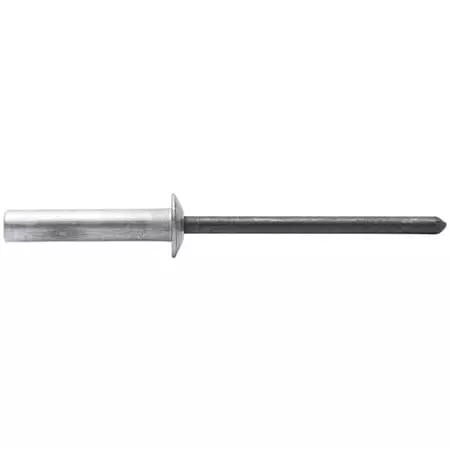
Closed-End Rivets
The sealed tail design prevents moisture ingress, proving particularly vital in marine or outdoor FRP applications. Examples include storage tanks, hulls, or outdoor equipment enclosures.

Stainless Steel Rivets
Stainless steel construction avoids electrochemical corrosion issues and delivers more stable long-term performance. Suitable for connecting FRP to metal components.
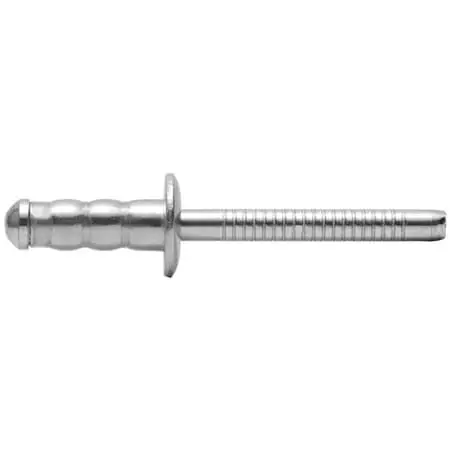
Multi-Grip Rivets
The multi-grip range design accommodates varying plate thickness combinations, proving particularly suitable for FRP sandwich structures or joining laminates of differing thicknesses.

Aluminum / Aluminum Blind Rivets
The all-aluminium structure generates lower clamping stresses during loading and core failure, reducing the risk of localised compression and interlaminar damage.
Load Distribution & Delamination Control
Load Distribution Mechanism in Fiberglass Riveting Applications
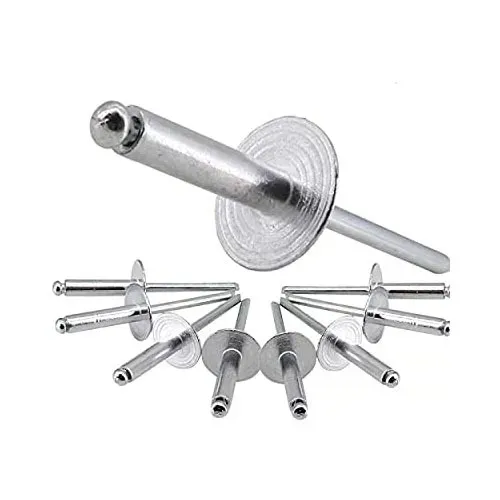
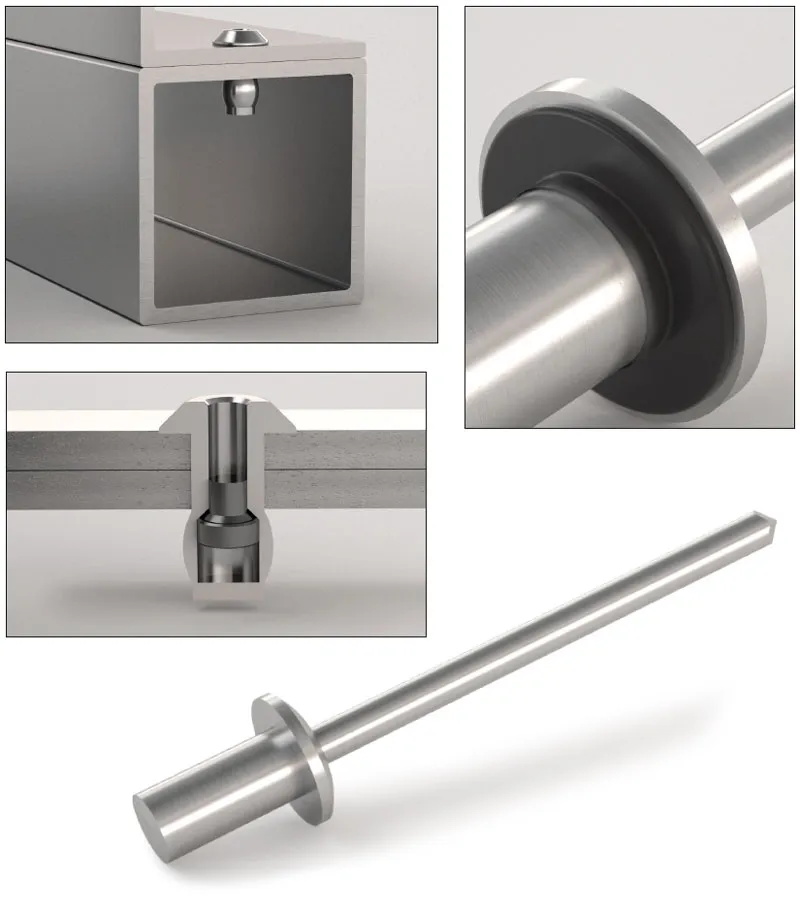
In the connection of FRP and composite materials, controlling stress distribution is the core design principle for preventing delamination. Fibreglass reinforced plastic (FRP) is a laminated structural material whose interlaminar bond strength typically falls below that of metallic materials. Should localised compressive stress become excessively high, interlaminar shear failure is likely to occur.
From fundamental mechanics, unit area pressure equals load divided by bearing area. When the flange width increases, the pressure exerted on the FRP surface layer under identical installation loads is significantly reduced. This diminishes the likelihood of resin matrix fracture and fibre interface separation.
In practical applications, small-flange rivets are more prone to creating stress concentration zones around the hole perimeter. Conversely, large-flange structures distribute the load over a broader area, resulting in more uniform material stress distribution.
For fiberglass panels, increasing the bearing surface area is one of the most effective ways to control delamination risk.
APPLICATIONS
Typical Applications of Fiberglass Blind Rivets

RV Body Panels
FRP is extensively employed in the construction of motorhome shells and side panels. Connection points must balance lightweight properties with vibration resistance. Wide flanges or unfolded structures effectively distribute loads.

Marine Hull Structures
FRP hulls endure prolonged operation in humid and salt-spray environments. Rivets must possess excellent corrosion resistance, with rational load-bearing design preventing interlaminar delamination.
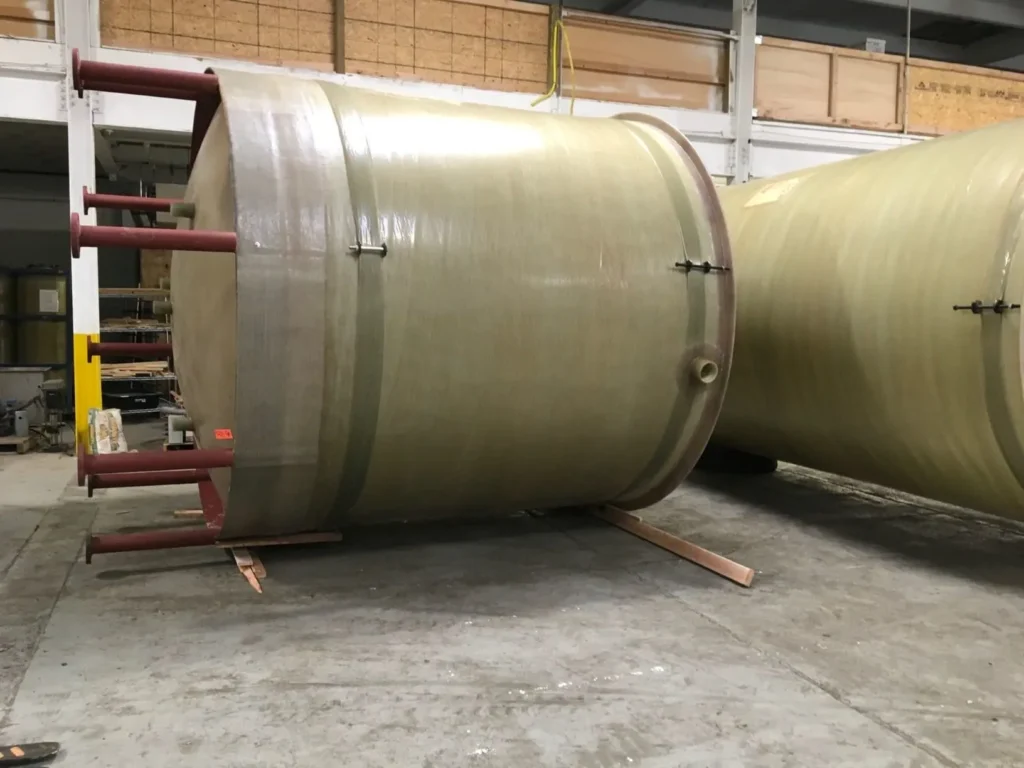
FRP Storage Tanks
FRP tanks for chemical or water treatment industries demand high sealing integrity and structural robustness. Joint designs must prevent microcrack propagation caused by localised stress concentration.

Wind Turbine Housings
Composite materials are frequently employed for wind turbine nacelles and auxiliary structures. Connection points must withstand cyclic vibrations and environmental variations; rational load distribution design mitigates fatigue risks.
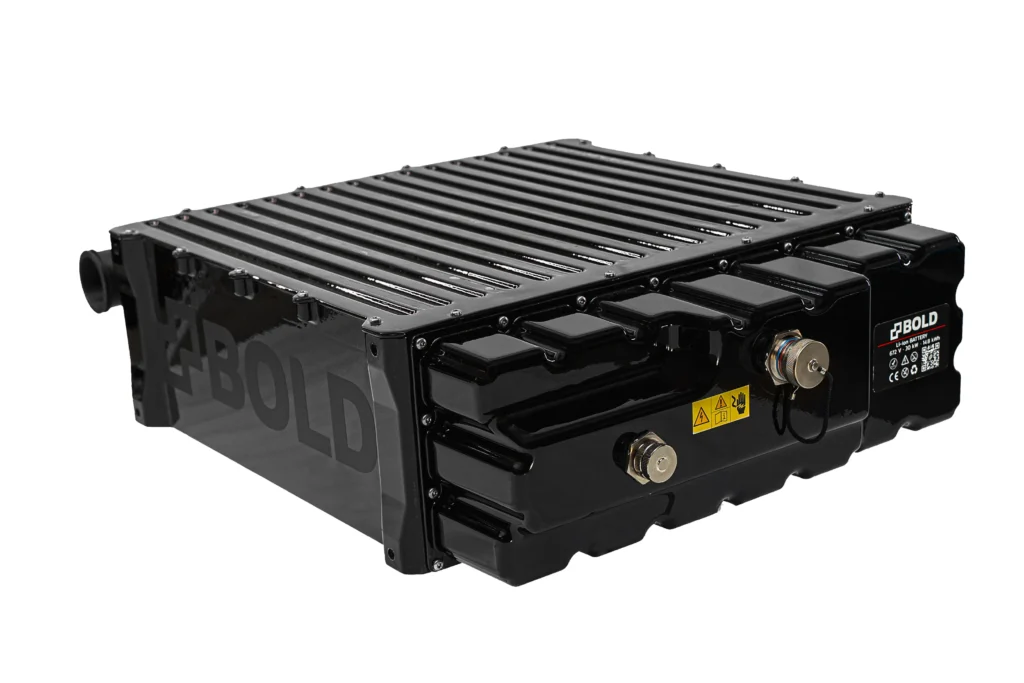
Composite Enclosures
Industrial or telecommunications equipment enclosures are frequently fabricated from composite materials. Joint structures must ensure no cracking or deformation occurs during prolonged service while maintaining aesthetic integrity.

Offshore Platform Structures
In highly corrosive and humid environments, FRP components are commonly employed for auxiliary structures and protective cladding. Rivets must not only resist corrosion but also have installation clamping forces controlled to prevent delamination.
WHY CHOOSE US
Rivmate:Precision Manufacturing and Quality Control

Precision Cold Heading
High-precision cold heading processes control flange diameter, shank diameter tolerances, and concentricity, ensuring consistent pressure-bearing surfaces across all batches post-installation. Dimensional variations directly impact stress distribution.
Controlled Clamping Force
Actual clamping force during installation is managed through core-break design and material matching, preventing excessive compression of the FRP surface fibres. A stable and controllable clamping process is critical for composite structures.
Tensile and Shear Testing
Batch-sampled tensile and shear tests are conducted to ensure product performance remains within stable parameters. For FRP applications, performance variations may compromise structural integrity under prolonged vibration.
Batch Consistency Management
Establish a batch numbering and quality traceability system to guarantee dimensional and performance stability across different production cycles. This ensures reliability for long-term project procurement and OEM collaborations.
Quality & Certifications
Rivets Quality Assurance System
IATF 16949 Quality Management System
Production processes operate in accordance with the IATF 16949 quality management standard, covering raw material control, process management, and final inspection requirements to meet the consistency demands of the automotive and high-standard industrial sectors.
Batch Production Records
Complete records are established for each production batch, including raw material sourcing, production parameters, and inspection results. This ensures product quality traceability and facilitates long-term project management.

FAQ for Riveting Fiberglass and FRP Composite Panels
Partner with Rivmate for Reliable Fastening Solutions
Rivmate stands ready to collaborate with you in delivering safer, more stable connection solutions for FRP and composite structures. We fully comprehend the stringent demands of composite materials regarding stress distribution and clamping control. Beyond offering standard products, we are committed to providing bespoke composite fastening solutions tailored to your panel specifications and project requirements.
Submit your structural parameters or drawings to us today. We shall assist in evaluating structural compatibility and provide stable, sustainable manufacturing support.
At Rivmate, we prioritise long-term manufacturing partnerships over one-off purchases. We look forward to establishing a lasting, reliable manufacturing partnership with you, jointly advancing the stability and safety of composite structural connections.
Reply within 12 Hours
Send us a message if you have any questions or request a quote. We will be back to you ASAP!