Home » blind rivet supplier » Multi Grip Pop Rivet
Multi Grip Pop Rivet
Your single source for wholesale multi grip pop rivets, factory-direct and ready for bulk supply.
Multigrip Blind Pop Rivets for Variable Thickness Assemblies
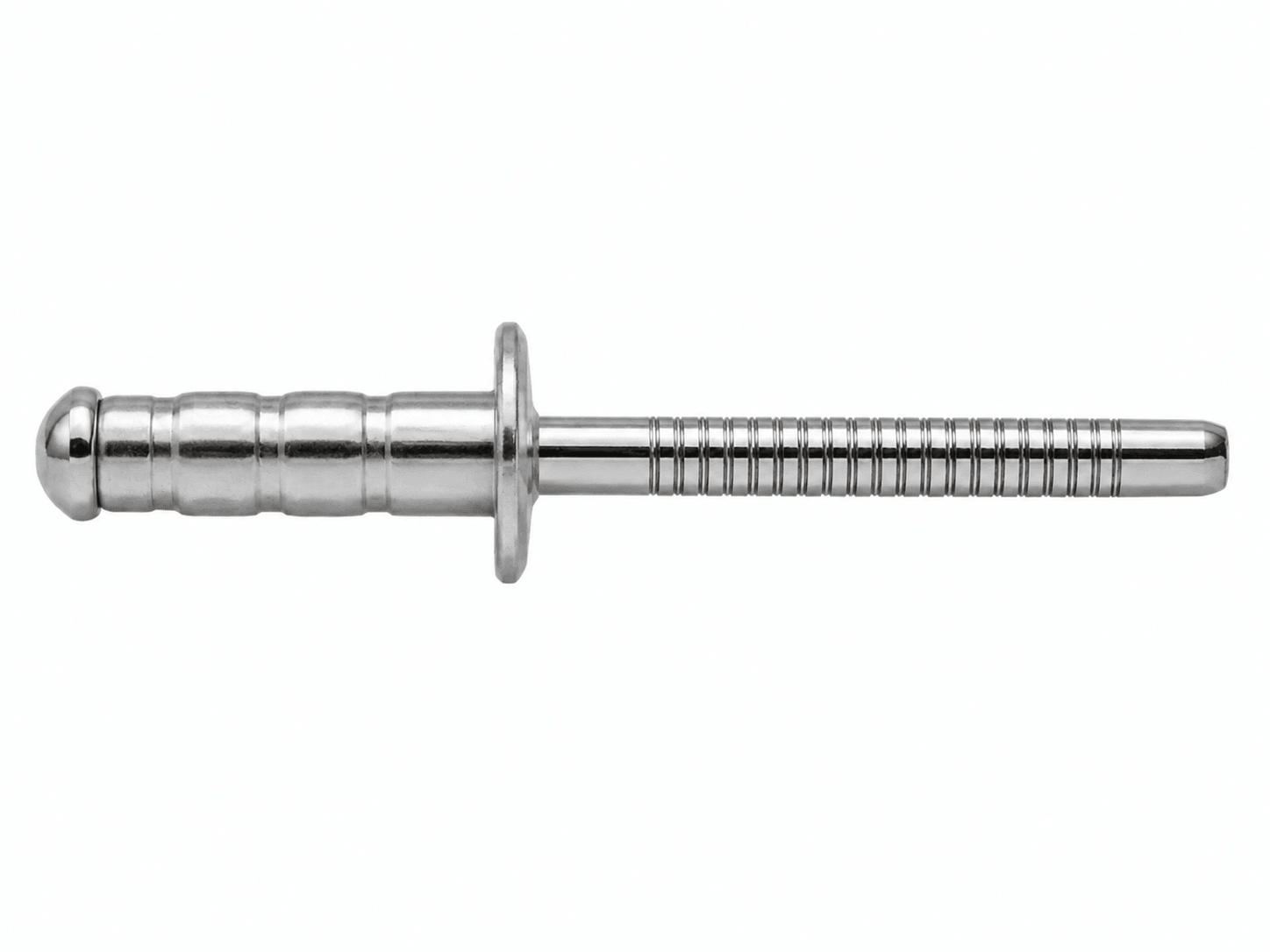
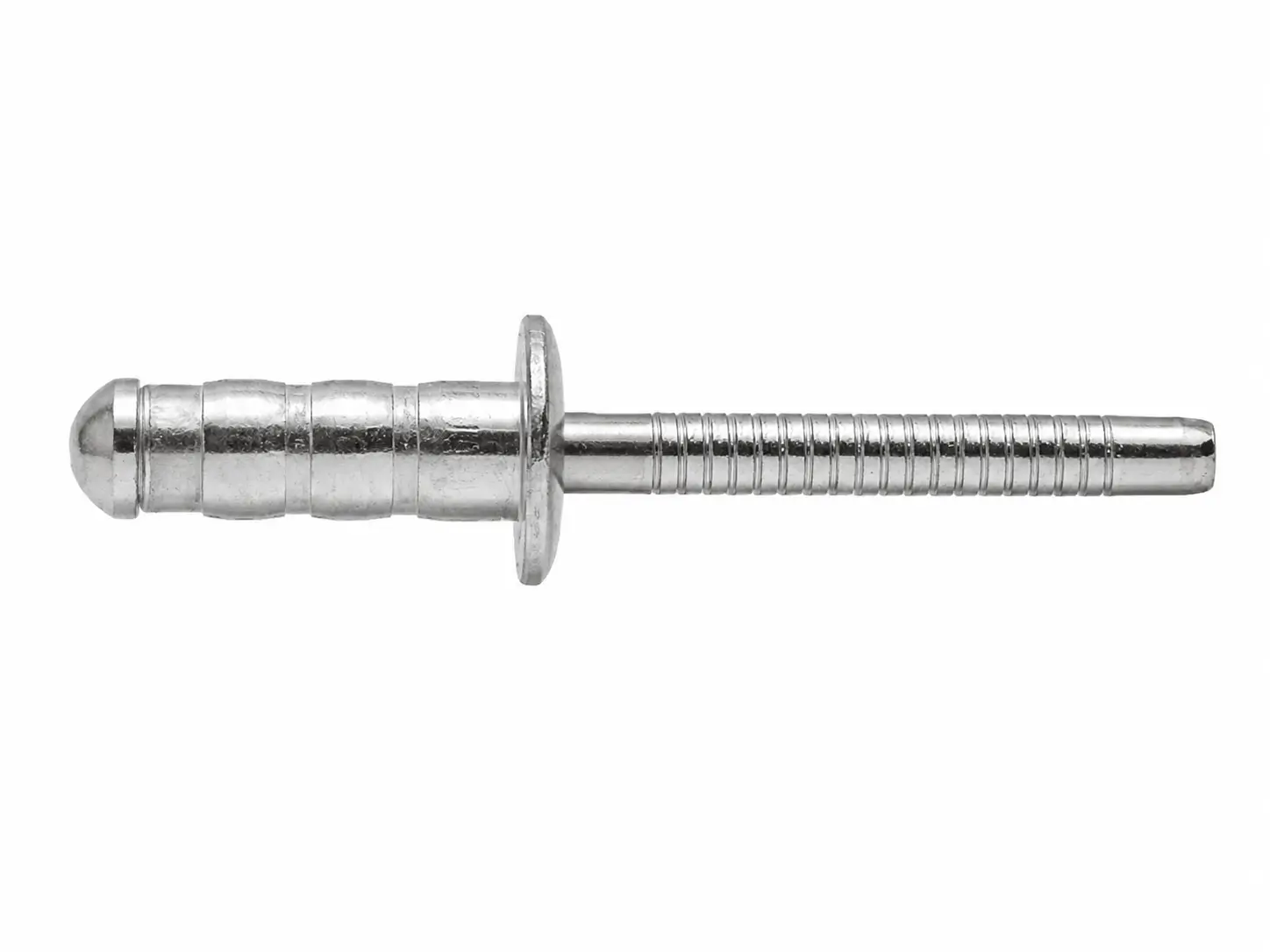
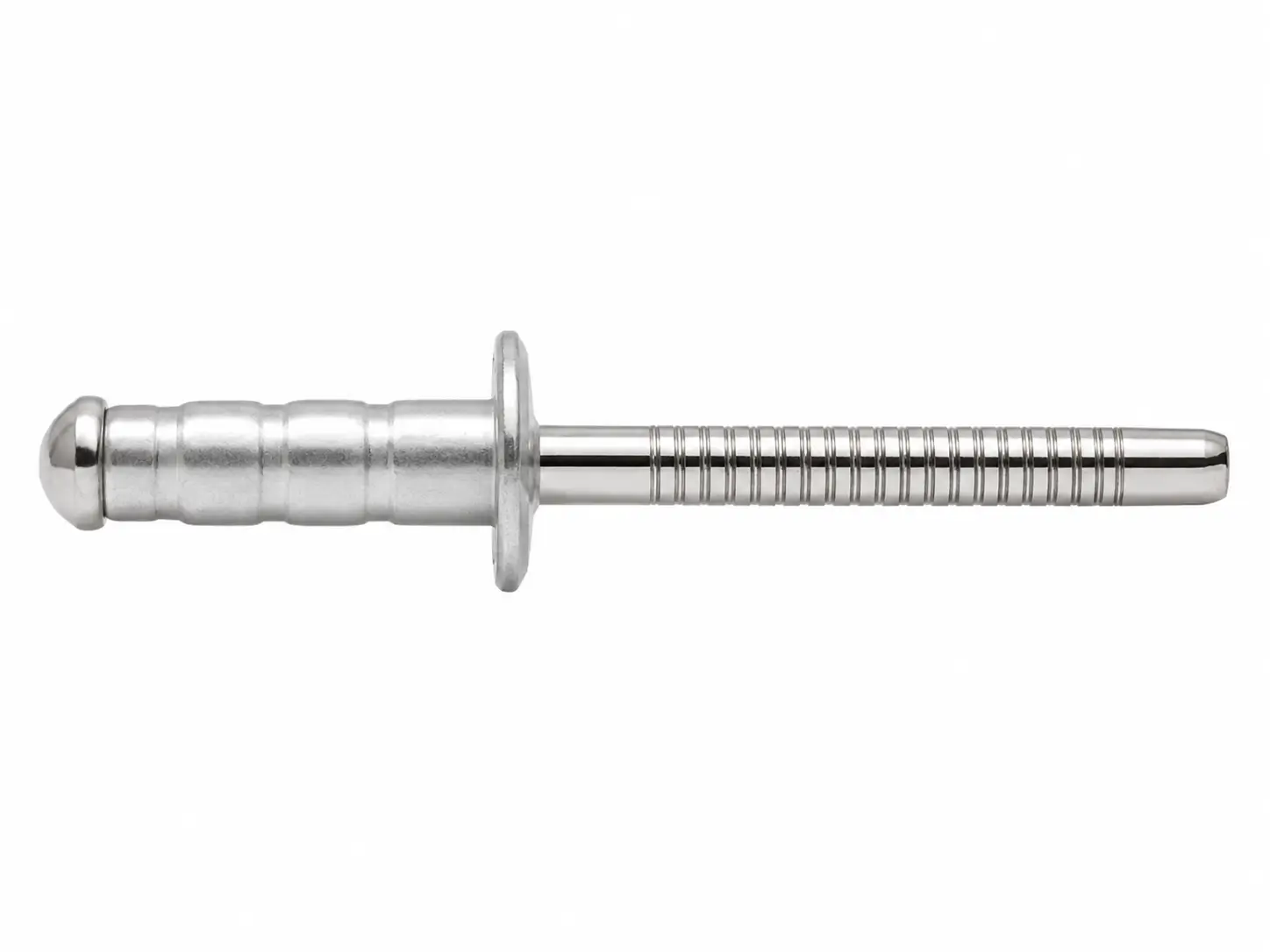
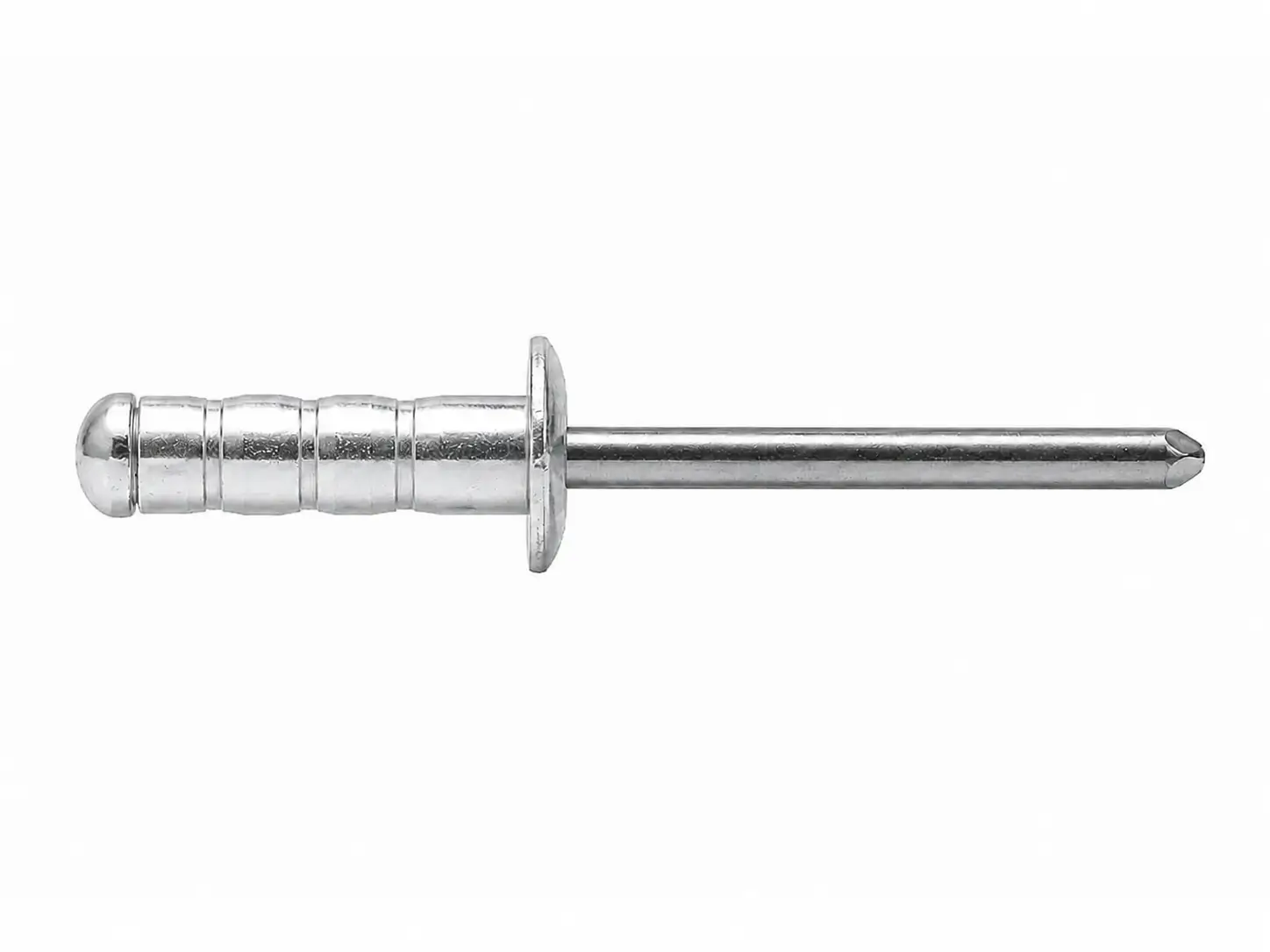
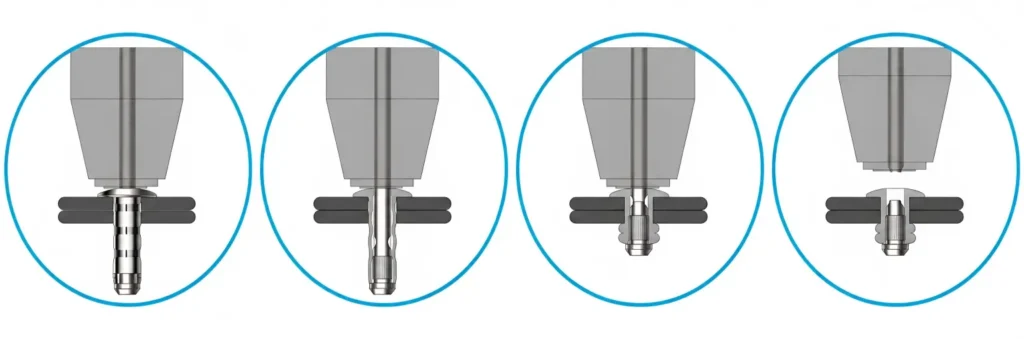
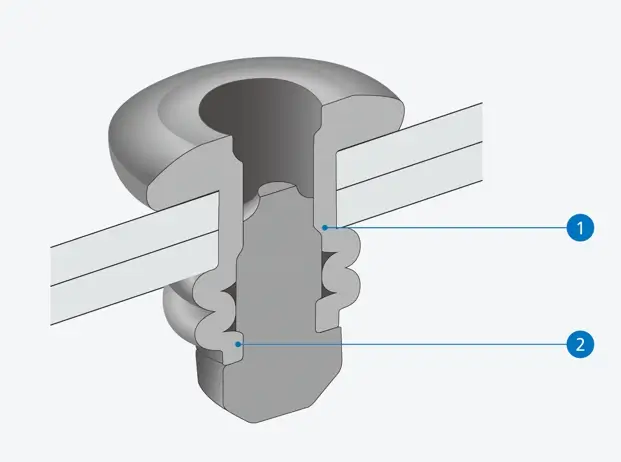
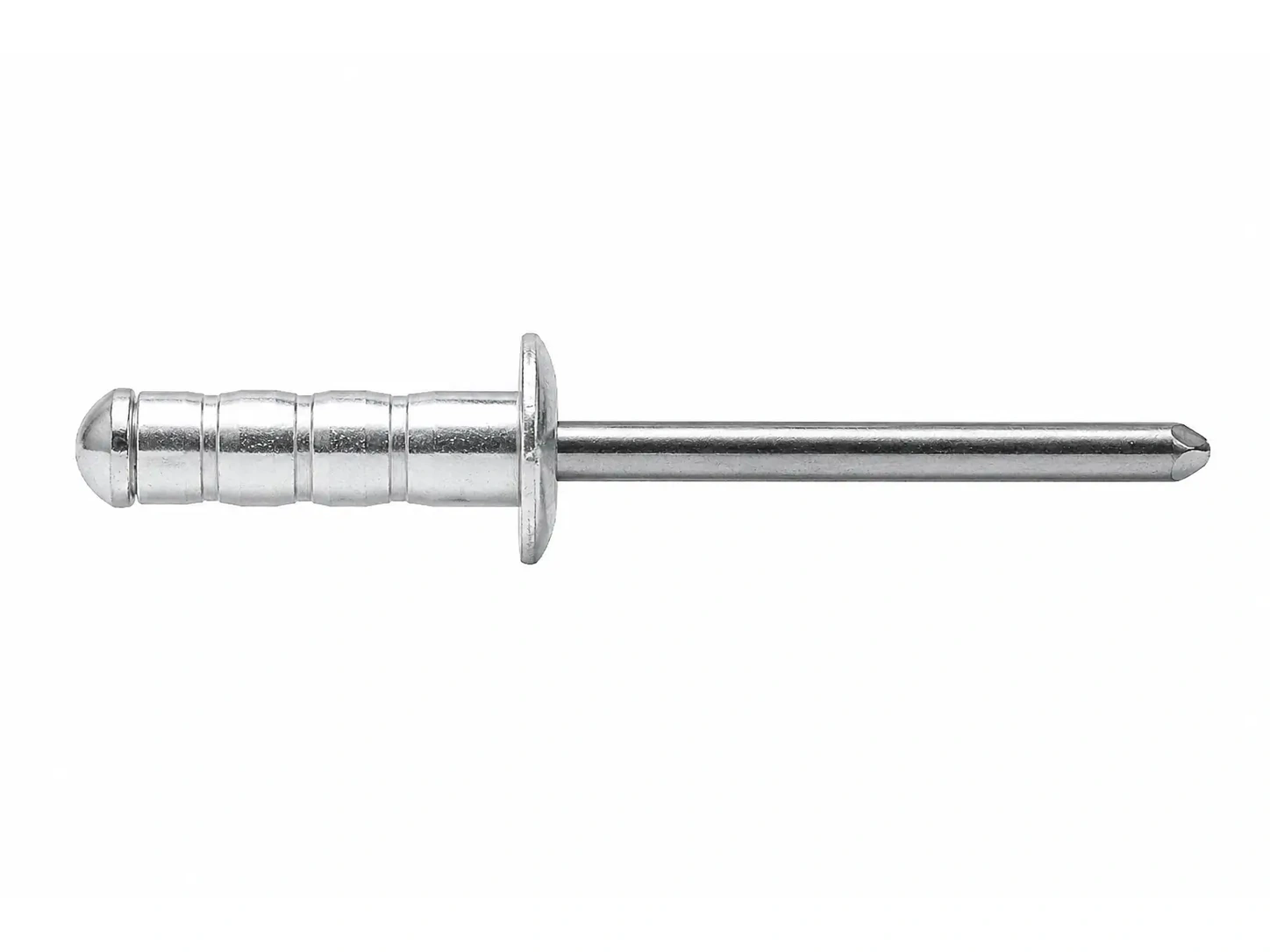
Multigrip Blind Pop Rivets are a type of blind rivet with a significantly wider clamping range than standard blind rivets, capable of covering multiple material thickness ranges with a single specification. Their core design focus is not on maximizing ultimate strength, but on ensuring stable tail formation and reliable clamping even under varying plate thickness conditions.
In practical assembly, material thickness fluctuations are the norm rather than the exception. Standard blind rivets are highly sensitive to grip range matching; even minor selection deviations can lead to inadequate clamping or abnormal forming. The Multigrip structure enhances assembly tolerance through a wider effective clamping range, significantly reducing failure risks caused by plate thickness variations or incorrect specification selection.
| Rivet Size | Min Thickness (mm) | Max Thickness (mm) | Recommended Working Range (mm) |
|---|---|---|---|
| Ø3.2 mm | 0.5 | 4.0 | 1.0 – 3.5 |
| Ø4.0 mm | 1.0 | 6.0 | 1.5 – 5.0 |
| Ø4.8 mm | 1.5 | 8.0 | 2.0 – 7.0 |
| Ø6.4 mm | 3.0 | 12.0 | 4.0 – 10.0 |
| Material | Aluminum/Carbon Steel/Stainless Steel/304&316 Stainless Steel |
| Head Type | Dome Head/Countersunk Head/Large Flange |
| Quality Authentication | IATF16949,ISO14001,ISO45001 |
| Surface | Zinc plated/Natural polish |
| Size | 2.4(3/32") - 6.4(1/4") |
| Own factory? | YES |
| Customized services | YES |
| Standard | ISO,DIN7337,IFI114,HUCK,AVDEL etc |
Grip Range Coverage & Forming Performance
At the Thinnest Plate Thickness
When material thickness approaches the minimum value, multigrip blind pop rivets can still form a complete tail structure. However, prolonged operation near the minimum limit is not recommended. Engineering experience indicates that maintaining actual plate thickness within the recommended range significantly reduces the risk of thin plates being pulled through or insufficiently clamped.
At Maximum Plate Thickness
When material thickness approaches the maximum limit, the deformation space for the rivet tail is compressed, leading to reduced forming consistency. For applications operating long-term at the maximum limit, select a larger Multigrip size or evaluate whether standard or structural blind rivets are required.
Applications Not Recommended
- Applications where actual plate thickness consistently operates at minimum or maximum limits
- Connections requiring extremely high structural strength or zero deformation
- Applications with stable plate thickness clearly matching the standard grip range
Product Range of Multi Grip Pop Rivets

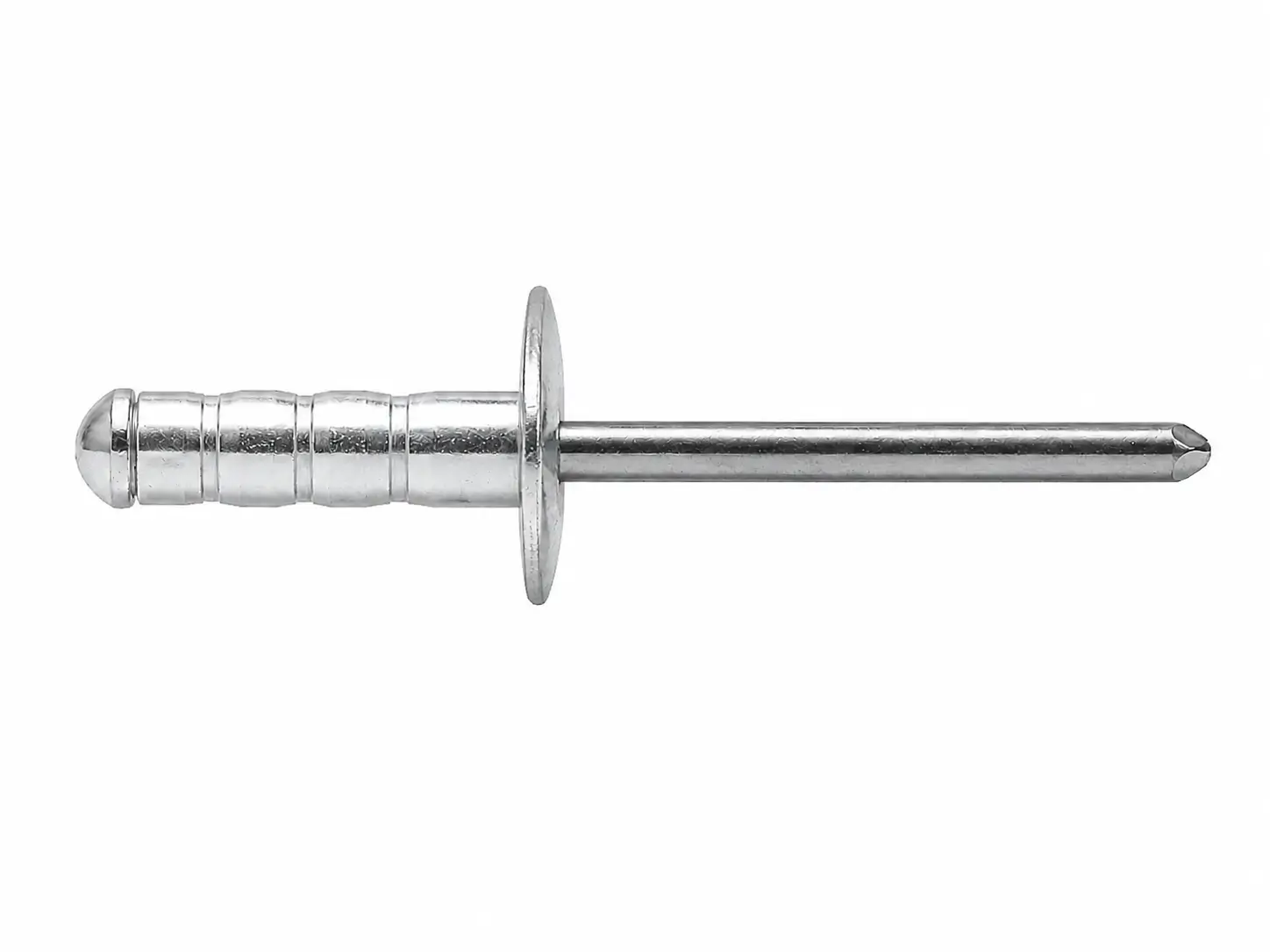
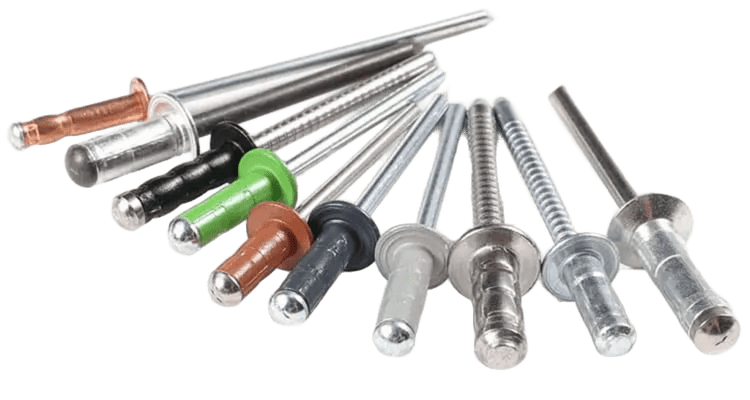
Aluminum&Steel Multi-Grip Dome Head
Body: Aluminum(5052) Mandrel:Steel

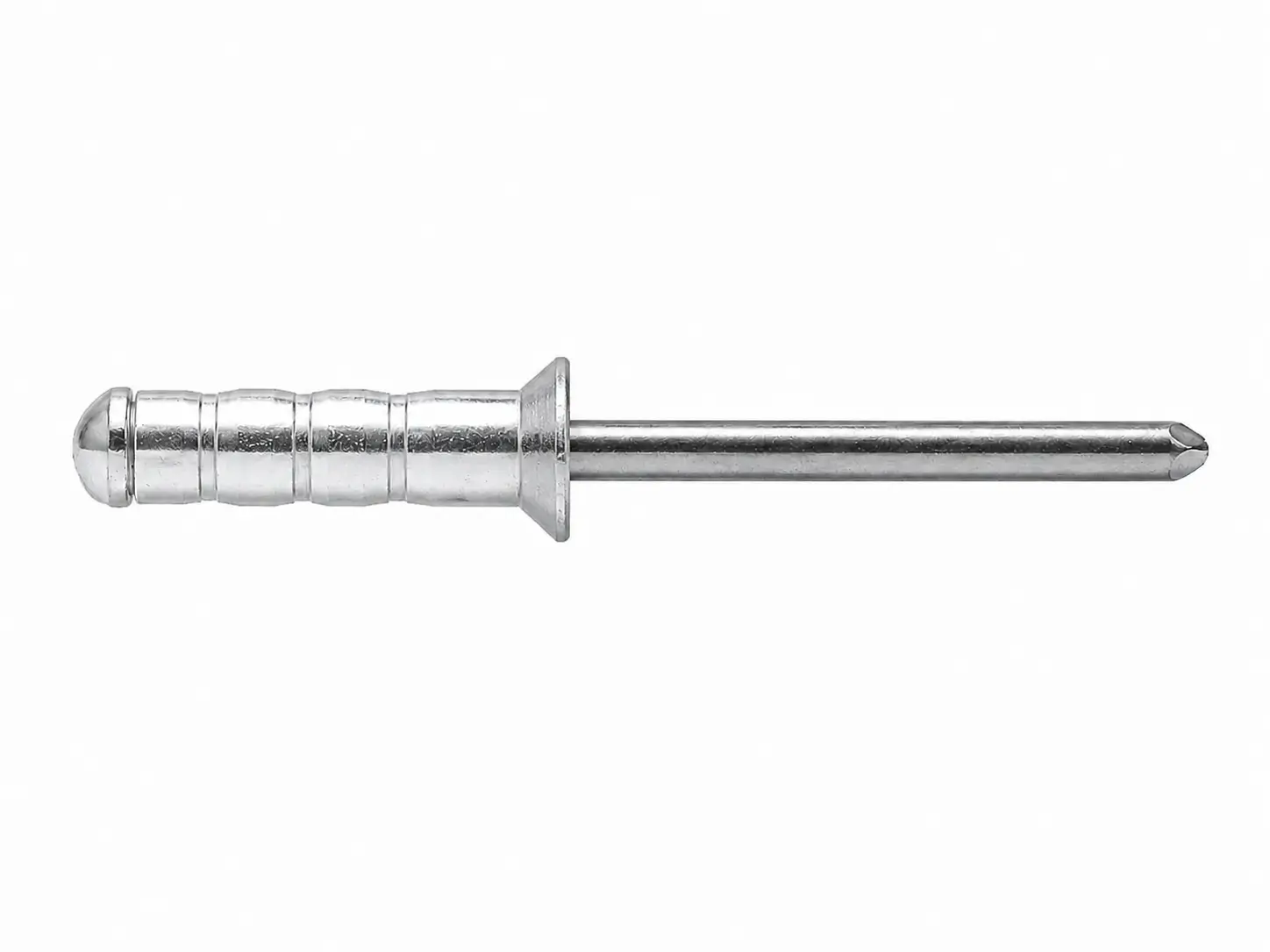
Aluminum&Steel Multi-Grip CSK Type
Body: Aluminum(5052) Mandrel:Steel

Aluminum&Steel Multi-Grip Large Flange
Body: Aluminum(5052) Mandrel:Steel

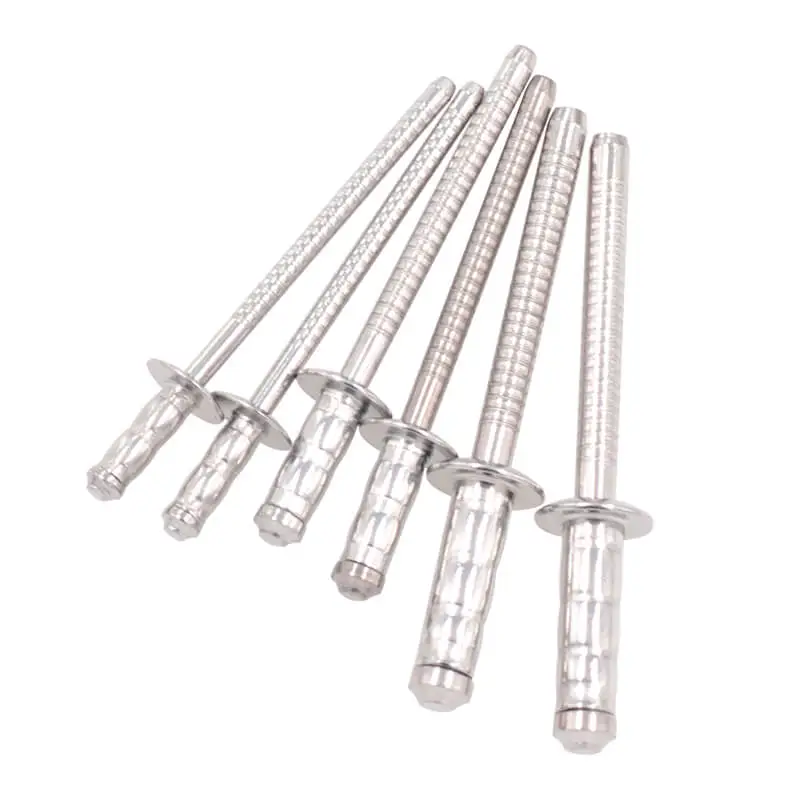
Aluminum&Stainless Steel Multi-Grip Blind Rivet
Body: Aluminum(5052) Mandrel:Stainless Steel

Full Steel Multi-Grip Blind Rivet
Body: Carbon Steel Mandrel: Carbon Steel

Full Stainless Steel Multi-Grip Blind Rivet
Body: Stainless Steel Mandrel: Stainless Steel
The Technical Parameters of Multi Grip Blind Rivet
| Diameter[d] | Size | Body Length[L] | Grip Range | Drill | Tensile | Shear |
| 3.2(1/8") | 3.2×6.0 | 6.0-7.0 | 1.0-3.5 | 3.3-3.4 | 850N | 650N |
| 3.2×8.0 | 8.0-9.0 | 1.5-5.0 | ||||
| 3.2×10.0 | 10.0-11.0 | 2.5-7.0 | ||||
| 3.2×12.0 | 12.0-13.0 | 4.5-9.0 | ||||
| 3.2×14.0 | 14.0-15.0 | 6.5-10.5 | ||||
| 3.2×16.0 | 16.0-17.0 | 9.0-12.5 | ||||
| 4.0(5/32") | 4.0×6.0 | 6.0-7.0 | 1.0-3.0 | 4.1-4.2 | 1500N | 950N |
| 4.0×8.0 | 8.0-9.0 | 1.5-5.0 | ||||
| 4.0×10.0 | 10.0-11.0 | 2.0-6.5 | ||||
| 4.0×12.0 | 12.0-13.0 | 3.5-8.5 | ||||
| 4.0×14.0 | 14.0-15.0 | 5.5-10.5 | ||||
| 4.0×16.0 | 16.0-17.0 | 6.0-12.5 | ||||
| 4.0×18.0 | 18.0-19.0 | 9.5-14.5 | ||||
| 4.0×20.0 | 20.0-21.0 | 11.5-16.5 | ||||
| 4.8(3/16") | 4.8×10.0 | 10.0-11.0 | 1.5-6.0 | 4.9-5.0 | 2000N | 1320N |
| 4.8×12.0 | 12.0-13.0 | 2.0-8.0 | ||||
| 4.8×14.0 | 14.0-15.0 | 3.5-9.5 | ||||
| 4.8×16.0 | 16.0-17.0 | 6.0-11.5 | ||||
| 4.8×18.0 | 18.0-19.0 | 8.0-13.5 | ||||
| 4.8×20.0 | 20.0-21.0 | 10.0-15.0 | ||||
| 4.8×25.0 | 25.0-26.0 | 15.0-20.0 | ||||
| 4.8×30.0 | 30.0-31.0 | 20.0-25.0 | ||||
| 6.4(1/4") | 6.4×12.5 | 12.5-13.5 | 1.0-6.0 | 6.5-6.5 | 4000N | 3800N |
| 6.4×14.5 | 14.5-15.5 | |||||
| 6.4×16.5 | 16.5-17.5 | |||||
| 6.4×18.5 | 18.5-19.5 | |||||
| 6.4×20.5 | 20.5-21.5 | |||||
| 6.4×25.5 | 25.5-26.5 |
WHY USE IT
Why Multigrip Blind Rivets for Variable Thickness Assemblies
One Size Replaces Multiple Standard Rivets
One Multigrip blind rivet can typically replace 2–4 standard grip ranges, reducing specifications while maintaining stable forming performance.
Reduced Inventory and SKU Complexity
Fewer rivet models are required to cover varying thicknesses, lowering SKU count, inventory pressure, and material management cost.
Lower Risk of Wrong Rivet Selection
The wider effective working range increases tolerance to thickness variation, significantly reducing rework and scrap caused by incorrect rivet selection.
Improved Installation Consistency
Multigrip blind rivets deliver more consistent tail formation across different sheet thicknesses, reducing assembly variability in batch or field installation.
Practical Value for Manufacturing and Procurement
Designed for reliability rather than peak strength, Multigrip simplifies processes, controls risk, and improves operational consistency.
Reduced Training and On-Site Decision Errors
Fewer specifications mean less training and fewer on-site judgment errors, especially in environments with frequent operator changes.
HOW TO CHOOSE
Multigrip Blind Rivets vs Standard Blind Rivets
| Comparison Item | Multigrip Blind Rivets | Standard Blind Rivets |
|---|---|---|
| Grip Range | Single size covers a wide thickness range | Each size fits a narrow thickness range |
| Tolerance to Thickness Variation | High tolerance; stable forming across varying thicknesses | Low tolerance; sensitive to thickness mismatch |
| Installation Error Risk | Low; reduced risk of wrong size selection | High; incorrect selection leads to loose or failed joints |
| Inventory Complexity | Low; fewer SKUs required | High; multiple SKUs needed for different grip ranges |
If plate thickness is stable and specifications are uniform, standard blind rivets are sufficient.
However, in scenarios with fluctuating plate thickness, multiple concurrent projects, or field installation environments, Multigrip blind rivets significantly reduce selection errors, inventory complexity, and assembly risks.
The core rationale for choosing Multigrip lies not in strength, but in its fault tolerance and overall consistency.
HOW TO CHOOSE
How to Select the Right Multigrip Blind Pop Rivet
If: Plate thickness varies or cannot be precisely controlled
When the difference between the thinnest and thickest material is significant, or when plate thickness cannot be accurately measured on-site, prioritize the use of Multigrip blind rivets. Ensure the actual plate thickness falls within the middle of the recommended working range rather than near the limits to guarantee stable forming.
When: Need to reduce specification count and selection errors
When a single assembly involves multiple plate thicknesses, concurrent projects, or the goal is to cover more applications with fewer models, Multigrip can replace multiple standard blind rivet specifications. This effectively reduces selection errors and inventory complexity.
Avoid: When plate thickness is permanently fixed and precisely matched
If material thickness remains stable long-term and is clearly matched to the standard grip range, continuing to use standard blind rivets is more cost-effective, with Multigrip offering no significant advantage.
When connections endure high tensile, shear, or sustained vibration loads, evaluate switching to structural blind rivets or other high-strength fastening solutions instead of Multigrip.
Have More Questions?
Contact our engineers for reliable product data and engineering advice.
Multigrip Blind Rivets INSTALLATION
Installation Guidelines and Common Failure Risks
No Special Tools Required
Multigrip blind rivets can be installed using standard manual, pneumatic, or electric riveting guns without requiring specialized tools. The critical factor is not the tool type, but rather consistent pulling force, as inconsistent force is one of the primary causes of forming abnormalities.
Common Failure Risks
Failures often stem from installation conditions rather than the product itself, including:
- Actual panel thickness consistently approaching grip range limits
- Oversized drill holes or irregular hole walls
- Riveting tool not maintained perpendicular to the workpiece
These factors can cause incomplete tail forming, insufficient clamping force, or abnormal break-off locations.
How to Avoid Forming Issues
To ensure stable forming, match hole diameter to rivet size, avoid operating near grip range limits, and maintain tool-to-workpiece perpendicularity during installation. For mass assembly, using pneumatic or electric tools with stable pull force output significantly reduces quality variation.
APPLICATIONS
Typical Applications for Multigrip Blind Pop Rivets
Mixed Thickness Sheet Metal Assemblies
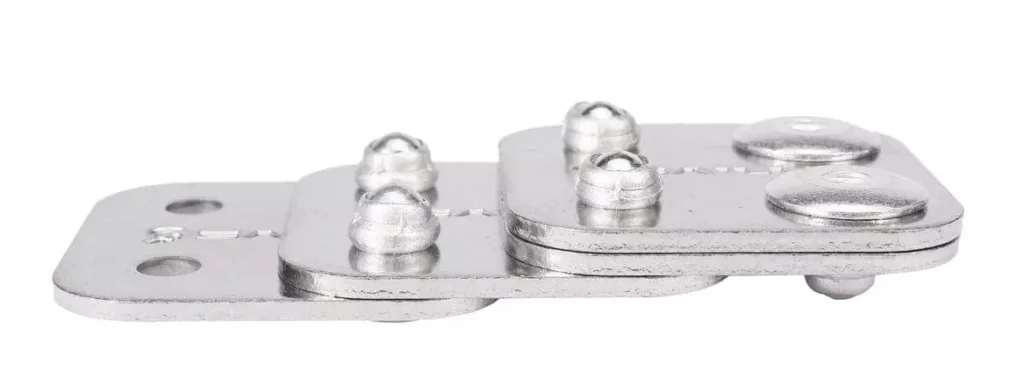
Ideal for sheet metal assemblies with thickness tolerances or batch variations, preventing clamping failures or forming defects caused by mismatched grip ranges.
Field Installation with Limited Control
Multigrip significantly reduces selection errors during field installations where conditions are uncontrollable and precise thickness measurement is unavailable.
Repair and Maintenance Applications
For repair and replacement scenarios, enabling rapid, reliable connections under conditions of unknown or irregular material thickness.
Multi-Material Connections
Suitable for combining metals with non-metals or materials of differing thicknesses, improving forming consistency and reducing assembly uncertainty.
Batch Production with Thickness Variation
Multigrip stabilizes assembly quality and reduces rework rates by accommodating material thickness fluctuations in mass production.
Low-Skill or High-Turnover Assembly Environments
Minimizes reliance on operator judgment and enhances assembly reliability in settings with inconsistent operator experience or high staff turnover.
Frequently Asked Questions About Multigrip Blind Pop Rivets
Q1. Can one multigrip rivet replace multiple standard sizes?
Yes. In most applications, a single Multigrip blind rivet can replace 2–4 standard grip range models, provided the actual panel thickness falls within its recommended working range.
Q2: Does using Multigrip reduce joint strength?
No. Multigrip is designed to ensure stable forming rather than maximize ultimate strength. Within its recommended working range, its joint strength meets the same application requirements as a standard blind rivet of equivalent specification.
Q3: Is Multigrip suitable for thin sheet metal?
Yes. For thin sheets or applications with fluctuating thicknesses, Multigrip reduces the risk of poor clamping or forming failure due to mismatched selection. However, it is not recommended for long-term operation near the minimum thickness limit.
Q4: When should Multigrip not be used?
When sheet thickness is fixed long-term, specifications are uniform, or applications demand high structural loads, standard blind rivets or structural rivets offer greater cost and performance advantages.
Q5: What is the lead time for bulk orders?
Standard specifications maintain stable production cycles. Lead times for bulk orders are generally 3–6 weeks, subject to order configuration and quantity.