Steel Sheet Blind Rivets Manufacturer
Heavy-Duty Rivets for Steel Panel & Structural Applications
We specialise in steel-to-steel connection applications, providing industrial-grade blind rivet solutions with high shear strength and tensile performance. Steel plate materials exhibit high hardness and demanding load-bearing requirements. To this end, we have optimised the rivet body and mandrel structure design to ensure stable and reliable mechanical performance under heavy-duty and structural connection scenarios. Additionally, we offer galvanised finishes and multiple corrosion-resistant treatments to meet diverse environmental requirements.
We support bulk supply, OEM customisation, and flexible minimum order quantities (MOQ), providing long-term, stable supply services for industrial equipment manufacturers and steel structure projects. Please contact us to obtain a quote or submit technical drawings for professional steel plate fastening solutions.
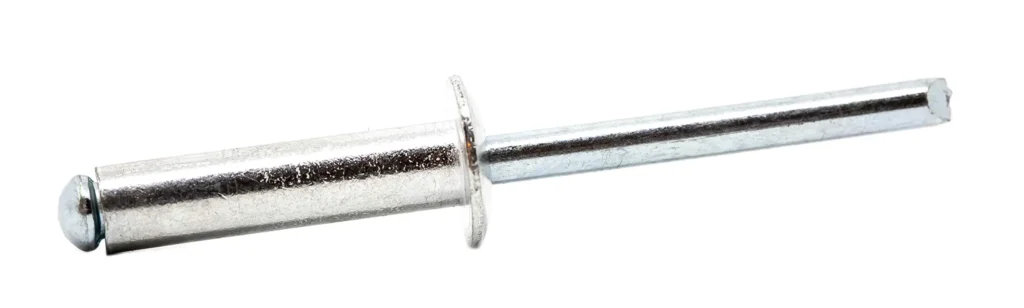
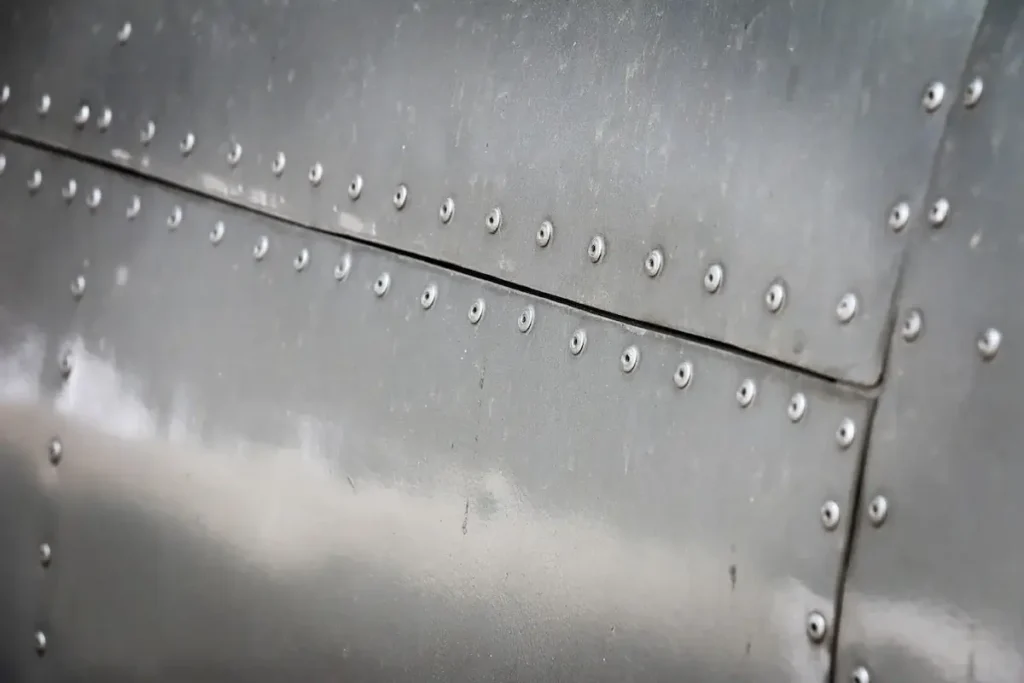
Blind Rivets for High-Strength Steel Sheet Panel Applications
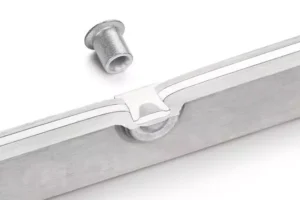
Steel sheet blind rivets are a type of blind rivet specifically designed for steel plate connections. They typically feature a steel rivet body with a high-strength mandrel structure to accommodate the higher hardness and load-bearing requirements of steel plate materials.
Steel plates constitute high-strength substrates with significantly greater tensile and shear resistance requirements than softer materials. The use of rivets with insufficient strength may result in shear failure or connection loosening. Opting for steel-to-steel or high-strength composite structures ensures stable load transfer and secure connections.
Consequently, the core value of steel sheet blind rivets lies in material strength matching and structural reliability assurance. They are suitable for high-strength applications such as industrial equipment enclosures, steel structure panels, and automotive steel components.
Product Types of Steel Sheet Blind Rivets
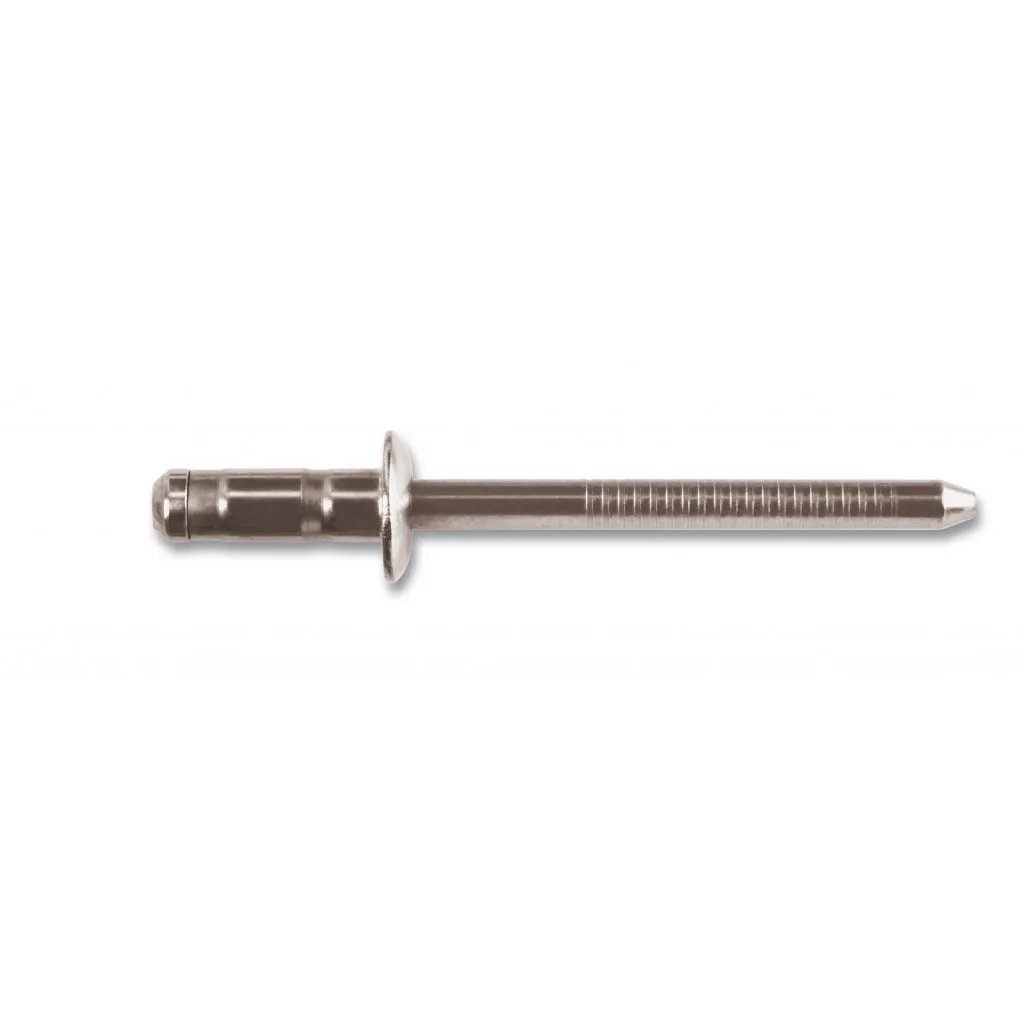
Steel/Steel Dome Head Blind Rivets
Featuring an all-steel rivet body combined with a steel mandrel, these rivets deliver high shear and tensile strength, making them suitable for joining medium-to-thick steel plates and industrial equipment casings.
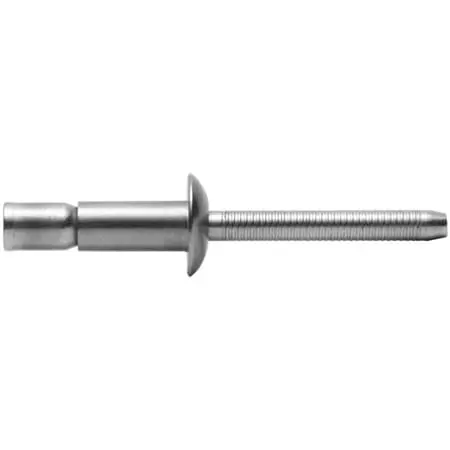
Steel/Steel Structural Blind Rivets
Featuring a structural locking core design, the mandrel remains locked after failure, enhancing stability against vibration and dynamic loads. Suitable for high-load steel structural applications.
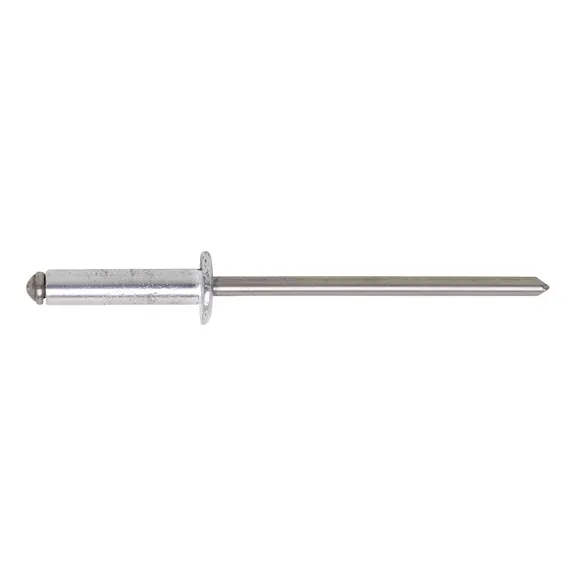
Zinc-Plated Steel Blind Rivets
Zinc plating enhances corrosion resistance, suitable for general industrial environments and indoor steel plate assembly.

Stainless Steel Blind Rivets for Steel Sheet
Stainless steel material offers excellent corrosion resistance, suitable for steel plate connections in outdoor or humid environments.
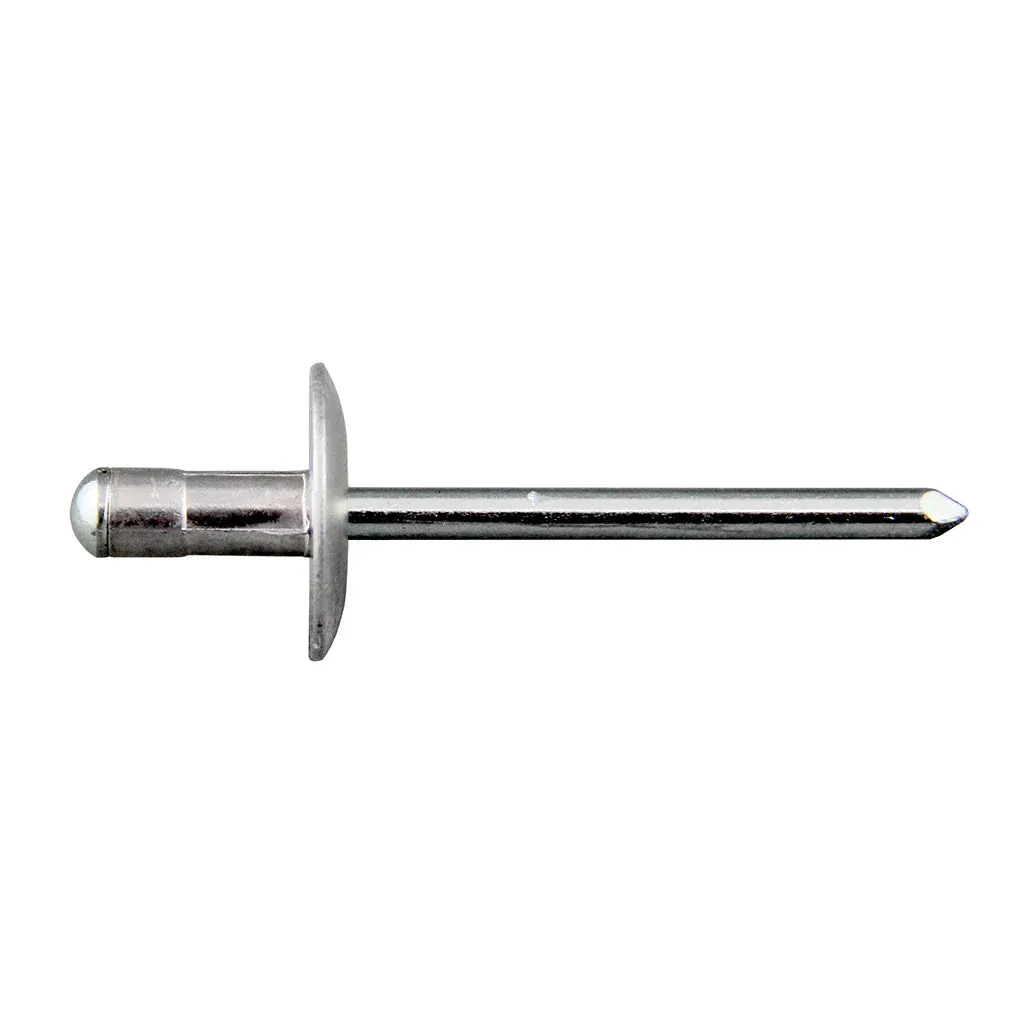
Large Flange Steel Blind Rivets
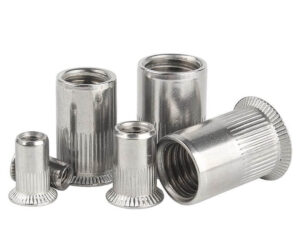
The extended flange design increases bearing surface area, suitable for thinner steel sheets or applications requiring reduced risk of pull-through.
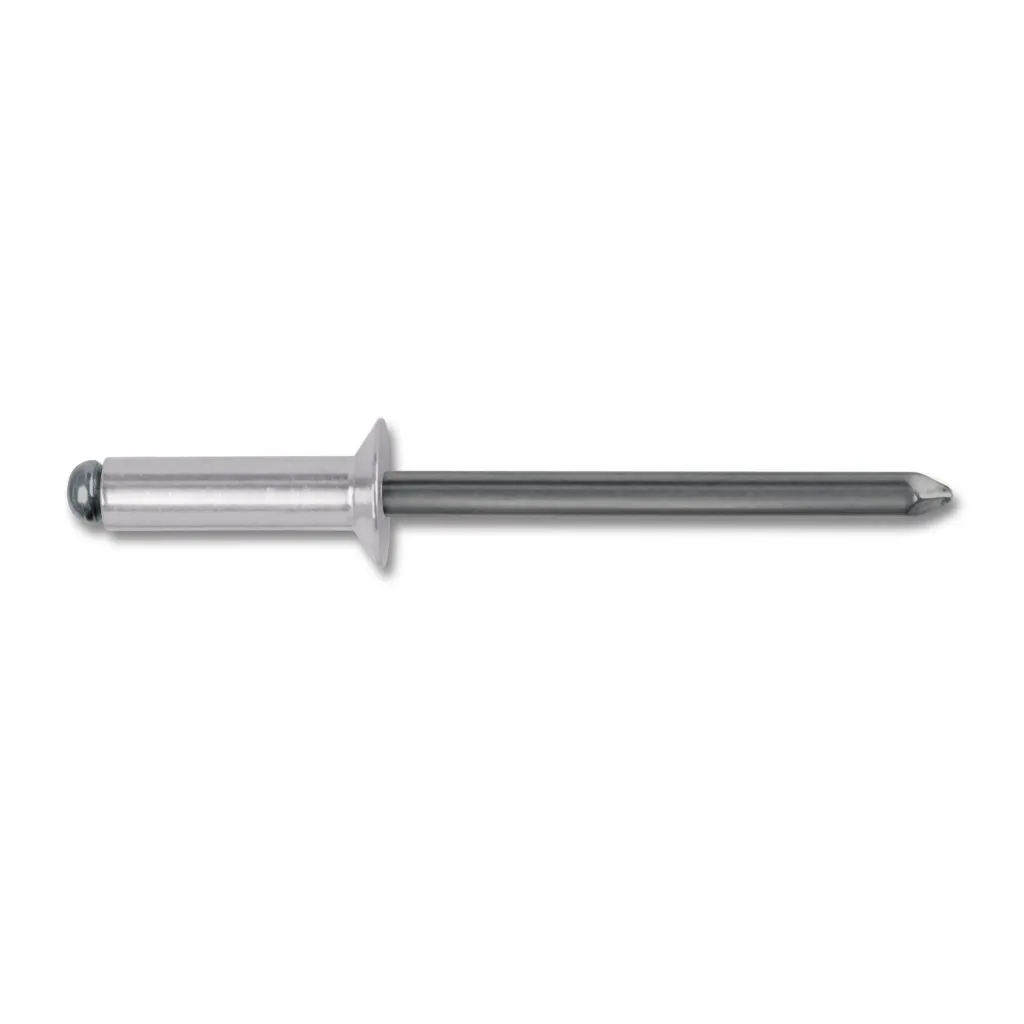
Countersunk Steel Blind Rivets
The countersunk design ensures flush alignment with the steel surface post-installation, suitable for industrial panels with stringent aesthetic or interference requirements.
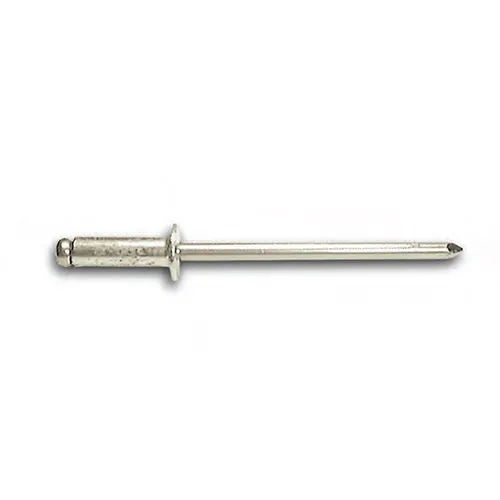
Heat-Treated Steel Blind Rivets
Manufactured from heat-treated steel mandrels or reinforced steel, enhancing tensile and shear strength. Suitable for steel structures and heavy equipment connections with higher load-bearing requirements.
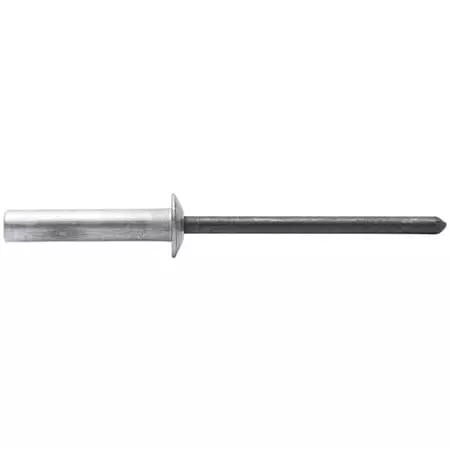
Closed-End Steel Blind Rivets
Featuring a sealed tail design to prevent liquid or gas ingress, these rivets are suitable for applications requiring sealing performance, such as steel plate enclosures, and electrical cabinet bodies.
HOW TO CHOOSE
Material Options for Steel Sheet Blind Rivets
The material combination directly determines the mechanical properties, corrosion resistance, and overall cost structure of the joining system. During the rivet selection phase, a systematic comparison must be conducted across three dimensions: strength, cost, and environmental adaptability.
Aluminium/Steel Blind Rivets
Strength Differences:
The combination of an aluminium rivet body with a steel mandrel exhibits moderate shear and tensile strength, suitable for thinner steel sheets or non-structural connections. Aluminium’s yield strength is significantly lower than carbon steel, rendering it unsuitable for high-load or heavy-gauge steel plate connections.
Cost Differences:
Lower cost and lighter weight make it suitable for applications requiring economical solutions rather than high strength.
Corrosion Resistance Differences:
In humid environments, electrochemical corrosion risks may exist between aluminium and steel; comprehensive assessment considering coatings or environmental conditions is required.
Suitable Applications:
Lightweight steel sheet casings, non-load-bearing panels, general industrial equipment housings.
Steel/Steel Blind Rivets
Strength Differences:
All-steel construction delivers superior shear and tensile strength, making it more suitable for medium-to-thick steel plates and load-bearing connections. Material strength matching is more rational, reducing the risk of connection failure.
Cost Differences:
Moderately priced with stable overall performance, it remains the most common choice for industrial steel plate connections.
Corrosion Resistance Differences:
Typically requires galvanisation or other anti-corrosion treatments to prevent oxidation and rusting of carbon steel in outdoor environments.
Suitable Applications:
Industrial cabinets, steel structure panels, automotive steel components.
Stainless/Steel Blind Rivets
Strength Differences:
Stainless steel rivet bodies offer superior strength and excellent corrosion resistance, suitable for steel plate connections in demanding environments.
Cost Differences:
Higher cost than carbon steel alternatives, but reduces long-term maintenance expenses in highly corrosive conditions.
Corrosion Resistance Differences:
Outperforms in outdoor or high-humidity settings, effectively resisting oxidation and corrosion.
Suitable Applications:
Building facades, coastal environment equipment, outdoor steel plate structures.
APPLICATIONS
Industrial Applications
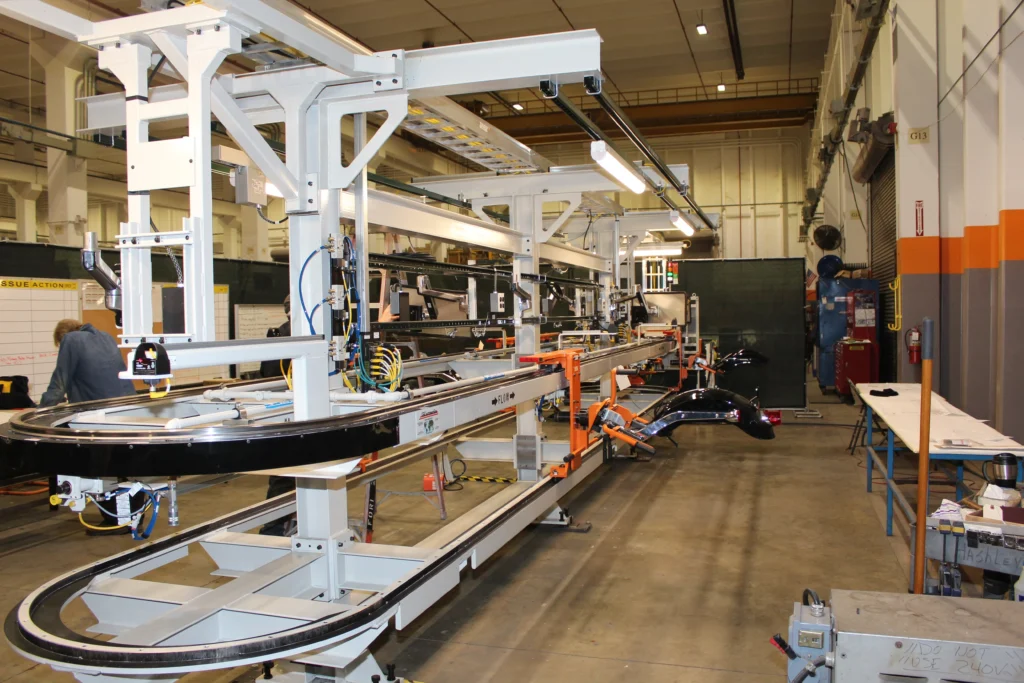
Industrial Cabinets
Used for structural connections in electrical control cabinets, switchboards, and equipment enclosures. Typically employing medium-gauge steel plates, these applications demand high shear resistance and long-term stability while ensuring structural rigidity.
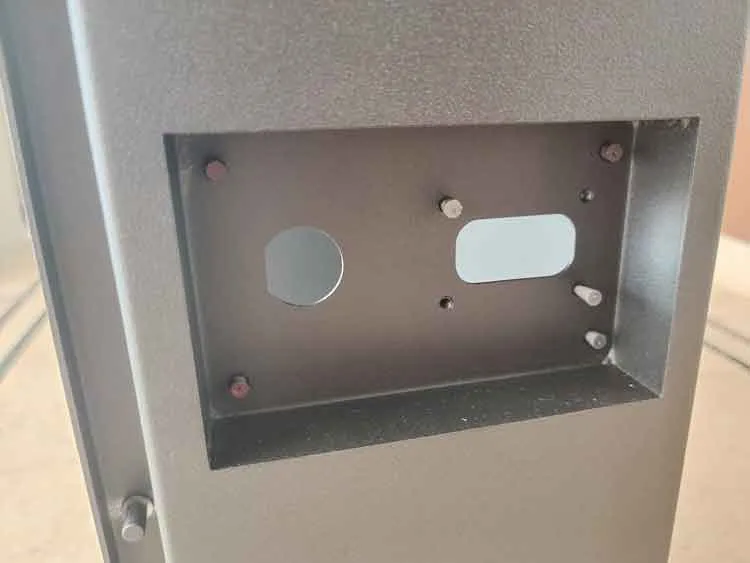
Steel Enclosures
Suitable for structural connections in mechanical equipment enclosures and protective covers. Featuring high-hardness steel plates, connection points require stable shear load-bearing capacity to prevent loosening during prolonged use.
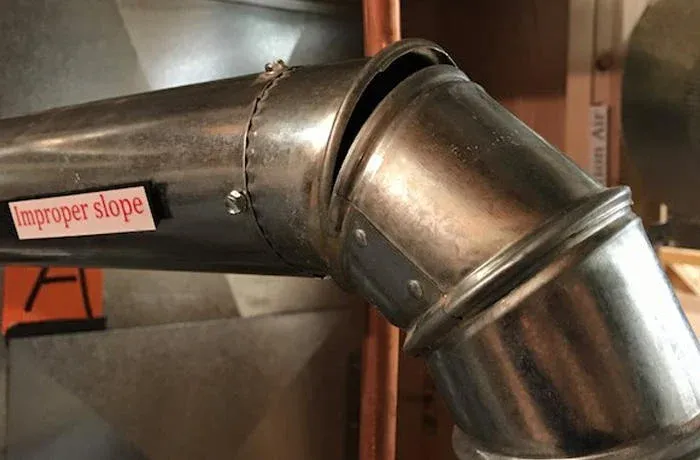
HVAC Systems
Connections between HVAC ductwork and steel casings typically involve medium-to-thin steel plates, demanding reliable fixation and corrosion resistance. Galvanised steel blind rivets are a common choice.
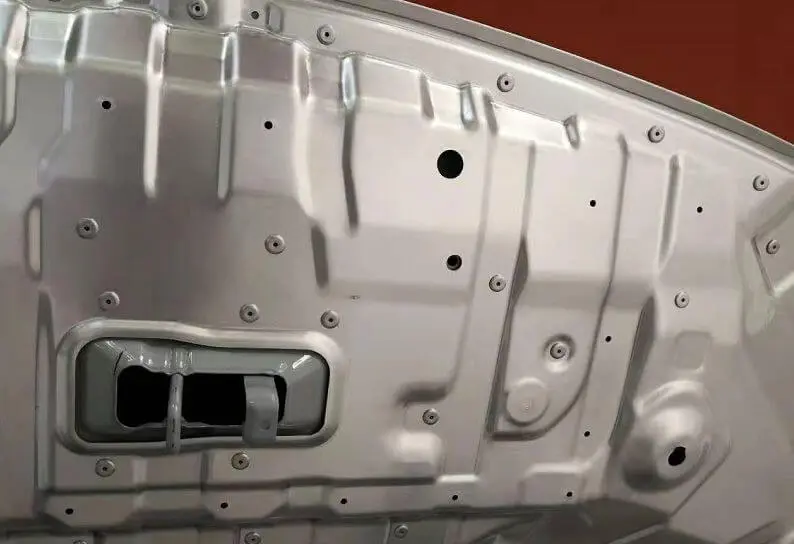
Automotive Steel Components
Includes connections between body structural components and internal steel panels. These applications demand high vibration damping performance and consistency, typically employing steel-to-steel or structural blind rivets.

Construction Steel Panels
Used for securing building envelope structures or steel cladding panels. Connection points must withstand environmental variations and long-term loads, often complemented by anti-corrosion treatments to extend service life.

Industrial Equipment Frames
Applications involving medium-to-thick steel plates or structural sections demand higher shear and tensile strength. High-strength steel blind rivets are suitable for such requirements.
CONNECTION STRENGTH
Factors Affecting Tensile & Shear Strength of Steel Sheet Blind Rivets
Factors Influencing Tensile Strength
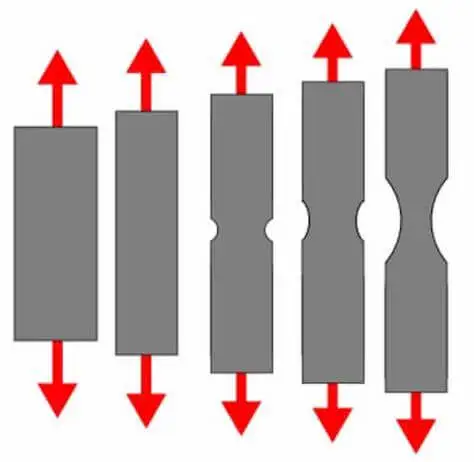
Tensile strength primarily denotes a rivet’s capacity to resist fracture or pull-out under axial tensile force.
① Material Strength of Rivet Body and Mandrel
The yield strength and tensile strength of the material are decisive factors. Steel/steel or stainless steel combinations typically provide higher axial load-bearing capacity. Higher material strength correlates with greater tensile resistance.
② Mandrel Diameter and Retention Structure
A larger cross-sectional area of the mandrel enhances tensile resistance. Structural locking designs improve tensile retention capability, preventing mandrel slippage.
Factors Influencing Shear Strength
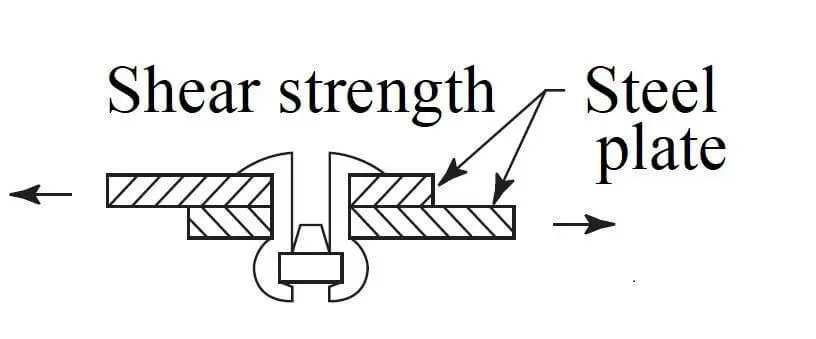
Shear strength denotes a rivet’s resistance to fracture under lateral shear loads.
① Rivet Body Diameter (Most Critical Factor)
Shear load capacity correlates directly with cross-sectional area: shear area ∝ π × (diameter²) / 4. Increasing diameter substantially enhances shear load capacity.
② Rivet Material Strength
Material shear strength typically constitutes 60–75% of its tensile strength. High-strength steel substantially enhances shear resistance.
③ Sheet Material Hardness
Harder steel sheets exhibit minimal deformation, facilitating stable shear interface maintenance. Softer materials may cause hole deformation, thereby reducing effective shear capacity.
Quality & Certifications
Rivmate Quality Assurance System
IATF 16949 Quality Management System
Production processes operate in accordance with the IATF 16949 quality management standard, covering raw material control, process management, and final inspection requirements to meet the consistency demands of the automotive and high-standard industrial sectors.
Batch Production Records
Complete records are established for each production batch, including raw material sourcing, production parameters, and inspection results. This ensures product quality traceability and facilitates long-term project management.

OEM
Custom Rivet Solutions for Your Application
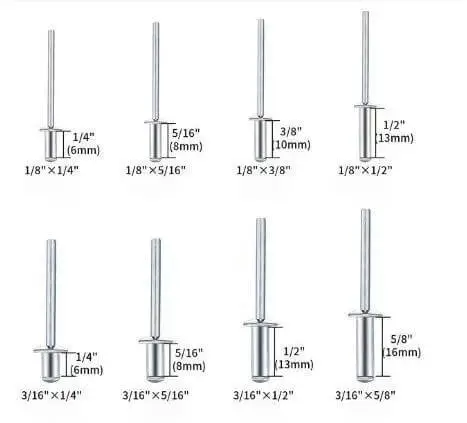
Custom Length
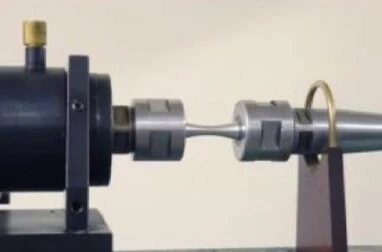
The rivet body length and grip range can be adjusted according to actual plate thickness combinations to ensure adequate back-side bulging structure formation, thereby preventing reduced tensile performance due to mismatched lengths. Length matching is particularly critical for medium-to-thick steel plates or multi-layer structural connections.
High-Strength Grade
Options include reinforced mandrels or high-strength steel solutions to enhance tensile and shear resistance, suitable for steel structures or equipment frames with high load-bearing requirements. Elevating material strength grades contributes to increased connection safety factors.

Special Coating
Supports galvanisation, thickened zinc coating, or alternative anti-corrosion treatments to improve corrosion resistance. For outdoor or humid environments, appropriate surface treatments effectively extend connection lifespan and reduce maintenance costs.
OEM Packaging
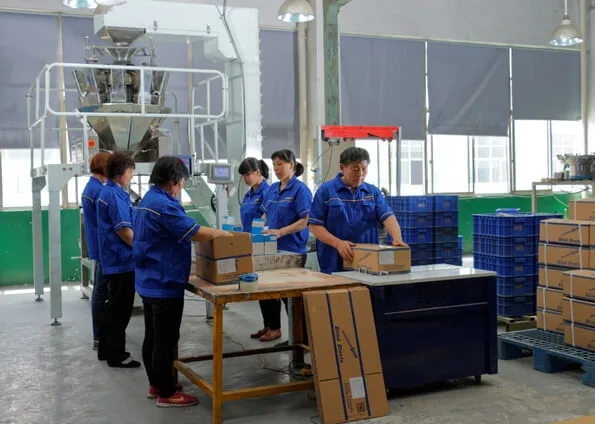
Supports customised outer packaging labelling, barcode tags, and batch number management to meet distributors’ or industrial clients’ warehousing and supply chain requirements. Consistent packaging and labelling systems facilitate long-term partnerships and bulk supply management.
Steel Sheet Blind Rivet Technical Guide and FAQs
Q1: Can aluminium rivets be used on steel sheet?
Aluminium/steel combination blind rivets may be employed for thin, non-structural steel sheet connections, but are unsuitable for high-load or structural applications. As aluminium possesses a lower yield strength than carbon steel, it may become a weak link in load-bearing or vibration-prone environments. Furthermore, electrochemical corrosion risks exist between aluminium and steel in humid conditions. Consequently, steel/steel combinations are generally recommended for medium-to-thick steel plates or load-bearing structures.
Q2: Are steel rivets stronger?
Generally, steel/steel blind rivets outperform aluminium rivets in both tensile and shear resistance. Steel inherently possesses higher tensile and shear strengths, making it more suitable for steel-to-steel connections. For load-bearing structures or industrial equipment applications, steel blind rivets offer greater safety margins.
Q3: What rivet is best for steel panels?
The optimal choice depends on steel plate thickness, load type, and environmental conditions. For general industrial steel plate connections, galvanised steel-to-steel blind rivets are a common solution; stainless steel options offer greater stability for outdoor or high-humidity environments; aluminium-to-steel combinations may be considered for lightweight panel connections. Selection should be based on a comprehensive assessment of strength requirements and corrosion exposure.
Q4: How to prevent corrosion on steel rivets?
Corrosion prevention is primarily achieved through three methods: galvanising or applying thickened zinc coatings, selecting stainless steel materials, and ensuring appropriate environmental compatibility. Galvanising provides sacrificial anode protection, delaying steel oxidation; in highly corrosive environments, stainless steel blind rivets significantly enhance weather resistance. Appropriate surface treatment is key to extending service life.
Q5: What thickness steel can blind rivets handle?
The steel plate thickness that can be riveted depends on the rivet diameter and grip range. Different blind rivet specifications correspond to distinct plate thickness ranges. For medium-thickness steel plates or multi-layer structural connections, select rivets with appropriate length and strength grade to ensure formation of a stable back-up dome and achieve the design load capacity.
Reliable Bulk Supply and OEM Partnership for Steel Sheet Fastening
We support Bulk Production, ensuring specification consistency and batch stability for both continuous manufacturing and project-based procurement requirements. Concurrently, we offer OEM Cooperation, including bespoke solutions for non-standard lengths, high-strength grades, and specialised surface treatments to accommodate diverse industrial applications.
For long-term partnerships, we deliver sustainable Long-Term Supply solutions. These integrate quality traceability with standardised production processes, safeguarding supply chain stability for industrial clients. We provide comprehensive Industrial Steel Fastening Solutions tailored to diverse plate application environments, helping customers achieve the optimum balance between strength matching and corrosion resistance.
Through the combination of stable production capacity, engineering support, and customisation capabilities, we are committed to becoming a trusted long-term supply partner in the steel plate fastening sector.
Contact us today to obtain samples, verify assembly results, and prepare for future bulk procurement.
Reply within 12 Hours
Send us a message if you have any questions or request a quote. We will be back to you ASAP!