
Steel Blind Rivets Manufacturer
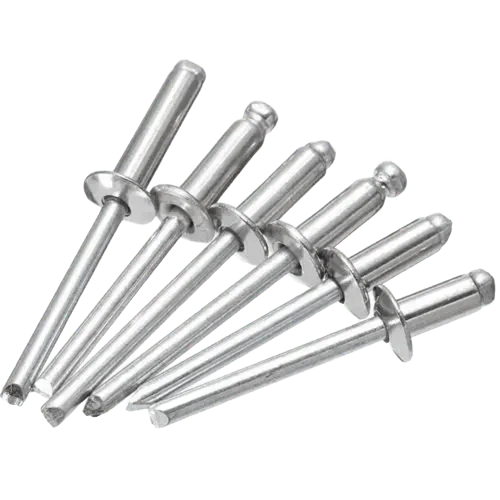
Rivmate supplies you high-strength steel blind rivets. Ideal for joining sheet metal, machinery and industrial structural components, they help you achieve a more stable and secure riveted joint.
- Higher strength performance for heavy-duty and metal-to-metal fastening.
- Suitable for industrial equipment, metal cabinets, ductwork, trailers, and sheet metal parts.
- Multiple sizes, head styles, and grip ranges help you match different assembly needs.
- Factory direct supply with OEM service, custom packaging, and bulk order support.
Why Choose Our Steel Blind Rivets
- High Strength for Demanding Metal Fastening
- Excellent Shear and Tensile Performance
- Reliable for Heavy-Duty Industrial Applications
Rivmate —— Your Professional Customized Steel Blind Rivets Manufacturer
As a manufacturer of steel blind rivets, we offer a wide variety of steel blind rivets tailored to your specific application, sheet metal thickness, riveting strength requirements, and surface treatment needs. Our product range includes open-end, closed-end, Seahorse, Uni-Grip, and BOM types, designed to meet your fastening needs in sheet metal assembly, equipment enclosures, HVAC, automotive components, and industrial manufacturing.
Your Steel Blind Rivets can be customized by material combination, diameter, length, head style, surface treatment, and packaging method. We can also support you with sample testing, drawing confirmation, performance matching, and bulk order supply, helping you complete procurement and project delivery more efficiently.
Steel Blind Rivet Manufacturer-Classified by Material
We offer Steel Blind Rivets in carbon steel, stainless steel, and various surface finishes. These rivets can meet your different needs for high-strength fastening, tensile and shear performance, corrosion resistance, efficient bulk assembly, and cost control. They are suitable for riveting applications in sheet metal parts, machinery, metal housings, HVAC systems, and industrial structural components.
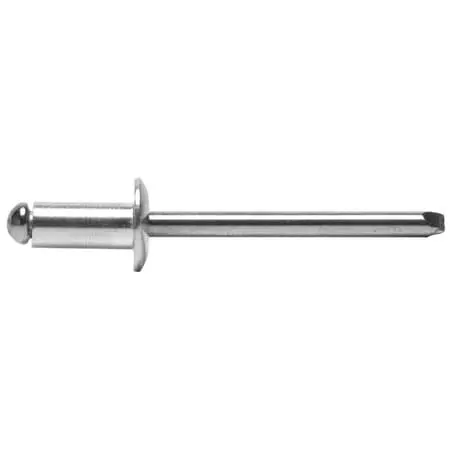
Carbon Steel Open End Blind Rivets
Carbon steel fasteners are highly robust and are ideal for secure fastening of sheet metal.
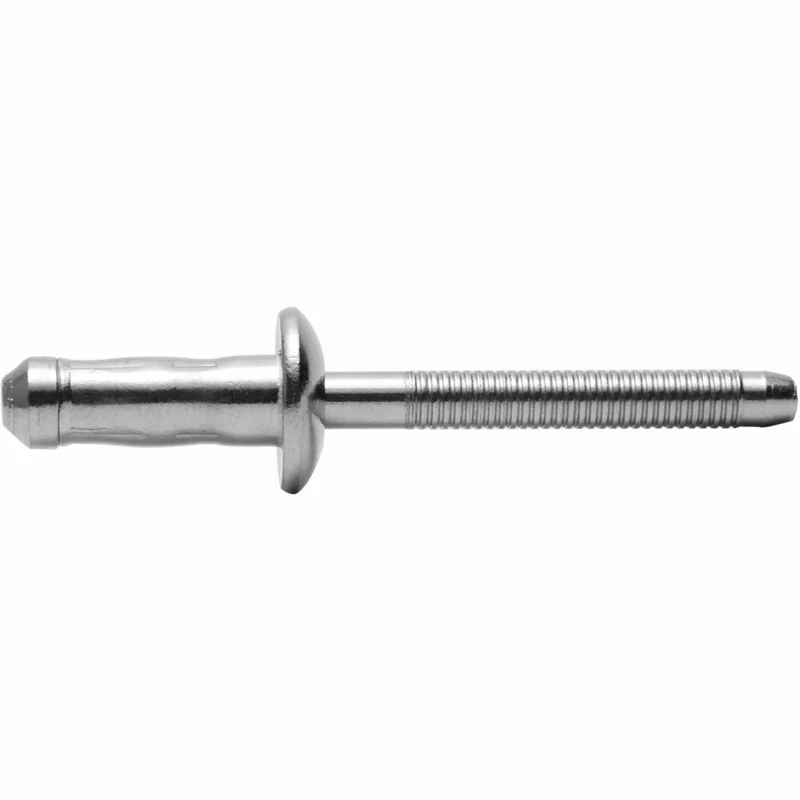
Carbon Steel Hemlock Blind Rivets
Strong clamping force, suitable for high-strength, vibration-resistant connections.
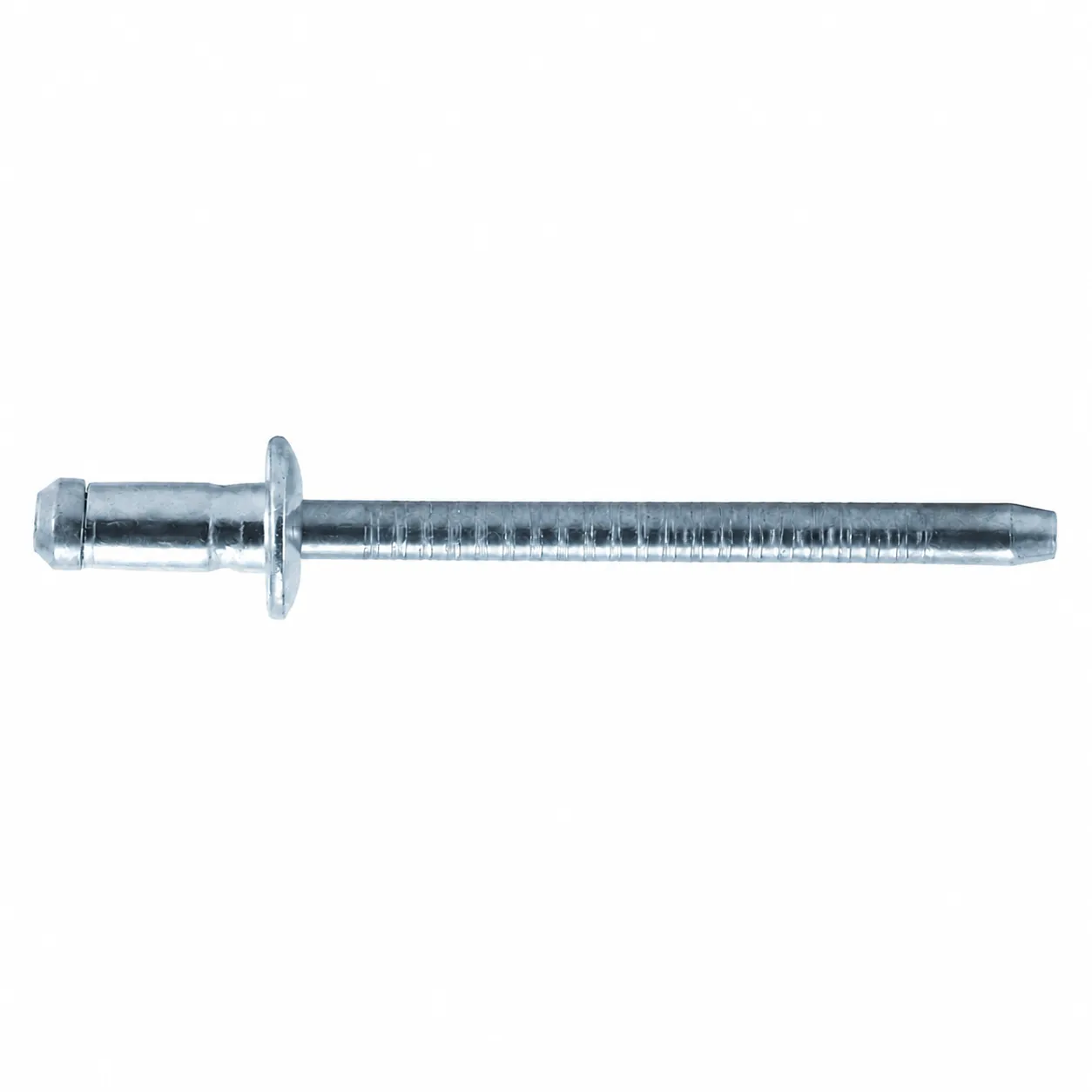
Carbon Steel Uni-Grip Blind Rivet
Made of carbon steel with secure riveted joints, it is suitable for high-volume metal assembly.
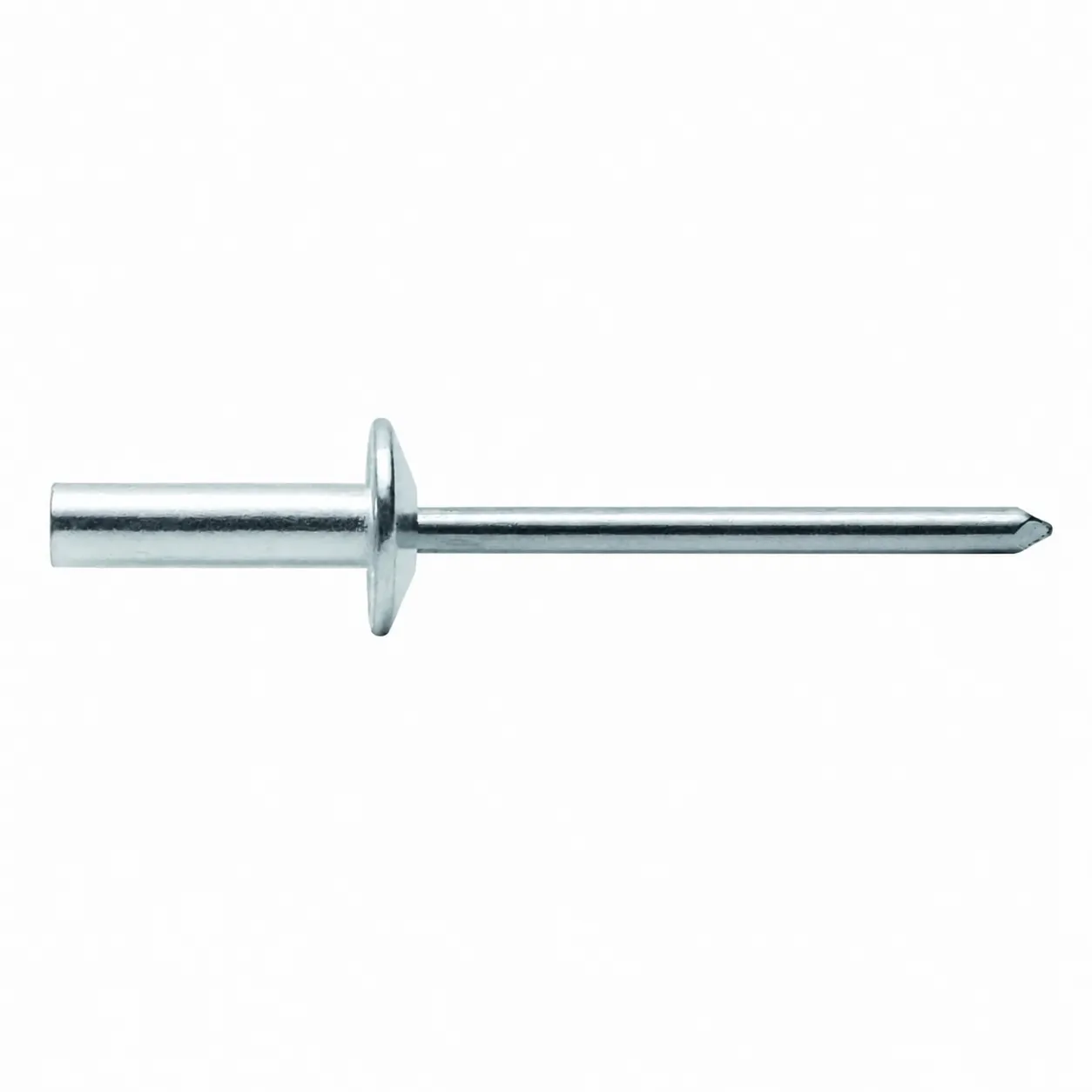
Carbon Steel Sealed Type Blind Rivets
The sealed design prevents leaks and is suitable for sealing metal joints.

Rivmante Carbon Steel Bom Rivets
High structural strength, suitable for heavy-duty, vibration-resistant connections.
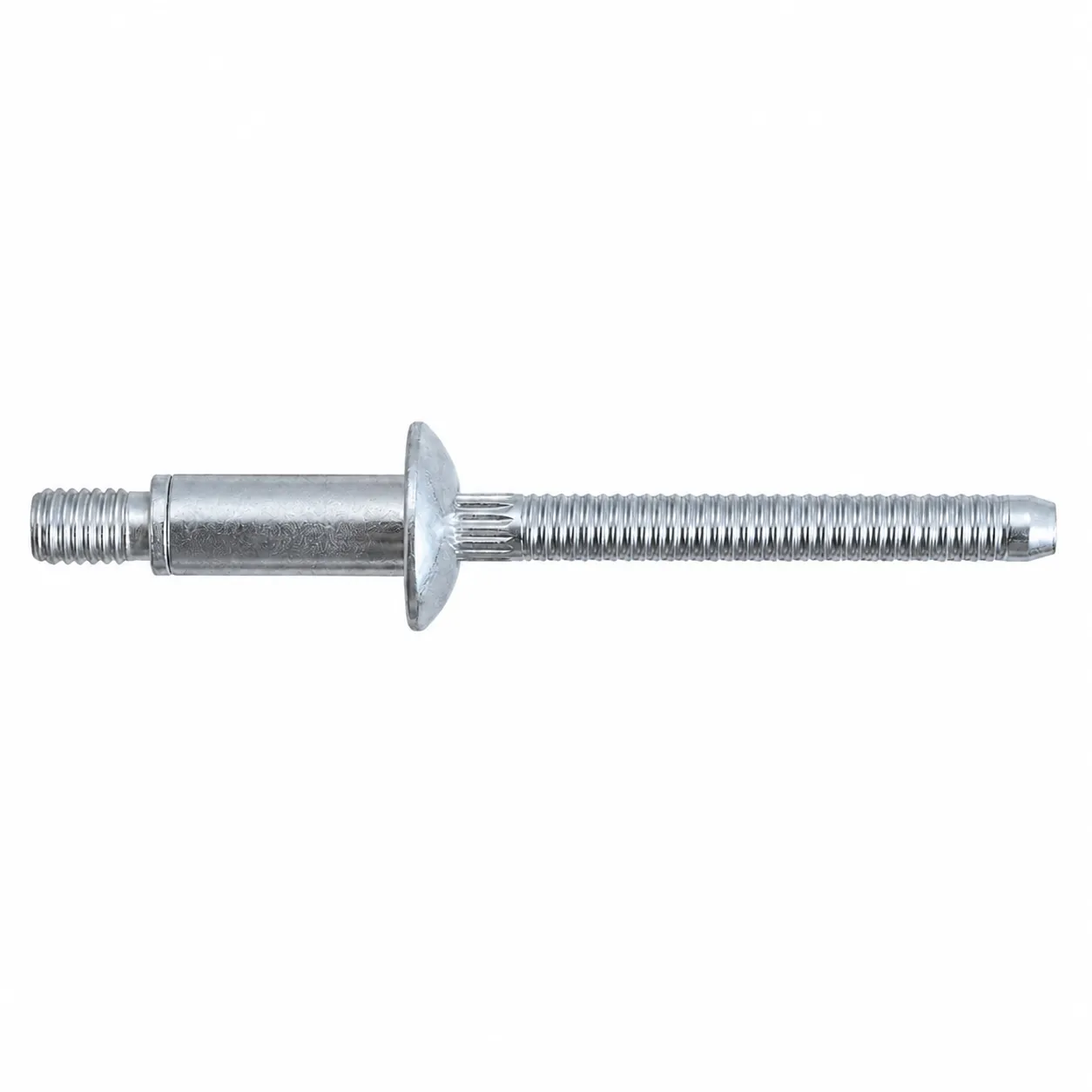
Carbon Steel Hucklock Blind Rivets
Carbon steel is strong and resistant to vibration, making it less likely to come loose.
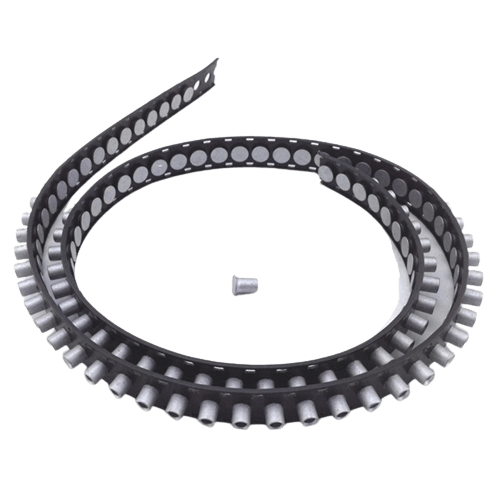
Carbon Steel Self Piercing Rivets
No drilling required. Self-piercing forming, improving assembly efficiency.
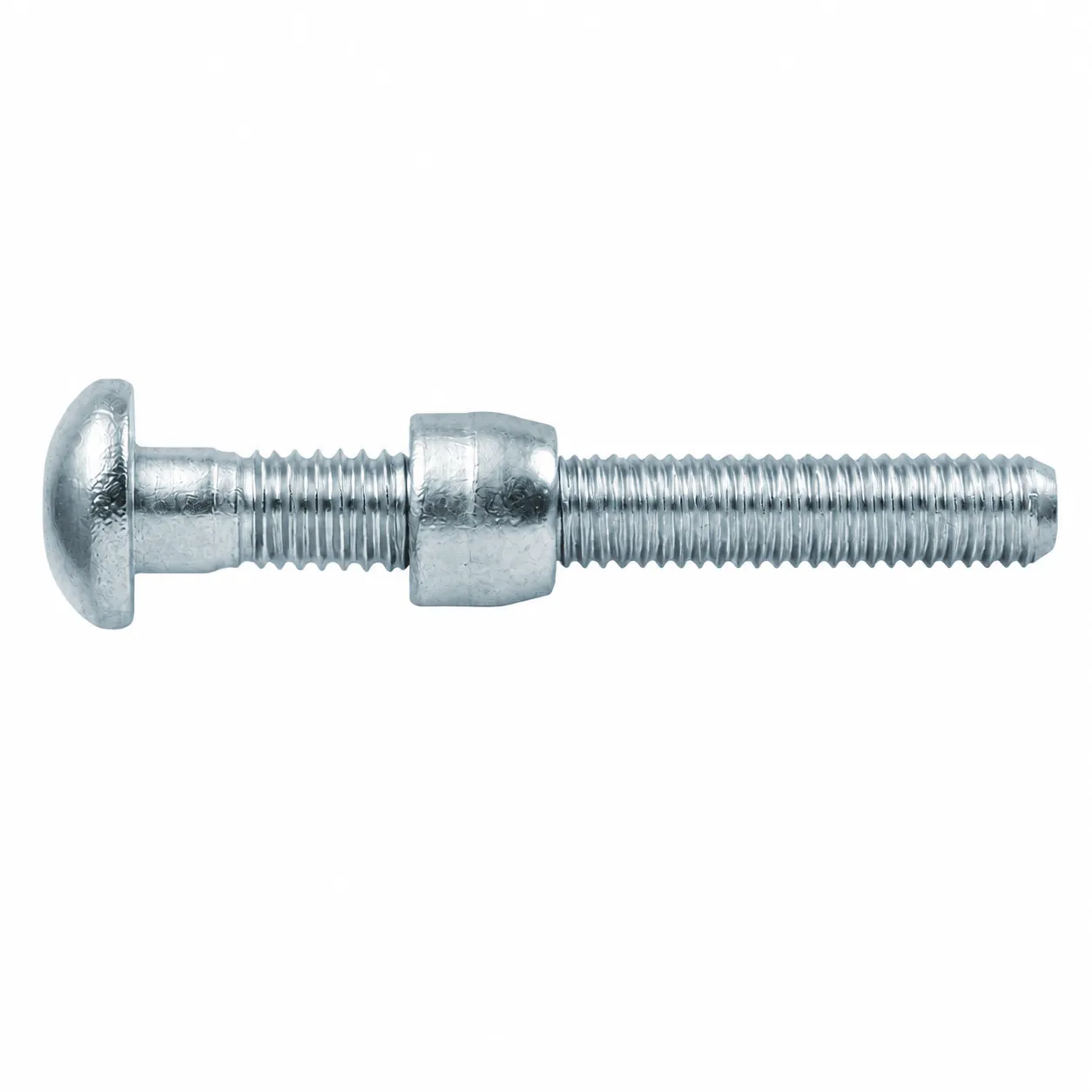
Carbon Steel Lockbolt Blind Rivets
Suitable for a range of board thicknesses, reducing the need to stock multiple sizes.

Carbon Steel Grooved Type Blind Rives
Suitable for joining materials such as wood and plastic. A more secure connection.
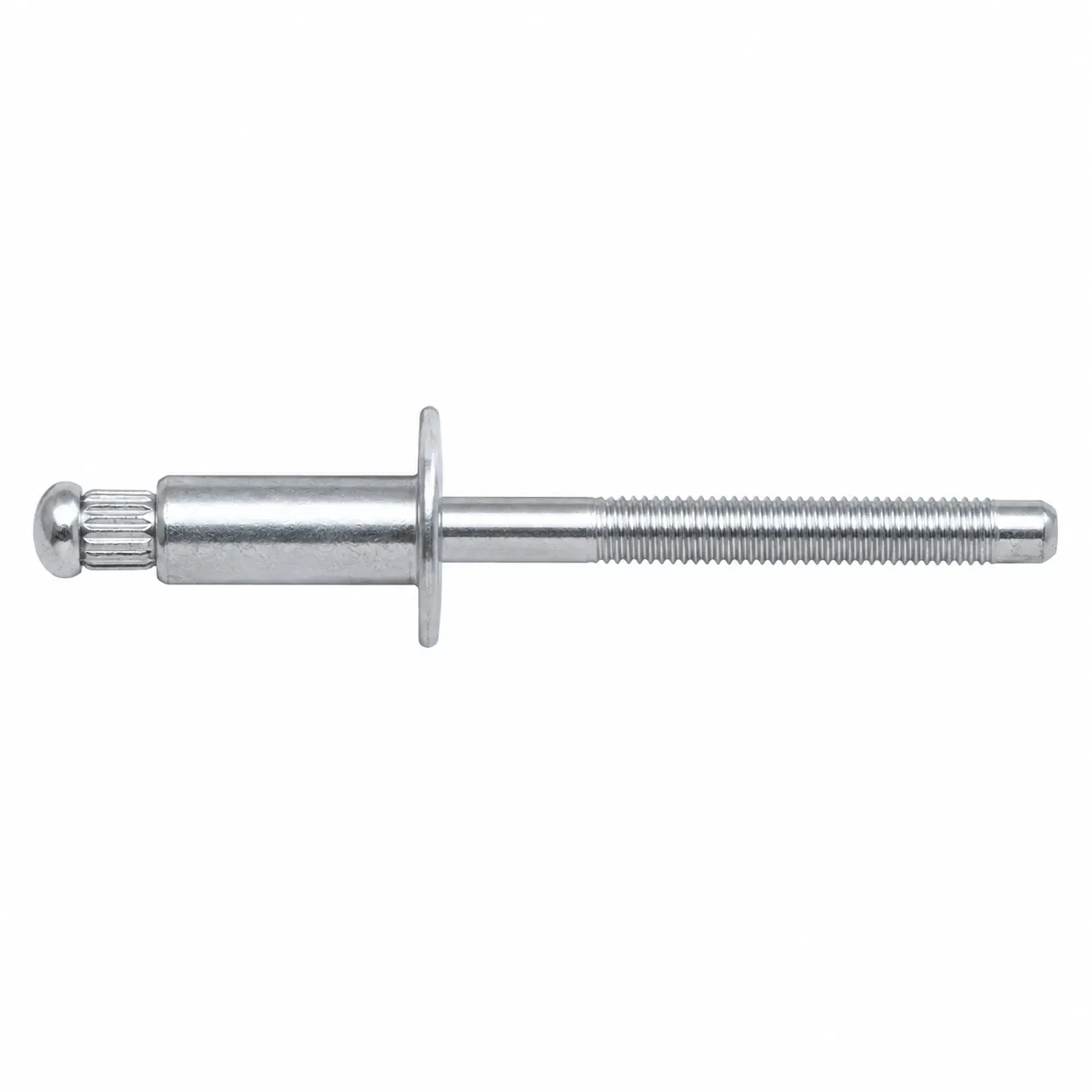
Rivmate Carbon Steel Q Blind Rivets
Aluminum shell with carbon steel core, puncture-resistant, suitable for soft materials.
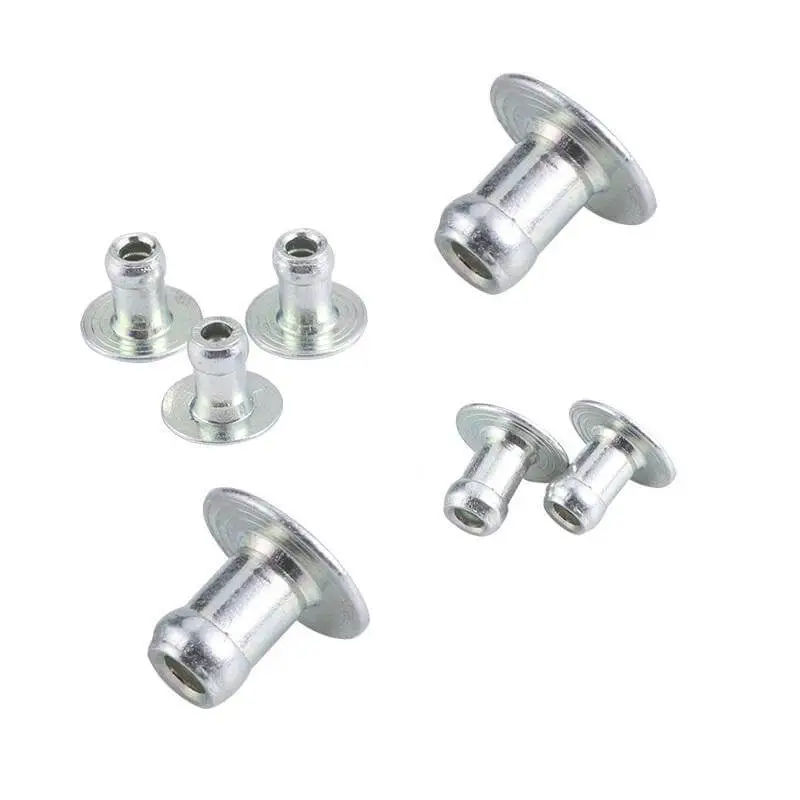
Carbon Steel Speed Rivets(BRV Series)
Batch installation is faster and reduces manual labor. Improve productivity.
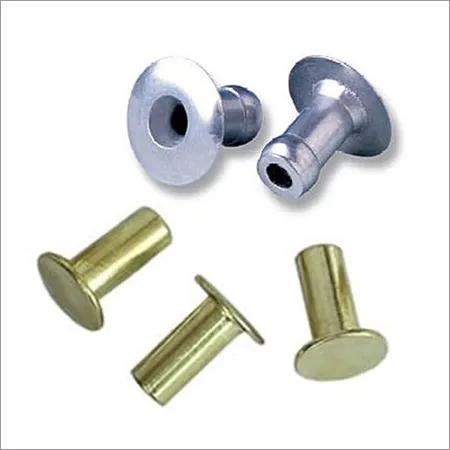
Carbon Steel Speed Rivets(CBT Series)
Batch installation is faster and reduces the need for manual intervention.
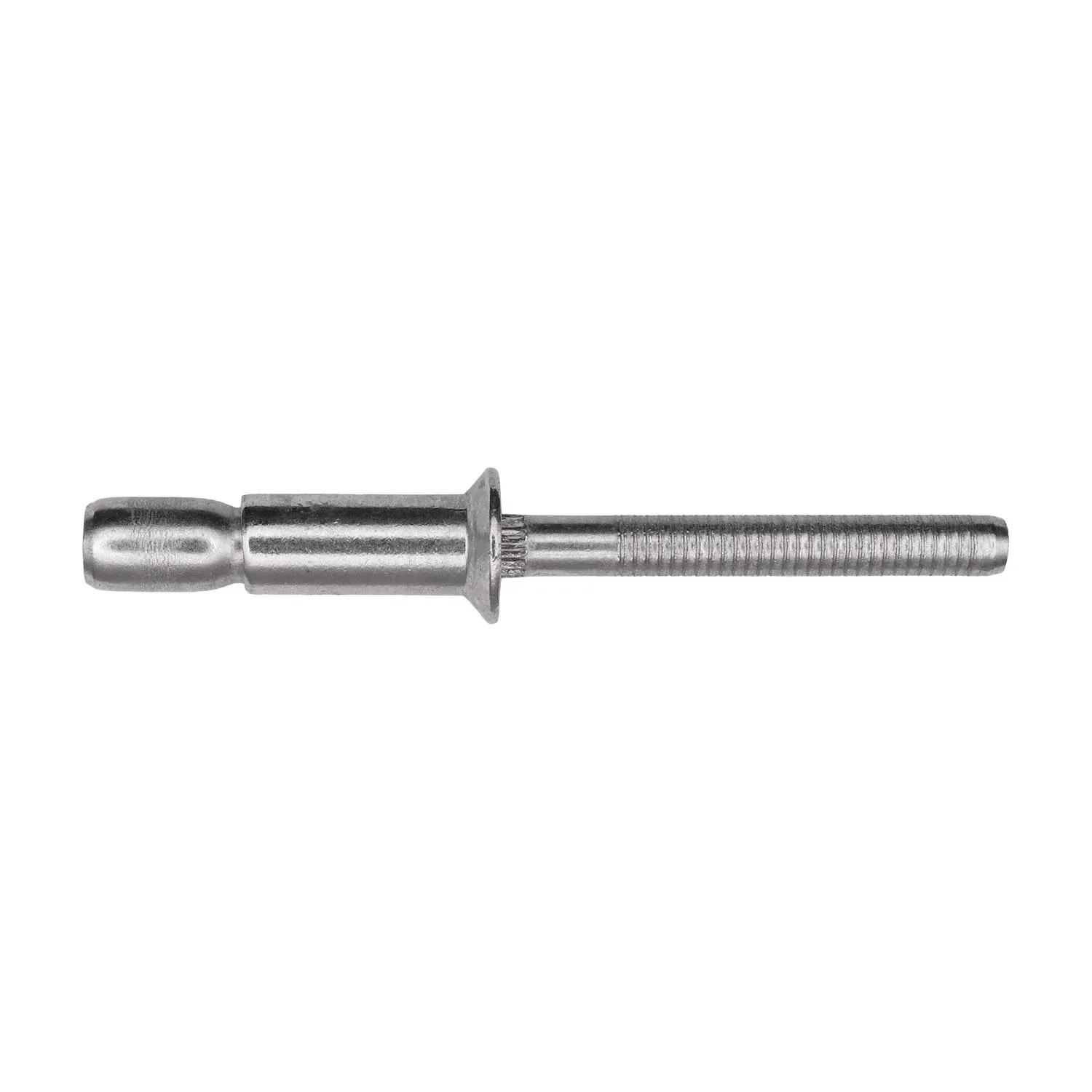
Carbon Steel Interlock Rivets
Suitable for connecting machinery, carriages and frames, Ideal for bulk purchases.

Carbon Steel Monobolt Rivets
High shear performance, meeting the demands of industrial assembly.
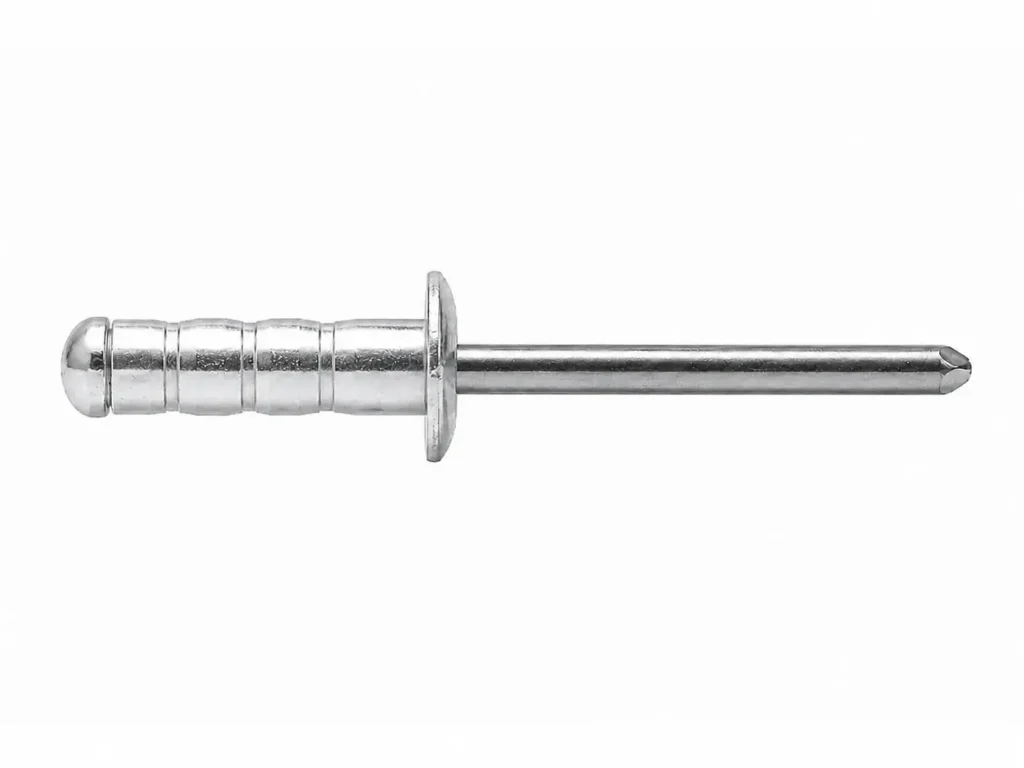
Carbon Steel Multi-grip Blind Rivets
Stable lock cylinder, Suitable for the stable riveting of thick-plate metal structures.
Peel Type Blind Rivets Manufacturer-Classified by size
Rivmate offers your peel type blind rivets in a variety of sizes. These rivets are designed to accommodate different sheet thicknesses, hole diameters, and riveting ranges. They help customers achieve consistent assembly, prevent tear-through, and facilitate bulk purchasing.
2.4 × 6 mm Steel Blind Rivet
Compact design, ideal for precision connections in thin sheets, and easy to install.
2.4 × 8 mm Steel Blind Rivet
Extended version, Steel is highly durable and the joints are unlikely to come loose.
3.2 × 6 mm Steel Blind Rivet
A commonly used size, suitable for secure fastening of thin sheets, Quick to install.
3.2 × 8 mm Steel Blind Rivet
Extended length, suitable for joining slightly thicker panels, Commonly used in industry
3.2 × 10 mm Steel Blind Rivet
Extended length, tight fit, and a wide range of options. Suitable for bulk riveting

4 × 10 mm Steel Blind Rivet
Medium size, suitable for demanding industrial applications, sturdy and reliable
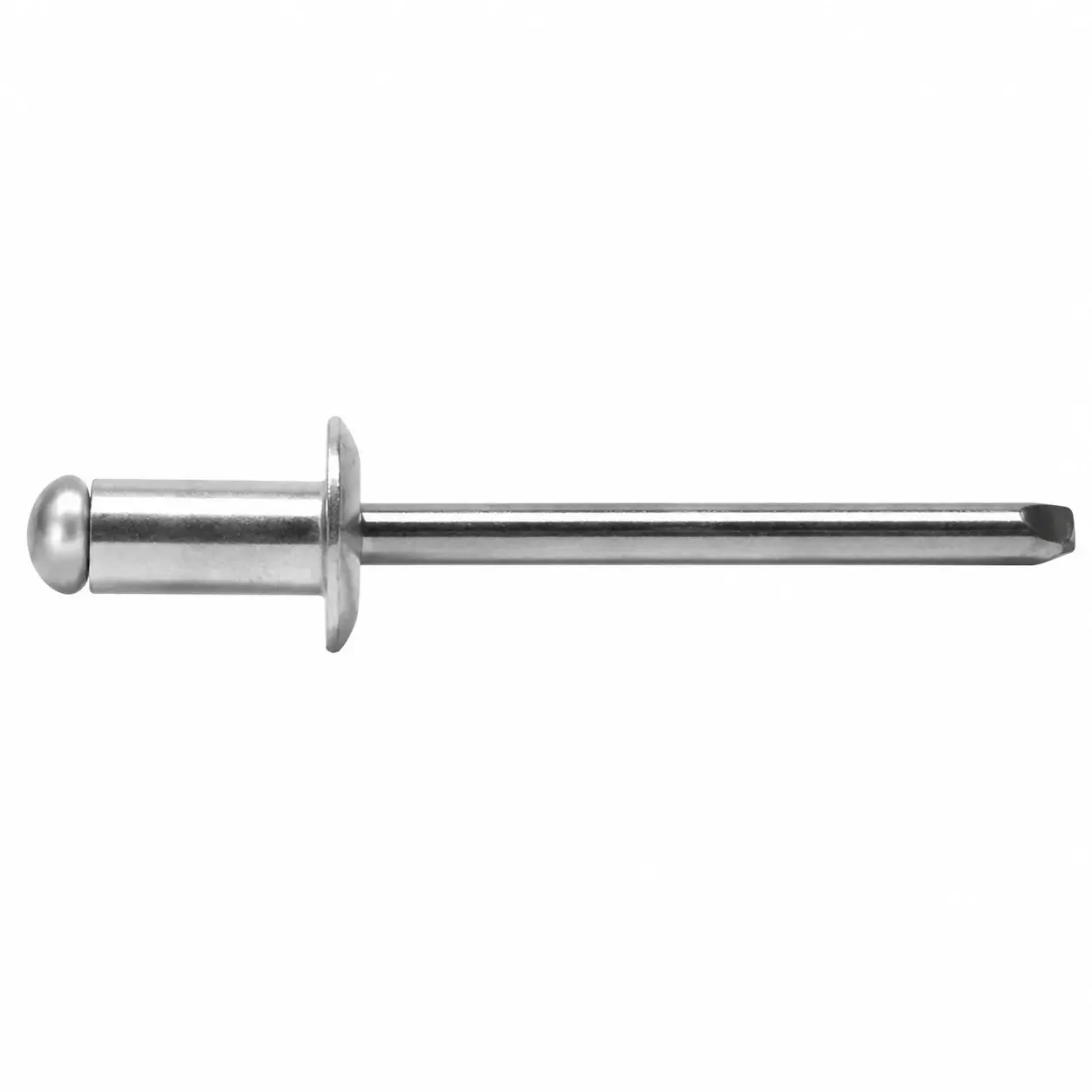
4 × 12 mm Steel Blind Rivet
Extended length, suitable for joining thick panels, with a very low risk of coming loose.
Steel Blind Rivet Manufacturer-Classified by head shape
Rivmate offers you Steel Blind Rivets in a wide range of specifications. These rivets are designed to fit different sheet thicknesses, hole diameter requirements, and grip ranges. They help you achieve stronger and more stable metal fastening, improve assembly consistency, and make bulk purchasing and specification management easier.
Dome Head Steel Blind Rivets
Standard round-head design, suitable for general assembly, with a clean appearance and a wide range of applications.
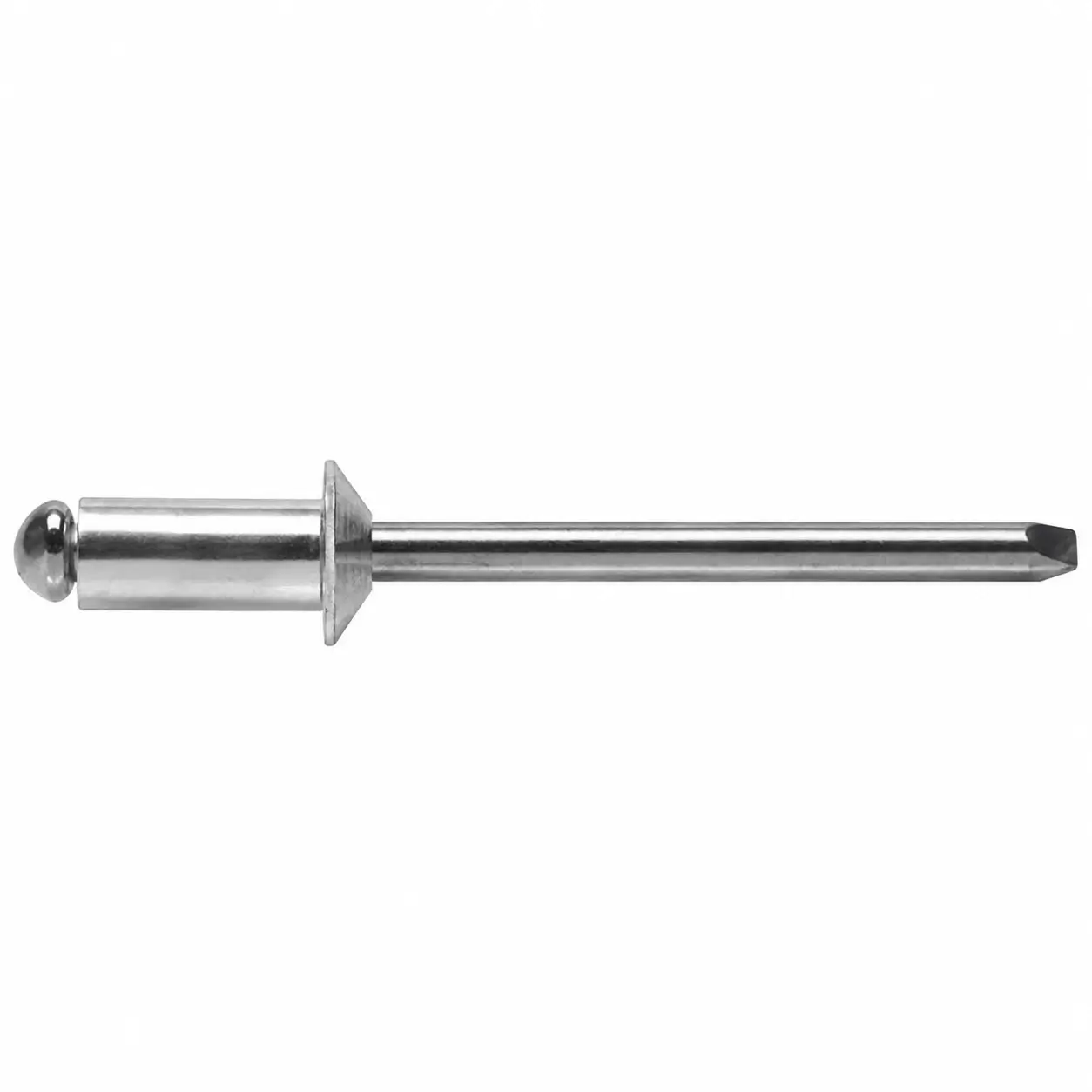
CSK Head Steel Blind Rivets
Countersunk design for a smoother surface finish after riveting, Suitable for metal joints requiring a smooth finish.
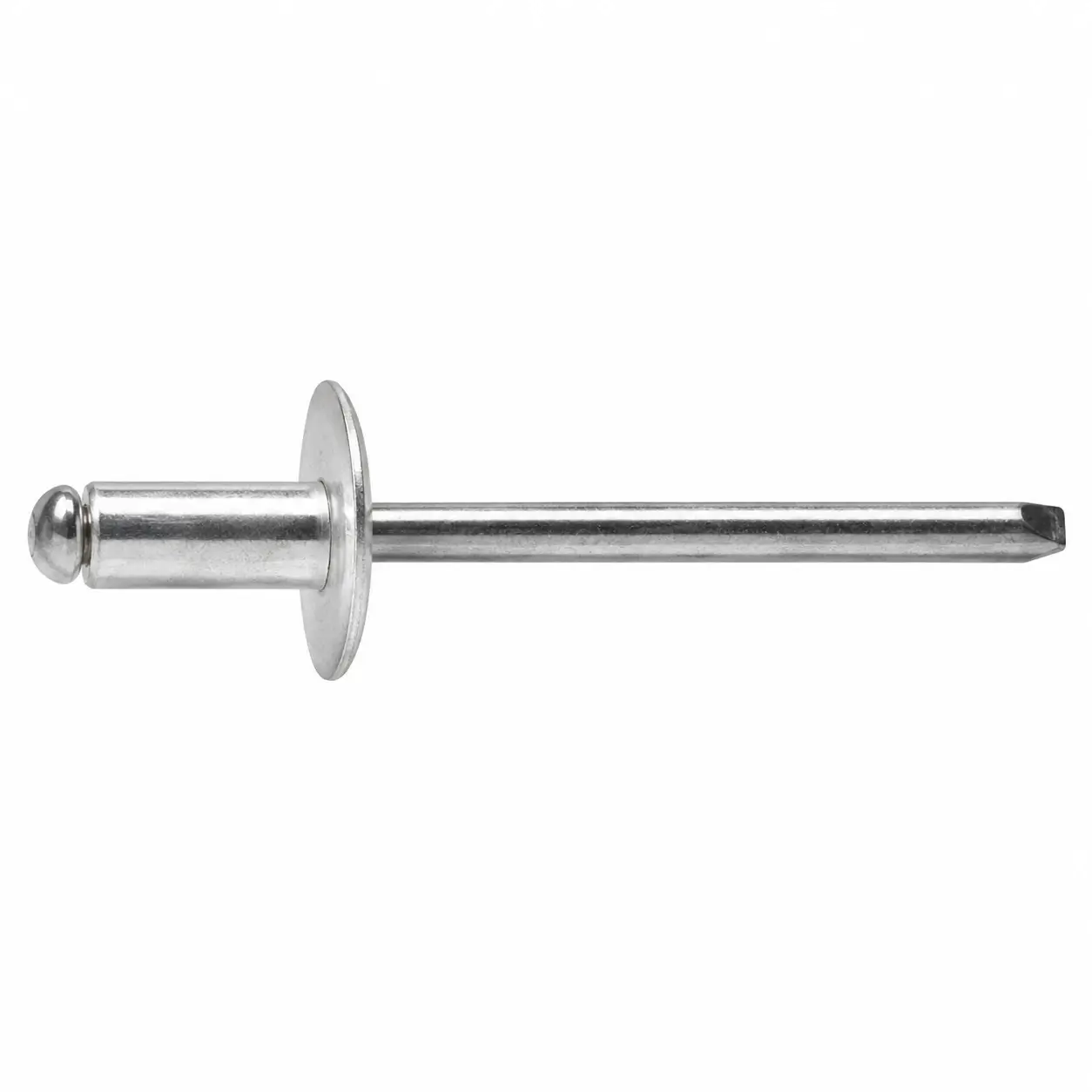
Large Flange Steel Blind Rivets
The wide-brim design provides a larger surface area, making it more effective at preventing tears in soft materials.
| Product Series | Material | Head / Type | Diameter | Size / Length Range | Grip Range | Drill / Hole Dia | Main Head / Body Dimension | Mandrel Dia / Reveal | Tensile | Shear |
|---|---|---|---|---|---|---|---|---|---|---|
| Open Type Blind Rivet | Body: Carbon steel; Mandrel: Carbon steel; Zinc plated | Dome / Csk / Large Flange | 3 | 3.0x6.0-3.0x12.0 | 1.0-9.0 | 3.1-3.2 | Dome 6.5x1.3; Csk 6.3x1.3 | dm 2.1; P 27.0 | 1125 | 915 |
| Open Type Blind Rivet | Body: Carbon steel; Mandrel: Carbon steel; Zinc plated | Dome / Csk / Large Flange | 3.2 | 3.2x6.0-3.2x18.0 | 1.5-15.0 | 3.3-3.4 | Dome 6.7x1.3; Csk 6.3x1.3; Large 9.8x2.0 | dm 2.1; P 27.0 | 1285 | 1060 |
| Open Type Blind Rivet | Body: Carbon steel; Mandrel: Carbon steel; Zinc plated | Dome / Csk / Large Flange | 4 | 4.0x6.0-4.0x20.0 | 0.5-16.5 | 4.1-4.2 | Dome 8.5x1.7; Csk 7.5x1.7; Large 12.5x2.2 | dm 2.6; P 27.0 | 1990 | 1550 |
| Open Type Blind Rivet | Body: Carbon steel; Mandrel: Carbon steel; Zinc plated | Dome / Csk / Large Flange | 4.8 | 4.8x6.0-4.8x30.0 | 1.0-25.0 | 4.9-5.0 | Dome 10.1x2.0; Csk 9.5x2.0; Large 16.5x2.5 | dm 3.1; P 27.0 | 2920 | 2300 |
| Open Type Blind Rivet | Body: Carbon steel; Mandrel: Carbon steel; Zinc plated | Dome / Csk | 5 | 5.0x6.0-5.0x25.0 | 1.0-20.0 | 5.1-5.2 | Dome 10.5x2.1; Csk 9.5x2.1 | dm 3.1; P 27.0 | 3255 | 2575 |
| Open Type Blind Rivet | Body: Carbon steel; Mandrel: Carbon steel; Zinc plated | Dome | 6 | 6.0x8.0-6.0x25.0 | 1.5-19.0 | 6.1-6.2 | Dome 12.6x2.5 | dm 4.0; P 31.0 | 5000 | 4000 |
| Open Type Blind Rivet | Body: Carbon steel; Mandrel: Carbon steel; Zinc plated | Dome | 6.4 | 6.4x8.0-6.4x35.0 | 1.5-28.0 | 6.5-6.6 | Dome 13.4x2.7 | dm 4.2; P 31.0 | 5400 | 4350 |
| Sealed Type Blind Rivet | Body: Carbon steel; Mandrel: Carbon steel; Zinc plated | Dome / Csk | 3.2 | 3.2x7.0-3.2x12.0 | 0.5-6.5 | 3.3-3.4 | Dome 6.4x1.3; Csk 6.4x1.3 | dm 2.0; P 25.0 | 1300 | 1150 |
| Sealed Type Blind Rivet | Body: Carbon steel; Mandrel: Carbon steel; Zinc plated | Dome / Csk | 4 | 4.0x8.0-4.0x15.0 | 1.0-10.5 | 4.1-4.2 | Dome 8.4x1.5; Csk 8.4x1.5 | dm 2.35; P 25.0 | 1700 | 1530 |
| Sealed Type Blind Rivet | Body: Carbon steel; Mandrel: Carbon steel; Zinc plated | Dome / Csk | 4.8 | 4.8x8.0-4.8x25.0 | 0.5-20.0 | 4.9-5.0 | Dome 10.0x2.0; Csk 10.0x2.0 | dm 2.95; P 27.0 | 2800 | 2400 |
| Uni-grip Blind Rivet | Body: Carbon steel; Mandrel: Carbon steel; Zinc plated | SSPMG | 3.2 | L 6.5-11.5 | 1.0-7.0 | 3.3-3.4 | dk 5.5-6.8; k 1.4 | dm 2.10; P 27.0 | 1300 | 1200-1700 |
| Uni-grip Blind Rivet | Body: Carbon steel; Mandrel: Carbon steel; Zinc plated | SSPMG | 4 | L 7.5-12.5 | 1.0-7.0 | 4.1-4.2 | dk 7.3-8.3; k 1.6 | dm 2.7; P 27.0 | 2800 | 2000-3500 |
| Uni-grip Blind Rivet | Body: Carbon steel; Mandrel: Carbon steel; Zinc plated | SSPMG | 4.8 | L 10.0-18.0 | 1.5-12.0 | 4.9-5.0 | dk 9.0-10.0; k 1.7 | dm 3.2; P 27.0 | 3800 | 3600-4200 |
| Uni-grip Blind Rivet | Body: Carbon steel; Mandrel: Carbon steel; Zinc plated | SSPMG | 6 | L 10.0-19.0 | 1.5-12.0 | 6.1-6.2 | dk 11.0-12.3; k 2.15 | dm 4.1; P 31.0 | 5400 | 4200-5900 |
| Uni-grip Blind Rivet | Body: Carbon steel; Mandrel: Carbon steel; Zinc plated | SSPMG | 6.4 | L 12.5-16.5 | 1.5-8.5 | 6.5-6.7 | dk 12.0-13.4; k 3.3 | dm 4.5; P 31.0 | 6800 | 6200-9500 |
| Multi-grip Blind Rivet | Body: Carbon steel; Mandrel: Carbon steel; Zinc plated | SSMG | 3.2 | L 8.0-16.0 | 1.0-11.5 | 3.3-3.4 | dk 6.7; k 1.3 | dm 2.25; P 27.0 | 1200 | 1000 |
| Multi-grip Blind Rivet | Body: Carbon steel; Mandrel: Carbon steel; Zinc plated | SSMG | 4 | L 8.0-20.0 | 1.0-14.5 | 4.1-4.2 | dk 8.4; k 1.7 | dm 2.85; P 27.0 | 2000 | 1500 |
| Multi-grip Blind Rivet | Body: Carbon steel; Mandrel: Carbon steel; Zinc plated | SSMG | 4.8 | L 10.0-30.0 | 1.5-24.0 | 4.9-5.0 | dk 10.1; k 2.0 | dm 3.35; P 27.0 | 2900 | 2400 |
| Multi-grip Blind Rivet | Body: Carbon steel; Mandrel: Carbon steel; Zinc plated | SSMG | 6.4 | L 12.5-25.5 | 1.0-17.5 | 6.5-6.6 | dk 13.4; k 2.7 | dm 4.15; P 27.0 | 4000 | 3800 |
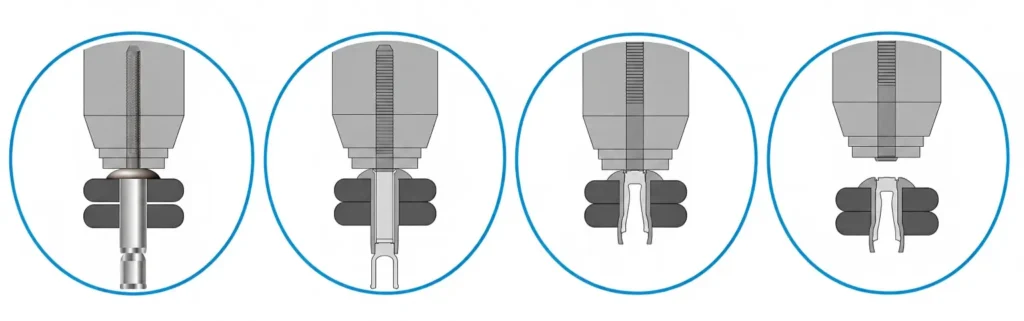
Steps of Blind Rivet Installation
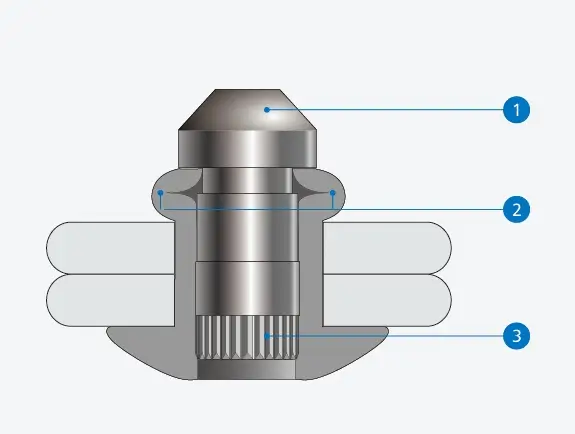
- Insert the rivet into the pre-drilled hole, ensuring that the rivet head sits flush against the workpiece.
- Place the rivet gun’s nozzle over the rivet mandrel and hold the tool vertically.
- Activate the rivet gun and pull the rivet mandrel to expand the rivet body and secure the workpiece.
- Once the rivet mandrel breaks off, the riveting is complete. Check that the rivet is secure and flush.
Steel Blind Rivet Manufacturering You Can Trust
When you source Steel Blind Rivets, you care about more than just the unit price. You also want to know whether the product strength is consistent, whether the specifications are complete, whether the surface finish is uniform, and whether future bulk replenishment will be reliable. Rivmate provides bulk supply services for overseas fastener distributors, wholesalers, OEM manufacturers, and industrial assembly customers, helping you source steel blind rivets for applications such as sheet metal, equipment enclosures, HVAC systems, machinery, and structural metal components.
- Able to support long-term and stable procurement needs
- Covers common diameters, lengths, and grip ranges
- Supports surface finish requirements such as zinc plating, color zinc plating, and black coating
- Supports OEM packaging, labeling, and bulk order management
With a stable production system, dimensional inspection, and batch quality control, we help you reduce procurement risks and ensure that different batches of Steel Blind Rivets remain consistent in tensile strength, shear performance, assembly stability, and surface appearance. Whether you are restocking standard inventory or looking for customized specifications for a specific project, we can provide you with more efficient and reliable supply support.
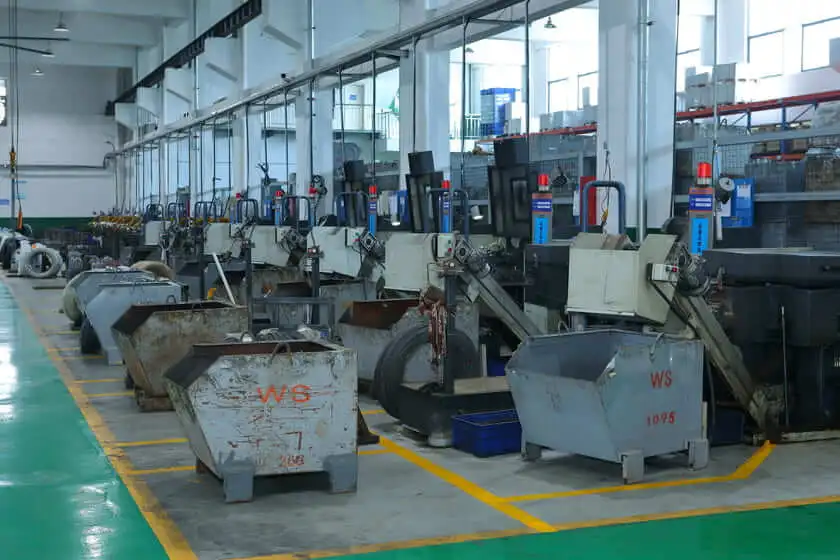
Pop Rivet Cold Heading Machines
Rivet Assembly machines
Our Rivet Warehouse
Stable Bulk Supply for Steel Blind Rivets
When you source Steel Blind Rivets, what matters to you is not just whether the products are available, but also whether the strength is consistent, whether the specifications are complete, whether the lead time is controllable, and whether future replenishment can remain stable. Rivmate focuses on providing you with reliable bulk supply services for steel blind rivets, helping you handle long-term procurement needs more efficiently for applications such as sheet metal, equipment enclosures, HVAC systems, machinery assembly, and industrial structural components.
- Stable mass production capacity
- Complete coverage of commonly used specifications
- Support for continuous bulk supply
- Support for OEM packaging and label customization
With Rivmate’s mature production system, strict batch quality control, and complete dimensional and performance inspection, you can make your Steel Blind Rivets procurement easier, safer, and more reliable. Whether you need to restock standard sizes or find the right specifications for a specific project, we help you reduce sourcing risks, maintain stable supply, and serve your local customers and end-use projects with greater confidence.
Applications of Steel Blind Rivets
Steel Blind Rivets are ideal for your metal-to-metal fastening applications, particularly in industrial settings where higher tensile and shear strength, as well as consistent assembly results, are required.
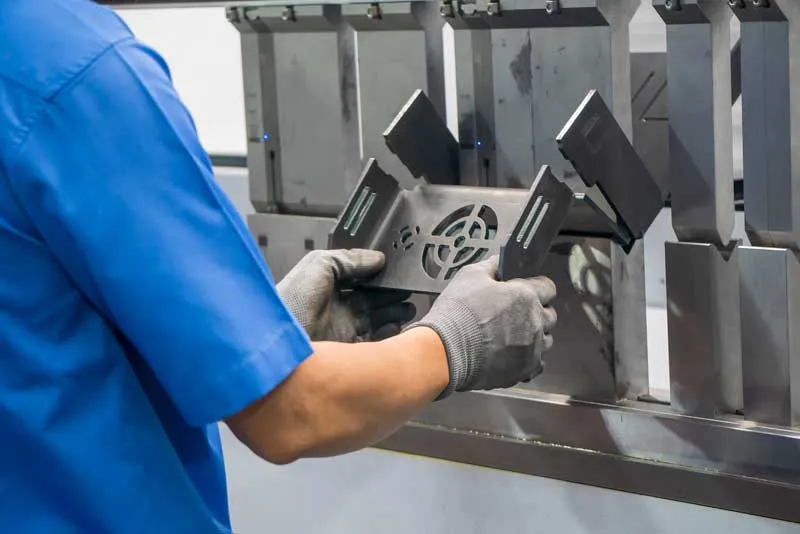
Sheet Metal Fabrication & Metal Parts Assembly
When you need to join thin steel sheets, stamped parts, bent parts, or metal brackets, Steel Blind Rivets can provide stable one-side riveting performance. Compared with standard screws, steel blind rivets offer better fastening stability and resistance to loosening in metal sheet assembly. Compared with welding, they also help reduce heat deformation, making them suitable for mass sheet metal fabrication, equipment housings, cabinet frames, and industrial metal structure connections.
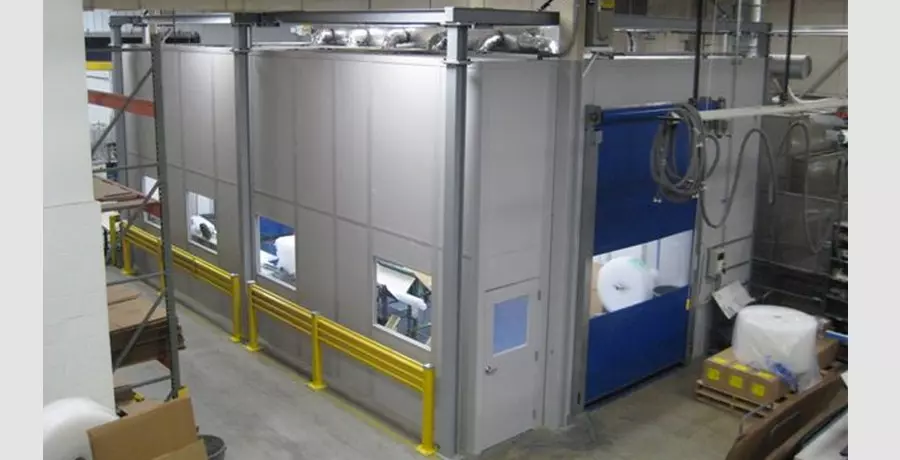
Machinery & Industrial Housings
For machinery housings, protective covers, support brackets, and internal fixing components, Steel Blind Rivets provide stronger and more stable fastening for metal assemblies. Their steel body offers higher tensile and shear strength than aluminum rivets, making them suitable for industrial equipment structures that need better load-bearing performance, vibration resistance, and long-term fastening reliability.
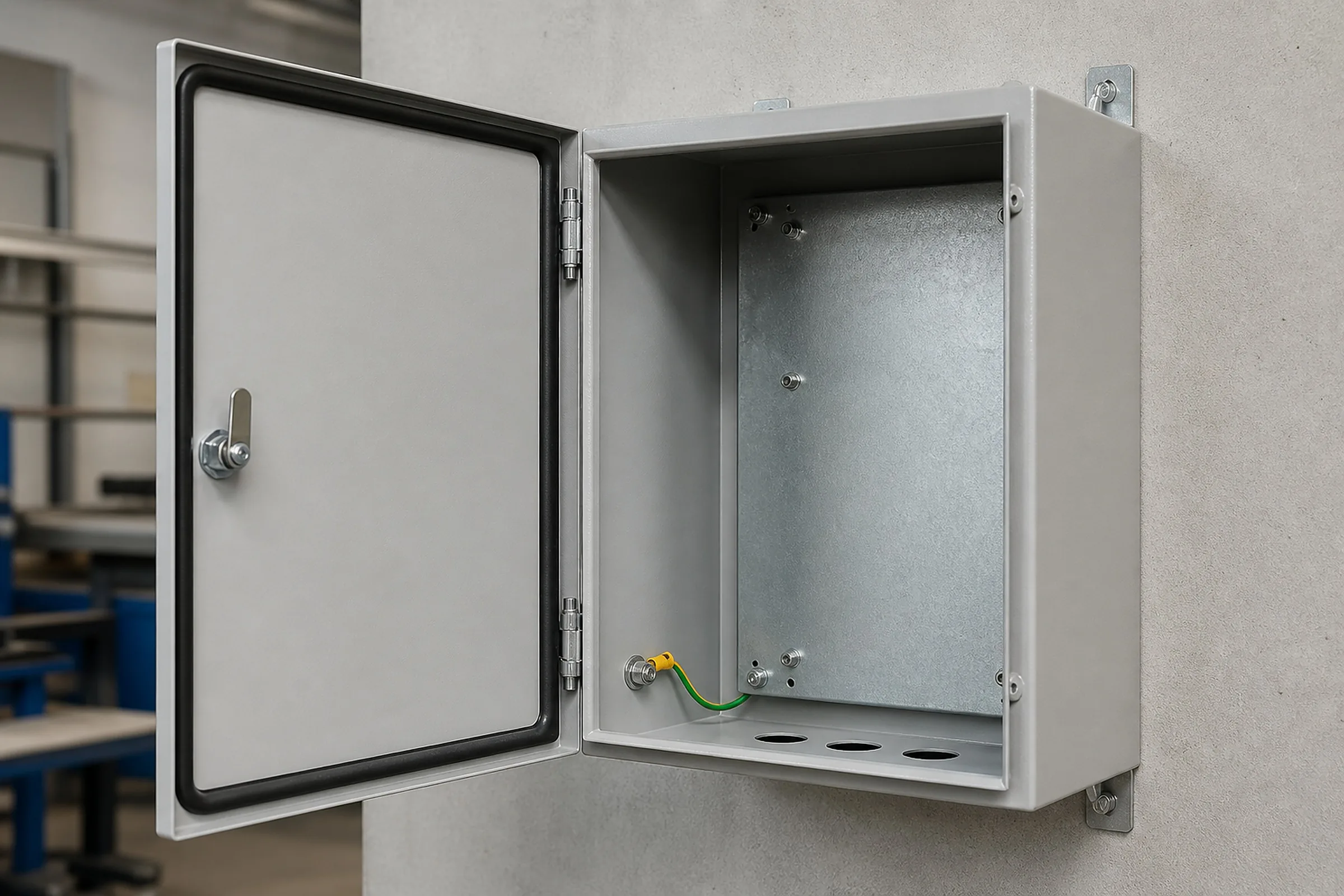
Metal Cabinets & Electrical Enclosures
If you manufacture steel control cabinets, electrical enclosures, distribution cabinets, or other metal equipment housings, Steel Blind Rivets provide a strong, reliable fastening solution for steel components. They are ideal for joining steel panels, frames, stiffeners, and door assemblies, helping improve assembly efficiency while ensuring durability and a clean, professional finish.

HVAC Ventilation & Air Conditioning Equipment
In ductwork, ventilation systems, HVAC housings, and steel frame assemblies, Steel Blind Rivets provide strong, secure fastening with fast and efficient installation. Their steel construction offers higher shear and tensile strength than aluminum rivets, making them ideal for steel-to-steel connections and demanding applications that require long-term durability, stability, and vibration resistance.
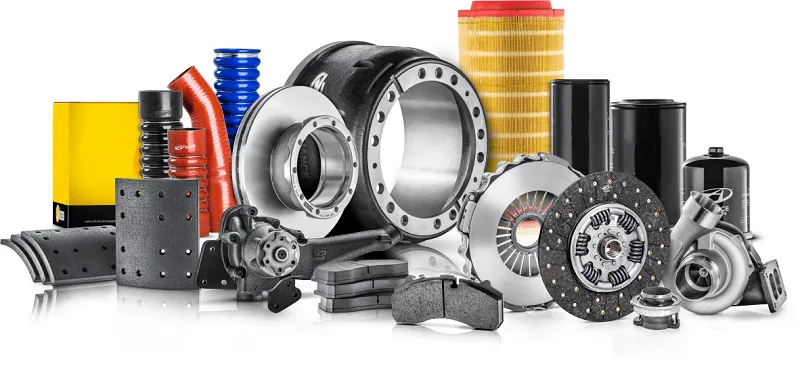
Automotive, Trailer & Vehicle Parts
When fastening steel body panels, trailer assemblies, mounting brackets, accessories, or other metal structural components, Steel Blind Rivets deliver higher strength, improved shear resistance, and consistent assembly quality. Their steel construction makes them well-suited for demanding applications where durability and reliable metal-to-metal fastening are essential. For critical load-bearing or safety-related structural joints, a dedicated structural rivet solution is recommended.
Get An Instant Quote Now
1.Can I use steel blind rivets for outdoor construction projects?
They can be used, but you should select the appropriate surface treatment and specifications based on the outdoor environment. Steel blind rivets can be used in outdoor construction projects, but if they will be exposed to rain, moisture, salt spray, or corrosive environments for extended periods, you should choose galvanized, Dacromet, nickel-plated, or other corrosion-resistant surface treatments to reduce the risk of rust.
When purchasing, it is also necessary to confirm the riveting range, hole diameter, tensile strength, shear strength and salt spray test requirements to ensure that the rivets meet the strength and durability requirements for outdoor construction.
2.How to select the right steel blind rivet for metal fabrication
When selecting a steel blind rivet suitable for metalworking, you first need to determine the total sheet thickness, the diameter of the pilot hole, the materials to be joined, and the required joint strength. The rivet’s diameter and length must match the actual riveting area.
For typical indoor applications, galvanized steel pop rivets are generally the more cost-effective option; for outdoor environments, you should choose a surface treatment with a higher corrosion resistance rating or consider stainless steel pop rivets. If your project involves vibration, heavy loads, or structural connections, you should also pay close attention to tensile strength, shear strength, and rivet type.
3.What certifications should I look for when purchasing steel blind rivets for structural applications?
When purchasing steel blind rivets for structural fastening, you should focus on the manufacturer’s qualifications, product standards, and performance test reports. Common certifications to verify include the ISO 9001 Quality Management System and the IATF 16949 Automotive Quality Management System. You should also review material certificates, dimensional inspection reports, tensile strength test reports, shear strength test reports, and salt spray test reports.
4.What materials are compatible with steel blind rivets?
Steel blind rivets are typically used to join carbon steel sheets, galvanized steel sheets, stainless steel sheets, and aluminum sheets, as well as certain metal enclosures, sheet metal components, and structural parts of equipment. They are most commonly used with steel materials such as carbon steel and galvanized steel, offering superior joint strength and assembly stability.
If you plan to use steel pop rivets for joining aluminum sheets, stainless steel sheets, or combinations of different metals, you should be mindful of electrochemical corrosion, surface treatments, and the operating environment.
5.What types of finishes are available for steel blind rivets?
When working with fiberglass materials, we recommend using aluminum peel-type blind rivets. The wide-flange type is particularly suitable. After riveting, the rivet shank splits and spreads out like petals, distributing the tensile force over a larger contact area on the back side. This effectively reduces the risk of the fiberglass panel cracking, being crushed, or being torn through.
Steel Blind Rivet Manufacturer
By watching our real-world test videos, you can gain a clearer understanding of the production process, installation methods, and actual riveting performance of Steel Blind Rivets. From steel rivet body forming and mandrel assembly to dimensional inspection, riveting tests, tensile strength testing, and shear strength testing, we help you determine whether the product is suitable for your metal fastening project.
Steel Mono-Lock rivet Mandrel testing
Steel Mono-Lock rivet Riveting test
Steel Mono-Lock rivet Thickness test
Resource Center
Access helpful materials to support your project planning and product selection. Download documents for reference and on-site use.
Rivet Catalog
Browse our full blind rivet catalog including product types, specifications, and application examples.I am Trailer Box Description Text. You can change me anytime from settings.
Steel Blind Rivet Drawing
Download the technical drawings for the rivets, which include dimensions, internal structure, and basic product information
What Are Steel Blind Rivets?
Steel Blind Rivets are blind rivets made with a steel rivet body, steel mandrel, or steel-based structure. They are suitable for one-side fastening of metal sheets, equipment housings, machinery parts, and industrial structural components. When you cannot access the back side of the workpiece, steel blind rivets can be installed quickly with a rivet tool, helping you improve assembly efficiency and fastening stability.
How Do You Choose the Right Size?
When selecting Steel Blind Rivets, you need to confirm the total material thickness, hole diameter, grip range, rivet diameter, and rivet length. If the rivet is too short, the clamping effect may be insufficient. If the rivet is too long, the blind-side formation may become unstable. The correct size helps you achieve a more stable riveting result and reduce rework during assembly.
Differences between stainless steel blind rivets and standard steel blind rivets?
| Comparison Item | Stainless Steel Blind Rivets | Standard Steel Blind Rivets |
|---|---|---|
| Main Material | Usually 304 or 316 stainless steel | Usually carbon steel or low-carbon steel |
| Corrosion Resistance | Strong corrosion resistance, suitable for humid, outdoor, and marine environments | Relies on zinc plating, nickel plating, or other surface treatments; corrosion resistance is relatively limited |
| Strength Performance | High strength and good durability | High strength, suitable for general metal fastening |
| Application Environment | Outdoor equipment, marine applications, chemical equipment, food equipment, and humid environments | Sheet metal, cabinets, machinery, HVAC, and general industrial assembly |
| Cost | Higher cost | Lower cost, suitable for bulk purchasing |
| Appearance Stability | Less likely to rust during long-term use, with better appearance retention | May rust if the surface coating is damaged |
| Processing & Installation | Harder material, requiring higher performance from riveting tools | Easier to install and compatible with standard riveting tools |
| Suitable Customers | Customers requiring corrosion resistance, long service life, and environmental stability | Customers focusing on strength, cost control, and stable bulk supply |
| Purchasing Suggestion | Suitable for demanding projects or harsh environments | Suitable for general industrial assembly and cost-sensitive projects |