Rivets for Rooftop Solar Systems
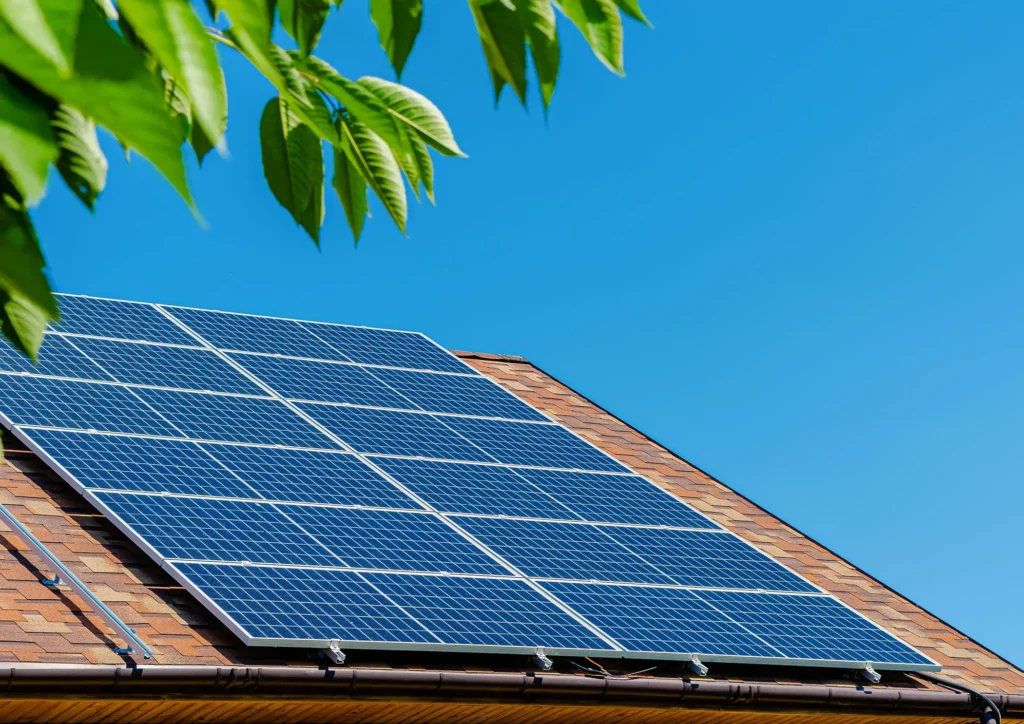
Replacing bolts with hollow rivets enables a rooftop solar solution that offers faster installation, more stable connections, and lower overall costs.
Applications
Why Rivets Solve Rooftop Solar Installation Problems Better Than Bolts
In rooftop solar systems, the issues associated with traditional bolted connections can directly impact project timelines, structural safety, and overall costs. You need a more efficient and reliable solution.
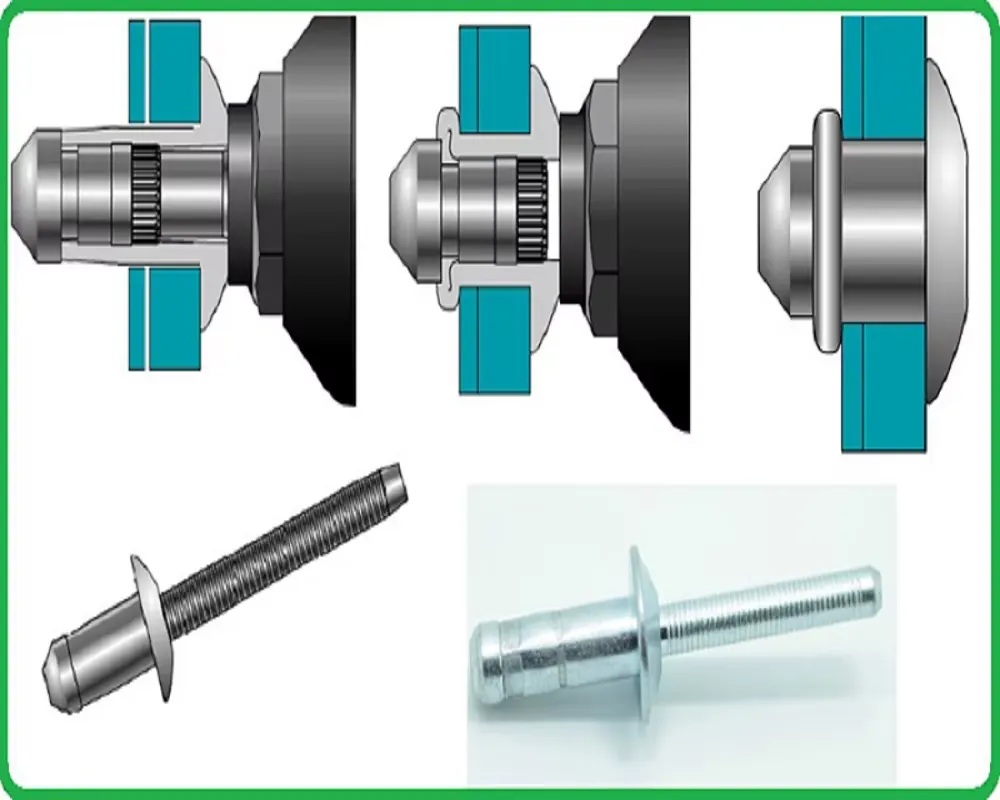
Bolt Loosening → Mechanical Locking of Rivets
Bolts rely on pre-tension, which can gradually loosen under wind loads and temperature fluctuations, increasing structural risks. Pop rivets form a permanent connection through mechanical locking, eliminating any path for loosening and ensuring long-term stability.
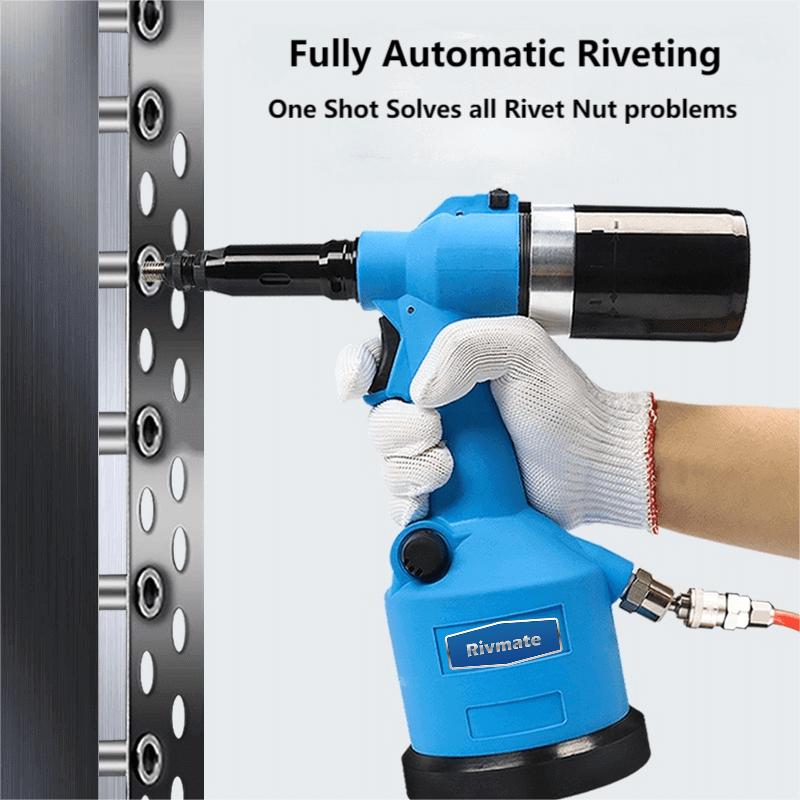
Slow Installation → Single-Side Installation
Bolts require two-sided operation and involve complex installation steps. Blind rivets support single-side installation, requiring no access space from the back. Installation time per point can be reduced to 1–2 seconds, significantly improving construction efficiency.
High Costs → Improve Efficiency and Reduce Total Costs
Bolt connections increase labor time and maintenance costs. By reducing installation time and offering maintenance-free operation, blind rivets help you cut labor costs by over 30%, optimizing overall project profitability.
Rivet Applications
Roof Rail Connection
A rail connection refers to the connection between the mounting rails and the roof structure in a rooftop photovoltaic system. The rails are responsible for supporting the weight of the modules and distributing wind loads across the roof structure. Using pop rivets at this location creates a stable anchor point, preventing gaps in the rails caused by bolt loosening, which could compromise the overall structural rigidity and system safety.
Structural or multi-grip range rivets ensure even force distribution while improving installation efficiency, making them suitable for large-scale rooftop projects.
Bracket connections are used to secure the mounting rails to the roof surface or structural support points, serving as a critical interface between the roof and the PV system. This location typically involves combinations of different materials and variations in thickness, requiring a high degree of connection reliability.
The use of pop rivets reduces installation steps, enables single-sided installation, and ensures a secure connection through stable clamping force, thereby simplifying construction and improving overall installation efficiency.
Roof Bracket Connection
Sheet Metal Fixing
For connections on metal roofs or thin-sheet structures, the focus is on preventing pull-out and water ingress. The roof system must remain stable under long-term wind loads and environmental changes while avoiding damage to the roof seal.
You can use sealed or peel rivets to increase the contact area, prevent material deformation, and reduce the risk of water ingress through the sealed structure, ensuring the system operates reliably over the long term in outdoor environments.
| Comparison Criteria | Blind Rivets | Bolts |
|---|---|---|
| Installation Method | Single-sided installation; no rear access required | Double-sided operation; requires alignment and nuts |
| Installation Speed | 1–2 seconds per point, up to 15 per minute | 6–10 seconds per point, complex procedure |
| Vibration Resistance | Will not loosen; mechanically locked structure | Preload decreases under vibration; risk of loosening |
| Maintenance Requirements | Permanent connection; no maintenance required | Requires periodic inspection and retightening |
Rivets vs Bolts in Rooftop Solar Systems
In rooftop solar systems, blind rivets offer faster, more secure installation and lower maintenance costs than bolts, making them ideal for large-scale installations.
- Rivets feature a hole-filling + interference fit, providing higher connection rigidity and directly bearing shear loads
- Bolts rely on preload; once loosened, the structure immediately loses stability
- Rivets do not rotate or loosen in vibrating environments—this is a structural advantage, not merely a parameter advantage
Blind rivets can increase installation efficiency by over 50%. In projects like rooftop solar, which involve a massive number of connection points, this efficiency gain translates to savings of hundreds of man-hours, directly shortening the construction timeline and reducing labor costs. Additionally, rivets support single-sided installation, eliminating the need for access from the back. This makes construction easier in space-constrained and hard-to-reach environments like rooftops, improving on-site work efficiency.
It is important to note that rivets form a permanent connection and will not loosen during use, unlike bolts. Therefore, they require no post-installation inspections or retightening, significantly reducing maintenance costs and operational risks over the 20-year lifespan of a PV project.

Need the Right Rivet Solution for Your Rooftop Solar Project?
Get the exact rivet type for your application and reduce installation time, cost, and risk.
Recommended Rivets
RIVMATE Riveting Solutions for Rooftop Solar Systems
For rooftop photovoltaic systems, you should select from these four types—Mono-Lock, Multi-Grip, Sealed Rivet, and Structural Rivet—to cover the main application scenarios and ensure structural reliability and installation efficiency.
Solution 1 — Mono-Lock Blind Rivet
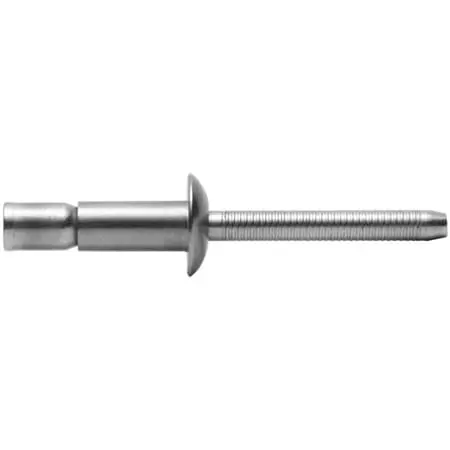
Designed for roof rail and critical structural connections, this rivet serves as the primary load-bearing path. The locking core provides a secure, vibration-resistant seal that remains tight under wind loads and temperature fluctuations. It ensures stable, long-term connection performance while preventing structural gaps and the risk of failure.
Solution 2 — Multi-Grip Blind Rivet
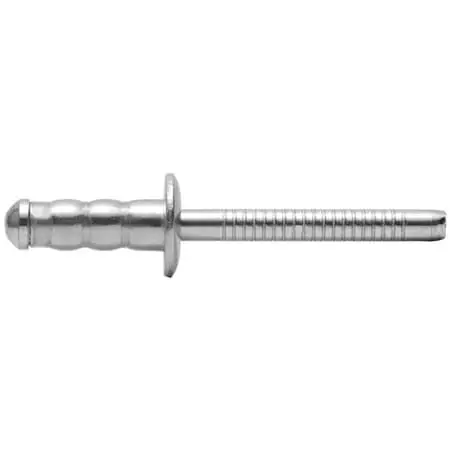
Used for roof bracket connections and multi-layer material assemblies. It covers a wider clamping range and accommodates various thickness combinations. You won’t need to frequently change specifications, simplifying selection while reducing inventory pressure.
Solution 3 — Sealed Blind Rivet
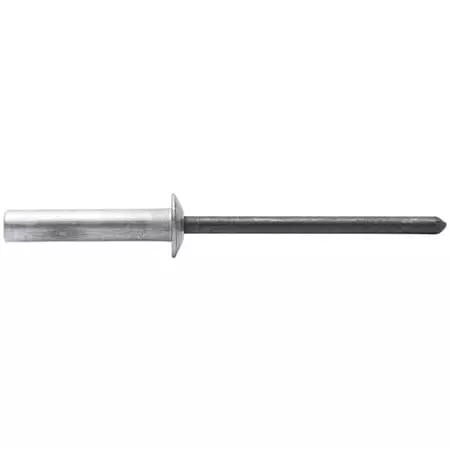
Used for sheet metal and roofing connections in areas with high waterproofing requirements. The sealed design prevents moisture penetration, protecting the roof from damage. You can achieve a reliable seal in outdoor environments, reducing the risk of leaks.
Solution 4 — Structural Blind Rivet
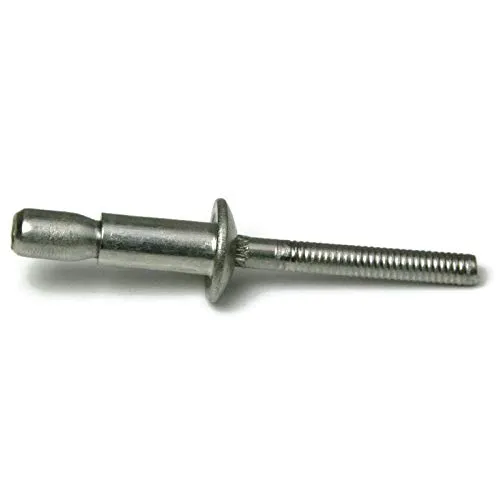
Designed for high-load connections, such as primary structural joints and load-bearing locations. Featuring high shear and tensile strength, it can withstand dynamic loads. You can achieve higher safety margins at critical structural points, ensuring the long-term stable operation of the system.
OEM
Custom Rivet Solutions
Custom
Flange Diameter
You can request a larger or special flange size to better distribute load on composite panels.
02
Special
Surface Coatings
You can choose coatings for corrosion resistance, durability, or specific environmental conditions.
03
OEM &
Private Label Packaging
You can customize packaging with your brand, labels, and carton specifications for your market.
Need Help With Your Solar Project?
Rooftop Solar Rivet FAQ for Solar Panel Frames
Q1. What type of rivet is best for rooftop solar systems?
You should use structural or sealed blind rivets directly, as rooftop solar systems require both high strength and waterproofing. Structural rivets offer high shear and tensile strength, while sealing rivets prevent water ingress—a combination that is essential for rooftop applications.
Q2. Are blind rivets strong enough for rooftop solar structures?
Absolutely. Structural rivets are specifically designed for high loads and are even more durable than screw-based connections. Riveted structures can fully utilize the full shank diameter for shear resistance, and their effective load-bearing area is not compromised by threading. In engineering tests, their shear load-bearing capacity can reach 2–3 times that of standard screw connections of the same specification. This is why riveted connections are more stable and reliable in rooftop solar applications, where lateral forces—primarily wind loads—are the dominant stress scenario.
Q3. Do rivets loosen under vibration in solar systems?
No, rivets are inherently vibration-resistant connections. Blind rivets form a permanent clamping structure that will not loosen under wind loads, which is the core reason they are used as a replacement for bolts.
Q4. Are rivets waterproof for rooftop installation?
Yes, sealed rivets provide a waterproof connection. Sealed rivets block the path of moisture and maintain waterproofing even without additional seals.
Q5. How to choose the right rivet size for rooftop solar?
You must select a rivet with a clamping range that matches the total material thickness; otherwise, the connection will fail. The specific approach is: First, calculate the total thickness of all layered materials (e.g., roof panel + mounting bracket + rail), then select a rivet with a clamping range that precisely covers this thickness range, and try to position the total thickness in the middle of the range rather than at the boundaries.
The clamping range determines whether the rivet can deform sufficiently to generate effective clamping force. If the total thickness is below the range, the rivet will not clamp tightly; if it is above the range, the rivet will not form correctly, ultimately leading to loosening or installation failure.
Q6. Why are rivets faster than bolts in solar installation?
Because rivets can be installed from one side, directly reducing the number of installation steps by more than half. Blind rivets require no nuts or back-side operations, significantly improving installation efficiency and making them ideal for rooftop environments.
Q7. What material is best for solar rivets on rooftops?
You should prioritize stainless steel or aluminum to ensure corrosion resistance and long-term stability. Since rooftops are constantly exposed to rain and UV radiation, the choice of material directly determines the service life.
Q8. Can rivets replace bolts in rooftop solar systems?
Yes, and this is the preferred solution.
① Blind rivets take only 1–2 seconds per point to install, whereas bolts typically require 6–10 seconds per point, resulting in a 50%+ increase in installation efficiency and saving hundreds of man-hours on large-scale rooftop projects;
② In terms of vibration resistance, rivets form a permanent connection through a mechanical locking mechanism that does not rely on preload. They will not loosen under wind loads or thermal cycling, whereas bolts carry the risk of preload loss;
③ Additionally, rivets are maintenance-free connections that require no retightening or inspection over the 20-year lifespan of a PV project, whereas bolts require periodic maintenance. These three factors directly determine the comprehensive advantages of rivets in terms of efficiency, reliability, and total cost.