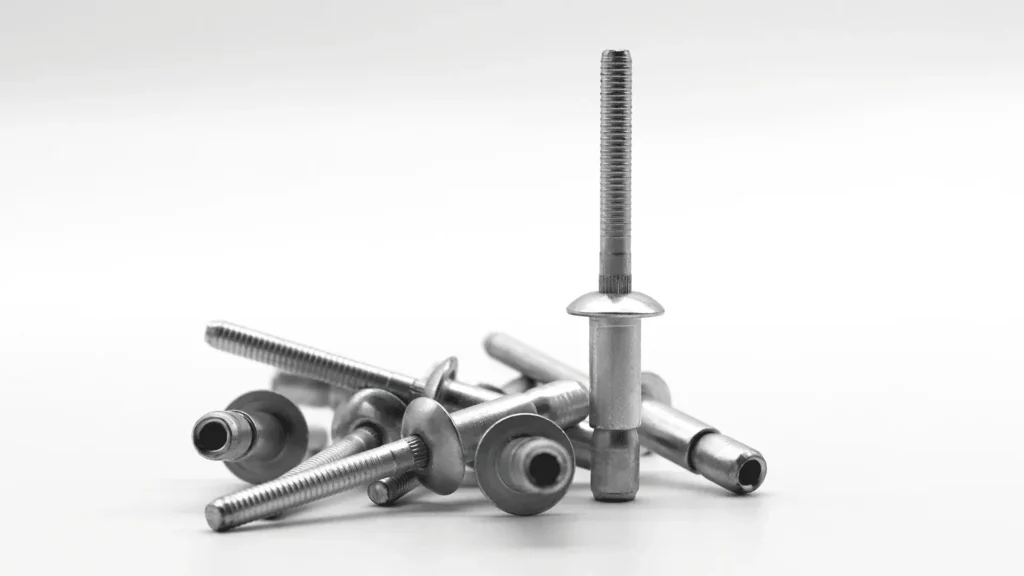
Composite Blind Rivets for FRP & Composite Panels
Riveting Solutions for Fiberglass & Composite Structures
Unlocking Structural Integrity, Durability, and Precision: Achieve Reliable Fastening in Composite Panels and FRP Structures with Our Advanced Composite Blind Rivets – Your Trusted Partner for High-Performance Riveting Solutions.
Understanding Composite Blind Rivets
Composite Blind Rivets represent a fastening solution specifically engineered for composite materials such as FRP, fibreglass panels, and composite structures. By optimising the flange dimensions and rear expansion structure, they achieve more uniform load distribution. This ensures connection strength while minimising damage to the composite surface layer.
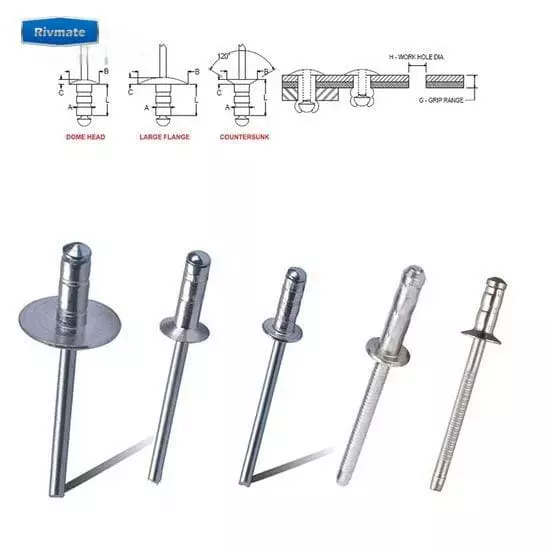
Large Flange Blind Rivets
Peel Blind Rivets
Tri-Fold Blind Rivets
Bulb-Tite Blind Rivets
Differences
How do they differ from standard blind rivets?
- Larger flange or bearing surface to reduce pressure per unit area
- Optimised backside expansion profile creating a more stable support surface
- More controllable clamping force, minimising compressive damage to composite fibre layers
- Better suited for FRP and composite structural connections
Best Types
Which Composite Blind Rivet Type Is Most Recommended?
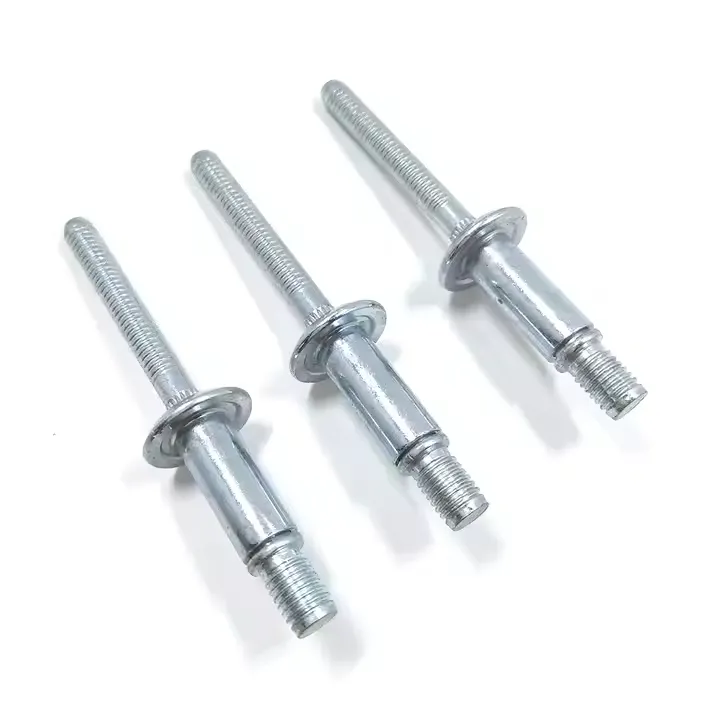
For composite material (FRP/composite panels) connections, we most highly recommend the use of HuckLok® Structural Blind Rivets. Classified as a bulbing structural rivet, it creates a large-area support footprint at the blind end, significantly reducing interlaminar stress within the composite material. This represents a highly reliable solution currently employed in engineering applications.
Specifications
Key Performance Specifications of HuckLok Rivets
for Composite Panel Applications
| Parameter | Typical Value (Example HKLP-R8-7) |
|---|---|
| Rivet Diameter | 1/4 in (6.4 mm) |
| Grip Range | 0.187 – 0.437 in |
| Shear Strength | 3500 lbf (≈15.6 kN) |
| Tensile Strength | 1900 lbf (≈8.45 kN) |
| Blind-side footprint | Large bulbing footprint |
| Locking mechanism | Double mechanical locking |
From an engineering perspective, HuckLok’s structural design precisely addresses the three core issues of composite panels:
① Pull-through prevention: The blind-end bulbing structure creates a large support surface, effectively distributing loads.
② Reduced interlaminar shear stress: Load distribution across a larger area minimises interlaminar shear stress within the composite material.
③ Structural locking: HuckLok employs double-locking mechanical retention, ensuring the mandrel remains securely locked within the rivet body.
Why HuckLok is Suited for Composite Panels
1️⃣ Large blind-side footprint
The bulb structure creates a substantial bearing surface on the reverse side, preventing localised damage to the composite laminate.
2️⃣ Double-locking structural joint
The mandrel is mechanically locked within the rivet, ensuring long-term structural integrity.
3️⃣ Wide grip range
The composite material exhibits significant thickness variation (panel + core + skin), and the wide clamping range reduces the number of SKUs required.
4️⃣ High shear strength structural joint
Structural-grade blind rivets can withstand high shear loads, making them suitable for lightweight structural components.
APPLICATIONS
Applications of Open End Blind Rivets
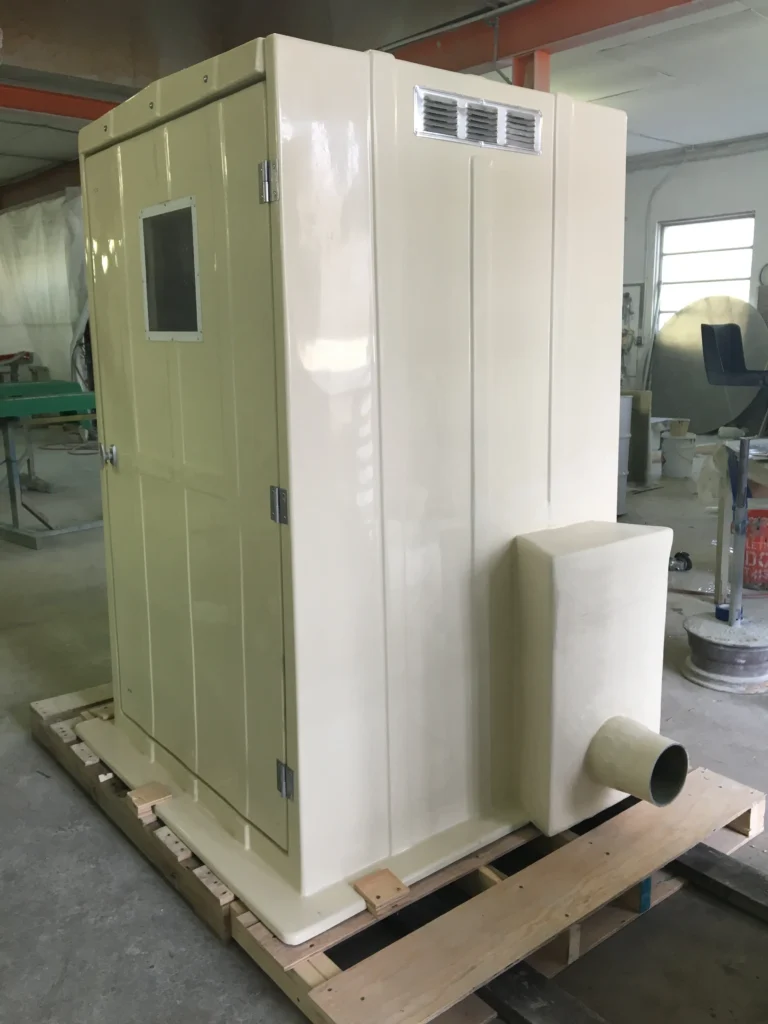
Equipment Enclosures
Industrial control boxes, electrical housings, and machinery covers made from FRP or composite panels.

Marine Composite Structures
Boat hull components, deck panels, and fiberglass structural parts exposed to moisture and vibration.
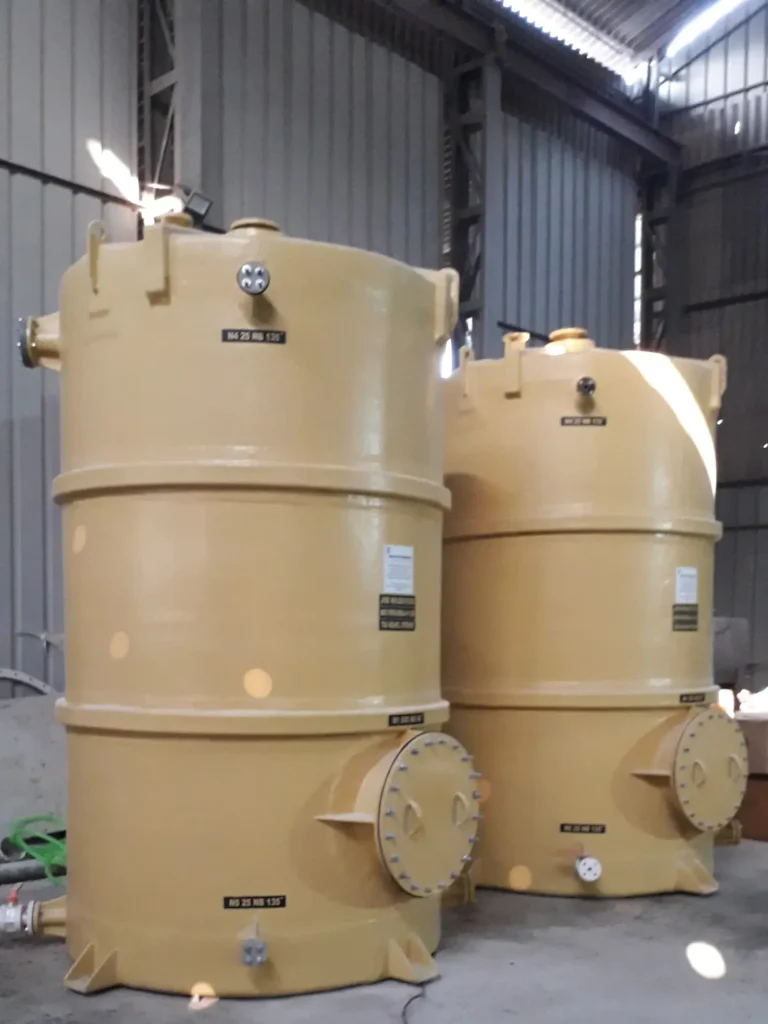
FRP Storage Tanks
Composite tanks and chemical storage systems where corrosion resistance and structural reliability are critical.
Ready to Source High-Performance Composite Blind Rivets for Your Project?
Just tell us your composite panel materials, thickness, and load requirements. Our engineering team will recommend the most suitable Composite Blind Rivet solution and provide factory pricing tailored to your application.
Solutions Partner
Rivmate Partner
10+
Years Manufacturing Experience
Focused on blind rivets and fastening systems with deep engineering know-how and stable global supply.
100+
Automatic Production Machines
High-efficiency cold heading and thread rolling lines ensure consistent quality and large-scale production.
1 Billion+
Rivets Annual Capacity
Reliable bulk supply for distributors, OEM manufacturers, and large industrial projects.
60+
Countries Global Export Network
Trusted by industrial customers and fastener distributors worldwide.
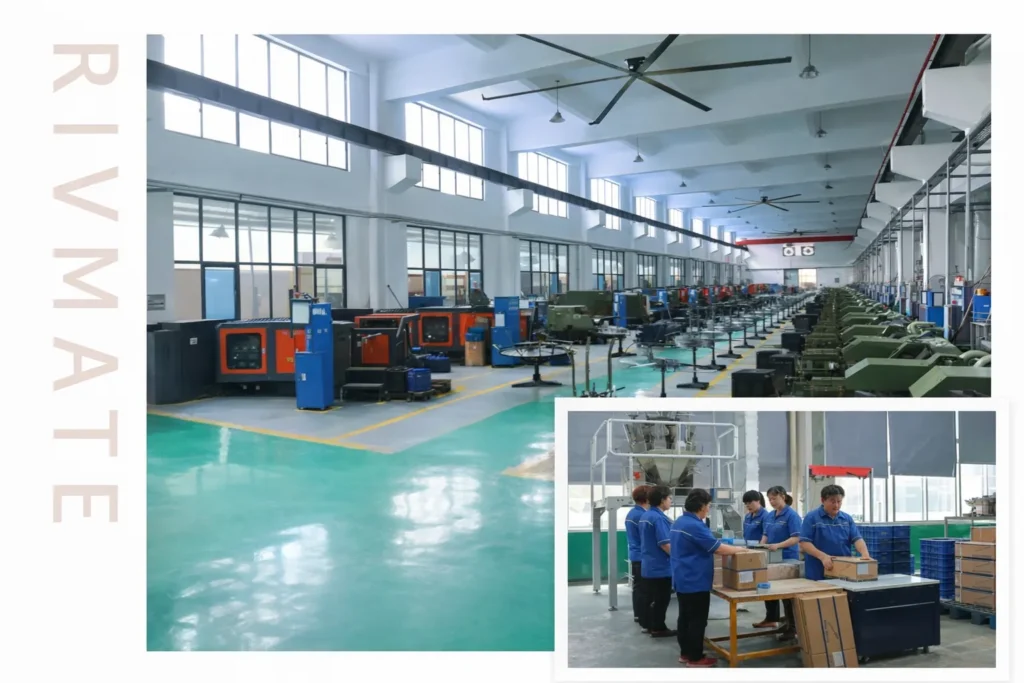
30,000 ㎡
Modern Manufacturing Facility
Integrated production, quality control, and packaging under one roof.
24H
Fast Quotation Response
Professional sales and engineering team ready to support your projects quickly.
GET TO KNOW US
Rivmate: Manufacturing Capability
IATF 16949 Quality Management System: Automotive-grade quality control · Process traceability · Standardized production
Precision Cold Heading Technology: High-accuracy forming · Stable rivet geometry · Consistent mechanical properties
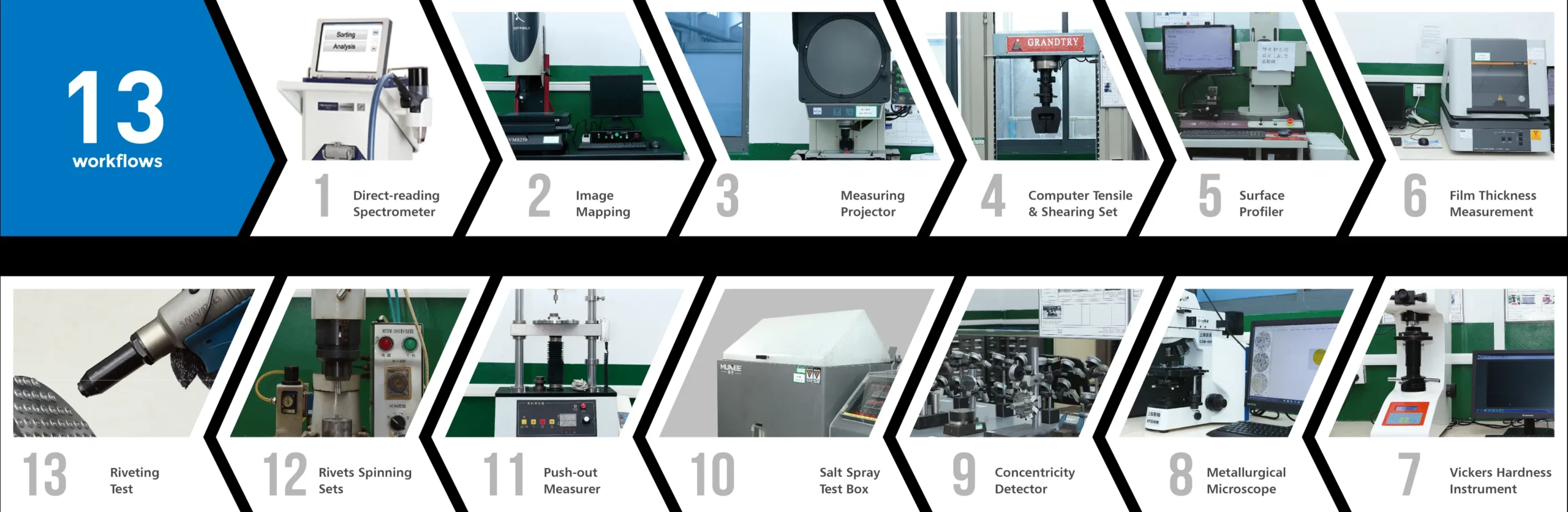
Comprehensive Rivet Testing: Shear strength test · Tensile test · Mandrel break load verification
Industrial Supply Stability: Reliable raw materials · Stable lead times · Consistent batch quality

Have any questions? Feel Free to Give Us A Call!
+86 189 6230 4392
OEM
Custom Rivet Solutions
Custom
Flange Diameter
You can request a larger or special flange size to better distribute load on composite panels.
02
Special
Surface Coatings
You can choose coatings for corrosion resistance, durability, or specific environmental conditions.
03
OEM &
Private Label Packaging
You can customize packaging with your brand, labels, and carton specifications for your market.
Frequently Asked Question
FAQ About Composite Panel Riveting
Q1: What rivet is best for fibreglass panels?
For fiberglass or FRP panels, large flange blind rivets or expansion-type structural blind rivets are the best choice. These rivets provide a larger bearing surface after installation, distributing loads more evenly across the composite surface and thereby reducing localised stress concentrations. As FRP is a laminated composite material with relatively low tensile strength, using rivets with smaller flanges may lead to material tearing or localised damage. The larger flange or bulbous structure effectively mitigates this risk while reducing interlaminar shear stresses within the composite, thereby lowering the likelihood of delamination.
In engineering practice, it is recommended that the diameter of the rivet flange be at least 1.5–2 times the diameter of the rivet shank. This further enhances connection stability and reduces the risk of damage to the FRP material.
Q2: Can blind rivets crack composite materials?
If rivets are incorrectly selected or installed, blind rivets may indeed cause cracking or damage to composite materials.
For instance, if the rivet flange is too small, resulting in insufficient load-bearing area, localised stress concentration may occur on the FRP surface; excessive tension during installation may also cause compression damage to the laminate structure. Furthermore, overly tight drill hole dimensions, rough hole walls, or inherently thin composite material thicknesses may all increase the risk of material cracking.
To mitigate these issues, engineering practice typically employs large flange rivets or composite rivets specifically designed for composite materials, which provide a larger bearing surface area. Concurrently, the installation load must be controlled during fitting to avoid excessive clamping forces, while ensuring drill edges are smooth and hole dimensions are appropriate. Provided these fundamental principles are followed in selection and installation, blind rivets represent a stable and reliable solution for joining composite structures.
Q3: How to prevent delamination in FRP panels?
In the joint structures of FRP (fibre-reinforced polymer) panels, delamination is a relatively common form of damage. It is typically caused by excessive localised loading or stress concentration.
To mitigate this risk, several straightforward yet effective engineering measures are commonly employed. Firstly, the use of wide-flange rivets can create a larger bearing surface at the blind end, distributing loads more evenly and thereby reducing localised stress on the composite laminate. For thinner FRP panels, many engineers also incorporate backing washers or backing plates on the reverse side to minimise the risk of material tearing or delamination.
Furthermore, careful control of installation load during fitting is essential to prevent excessive clamping forces from causing compression damage to the composite material. Drill hole dimensions are also critical; it is recommended that the hole diameter be approximately 0.1–0.2 mm larger than the rivet diameter. This ensures smooth installation while minimising stress concentration within the material.
Q4: Rivet vs bolt in composite structures?
Rivets are more suitable for thin-walled structures, such as composite panels or lightweight structural components, as riveting can reduce localised stress concentrations in the material while maintaining connection strength. Furthermore, riveted joints resist loosening, offering excellent stability in vibratory environments. In contrast, bolts are better suited for structural connections subjected to higher loads, particularly where greater clamping force or a detachable connection is required.
Moreover, blind rivets offer distinct advantages through their capability for single-sided installation (blind installation). Within enclosed structures or assembly environments accessible only from one side—such as composite boxes or internal connections within sandwich structures—blind rivets significantly enhance installation efficiency and simplify the assembly process.
Q5: Are stainless rivets required for marine composites?
In marine environments, it is recommended to use stainless steel rivets or sealed rivets within composite structures. This is due to the high salinity of marine environments, which presents a significant risk of corrosion.
Should conventional aluminium rivets be employed, galvanic corrosion may occur between them and other metallic materials, thereby compromising the structure’s long-term reliability.
In engineering practice, common choices include A2 or A4 stainless steel rivets, alongside sealed stainless blind rivets, to enhance the stability and durability of marine composite structures during prolonged service.
Q6: What hole size should be used for composite rivets?
When installing rivets in composite materials (such as FRP, GFRP or carbon fibre laminates), hole diameter control is critical. Compared to metallic materials, composites are more sensitive to localised stresses. It is recommended that the hole diameter equals the rivet diameter plus 0.1–0.2 mm.
| Rivet Diameter | Recommended Hole Size | Typical Application |
|---|---|---|
| 3.2 mm | 3.3 – 3.4 mm | Thin composite panels |
| 4.0 mm | 4.1 – 4.2 mm | Light structural connections |
| 4.8 mm | 4.9 – 5.0 mm | Standard FRP panel structures |
| 6.4 mm | 6.5 – 6.6 mm | Higher-strength structural connections |
It is recommended to use in conjunction with large flange blind rivets or peel rivets to increase the load-bearing surface area and provide further protection for the composite structure.
Q7. Should washers be used when riveting composite panels?
If the appropriate rivet type is selected, additional washers are unnecessary. Structures like large flange blind rivets or bulb tite rivets inherently provide a larger bearing surface, distributing loads more evenly across the composite surface. Therefore, in most composite panel applications, using the correct rivet type typically achieves a stable and reliable connection without requiring additional washers.
Reply within 12 Hours
Send us a message if you have any questions or request a quote. We will be back to you ASAP!