What Makes a Rivet Waterproof?
Whether a rivet is waterproof depends primarily on its ability to prevent water from penetrating through two specific areas: the central hole of the rivet and the gap between the rivet and the mounting hole.
Therefore, the key factor in determining whether a rivet is waterproof is not the material itself. But rather the structural design combined with the effectiveness of the seal after installation.
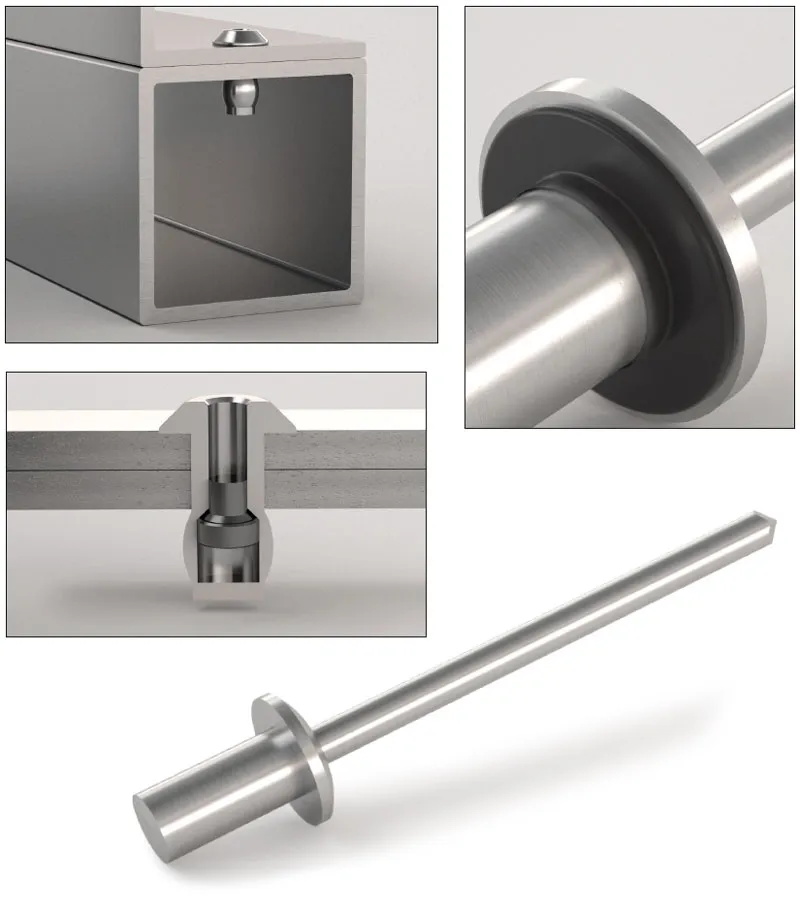
Closed End Blind Rivet
The most common waterproofing solution in the industry is the use of blind rivets.
Blind rivets have a sealed body with a closed end, and the rivet head is located inside the sealed cavity. When sheared, they do not create a through-hole. As a result, their sealing performance is significantly superior to that of standard open-end rivets.
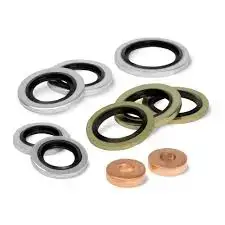
Sealing Washer / Seal Ring
High-grade waterproof rivets rely not only on their sealed construction but also incorporate sealing gaskets.
This helps seal the gap between the rivet head and the surface of the workpiece. This is a common design feature in many roofing systems, HVAC equipment, and outdoor equipment.
Hole Filling Capability
Because high-quality waterproof rivets have strong expansion capabilities and excellent hole-filling properties, they fully fill the gaps in the hole walls after installation, preventing water from seeping in from the outside.
Locking Structure
In high-grade waterproof rivets, many products are not only waterproof but also require shock resistance, resistance to loosening, and long-term sealing performance.
Products such as External Lock, Internal Lock, and Hemlok Rivets lock the mandrel inside the rivet body. This reduces clearance changes caused by vibration, thereby enhancing long-term sealing performance.
IP Rating
Genuine waterproof rivets typically come with specified waterproofing standards. Waterproof lantern rivets feature a built-in sealing design and a hole-filling structure, offering IPX4-rated water resistance.
To further verify the sealing and leak-proof performance of the waterproof lantern-type rivets, Rivmate subjected the products to a waterproof test involving a 1-meter water column for a duration of 30 minutes. The test results showed no water leakage for either set of samples within the specified timeframe, and both were deemed to have passed.
Click to view the full report:Bulb-Tite-Rivets-RIVMATE-Leak-Test-Report.

Types of Rivets and Their Waterproof Performance
Which blind rivets are waterproof? Which ones aren’t? What exactly is the difference in their waterproof performance? In this section, we’ll take a systematic look at these questions.
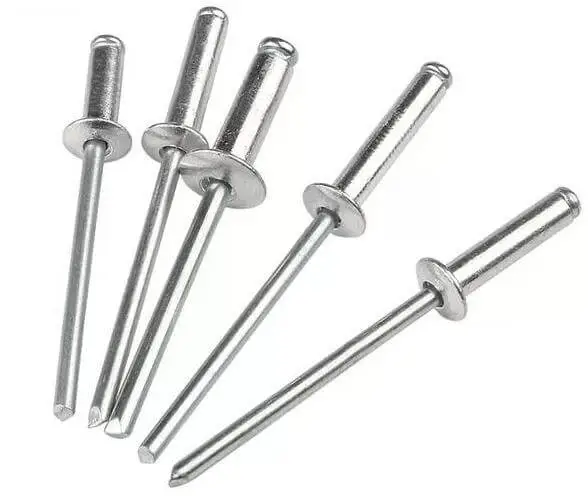
Open End Blind Rivet
Structure & Features
• Open end
• A central channel remains after the mandrel is broken off
• Lowest cost
Waterproofing rating: ★
The central hole inherently poses a risk of water leakage
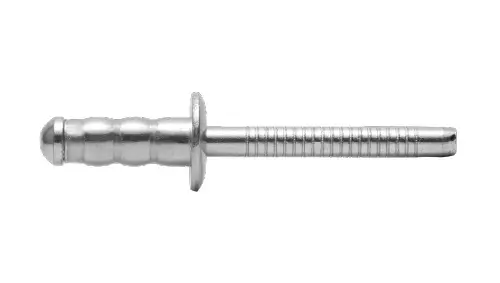
Multi-Grip Rivet
Structure & Features
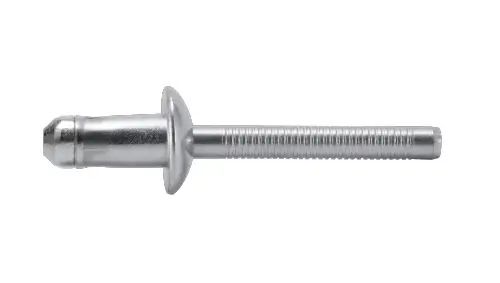
• The double-bulge rivet forms two bulges after installation
• Strong hole-filling capability
• Excellent compensation for out-of-tolerance holes
• Good vibration resistance
Waterproof Rating: ★★
Although the center hole remains, the bulge structure allows for more complete filling of the installation hole, reducing peripheral water infiltration pathways.
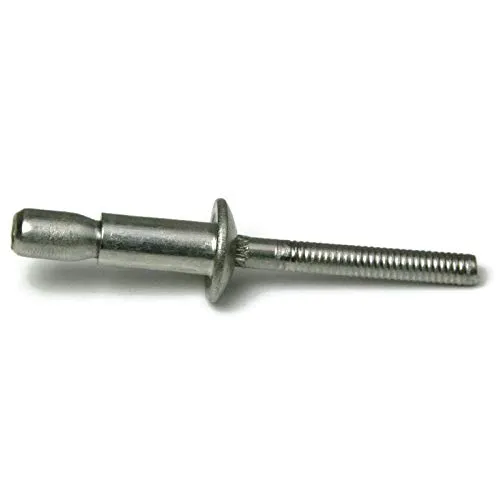
Structural Rivet
Structure & Features
• Secures tightly to the cup rim via a special locking hook mechanism. Provides shock resistance and waterproofing for the lock core.
Waterproof Rating: ★★★
Structural rivets offer superior hole-filling capability, ensuring the rivet core remains intact and preventing gaps from forming after vibration.
Closed End Blind Rivet
Construction & Features
• Fully sealed tail section
Waterproof rating: ★★★★
This level of waterproofing is sufficient for most industrial applications.

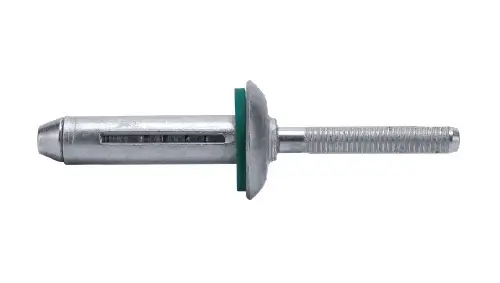
Waterproof Rivet
Construction & Features
• Special tail design
• Hole-filling design
• Sealing design
• O-ring structure
Waterproof Rating: ★★★★★
It features four layers of protection.
Rivet Type | Water Resistance | Applications |
★ | Indoor, general fastening | |
★★ | Vibration-prone environments, hole-filling applications | |
★★★ | Vehicles, equipment enclosures | |
★★★★ | HVAC, outdoor equipment | |
Waterproof Rivet | ★★★★★ | Roofing, solar panels, outdoor construction |
How to Make Riveted Joints Waterproof
To ensure that riveted joints are watertight, you cannot focus solely on the rivet itself. Instead, you must view it as a complete system:
The right waterproof rivet + the correct hole diameter + proper installation + necessary sealing material = a reliable watertight riveted joint.
1.Choose the Right Waterproof Rive
Different rivets have varying levels of water resistance. Select the appropriate rivet based on the application environment.
2. Controlling the Size of Mounting Holes
Even when using closed-end rivets, water may still enter the gap between the outer ring of the rivet and the hole wall.
Therefore, please note the following:
· Hole diameters should be machined according to the product specifications.
· Avoid elliptical holes, burrs, and oversized holes.
· Remove burrs after drilling.
· Misalignment of holes will reduce the fit and seal effectiveness.
3. Ensure that the rivet head is flush with the workpiece surface
If the rivet head is not pressed firmly against the sheet metal surface, water channels may form.
Common issues include:
· Uneven sheet metal surface
· Burrs around the hole edges
· Inappropriate rivet length
· Insufficient tool tension
· Mismatched nozzle
Therefore, proper surface preparation of the workpiece is essential when creating watertight joints.
4. Add sealing washers or sealant as needed
In applications with higher waterproofing requirements, the rivet structure alone may not be sufficient.
You can add sealing washers or sealant. The sealing washers create a 360° compression seal around the rivet head.
5. Select the correct grip range
Selecting the wrong grip range will directly affect the waterproofing performance.
· Rivets too short: Insufficient tail formation, resulting in inadequate clamping force
· Rivets too long: Unstable formation, which may cause loosening
· Sheet metal too thin: The flange cannot be pressed tightly, leading to an unstable seal
Waterproof connections require more than just “riveting them on.” The rivets must provide stable clamping and a reliable seal.
6. Ensure the installation tools are compatible
If the tools are not suitable, the following issues may occur:
· The rivet fails to break
· The rivet is not seated properly
· The O-ring is not compressed
· The rivet head is not fully formed
· The break point of the rivet shank is abnormal
All of these issues will affect the final waterproofing performance
7. Conduct actual testing rather than relying solely on ratings
In real-world projects, verify the following requirements:
· Whether IPX4, IPX7, or a higher rating is required
· Whether the product must withstand rain, rinsing, immersion, or water pressure
· Whether it will be exposed to salt fog, vibration, or thermal expansion and contraction
· Whether it will be used on rooftops, in HVAC systems, in vehicles, or in electrical enclosures
How to test rivet waterproof performance?
1. First, inspect the installation: Before conducting the formal waterproofing test, verify that the riveting meets the required standards.
2. Water spray or rain simulation test: This test more closely simulates everyday rainfall conditions, but it does not replicate submersion or high-pressure water environments.
3. Water pressure test: Apply a water column of a certain height to the outer side of the riveted area and maintain it for a period of time to test for leaks.
4. Immersion test: Immerse the riveted sample in water for a specified duration. After removal, inspect for water ingress inside.
5. IP waterproof rating test: IP ratings are based on actual test reports and cannot be determined solely by the appearance or name of the rivet.
Waterproof ≠ Airtight
First, it’s important to understand that waterproofing and airtightness are two completely different technical concepts.
Waterproof: Prevents liquid water from entering
Airtight: Prevents air, gases, and water vapor from passing through
Just because a riveted joint can keep rain out doesn’t mean it can prevent air leakage.
Why aren’t many waterproof rivets still airtight?
Our closed-end rivets offer excellent water resistance. However, after installation, there may still be extremely small gaps between the rivet and the hole wall.
These gaps are highly effective at preventing water from passing through. However, gases may still be able to pass through.
How to Achieve a Truly Airtight Riveted Joint?
Method 1: Sealant
Method 2: Sealing Washers
Method 3: Structural Adhesive + Rivets
Method 4: Dedicated Airtightness Testing
Applications of Waterproof Rivets in Industry
Metal Roofing Systems
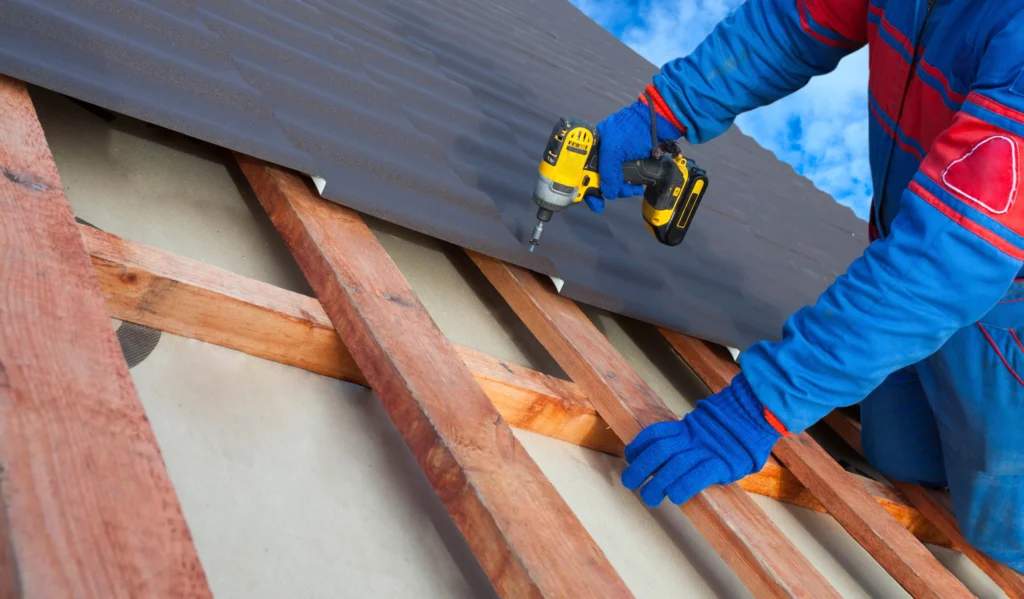
Environmental Conditions:
——Rainwater erosion
——UV exposure
——Thermal expansion and contraction
——Wind-induced vibration
Recommended Rivet: Waterproof Lantern Rivet
HVAC Equipment
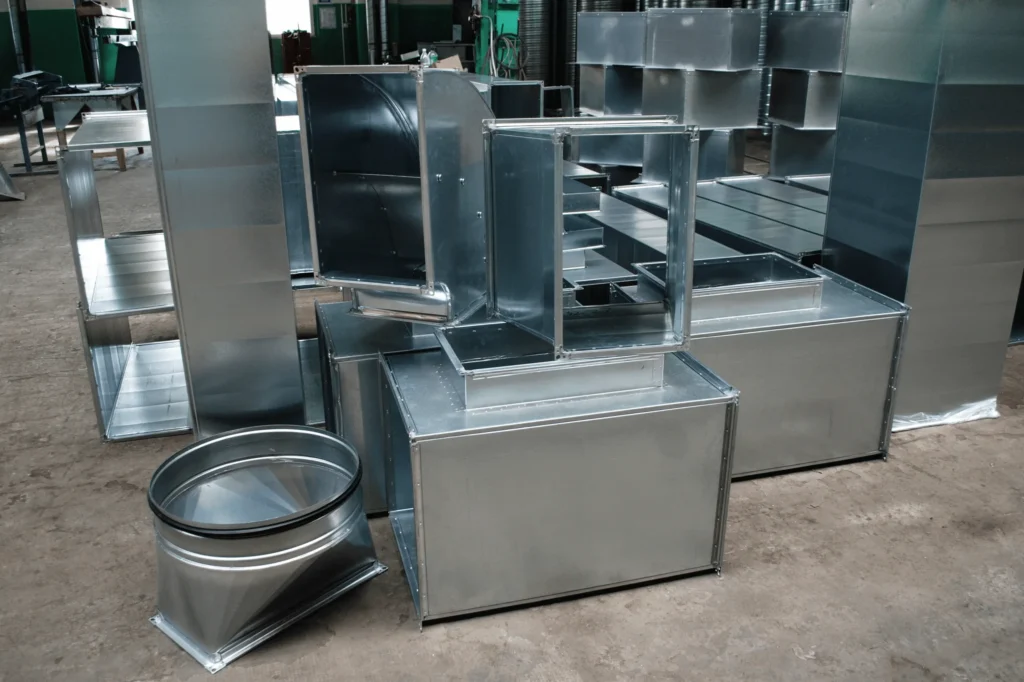
Environmental Conditions:
——Rainwater
——Condensation
——High humidity
Recommended Rivets: ABF (Aluminum-Stainless Steel Sealed Type) & BBF (All-Stainless Steel Sealed Type)
Solar Mounting Systems
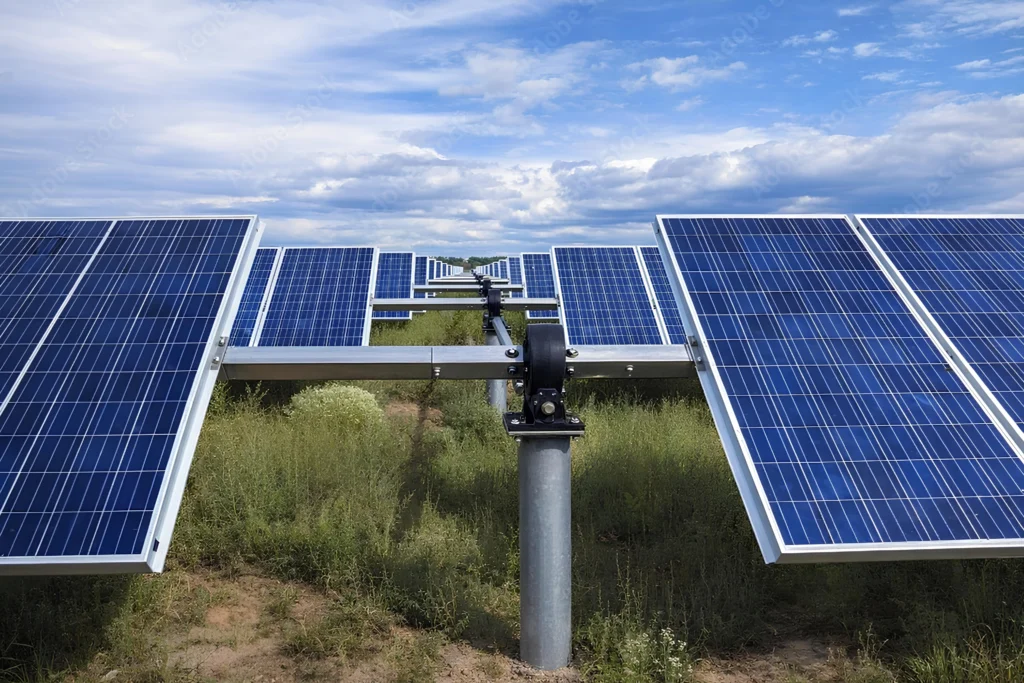
Environmental Conditions:
——Rain
——UV radiation
——Salt fog
——Wind vibration
Recommended Rivets: BBF (All-Stainless Steel Closed-Head) & BBMG (All-Stainless Steel Double-Drum)
Electrical Enclosures
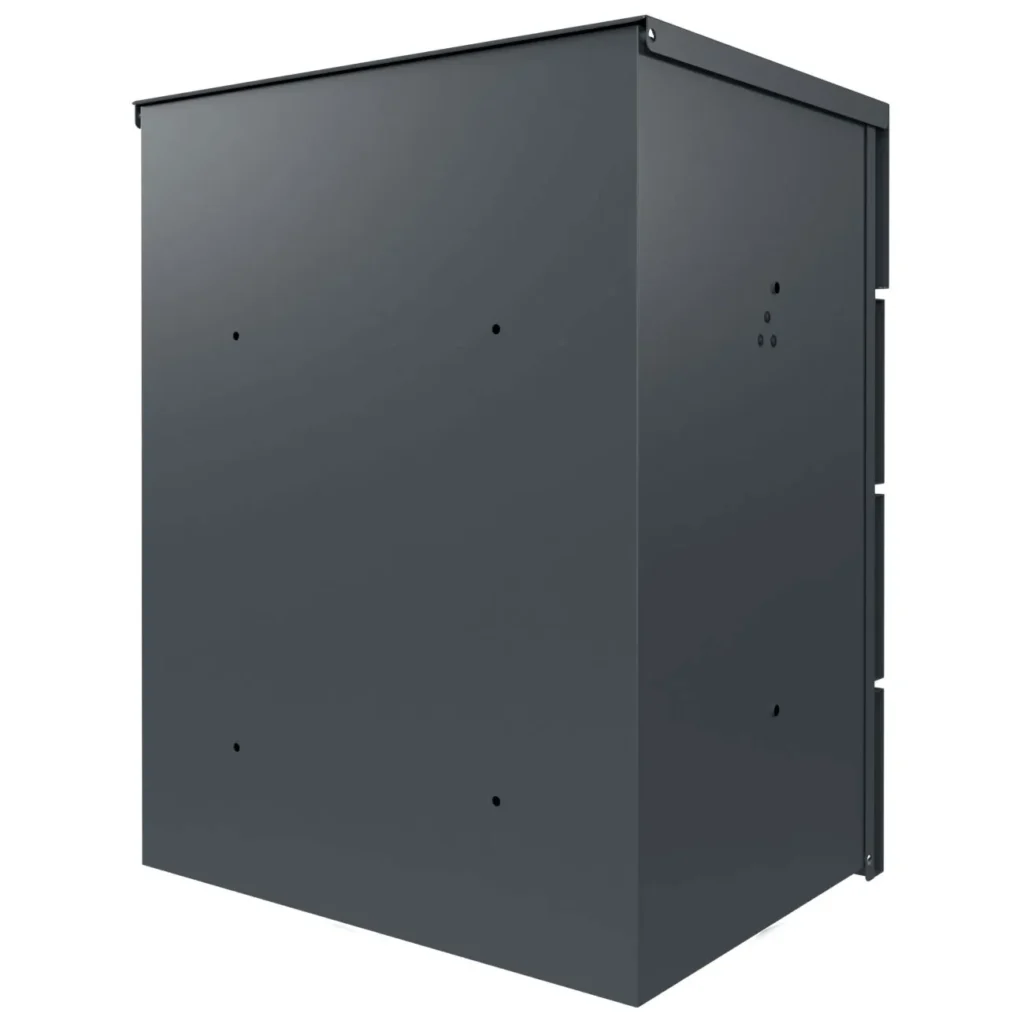
Environmental Conditions:
Water ingress → Short circuit → Equipment damage
Recommended Rivets: ABF (Aluminum-Stainless Steel Sealed Type) & BBF (All-Stainless Steel Sealed Type)
Truck & Trailer Industry
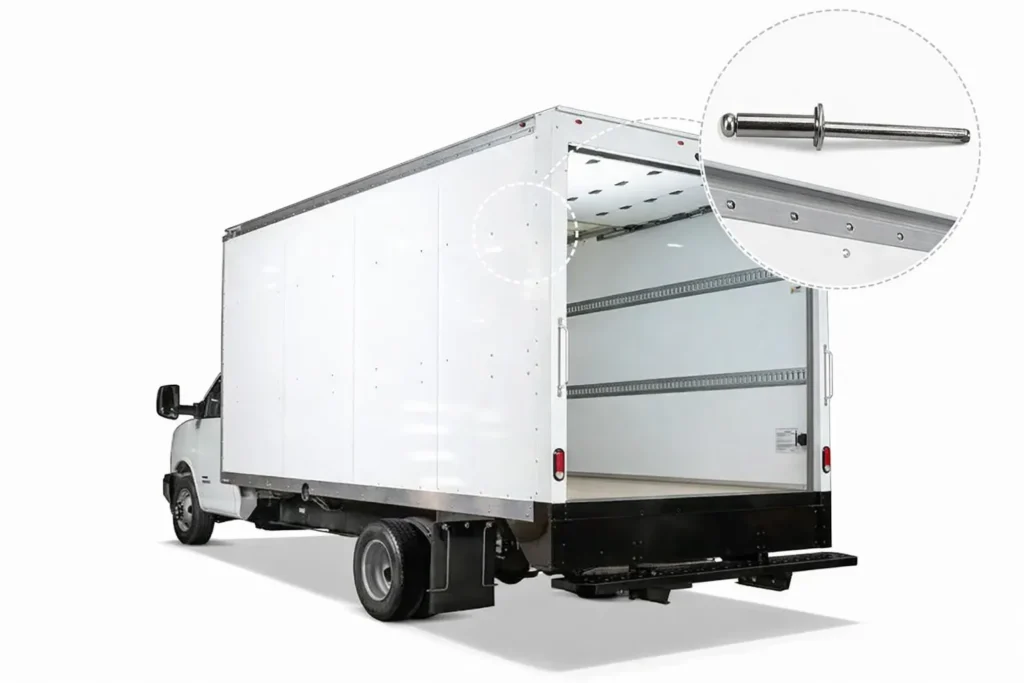
Environmental Conditions:
——High-speed vibration
——Rainwater runoff
——High-pressure water jet cleaning
Recommended Rivets: Monobolt (external-lock drawn rivet), Seahorse Rivet
Recreational Vehicles
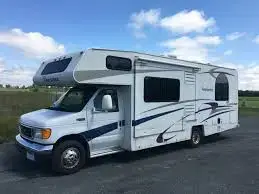
Environmental Issues:
——Mold on wooden floors
——Damaged insulation
——Rotting interior trim
Recommended Rivets: BBF (All-Stainless Steel, Closed-End)
Marine Equipment

Environmental Issues:
——Salt spray corrosion
——Seawater corrosion
——Continuous vibration
——Temperature fluctuations
——Humid environments
Recommended Rivets: BBF(All-Stainless Steel, Closed-End)
Industry | Recommended Rivet |
Roofing | Waterproof Lantern Rivet (AAT-FS) |
ABF / BBF | |
BBF / BBMG | |
Electrical Enclosures | ABF / BBF / SSF |
Monobolt (SSM/BBM) | |
RV | BBF + Sealing Washer |
BBF / 316 Closed End Rivet |
FAQs
Are pop rivets waterproof enough for outdoor use?
Standard pop rivets can be used in outdoor environments, but they are not necessarily truly waterproof. Water may seep in through the rivet shank or the installation hole.
Whether a pop rivet is suitable for your outdoor application depends on a number of factors, including: the rivet design (open-end or closed-end); the operating environment; the required level of water resistance; and the installation method.
Do I need sealant if I use waterproof rivets?
Waterproof rivets do not necessarily require sealant, but the two work best together in projects with high waterproofing requirements.
Sealed and waterproof rivets provide excellent waterproofing performance on their own. However, in environments exposed to heavy rain, standing water, condensation, or salt spray, you should use sealant, sealing gaskets, or washers in conjunction with waterproof rivets. This combination creates a more reliable and durable waterproof joint.
How do O-ring or gasketed rivets improve waterproofing?
O-ring rivets and gasketed rivets prevent moisture from seeping in through gaps around the rivet by creating an elastic seal between the rivet head and the workpiece surface.
Standard waterproof rivets address water leakage inside the rivet, while O-rings or gaskets further prevent water leakage around the rivet.
Are structural rivets inherently watertight?
Structural rivets are not inherently waterproof. Whilst some structural rivets offer better sealing performance than standard blind rivets, they are not completely waterproof.
As you can see from the above, the waterproof performance of a riveted joint depends on a variety of factors, including the rivet design and the quality of installation.
Can I use waterproof rivets on a metal roof or gutters?
Yes, waterproof rivets are widely used in metal roofing and guttering systems. For applications exposed to the outdoor environment, they are more suitable than standard open-ended rivets.
In the case of metal roofs and gutters, where connection points are constantly exposed to rain and UV radiation, standard pop rivets can easily become potential sources of leaks. Waterproof rivets or sealed rivets, however, can significantly reduce the risk of water ingress.
Are waterproof rivets suitable for marine or boating applications?
Yes, waterproof rivets are suitable for use in the marine and boating sectors. As seawater is corrosive, the best option is to use sealed stainless steel rivets with high corrosion resistance. We recommend using 316 stainless steel sealed rivets and marine-grade sealant to ensure optimum durability and waterproofing performance.
Can waterproof rivets be used in automotive and EV battery enclosures?
Yes, waterproof rivets are widely used in the automotive sector and can also be employed in electric vehicle battery casings.
Waterproofing is not only crucial to product lifespan, but also has a direct bearing on: Electrical Safety; Battery Protection; Thermal Management; and Vehicle Reliability.
Consequently, the automotive and EV industries opt for blind rivets with sealing capabilities rather than standard open-ended pop rivets.
What IP rating can waterproof rivet or sealed rivets achieve?
The IP rating achievable with waterproof rivets depends on the sealing design, gaskets, thread sealant, hole diameter control and assembly testing. In the absence of test reports, it is not possible to confirm compliance with IP67 or IP8.
For critical applications, the final IP rating should always be verified based on the fully assembled joint, rather than relying solely on the rivet’s own waterproof rating.
Why is my riveted joint leaking and how can I fix it?
Leaks in riveted joints are not caused by the rivet material itself, but rather by a variety of factors such as the rivet design, hole diameter, installation quality or seal design.
Most leakage issues in riveted joints can be resolved through correct selection and installation. Switching to closed-end rivets, selecting the correct hole diameter and riveting range, and adding sealing washers or sealant can all help to significantly improve waterproofing performance.
When should I choose bolts with gaskets instead of waterproof rivets?
Bolts with gaskets and waterproof rivets address different engineering challenges.
Bolts with gaskets are generally recommended for products that require frequent disassembly for maintenance and have high sealing requirements. Conversely, waterproof rivets are recommended for products that do not require frequent disassembly and have a lighter structure.
Work with a IATF 16949 Certified Blind Rivet Manufacturer
Get High Quality Rivets Instead of Huck and Avdel Rivets

Rivmate Rivet
Rivmate is China’s manufacturers of pop rivets. The company is IATF 16949 certified and offers high-strength structural pop rivets that serve as alternatives to Huck and Avdel products.
Rivmate Rivet
Rivmate is China’s manufacturers of pop rivets. The company is IATF 16949 certified and offers high-strength structural pop rivets that serve as alternatives to Huck and Avdel products.

Hey There, I'm Allen!
I am the boss of Rivmate. For over two decades, we have specialized in the manufacture of blind rivets, providing our customers with reliable riveting solutions. Need riveting services? Feel free to contact us.