
5mm pop rivets supplier
As a reliable 5mm pop rivets supplier, Rivmate provides medium-to-large-sized pop rivets for industrial sheet metal assembly applications that require greater joint strength than smaller rivet sizes. 5mm pop rivets offer a more secure clamping effect and are suitable for joining metal sheets, assembling equipment housings, securing industrial sheet metal structures, and medium-strength fastening applications.
- Higher load-bearing capacity
- More stable structural connections
- Single-sided installation for easy operation
- Better suited for projects and mass production
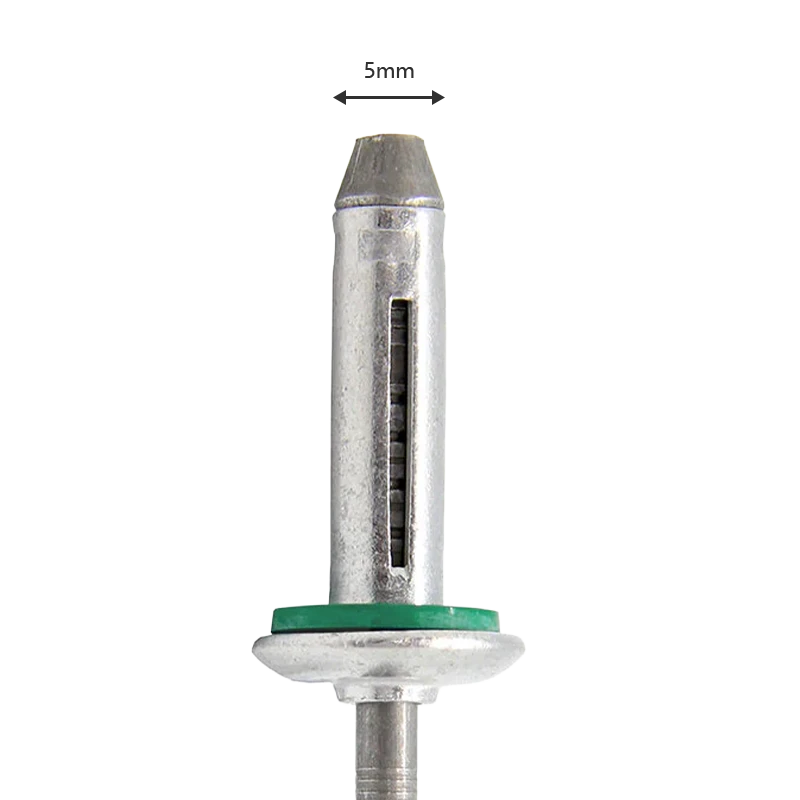
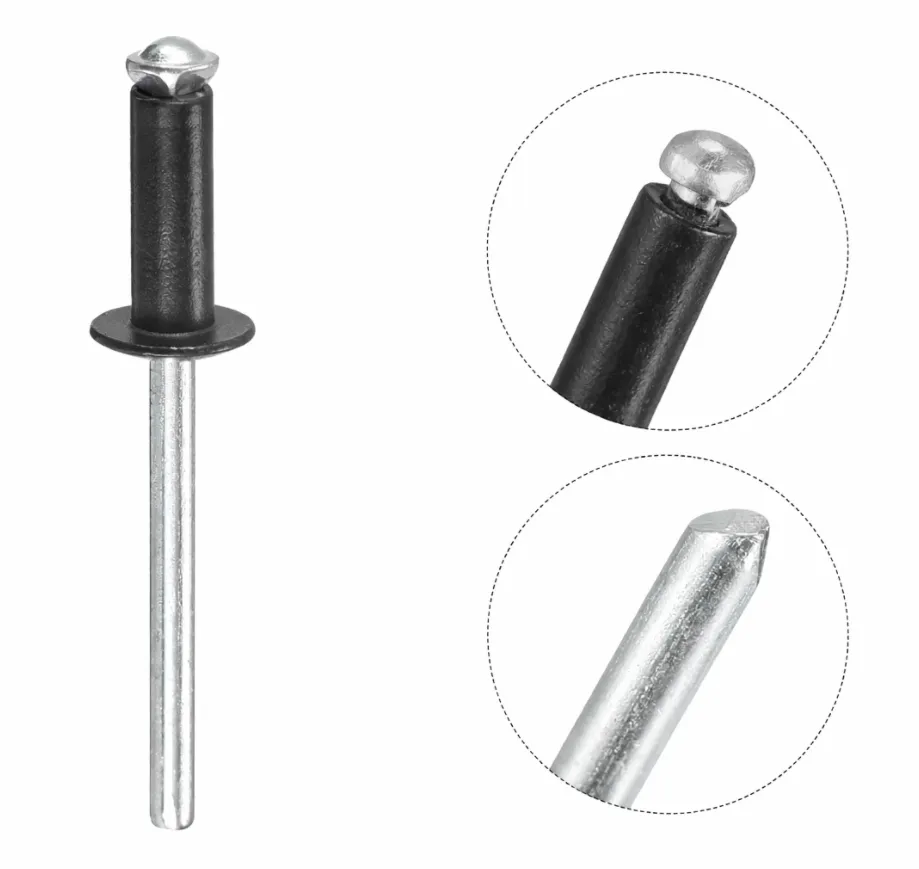
Why Choose Our 5mm Pop Rivets
- Larger rivet body diameter provides a more stable support area
- 5mm pop rivets require greater precision in the mounting holes
- The back-side formed section is more substantial
- 5mm rivets are more suitable for joining medium-thickness sheet metal than smaller-diameter rivets
- When the mandrel breaks, the rivet body remains in the workpiece, forming a permanent mechanical joint
Rivmate —— Your Professional Customized 5mm Pop Rivets supplier
Rivmate is a professional supplier of customized 5mm pop rivets. We not only offer standard specifications for 5mm pop rivets but also provide custom solutions.
Whether you need round-head rivets, wide-flange rivets, or countersunk rivets, Rivmate can provide the appropriate specifications.We also support a variety of material combinations, including aluminum/steel, all-aluminum, steel, and stainless steel.Rivmate can customize rivet specifications based on the actual application requirements of your product, helping you minimize selection errors while reducing quality risks during mass assembly.
Choose 5mm Pop Rivets by Material
Rivmate offers 5mm pop rivets in a variety of material combinations to meet different assembly needs. Options include aluminum/carbon steel, all-aluminum, and all-stainless steel—choose the one that best suits your product requirements.

Stainless Steel body/Stainless Steell mandrel 5mm Pop Rivets
All-stainless-steel 5mm pop rivets are suitable for applications with higher requirements for corrosion resistance, strength, and long-term service life.

Aluminum body/Aluminum mandrel 5mm Pop Rivets
All-aluminum rivets are lighter in weight and are better suited for aluminum sheets, lightweight structures, and weight-sensitive assembly applications.

Aluminum body/carbon Steel mandrel 5mm Pop Rivets
Aluminum rivet bodies are lightweight and relatively easy to install. The carbon steel pin core provides good riveting force, making them suitable for most standard industrial assemblies.

Aluminum body / Stainless Steel 5mm Pop Rivets
Aluminum rivet bodies maintain their weight-saving advantages, while stainless steel mandrels are suitable for applications with higher requirements for corrosion resistance and long-term stability.
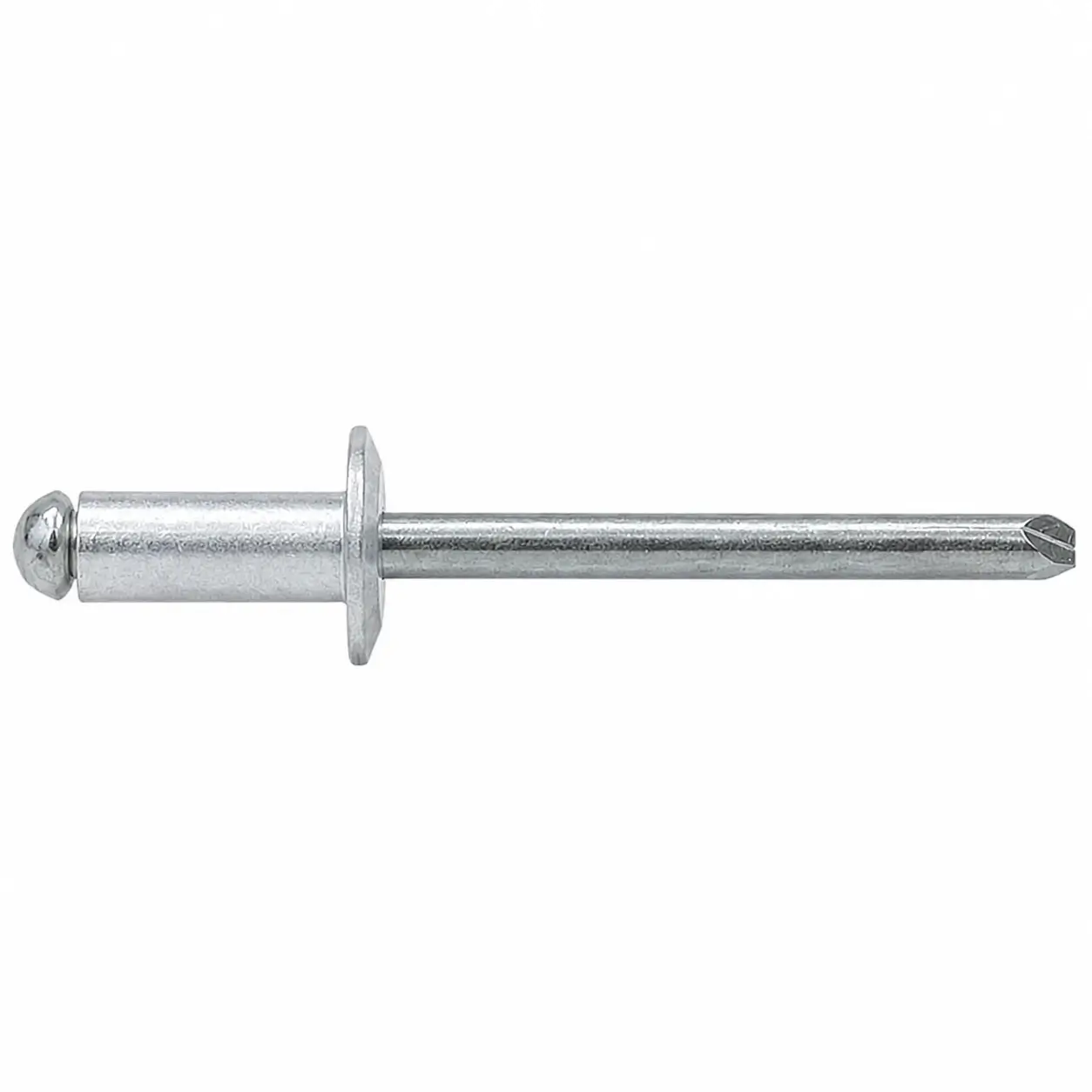
Carbon Steel body/Carbon Steel mandrel 5mm Pop Rivets
All-carbon-steel rivets typically offer higher strength than aluminum rivets and are suitable for industrial applications requiring higher joint strength.
Choose 5mm Pop Rivets by head shape
5mm pop rivets can be broadly categorized into three common head types: round head, wide flange, and countersunk. If you’re unsure which 5mm pop rivet head type to choose, Rivmate can help you select the right one.
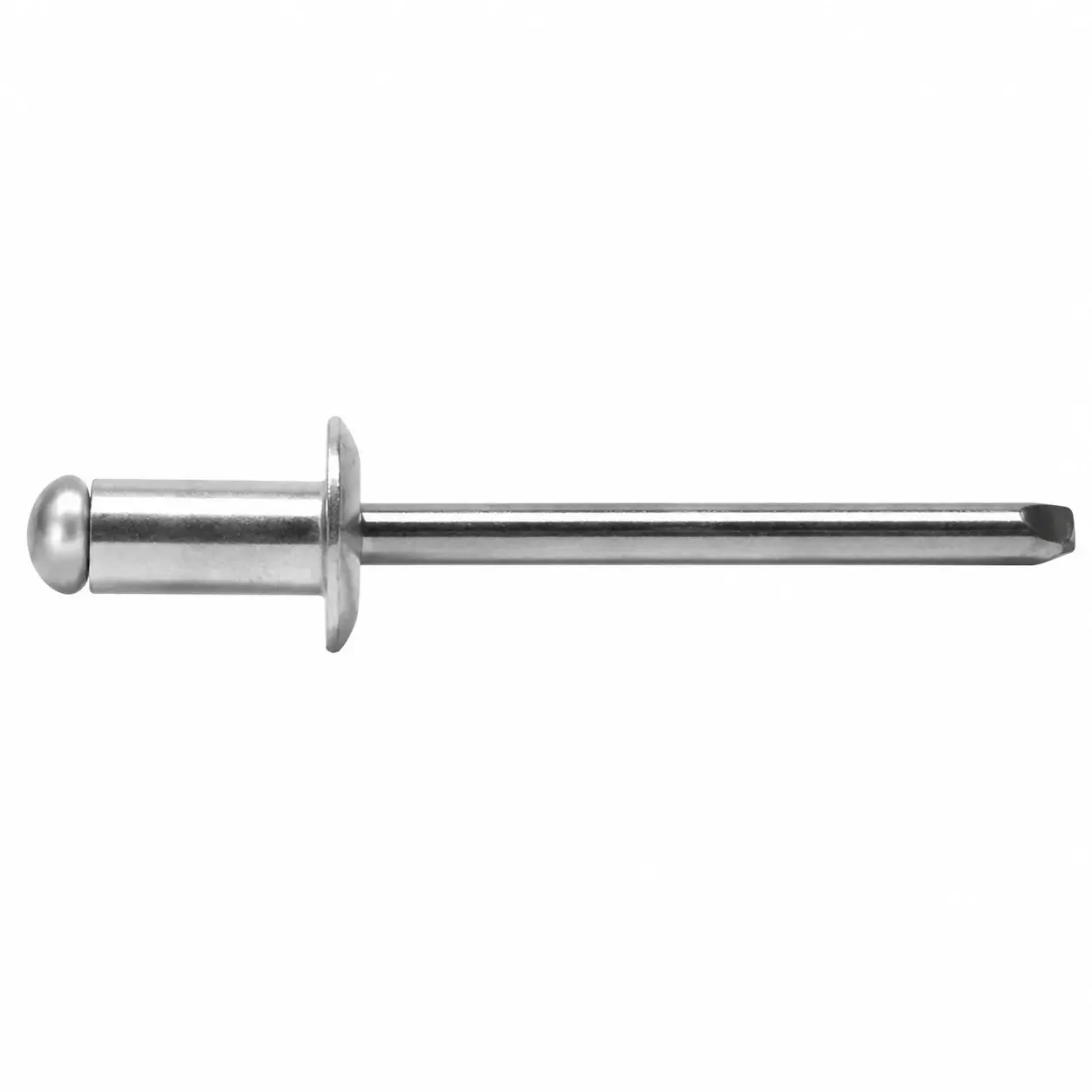
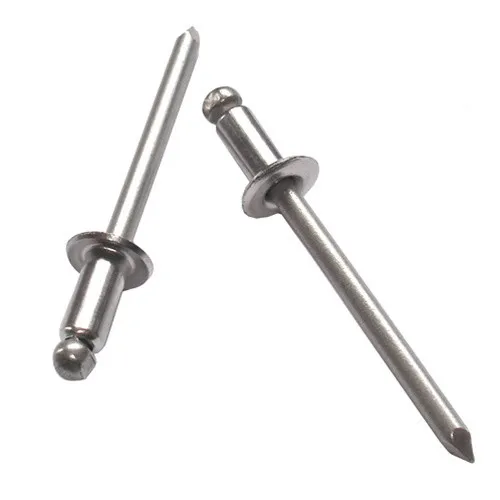
Dome Head 5 mm Pop Rivets
Dome-head pop rivets are designed for most general-purpose industrial assemblies. They provide a stable head after installation and have a wide range of applications, making them the most commonly used choice.
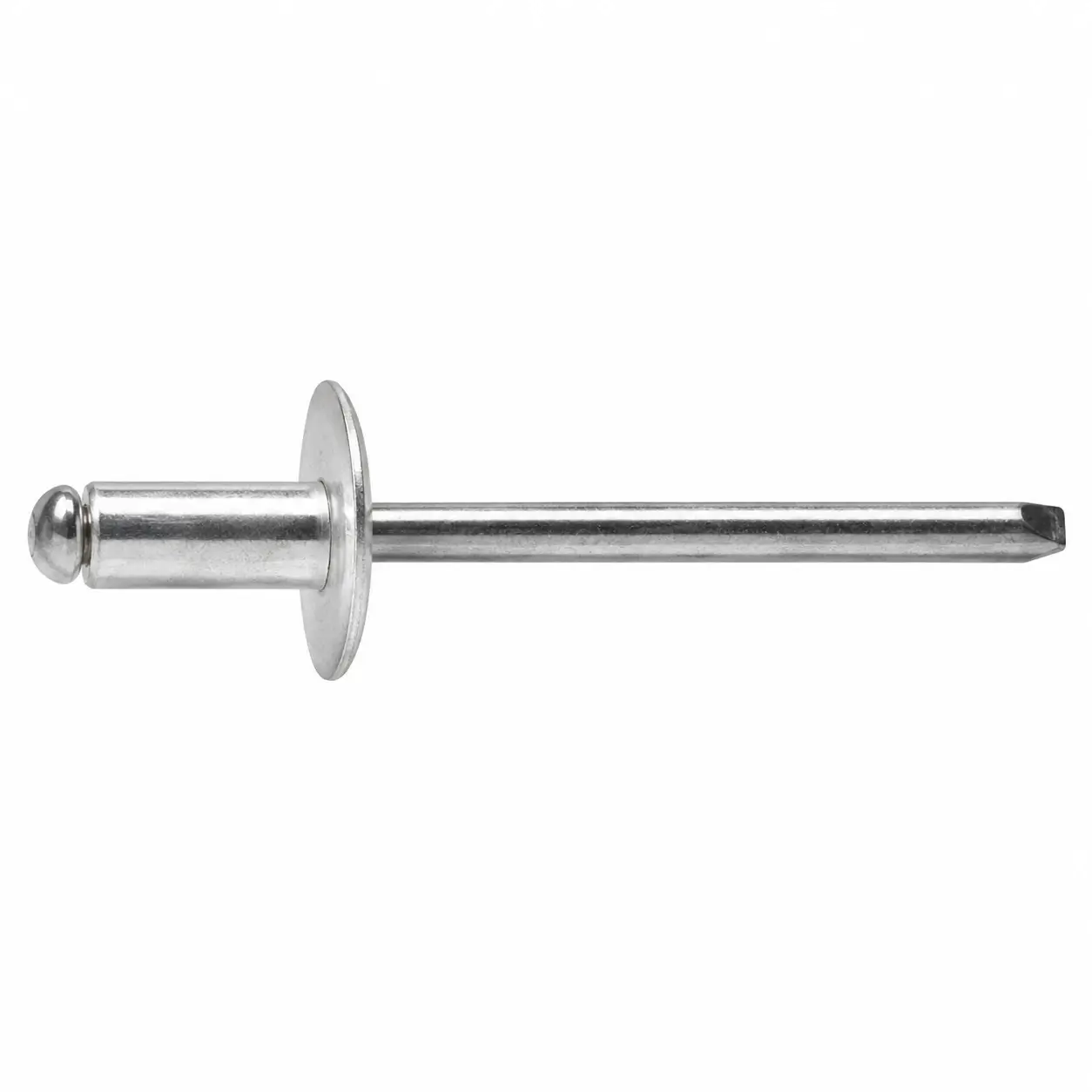
Large Flange 5 mm Pop Rivets
The large flange design increases the load-bearing surface area, reducing the risk of sheet metal tearing through. Suitable for thin sheets, plastic sheets, composite panels, or connections where the hole is slightly oversized.
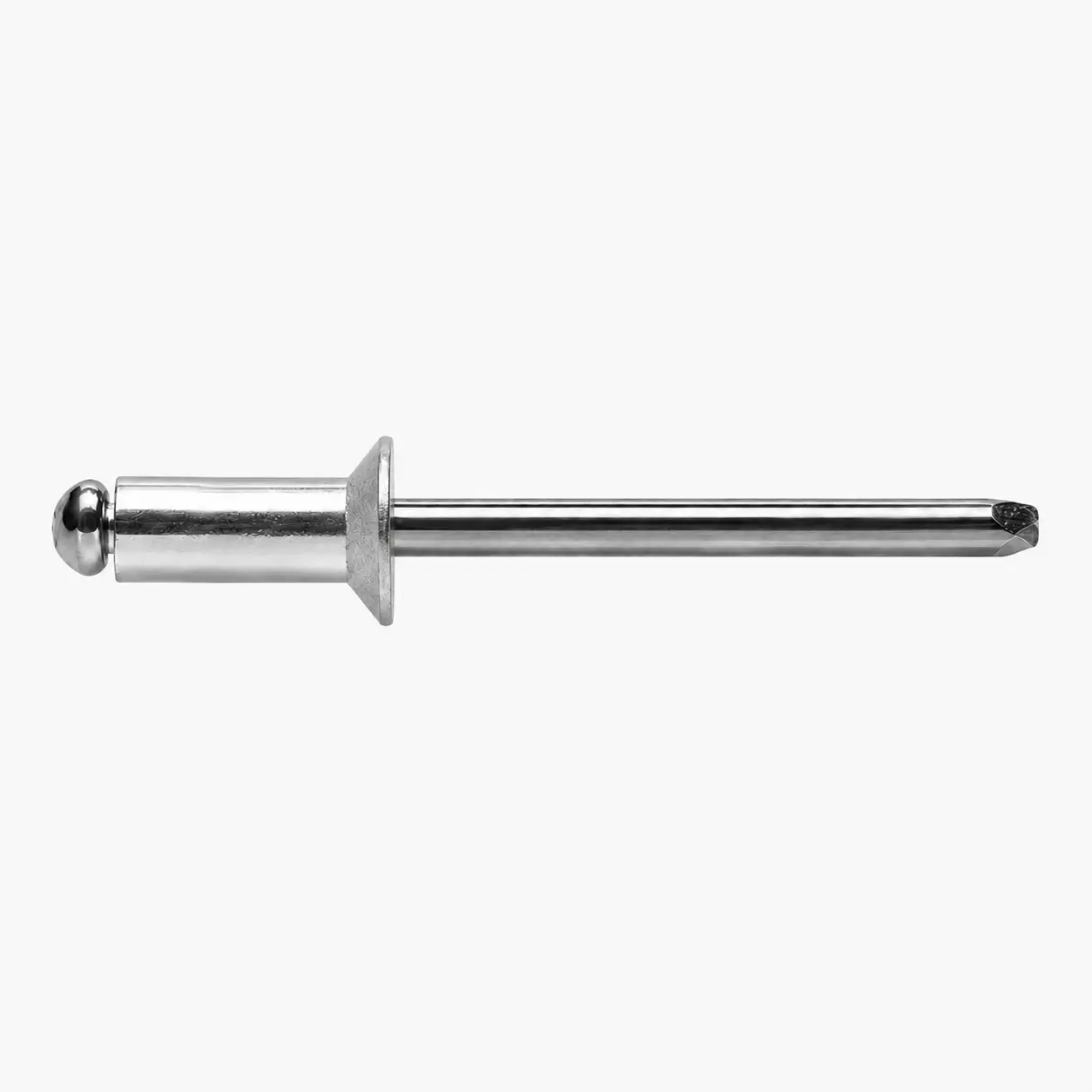
Countersunk 5 mm Pop Rivets
The countersunk design is suitable for assembly locations where surface flatness is critical, such as equipment housings, exterior components, sliding surfaces, or areas where visible protrusions are not permitted.
| Material Combination | Surface | Size | Head Type Options | Recommended Drill Hole | Grip Range | Head Size Reference | Tensile Strength | Shear Strength |
|---|---|---|---|---|---|---|---|---|
| Aluminum Body / Carbon Steel Mandrel | Body: Natural Polish Mandrel: Zinc Plated | 5.0 × 6 | Dome / Countersunk / Large Flange | 5.1–5.2mm | 1.0–35.0mm Series Range | Dome: 10.5 × 2.1mm CSK: 9.5 × 2.1mm Large Flange: 16.5 × 2.5mm | 1700N | 1500N |
| Aluminum Body / Carbon Steel Mandrel | Body: Natural Polish Mandrel: Zinc Plated | 5.0 × 8 | Dome / Countersunk / Large Flange | 5.1–5.2mm | 1.0–35.0mm Series Range | Dome: 10.5 × 2.1mm CSK: 9.5 × 2.1mm Large Flange: 16.5 × 2.5mm | 1700N | 1500N |
| Aluminum Body / Carbon Steel Mandrel | Body: Natural Polish Mandrel: Zinc Plated | 5.0 × 10 | Dome / Countersunk / Large Flange | 5.1–5.2mm | 1.0–35.0mm Series Range | Dome: 10.5 × 2.1mm CSK: 9.5 × 2.1mm Large Flange: 16.5 × 2.5mm | 1700N | 1500N |
| Aluminum Body / Carbon Steel Mandrel | Body: Natural Polish Mandrel: Zinc Plated | 5.0 × 12 | Dome / Countersunk / Large Flange | 5.1–5.2mm | 1.0–35.0mm Series Range | Dome: 10.5 × 2.1mm CSK: 9.5 × 2.1mm Large Flange: 16.5 × 2.5mm | 1700N | 1500N |
| Aluminum Body / Carbon Steel Mandrel | Body: Natural Polish Mandrel: Zinc Plated | 5.0 × 14 | Dome / Countersunk / Large Flange | 5.1–5.2mm | 1.0–35.0mm Series Range | Dome: 10.5 × 2.1mm CSK: 9.5 × 2.1mm Large Flange: 16.5 × 2.5mm | 1700N | 1500N |
| Aluminum Body / Carbon Steel Mandrel | Body: Natural Polish Mandrel: Zinc Plated | 5.0 × 16 | Dome / Countersunk / Large Flange | 5.1–5.2mm | 1.0–35.0mm Series Range | Dome: 10.5 × 2.1mm CSK: 9.5 × 2.1mm Large Flange: 16.5 × 2.5mm | 1700N | 1500N |
| Aluminum Body / Carbon Steel Mandrel | Body: Natural Polish Mandrel: Zinc Plated | 5.0 × 18 | Dome / Countersunk / Large Flange | 5.1–5.2mm | 1.0–35.0mm Series Range | Dome: 10.5 × 2.1mm CSK: 9.5 × 2.1mm Large Flange: 16.5 × 2.5mm | 1700N | 1500N |
| Aluminum Body / Carbon Steel Mandrel | Body: Natural Polish Mandrel: Zinc Plated | 5.0 × 20 | Dome / Countersunk / Large Flange | 5.1–5.2mm | 1.0–35.0mm Series Range | Dome: 10.5 × 2.1mm CSK: 9.5 × 2.1mm Large Flange: 16.5 × 2.5mm | 1700N | 1500N |
| Aluminum Body / Carbon Steel Mandrel | Body: Natural Polish Mandrel: Zinc Plated | 5.0 × 25 | Dome / Countersunk / Large Flange | 5.1–5.2mm | 1.0–35.0mm Series Range | Dome: 10.5 × 2.1mm CSK: 9.5 × 2.1mm Large Flange: 16.5 × 2.5mm | 1700N | 1500N |
| Aluminum Body / Carbon Steel Mandrel | Body: Natural Polish Mandrel: Zinc Plated | 5.0 × 30 | Dome / Countersunk / Large Flange | 5.1–5.2mm | 1.0–35.0mm Series Range | Dome: 10.5 × 2.1mm CSK: 9.5 × 2.1mm Large Flange: 16.5 × 2.5mm | 1700N | 1500N |
| Aluminum Body / Carbon Steel Mandrel | Body: Natural Polish Mandrel: Zinc Plated | 5.0 × 35 | Dome / Countersunk / Large Flange | 5.1–5.2mm | 1.0–35.0mm Series Range | Dome: 10.5 × 2.1mm CSK: 9.5 × 2.1mm Large Flange: 16.5 × 2.5mm | 1700N | 1500N |
| Aluminum Body / Carbon Steel Mandrel | Body: Natural Polish Mandrel: Zinc Plated | 5.0 × 40 | Dome / Countersunk / Large Flange | 5.1–5.2mm | 1.0–35.0mm Series Range | Dome: 10.5 × 2.1mm CSK: 9.5 × 2.1mm Large Flange: 16.5 × 2.5mm | 1700N | 1500N |
| All Aluminum | Natural Polish | 5.0 × 6 | Dome / Countersunk / Large Flange | 5.1–5.2mm | 1.0–35.0mm Series Range | Dome: 10.5 × 2.1mm CSK: 9.5 × 2.1mm Large Flange: 16.5 × 2.5mm | 1500N | 1000N |
| All Aluminum | Natural Polish | 5.0 × 8 | Dome / Countersunk / Large Flange | 5.1–5.2mm | 1.0–35.0mm Series Range | Dome: 10.5 × 2.1mm CSK: 9.5 × 2.1mm Large Flange: 16.5 × 2.5mm | 1500N | 1000N |
| All Aluminum | Natural Polish | 5.0 × 10 | Dome / Countersunk / Large Flange | 5.1–5.2mm | 1.0–35.0mm Series Range | Dome: 10.5 × 2.1mm CSK: 9.5 × 2.1mm Large Flange: 16.5 × 2.5mm | 1500N | 1000N |
| All Aluminum | Natural Polish | 5.0 × 12 | Dome / Countersunk / Large Flange | 5.1–5.2mm | 1.0–35.0mm Series Range | Dome: 10.5 × 2.1mm CSK: 9.5 × 2.1mm Large Flange: 16.5 × 2.5mm | 1500N | 1000N |
| All Aluminum | Natural Polish | 5.0 × 14 | Dome / Countersunk / Large Flange | 5.1–5.2mm | 1.0–35.0mm Series Range | Dome: 10.5 × 2.1mm CSK: 9.5 × 2.1mm Large Flange: 16.5 × 2.5mm | 1500N | 1000N |
| All Aluminum | Natural Polish | 5.0 × 16 | Dome / Countersunk / Large Flange | 5.1–5.2mm | 1.0–35.0mm Series Range | Dome: 10.5 × 2.1mm CSK: 9.5 × 2.1mm Large Flange: 16.5 × 2.5mm | 1500N | 1000N |
| All Aluminum | Natural Polish | 5.0 × 18 | Dome / Countersunk / Large Flange | 5.1–5.2mm | 1.0–35.0mm Series Range | Dome: 10.5 × 2.1mm CSK: 9.5 × 2.1mm Large Flange: 16.5 × 2.5mm | 1500N | 1000N |
| All Aluminum | Natural Polish | 5.0 × 20 | Dome / Countersunk / Large Flange | 5.1–5.2mm | 1.0–35.0mm Series Range | Dome: 10.5 × 2.1mm CSK: 9.5 × 2.1mm Large Flange: 16.5 × 2.5mm | 1500N | 1000N |
| All Aluminum | Natural Polish | 5.0 × 25 | Dome / Countersunk / Large Flange | 5.1–5.2mm | 1.0–35.0mm Series Range | Dome: 10.5 × 2.1mm CSK: 9.5 × 2.1mm Large Flange: 16.5 × 2.5mm | 1500N | 1000N |
| All Aluminum | Natural Polish | 5.0 × 30 | Dome / Countersunk / Large Flange | 5.1–5.2mm | 1.0–35.0mm Series Range | Dome: 10.5 × 2.1mm CSK: 9.5 × 2.1mm Large Flange: 16.5 × 2.5mm | 1500N | 1000N |
| All Aluminum | Natural Polish | 5.0 × 35 | Dome / Countersunk / Large Flange | 5.1–5.2mm | 1.0–35.0mm Series Range | Dome: 10.5 × 2.1mm CSK: 9.5 × 2.1mm Large Flange: 16.5 × 2.5mm | 1500N | 1000N |
| All Aluminum | Natural Polish | 5.0 × 40 | Dome / Countersunk / Large Flange | 5.1–5.2mm | 1.0–35.0mm Series Range | Dome: 10.5 × 2.1mm CSK: 9.5 × 2.1mm Large Flange: 16.5 × 2.5mm | 1500N | 1000N |
| Aluminum Body / Stainless Steel Mandrel | Natural Polish | 5.0 × 6 | Dome / Countersunk / Large Flange | 5.1–5.2mm | 1.0–35.0mm Series Range | Dome: 10.5 × 2.1mm CSK: 9.5 × 2.1mm Large Flange: 16.5 × 2.5mm | 2950N | 1950N |
| Aluminum Body / Stainless Steel Mandrel | Natural Polish | 5.0 × 8 | Dome / Countersunk / Large Flange | 5.1–5.2mm | 1.0–35.0mm Series Range | Dome: 10.5 × 2.1mm CSK: 9.5 × 2.1mm Large Flange: 16.5 × 2.5mm | 2950N | 1950N |
| Aluminum Body / Stainless Steel Mandrel | Natural Polish | 5.0 × 10 | Dome / Countersunk / Large Flange | 5.1–5.2mm | 1.0–35.0mm Series Range | Dome: 10.5 × 2.1mm CSK: 9.5 × 2.1mm Large Flange: 16.5 × 2.5mm | 2950N | 1950N |
| Aluminum Body / Stainless Steel Mandrel | Natural Polish | 5.0 × 12 | Dome / Countersunk / Large Flange | 5.1–5.2mm | 1.0–35.0mm Series Range | Dome: 10.5 × 2.1mm CSK: 9.5 × 2.1mm Large Flange: 16.5 × 2.5mm | 2950N | 1950N |
| Aluminum Body / Stainless Steel Mandrel | Natural Polish | 5.0 × 14 | Dome / Countersunk / Large Flange | 5.1–5.2mm | 1.0–35.0mm Series Range | Dome: 10.5 × 2.1mm CSK: 9.5 × 2.1mm Large Flange: 16.5 × 2.5mm | 2950N | 1950N |
| Aluminum Body / Stainless Steel Mandrel | Natural Polish | 5.0 × 16 | Dome / Countersunk / Large Flange | 5.1–5.2mm | 1.0–35.0mm Series Range | Dome: 10.5 × 2.1mm CSK: 9.5 × 2.1mm Large Flange: 16.5 × 2.5mm | 2950N | 1950N |
| Aluminum Body / Stainless Steel Mandrel | Natural Polish | 5.0 × 18 | Dome / Countersunk / Large Flange | 5.1–5.2mm | 1.0–35.0mm Series Range | Dome: 10.5 × 2.1mm CSK: 9.5 × 2.1mm Large Flange: 16.5 × 2.5mm | 2950N | 1950N |
| Aluminum Body / Stainless Steel Mandrel | Natural Polish | 5.0 × 20 | Dome / Countersunk / Large Flange | 5.1–5.2mm | 1.0–35.0mm Series Range | Dome: 10.5 × 2.1mm CSK: 9.5 × 2.1mm Large Flange: 16.5 × 2.5mm | 2950N | 1950N |
| Aluminum Body / Stainless Steel Mandrel | Natural Polish | 5.0 × 25 | Dome / Countersunk / Large Flange | 5.1–5.2mm | 1.0–35.0mm Series Range | Dome: 10.5 × 2.1mm CSK: 9.5 × 2.1mm Large Flange: 16.5 × 2.5mm | 2950N | 1950N |
| Aluminum Body / Stainless Steel Mandrel | Natural Polish | 5.0 × 30 | Dome / Countersunk / Large Flange | 5.1–5.2mm | 1.0–35.0mm Series Range | Dome: 10.5 × 2.1mm CSK: 9.5 × 2.1mm Large Flange: 16.5 × 2.5mm | 2950N | 1950N |
| Aluminum Body / Stainless Steel Mandrel | Natural Polish | 5.0 × 35 | Dome / Countersunk / Large Flange | 5.1–5.2mm | 1.0–35.0mm Series Range | Dome: 10.5 × 2.1mm CSK: 9.5 × 2.1mm Large Flange: 16.5 × 2.5mm | 2950N | 1950N |
| Aluminum Body / Stainless Steel Mandrel | Natural Polish | 5.0 × 40 | Dome / Countersunk / Large Flange | 5.1–5.2mm | 1.0–35.0mm Series Range | Dome: 10.5 × 2.1mm CSK: 9.5 × 2.1mm Large Flange: 16.5 × 2.5mm | 2950N | 1950N |
| All Carbon Steel | Zinc Plated | 5.0 × 6 | Dome / Countersunk | 5.1–5.2mm | 1.0–20.0mm Series Range | Dome: 10.5 × 2.1mm CSK: 9.5 × 2.1mm | 3255N | 2575N |
| All Carbon Steel | Zinc Plated | 5.0 × 8 | Dome / Countersunk | 5.1–5.2mm | 1.0–20.0mm Series Range | Dome: 10.5 × 2.1mm CSK: 9.5 × 2.1mm | 3255N | 2575N |
| All Carbon Steel | Zinc Plated | 5.0 × 10 | Dome / Countersunk | 5.1–5.2mm | 1.0–20.0mm Series Range | Dome: 10.5 × 2.1mm CSK: 9.5 × 2.1mm | 3255N | 2575N |
| All Carbon Steel | Zinc Plated | 5.0 × 12 | Dome / Countersunk | 5.1–5.2mm | 1.0–20.0mm Series Range | Dome: 10.5 × 2.1mm CSK: 9.5 × 2.1mm | 3255N | 2575N |
| All Carbon Steel | Zinc Plated | 5.0 × 14 | Dome / Countersunk | 5.1–5.2mm | 1.0–20.0mm Series Range | Dome: 10.5 × 2.1mm CSK: 9.5 × 2.1mm | 3255N | 2575N |
| All Carbon Steel | Zinc Plated | 5.0 × 16 | Dome / Countersunk | 5.1–5.2mm | 1.0–20.0mm Series Range | Dome: 10.5 × 2.1mm CSK: 9.5 × 2.1mm | 3255N | 2575N |
| All Carbon Steel | Zinc Plated | 5.0 × 18 | Dome / Countersunk | 5.1–5.2mm | 1.0–20.0mm Series Range | Dome: 10.5 × 2.1mm CSK: 9.5 × 2.1mm | 3255N | 2575N |
| All Carbon Steel | Zinc Plated | 5.0 × 20 | Dome / Countersunk | 5.1–5.2mm | 1.0–20.0mm Series Range | Dome: 10.5 × 2.1mm CSK: 9.5 × 2.1mm | 3255N | 2575N |
| All Carbon Steel | Zinc Plated | 5.0 × 25 | Dome / Countersunk | 5.1–5.2mm | 1.0–20.0mm Series Range | Dome: 10.5 × 2.1mm CSK: 9.5 × 2.1mm | 3255N | 2575N |
| All Stainless Steel | Natural Polish | 5.0 × 6 | Dome / Countersunk | 5.1–5.2mm | 1.0–21.0mm Series Range | Dome: 10.5 × 2.1mm CSK: 9.5 × 2.1mm | 6500N | 5000N |
| All Stainless Steel | Natural Polish | 5.0 × 8 | Dome / Countersunk | 5.1–5.2mm | 1.0–21.0mm Series Range | Dome: 10.5 × 2.1mm CSK: 9.5 × 2.1mm | 6500N | 5000N |
| All Stainless Steel | Natural Polish | 5.0 × 10 | Dome / Countersunk | 5.1–5.2mm | 1.0–21.0mm Series Range | Dome: 10.5 × 2.1mm CSK: 9.5 × 2.1mm | 6500N | 5000N |
| All Stainless Steel | Natural Polish | 5.0 × 12 | Dome / Countersunk | 5.1–5.2mm | 1.0–21.0mm Series Range | Dome: 10.5 × 2.1mm CSK: 9.5 × 2.1mm | 6500N | 5000N |
| All Stainless Steel | Natural Polish | 5.0 × 14 | Dome / Countersunk | 5.1–5.2mm | 1.0–21.0mm Series Range | Dome: 10.5 × 2.1mm CSK: 9.5 × 2.1mm | 6500N | 5000N |
| All Stainless Steel | Natural Polish | 5.0 × 16 | Dome / Countersunk | 5.1–5.2mm | 1.0–21.0mm Series Range | Dome: 10.5 × 2.1mm CSK: 9.5 × 2.1mm | 6500N | 5000N |
| All Stainless Steel | Natural Polish | 5.0 × 18 | Dome / Countersunk | 5.1–5.2mm | 1.0–21.0mm Series Range | Dome: 10.5 × 2.1mm CSK: 9.5 × 2.1mm | 6500N | 5000N |
| All Stainless Steel | Natural Polish | 5.0 × 20 | Dome / Countersunk | 5.1–5.2mm | 1.0–21.0mm Series Range | Dome: 10.5 × 2.1mm CSK: 9.5 × 2.1mm | 6500N | 5000N |
| All Stainless Steel | Natural Polish | 5.0 × 25 | Dome / Countersunk | 5.1–5.2mm | 1.0–21.0mm Series Range | Dome: 10.5 × 2.1mm CSK: 9.5 × 2.1mm | 6500N | 5000N |
Note: Each 5.0mm size is listed separately for clearer product selection. Grip range is shown as the catalog series range for each material combination. Final selection should be confirmed according to actual sheet thickness, hole diameter, head type, material combination, and required tensile / shear strength.
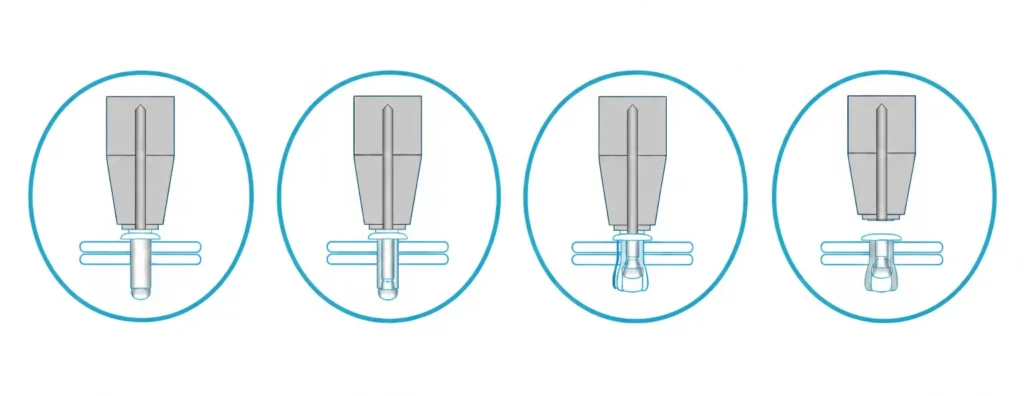
Steps of Blind Rivet Installation
- Insert the rivet into the pre-drilled hole, ensuring that the rivet head sits flush against the workpiece.
- Place the rivet gun’s nozzle over the rivet mandrel and hold the tool vertically.
- Activate the rivet gun and pull the rivet mandrel to expand the rivet body and secure the workpiece.
- Once the rivet mandrel breaks off, the riveting is complete. Check that the rivet is secure and flush.
5mm Pop Rivet Manufacturing You Can Trust
For OEMs, equipment manufacturers, sheet metal fabricators, and engineering project clients, Rivmate’s standardized production processes and multi-stage quality control help ensure a more reliable supply of 5mm pop rivets.
- Strict control of 5mm dimensional accuracy
- Consistent rivet body forming quality
- Multiple quality inspections
- Batch management for easy repeat ordering and quality traceability
Based on its factory manufacturing system, Rivmate has an annual production capacity of 400 million structural rivets and automotive blind rivets, and can produce approximately 1 billion standard blind rivets. The company has established 10 key manufacturing processes and 13 quality control processes. By controlling every critical step that affects riveting performance, Rivmate helps you obtain 5mm pop rivets that are better suited for long-term industrial assembly applications.
Pop Rivet Cold Heading Machines
Rivet Assembly machines
Our Rivet Warehouse
Stable Bulk Supply for 5mm Pop Rivets
Rivmate provides a stable supply of 5mm pop rivets for bulk-purchasing customers. We plan production and delivery in advance based on customers’ project timelines, annual procurement plans, and assembly applications. This helps customers reduce procurement communication costs and inventory management pressures.
- Supports combined procurement of multiple materials and head types
- Ideal for long-term repeat purchases by distributors
- Supports OEM packaging and export packaging
Rivmate supports production based on customer drawings, samples, and common international standards such as ISO, DIN 7337, and IFI 114. We provide specification evaluation and customization support for HUCK/Avdel-type riveting applications. If you are looking for a reliable manufacturer of 5mm pop rivets, Rivmate offers consistent bulk supply and project delivery support.
Applications of 5mm Pop Rivets
5mm pop rivets provide greater connection stability than smaller rivets, yet are suitable for industrial assembly applications that do not require large structural rivets. They are ideal for medium-thickness sheet metal and applications requiring a more stable connection.
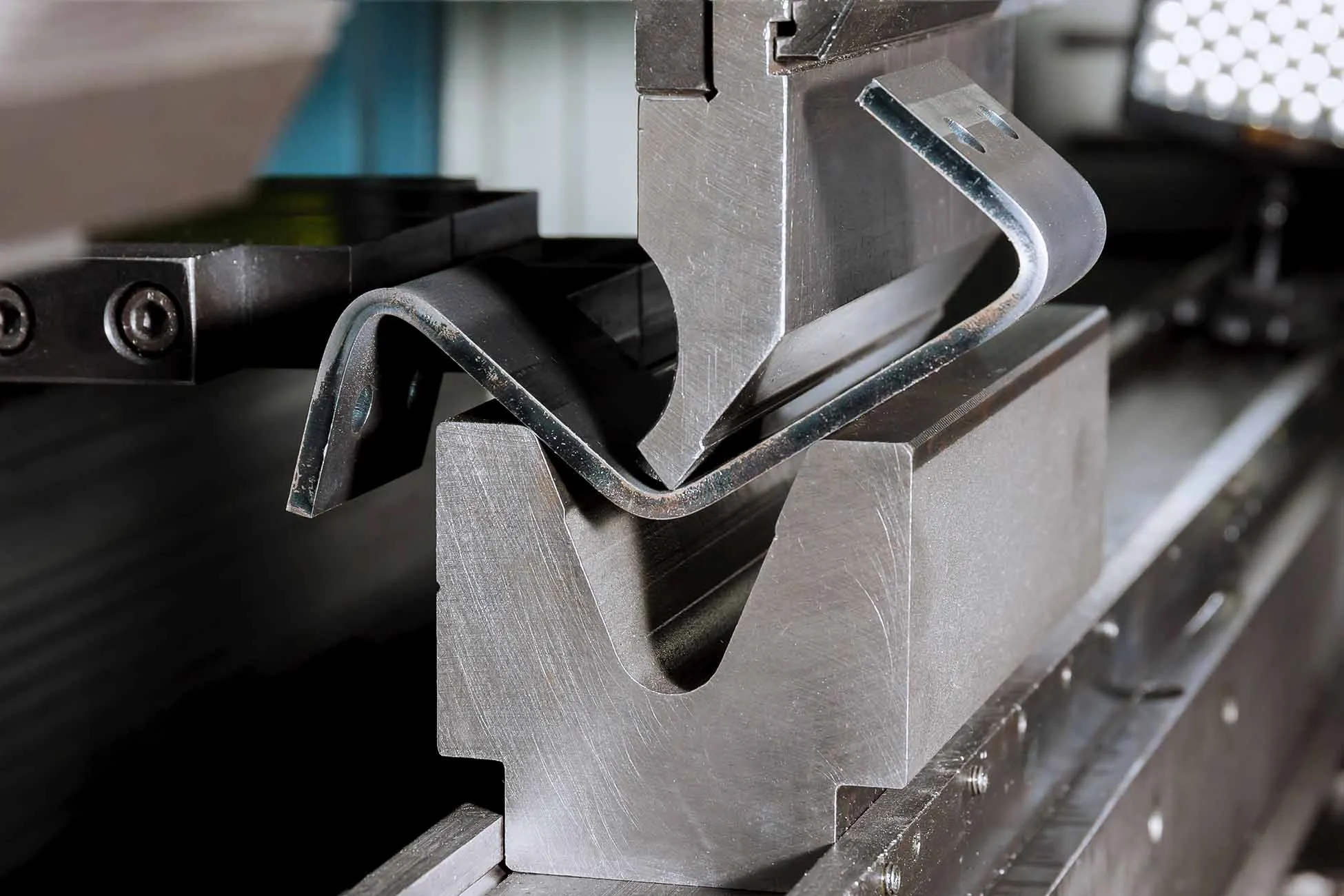
Medium-Thickness Sheet Metal Fabrication
5mm pop rivets provide better hole alignment than smaller sizes and offer a stronger clamping force. They are suitable for joining metal panels, securing reinforcement plates, assembling side panels, connecting brackets, securing equipment covers, and joining large sheet metal components.
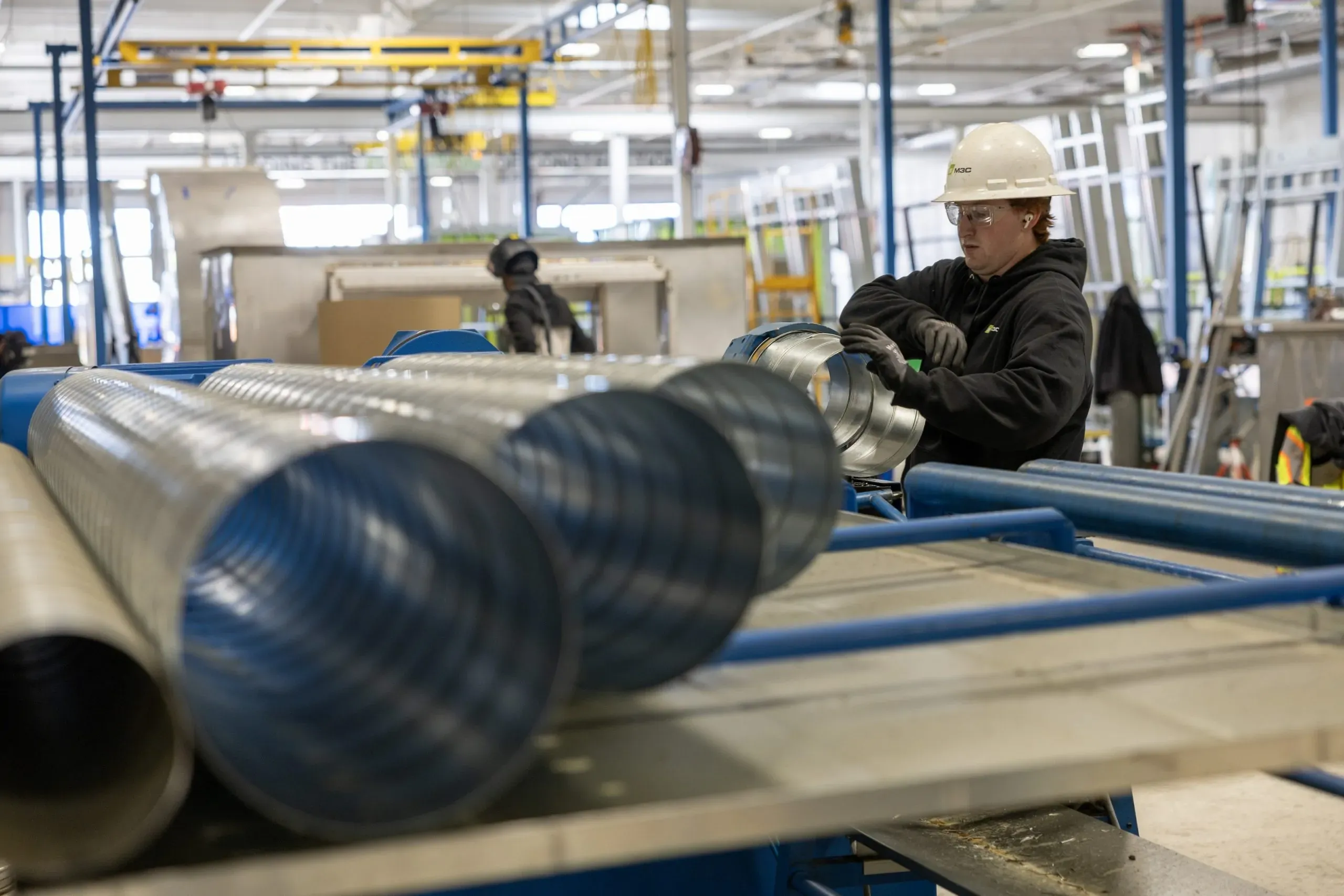
5mm pop rivets are better suited than 3.2mm or 4.0mm rivets for equipment panels requiring stable clamping, and are also more suitable for rapid, high-volume installation than larger rivets. Suitable for equipment enclosures, AHU panels, and bracket connections.
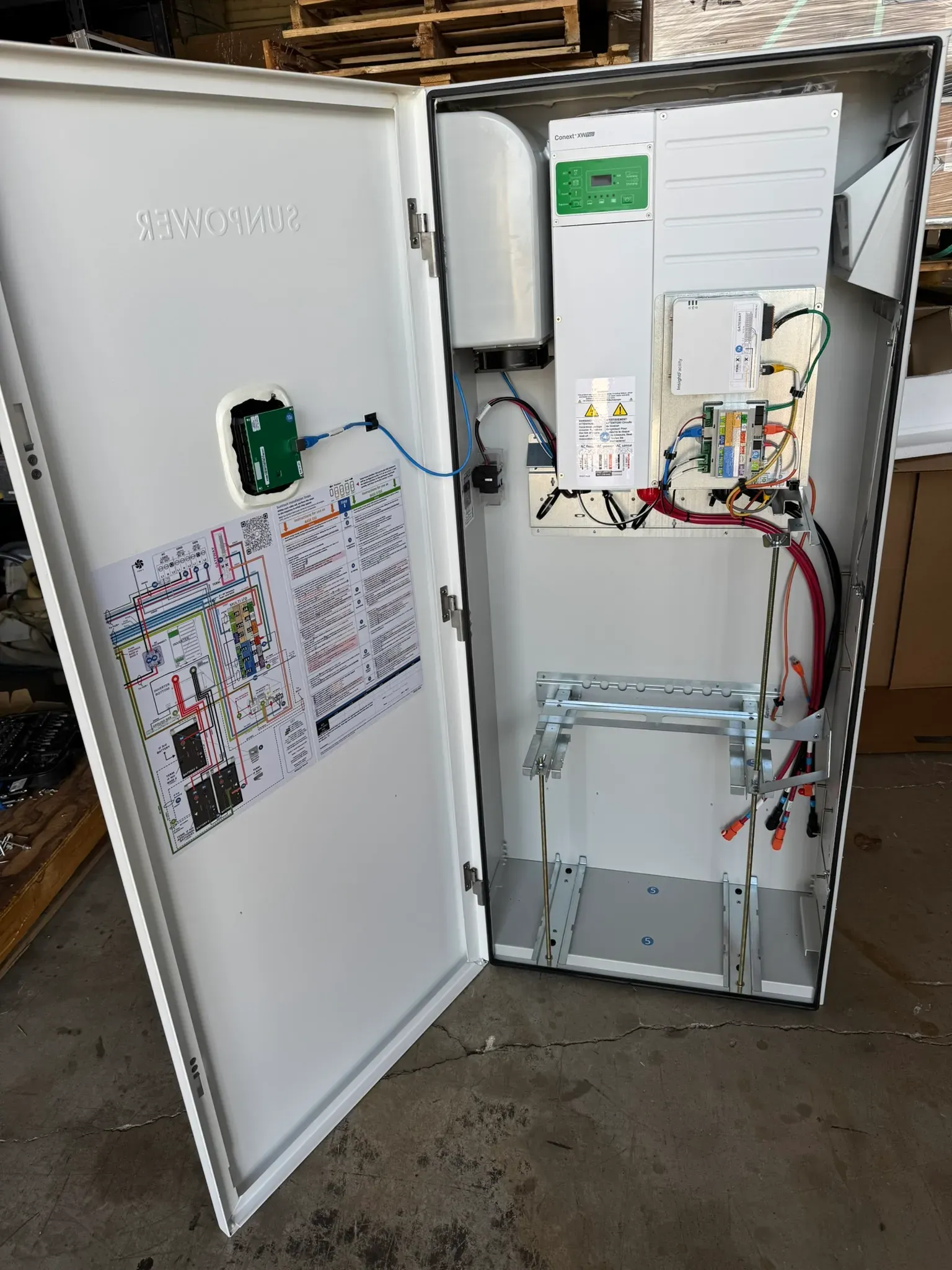
Electrical Cabinets
5mm pop rivets are better suited than smaller rivets for securing thicker cabinet panels and reinforcing members. The resulting connection points are smaller than those of 6mm rivets and are less noticeable. Suitable for securing medium-sized cabinets, mounting plates, and reinforcing members.
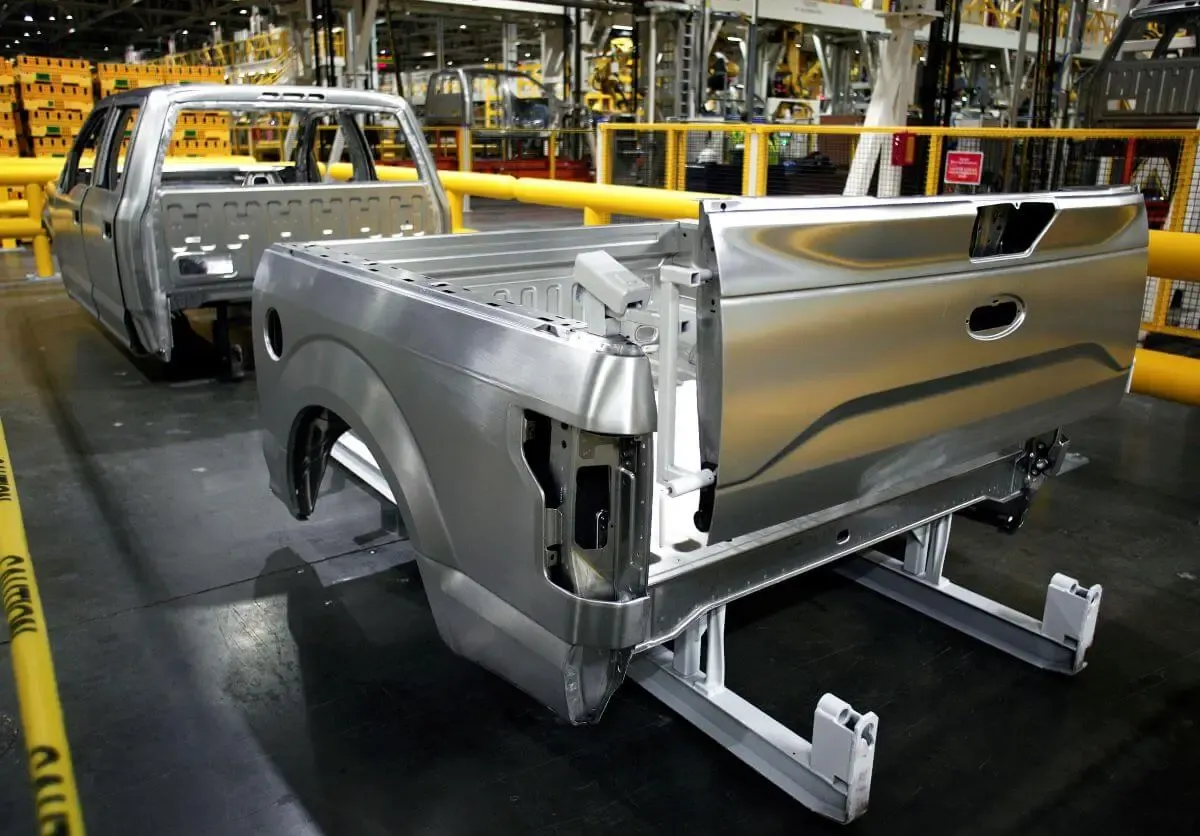
5mm pop rivets offer greater resistance to loosening than smaller rivets. They are particularly suitable for truck body panels, trailer side panels, toolboxes, aluminum panels, and non-load-bearing vehicle components.
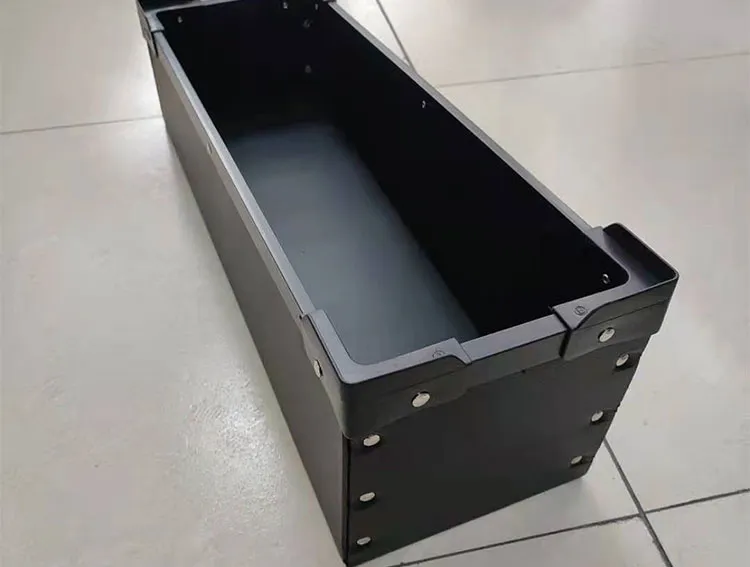
Thin Sheets&Composite Panels
5mm pop rivets with large flanges reduce the risk of pull-through. They are particularly suitable for applications involving thin, soft materials or where the edges around the holes lack sufficient strength.
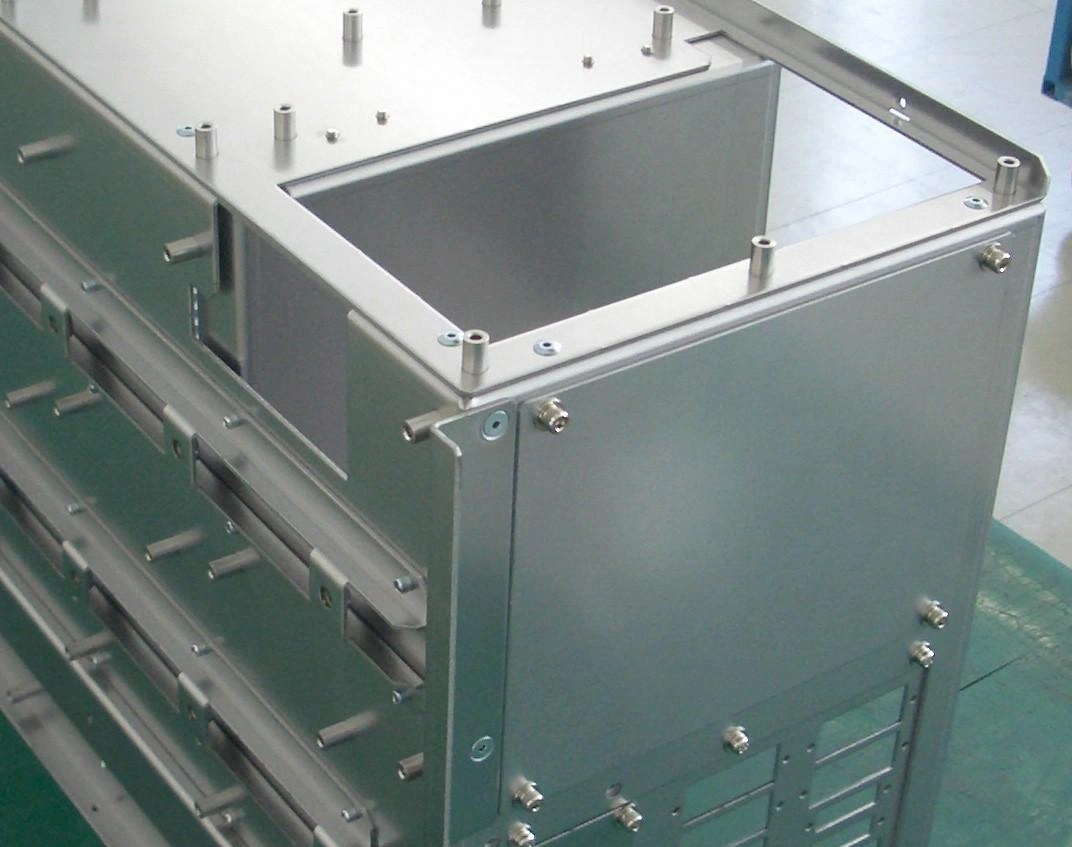
Outdoor Enclosures
5mm pop rivets are easier to install than larger, heavy-duty rivets. When paired with stainless steel or surface-treated options, they are suitable for outdoor equipment enclosures, toolboxes, metal enclosures, protective covers, and lighting fixture housings.
Get An Instant Quote Now
1.How to choose the right 5mm pop rivets for metal sheet fastening?
When selecting 5mm pop rivets suitable for joining metal sheets, you need to confirm the installation hole diameter, total sheet thickness, clamping range, material, head type, surface treatment, and actual load conditions. For 5.0 mm pop rivets, the recommended drill hole diameter is 5.1–5.2 mm. The rivet’s clamping range should match the total thickness of the sheets to be joined. Some aluminum series models support clamping thicknesses of up to 35.0 mm, making them suitable for a variety of metal sheet combinations. For standard sheet metal joints, round-head rivets are a suitable choice. For thin sheets, slightly larger holes, or situations requiring a larger contact area, large-flange rivets are recommended. Countersunk rivets are ideal when a flush surface is required. Regarding material selection, aluminum or steel rivets are suitable for standard sheet metal applications; steel rivets are recommended for higher-strength connections; and stainless steel rivets are ideal for outdoor, humid, or corrosive environments.
What types of finishes are available for 5mm pop rivets?
5mm pop rivets are available with the following surface treatments: natural finish, zinc-plated, passivated, anodized, painted, powder-coated, RAL-colored, zinc-nickel alloy, and other corrosion-resistant coatings.
3.What are the common grip ranges for 5mm pop rivets?
The typical grip range for 5mm pop rivets must be determined based on the rivet length, material combination, head type, and product structure. The typical grip range generally starts at approximately 2–4 mm and can extend to ranges such as 4–6 mm, 6–8 mm, 8–11 mm, 11–15 mm, and 15–20 mm, depending on the rivet length.
4.Are there waterproof 5mm pop rivets?
No.
5.Which industries frequently use 5mm pop rivets?
5mm pop rivets are commonly used in industrial assembly applications that require medium-strength fastenings. Industries that frequently use 5mm pop rivets include: sheet metal fabrication, HVAC equipment, electrical cabinets, machinery enclosures, truck body panels, trailer panels, outdoor enclosures, aluminum panel structures, and the joining of plastic and composite panels.
Resource Center
Access helpful materials to support your project planning and product selection. Download documents for reference and on-site use.
Rivet Catalog
Browse our full blind rivet catalog including product types, specifications, and application examples.I am Trailer Box Description Text. You can change me anytime from settings.
5mm Pop Rivet Drawing
Download the technical drawings for the rivets, which include dimensions, internal structure, and basic product information
Best practices for securing thin materials with 5mm rivets
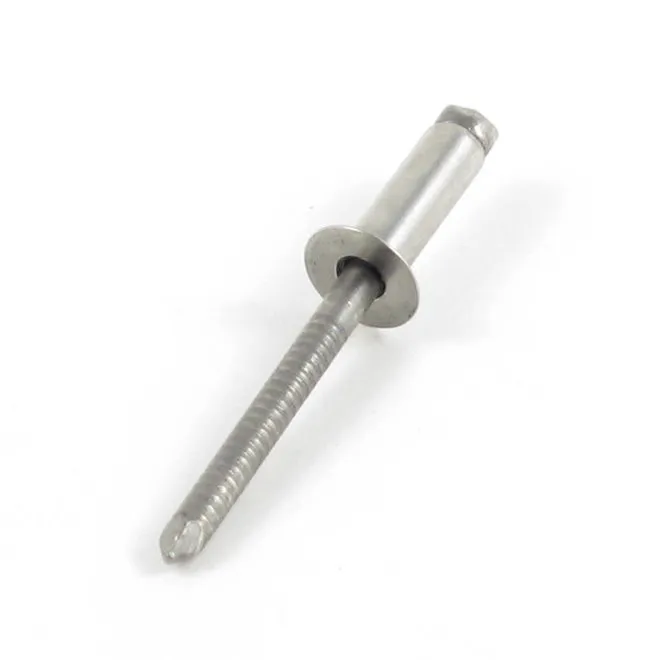
The most common issue with thin materials is insufficient local bearing area. When using standard-head rivets for pop riveting, this can easily cause deformation of thin sheets, cracking of plastic sheets, delamination of composite panels, or enlargement of the rivet holes.
A large-flange head provides a larger bearing area. For thin sheets and composite materials, we recommend prioritizing the use of Large Flange 5mm Pop Rivets. This reduces the risk of the material being torn through or suffering localized deformation.
2. Match the Grip Range to the Total Material Thickness
When joining thin materials, be sure to determine the actual total plate thickness and select 5mm rivets that cover that thickness range exactly. This will help prevent clamping looseness and deformation.
3. Control the Hole Size Around the Recommended Range
5mm rivets are typically used with mounting holes of approximately 5.0mm. When fastening thin sheets and composite panels, the quality of the hole preparation is particularly important.
4. Use the Right Rivet Material for Thin Materials
For thin aluminum sheets, lightweight sheet metal, and standard panels, we recommend using 5mm aluminum or aluminum/steel pop rivets, which are generally easier to install. For outdoor thin sheets, metal enclosures, or humid environments, you may opt for 5mm stainless steel rivets or rivets with a corrosion-resistant finish.
5. Consider Washers or Backing Plates for Very Thin or Soft Materials
6. Avoid Excessive Installation Force
7.Test the riveting results before mass production
Load bearing capacity of 5mm aluminum pop rivets
5mm aluminum pop rivets are suitable for medium-strength connections between sheet metal and aluminum panels. The minimum tensile strength of these aluminum pop rivets is approximately 1500N, and the minimum shear strength is approximately 1000N. Actual performance may vary depending on rivet length, clamping range, hole diameter, sheet thickness, head type, and installation quality.
high-strength 5mm structural rivets Manufacturer

Rivmate is a professional manufacturer of high-strength 5mm structural rivets. Our customers span industries such as OEM factories, equipment manufacturers, sheet metal fabrication shops, and industrial assembly facilities.5mm structural rivets are typically used with mounting holes of approximately 5.0mm.
Compared to standard 5mm pop rivets, 5mm structural rivets are ideal for high-strength fastenings. They are particularly suitable for equipment enclosures, metal brackets, vehicle body panels, machine housings, and industrial sheet metal structures.
- Provide better clamping force.
- Enhance the stability of the joint.
- Structural rivets offer greater reliability in assembly locations subject to significant vibration.
Rivmate can recommend suitable specifications based on the customer’s hole diameter, sheet thickness, material, and operating environment. Custom production based on drawings or samples is also available.