Solar Industry Riveting Solutions
Reliable blind rivet fastening solutions for solar panel frames, mounting systems, rails, and inverter enclosures.
- Highly Corrosion-Resistant Fastening Solutions
- Quick Installation to Boost Solar Project Construction Efficiency
- Suitable for Aluminum Structures and Sheet Metal Structures
- Stable and Reliable Vibration-Resistant Connections
Riveting Advantages for Solar Industry
Up to 50% Faster Installation Than Traditional Bolting
In large-scale solar projects, installation efficiency directly impacts construction timelines and labor costs. Compared to traditional bolt connections, the installation process for blind rivets is significantly simpler. Installers only need to insert the rivet and use a rivet gun to break off the rivet core to complete the connection, typically taking just 2–5 seconds per connection point. Bolt connections, however, often require 10–20 seconds and necessitate operation from both sides.
This translates to approximately 3–5 times faster installation efficiency during actual project construction, reducing overall installation time by about 25%–50%. For solar projects involving numerous connection points, using blind rivets significantly boosts construction efficiency, helping your installation team shorten project timelines and substantially lower labor costs.
- 5,000 connection points ≈ 14 hours saved
- 10,000 connection points ≈ 28 hours saved
- 20,000 connection points ≈ 55 hours saved
Fastening Challenges
Common Fastening Challenges in Solar Projects
In the manufacturing and installation of solar energy systems, the reliability of structural connections is of paramount importance. Solar equipment must operate continuously in outdoor environments while meeting requirements for high-efficiency installation and structural stability. Consequently, fastening connection methods often face multifaceted challenges.
Outdoor Corrosive Environments
Solar equipment remains exposed outdoors for extended periods, enduring rain, humidity, salt spray, and temperature fluctuations. Insufficient corrosion resistance in fasteners compromises the long-term structural integrity.
Lightweight Structural Materials
Many solar panels and mounting systems utilize aluminum extrusions or sheet metal structures. Conventional bolts may cause localized stress or deformation in certain scenarios.
Mass Installation Demands
Large-scale PV projects involve numerous connection points. Inefficient installation prolongs construction cycles and increases labor costs.
Limited Installation Space
In certain structural locations, installers cannot access both sides of the material simultaneously, demanding advanced fastening solutions.
Wind Loads and Vibration Effects
Solar structures endure prolonged wind loads and environmental fluctuations. Connection methods must exhibit robust stability and vibration resistance.
Fastening Challenges
Why Blind Rivets Are Ideal for Solar Structures?
During the manufacturing and installation of solar energy systems, structural connections must not only provide reliable strength but also meet requirements for efficient installation, weather resistance, and long-term stability.
Compared to traditional bolted connections, blind rivets offer multiple advantages in solar structures. Consequently, they are widely used in module frames, mounting systems, rail connections, and equipment enclosure structures.
- Single-sided installation, suitable for complex structures
- Enhances installation efficiency and shortens construction cycles
- Better suited for aluminum profiles and thin-plate structures
- Stable and reliable vibration-resistant connection
- Excellent corrosion resistance

Solar Rivet Application
Solar Rivet Application Areas
Due to the widespread use of aluminum profiles, sheet metal structures, and lightweight designs in solar equipment, blind rivets are extensively employed in multiple critical structural areas. This is because they offer high installation efficiency, suitability for single-side installation, and stable connections. Below are the primary application scenarios for Rivmater blind rivets in the solar industry.
Recommended Rivets for solar Applications
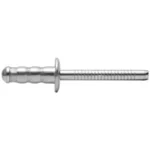
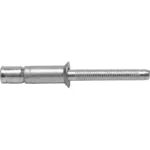
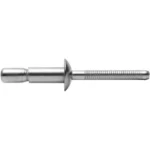
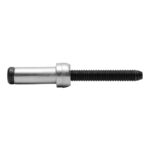
| Rivet Type | Typical Application | Application Description | Key Advantages |
|---|---|---|---|
| Hem-Firm Blind Rivet | Panel to Purlin Applications | Used to fasten solar panel structures to purlins or supporting members | Fast installation, suitable for light structural connections |
| Multi-Grip Blind Rivet | Panel to Purlin Applications | Designed for joining materials with varying thicknesses | Wide grip range, reduces the number of rivet sizes required |
| Mono-Lock Blind Rivet | Purlin Connection Applications | Used for structural connections between purlins and mounting components | High strength locking mechanism, reliable structural fastening |
| Now-Lock Blind Rivet | Purlin Connection Applications | Suitable for connections that require strong vibration resistance | Excellent anti-vibration performance, stable fastening |
| Boom-Lock Blind Rivet | Torque Tube to Gear Drive Applications | Used in solar tracker systems to connect torque tubes to gear drive assemblies | High structural strength, suitable for dynamic load environments |
| Poptail Blind Rivet | Column Connection Applications | Used for structural connections in solar mounting columns and support frames | High load capacity, suitable for critical structural joints |
Need Help With Your Solar Project?
Solar Riveting Solutions Frequently Asked Questions
During the design and installation of solar systems, fastening methods often impact structural stability and installation efficiency. Below are some of the most common questions our customers ask when selecting solar riveting solutions, which we hope will provide valuable reference for your project.
Are blind rivets suitable for solar structures?
Yes. Blind rivets are widely used in multiple structural components of solar systems, such as module frames, mounting systems, rail structures, and equipment enclosures. Their ability to enable single-side installation while providing stable connections makes them highly suitable for the manufacturing and installation of solar structures.
Why are rivets used instead of bolts in solar systems?
Compared to traditional bolted connections, the installation process for blind rivets is simpler. Installers can complete the installation with single-side operation. Additionally, riveted connections resist loosening in vibrating environments, significantly improving installation efficiency. Therefore, blind rivets have become an efficient connection method in many solar structures.
What types of blind rivets are commonly used in solar projects?
Different structural locations typically require distinct rivet types, such as:
- Panel to Purlin: Hem-Firm Blind Rivet, Multi-Grip Blind Rivet
- Purlin Connection: Mono-Lock Blind Rivet, Now-Lock Blind Rivet
- Torque Tube to Gear Drive: Boom-Lock Blind Rivet
- Column Connection: Poptail Blind Rivet
Selecting the appropriate rivet type based on structural loading conditions and material thickness ensures stable and reliable connections.
Are blind rivets suitable for aluminum profile structures?
Yes. Solar panels and mounting systems often utilize aluminum profiles or sheet metal structures, and blind rivets are well-suited for these lightweight materials. The rivets form connections through expansion, reducing localized stress on the material while providing stable fastening.
Are blind rivets corrosion-resistant in outdoor environments?
Blind rivets can be selected in various materials based on application requirements, such as aluminum, stainless steel, or composite materials. Proper material selection ensures they meet the corrosion resistance demands for long-term outdoor operation of solar equipment.
Can blind rivets withstand wind loads and vibration?
Yes. Once installed, blind rivets form a stable mechanical interlocking structure that resists loosening in vibrating environments, meeting the stability requirements for long-term solar system operation.
How to Select the Right Rivets for Solar Projects?
When choosing rivets for your solar project, consider the following factors:
- Structure type (modules, mounting frames, or tracking systems)
- Material type (aluminum extrusions or steel structures)
- Material thickness range
- Outdoor environmental conditions
Selecting the appropriate rivet type based on these factors ensures stable connections and long-term reliability.
Are blind rivets suitable for large-scale solar projects?
Yes. Large photovoltaic power plants involve numerous connection points. Blind rivets enhance installation efficiency and reduce manual steps. Therefore, they are highly suitable for the installation requirements of large-scale solar projects.