
Rivets for Solar Mounting Systems
Accelerate solar mounting installation with high-strength blind rivets engineered for solar structures.
RIVMATE rivets deliver secure structural fastening, fast single-side installation, and long-term reliability in demanding outdoor environments.
Riveting Advantages
3–5× Faster Solar Mounting Installation with RIVMATE Rivets
The advantages of Rivets for Solar Mounting Systems are straightforward: faster installation, more stable structures, and lower construction costs. Blind rivets require single-side operation, completing a single connection point in 2–5 seconds—achieving 3–5 times the installation efficiency of bolted connections. In photovoltaic projects featuring tens of thousands or even hundreds of thousands of connection points, this speed differential can reduce the overall construction cycle by approximately 25%–50%. Additionally, blind rivets require installation from only one side, making them ideal for space-constrained photovoltaic structural nodes such as purlin connections, torque tube connections, and column connections. For photovoltaic projects prioritizing construction efficiency and structural reliability, this represents a more efficient and smarter fastening solution.
- 5,000 connection points ≈ 14 hours saved
- 10,000 connection points ≈ 28 hours saved
- 20,000 connection points ≈ 55 hours saved
Solar Fastening Challenges
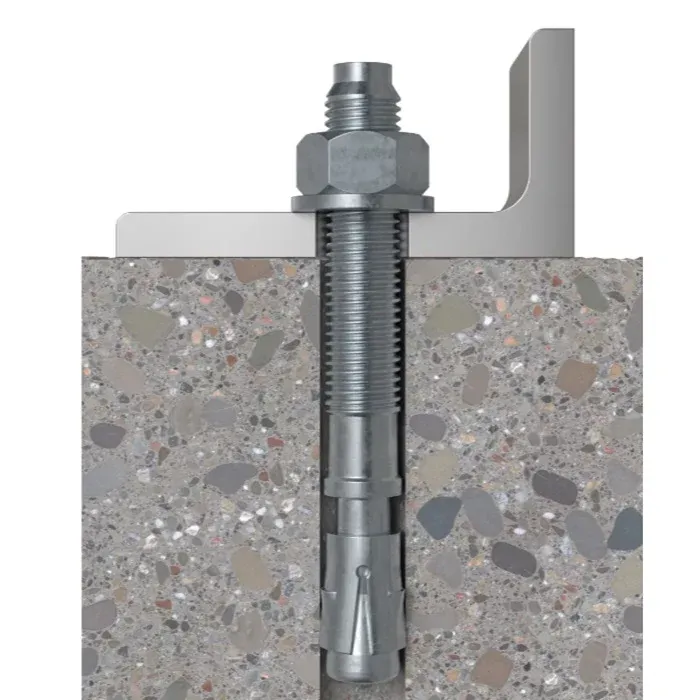
Slow Installation with Bolt Fasteners
Bolted connections require inserting bolts, installing nuts, and torque-tightening. This significantly slows overall installation progress in PV projects with numerous connection points.
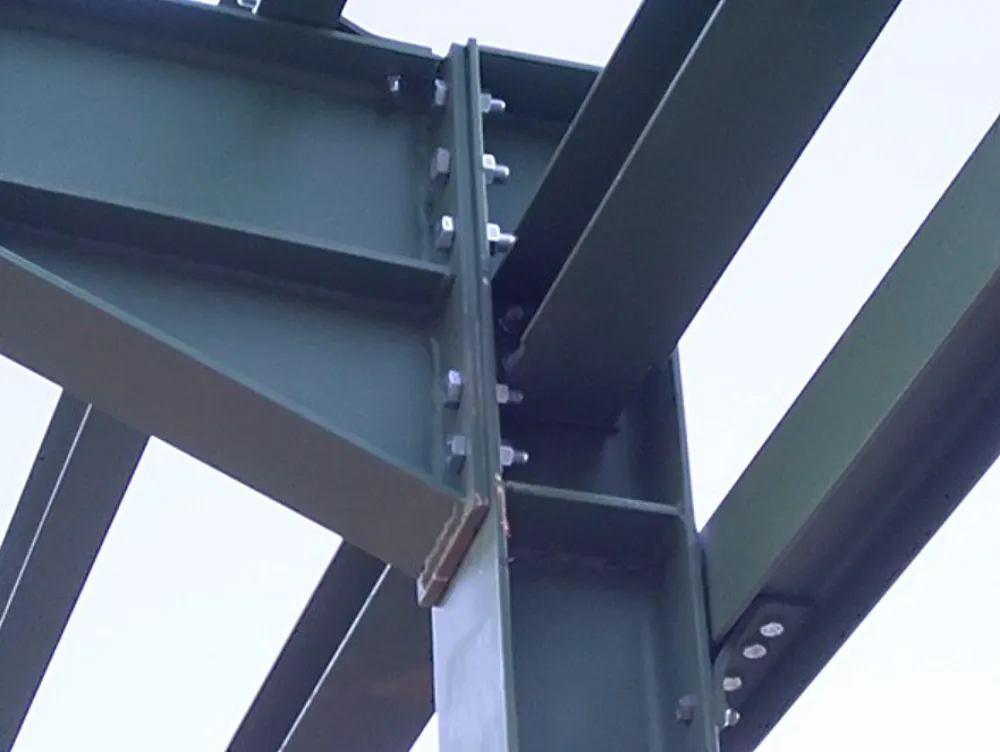
Two-Side Access Required
Traditional bolted connections necessitate access from both sides. This poses installation challenges in confined spaces like solar racks or rooftop structures.
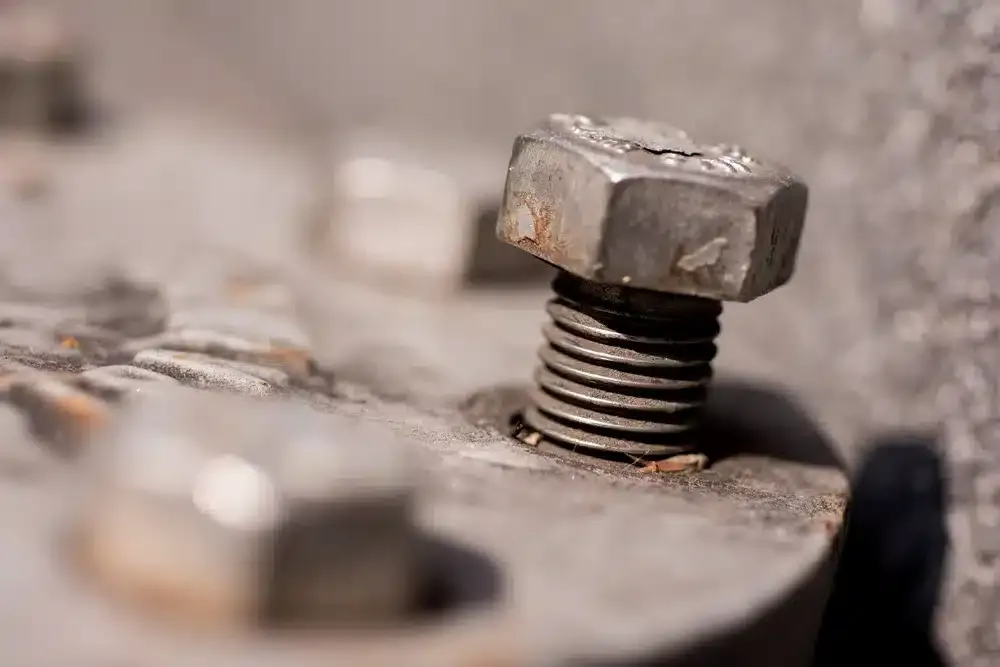
Risk of Loosening Under Vibration
Photovoltaic structures endure long-term wind loads and structural vibrations. Conventional fasteners face a risk of loosening during extended service.
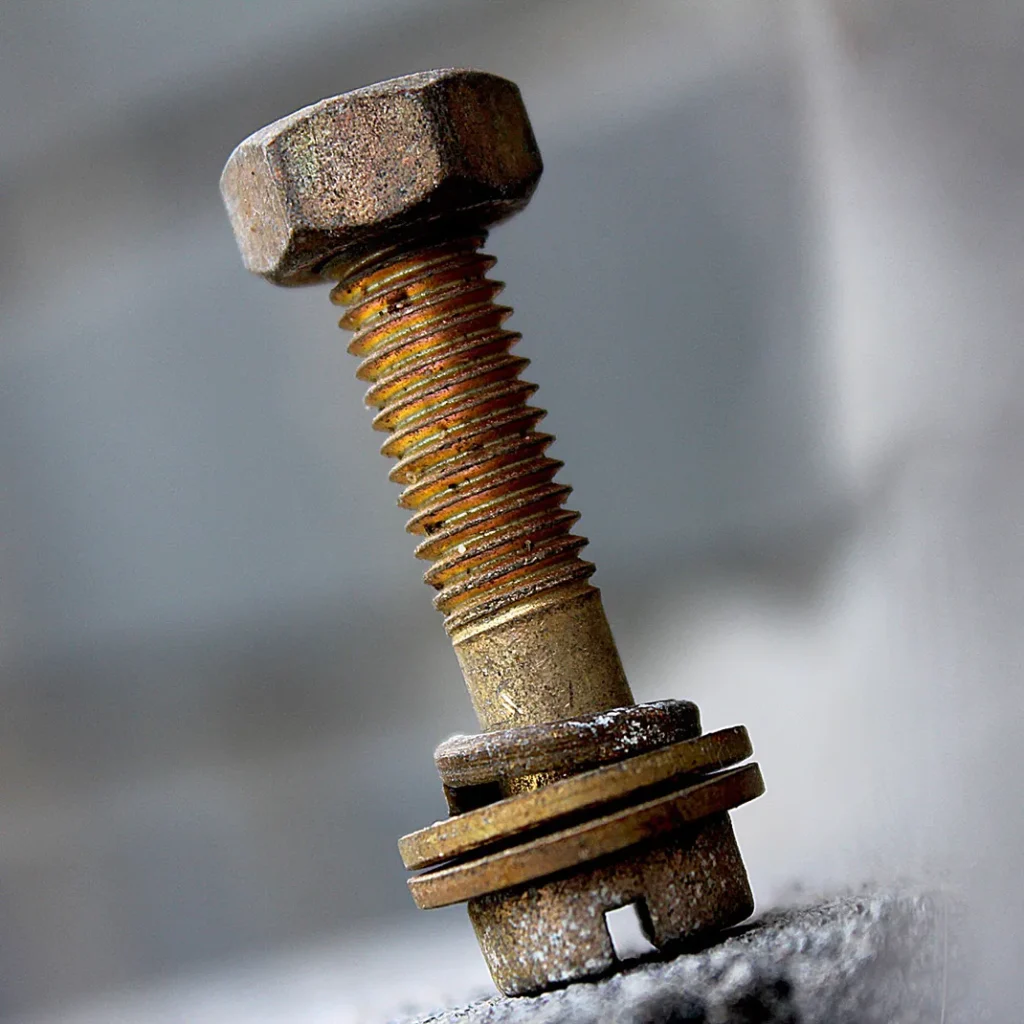
Corrosion from Outdoor Exposure
Solar systems endure prolonged exposure to rain, humidity, and temperature fluctuations. Conventional fasteners may corrode or degrade in performance over time.
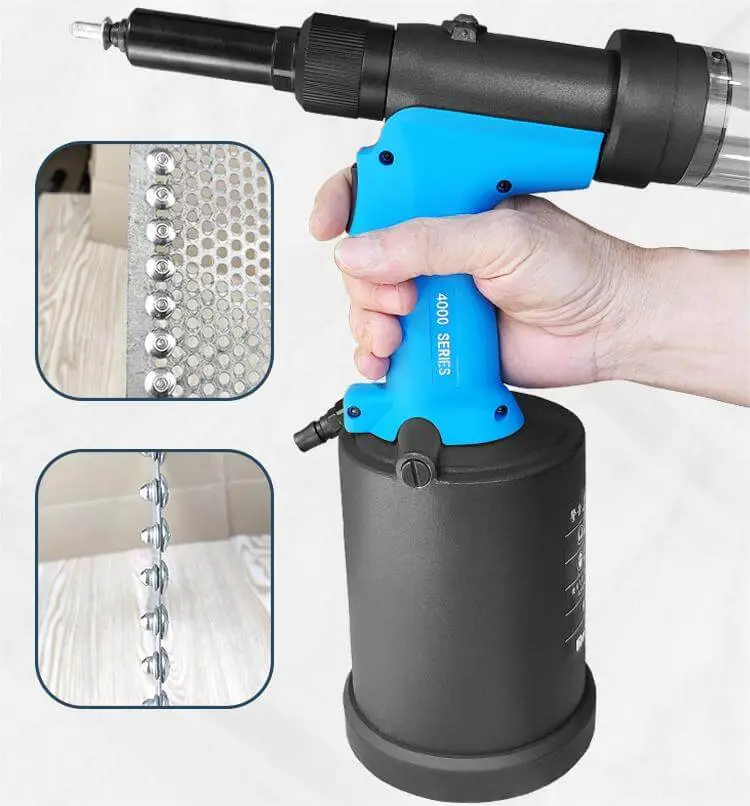
Fast Installation with Blind Rivets
Blind rivets require only insertion into the hole and a single pull of the rivet gun to sever the mandrel, completing the connection in seconds per joint.

One-Side Installation Access
Blind rivets can be installed from a single side without accessing the structure’s reverse side, offering exceptional convenience in confined spaces.
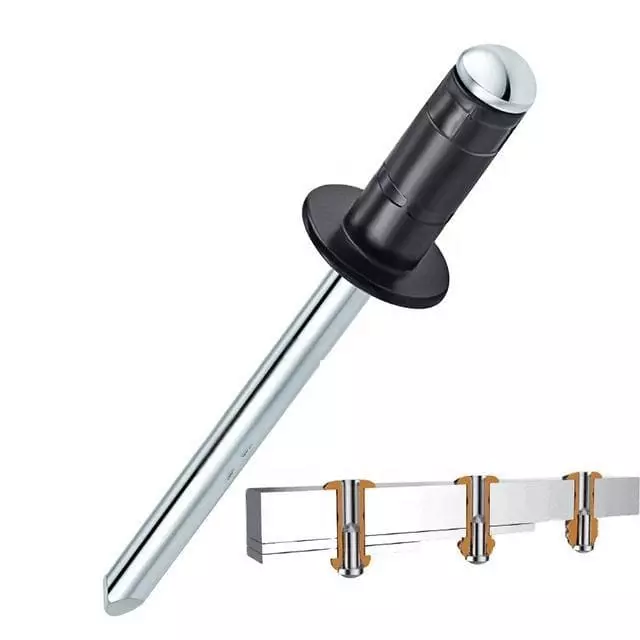
Stable Locking Under Vibration
Pop rivets form a stable locking structure after breaking the mandrel, effectively resisting loosening risks caused by wind loads and long-term vibration.
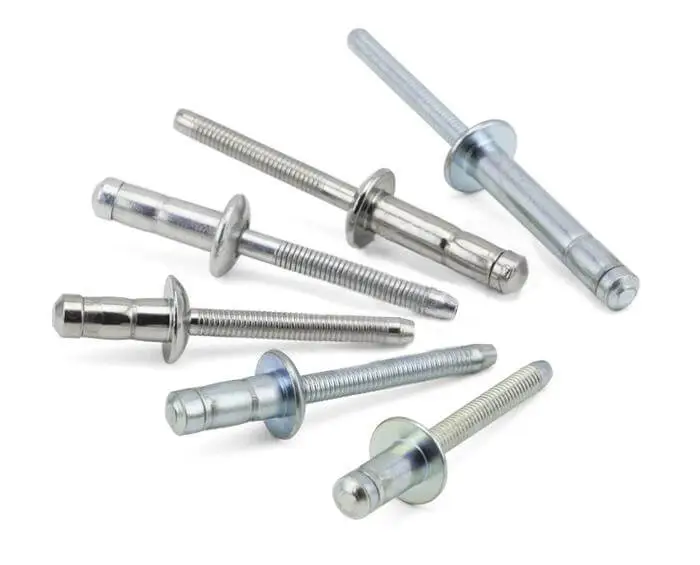
Reliable Corrosion Resistance
Rivets made from aluminum, steel, or stainless steel offer excellent corrosion resistance, meeting the demands of long-term outdoor use in solar systems.
Connection Points
Critical Structural Connections in Solar Mounting
The stability of photovoltaic mounting systems hinges on several critical structural nodes. Large-scale PV projects often involve tens of thousands or even hundreds of thousands of connection points, where the efficiency and stability of the connection solution directly impact construction timelines and subsequent maintenance costs.
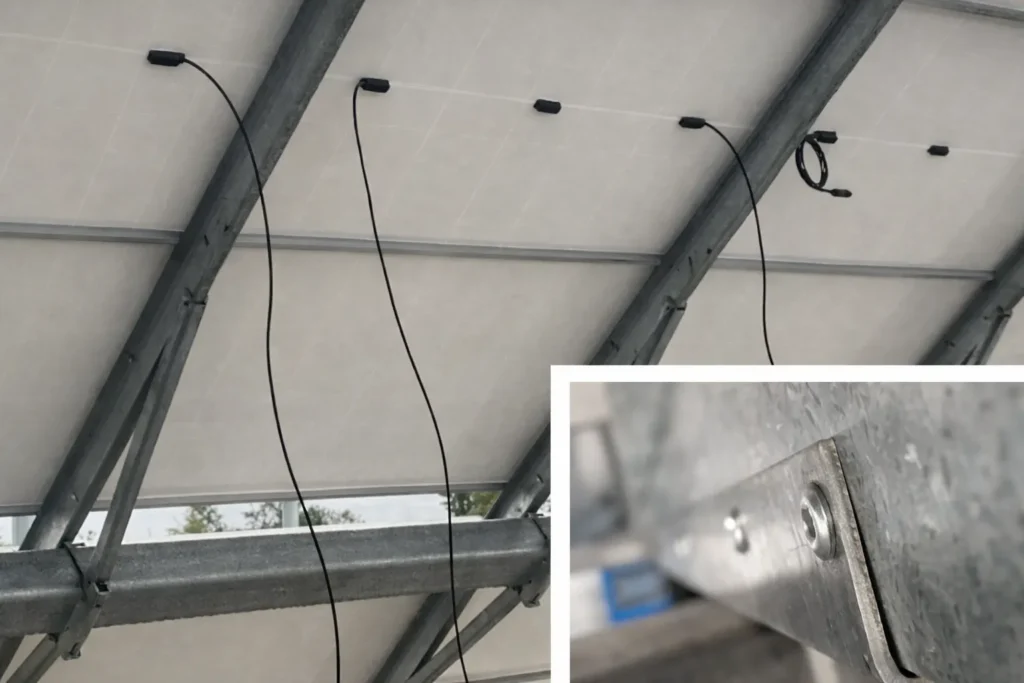
Purlin Connection
Purlin serves as the critical structural component supporting photovoltaic modules and mounting rails, transferring loads to the main structure. Rivets are employed here to secure the mounting rail to the steel purlin, forming a stable connection while significantly accelerating installation speed.
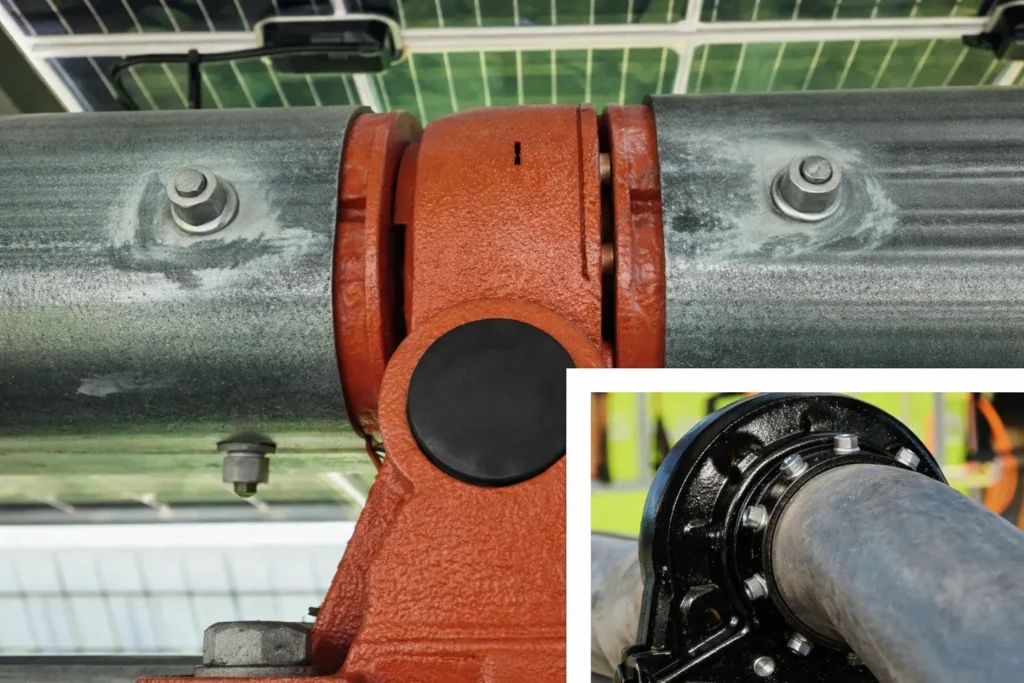
Torque Tube to Gear Drive
Within solar tracker systems, the Torque Tube transmits rotational power from the drive mechanism. Rivets secure connecting components, maintaining structural integrity for torque transmission while minimizing long-term vibration-induced loosening risks.
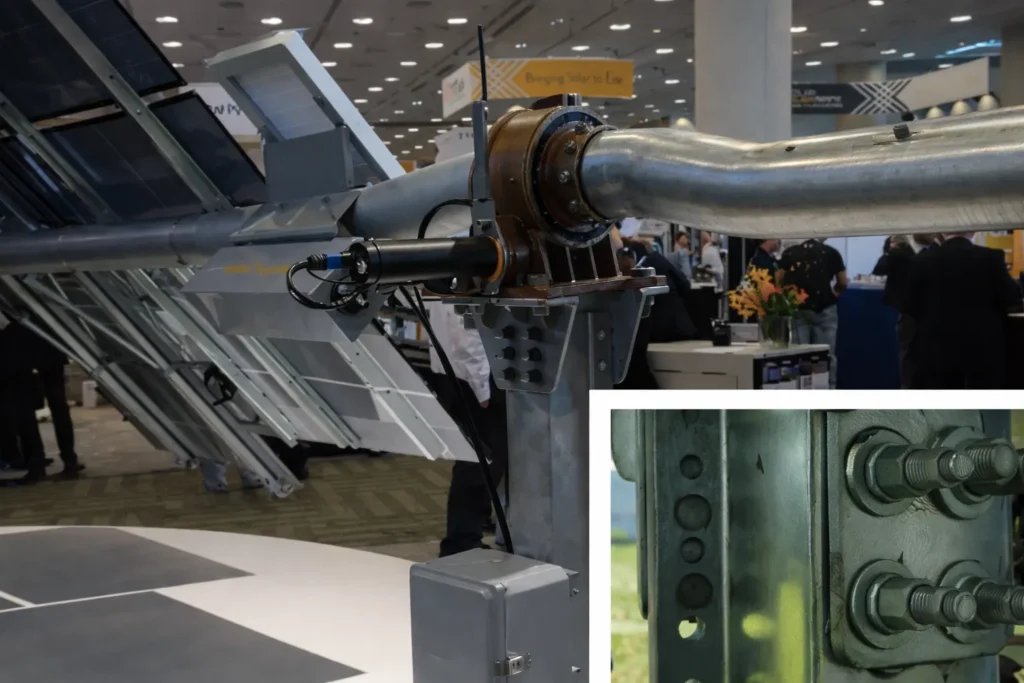
Column Connection
Columns serve as the primary load-bearing structure in photovoltaic mounting systems, supporting array weight and wind loads. Rivets secure connection plates or structural attachments, ensuring structural stability while substantially improving construction efficiency.
Recommended Rivets
Purlin Connection
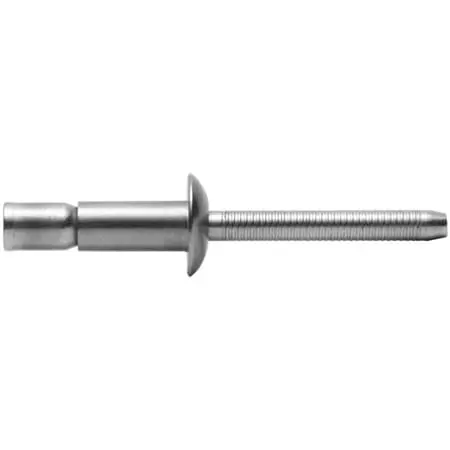
- Tensile Strength: Up to approximately 10.4 kN
- Shear Strength: Up to approximately 11.7 kN
- Retention Load: Approximately 1.1 kN
- Structural Features: Internal mechanical lock core design achieves stable locking after riveting, significantly enhancing vibration resistance and connection stability.
(Reference data for comparable Monobolt / Mono-Lock structural rivets: Shear strength approx. 11.7 kN, Tensile strength approx. 10.45 kN.)
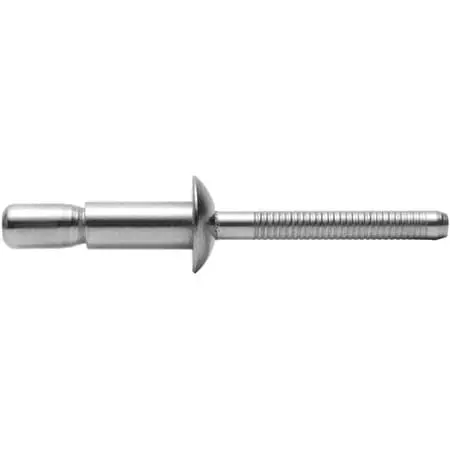
OPTION 2:Now-Lock Blind Rivets
- Tensile Strength: Up to approximately 8.3 kN
- Shear Strength: Up to approximately 11.1 kN
- Retention Load: Up to approximately 1.8 kN
- Structural Features: The flush pin break design ensures a smooth surface after core breakage, while the solid-circle lock mechanism significantly enhances vibration resistance and effectively reduces the risk of the rivet core being ejected. During installation, the sleeve expands to fill voids, creating a tighter bond between the rivet and base material and improving the joint’s moisture-resistant sealing performance.
Recommended Rivets
Torque Tube to Gear Drive
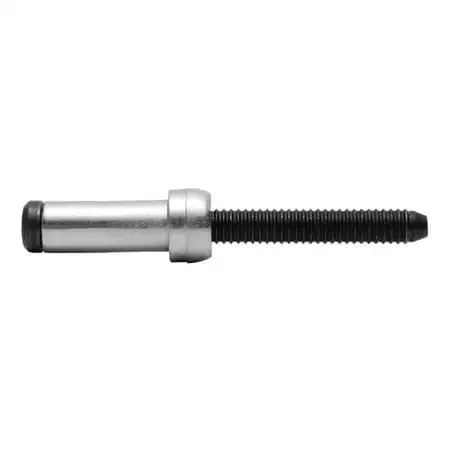
- Tensile Strength: Up to approximately 57.8 kN
- Shear Strength: Up to approximately 89.6 kN
- Grip Range: Accommodates combinations of structural thicknesses ranging from 6.4–11.1 mm
- Reinforced Locking Structure: Enhanced vibration resistance, suitable for continuous loading and vibrating environments
Boom-Lock rivets form a stable structural lock upon installation, providing reliable torque transmission and long-term structural stability at torque tube and gear drive connection points. They represent a high-strength riveting solution for heavy-duty structural connections in photovoltaic tracking mount systems.
Recommended Rivets
Column Connection
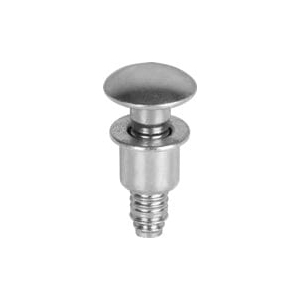
POPTAIL Blind Rivets
- Tensile Strength: Approximately 18.68 kN
- Shear Strength: Approximately 18.69 kN
- Permanent Locking Structure: The lock sleeve material is pressed into the lock groove to form a stable, vibration-resistant structural connection
- Installation Indicator Structure: Visually confirms riveting status after installation, enhancing construction reliability
Poptail rivets form a stable mechanical locking structure upon installation, creating a reliable load-bearing connection between the column and structural connectors.
Need a Reliable Solar Rivet Solution?
RIVMATE structural blind rivets are engineered for solar mounting systems, delivering high structural strength and fast single-side installation for key connections such as purlin, torque tube, and column joints.
Rivets vs Bolts
Rivets vs Bolts in Solar Mounting Systems
Traditional bolted connections are still used in many photovoltaic structures, but in PV projects with a large number of connection points, blind rivets offer superior performance in terms of construction efficiency and structural stability.

| Feature | Blind Rivets | Bolts |
|---|---|---|
| Installation Access | Single-side installation, requires no rear access space, ideal for confined structures | Two-side installation, requires access from both front and rear sides |
| Installation Speed | 2–5 seconds per connection point, boosting efficiency by 3–5 times | Requires positioning, threading bolts, installing nuts, and tightening |
| Tooling | Only requires a rivet gun for a simple installation process | Requires wrenches or power tools for tightening |
| Vibration Resistance | Mechanical locking structure provides superior vibration resistance and prevents loosening | Long-term vibration may cause nut loosening |
| Structural Consistency | Each installation creates a stable locking force with high connection consistency | Connection stability varies due to installation torque |
| Installation Space | Suitable for narrow structural nodes like purlins, torque tubes, columns | Requires sufficient space for dual-side operation |
| Maintenance | Virtually maintenance-free | Requires periodic bolt loosening checks |
| Installation Efficiency in Large Projects | Significant efficiency advantage for tens of thousands of connection points in large PV power plants | Longer installation time, extended construction cycle |
OEM
Custom Rivet Solutions
Custom
Flange Diameter
You can request a larger or special flange size to better distribute load on composite panels.
02
Special
Surface Coatings
You can choose coatings for corrosion resistance, durability, or specific environmental conditions.
03
OEM &
Private Label Packaging
You can customize packaging with your brand, labels, and carton specifications for your market.
Need Help With Your Solar Project?
Solar Rivet Technical FAQs - Rivets for Solar Mounting Systems

Q1. What rivets are used for solar mounting systems?
Photovoltaic mounting systems primarily utilize structural blind rivets. Common types include Hem-Firm Blind Rivets, Multi-Grip Blind Rivets, Mono-Lock Rivets, and Boom-Lock Rivets. These rivets provide stable mechanical locking structures and can be installed under single-side operation conditions. They are suitable for applications such as purlin connections, tracker drive connections, and frame assemblies in photovoltaic structures.
Q2. Are rivets better than bolts for solar structures?
In photovoltaic projects requiring numerous structural connection points, blind rivets significantly outperform bolted connections in construction efficiency. Rivets require only single-side installation, with each connection typically completed in 2–5 seconds, whereas bolts necessitate dual-side operation and tightening steps. For solar power plants with extensive connection points, this efficiency difference can substantially reduce construction timelines.
Q3. What material rivets are best for solar installations?
Photovoltaic systems endure prolonged outdoor exposure, making rivets typically crafted from aluminum alloy, stainless steel, or coated carbon steel. Aluminum/stainless steel composite rivets offer excellent corrosion resistance, while high-strength carbon steel structural rivets suit applications requiring greater structural integrity.
Q4. How to choose rivet size for solar mounting systems?
Selecting rivet size requires consideration of material thickness, structural load, and hole diameter. Common photovoltaic structural rivet diameters are 4.8 mm and 6.4 mm. Larger diameters provide greater tensile and shear resistance, making them preferred for joints requiring higher structural strength.
Q5. Do solar structures require structural rivets?
For structural connections bearing significant loads, structural rivets offer greater reliability. Featuring a locking mechanism, these rivets create a stable mechanical bond after installation, enhancing vibration resistance and reducing the risk of connection loosening.
Q6. What grip range is suitable for solar panel frames?
Photovoltaic mounting structures typically consist of steel components with varying thicknesses, requiring rivets with an appropriate grip range. Common connection thicknesses in PV structures range from 3–10 mm. Selecting rivets covering this range ensures stable connections while minimizing the number of required specifications.