Case Study: Rivets for the Main Rotation Axis Connection in PV Tracking Mounts
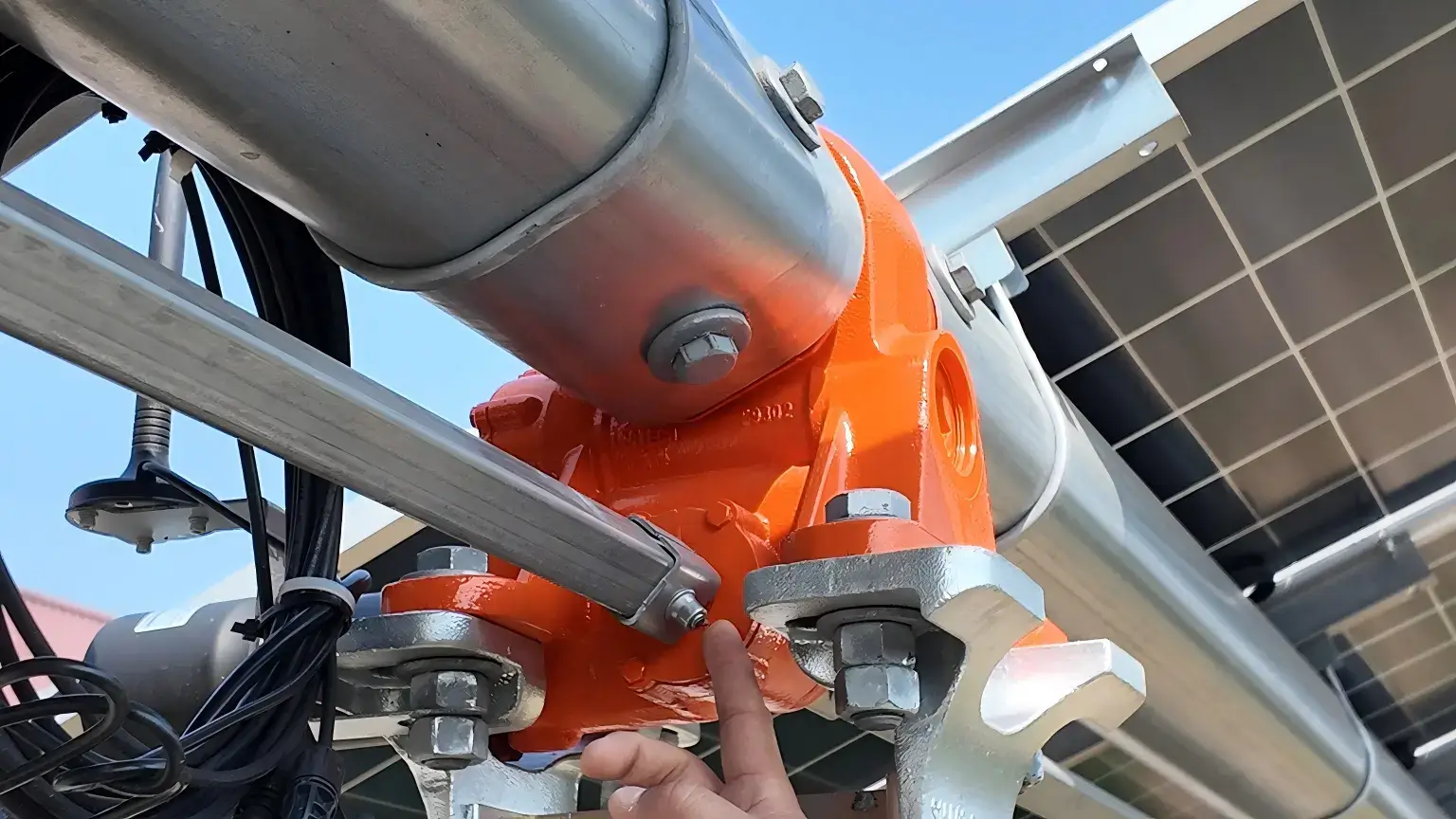
In photovoltaic tracking mount systems, the main rotation shaft connection point must withstand structural loads, rotational stresses, outdoor environmental corrosion, and assembly space constraints over the long term. The customer originally used M12 Grade 8.8 bolts and nuts for the connection, but during the actual assembly process, they sought a high-strength fastening solution better suited for blind-side installation.
Customer Requirements and Project Expectations
The customer wishes to replace the original six sets of M12, Grade 8.8 bolt-and-nut connections at the main rotating shaft of the photovoltaic tracking mount with 12 blind-side fasteners. The total plate thickness at this connection point ranges from 5 mm to 7.5 mm, and the solution must meet requirements for sufficient structural strength, torsional resistance, and outdoor corrosion resistance.
The customer is concerned not only with the dimensional compatibility of individual rivets but also with whether the entire connection solution can reliably replace the original bolted connection in a real-world assembly environment.
Client Detail Requirements
The client’s key requirements include:
- A blind-side installation solution is required.
Due to structural constraints at the connection point, traditional bolt-and-nut installation is impractical; therefore, the client wishes to use blind fasteners. - Need for a Replacement for M12 Grade 8.8 Bolt Connections
The original connection method has high strength requirements; therefore, the alternative solution must provide sufficient tensile strength, shear strength, and mechanical locking capability. - Need to Accommodate Different Connection Thicknesses
The total thicknesses provided by the client include 5 mm, 6 mm, and 7.5 mm; therefore, the rivets must cover this range of plate thicknesses. - Must be suitable for outdoor photovoltaic environments
Photovoltaic tracking mounts are exposed to the outdoors for extended periods, so fasteners must offer superior corrosion resistance to reduce the risk of future maintenance. - Requires stable and predictable connection performance
The customer’s original solution presented uncertainties regarding assembly consistency and connection performance, so a more reliable structural riveting solution is required.
Customer Pain Points
1. Bolt assembly is not suitable for blind-side structures
In the main drive shaft structure, it is not possible to easily perform double-sided operations on bolts and nuts at certain locations.
2. Uncertainty in connection performance
Traditional bolted connections are susceptible to factors such as tightening torque, assembly angle, and consistency of operation.
3. Main shaft connections require sufficient torsional resistance and structural strength
The main rotating shaft of photovoltaic tracking mounts must withstand structural loads and torque during rotation.
4. Outdoor environments demand higher corrosion resistance
Standard surface treatments may not meet the long-term service requirements of solar equipment.
Rivmate Riveting Solutinos
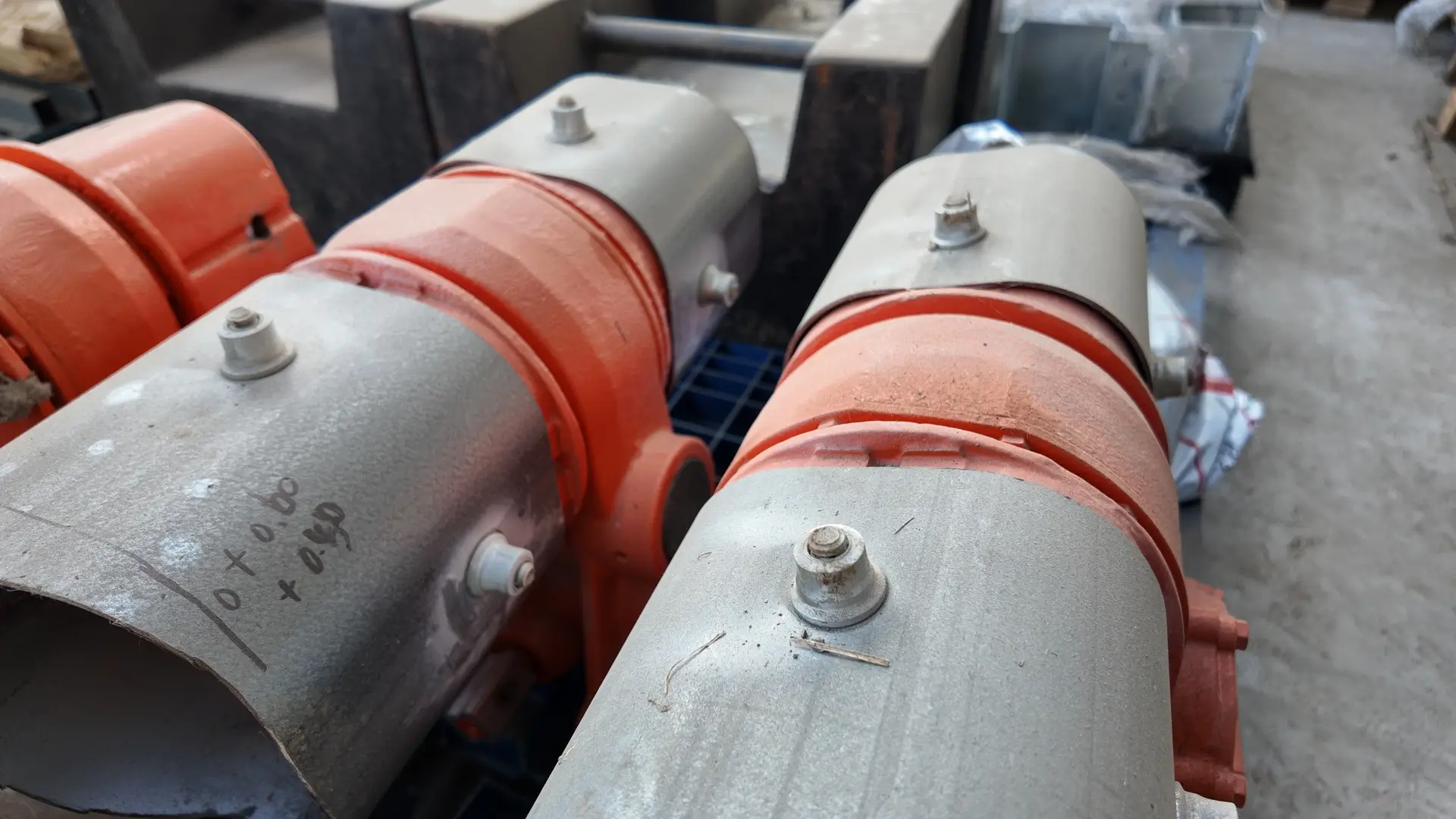
For this application involving the main rotating shaft connection of a solar tracking mount, Rivmate recommends using BOOM Rivets / BOM Rivets as the core solution.
Compared to standard blind rivets, BOOM / BOM Rivets are better suited for high-strength structural connections. After riveting, they provide a more stable mechanical lock, making them suitable for locations subject to high tensile forces, shear forces, and vibration loads.
| Item | Recommended Solution |
|---|---|
| Rivet Type | BOOM Rivets / BOM Rivets |
| Application Position | Main shaft connection of solar tracking brackets |
| Recommended Specification | BOOM-01206 10.0 × 22.6 |
| Grip Range | 4.8–7.9mm |
| Material | Carbon Steel |
| Mandrel Material | SCM435 / SCM440 |
| Mandrel Hardness | Can reach Grade 10.9 requirements |
| Surface Treatment | Zinc-Nickel Plating / Dacromet Coating |
| Main Purpose | To replace the original M12 Grade 8.8 bolt and nut connection |
Why BOOM Rivets Are Recommended
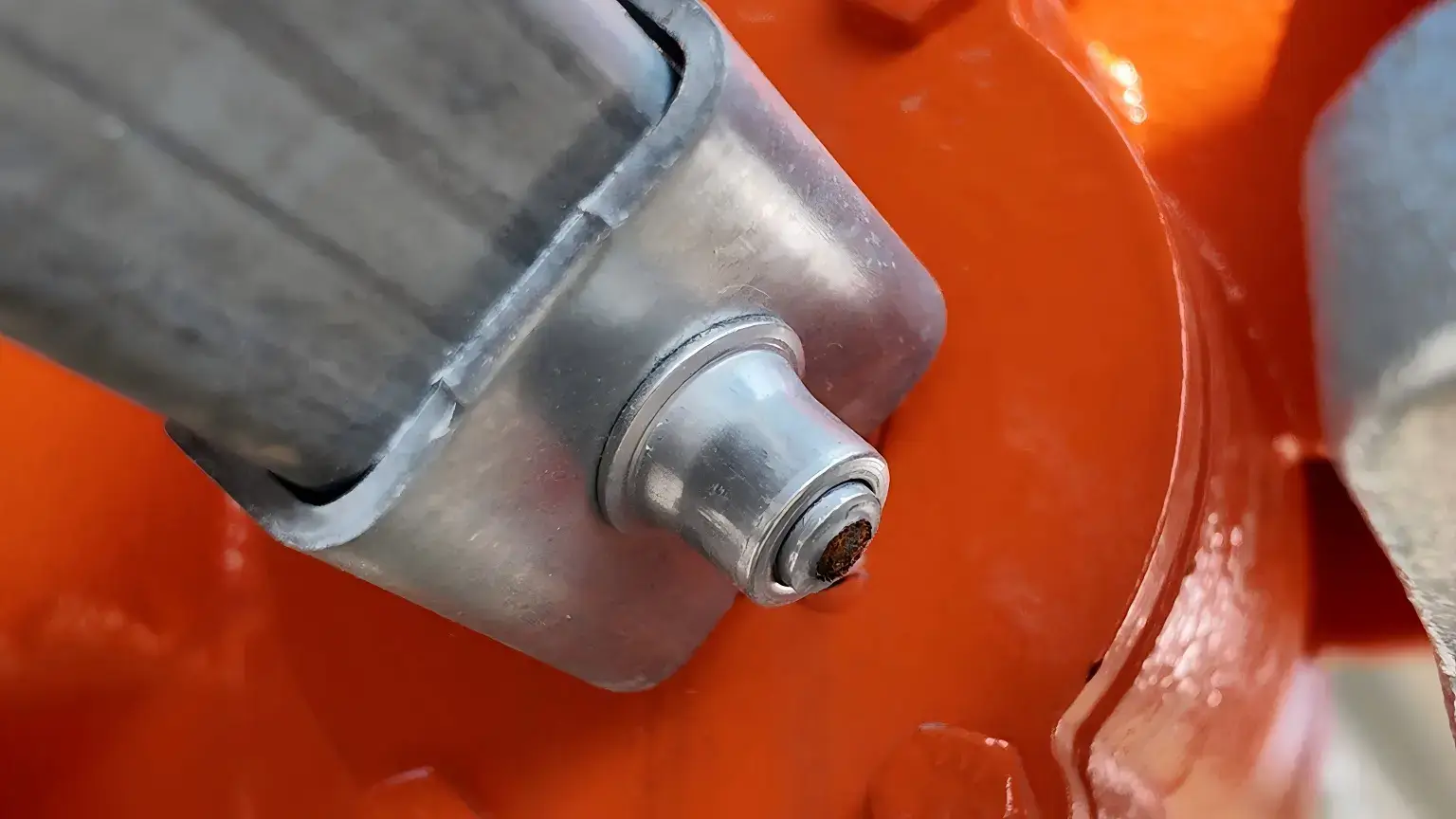
- Once BOOM / BOM Rivets are installed, they form a stable mechanical locking structure that provides a very strong mechanical lock.
- For locations with limited assembly space, such as the main shafts of photovoltaic mounting systems, blind-side installation allows for a more streamlined assembly process.
- Made of carbon steel with zinc-nickel or Dacromet surface treatments, BOOM / BOM Rivets are better suited for the long-term outdoor environment of photovoltaic mounting systems.
- Structural riveting solutions can reduce connection instability caused by human installation variations.
Rivmate Capabilities on BOOM Rivets
Rivmate doesn’t just offer individual rivet specifications; it provides tailored riveting solutions based on your specific application location, sheet thickness range, hole size, installation method, and strength requirements.
Rivmate can assist customers with product selection in the following areas:
- Rivet diameter selection
- Riveting range matching
- Material strength matching
- Surface treatment options