
Case Study:Custom Rivet Nuts for Structural Joints in Portuguese Carbon Fiber Bicycles
Portuguese bicycle manufacturers take into account the lightweight, high-strength, and structurally sensitive nature of carbon fiber when producing carbon fiber bicycle frames and joints. Therefore, when selecting frames and related fasteners, it is essential to prioritize joint strength while also considering product weight, assembly stability, and protection of the carbon fiber panels.
During actual assembly, manufacturers must seek riveting solutions that not only meet corrosion resistance requirements for outdoor riding environments but also maintain stable connections under prolonged vibration and repeated stress.
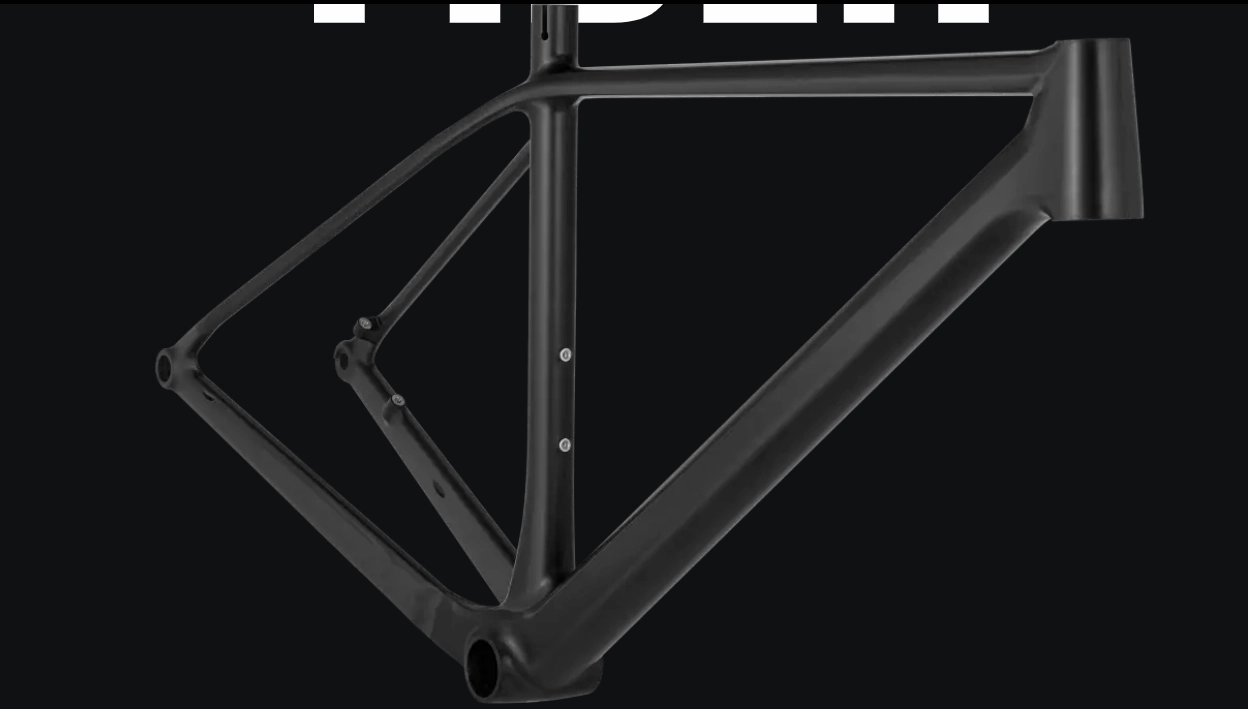
Customer Requirements and Project Expectations
The customer wants not only to maintain the surface finish of the carbon fiber structure and the weight of the frame, but also to establish stable and reliable threaded connections between the bicycle frame and the mounting hardware to facilitate subsequent assembly.
Client Detail Requirements
The client’s key requirements include:
- Stable Joining Suitable for Carbon Fiber Materials
Bicycle manufacturers’ products primarily use carbon fiber materials, which are more sensitive to hole-position stress and localized deformation during assembly. Therefore, the customer requires a riveting solution that can securely clamp thin-plate structures while minimizing the risk of damage to the holes. - Addressing Issues Caused by Long-Term Vibration of Screws
Riding a bicycle can cause internal screws to loosen, resulting in rattling noises or connection failure. Consequently, the customer requires a riveting solution that offers greater stability. - Must Meet Outdoor Corrosion Resistance Requirements
Bicycle frames and connecting structures are constantly exposed to outdoor environments, including rain, humid air, mud, and temperature fluctuations. Therefore, manufacturers require fasteners made of corrosion-resistant materials to prevent rust from affecting appearance and service life. - Controlling the bicycle’s overall weight
As a carbon fiber bicycle manufacturer, there are high requirements for controlling the weight of the entire bicycle. Therefore, the customer needs a solution that balances strength, weight, and reliability. - Requirement to match the clamping range for thin panels
The manufacturer’s carbon fiber structural panels are relatively thin, placing high demands on clamping range compatibility. Therefore, it is necessary to reduce issues such as loosening, slippage, or panel deformation caused by an incompatible clamping range. - Internal threaded connection points for subsequent screw assembly
Bicycle manufacturers need to install other components or accessories on carbon fiber frames or connecting assemblies at a later stage. Therefore, the customer requires stable internal threaded mounting points.
- Product appearance requires a more refined surface finish
Bicycle fasteners must meet functional requirements and ensure good visual consistency. Therefore, the customer requires a surface finish that enhances the overall visual appeal of the product. - Consistent Quality for Mass Production
As bicycle manufacturers, customers require continuous production and mass assembly. Therefore, they need Rivmate to provide consistent product dimensions, thread precision, clamping range, and surface finish to ensure stable performance across different batches during assembly.
Customer Pain Points
1. Screw connections are prone to loosening under prolonged vibration
During cycling, standard screw connections are constantly subjected to road impacts, which can lead to loosening, abnormal noises, or reduced connection stability.
2. Outdoor environments require higher corrosion resistance
Standard carbon steel fasteners do not provide sufficient corrosion resistance; they are prone to rust, which affects both appearance and service life.
3.Assembly pressure makes carbon fiber materials more prone to deformation
If carbon fiber panels are subjected to excessive localized stress, it may result in damage to hole positions, panel deformation, or structural fatigue.
4. Connectors must balance lightweight design with strength
Bicycle frames and related connectors require a riveting method that combines light weight, high strength, corrosion resistance, and assembly stability.
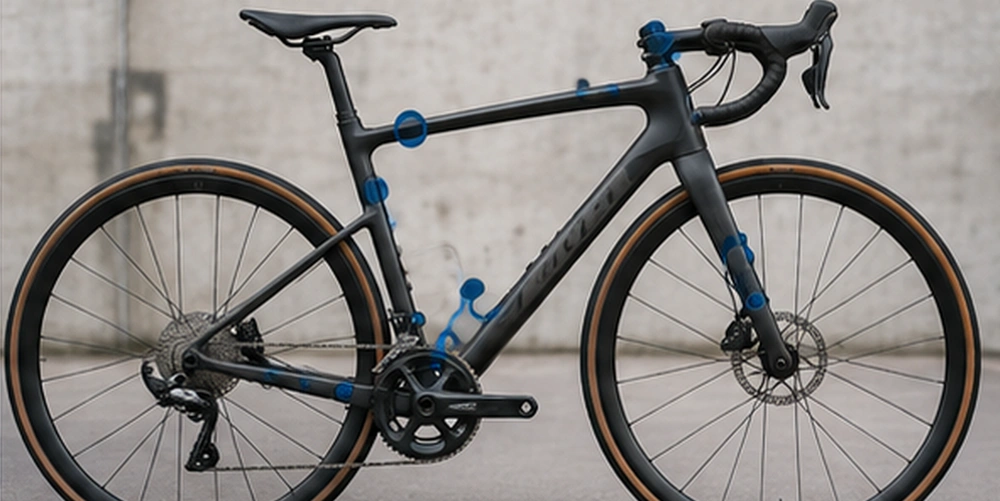
Rivmate Riveting Solutinos
Taking into account the structural characteristics and assembly requirements of carbon fiber bicycles, Rivmate recommends using a custom stainless steel rivet nut solution.
The riveting solution uses stainless steel material with specifications of M5 × 10, suitable for clamping thin sheets ranging from 0.6 to 1 mm in thickness. It is paired with appropriate rivet nut sizes, clamping ranges, and installation parameters. Once installed, it creates a stable internal threaded connection point on the carbon fiber structure, facilitating the subsequent installation of screws or connecting accessories.
| Project | Recommended Solution |
|---|---|
| Product Type | Customized Rivet Nut |
| Application Industry | Carbon Fiber Bicycle Manufacturing |
| Application Position | Bicycle Frames and Connecting Components |
| Recommended Specification | M5 × 10 |
| Material | Stainless Steel |
| Grip Range | 0.6–1 mm |
| Surface Treatment | Polishing |
| Main Purpose | To improve connection stability, corrosion resistance, and carbon fiber assembly safety. |
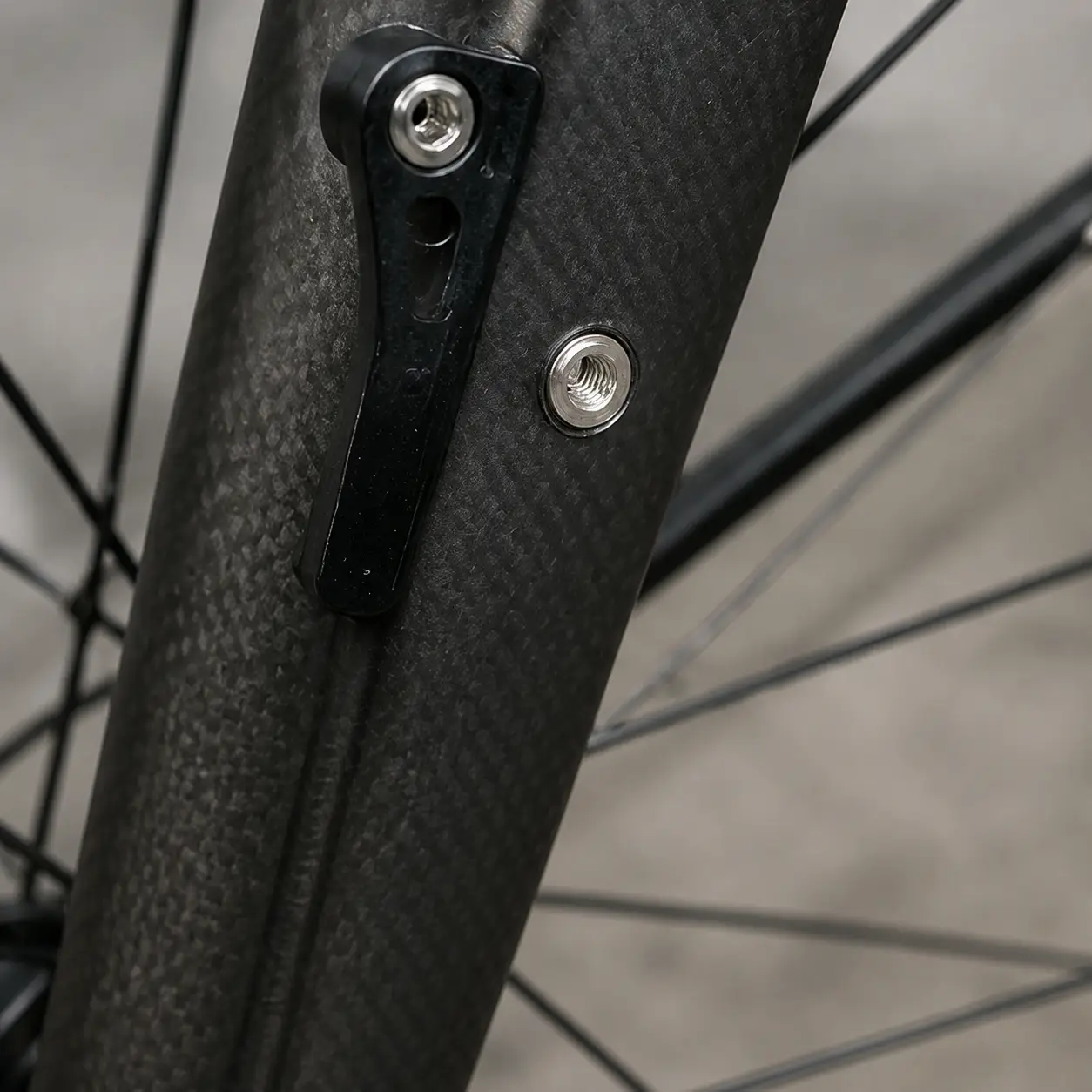
Why Are Stainless Steel Rivet Nuts Recommended
- Stainless steel rivet nuts offer superior corrosion resistance. They are particularly well-suited for use in humid, rainy, and outdoor environments.
- Once installed, stainless steel rivet nuts create reliable internal threaded connection points on thin sheets or composite structures, facilitating subsequent component installation, disassembly, and maintenance for customers.
- When paired with appropriate clamping ranges and installation parameters, stainless steel rivet nuts minimize localized compression and reduce the risk of deformation at carbon fiber drill holes and damage to panels.
- Stainless steel rivet nuts do not require welding, making them ideal for bicycle manufacturing applications where weight, appearance, and assembly efficiency are critical.
Customization Capabilities of Rivmate Riveting Solutions
Rivmate not only offers standard fasteners but also provides customized riveting solutions tailored to customers’ specific requirements regarding materials, sheet thickness, hole patterns, installation methods, and operating environments.
You can provide the following information, and Rivmate will help you select the appropriate riveted fasteners:
- Sheet Thickness
- Material Type
- Installation Location
- Load Requirements
- Surface Treatment
- Thread Specifications or Rivet Specifications