
Case Study: B-Type Hemlock Blind Rivets for Truck Body Steel Tube Structure
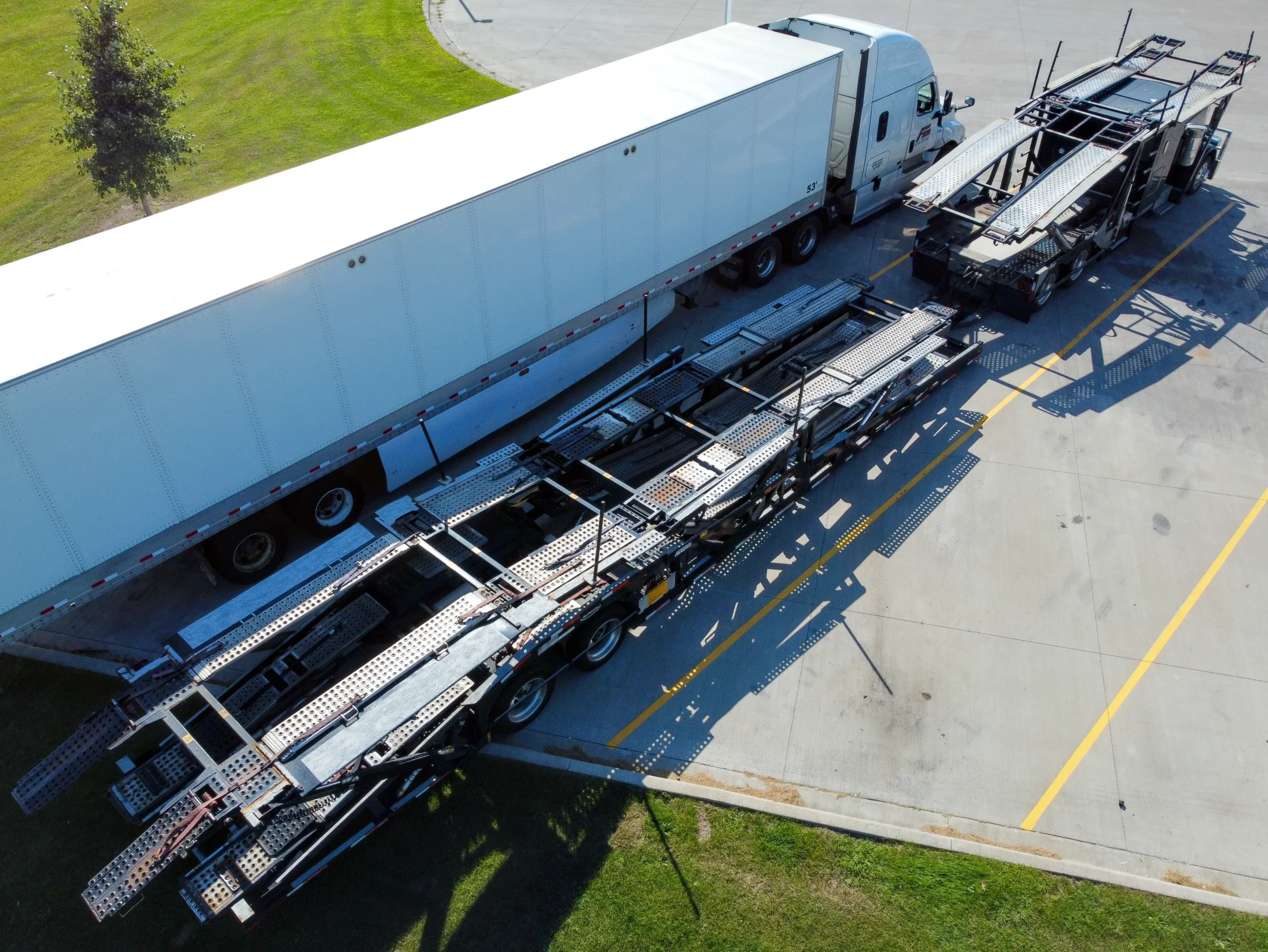
In the connections of the steel frame structure for truck cargo beds, the steel components being riveted are hollow galvanized tubes. The connection points inside the cargo bed must provide sufficient structural strength without causing deformation of the tube walls. Initially, the customer used Model B Haima rivets rated at 14,000 N for the connections; however, during actual assembly, the thin-walled galvanized tubes deformed under load. The customer requires high-strength structural rivets that are better suited for the walls of hollow galvanized tubes.
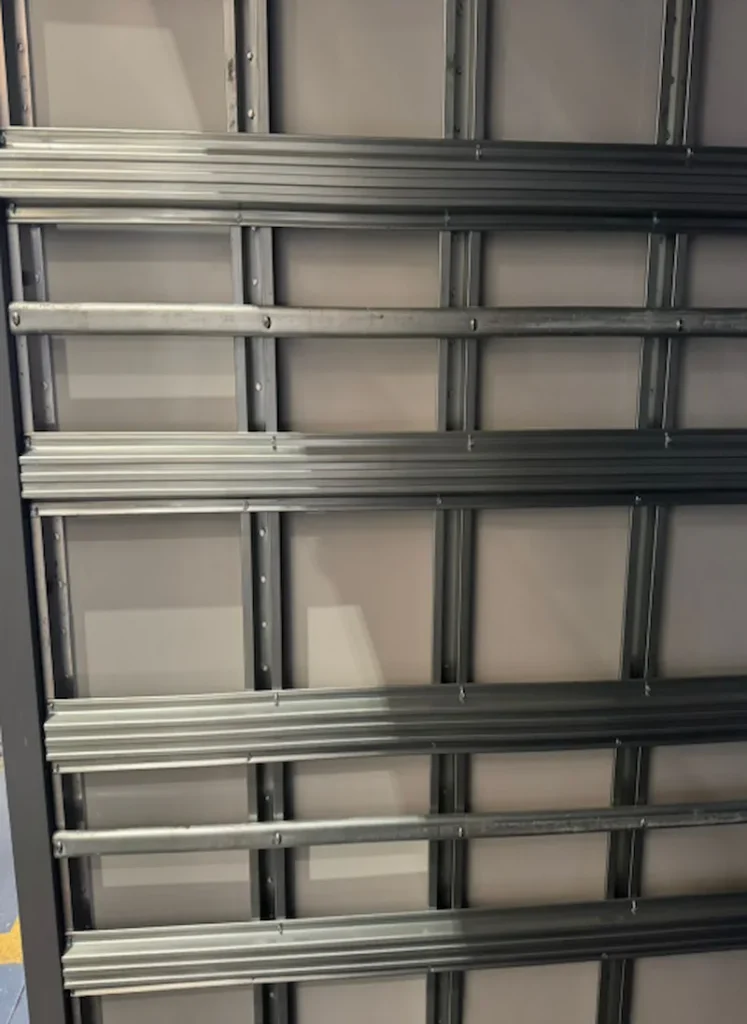
Customer Requirements and Project Expectations
Rivmate aims to resolve the denting issue that occurs when customers use Type B Haima rivets. The rivet breaking force will be reduced from the original 14,000 N to approximately 10,000 N, and the height of the internal step in the Haima rivet body will be increased, along with the wall thickness at the bottom of the rivet body.
The solution must ensure sufficient strength and clamping force while preventing dents in thin-walled, hollow galvanized tubes after riveting.
Client Detail Requirements
The client’s key requirements include:
Suitable for hollow galvanized pipe structures
Since hollow galvanized pipes lack rear support after installation to form a stable connection, the design must minimize excessive localized pressure caused by the expansion of the rivet head, which could lead to deformation of the pipe wall.The connection strength after riveting must meet the requirements for the interior structure of the truck body
The interior structure of the truck body cannot use low-strength rivets simply to avoid dents. Therefore, the rivets must provide a high-strength connection.The riveting process must not cause visible indentations or dents in thin-walled tubes
The alternative solution must address the issue of surface indentations on workpieces caused by the original rivets after riveting. This will improve the visual consistency of the truck body structural components.The rivet must provide stable clamping performance
The riveting process should reasonably reduce the rivet breakage force while ensuring connection stability, allowing the hollow galvanized tube to withstand the pressure during riveting.Optimize the rivet body structure to improve the rivet’s self-supporting capacity
The alternative solution involves adjusting the internal step structure and bottom wall thickness of the Model B Haima rivet body, enabling the rivet to provide better support during riveting deformation and reducing concentrated pressure on the hollow tube wall.Retain the connection advantages of the Model B Seahorse-structure rivet
Modifications will be made to the Model B Seahorse rivet to ensure it meets the customer’s project requirements in terms of strength, installation method, and application direction.After the samples are improved, their effectiveness must be verified on the customer’s actual workpieces
The improved samples must undergo riveting tests on actual workpieces to confirm whether the denting issue has been resolved and whether the clamping condition after riveting meets the requirements for the vehicle body.
Customer Pain Points
1. Hollow galvanized tubes lack back support and are prone to deformation
Compared to solid sheet metal, when a rivet expands inside the wall of a hollow tube, there is insufficient support on the back side of the tube wall, which can cause deformation.
2. The connections in the truck body structure must be high-strength, yet must not damage the workpiece
Low-strength rivets may not meet the requirements of a truck body structure. Excessive clamping force can cause localized dents.
3. The original Model B Haima rivets had excessively high breaking force, resulting in excessive pressure on the tube walls.
A breaking force of 14,000 N was not compatible with the load-bearing capacity of the customer’s workpieces.
4. Dents in the tube walls affect product appearance
The dents caused by Model B Haima rivets after riveting compromise both appearance and assembly quality.
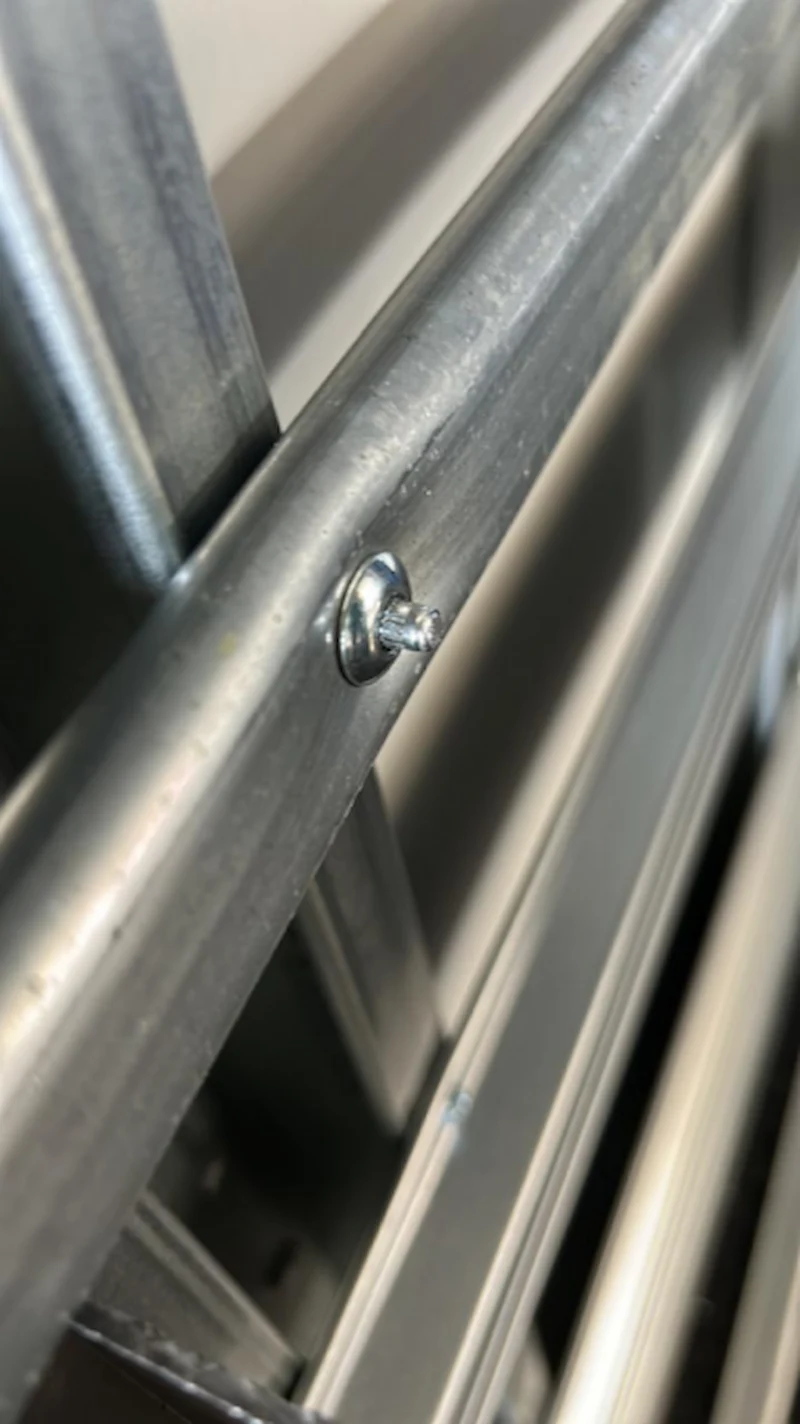
Rivmate Riveting Solutinos
For this high-strength application involving the connection of a truck body steel frame, Rivmate did not recommend that the customer switch to standard, low-strength rivets. Instead, it proposed a solution that retained the stability advantages of the Type B Seahorse rivet while making targeted adjustments to the rivet body and core structure.
Compared to the original Type B Seahorse rivet, the improved Seahorse rivet features a higher inner step and increased wall thickness at the base of the rivet body. This has improved riveting performance on hollow galvanized steel tubes. Not only does it maintain the structural strength and clamping force required for the joint, but it also resolves the issue of tube wall indentation.
| Adjustment Item | Improved Solution | Improvement Purpose |
|---|---|---|
| Rivet Type | Continue using B-Type Hemlock structural blind rivets | Maintain high-strength fastening performance |
| Rivet Body Structure | Increase the step height and thicken the bottom section of the rivet body | Enhance the supporting strength of the rivet body |
| Break-Stem Force | Approximately 10,000N | Reduce pressure on the tube wall |
| Workpiece Issue | The denting problem was improved | Improve assembly quality |
| Application Fit | Optimized for hollow galvanized steel tubes | Meet the customer’s actual working conditions |
Why Optimized B-Type Hemlock Blind Rivets Are Recommended
- The optimized Type B Haima structural rivet is better suited for connecting the vehicle’s body steel frame.
- It enhances the rivet body’s load-bearing capacity and reduces localized stress on thin-walled tubing.
- It retains the high-strength bonding advantages of Haima rivets.
- It prevents denting and improves the consistency of the product’s appearance.
Rivmate Capabilities on Structural Blind Rivets
Rivmate is not only a standard rivet supplier but also a professional manufacturer that provides solutions to real-world riveting challenges for industrial customers. If you’re still struggling to choose the right type of rivet for your product, Rivmate can provide the following based on your drawings, material thickness, hole diameter, tensile strength requirements, and shear strength requirements:
- Product selection recommendations
- Sample testing plans
- Custom structural rivet recommendations
- Recommendations for adjusting break force
- Bulk purchase quotes
- OEM packaging support
- Long-term supply solutions