
Aluminum Pipe Connection Structure: Hemlock Blind Rivets – Riveting Optimization Case Study
When joining aluminum structural components, it is critical to ensure adequate clamping force and structural stability after riveting. The customer initially used 5×10 open-end pop rivets, but loosening still occurred after riveting was completed.
Furthermore, the results varied when different workers manually installed the screws on the project, and the installation process was slow. The customer wishes to optimize the fastening solution to improve clamping force and structural stability after riveting.

Customer Requirements and Project Expectations
The customer is seeking more consistent riveting results in aluminum joint assemblies. At the same time, the customer also hopes to address issues associated with screw installation, such as slow assembly speeds, significant variations in workmanship, and inconsistent fastening results.
Client Detail Requirements
The client’s key requirements include:
- Joint Stability Requirements
The joint must not loosen after riveting; the clamping force between the workpieces must be increased.
- Requirements for Preventing Loosening
In applications where the connection is subject to vibration or long-term use, it is necessary to reduce the risk of loosening.
- Installation Efficiency Requirements
The customer wishes to replace screw-based fastening methods, which are slow to install and vary significantly in operation.
- Assembly Consistency Requirements
Avoid inconsistent fastening results caused by manual installation by different workers
- Requirements for Hole Diameter Optimization
The original hole diameter of 5.2 mm does not align well with the rivets; it needs to be adjusted to a more suitable range.
Customer Pain Points
1.Insufficient rivet clamping force, resulting in loosening after riveting
The customer had previously used 5×10 open-end rivets, with two rivets per connection point, but loosening still occurred after riveting
2.Unreliable screw connections
Unreliable screw connections
Screws are prone to loosening due to vibration and prolonged use, which may lead to increased maintenance costs down the line
3.Slow installation speed and inconsistent installation results
When installing screws manually, individual efficiency varies. Furthermore, the torque applied varies depending on the worker, resulting in inconsistent fastening results at different connection points
4.Uncertainty in Selection
The customer is unsure which rivet specifications, materials, and hole diameters to choose.
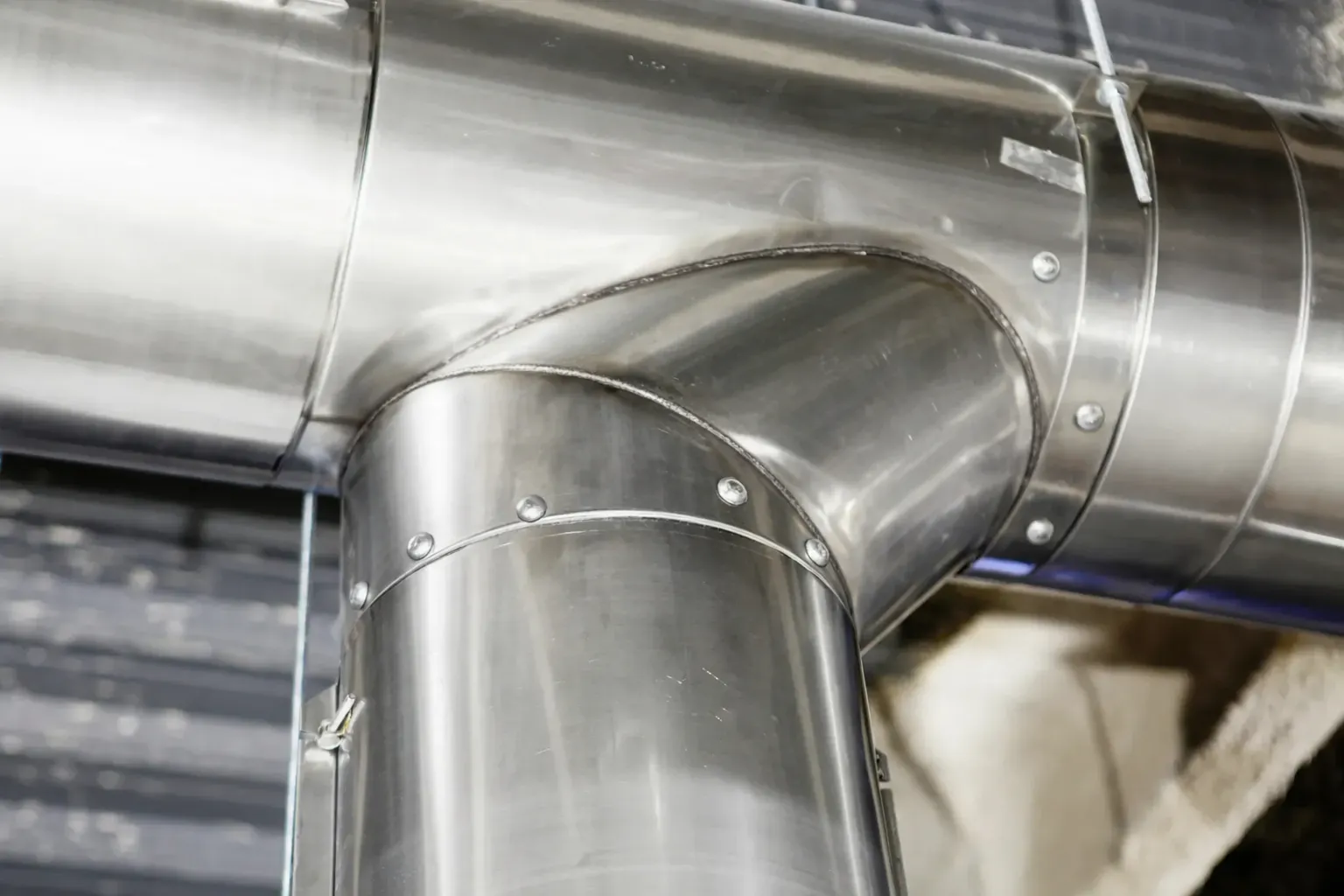
Rivmate Riveting Solutinos
In response to a series of issues related to customer projects, Rivmate recommends using Hemlock Blind Rivets as the core solution.
Compared to standard open-end blind rivets, Hemlock structural blind rivets provide greater clamping force and more stable structural connections, making them suitable for applications with higher requirements for anti-loosening, vibration resistance, and connection strength.
| Project | Recommended Solution |
|---|---|
| Rivet Type | Hemlock Blind Rivets |
| Application Position | Aluminum pipe connection structure |
| Recommended Size | 4.8 × 11.5 mm |
| Riveting Thickness | 3 + 2 mm, approximately 5.0 mm total grip thickness |
| Hole Diameter Recommendation | 5.0 mm or 5.1 mm |
| Rivet Material | Stainless steel |
| Mandrel Material | Stainless steel |
| Surface Treatment | Natural stainless steel finish with passivation treatment |
| Installation Method | Standardized installation using pneumatic or electric riveting tools |
| Main Purpose | To replace the original 5 × 10 open-end blind rivets, improve riveting clamping force, reduce loosening at the connection points, and enhance outdoor application stability. |
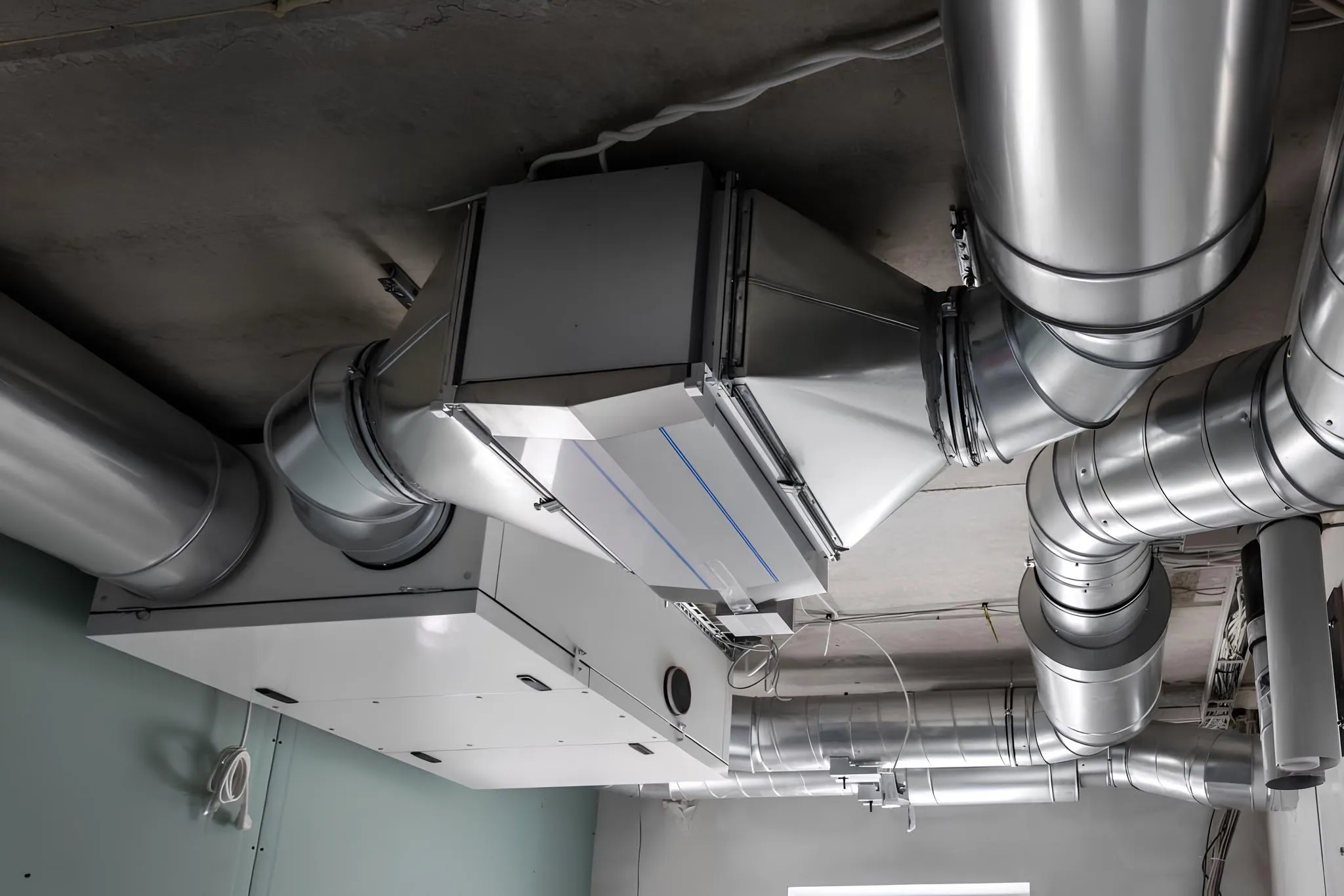
Why Hemlock Blind Rivets Are Recommended
- Greater Clamping Force: Hemlock Blind Rivets provide a more stable clamping effect after installation, making them ideal for structural components that require higher connection strength.
- Better Resistance to Loosening: Hemlock Blind Rivets are better suited for environments subject to vibration or long-term use, reducing the risk of connection points coming loose.
- More Consistent Mass Installation Results: The installation process for Hemlock Blind Rivets is relatively standardized, reducing assembly consistency issues caused by variations in manual torque.
- Better Suited for Outdoor Environments: Stainless steel Hemlock Blind Rivets offer superior corrosion resistance, making them ideal for connecting aluminum structures in outdoor environments.
Rivmate Capabilities on Hemlock Blind Rivets
Rivmate not only offers standard Hemlock blind rivets, but can also customize them based on customers’ specific application needs.
Our team of professional engineers at Rivmate can match specifications based on your project parameters.
These include:
Rivet diameter
Rivet length
Clamping range
Total workpiece thickness
Mounting hole diameter
Forming space after riveting
Rivet location and structure