
Plastic Blind Rivets Manufacturer
Non-Conductive & Corrosion-Resistant Fastening Solutions
We provide blind rivet solutions specifically engineered for plastic panels, electronic device enclosures, and lightweight structures. This product range addresses the characteristics of plastic substrates, which exhibit lower strength and susceptibility to deformation. Applications include PCB fixation, plastic housing assembly, and structural connections for electronic control cabinets.
Compared to heavy-duty steel applications, blind rivets for plastic panels prioritise load distribution, clamping compatibility, and installation stability. We support bulk supply and OEM customisation, providing long-term, reliable sourcing for electronics manufacturers and plastic structural assembly firms. Contact us for a quote or submit your drawings to receive professional fastening recommendations for your plastic panel applications.
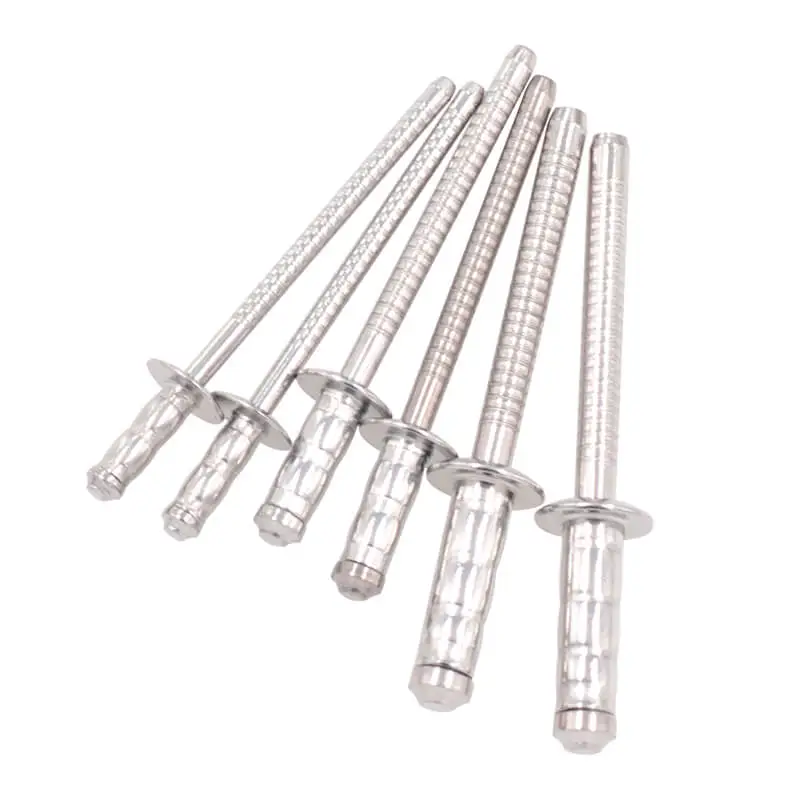
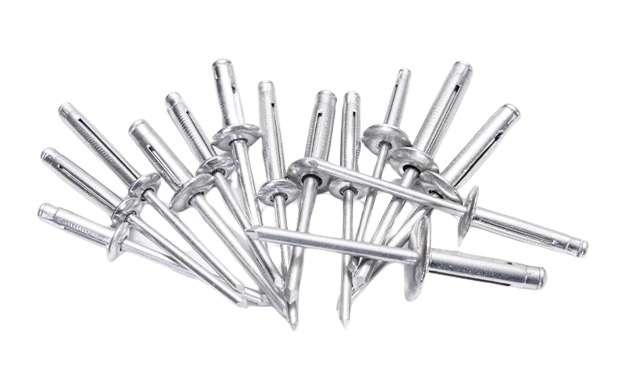
Plastic Blind Rivets for Lightweight Applications
Rivmate specialises in optimised blind rivet solutions for plastic panels, electronic device enclosures and lightweight structural connections. These products typically employ aluminium or aluminium/steel composite structures, where controlled clamping force and cap flange load distribution prevent stress concentration-induced cracking or tearing in plastic substrates.
Rivets for plastic panels prioritise force dispersion and material compatibility alongside high load-bearing capacity. Typical applications include electronic control box enclosures, PCB support structures, household appliance plastic casings, and automotive interior components within light-load scenarios.
Product Range of Blind Rivets for Plastic Panel Applications
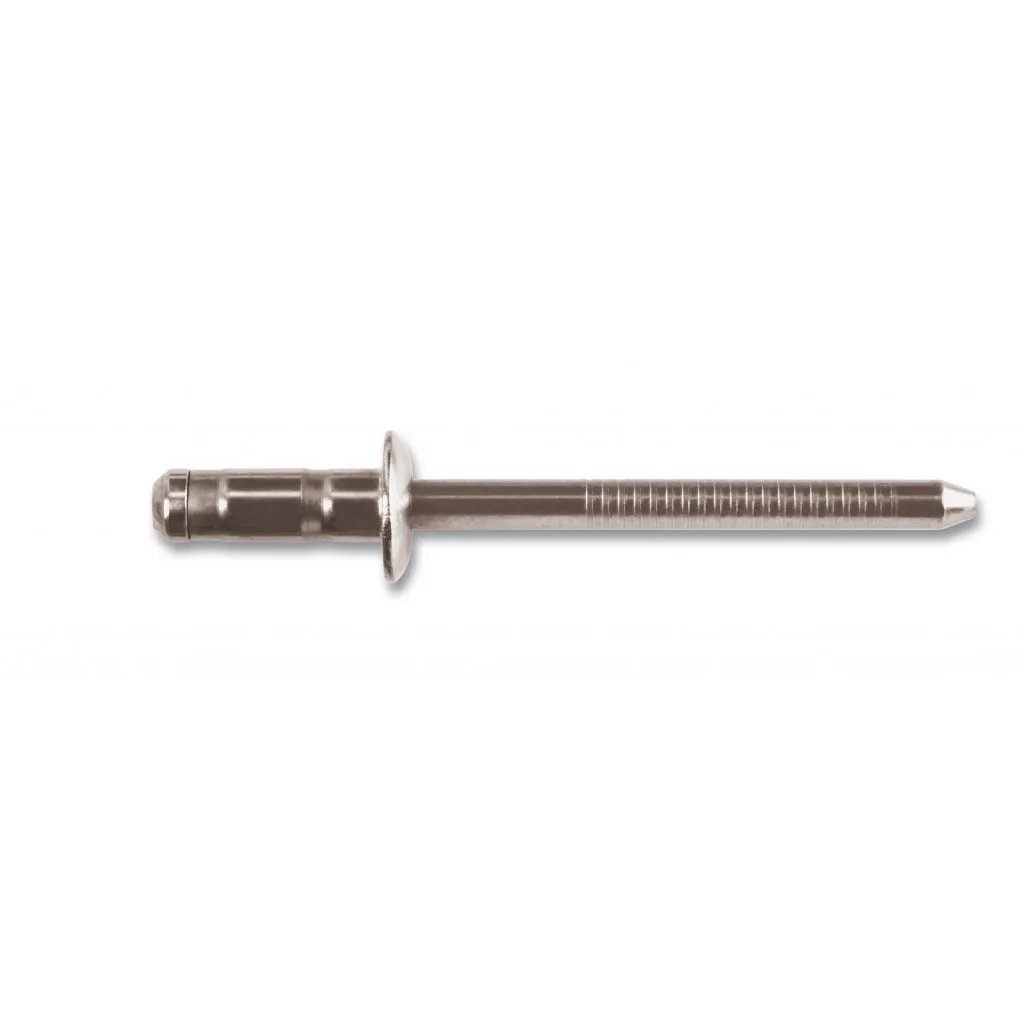
Open-End Blind Rivets
Standard open-ended design, suitable for securing lightweight plastic panels. Cost-effective for non-sealed electronic enclosures.
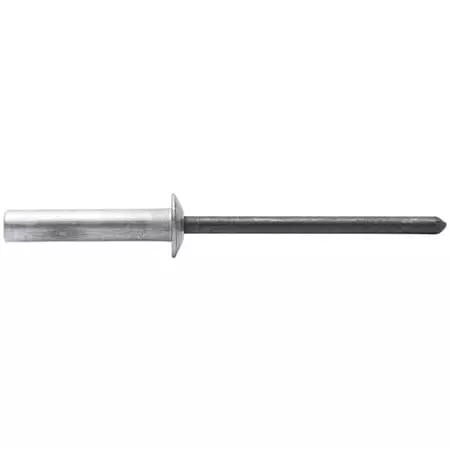
Sealed Blind Rivets
Sealed tail design prevents moisture ingress, ideal for electronic equipment housings and electrical control cabinets.
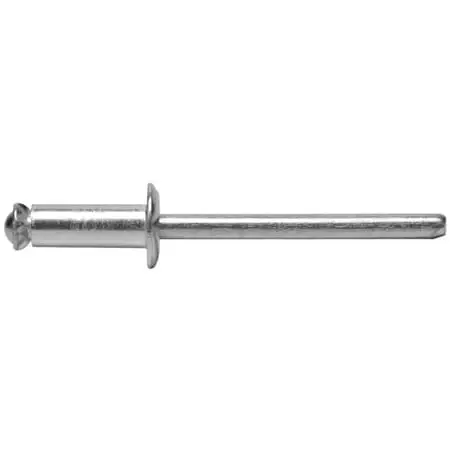
Peel Rivets
Features a petal-like expansion structure creating a larger bearing surface on the reverse side. Particularly suitable for soft plastics or thin sheet materials, effectively reducing the risk of tear-through.

Tri-Fold Rivets
Features a three-petal expansion structure forming a larger support surface on the reverse side after installation. Suitable for low-strength plastics or composite materials.
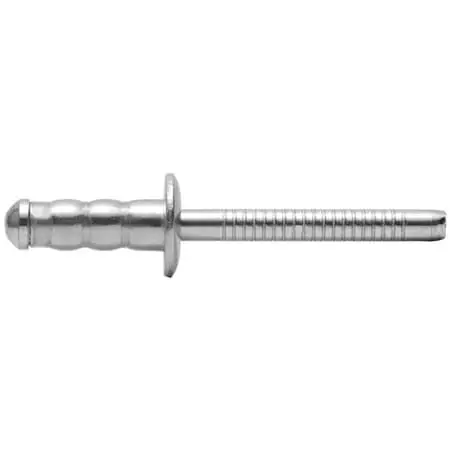
Multi Grip Rivets
Multi-grip range design accommodates varying plastic panel thickness combinations, reducing required stock specifications.
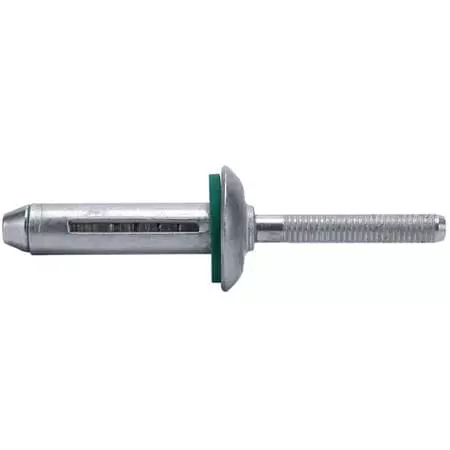
Bulb Tite Rivets
Bulbous structure creates a larger contact area after installation, suitable for thin or brittle plastic panels.
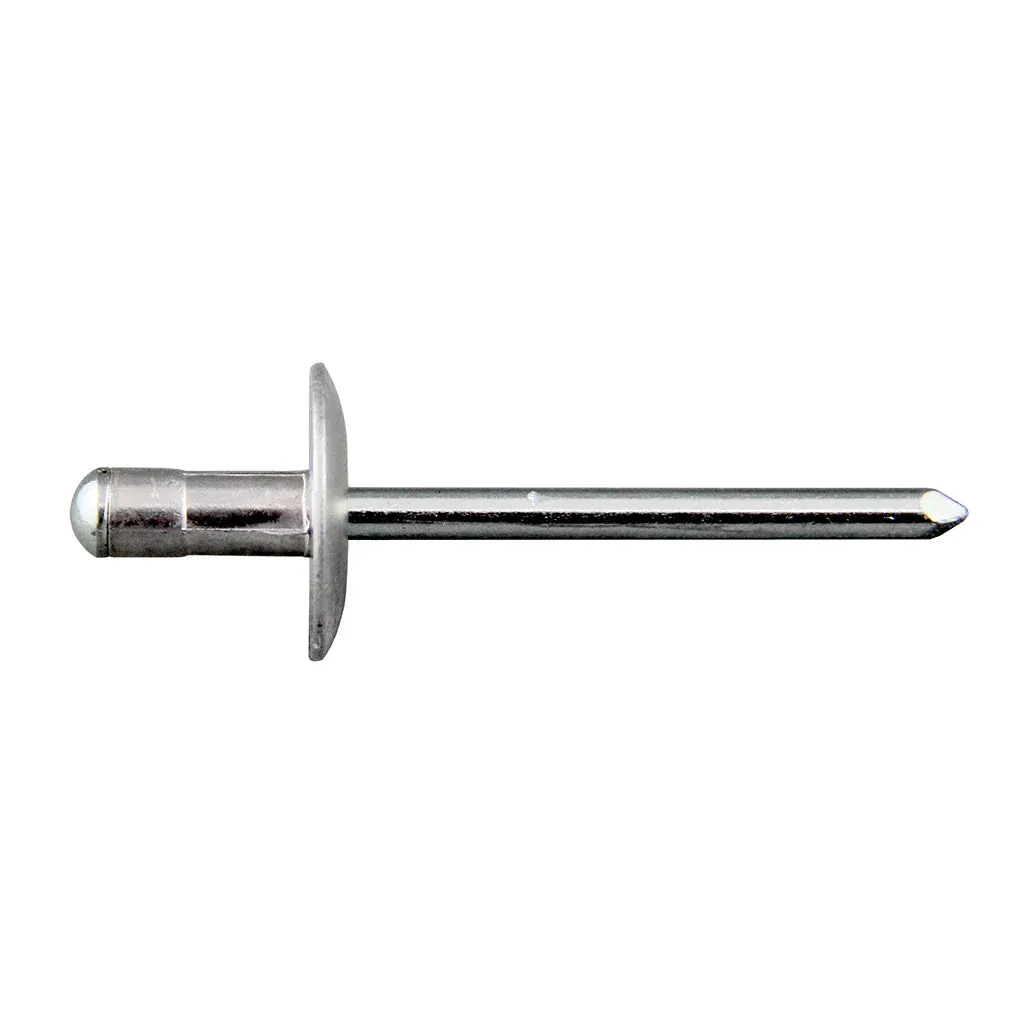
Large Flange Rivets
(Open Structure-Based)Features an enlarged flange to increase surface load-bearing area, minimising the risk of indentation and deformation on plastic surfaces.
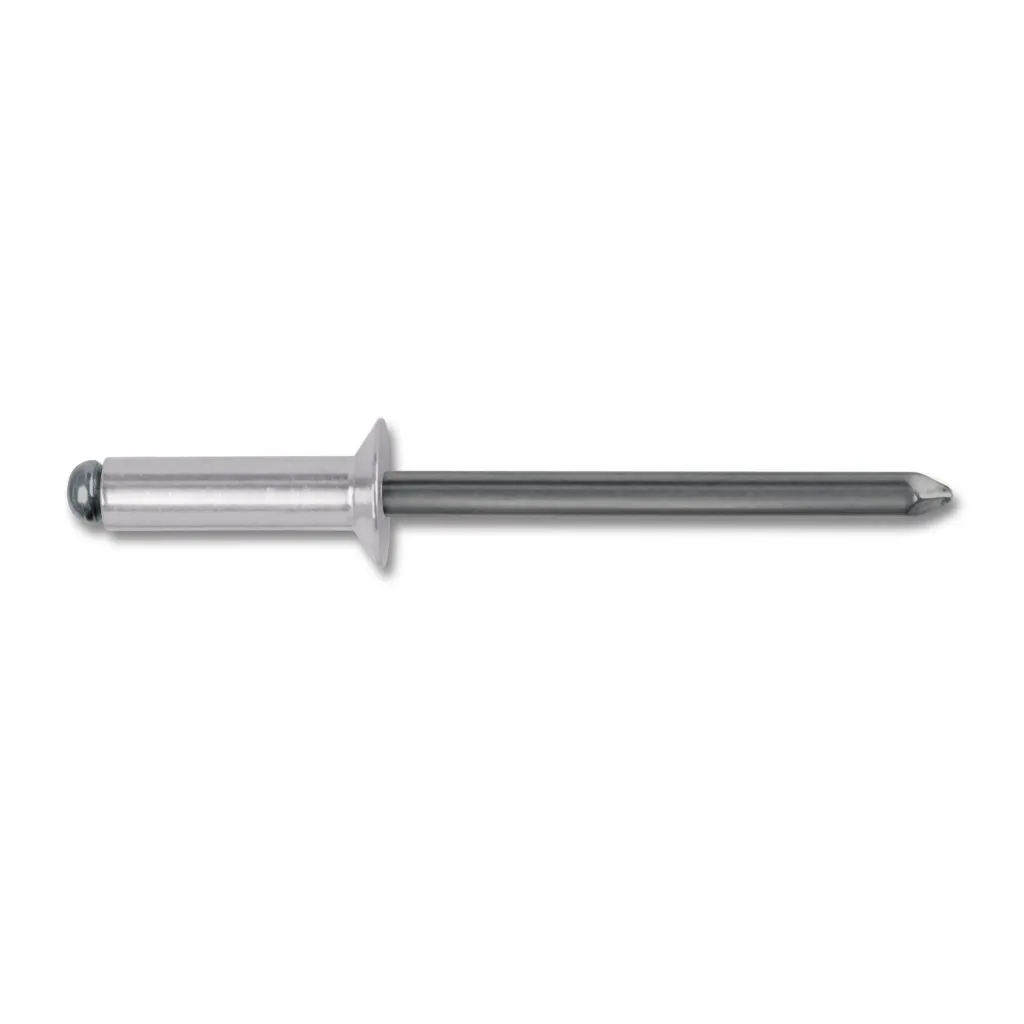
Countersunk Rivets
Counterbore design suitable for plastic enclosures or decorative structures requiring flush-mounted surfaces.
Load Distribution & Clamping Logic
Load Distribution Principle in Plastic Panel Riveting
In plastic panel applications, the critical factor for blind rivets lies not in ‘maximum strength’ but in their load distribution capability. The compressive and tensile strengths of plastic materials are typically far lower than those of steel. When the flange diameter is excessively small or the clamping force is too high, stress concentration occurs, leading to material deformation or tearing.
Increased flange diameter
→ Larger effective bearing area
→ Reduced pressure per unit area
→ Reduced stress concentration in plastic substrate
→ Significantly diminished risk of tearing and cracking
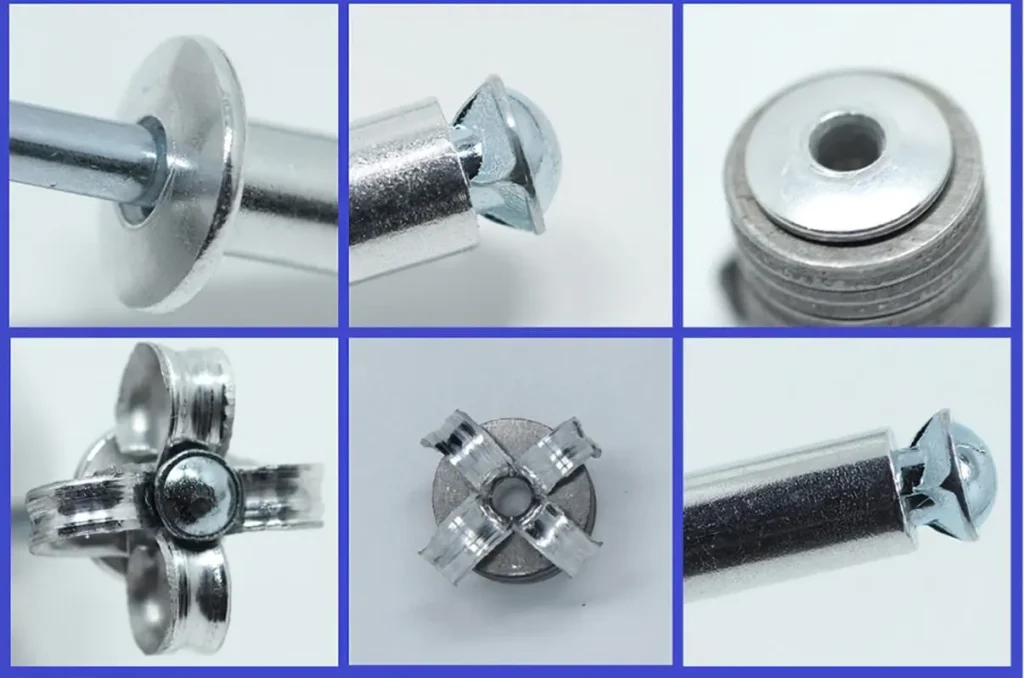
From a mechanical perspective, pressure per unit area = load ÷ bearing area. When the bearing area increases, the localised pressure on the material decreases markedly under the same clamping force. This is the core reason why Large Flange, Peel, or Tri-Fold structures are more suitable for plastic panels.
Therefore, for plastic panel connections, prioritising large flanges or unfolded structures effectively reduces the risk of material damage and enhances long-term connection stability.
APPLICATIONS
Plastic Blind Rivets Typical Applications
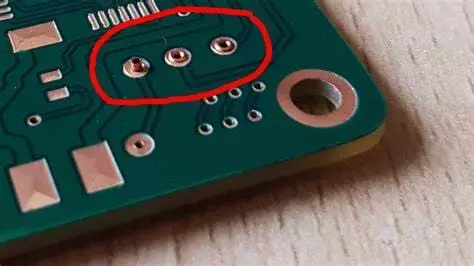
PCB Mounting
Used for circuit board support and internal structural fixing within enclosures. Such applications demand high standards of electrical insulation safety and stability under light loads. Blind rivets must avoid excessive clamping force to prevent cracking of plastic substrates or deformation of board components.
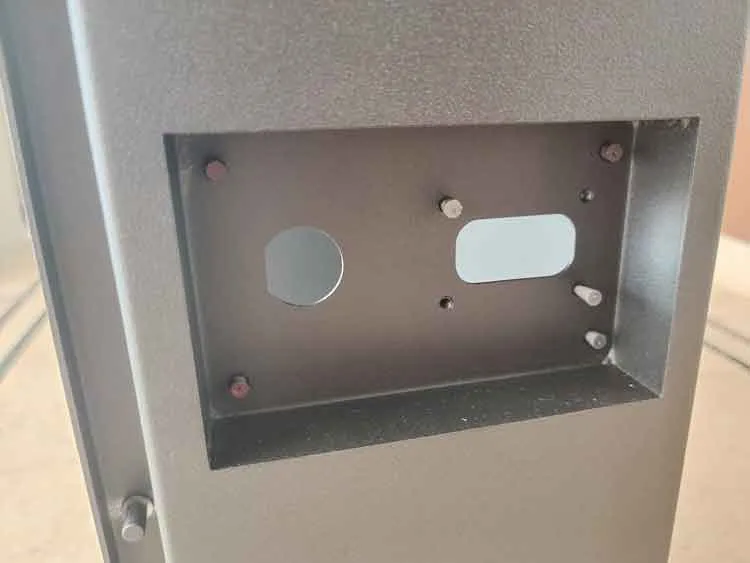
Electrical Control Enclosures
Suitable for panel connections in plastic or composite enclosures. The fastening structure must be stable and reliable while preventing localised stress concentrations that could compromise housing strength or sealing integrity.
Automotive Interior Panels
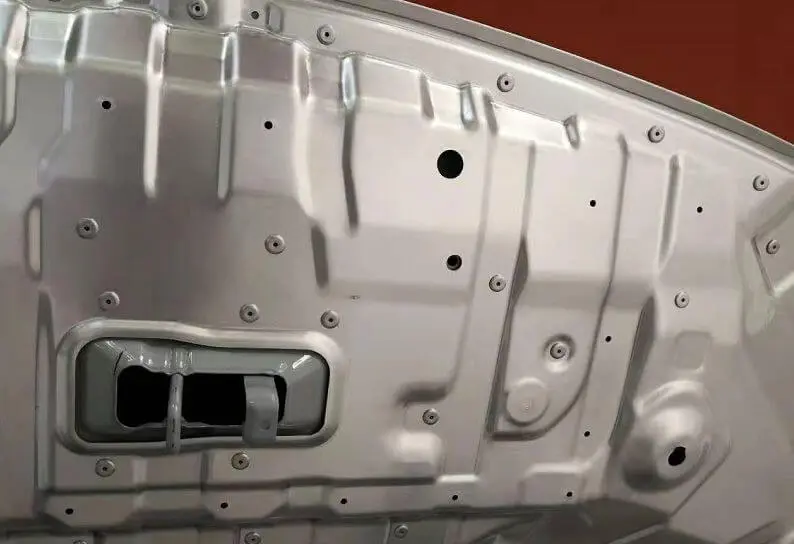
Used for dashboard, interior trim panel, and lightweight plastic structural component connections. These applications prioritise weight reduction, visual consistency, and vibration resistance.

Plastic HVAC Housings
Suitable for securing plastic ductwork and housing components in HVAC equipment. Connectors must withstand temperature fluctuations and prolonged operational environments while maintaining structural integrity.

Appliance Outer Shells
Used for connecting plastic casings in washing machines, air conditioners, and small domestic appliances. The focus lies on aesthetic integrity and long-term stability, rather than high structural load-bearing capacity.
Lightweight Composite Panels
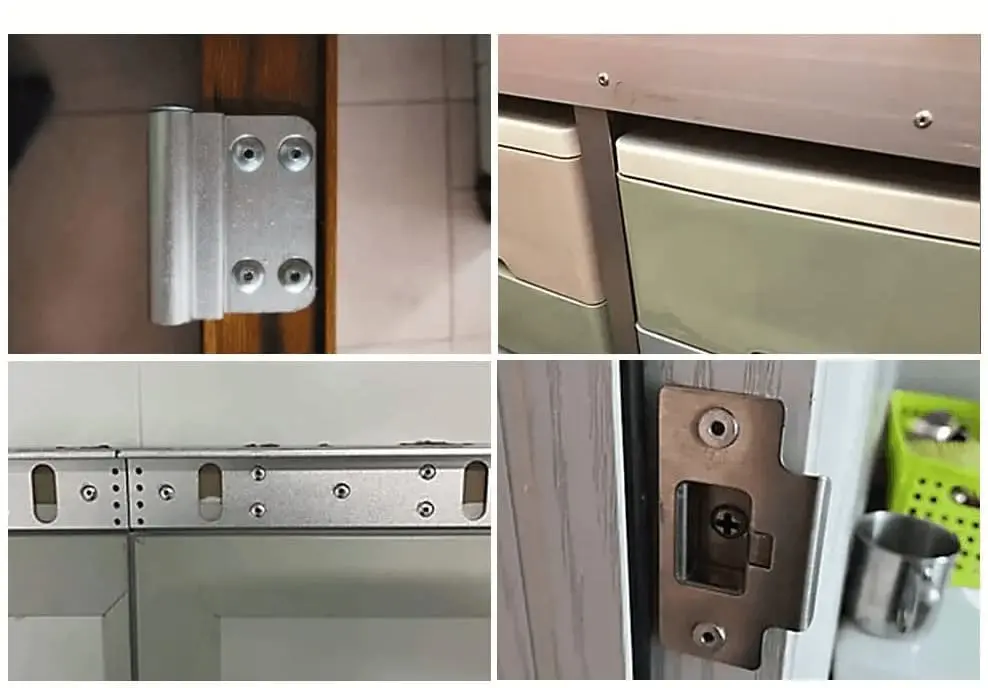
Suitable for structures combining plastic and composite materials. Due to the limited strength of the substrate, wide flanges or unfolded structures are typically prioritised to distribute loads.
Strength & Performance Boundaries
Performance Range & Application Limits
Firstly, these rivets are suitable for light-duty fastening applications, such as securing plastic enclosures, supporting PCB structures, and assembling household appliance casings. In such scenarios, the load primarily involves fixing and positioning rather than bearing weight or providing structural support. They are not suitable for heavy-duty steel structures or environments with high dynamic loads.
Regarding strength ranges, based on common aluminium or aluminium/steel composite specifications (e.g., Ø3.2–Ø4.8 mm), typical tensile and shear strengths fall within the light to medium range. Specific values depend on diameter, material combination, and clamping range. For plastic substrates, excessively high tensile values are not advantageous; rational force dispersion is more critical. When selecting rivets, prioritise material compatibility and force distribution over simply pursuing maximum strength.
WHY CHOOSE US
Rivmate:Manufacturing Precision and Quality Control

In plastic panel applications, connection stability is highly dependent on dimensional accuracy and clamping force control. Compared to steel structures, plastic substrates are more sensitive to stress, making batch consistency and quality stability particularly critical. As a specialist blind rivet manufacturer, Rivmate prioritises the following capabilities in production and inspection:
Precision Cold Heading
Through stable cold heading processes, we control head dimensions, concentricity, and shank diameter tolerances, ensuring each batch of rivets forms a consistent stress distribution structure post-installation.
Controlled Clamping Force
Structural designs and material combinations are optimised for plastic panel applications, preventing excessive clamping that could cause substrate deformation or cracking. Process parameters and mandrel breakage control ensure stable riveting operations.
Batch Consistency Management
Standardised production processes and batch numbering systems ensure stable diameter, tolerances, and performance metrics throughout continuous manufacturing, minimising assembly variation risks.
In-House Quality Testing
Comprehensive quality assurance encompassing dimensional inspection, tensile testing, and visual assessment. Ensures products meet specified performance standards prior to dispatch. Through systematic management of forming precision, clamping force, and quality control, Rivmate delivers reliable and sustainable fastening solutions for plastic panel and electronic device assembly.
Quality & Certifications
Rivets Quality Assurance System
IATF 16949 Quality Management System
Production processes operate in accordance with the IATF 16949 quality management standard, covering raw material control, process management, and final inspection requirements to meet the consistency demands of the automotive and high-standard industrial sectors.
Batch Production Records
Complete records are established for each production batch, including raw material sourcing, production parameters, and inspection results. This ensures product quality traceability and facilitates long-term project management.

OEM
Customization Solutions for Plastic Panel Blind Rivets
Custom Flange Diameter
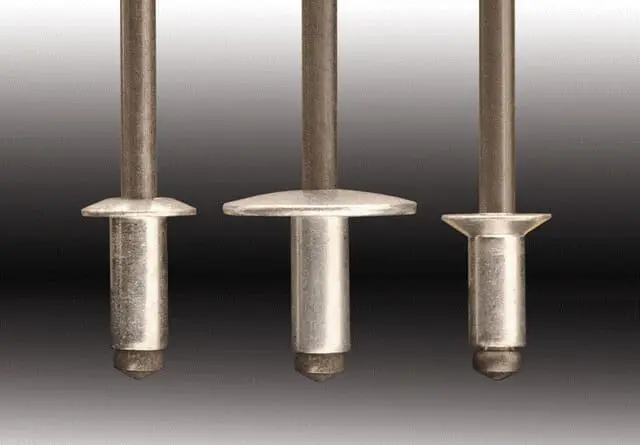
By adjusting the flange diameter, the contact area with the plastic surface is expanded, thereby reducing pressure per unit area. For thinner or softer plastic sheets, a larger flange design significantly reduces stress concentration and enhances connection security.
Custom Grip Range
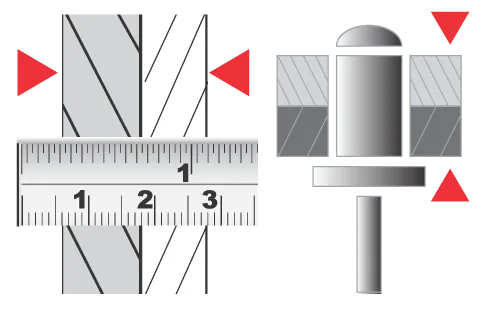
Optimising rivet body length according to actual sheet thickness combinations ensures the formation of a robust and stable reverse-side bulge structure. Correctly matched clamping ranges help prevent issues of insufficient grip or excessive compression.

Special Coating
Corrosion-resistant or aesthetic surface treatments are available to suit humid environments or specific assembly requirements. Appropriate surface finishing enhances long-term stability while reducing risks of surface oxidation or contamination.

OEM Packaging
Supports customised outer carton labelling, barcode integration, and batch number management to meet supply chain requirements for electronics manufacturing and industrial clients. A consistent packaging and identification system facilitates long-term partnerships and volume deliveries.
FAQs - Riveting Plastic Panels and Light Structures
Partner with Rivmate for Reliable Fastening Solutions
We understand the requirements for consistency and compatibility in plastic panel and electronic enclosure applications. Therefore, we not only offer standard products but also focus on your specific application scenarios. You may send us your drawings or usage scenarios. Based on your panel thickness structure and assembly requirements, we will recommend suitable panel fastening solutions and ensure long-term stable supply.
At Rivmate, we aspire to be your long-term manufacturing partner, not merely a supplier. Should you have bulk procurement plans or custom requirements, please do not hesitate to contact us. We are committed to building a reliable and sustainable partnership with you.
Reply within 12 Hours
Send us a message if you have any questions or request a quote. We will be back to you ASAP!