
Case Study: Stainless Steel Hemlock Rivets Prevent Aluminum Joint Loosening
The client needed to join aluminum components featuring a pipe-like connection structure. The total thickness of the workpiece is 5 mm, and the mounting hole diameter is 5.2 mm. The customer used 5×10 open-end rivets, with two rivets used at each connection point, but the problem of loosening still occurred after riveting.
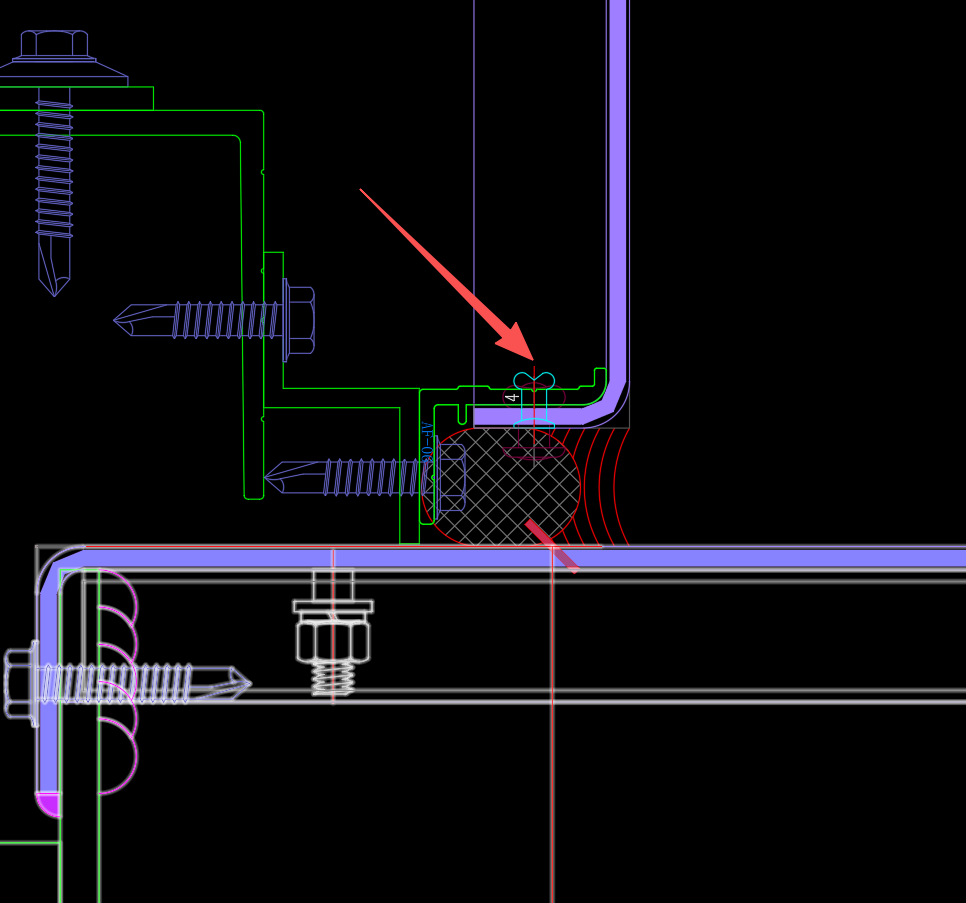
Customer Requirements and Project Expectations
The client seeks to design a more stable and reliable riveting solution while retaining the existing aluminum connection structure. The goal is to increase clamping force and prevent connection loosening.
As the project is located outdoors, the riveting solution must offer corrosion resistance. The assessment requires not only verifying the installability of a specific rivet size but also ensuring a precise match among the rivet type, material, grip range, and installation hole diameter.
Client Detail Requirements
The client’s key requirements include:
- Must be suitable for joining aluminum sheets
Both workpieces are aluminum sheets; the rivet must be suitable for this application and prevent deformation of the aluminum sheets during installation.
- Must accommodate an actual grip range of 5 mm
The combined thickness of the two aluminum workpieces is 5 mm; the rivet’s grip range must cover this dimension.
- Must match the hole diameter specifications of the existing connection points
To ensure a better fit between the rivet and the hole, the customer accepts adjusting the hole diameter to 5.0 mm or 5.1 mm.
- Must provide higher clamping force than standard open-end rivets
The original open-end rivets lack sufficient clamping force; a higher-strength blind rivet is required.
- Must meet outdoor corrosion resistance requirements
The customer’s project is located outdoors, so the rivets require a certain level of corrosion resistance.
Customer Pain Points
- Looseness persisted after the original riveting process
The original method utilized two 5 × 10 mm aluminum open-end blind rivets at each connection point; however, the joints remained loose and lacked sufficient clamping force.
- Risk of connection failure due to vibration and long-term use
The client was concerned that the connections would become unstable after prolonged exposure to vibration, compromising long-term durability.
- Low efficiency of the original installation method
The original installation process was slow, hindering the overall project schedule.
- Inconsistent installation results among different operators
Variations in the force applied and the techniques used by different operators led to inconsistent installation quality.
- Client unable to independently determine the correct riveting solution
The client was unsure which rivet specifications and materials to select and required guidance on product selection.
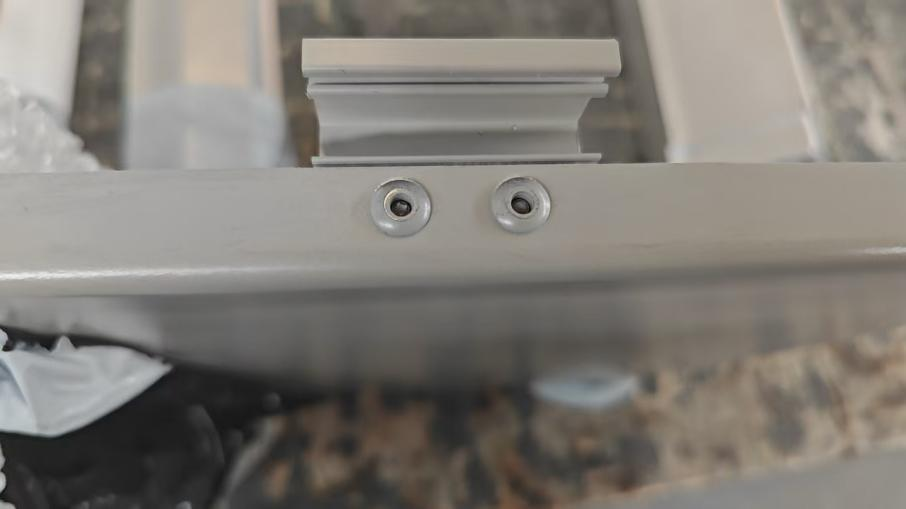
Rivmate Riveting Solutinos
To address a series of customer pain points, Rivmate decided to use stainless steel Hemlock rivets. These rivets provide superior clamping force, preventing loosening after installation, while the stainless steel material offers excellent corrosion resistance.
Installation is performed using a compatible riveting tool, which boosts efficiency and ensures consistent results. The original 5.2mm hole diameter was adjusted to a range of 5.0–5.1mm; this reduces the clearance between the rivet and the hole wall, further enhancing the stability of the connection.
Rivmate Recommended Riveting Solution
| Project Item | Rivmate Recommended Solution |
|---|---|
| Rivet Type | Hemlock rivets |
| Rivet Material | Stainless steel |
| Rivet Size | 4.8 × 11.5 mm |
| Workpiece Material | Aluminum + aluminum |
| Workpiece Thickness | 3 mm + 2 mm |
| Total Grip Thickness | 5.0 mm |
| Recommended Hole Diameter | Ø5.0–5.1 mm |
| Installation Method | Blind-side installation using a compatible pneumatic or hydropneumatic rivet tool for 4.8 mm Hemlock rivets |
| Solution Objectives | Improve clamping performance, reduce the risk of joint loosening, increase installation efficiency and assembly consistency, and meet outdoor corrosion-resistance requirements. |
Why Hemlock Rivets Are Recommended
Provides superior clamping performance:Hemlock rivets are structural blind rivets that deliver higher clamping force
Suited for a total grip range of 5 mm:Uses 4.8 × 11.5 mm Hemlock rivets, a specification that perfectly accommodates the 5 mm grip thickness
Meets outdoor corrosion resistance requirements:Ideal for outdoor projects exposed to long-term weathering; stainless steel Hemlock rivets offer excellent corrosion resistance
Increases installation efficiency:Hemlock rivets utilize a single-sided installation method and can be installed using compatible riveting tools
Improves assembly consistency across different operators:Using standardized riveting tools ensures consistent installation quality among different workers
Rivmate Capabilities on Hemlock rivets
As a professional Hemlock rivets manufacturer , Rivmate offers both standard and custom hemlock rivets. If you are unsure about the fastening solution for your project, or if your current setup is underperforming, contact Rivmate; our expert engineering team can tailor a solution to your needs. We support sample testing—from raw materials to final product validation—to help you minimize selection errors and enhance joint stability.
If you require custom high-strength rivets, please provide the following information:
- Rivet specifications
- Workpiece material
- Total workpiece thickness
- Installation hole diameter
- Tensile strength requirements
- Shear strength requirements
- Installation tools
- Operating environment
- Existing samples or product drawings
- Estimated order quantity

Hey There, I'm Allen!
I am the founder of Rivmate. For over two decades, we have specialized in the manufacture of blind rivets, providing our customers with reliable riveting solutions.Need riveting services? Feel free to contact us.