

Wood Blind Rivets for Wood Panels & Plywood Structures
Fast, reliable fastening for plywood, MDF, and wooden panel assemblies.
Enhance the strength, stability, and installation efficiency of wood panel assemblies with our high-performance wood blind rivets. Designed to reduce pull-through and protect wood fibers, these rivets provide reliable fastening for wooden structures.
Understanding Wood Blind Rivets
Understanding Wood Blind Rivets
Wood blind rivets refer to pop rivets used for structural connections in wood panels, plywood, MDF, particle board, and other wood-based materials. They are suitable for structures that can only be installed from one side and are widely used in industries such as furniture manufacturing, wooden equipment enclosures, and RV interior structures.
Unlike metal, wood is a fibrous structural material with lower tensile pull-through strength. If the rivet flange is too small, the joint is prone to pull-through or wood cracking. Therefore, rivet designs with larger load-bearing surfaces are required for wood applications.
The core objective and principle of these structural designs is: Increase the load-bearing area while reducing localized pressure. When the load-bearing area at the connection point increases, both localized compressive stress within the wood and the risk of interlayer damage are significantly reduced.
Large Flange Blind Rivets
Peel Blind Rivets
Tri-Fold Blind Rivets
Bulb-Tite Blind Rivets
The most recommended
Peel Blind Rivets: The Best Rivet Type for Wood Panels
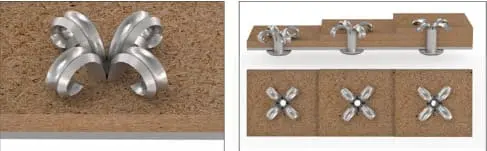
For wood panels or plywood, the most recommended rivet type is peel blind rivets. Designed specifically for soft materials, these rivets provide a safer, more stable connection within wood panel structures.
1️⃣ Larger Back Support Area
After installation, peel rivets expand to form 3–4 support legs. This creates a larger bearing surface on the material’s reverse side, reducing the risk of pull-through.
2️⃣ More Even Load Distribution
The flared structure disperses the load over a larger area, minimizing localized compressive stress on wood fibers and enhancing joint stability.
3️⃣ Ideal for Soft Materials and Thin Sheets
Peel rivets are specifically designed for soft materials like wood, plywood, plastic, and fiberglass. They cause less damage to materials compared to standard rivets.
4️⃣ Rapid and Stable Installation
Like other blind rivets, peel rivets support single-side installation. Typically, a single connection point can be completed in 2–5 seconds, making them ideal for mass production.
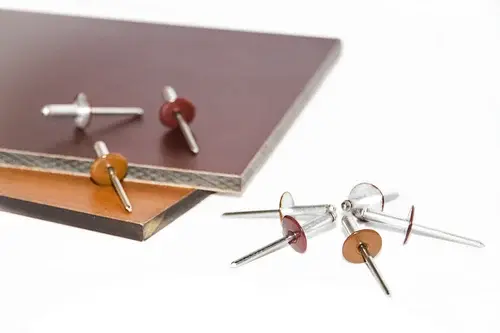
Other recommended styles
Alternative Blind Rivet Types for Wood and Plywood Structures
| Rivet Type | Best For |
|---|---|
| Large Flange Blind Rivet | Thin plywood panels |
| Multi-Grip Blind Rivet | Variable thickness panels |
| Structural Blind Rivet | High load structures |
| Closed End Blind Rivet | Outdoor wooden structures |
| Aluminum Blind Rivet | Lightweight wood assemblies |
Rivets vs Screws
Blind Rivets vs Screws for Wood Panel Fastening
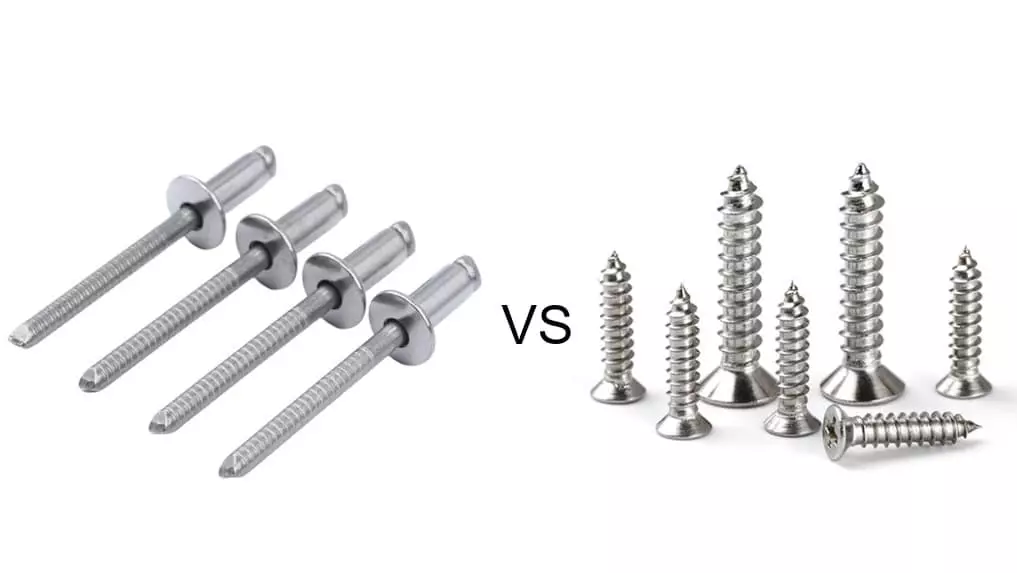
When connecting wood panels and plywood structures, should you choose blind rivets or screws? You can select based on your assembly requirements:
| Fastener | Advantage | Limitation |
|---|---|---|
| Blind Rivet | Fast installation | Non-removable |
| Screw | Removable | Slower installation |
The primary advantage of blind rivets is their high installation efficiency. A single riveting action completes the connection, with the entire process typically taking only 2–5 seconds. This proves highly advantageous for mass production or assembly lines. Furthermore, once riveted, the joint structure remains stable and resistant to loosening.
The advantage of screws is their removability. If a structure requires future maintenance or component replacement, screws offer greater convenience. However, screw installation usually involves drilling, alignment, and tightening. In mass production, the installation time per connection point is typically 8–15 seconds, significantly less efficient than rivets.
In summary, due to their higher production efficiency, many manufacturers prefer blind rivets for applications such as wood panel assemblies, furniture production, and RV interior panels.
APPLICATIONS
Typical Application Scenarios for Wood Blind Rivets
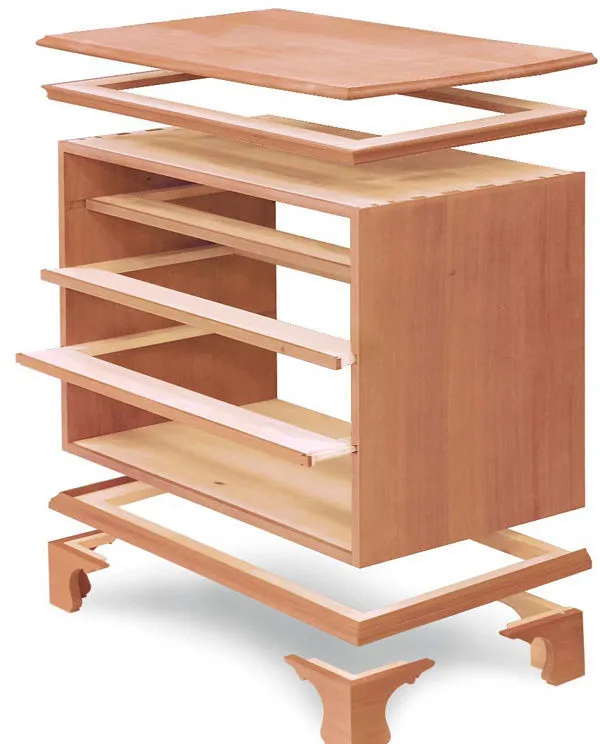
Furniture Structures
Used to fasten wooden frames, brackets, and panels in furniture manufacturing.

Plywood Cabinets
Ideal for assembling plywood cabinet panels and structural components.

Construction Boards
Suitable for fastening plywood boards and wooden panels in construction applications.
Not Sure Which Rivet Works Best for Your Wood Panels?
Tell us your panel material, thickness, and load requirements. Our engineers will recommend the most suitable blind rivet solution for your project.
Solutions Partner
Rivmate Partner
10+
Years Manufacturing Experience
Focused on blind rivets and fastening systems with deep engineering know-how and stable global supply.
100+
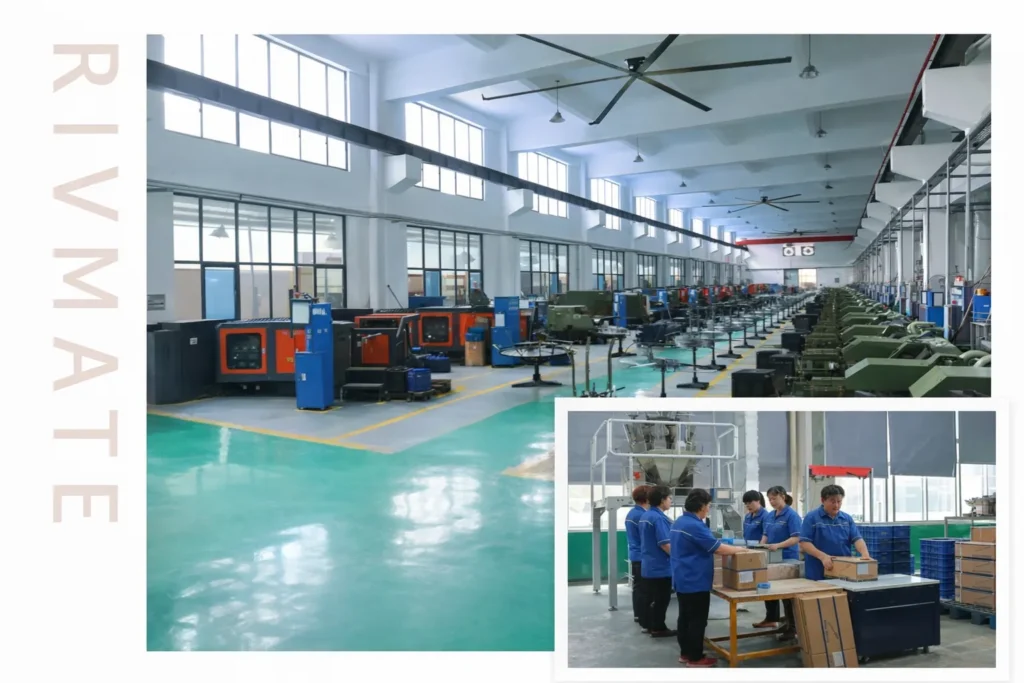
Automatic Production Machines
High-efficiency cold heading and thread rolling lines ensure consistent quality and large-scale production.
1 Billion+
Rivets Annual Capacity
Reliable bulk supply for distributors, OEM manufacturers, and large industrial projects.
60+
Countries Global Export Network
Trusted by industrial customers and fastener distributors worldwide.
30,000 ㎡
Modern Manufacturing Facility
Integrated production, quality control, and packaging under one roof.
24H
Fast Quotation Response
Professional sales and engineering team ready to support your projects quickly.
GET TO KNOW US
Rivmate: Manufacturing Capability
IATF 16949 Quality Management System: Automotive-grade quality control · Process traceability · Standardized production
Precision Cold Heading Technology: High-accuracy forming · Stable rivet geometry · Consistent mechanical properties
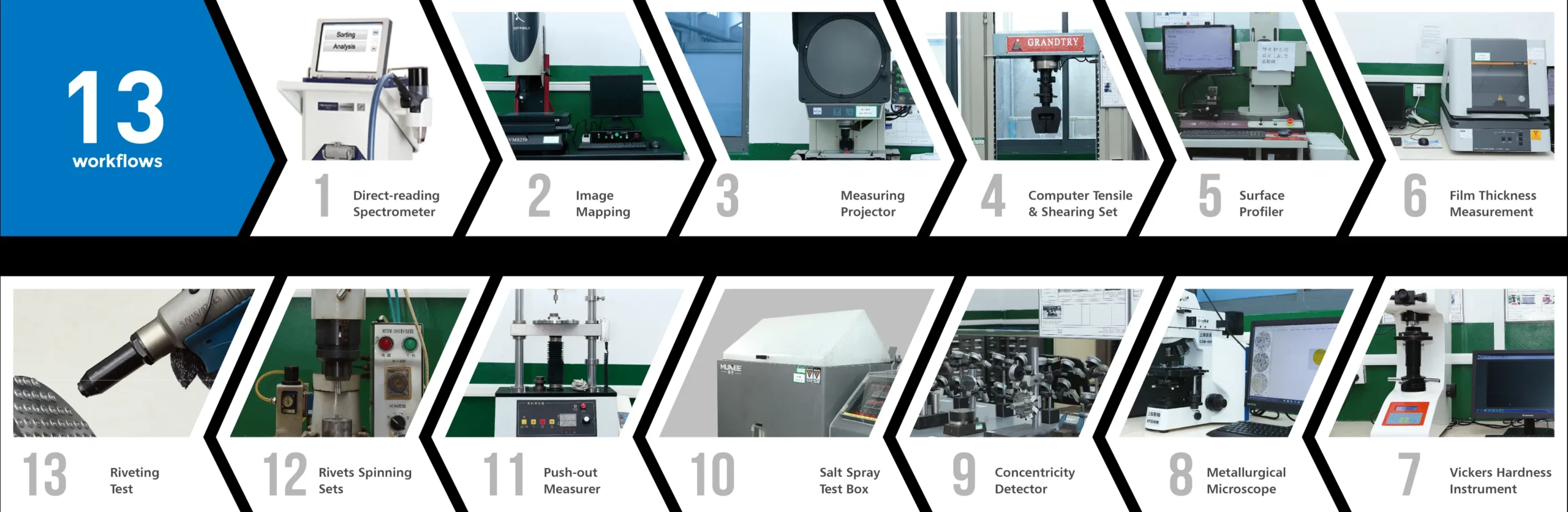
Comprehensive Rivet Testing: Shear strength test · Tensile test · Mandrel break load verification
Industrial Supply Stability: Reliable raw materials · Stable lead times · Consistent batch quality

Have any questions? Feel Free to Give Us A Call!
+86 189 6230 4392
OEM
Custom Rivet Solutions
Custom
Flange Diameter
You can request a larger or special flange size to better distribute load on composite panels.
02
Special
Surface Coatings
You can choose coatings for corrosion resistance, durability, or specific environmental conditions.
03
OEM &
Private Label Packaging
You can customize packaging with your brand, labels, and carton specifications for your market.
Frequently Asked Question
Technical FAQ for Wood Panel
Reply within 12 Hours
Send us a message if you have any questions or request a quote. We will be back to you ASAP!