
Blind Rivets for HVAC Ductwork
As a specialist manufacturer of HVAC rivets and Ductwork Rivets, Rivmate products deliver consistent performance in terms of structural fastening and vibration resistance. They are suitable for ductwork and equipment systems operating continuously.
HVAC Rivet Solution
Are Blind Rivets Used in HVAC Ductwork?
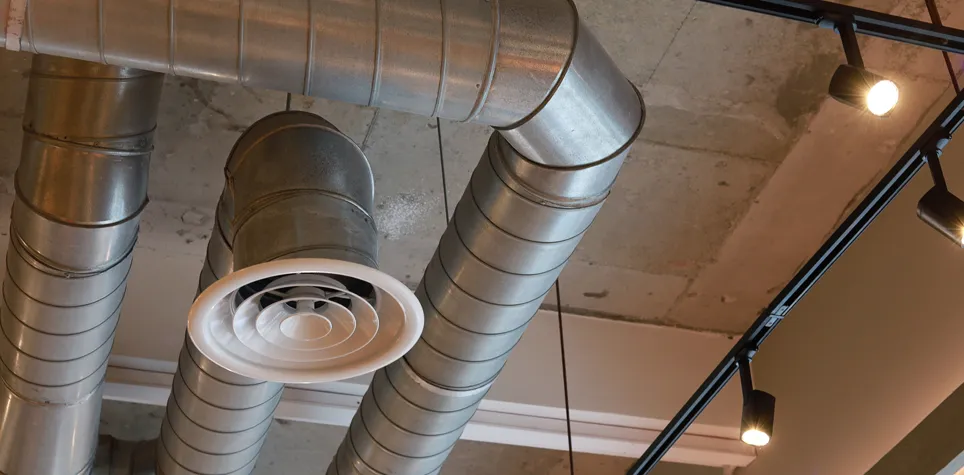
Blind rivets are widely used in HVAC ductwork systems and are ideal for applications requiring efficient, stable and highly airtight connections.
- High installation efficiency
- Creates a mechanically interlocking structure with excellent resistance to vibration-induced loosening
- Sealed ductwork rivets effectively reduce the risk of air leakage, improving system operational efficiency
In practical HVAC engineering, blind rivets for ductwork have become an efficient alternative to screws and welding, and are widely used in bulk duct installation and standardised production scenarios.
3–5×
≤30%
increase in installation efficiency
reduction in the risk of air leakage
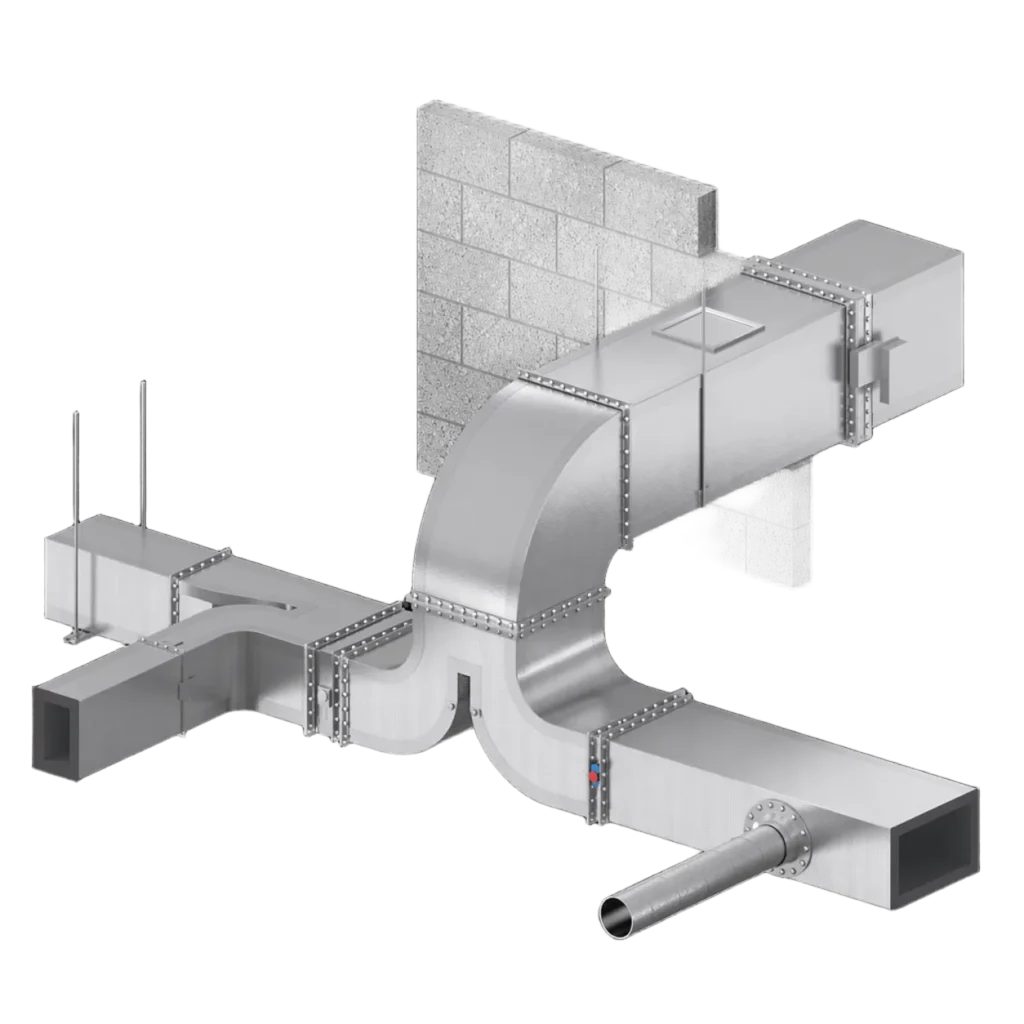
HVAC Fastening Challenges
In HVAC ductwork connections, Ductwork Rivets address the issues of airtightness and stability associated with traditional connection methods, significantly improving installation efficiency. For common ductwork fastening problems, the following solutions have been validated through engineering applications:
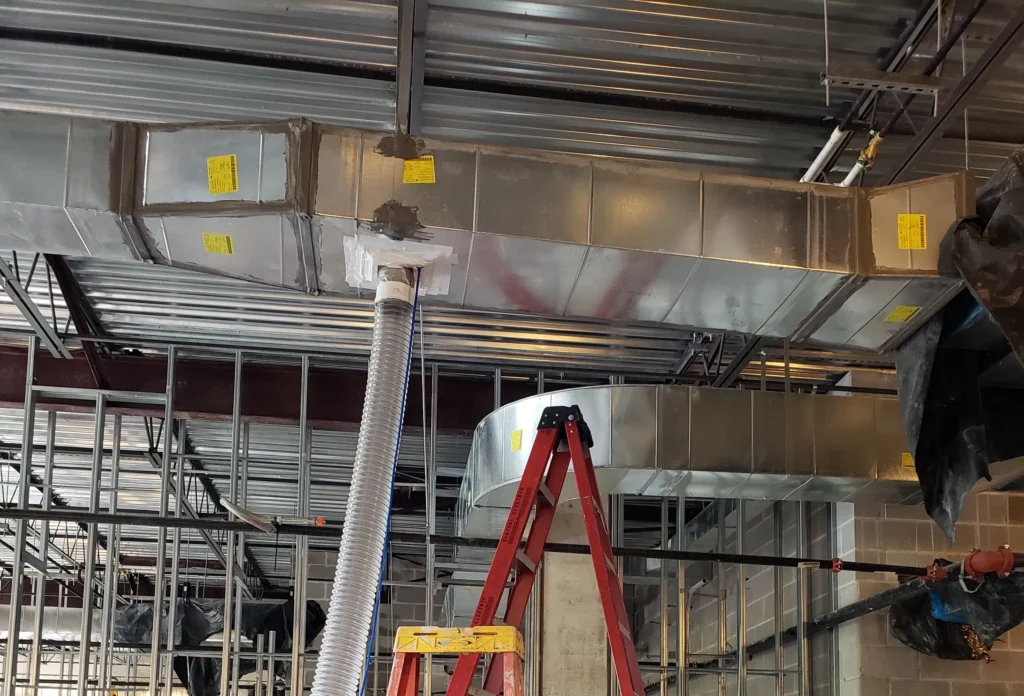
HVAC duct air leakage → Sealed blind rivets
Problem: Traditional screw connections leave tiny gaps, which can lead to air leakage during long-term operation, affecting the system’s energy efficiency
Solution: Sealed blind rivets are used; their closed-end design creates a more reliable sealed connection during installation
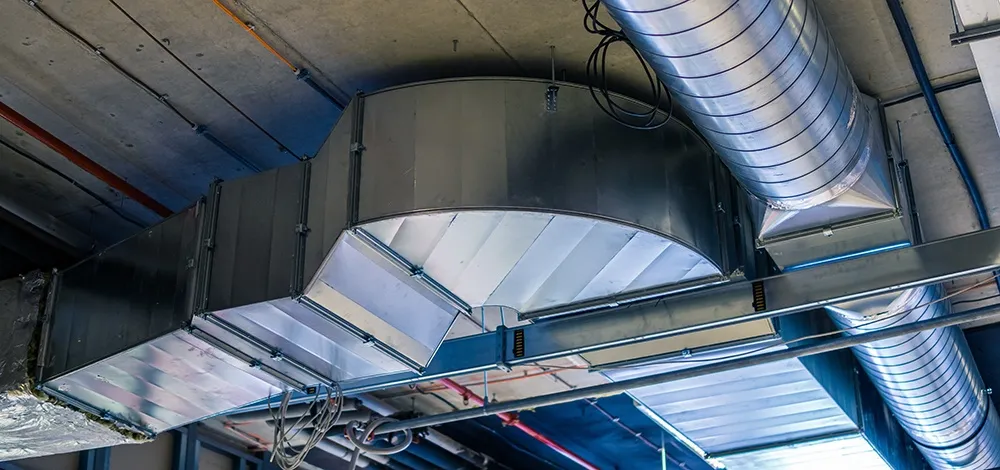
Vibration-induced loosening → Permanent riveted structure
Problem: Continuous vibration during HVAC system operation causes screws to gradually loosen, compromising structural stability
Solution: Use structural Hem-Firm blind rivets to create a permanent mechanical locking structure, eliminating the risk of loosening
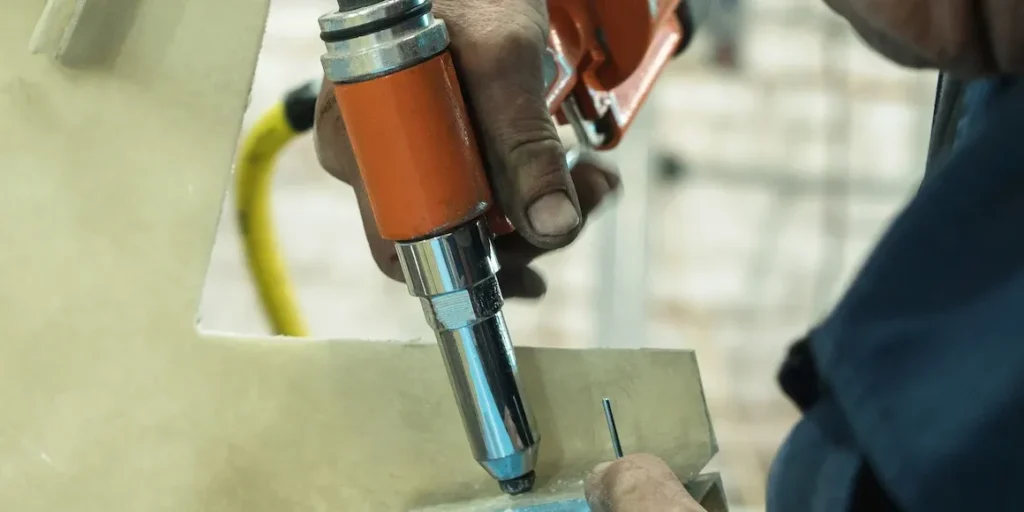
Slow installation → One-side blind riveting
Problem: Traditional fastening methods rely on double-sided operations or additional processes, resulting in low installation efficiency
Solution: Using blind rivets enables single-sided installation without the need for rear support, significantly improving installation efficiency
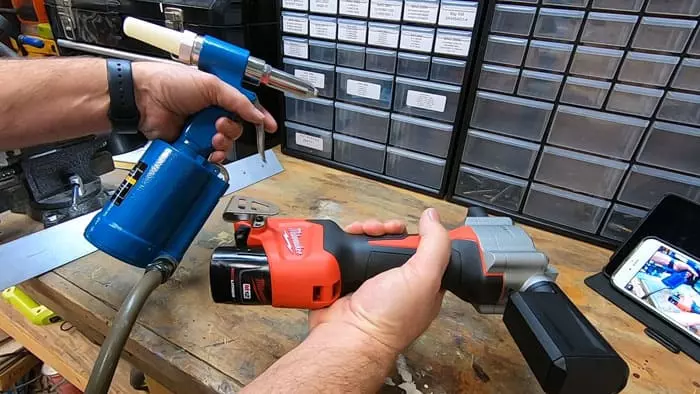
Inconsistent installation quality → Standardised rivet setting
Problem: Inconsistent manual tightening torque leads to fluctuations in joint strength and sealing performance
Solution: Achieve standardised riveting force using a rivet gun to ensure consistency and reliability at every connection point
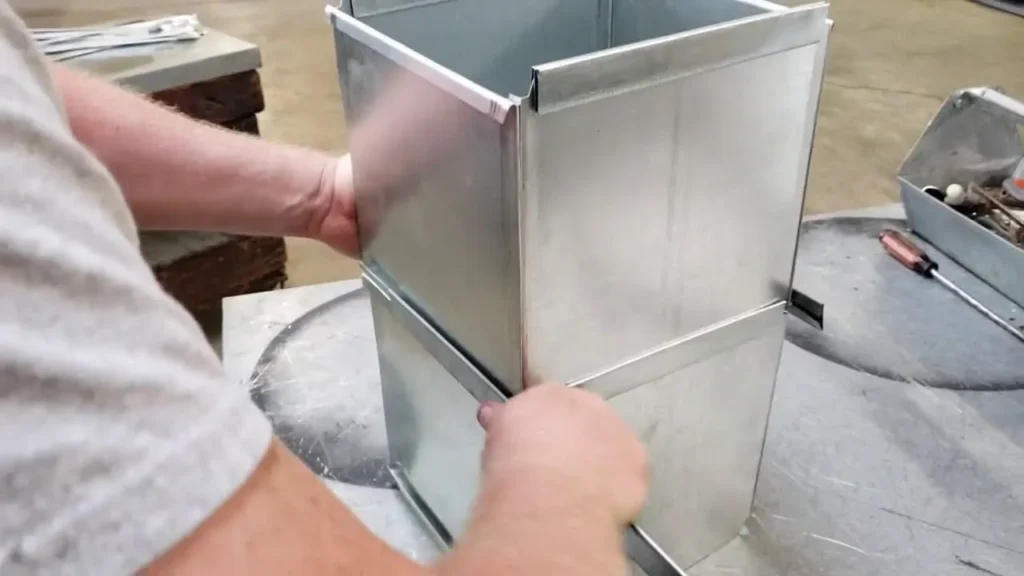
When joining duct sections, blind rivets for ductwork are suitable for quick installation from a single side, making them particularly ideal for situations where on-site space is limited. We recommend using Multi-Grip Ductwork Rivets, which can accommodate a range of panel thicknesses, thereby reducing specification complexity.
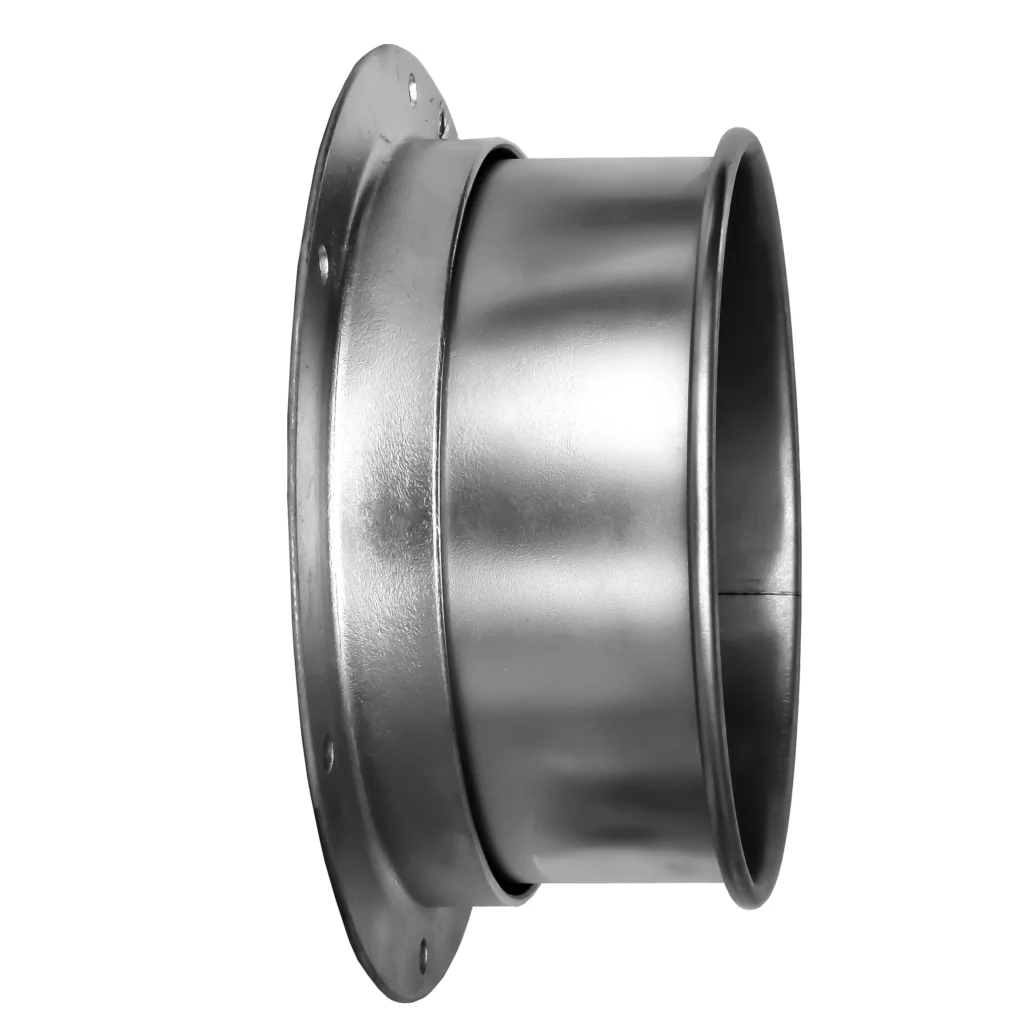
At flange connection points, joint strength and vibration resistance are critical. We recommend using Hem-Firm blind rivets, which provide higher clamping force and structural stability, making them suitable for environments subject to long-term vibration. This solution reduces the risk of joint loosening and enhances the overall reliability of the HVAC system.
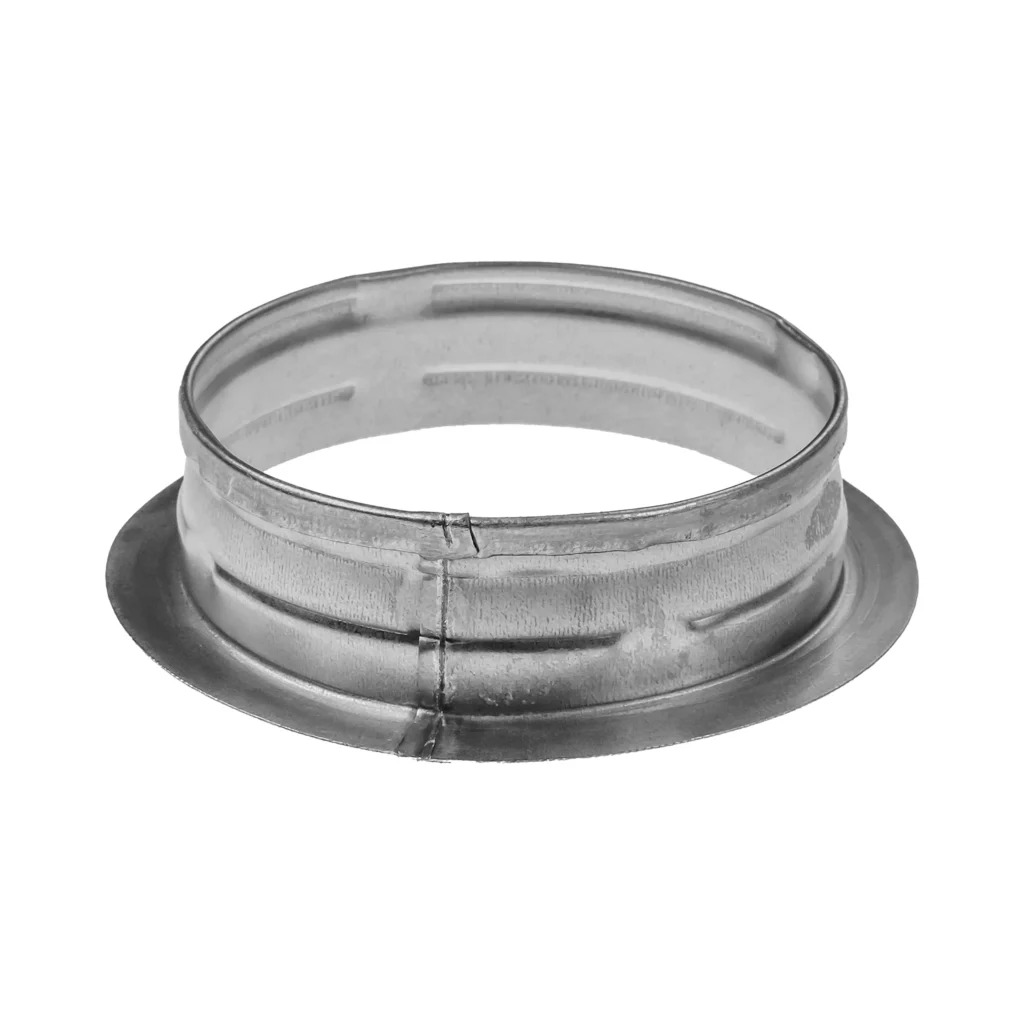
For critical joints or locations requiring high airtightness, sealed blind rivets are the preferred choice. These blind rivets for air ducts minimise leakage pathways at connection points through their sealed construction. Their core benefit lies in reducing the risk of air leakage and improving system energy efficiency.
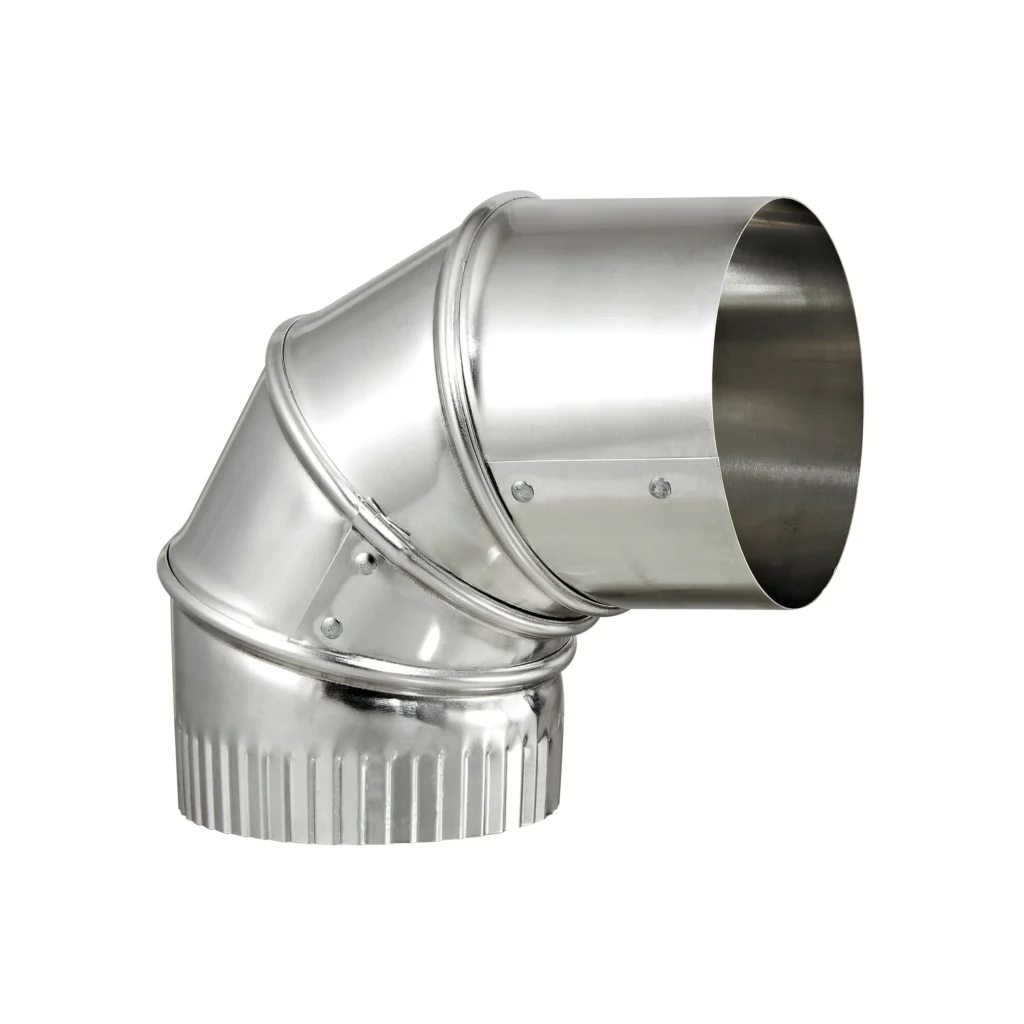
In elbows, reducers and complex transition structures, installation space is limited and connection points are intricate. In such cases, the use of blind rivets for ductwork enables efficient single-sided installation. We recommend using Hem-Firm or Large Flange rivets to enhance structural stability and force distribution respectively.
Not sure which Blind Rivets for HVAC Ductwork fit your application?
Tell us your duct material, thickness, and connection type — Rivmate engineers will recommend the exact solution for your project.
Recommended Rivets
RIVMATE blind rivets for air ducts
For HVAC ductwork systems, different types of ductwork rivets each offer distinct advantages in terms of strength, airtightness and compatibility. By selecting the appropriate type of rivet, it is possible to enhance installation efficiency whilst achieving a more stable and reliable connection.
Hem-Lock Blind Rivet
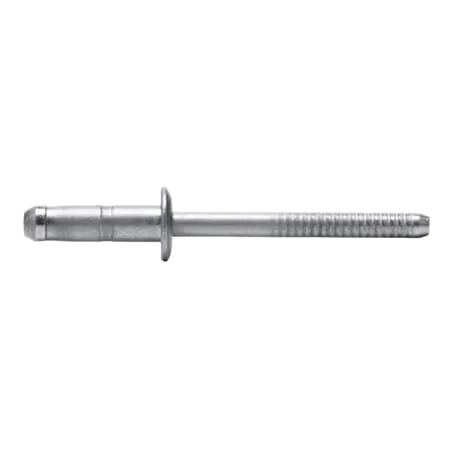
Used for connections requiring high clamping force and structural strength
Applications:
Duct flange connections, fastening of reinforcement components, ductwork in vibrating environments
Advantages:
Provides higher shear and tensile strength; forms a permanent mechanical locking structure with excellent vibration resistance
Multi-Grip Blind Rivet
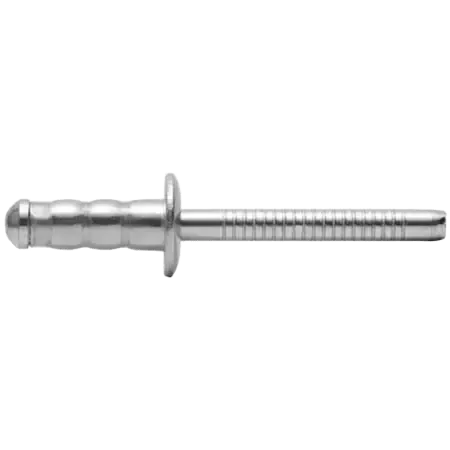
Suitable for a range of panel thicknesses, reducing specification complexity
Applications: Duct section splicing, large-scale ductwork installation projects
Advantages: A single specification covers multiple thicknesses (reducing SKUs by approximately 30%–50%); High installation efficiency, suitable for bulk construction
Sealed Blind Rivets
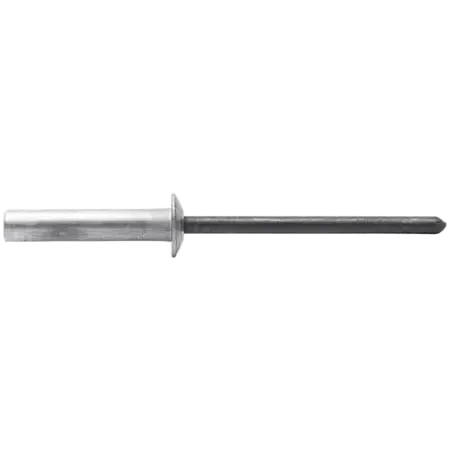
Used for connections requiring high airtightness
Applications: Duct joints, high-pressure ductwork, energy-sensitive systems
Advantages: Sealed construction minimises air leakage pathways; improves HVAC system energy efficiency (air leakage can result in 10%–30% energy loss); suitable for commercial and industrial HVAC projects
Large Flange Rivets
Used for joining thin sheets or materials prone to deformation
Applications: Elbows, transition pieces, thin-sheet ductwork structures
Advantages: Larger load-bearing area reduces the risk of sheet deformation; improves joint stability and visual consistency; suitable for aluminium sheets and lightweight ductwork structures
HVAC Rivet Selection Guide
How to Choose the Right Blind Rivets for Ductwork
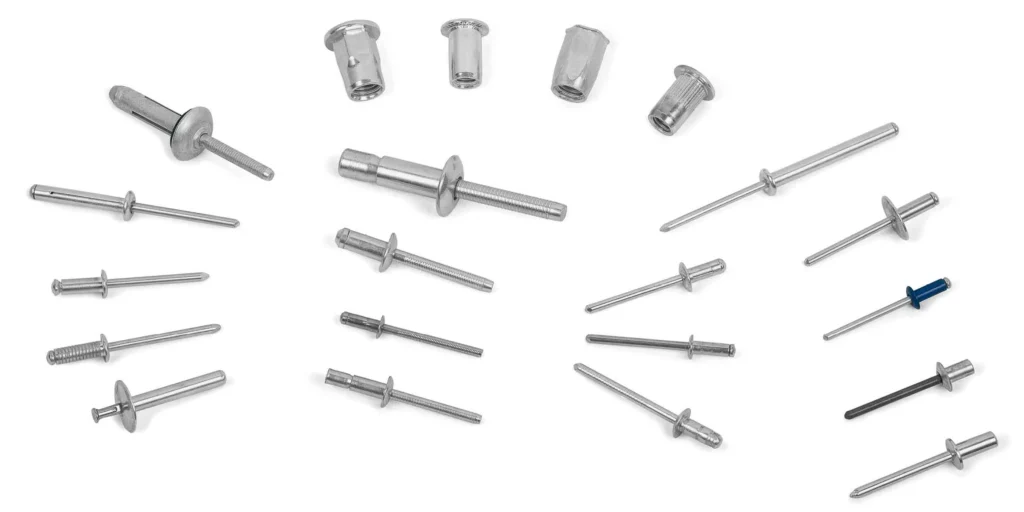
In HVAC ductwork systems, selecting the right rivets directly affects joint strength, airtightness and installation efficiency. Below is a practical HVAC rivet selection guide that you can quickly match the most suitable rivet size for ductwork and type based on material and thickness:
- Requires airtightness → Select Sealed Rivets
- Requires high strength → Select Hem-Lock Rivets
- Unstable thickness → Select Multi-Grip Rivets
- Thin sheet material → Select Large Flange Rivets
HVAC Rivet Selection Table
| Material | Thickness | Rivet Type | Reason |
|---|---|---|---|
| Galvanised Steel | 0.5–1.0 mm | Multi-Grip Rivets | Accommodates common variations in duct thickness, reducing the complexity of specification selection |
| Galvanised Steel | 1.0–2.0 mm | Hem-Lock Blind Rivets | Provides higher clamping force and structural strength, suitable for flanges and critical joints |
| Aluminium | 0.5–1.5 mm | Large Flange Rivets | Increases the load-bearing area to prevent deformation of thin sheets |
| Aluminium / Steel (Mixed Materials) | 0.8–2.0 mm | Multi-Grip Rivets | Adaptable to different material combinations, enhancing installation flexibility |
| Any Material | Critical Joint Locations | Sealed Blind Rivets | Enhance airtightness, reduce the risk of air leakage |
| Thin Sheet Ductwork | <1.0 mm | Large Flange Rivets | Prevent tearing, improve connection stability |
| Structural Areas | ≥1.5 mm | Hem-Lock Blind Rivets | Provide high shear and tensile strength, suitable for vibrating environments |
manufacturer
Rivmate : Ductwork Rivets Manufacturer
As a specialist blind rivet manufacturer, Rivmate ensures that every batch of rivets meets consistent standards in terms of dimensional accuracy, mechanical properties and coating consistency through a comprehensive manufacturing process and a rigorous rivet factory quality control system. Our production system has been certified to the IATF 16949 quality management system and is widely used in industrial and engineering projects with extremely high consistency requirements, including HVAC ductwork applications.
Cold Heading
A high-precision forming process that ensures dimensional stability and consistent mechanical properties of the rivet body
Fully Automated Coating Line
Uniform coating with support for RAL colour control, enhancing corrosion resistance and visual consistency
IATF 16949
Employs high-standard quality management processes to ensure product stability and reliability during mass production
OEM
Custom Rivet Solutions
Custom
Flange Diameter
You can request a larger or special flange size to better distribute load on composite panels.
02
Special
Surface Coatings
You can choose coatings for corrosion resistance, durability, or specific environmental conditions.
03
OEM &
Private Label Packaging
You can customize packaging with your brand, labels, and carton specifications for your market.
Need Help With Your Project?
Rivmate HVAC Rivets FAQ
Q1: Can rivets be used in HVAC ductwork?
Yes, blind rivets are widely used in HVAC ductwork for fast, reliable, and one-side installation.
Compared to traditional screws, blind rivets do not require access from the rear, making them particularly suitable for duct installation in confined spaces. Furthermore, their mechanical locking mechanism provides a secure connection, and they are widely used in commercial and industrial HVAC systems.
Q2: Will rivets cause air leaks in ductwork systems?
No, sealed blind rivets can effectively reduce air leakage at HVAC duct joints.
Sealed rivets feature a closed-end design that minimises air leakage pathways at the joints. When combined with appropriate sealing measures (such as sealant or gaskets), they can significantly improve system airtightness, reducing the risk of energy loss by approximately 10%–30%.
Q3: What is the best rivet for ductwork?
The best rivet for ductwork depends on the application, thickness and performance requirements.
For example, Hem-Lock rivets are recommended for high-strength connections; Multi-Grip rivets are suitable for scenarios with significant variations in thickness; and Sealed rivets should be selected for areas requiring high airtightness. Appropriate selection ensures the optimal balance between strength, efficiency and cost.
Q4: What size rivet should be used for HVAC ductwork?
The size of the HVAC rivet should correspond to the total material thickness (grip range) of the duct connection.
As duct thickness typically ranges from 0.5 to 2.0 mm, a rivet size with a corresponding grip range should be selected. A rivet that is too small may result in an unstable connection, whilst one that is too large may compromise installation quality. It is recommended to select the appropriate size based on the specific material and thickness.
Q5: Are blind rivets better than screws for HVAC ductwork?
Yes, blind rivets are generally faster to install and more resistant to vibration than screws in HVAC applications.
Rivet installation takes just 2–5 seconds, requires no double-sided operation, and can increase efficiency by 3–5 times. At the same time, their mechanical locking structure is less prone to loosening due to vibration, reducing maintenance and rework costs, making them more suitable for large-scale ductwork projects.
Q6: Can blind rivets handle vibration in HVAC systems?
Yes, structural blind rivets are designed to resist vibration and maintain long-term joint stability.
Structural rivets such as Hem-Firm offer superior shear and tensile strength, ensuring stable connections in continuously operating HVAC systems and eliminating the safety hazards associated with loosening of traditional fasteners.