
Blind Rivets for HVAC Enclosures
Replace welding and screws with Rivmate faster, cleaner fastening solutions for HVAC cabinets and sheet metal housings
HVAC Rivet Solution
Why Blind Rivets Are Ideal for HVAC Cabinets
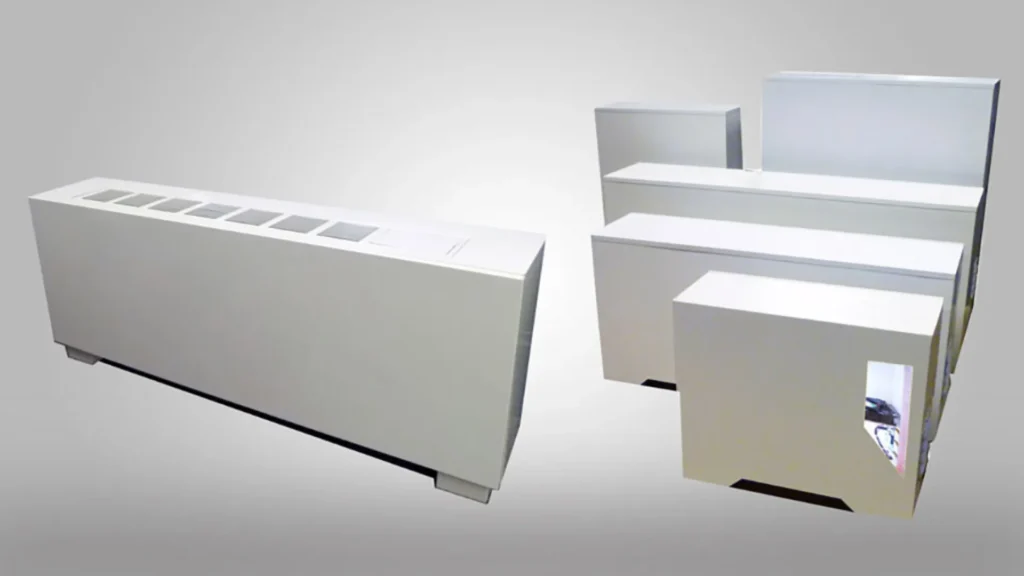
Blind rivets for HVAC cabinets and sheet metal HVAC housings are widely used due to their fast installation, typically completed in 2–5 seconds per joint, and their ability to eliminate heat distortion compared to welding.
They provide consistent fastening performance, reduce assembly time by up to 30–50% in mass production. Ensure stable connections in thin sheet metal structures without deformation, making them a preferred solution for modern HVAC enclosure manufacturing.
3–5×
≤30%
increase in installation efficiency
reduction in the risk of air leakage
Why Blind Rivets Outperform Welding and Screws

Heat Distortion from Welding → No-Heat Riveted Assembly
In HVAC cabinets and sheet metal housings, welding creates a heat-affected zone, leading to deformation of thin sheets and surface scorching, which increases the cost of subsequent processing.
Blind rivets require no heat treatment, thus avoiding thermal distortion and preserving the integrity of the surface; they are particularly suitable for HVAC cabinets and sheet metal housings where a high-quality finish is required.
Vibration-Induced Loosening → Permanent Riveted Structure
Long-term operation of HVAC equipment generates continuous vibration, and traditional screw connections are prone to loosening, posing a safety hazard.
Blind rivets form a permanent mechanical locking structure with superior vibration resistance, eliminating the need for re-tightening and ensuring a stable, long-term connection.
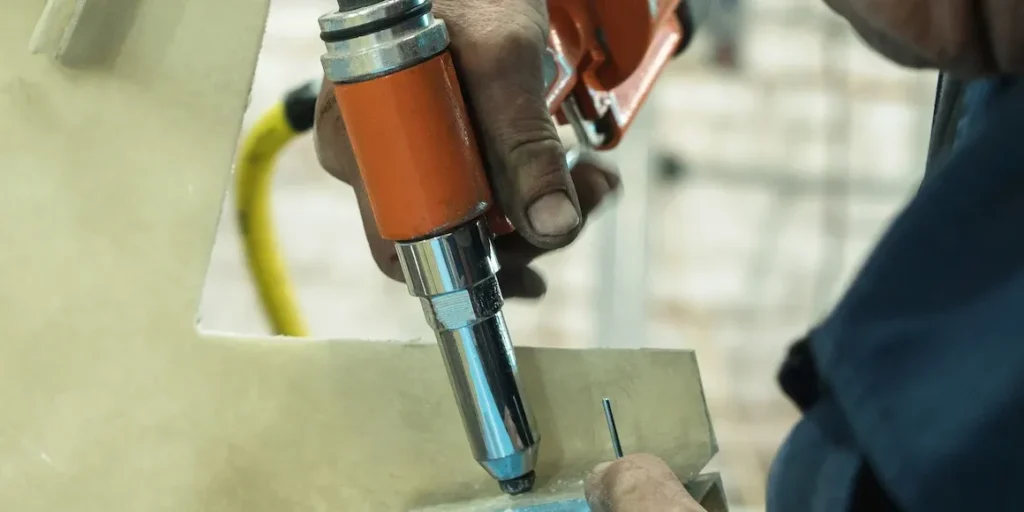
Slow Assembly Efficiency → High-Speed One-Side Installation
Traditional screws or welding require multi-step or double-sided operations, severely impacting production efficiency.
Blind rivets support single-side installation, taking just 2–5 seconds per point, and can improve overall assembly efficiency by 30%–50%, making them suitable for mass production of HVAC equipment.
Thin Sheet Deformation → Load-Distributed Large Flange Design
In sheet metal housings, localised stress concentration can easily lead to panel indentation or deformation.
The large flange design significantly increases the load-bearing area, distributing the load and effectively reducing the risk of thin sheet deformation, thereby enhancing structural stability and aesthetic quality.
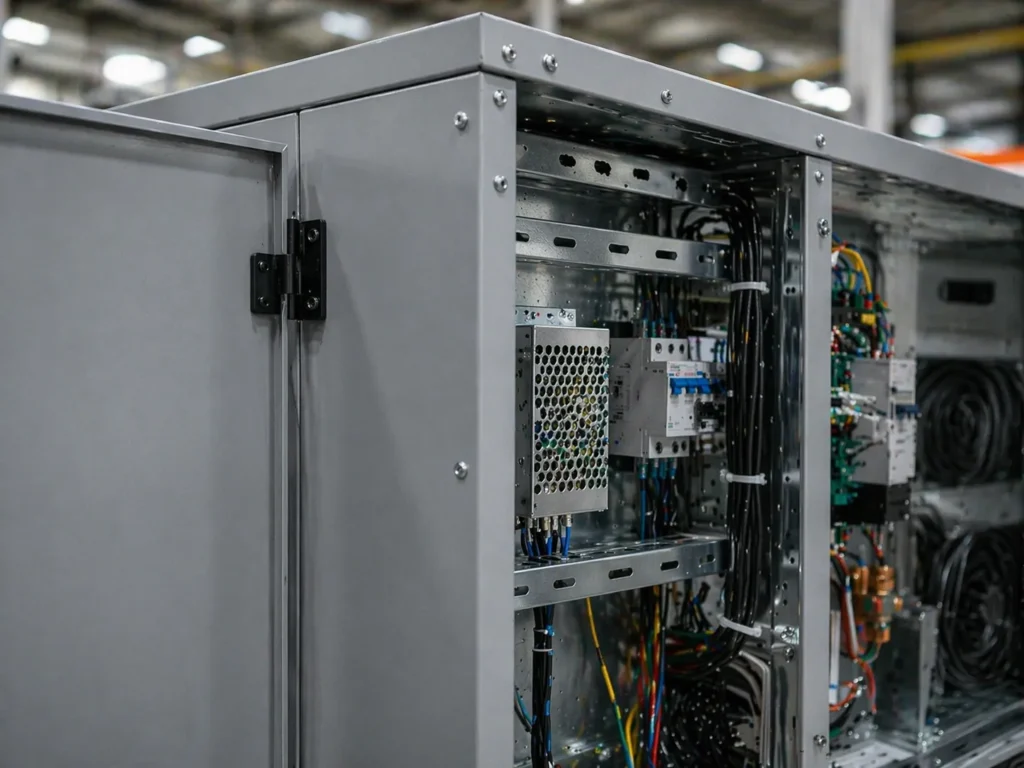
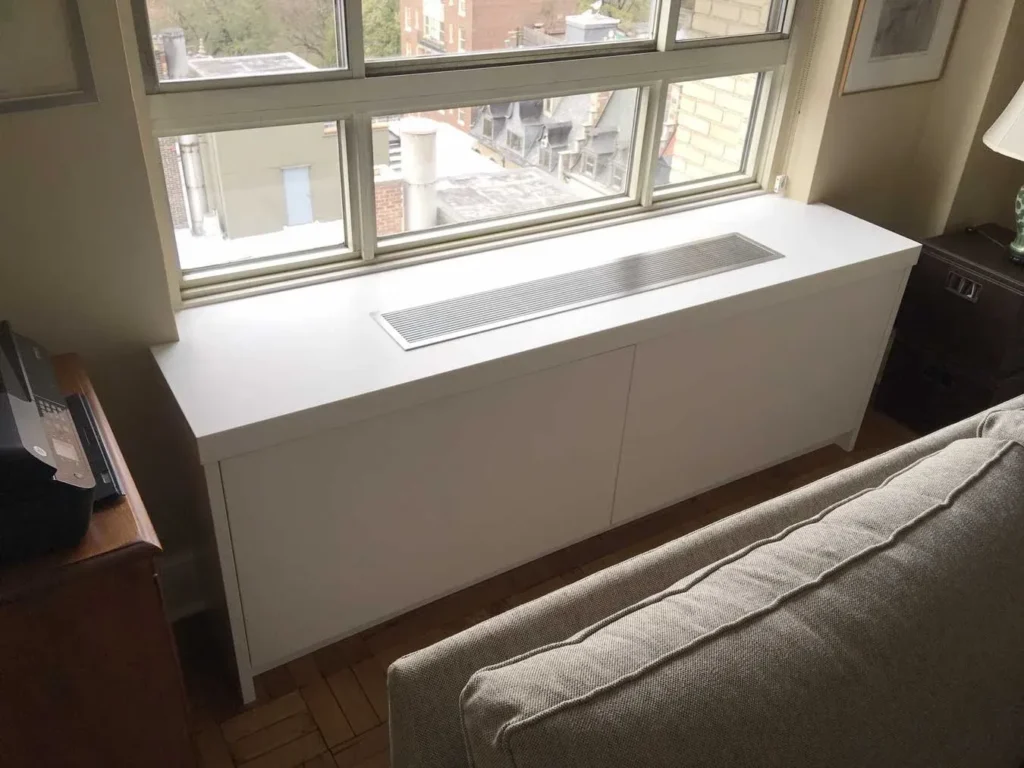
In HVAC cabinet construction, blind rivets are widely used to securely fasten panels to frames. Such connections typically require structural stability and a clean, finished appearance. The use of blind rivets enables quick single-sided installation, eliminates the risk of screw loosening, and improves overall assembly consistency, making them particularly suitable for mass-produced HVAC cabinets.
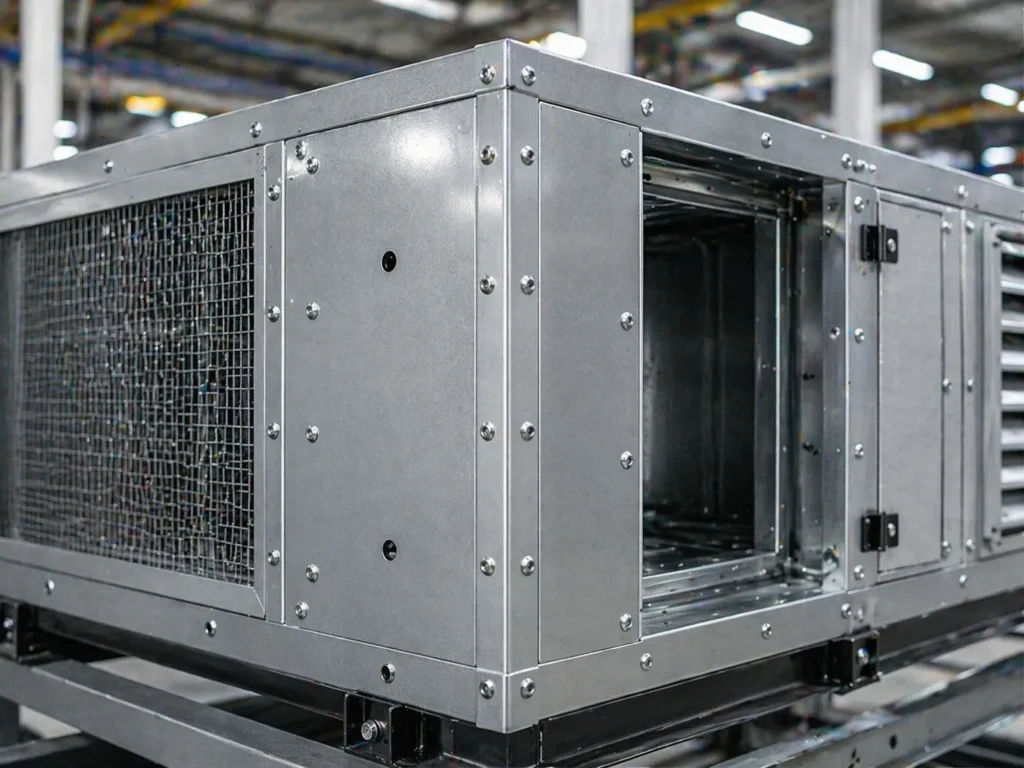
In sheet metal HVAC housings, the materials are typically thin, placing high demands on the load distribution of the connection method. Blind rivets, particularly those with large flanges, can effectively distribute loads, reduce the risk of sheet metal deformation, and maintain a smooth appearance, making them suitable for the manufacture of high-quality equipment housings.
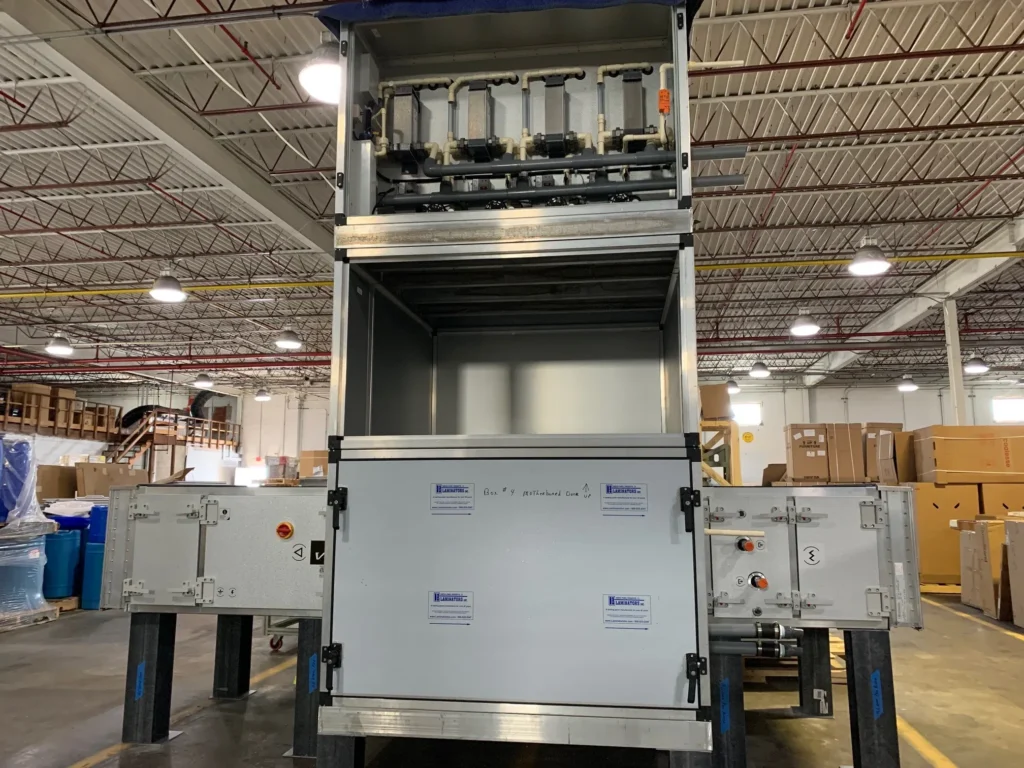
In HVAC equipment enclosures, the connection between panels and frames is the most common structural joint. Blind rivets provide a stable mechanical lock, accommodate different material combinations (such as galvanised steel and aluminium sheets), and enhance overall structural strength, making them suitable for equipment requiring long-term, stable operation.
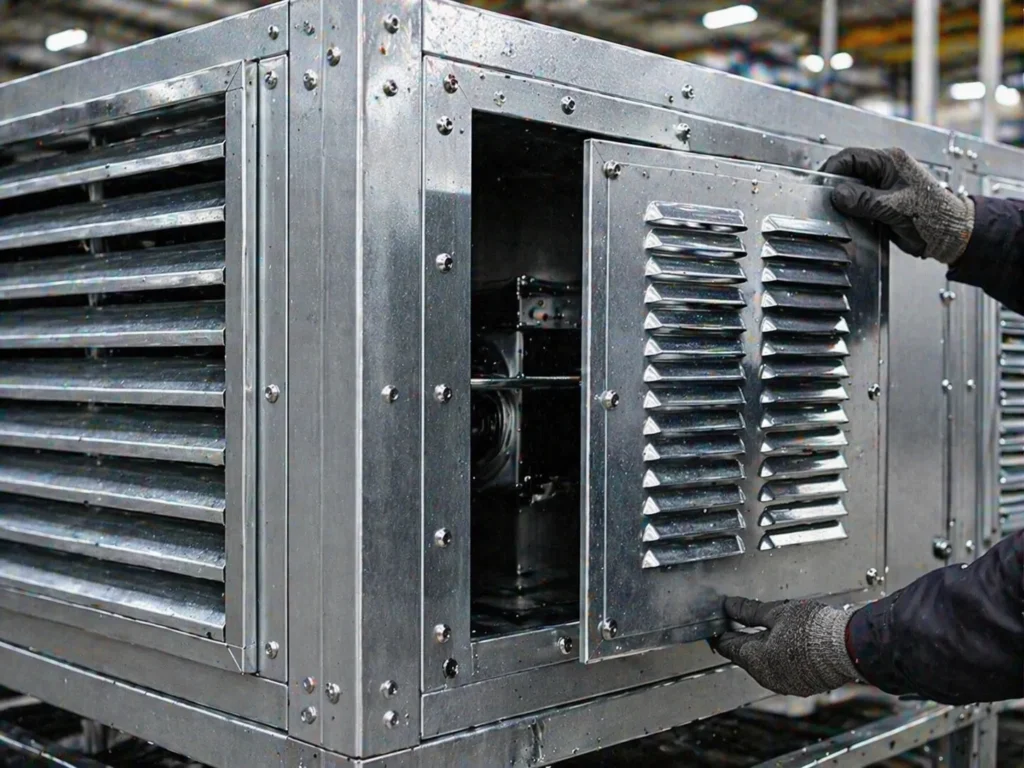
In removable or semi-fixed structures such as ventilation panels and access covers, blind rivets enable rapid, standardised installation. Compared to traditional screw connections, rivets are less prone to loosening and offer higher assembly efficiency, making them suitable for HVAC equipment manufacturing scenarios where high production efficiency and consistency are required.
Not sure which blind rivets for HVAC cabinets fit your application?
Tell us your material, thickness, and working conditions — our engineers will recommend the exact blind rivet solution with optimized strength and installation efficiency.
Recommended Rivets
Best Blind Rivet Types for HVAC Enclosures
In the manufacture of HVAC equipment, selecting the appropriate type of blind rivet has a direct impact on structural stability, aesthetic quality and assembly efficiency. Whether used in HVAC cabinets or sheet metal enclosures, different applications impose specific requirements on the rivet’s clamping range, force distribution and sealing performance.
Large Flange Rivets
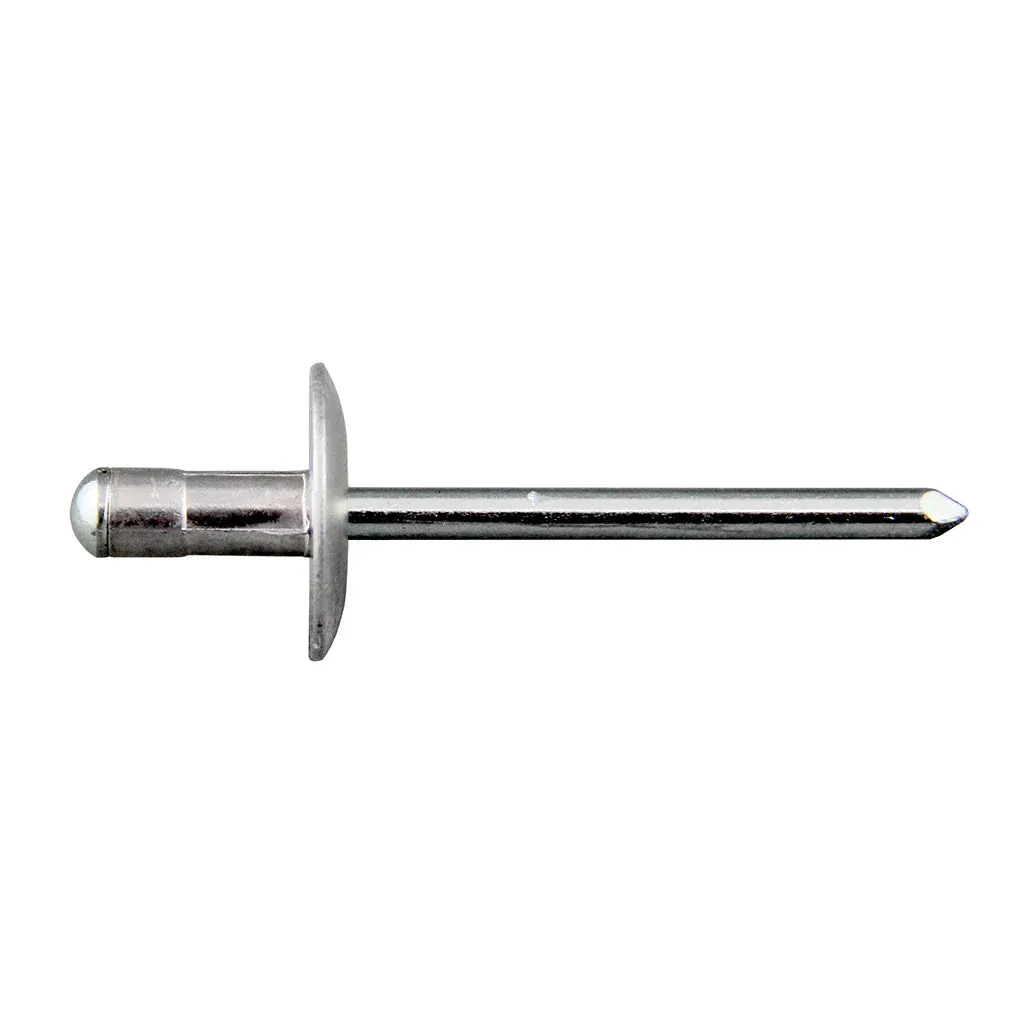
Suitable for HVAC sheet metal enclosures in thin-gauge applications.
Their large flange design significantly increases the bearing area and reduces unit pressure, thereby effectively minimising the risk of deformation in 0.5–1.5 mm thin sheets. In HVAC housings, they strike a balance between structural strength and surface flatness.
Multi-Grip Rivets
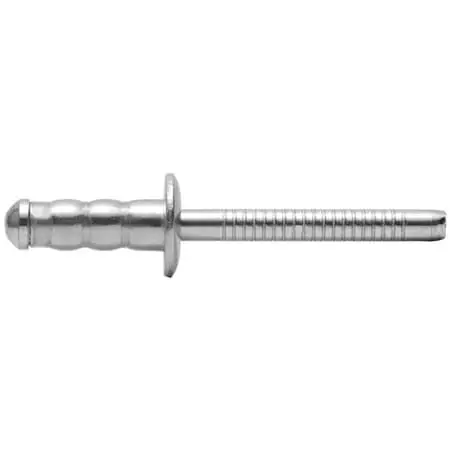
Suitable for HVAC enclosures where sheet thickness varies considerably.
Their wide grip range design accommodates a variety of material thickness combinations, reducing the number of SKUs and simplifying inventory management. In mass production, they significantly improve assembly efficiency and minimise selection errors.
Structural Rivets
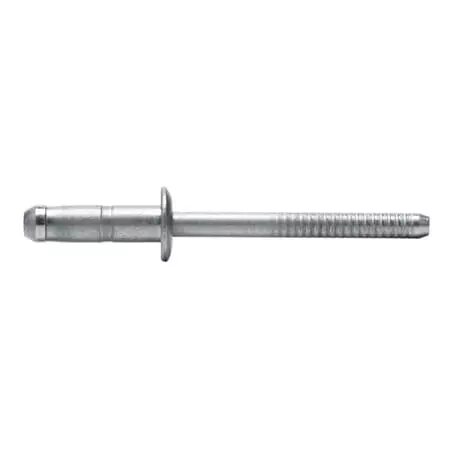
Suitable for HVAC enclosures in high-load or critical structural connection areas.
These rivets offer superior tensile and shear strength, providing a stronger mechanical locking effect. They are suitable for critical joints such as equipment frames and load-bearing sections, ensuring long-term structural stability.
Sealed Rivets
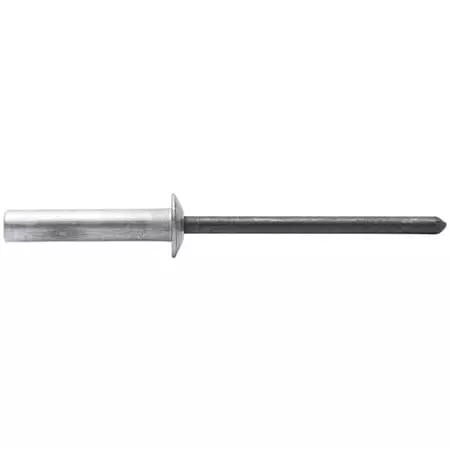
Suitable for HVAC applications where sealing performance is required.
Their sealed-end design effectively prevents the ingress of air or liquids, offering distinct advantages in equipment enclosures requiring a certain level of airtightness or protection rating, whilst maintaining stable connection performance.
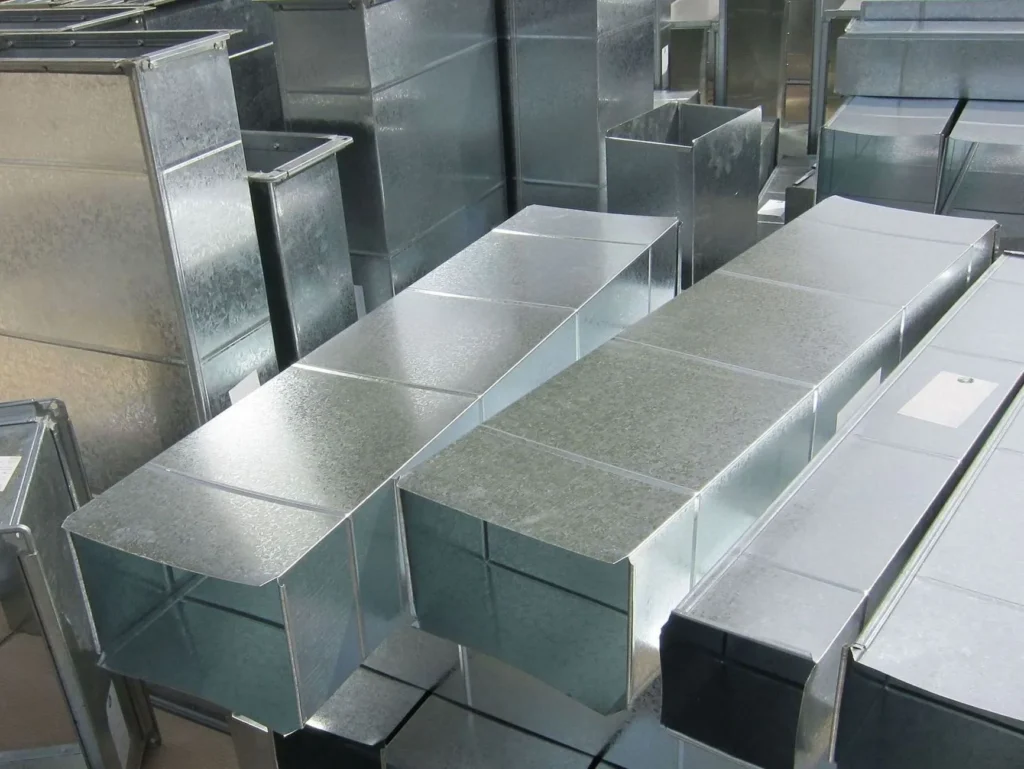
- For applications involving thin sheets of 0.5–1.5 mm, large-flange rivets should be prioritised to avoid localised indentations and surface irregularities
- For mass-produced HVAC enclosures, multi-grip rivets can reduce model changeovers and improve production cycle times
- In high-load or vibration environments, structural rivets can significantly enhance joint reliability and reduce the risk of long-term failure
HVAC Rivet Selection Guide for Enclosure Applications
| Material | Thickness | Rivet Type | Reason |
|---|---|---|---|
| Sheet metal | 0.5–1.5 mm | Large flange | Increases the load-bearing area, reduces unit pressure and prevents deformation of thin sheets |
| Mixed thickness | 1–3 mm | Multi-grip | Suitable for combinations of different sheet thicknesses, reducing SKUs and improving assembly efficiency |
| Structural area | 2–4 mm | Structural rivet | Provides higher tensile and shear strength, suitable for critical load-bearing areas |

Rivmate
Reliable Blind Rivet Manufacturer
Rivmate employs a cold heading process to ensure high dimensional accuracy and consistent mechanical properties in its rivets, meeting the demands of high-strength fastening applications. Furthermore, utilising a fully automated coating production line, the company achieves standardised control of RAL colours, guaranteeing colour consistency across batches as well as uniform coating and reliable adhesion.
In terms of quality control, Rivmate has established a comprehensive QC system covering everything from raw materials and production processes to finished product inspection, ensuring that every batch of products meets performance standards. Our factory is certified to the IATF 16949 automotive quality management system, providing system-level assurance of long-term product stability and consistency.
Cold Heading
Utilising high-precision cold heading technology ensures consistent dimensional tolerances for the rivets whilst enhancing metal fibre continuity, resulting in more reliable tensile strength and shear resistance.
Fully Automated Coating Line
Surface treatment is uniform and consistent, enabling RAL colour control and meeting corrosion resistance requirements. Salt spray testing achieves 72–500 hours (depending on process grade), catering to diverse HVAC application environments.
IATF 16949
Adopts automotive-grade quality management standards, implementing end-to-end control over production, testing and batch traceability to ensure product consistency and traceability
OEM
Custom Rivet Solutions
Custom
Flange Diameter
You can request a larger or special flange size to better distribute load on composite panels.
02
Special
Surface Coatings
You can choose coatings for corrosion resistance, durability, or specific environmental conditions.
03
OEM &
Private Label Packaging
You can customize packaging with your brand, labels, and carton specifications for your market.
Need Help With Your Project?
FAQ: Blind Rivets for HVAC Enclosures
Q1: Can blind rivets be used for HVAC cabinets?
Yes. Blind rivets for HVAC cabinets provide fast installation and stable fastening, making them ideal for enclosure assembly.
Q2: Are blind rivets suitable for sheet metal HVAC housings?
Yes. Blind rivets for sheet metal HVAC housings, especially large flange types, help prevent deformation and improve load distribution.
Q3: Can Blind Rivets for HVAC Enclosures replace welding?
Yes. Blind Rivets for HVAC Enclosures eliminate heat distortion, reduce surface damage, and significantly improve production efficiency.
Q4: Do blind rivets loosen under vibration in HVAC systems?
No. Blind Rivets for HVAC Enclosures create a permanent mechanical lock, offering strong vibration resistance and long-term stability.
Q5: What type of blind rivets are best for HVAC cabinets?
Large flange and hem-lock blind rivets for HVAC cabinets are recommended for better load distribution and higher strength.
Q6: How to choose blind rivets for sheet metal HVAC housings?
Choose blind rivets for sheet metal HVAC housings based on material thickness, load requirements, and deformation risk; multi-grip or large flange rivets are commonly used.