
Blind Rivets for Air Handling Units
Rivmate blind rivets for air handling units are specifically designed for high-vibration, high-load HVAC equipment, providing stable and reliable structural connections. Used on AHU panels, equipment casings and critical structural components.
HVAC Rivet Solution
Why Blind Rivets Are Ideal for Air Handling Units?
Blind rivets for air handling units are widely used in AHU panels and structural fastenings, maintaining stable and reliable fastening performance even in environments subject to continuous vibration.
Their resistance to thermal deformation makes them suitable for joining thin-gauge sheet metal structures in HVAC applications.
2–5s
30%–50%
per installation
faster assembly vs screws
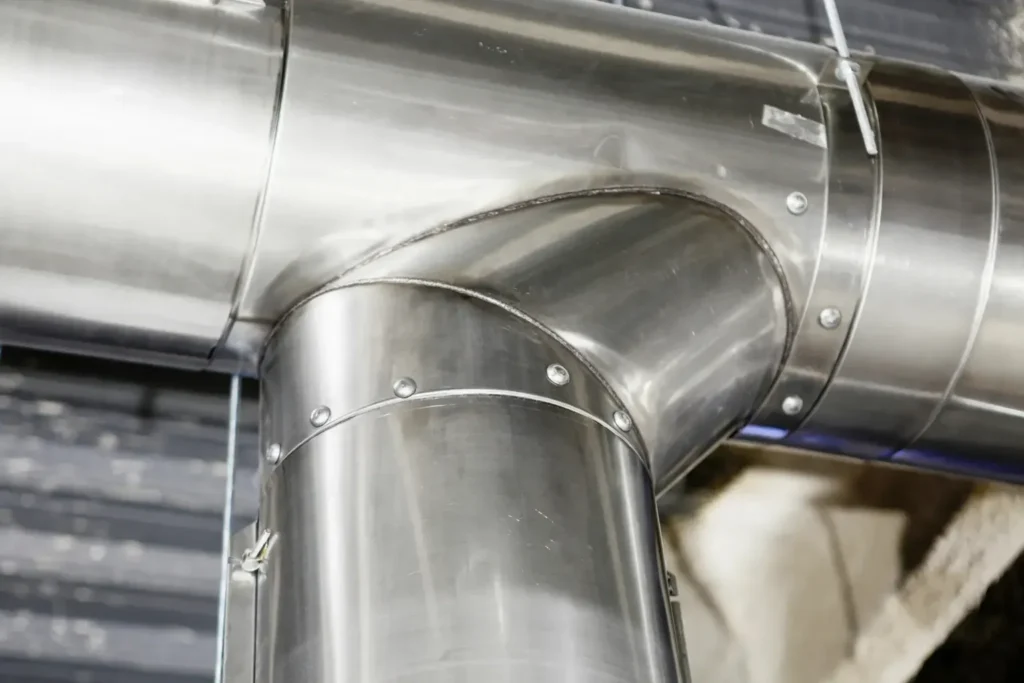
AHU Fastening Challenges
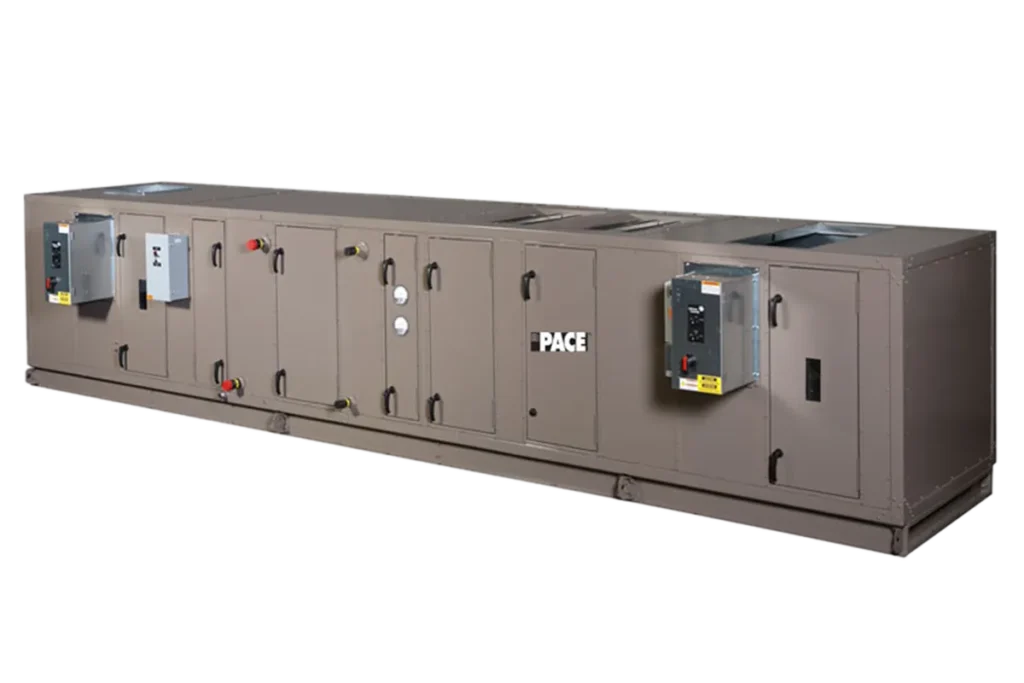
Vibration-induced loosening → Permanent riveted structure
Air handling units (AHUs) generate continuous vibration during long-term operation, and traditional screw connections are prone to loosening or even detachment. The use of Blind Rivets for Air Handling Units ensures long-term stability by creating a permanent mechanical interlock.

Heat distortion from welding → No-heat fastening solution
The heat-affected zone generated during welding can easily cause sheet metal deformation, coating damage and increased costs for subsequent processing. Blind rivets require no heat treatment, thereby avoiding issues of thermal deformation.
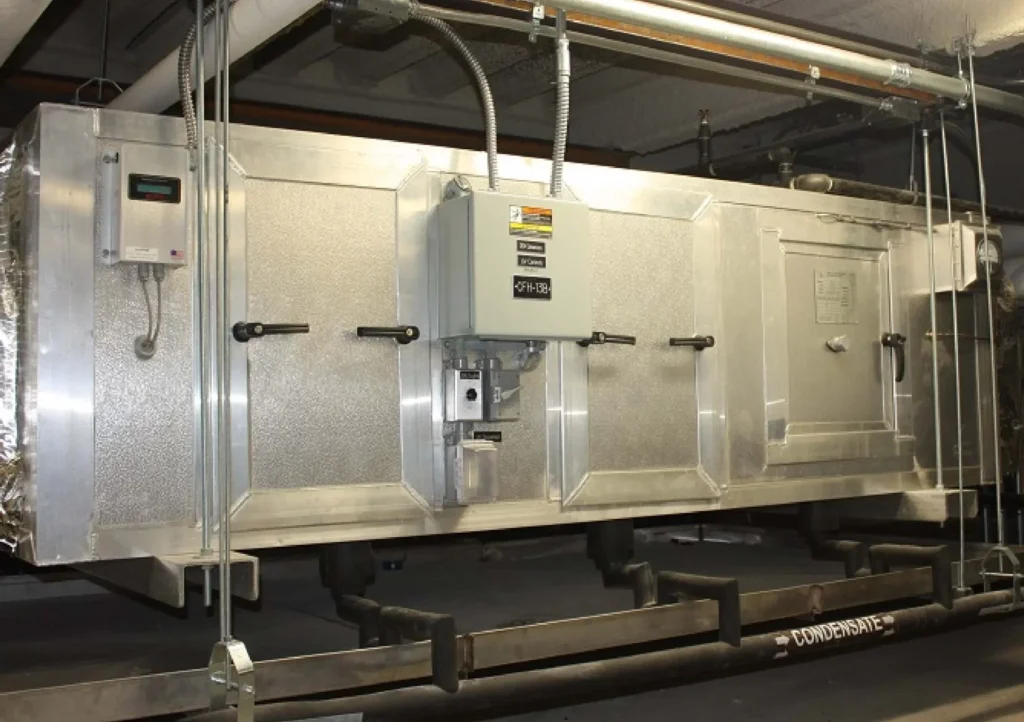
Slow installation → One-side fast installation
Traditional fastening methods require operation from both sides or multiple processes, which affects production efficiency. Rivmate blind rivets for AHU panels support single-sided installation, taking just 2–5 seconds per point, making them ideal for mass production.
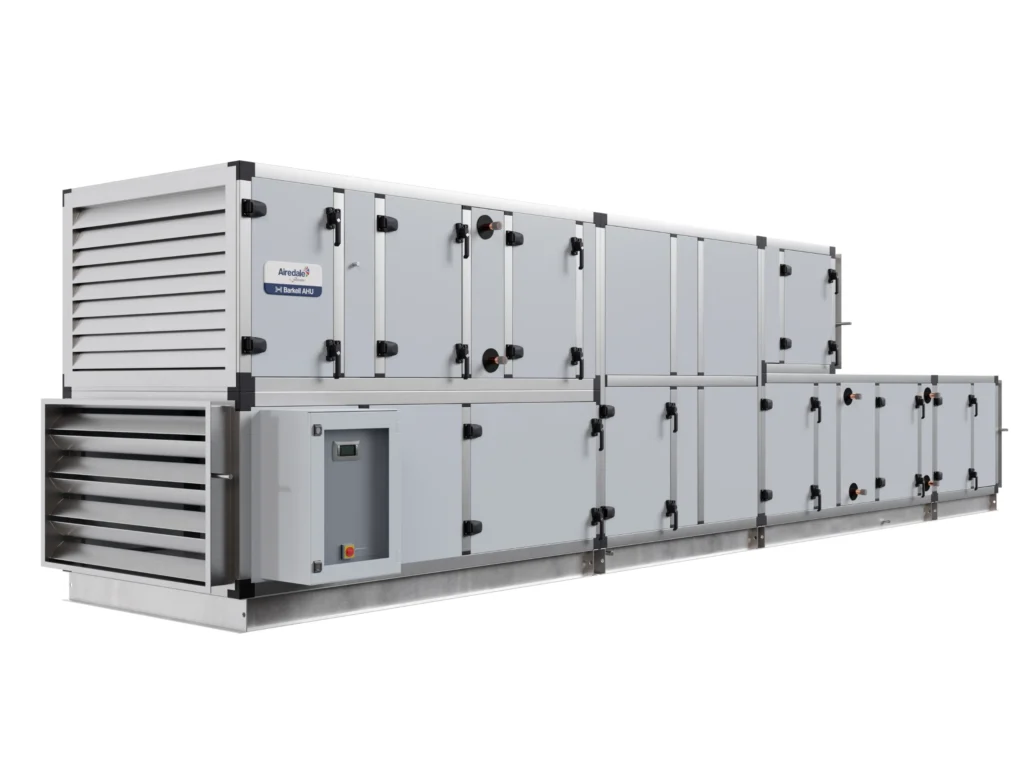
Maintenance issues → Maintenance-free fastening
Screw connections require regular inspection and maintenance during long-term operation, increasing operational costs. Rivmate provides a maintenance-free fastening solution that eliminates the need for re-tightening over the long term, further reducing maintenance frequency and costs.
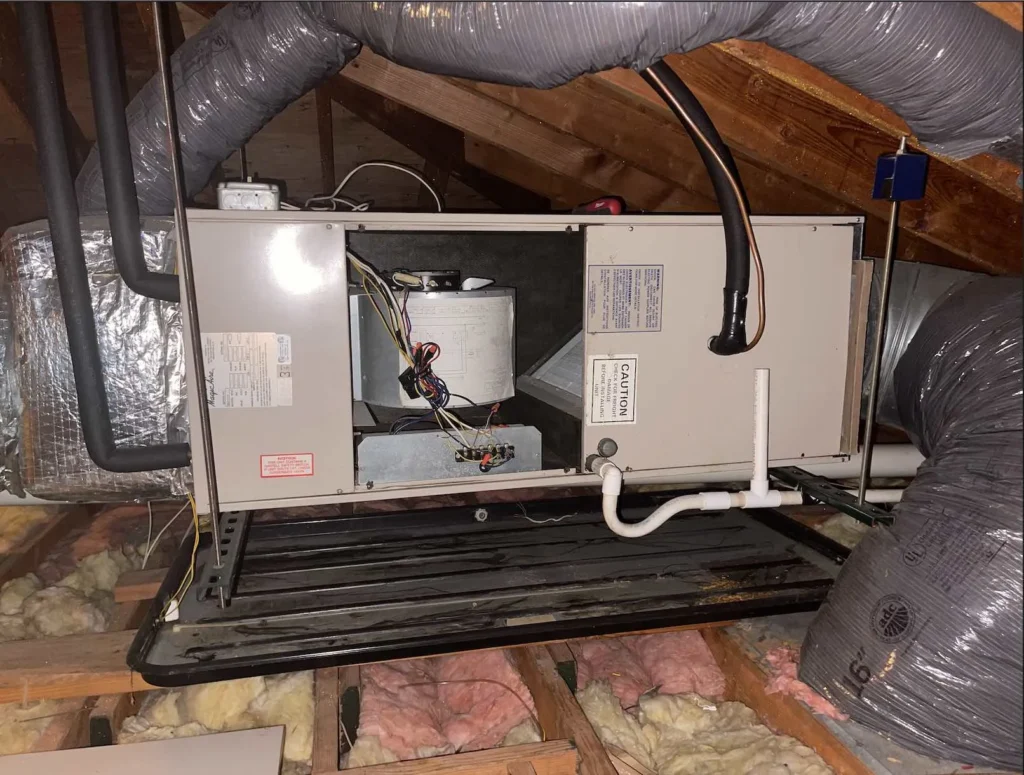
When joining and securing AHU panels, blind rivets for AHU panels provide a stable and consistent connection. They offer high installation efficiency whilst avoiding quality fluctuations caused by inconsistent screw torque.
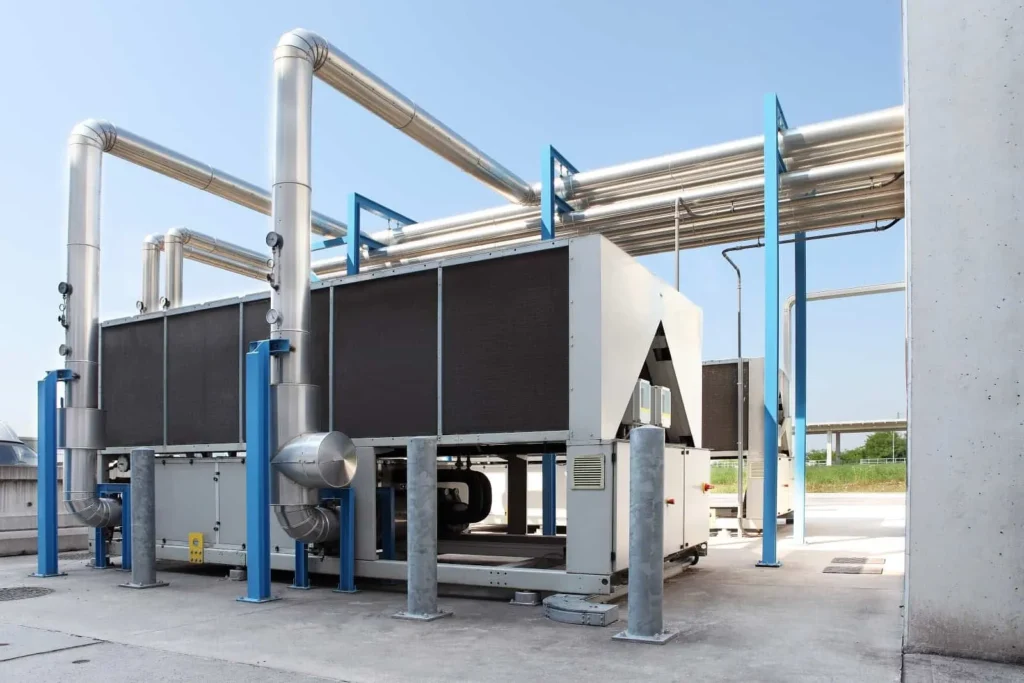
In applications involving equipment housings, blind rivets effectively prevent thermal deformation caused by welding and enhance overall structural strength through uniform clamping force.
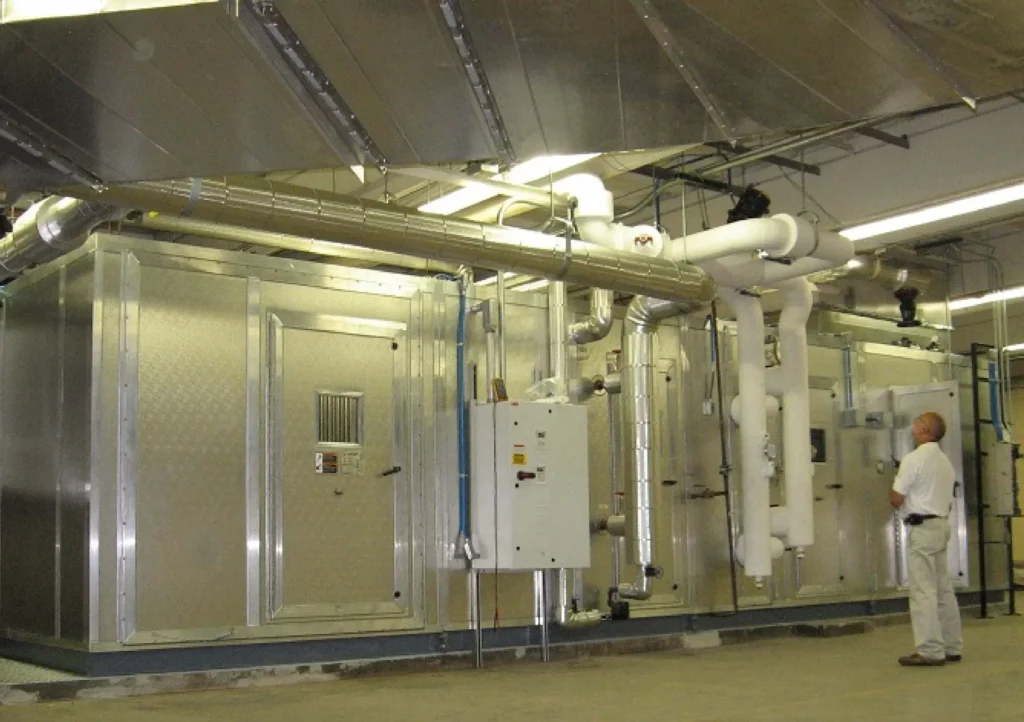
In load-bearing structures such as AHU frames, blind rivets for air handling units provide reliable tensile and shear resistance. Structural rivets are capable of withstanding continuous loads and vibration impacts.
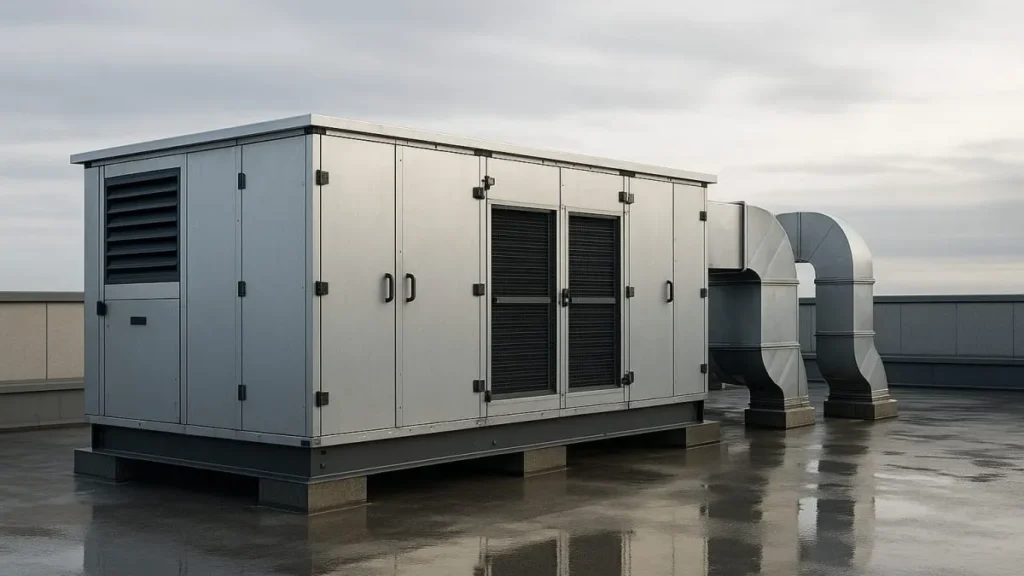
In high-vibration areas such as around fans and motors, blind rivets for air handling units effectively prevent connection loosening through permanent mechanical locking. Compared to screw connections, they reduce the frequency of maintenance.
Not sure which Blind Rivets fit your AHU panels or equipment housings?
Tell us your material, thickness, and load requirements — our engineers will recommend the exact rivet type with verified strength and vibration performance.
Recommended Rivets
RIVMATE Top Blind Rivet Types for Air Handling Units
In Air Handling Unit (AHU) applications, different structural components have varying requirements regarding the strength, compatibility range and functionality of fasteners. Selecting the appropriate blind rivets for AHU panels can significantly enhance structural reliability and assembly efficiency. The following are the recommended rivet types for common HVAC equipment housings and structural applications:
Large Flange Rivets
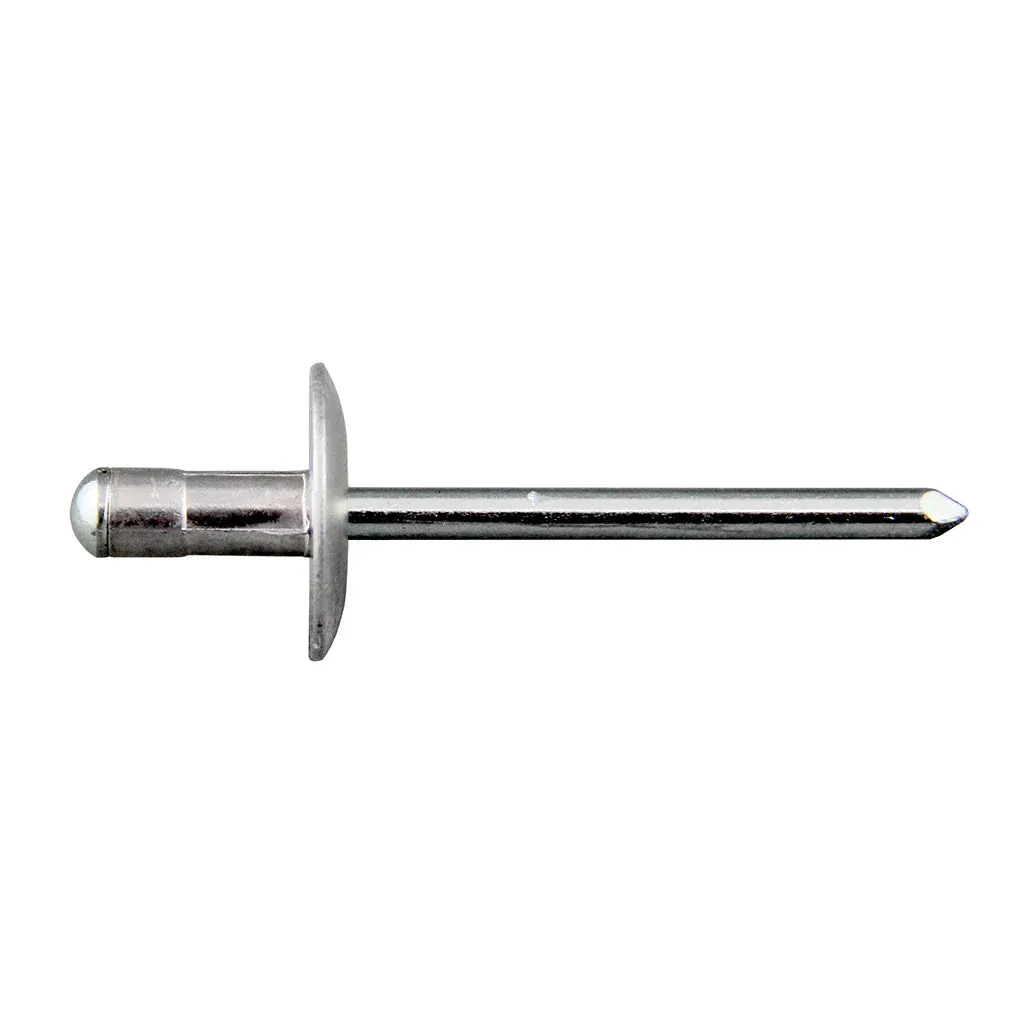
Suitable for thin sheet metal structures (0.5–1.5 mm), such as housing panel connections.
By increasing the load-bearing area, they effectively reduce the risk of sheet metal deformation and enhance connection stability, making them the preferred solution for thin-sheet HVAC applications.
Multi-Grip Rivets
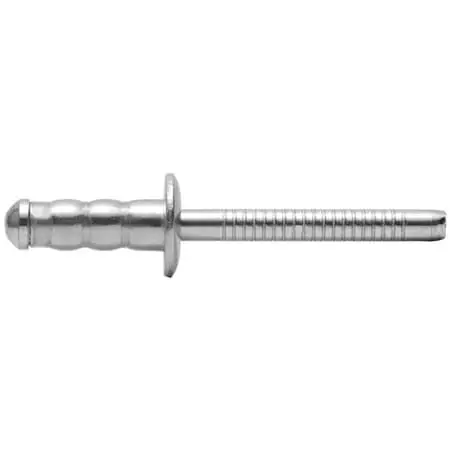
Suitable for joining HVAC equipment housings where sheet metal thickness varies significantly.
The wide grip range accommodates multiple thickness combinations, reducing the number of SKUs and improving production efficiency; particularly suitable for the mass production of HVAC equipment housings.
Structural Rivets
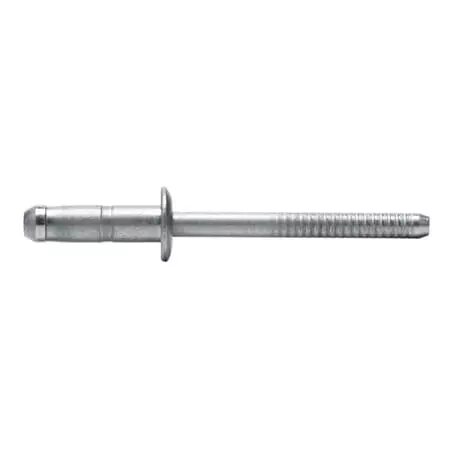
Used in high-load and critical structural connection areas, such as AHU frames and load-bearing sections.
Featuring higher tensile and shear strength, they maintain stable connections in environments subject to continuous vibration and are the core type among blind rivets for air handling units.
Sealed Rivets
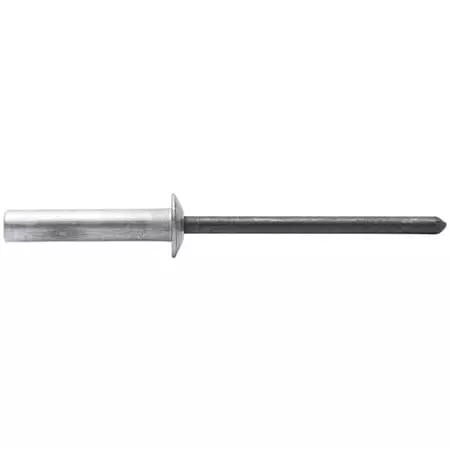
Suitable for localised structures requiring sealing, such as specific equipment enclosures or functional areas.
The sealed end design prevents air or liquid penetration, providing additional protection in HVAC equipment housings.
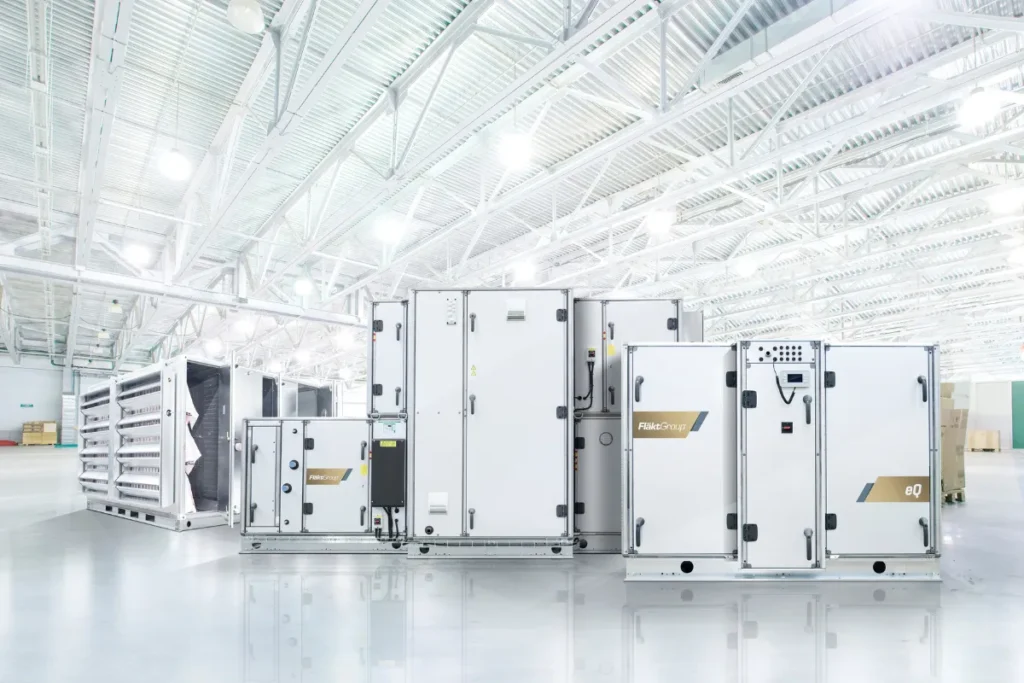
In Air Handling Unit (AHU) applications, the appropriate selection of HVAC rivets directly impacts structural strength, vibration resistance and assembly efficiency. Based on real-world engineering scenarios, the following summarises typical selection schemes for Blind Rivets for Air Handling Units, to assist in quickly matching different structural requirements.
HVAC Rivet Selection Guide for Air Handling Units
| Application | Thickness | Rivet Type | Reason |
|---|---|---|---|
| AHU panels | 0.5–1.5 mm | Large flange | Increases load-bearing area to prevent thin-sheet deformation |
| Mixed structure | 1–3 mm | Multi-grip | Suitable for various sheet thicknesses, reducing SKUs and improving efficiency |
| Load area | 2–4 mm | Structural | Provides high tensile and shear strength to ensure structural stability |
- For thin-gauge structures (0.5–1.5 mm), large-flange rivets are the preferred choice, as they reduce the risk of local indentations and cosmetic deformation
- In scenarios involving multiple materials or varying thicknesses, multi-grip rivets simplify selection and improve production consistency
- In high-vibration or load-bearing areas, structural rivets provide more reliable mechanical locking, extending equipment service life

Performance
Engineering Performance of Rivmate Blind Rivets
In Air Handling Unit (AHU) applications, the engineering performance of blind rivets for AHUs directly determines the reliability and service life of structural connections. Compared to traditional screws or welding methods, blind rivets offer more consistent performance in terms of strength and vibration resistance.
High Tensile Strength
High-quality blind rivets are produced using a cold heading process, which improves the internal fibre continuity of the material, thereby enhancing tensile performance. Typical aluminium-steel structural rivets can achieve a tensile strength of 800–1200 N (depending on specifications). They are suitable for AHU frames and critical connection points.
High Shear Strength
In the connection of HVAC equipment casings and panels, shear forces are the primary form of stress. Blind rivets provide 600–1000 N of shear strength, enabling them to effectively withstand dynamic loads during equipment operation.
Vibration Resistance
AHU equipment generates continuous vibration during long-term operation, which is the primary cause of connection failure. Blind Rivets for Air Handling Units prevent loosening through their mechanical locking mechanism. Compared to screw connections, they reduce the risk of loosening by over 90%, enabling long-term maintenance-free operation.
manufacturer
Rivmate Manufacturing Excellence
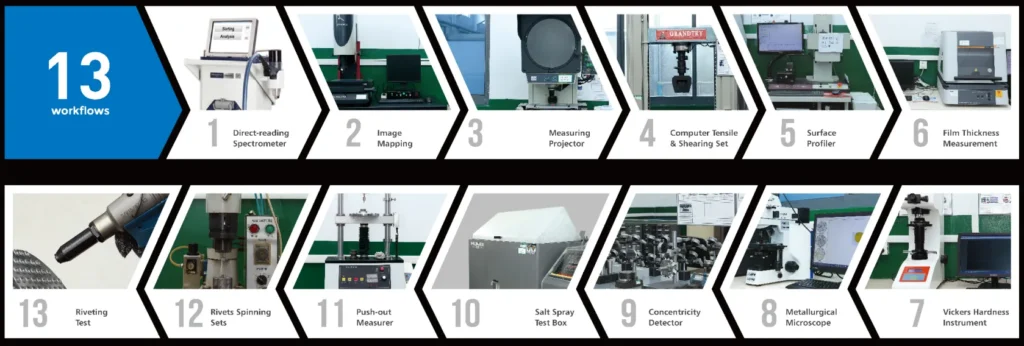
Rivmate employs a cold heading process to ensure high dimensional accuracy and consistent mechanical properties in its rivets, meeting the demands of high-strength fastening applications. Furthermore, utilising a fully automated coating production line, the company achieves standardised control of RAL colours, guaranteeing colour consistency across batches as well as uniform coating and reliable adhesion.
In terms of quality control, Rivmate has established a comprehensive QC system covering everything from raw materials and production processes to finished product inspection, ensuring that every batch of products meets performance standards. Our factory is certified to the IATF 16949 automotive quality management system, providing system-level assurance of long-term product stability and consistency.
OEM
Custom Rivet Solutions
Custom
Flange Diameter
You can request a larger or special flange size to better distribute load on composite panels.
02
Special
Surface Coatings
You can choose coatings for corrosion resistance, durability, or specific environmental conditions.
03
OEM &
Private Label Packaging
You can customize packaging with your brand, labels, and carton specifications for your market.
Need Help With Your Project?
Blind Rivets for Air Handling Units
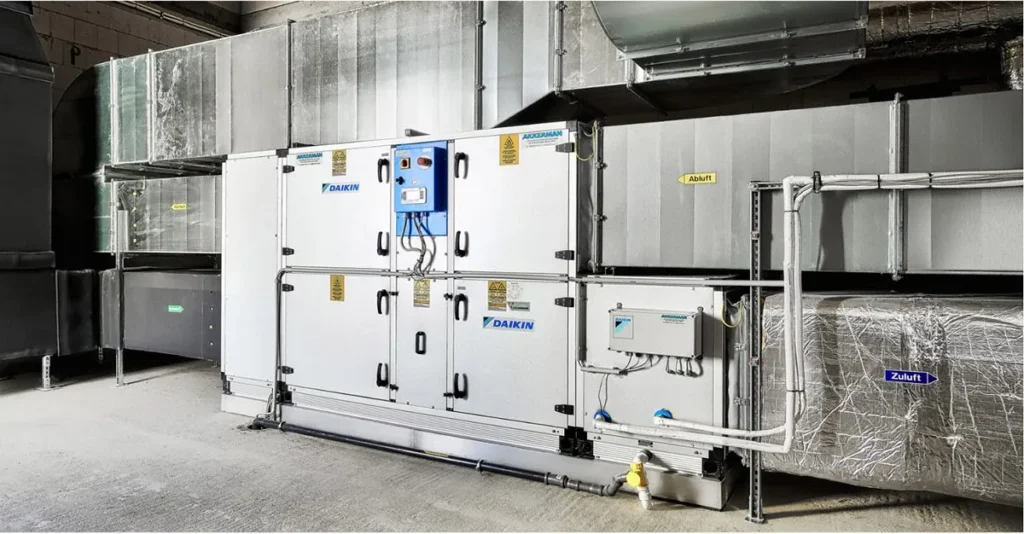
Q1: Are blind rivets for air handling units suitable for high-vibration environments?
Yes. By creating a permanent mechanical interlock, blind rivets are resistant to loosening in environments subject to continuous vibration. They are suitable for high-vibration areas such as fans and motors, and can significantly reduce the frequency of maintenance.
Q2: What is the strength of blind rivets for air handling units?
Blind rivets for air handling units possess high tensile and shear strength (typically 800–1200 N tensile strength, depending on the specification), enabling them to meet the structural connection and load-bearing requirements of air handling units.
Q3: Can blind rivets replace screws in AHU panels?
Yes. Blind rivets for AHU panels provide a more stable and consistent connection, eliminating the issue of screw loosening, whilst offering faster installation (approximately 2–5 seconds per point), making them suitable for the assembly of AHU panels in mass production.
Q4: Are blind rivets suitable for HVAC equipment housings?
Yes. Blind rivets are suitable for connecting thin-gauge sheet metal structures, avoiding thermal deformation issues associated with welding, and enhancing overall structural strength through uniform clamping force.
Q5: How do Blind Rivets for Air Handling Units perform under long-term operation?
Blind rivets maintain stable performance during long-term operation, do not require re-tightening, and possess good fatigue resistance, making them suitable for HVAC equipment requiring long-term reliable operation.
Q6: What type of blind rivets are best for AHU applications?
For AHU applications, structural blind rivets are suitable for high-load areas, multi-grip blind rivets are suitable for structures with varying thicknesses, whilst large-flange blind rivets are suitable for thin-sheet connections.