
Blind Rivets for Rooftop HVAC Units
Rivmate supplies specialist blind rivets for rooftop HVAC units, designed specifically for outdoor environments and offering excellent corrosion resistance and vibration resistance. They are specifically intended for HVAC equipment that is subject to prolonged exposure to rain, UV radiation and temperature fluctuations.
HVAC Rivet Solution
Use Blind Rivets for Rooftop HVAC Units in Outdoor Environments
In Rooftop HVAC Units applications, fasteners must withstand prolonged exposure to rain, UV radiation, temperature fluctuations and constant vibration, placing higher demands on fastening solutions.
Blind Rivets for Rooftop HVAC Units are specifically designed for these outdoor conditions and, compared to traditional screws or welding, are better suited to providing stable connections and long-term reliable operation in challenging environments.
- Installation in 2–5 seconds per point, suitable for rapid installation at height and outdoors
- Overall assembly efficiency improved by 30–50%, reducing on-site working time
- No hot working, avoiding sheet metal deformation and coating damage caused by welding
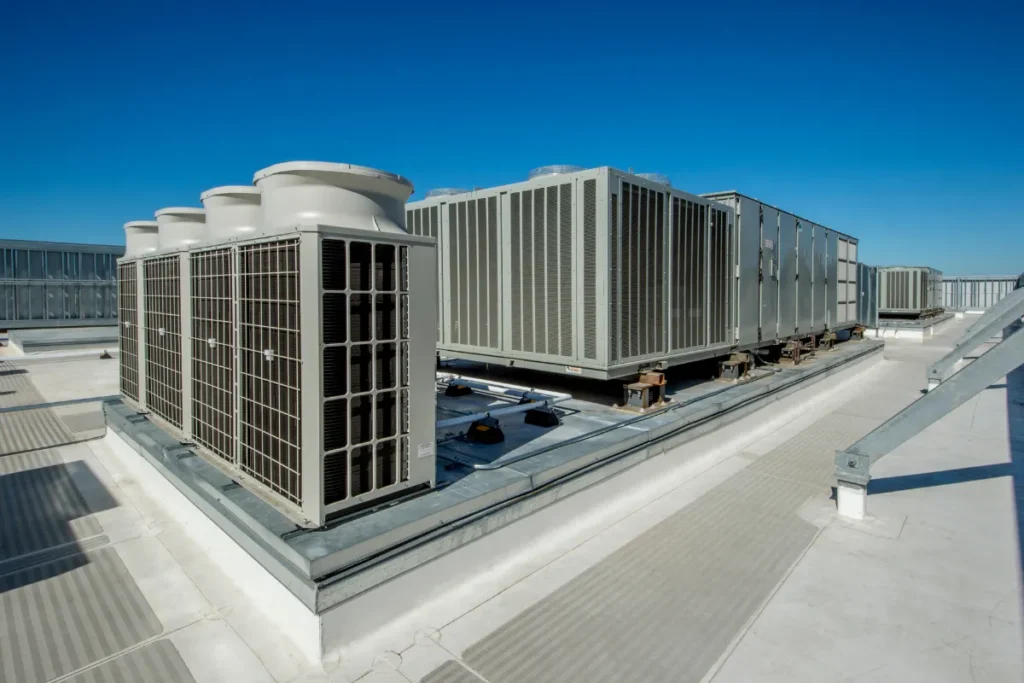
Common Fastening Challenges in Rooftop HVAC Units and Rivet Solutions
In Rooftop HVAC Units applications, traditional fastening methods often struggle to balance weather resistance and stability. Blind Rivets for Rooftop HVAC Units are better suited to your demanding requirements.
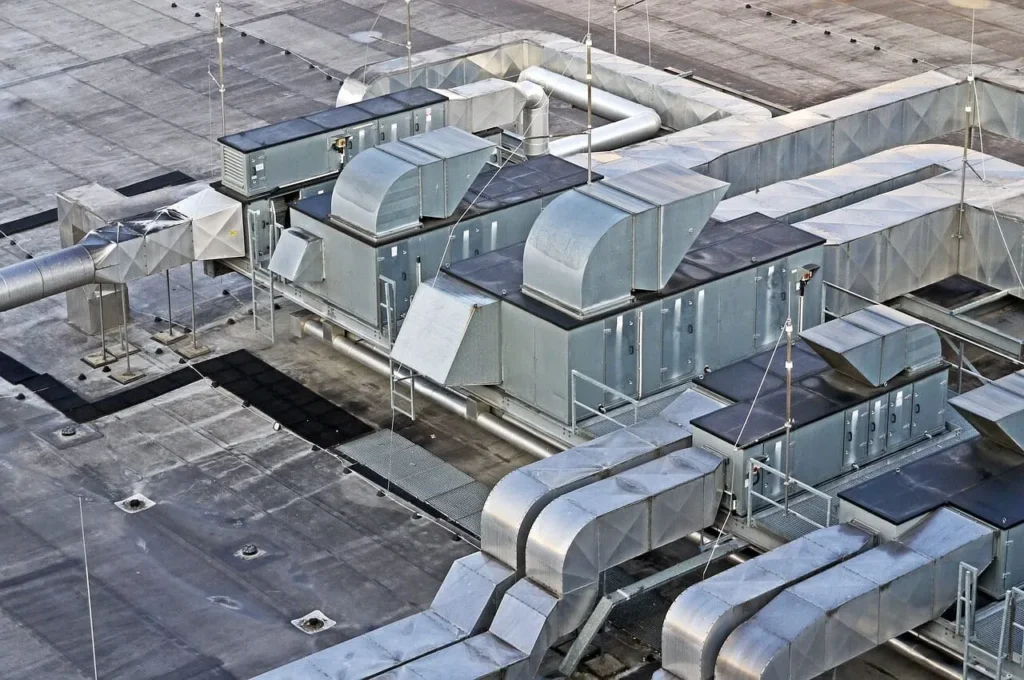
Outdoor corrosion → Corrosion-resistant rivet solution
As rooftop equipment is constantly exposed to rain, moisture and UV radiation, standard screws or fasteners with low protection levels are prone to oxidation and corrosion, compromising structural reliability. Corrosion-resistant blind rivets, featuring protective coatings or stainless steel construction, effectively withstand outdoor corrosive environments, ensuring long-term, stable performance.
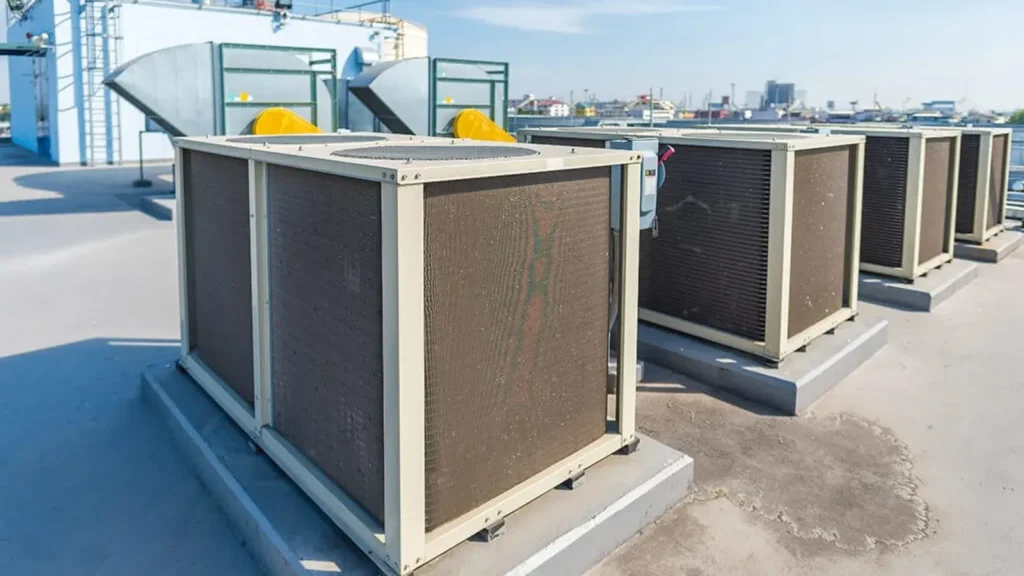
Water ingress → Sealed fastening solution
Joints in rooftop HVAC units are prone to water ingress due to rainfall or condensation, which can affect internal performance or even cause malfunctions. Sealed blind rivets form a sealed structure upon riveting, effectively preventing water ingress and enhancing overall sealing performance.
Vibration loosening → Permanent riveted structure
Fan operation and airflow impact cause continuous vibration; traditional screw connections are prone to loosening and require regular maintenance. Blind Rivets for Rooftop HVAC Units create a permanently locked structure, maintaining a stable connection even in high-vibration environments, eliminating the need for re-tightening.
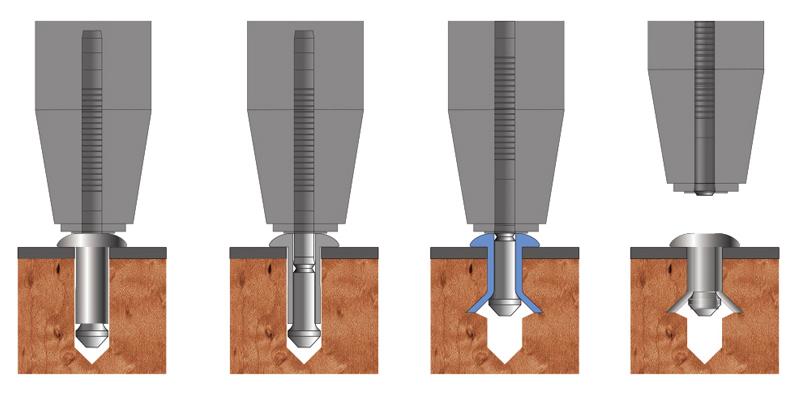
Slow installation → One-side fast installation
Rooftop construction space is limited and the installation environment is complex; traditional connection methods are inefficient and incur high labour costs. Blind rivets support single-side installation, taking just 2–5 seconds per point, significantly improving outdoor construction efficiency and reducing installation difficulty
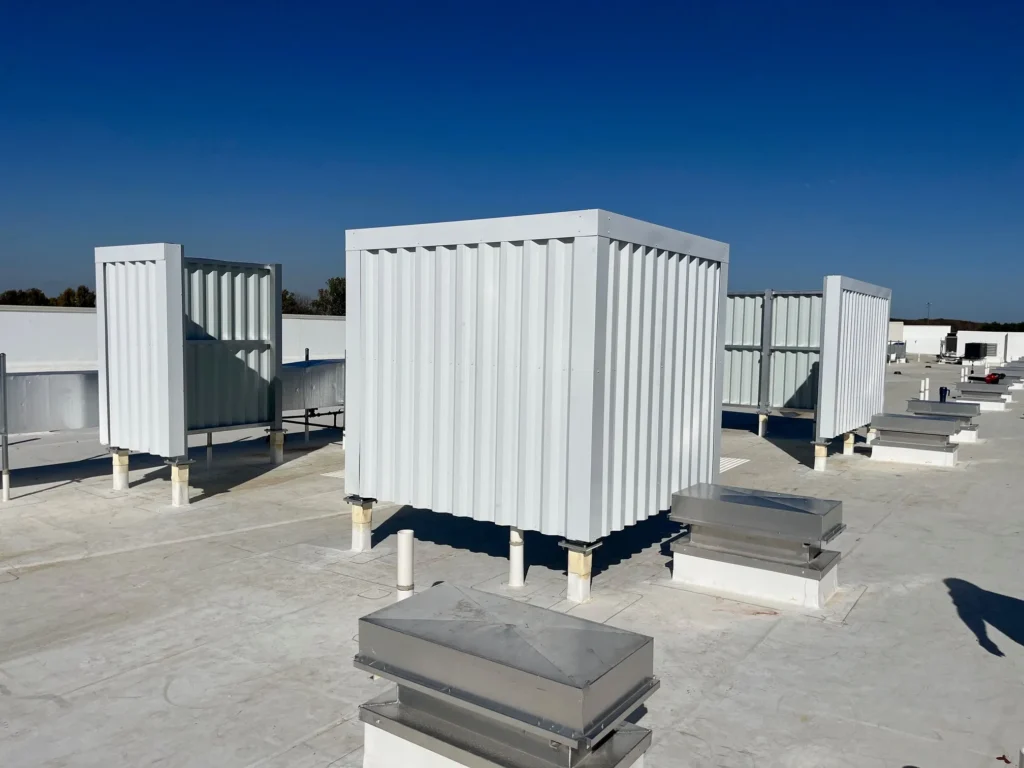
Used for joining and securing rooftop equipment panels, ensuring both structural stability and visual consistency.
Blind rivets allow for connections to be made without damaging the surface coating, avoiding issues such as deformation or loosening caused by welding or screws. They are suitable for both mass production and on-site installation.
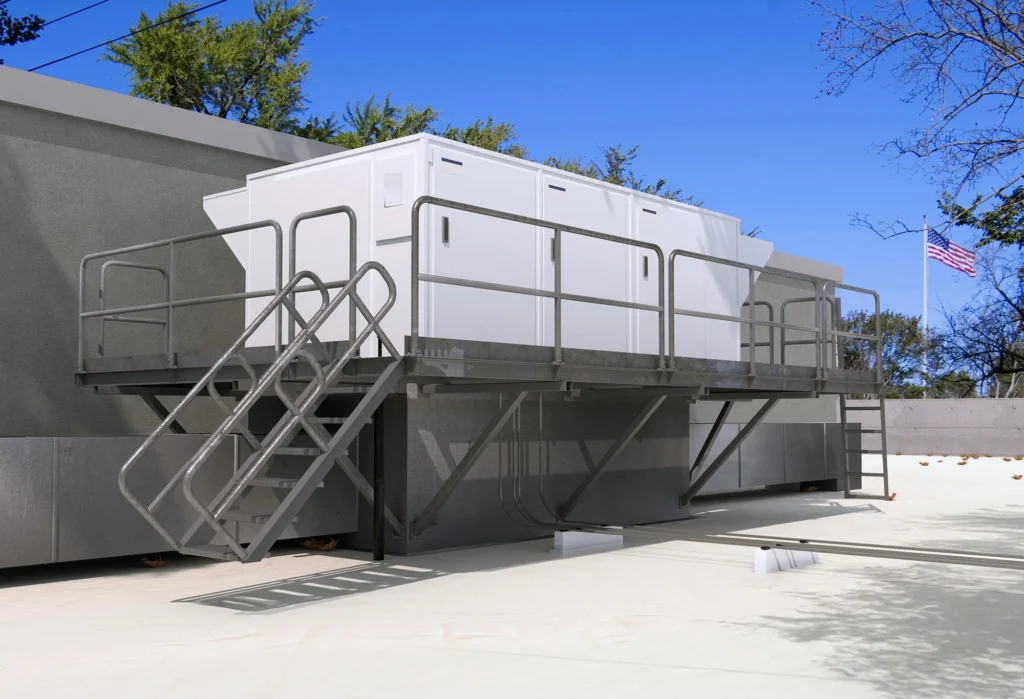
Rooftop equipment is constantly exposed to rain and humidity, making joints susceptible to water ingress.
Sealed blind rivets form a sealed structure upon riveting, effectively preventing moisture penetration and enhancing the overall waterproofing and airtightness of the equipment. They are particularly suitable for critical sealing areas.
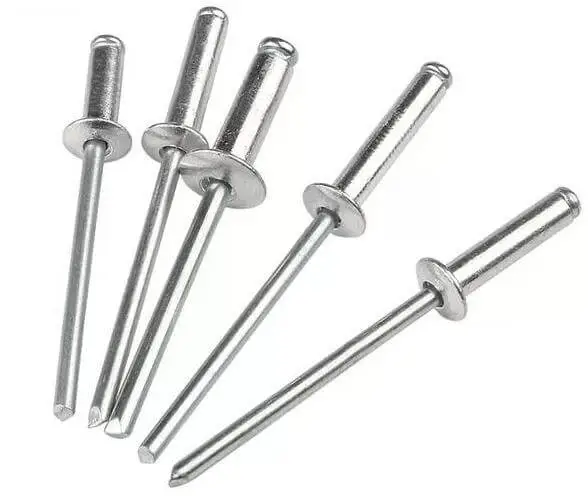
Rooftop HVAC units are constantly exposed to UV radiation, rain and air pollution, placing extremely high demands on material corrosion resistance.
Corrosion-resistant blind rivets utilising plating or stainless steel, significantly enhance oxidation resistance and weather resistance, reducing maintenance frequency and extending the service life of the equipment.
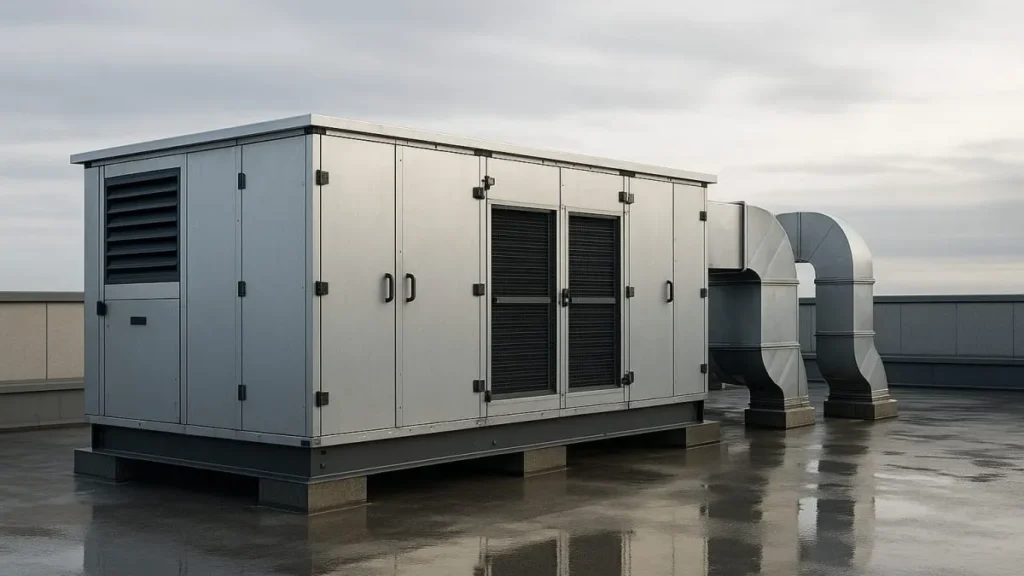
Used for connecting the frames and load-bearing structures of rooftop HVAC equipment, these rivets must withstand wind loads, vibrations and structural stresses simultaneously. Blind rivets form a permanently locked structure that is less prone to loosening than screws, ensuring the overall stability of the equipment during long-term operation.
Not sure which Blind Rivets fit your outdoor equipment?
Tell us your material, thickness and environment — we’ll recommend the exact rivet solution.
Recommended Rivets
RIVMATE Best Blind Rivet Types for Rooftop HVAC Units
In rooftop HVAC units applications, fasteners must do more than simply meet structural connection requirements. To withstand complex operating conditions such as rainwater erosion, UV exposure, temperature fluctuations and continuous vibration, selecting the appropriate type of rivet is key to ensuring the long-term, stable operation of the equipment.
Large Flange Rivets
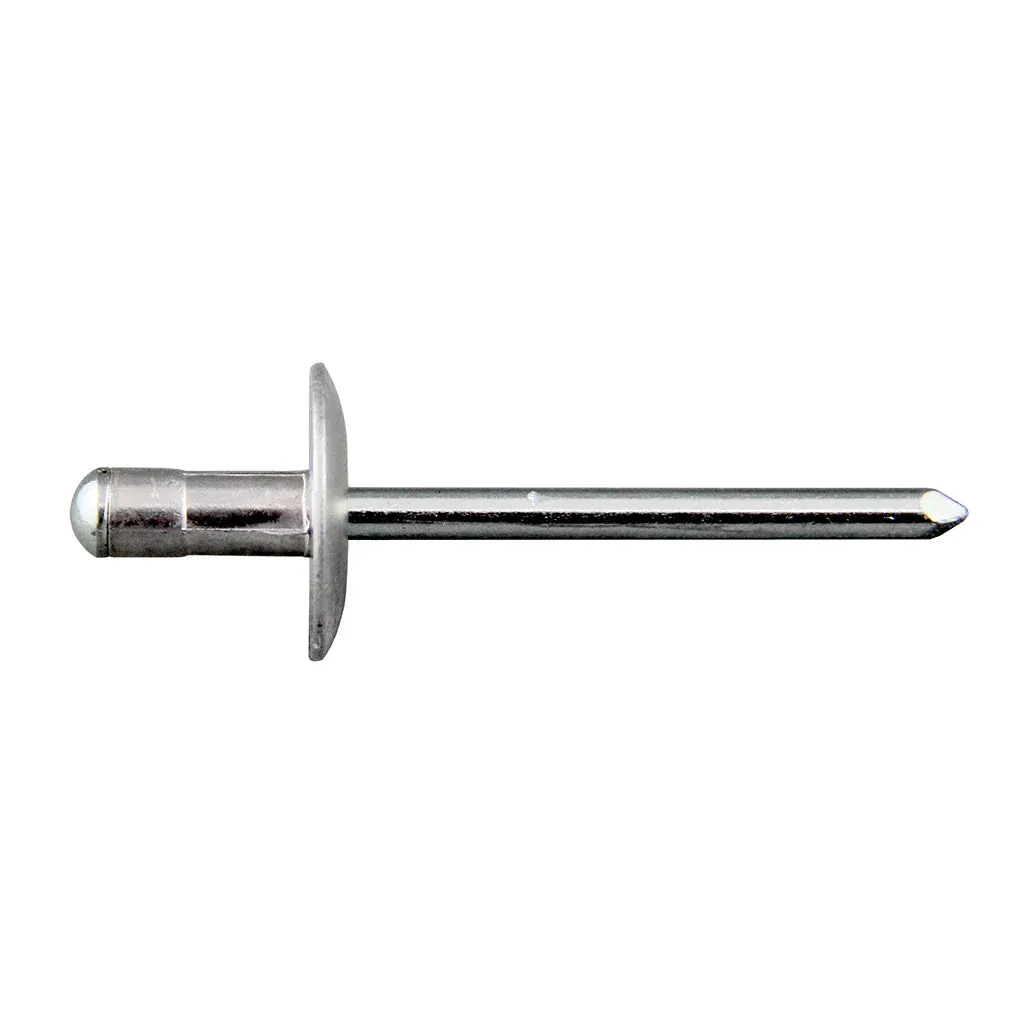
Large flange rivets → Thin-sheet protection (panel connections)
Suitable for connecting thin-sheet HVAC casings to panels; they reduce the risk of deformation through a larger load-bearing area, ensuring structural integrity and aesthetic consistency.
Stainless rivets
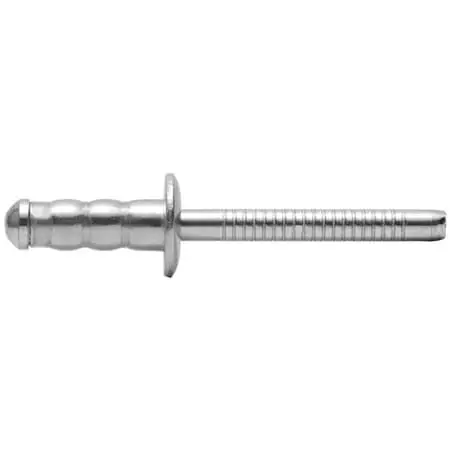
Coated / stainless rivets → Corrosion resistance (outdoor exposed environments)
Designed specifically to meet the requirements for corrosion-resistant blind rivets for HVAC equipment, offering a longer service life in environments exposed to rain, moisture and UV radiation
Structural Rivets
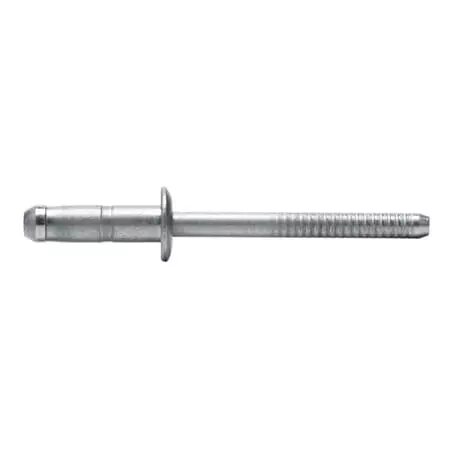
Structural rivets → High strength (load-bearing and vibration-prone areas)
Suitable for areas around fans and structural joints; they remain stable under continuous vibration and wind loads and are resistant to loosening.
Sealed Rivets
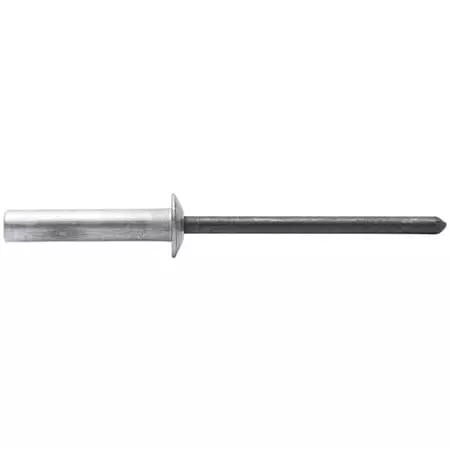
Sealed blind rivets → Waterproof and leak-proof (critical sealing areas)
Suitable for joints, panel splices and other locations prone to water ingress; particularly well-suited to sealed blind rivets for rooftop equipment applications, effectively preventing rainwater penetration
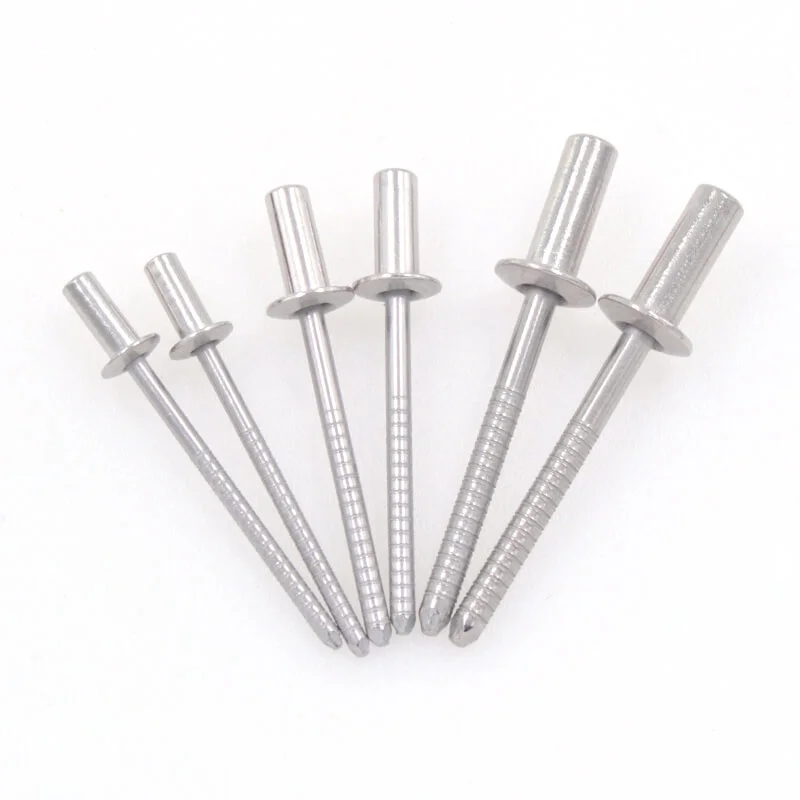
How to Choose Blind Rivets for Rooftop HVAC Units
| Application | Environment | Rivet Type | Reason |
|---|---|---|---|
| Rooftop panels | Outdoor exposure | Sealed rivet | Waterproof seal to prevent rainwater ingress |
| Equipment housing | Humidity / corrosion | Coated / stainless | To enhance corrosion resistance and service life |
| Structural area | High load & vibration | Structural rivet | To ensure strength and stability |
- For joints at risk of rainwater ingress, sealed blind rivets should be the preferred choice
- In environments with long-term exposure, use stainless steel blind rivets to enhance durability

manufacturer
Rivmate Manufacturing Excellence
Cold Heading
Fully Automated Coating Line
IATF 16949
Rivmate employs a cold heading process to ensure high dimensional accuracy and consistent mechanical properties in its rivets, meeting the demands of high-strength fastening applications. Furthermore, utilising a fully automated coating production line, the company achieves standardised control of RAL colours, guaranteeing colour consistency across batches as well as uniform coating and reliable adhesion.
In terms of quality control, Rivmate has established a comprehensive QC system covering everything from raw materials and production processes to finished product inspection, ensuring that every batch of products meets performance standards. Our factory is certified to the IATF 16949 automotive quality management system, providing system-level assurance of long-term product stability and consistency.
OEM
Custom Rivet Solutions
Custom
Flange Diameter
You can request a larger or special flange size to better distribute load on composite panels.
02
Special
Surface Coatings
You can choose coatings for corrosion resistance, durability, or specific environmental conditions.
03
OEM &
Private Label Packaging
You can customize packaging with your brand, labels, and carton specifications for your market.
Need Help With Your Project?
FAQ: Blind Rivets for Rooftop HVAC Units
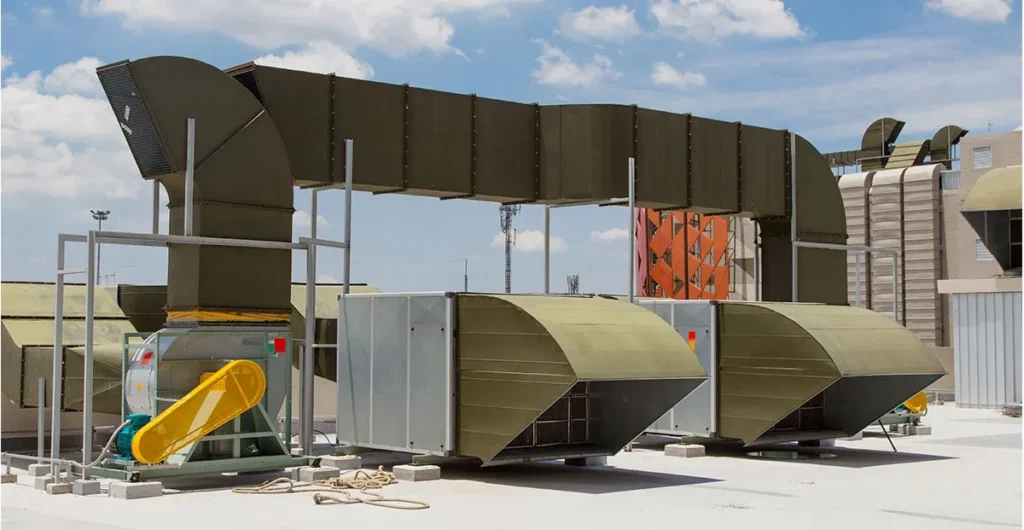
Q1: Are blind rivets suitable for rooftop HVAC units exposed to corrosion?
Yes. Blind Rivets for Rooftop HVAC Units are specifically designed for outdoor environments, particularly corrosion-resistant blind rivets, which effectively resist corrosion caused by rain, moisture and UV radiation through plating or stainless steel construction, significantly extending their service life.
Q2: Can blind rivets provide sealing performance for rooftop equipment?
Yes. Sealed blind rivets form a sealed structure after riveting, effectively preventing moisture ingress. They are ideal for connections in rooftop HVAC equipment where high levels of waterproofing and airtightness are required.
Q3: Do blind rivets loosen under vibration in rooftop HVAC units?
No. Compared to screw connections, Blind Rivets for Rooftop HVAC Units create a permanently locked structure. They maintain a stable connection even under continuous vibration caused by fan operation and airflow impact, requiring no regular maintenance.
Q4: Are blind rivets durable for long-term outdoor HVAC applications?
Yes. For outdoor applications, Blind Rivets are typically manufactured from corrosion-resistant materials or feature surface treatments, enabling them to operate reliably over the long term in harsh climatic conditions and making them suitable for a wide range of rooftop HVAC environments.
Q5: Can blind rivets replace screws in rooftop HVAC systems?
Yes. In rooftop HVAC units, blind rivets offer higher installation efficiency and better vibration resistance compared to screws, whilst reducing the need for subsequent maintenance, making them a more reliable long-term fastening solution.
Q6: What is the typical lifespan of blind rivets in rooftop HVAC units?
Provided they are correctly selected and installed, Stainless Steel Blind Rivets can theoretically achieve a permanent fastening with a lifespan equal to that of the structure. Unlike screws, blind rivets form an irremovable mechanical locking structure after riveting; they will not loosen due to vibration and do not require retightening.
In particular, when corrosion-resistant blind rivets are used, they can withstand the effects of corrosion in outdoor environments over the long term, thereby achieving a stable connection that is virtually permanent.