Jack Nuts are threaded fasteners that deploy support legs on the back side of the material. They primarily address the challenge of installing nuts on the back side of soft materials, such as thin metal sheets and plastic sheets.
This article will explain the working principle, specifications, installation methods, and practical applications of Jack Nuts. It will help you avoid common selection mistakes and find the right riveting solution for your project.
Table of Contents
What Are Jack Nuts and How Do They Work?
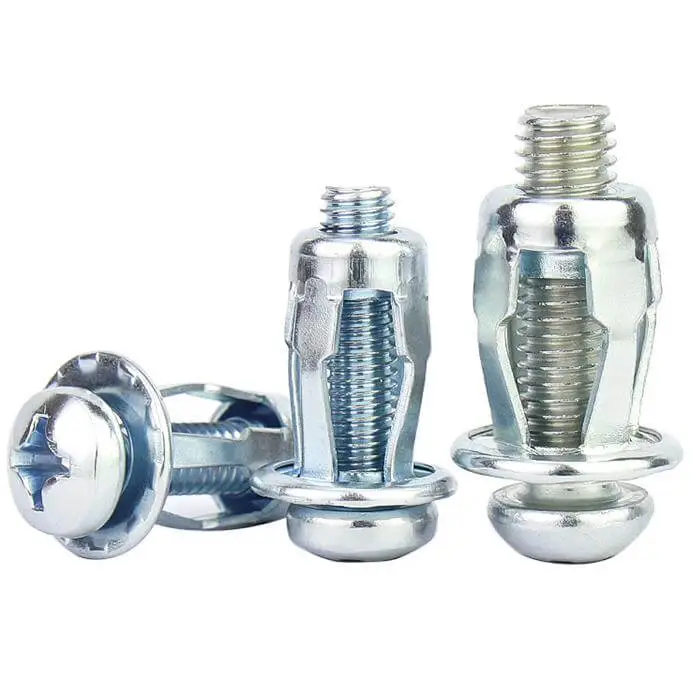
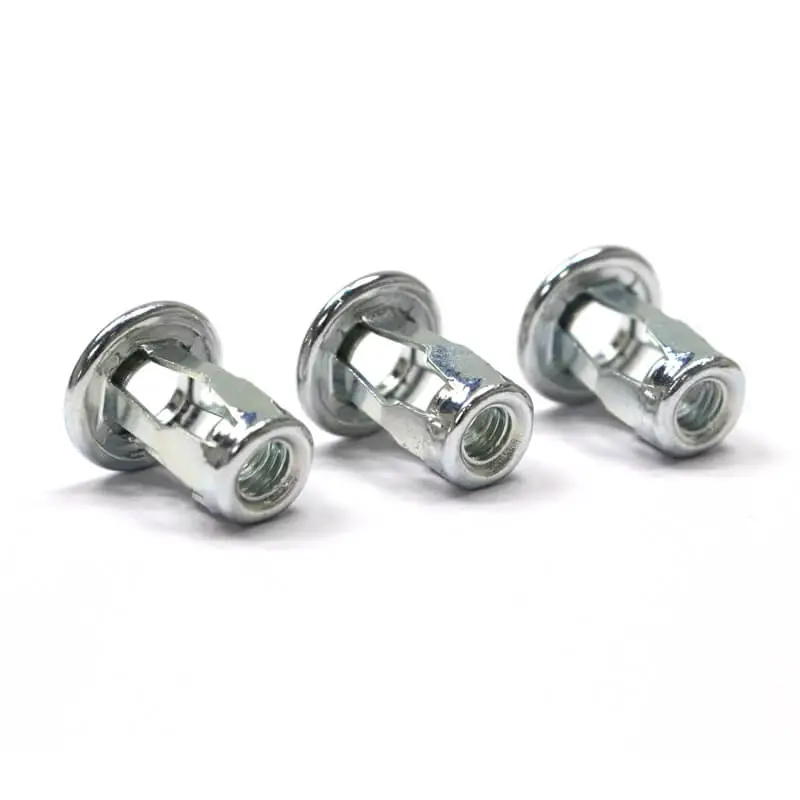
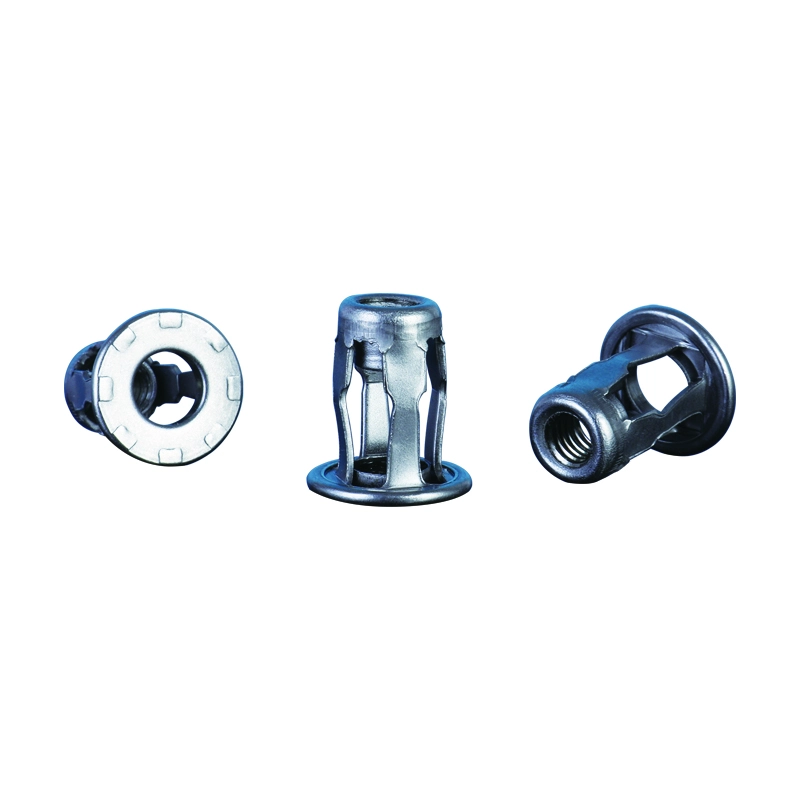
Jack Nuts are a type of threaded insert. Jack Nuts are internally threaded fasteners that form support legs on the back of the material by deforming the body. Once installed, they provide a threaded connection point into which a screw or bolt can be inserted.
Typical Jack Nuts consist primarily of a head, a slotted body, collapsible legs, and an internally threaded end. Each component serves a distinct function.
| Component | Main Function | Key Selection Considerations |
|---|---|---|
| Head / Flange | Positions the Jack Nut and supports the front surface of the material. | Head diameter and thickness. |
| Slotted Body | Deforms under compression to form the supporting structure. | Body length and compatible material thickness. |
| Collapsible Legs | Expand behind the material to provide mechanical support. | Leg expansion and material strength. |
| Internally Threaded End | Engages with the installation tool and the fastening screw. | Thread size and thread condition. |
How Do Jack Nuts Work?
The Jack Nuts mechanism works by applying tension through an installation tool, forcing the slotted body into axial compression. As it compresses, the slotted section bends outward and unfolds, forming multiple support legs. The material is then clamped in place by the head on the front and the support legs on the back.
Why the Body Expands into Load-Spreading Legs
The Jack Nut body can expand into multiple support legs because it features a special slotted structure. Thanks to this slotted structure, when an installation tool applies axial compressive force to the nut, the slotted sections of the body bend outward along predetermined positions. Typical Jack Nuts form four outward-spreading support legs, providing mechanical support to the back of the material.
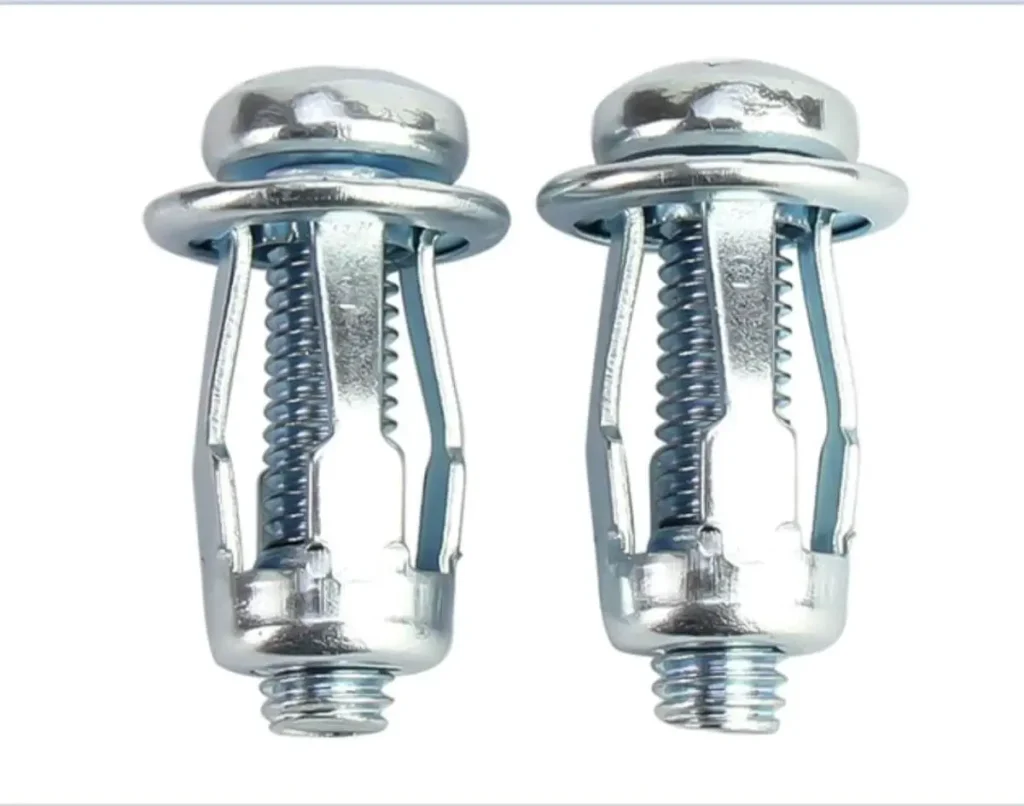
In summary, this effectively distributes the connection load on the back of the material across multiple support points, preventing it from becoming overly concentrated around the mounting holes. This prevents thin plastic sheets, fiberglass panels, and some thin metal sheets from breaking due to excessive pressure.
Materials and Applications Suited to Jack Nuts
Jack Nuts are particularly well-suited for thin, soft, or materials prone to damage from localized pressure, such as thin metal sheets, plastic sheets, fiberglass panels, and certain types of wood panels. This is because these materials are not suitable for direct tapping, and they are prone to deformation and damage when standard fasteners are installed.
When using Jack Nuts for connections, you also need to consider the strength and thickness of the panels, the load on the connection, and the operating environment.
Suitable Materials for Jack Nuts
Thin Sheet Metal
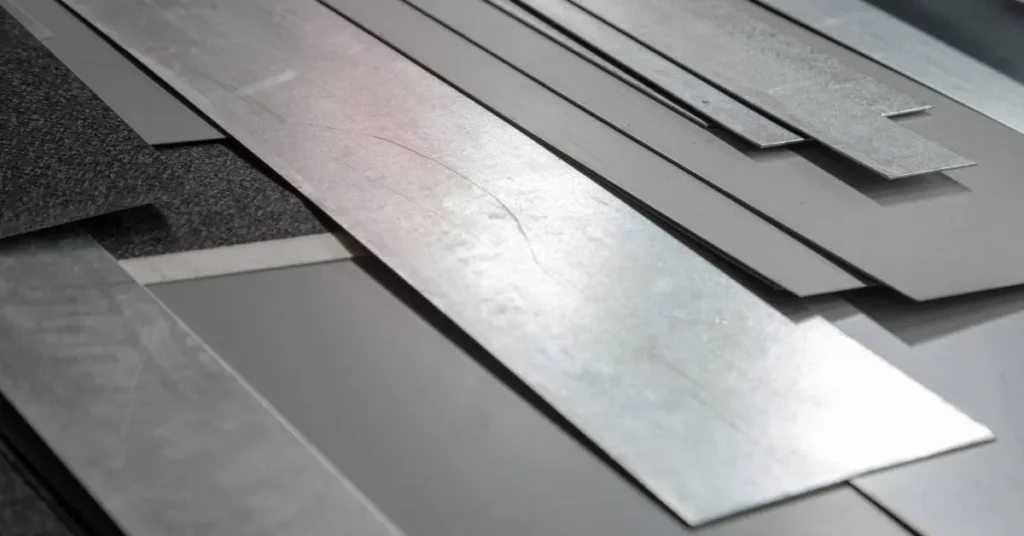
Common materials suitable for Jack Nuts include thin steel sheets, aluminum sheets, and certain thin-walled metal panels. If the metal sheet is relatively thin, machining internal threads directly into the sheet may not provide sufficient thread engagement length. If the engagement length is insufficient, the threads may be damaged when tightened or under load. The Jack Nuts installation method is more suitable in such cases.
Plastic Panels
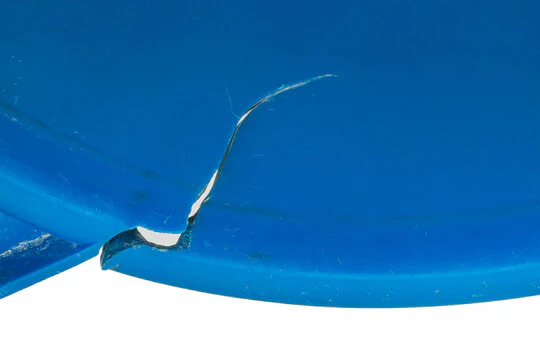
Jack Nuts are also suitable for plastic panels such as ABS and PVC that possess a certain degree of rigidity. Plastic materials are more susceptible to localized stress than metal. Jack Nuts effectively reduce the risk of localized stress concentration, making them a suitable option for plastic enclosures, decorative panels, and lightweight access covers.
You should pay special attention to creep in plastics. This is because plastics are at risk of gradual deformation when subjected to prolonged stress, even if the load remains constant. This is especially true during long-term use at higher temperatures or when screws need to be repeatedly removed and reinstalled; further verification is required to ensure the material can maintain a stable clamping state.
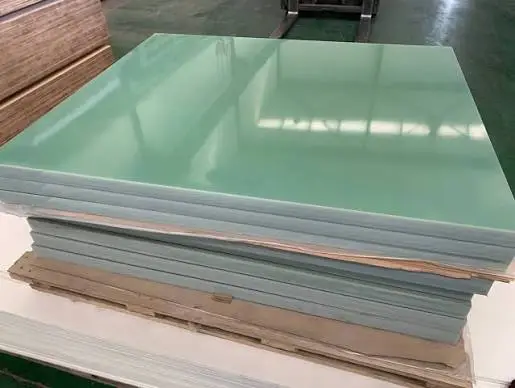
Fiberglass and Composite Panels
Jack Nuts are suitable for certain FRP and other composite panels. While these materials generally have good overall strength, they are prone to localized cracking or delamination near mounting holes. When installing lightweight cover plates on fiberglass equipment enclosures, consider using Jack Nuts.
When selecting Jack Nuts for fiberglass and composite panels, pay close attention to the load-bearing capacity of the hole edges and whether the installation process might damage the fiber and resin structure. Especially for honeycomb core panels or materials with low interlaminar bond strength, do not directly apply the selection criteria used for standard fiberglass panels. If necessary, consider using specialized composite inserts or a localized reinforcement design.
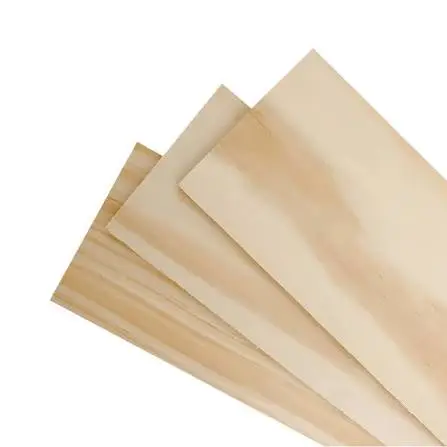
Wood and Other Soft Materials
Some Jack Nuts are suitable for plywood, MDF , particleboard, and certain lightweight panels. If using standard wood screws is likely to damage the hole walls, consider using a suitable threaded insert, such as a Jack Nut.
However, the internal density and structure of wood materials vary significantly. If the panel is relatively porous, the support portion of the Jack Nut may gradually sink into the material, causing the connection to loosen. Therefore, for wood structures requiring long-term load-bearing or frequent disassembly and reassembly, you should also evaluate thread inserts specifically designed for wood.
Typical Applications of Jack Nuts
| Application | Typical Components | Why Jack Nuts May Be Suitable |
|---|---|---|
| Automotive Interiors | Plastic trim panels, lightweight accessories, and access covers | Suitable for certain light-duty threaded connections in plastic interior panels. |
| Electrical Enclosures | Control box covers, nameplates, and lightweight accessories | Provide threaded fastening points in thin sheet metal. |
| Industrial Equipment | Equipment housings, inspection covers, and non-load-bearing accessories | Allow one-sided installation and subsequent removal of attached components. |
| Fiberglass Housings | Lightweight enclosures and inspection panels | May help distribute fastening loads and reduce localized stress around holes. |
| Home Appliances | Housing covers and lightweight mounting components | Suitable for certain non-structural connections in thin panels. |
| Display and Signage | Signboards, display panels, and lightweight decorative components | Offer threaded fastening where rear-side access is limited. |
Thread Sizes, Grip Ranges, and Hole Dimensions
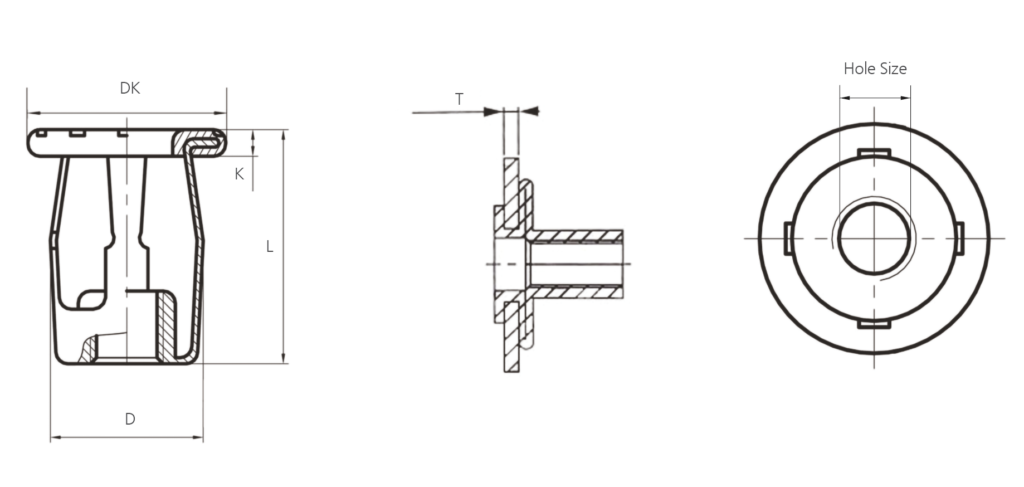
Thread Size
Thread Size refers to the size of the internal threads in the Jack Nut. It determines which sizes of screws or bolts you can use. As a supplier with over a decade of experience, Rivmate offers metric threads. Common metric sizes include M3, M4, M5, M6, M8, M10, and M12. Please refer to the supplier’s product catalog for specific available sizes.
Grip Ranges
The grip range refers to the range of material thicknesses that the Jack Nut can correctly install and clamp. It is also one of the most important parameters when selecting a model. This is because different sheet thicknesses affect the effective deformation that can occur during Jack Nut installation. If the sheet is too thick, the Jack Nut may not have sufficient deformable length to form an effective clamp. If the sheet is too thin and the selected specification does not match, insufficient clamping, abnormal deformation, or loosening may occur.
Hole Dimensions
Hole Diameter refers to the size of the hole that must be pre-machined in the sheet material before installing the Jack Nut. The mounting hole must be large enough to accommodate the body of the Jack Nut, allowing the head to remain on the front surface of the material and ensuring that the support structure provides effective fixation after installation.You need to determine the hole size based on the specification sheet for the selected model and verify the quality and dimensions of the mounting hole.
If the hole diameter is too small, the Jack Nut may not fit properly. Forcing it into place may also cause deformation of the body or damage to the hole edges. Conversely, if the hole diameter is too large, the Jack Nut will fit, but the installation process may compromise alignment, anti-rotation capability, and connection reliability.
How to Select the Correct Jack Nut
- Step 1. Determine the actual application scenario for the Jack Nut: The load that the connection point must bear must fall within the Jack Nut’s load-bearing capacity.
- Step 2. Inspect the sheet material: Different materials have varying levels of compatibility; confirm the stability of the sheet material after installing the Jack Nut.
- Step 3. Select the correct Jack Nut specifications: Choose based on the supplier’s technical specifications.
- Step 4. Consider installation conditions and tools: Ensure there is sufficient space on the back of the panel for the Jack Nut to fully expand. Installation tools must be compatible with the selected model.
- Step 5. Conduct assembly verification using actual panel samples before placing a bulk order.
Tools and Step-by-Step Installation
Depending on the number of Jack Nuts to be installed and the installation conditions for your project, you can choose from the following tools.
- Manual Friction Wrench: Suitable for installing a small number of Jack Nuts or for on-site repairs. It applies the axial force required for installation using a matching screw and friction wrench, causing the Jack Nut to deform.
- Hand Installation Tool: Completes installation by squeezing the tool’s handle. This is best suited for sample testing, small-batch assembly, and routine maintenance.
- Pneumatic Installation Tool: Causes the Jack Nut to deform through rotation. This is better suited for assembly tasks involving high repetition.
The video above shows our laboratory technicians installing and testing Jack Nuts, giving you a clear look at the installation process and how we check the fastening performance and connection stability.
9 Steps for Properly Installing a Jack Nut
- Step 1: Verify the Jack Nut specifications
- Step 2: Machine the matching mounting holes: Drill or punch holes in the sheet metal according to the dimension chart provided by the Jack Nut manufacturer.
- Step 3: Remove burrs
- Step 4: Mount the Jack Nut onto the tool: Select a mounting mandrel that matches the Jack Nut’s internal thread, and screw the Jack Nut securely into the tool.
- Step 5: Insert the Jack Nut into the pre-machined hole: Pass it through all the materials to be joined until the head sits flush against the surface of the sheet metal.
- Step 6: Hold the tool vertically and activate it to apply the installation force.
- Step 7: Withdraw the tool and unscrew the threaded mandrel from the Jack Nut to complete the installation.
- Step 8:Select a matching screw and screw it into the Jack Nut’s internal threads.
Step 9. Inspect the installed Jack Nut.
How to Check the Set and Avoid Material Damage
1. Inspect the Jack Nut head and support legs
- Check that the Jack Nut head is properly in contact with the surface of the panel.
- Check that the support legs on the back of the material are fully extended and provide effective support.
2. Check for nut rotation and thread damage on the Jack Nut
- After installation, use the correct screw to verify that it threads into the Jack Nut’s internal threads properly.
- When tightening the screw, check whether the Jack Nut rotates within the mounting hole.
3. Check the integrity of the panel
- If the panel itself lacks sufficient strength, or if the installation force exceeds the material’s load-bearing capacity, cracking or crushing may occur.
How to Prevent Material Damage
If you want to reduce the risk of material damage, the most important thing is to control the installation conditions.
- First, ensure that the clamping thickness range of the Jack Nut matches that of the actual sheet metal.
- Second, select the correct installation tool and set the installation stroke or torque according to the manufacturer’s specifications.
- Ensure that the mounting holes are positioned to allow for an effective support area provided by the sheet metal.
If obvious cracks, abnormal looseness, or damage are discovered after installation, you must first stop using that connection point, investigate the cause of the failure, and then determine whether reinstallation is possible based on the extent of the sheet metal damage and the manufacturer’s repair requirements.
Jack Nut Benefits and Limitations
The main advantages of Jack Nuts are their single-sided installation, load distribution, and reusable internal threaded connection points. However, Jack Nuts also have certain limitations and are not suitable for all fastening applications.
| Category | Key Features | Description | Key Considerations |
|---|---|---|---|
| Advantages | Suitable for Thin and Delicate Materials | Helps distribute fastening loads, reducing localized stress on thin metal, plastic, and fiberglass panels. | The base material must have sufficient strength to support the connection. |
| Advantages | One-Sided Installation | Allows installation from one side without welding or accessing the rear of the panel. | Sufficient clearance is still required behind the panel for leg expansion. |
| Advantages | Reusable Internal Threads | Allows screws to be removed and reinstalled without replacing the Jack Nut each time. | Avoid excessive tightening and thread damage during repeated use. |
| Advantages | Simple Installation | Can be installed using compatible manual or powered tools, simplifying certain assembly operations. | Tool compatibility and correct installation settings are essential. |
| Limitations | Limited Load Capacity | Generally better suited to light-duty, non-structural fastening applications. | Not recommended for high structural loads without proper engineering verification. |
| Limitations | Risk of Rotation or Loosening | Incorrect installation or insufficient material support may cause the Jack Nut to spin or loosen. | Verify hole dimensions, installation quality, and spin-out resistance. |
| Limitations | Dependent on Base Material Strength | Soft or weak materials may deform, crack, or creep under sustained loads. | Evaluate material strength, thickness, and long-term deformation. |
| Limitations | Limited Sealing and Vibration Resistance | Standard Jack Nuts do not inherently provide waterproof sealing or vibration-resistant locking. | Additional sealing or locking measures may be required. |
| Limitations | Difficult Replacement | Permanently deformed Jack Nuts can be difficult to remove without affecting the mounting hole. | Carefully assess panel damage and replacement requirements. |
Common Jack Nut Failures and Troubleshooting
Installation issues with Jack Nuts depend not only on the Jack Nuts themselves but, more importantly, on a number of factors. These include mounting holes, grip range, panel thickness, installation methods, and actual load conditions.
In practice, the most common failure issues include nut rotation, loose connections, abnormal deformation of support feet, thread damage, and panel cracking. If these problems occur, do not simply replace the Jack Nuts; instead, check them according to the table below.
| Common Failure | Possible Causes | Recommended Solution |
|---|---|---|
| Jack Nut Spins | Insufficient grip, incorrect hole size, or excessive tightening torque. | Check hole dimensions, installation condition, and spin-out resistance. |
| Jack Nut Pulls Out | Excessive load, inadequate backside support, or insufficient panel strength. | Inspect the failure area and reassess joint loads and material strength. |
| Improper Leg Expansion | Incorrect tool settings, grip range mismatch, or tool misalignment. | Verify tool compatibility and confirm installation settings using a new sample. |
| Damaged Internal Threads | Cross-threading, incorrect thread pitch, or excessive tightening. | Check thread compatibility and replace damaged inserts. |
| Panel Cracking or Deformation | Excessive setting force, insufficient edge distance, or weak base material. | Inspect material damage and modify the fastening design if necessary. |
| Loosening Over Time | Vibration, material creep, or loss of clamp load. | Identify the cause of loosening and verify long-term joint stability. |
Jack Nuts Compared with Rivet Nuts, Plus Nuts, and Well Nuts
| Comparison Criteria | Jack Nuts | Rivet Nuts | Plus Nuts | Well Nuts |
|---|---|---|---|---|
| Basic Structure | Slotted metal body that forms multiple expanding legs during installation. | Tubular metal body, commonly available in round, knurled, or hexagonal designs. | Slotted metal body that forms wide-spreading support legs. | Rubber sleeve combined with an internally threaded metal insert. |
| Fastening Mechanism | Expanding legs clamp the panel against the fastener head. | The metal body deforms behind the panel, creating a mechanical clamp. | Multiple legs expand widely behind the panel to provide a larger support area. | Tightening the screw compresses and expands the rubber sleeve. |
| Main Advantages | Suitable for certain thin, soft, or delicate materials. Relatively simple installation. | Wide range of designs and sizes. Provides a rigid metal threaded connection. | Large backside support area. Some models offer wider grip ranges. | Provides vibration isolation, noise reduction, and some sealing capability. |
| Suitable Materials | Thin sheet metal, certain plastics, fiberglass panels, and some wood-based panels. | Steel sheets, aluminum panels, thin-walled metal sections, and compatible nonmetallic materials. | Thin metal sheets, plastics, fiberglass, and certain composite panels. | Thin metal sheets, plastics, fiberglass, and other compatible panels. |
| Load Capacity | Generally suitable for light-duty, non-critical fastening applications. | Can support higher mechanical loads in suitable rigid panels, depending on the design. | May provide higher pull-out resistance than Jack Nuts in certain thin or soft materials. | Generally intended for light-duty fastening rather than high-stiffness or high-clamp-load joints. |
| Spin-Out Resistance | Depends on leg engagement, hole dimensions, and panel strength. | Knurled and hexagonal bodies can improve resistance to rotation. | Depends on mechanical engagement, fastener design, and panel properties. | Primarily relies on friction generated by the compressed rubber. |
| Load Distribution | Multiple expanded legs distribute loads across several contact areas. | Typically forms a localized backside bearing area, depending on body design. | Wide-spreading legs provide a larger backside bearing area. | Rubber contact surfaces help distribute some pressure through elastic deformation. |
| Vibration Isolation and Sealing | Standard designs do not provide dedicated vibration isolation or sealing. | Standard designs are not inherently sealed. Specialized sealing versions are available. | Primarily designed for mechanical fastening, not vibration isolation or sealing. | Offers vibration isolation, noise reduction, and auxiliary sealing. |
| Installation Tools | Compatible installation tools; some models can be installed using a specified screw-and-wrench method. | Compatible manual, pneumatic, or electric rivet nut installation tools. | Requires installation tools compatible with the specific Plus Nut design. | Typically installed using a screw and a suitable tightening tool. |
| Typical Applications | Plastic trim panels, lightweight access covers, and thin-panel accessories. | Metal cabinets, equipment housings, mechanical accessories, and thin-walled metal sections. | Thin-panel brackets, vehicle interior accessories, and composite panels. | Outdoor lightweight panels, vibration-isolated mounts, and housings requiring auxiliary sealing. |
| Main Limitations | Load capacity depends heavily on the base material. Not intended for unverified heavy loads. | May cause localized deformation in very soft or delicate materials. | Requires adequate backside clearance and compatible installation tools. | Rubber may age or creep over time. Joint stiffness is generally lower. |
Note: Load capacity and spin-out resistance are qualitative comparisons, not universal strength rankings. Actual performance depends on the specific fastener design, panel material, thickness, hole dimensions, installation quality, and test conditions. In this table, “Rivet Nuts” refers to conventional metal blind rivet nuts.
FAQs
What is another name for a jack nut?
Another common name for the Jack Nut is “Molly Nut.” It is also known as a “Quad Nut” or “Jack Nut Threaded Insert.”
Are jack nuts removable?
Jack Nuts can be removed, but once removed, they will be damaged and cannot be reused. This is because installing Jack Nuts causes permanent deformation of the main unit.
Can jack nuts be reused?
Once installed, Jack Nuts can be reused via their internal threads. However, Jack Nuts that have been installed and have become deformed cannot be removed for reuse.
How much weight can a jack nut support?
The weight that a Jack Nut can support depends on the thread specifications, the strength of the plate, the material thickness, the quality of the installation, and the direction of the load. When determining the actual load capacity, one must not focus solely on the Jack Nut but must also consider the entire connection structure.
Can jack nuts be used in fiberglass?
Jack Nuts can be used with fiberglass. However, there are certain limitations. They are best suited for light-duty, non-critical structures and threaded connections that can only be installed from one side. They are not suitable for fiberglass connections subject to high tensile forces, continuous vibration, or critical structural loads.
Do jack nuts require rear-side access?
There is no need to touch the back of the material. Jack Nuts can be installed from just one side of the material.
What tool is used to install jack nuts?
Tools that can be used to install Jack Nuts include manual torque wrenches, manual installation guns, and pneumatic installation tools. Different tools are suited for different assembly scenarios. For small-scale installations, a manual torque wrench is recommended.For small-batch production, a manual installation tool is suitable. For large-scale production, specialized pneumatic tools should be considered.
Why does a jack nut keep spinning?
The Jack Nut will continue to rotate along with the screw. This is primarily because the panel is not clamped securely or the torque applied when tightening the screw exceeds the Jack Nut’s own resistance to rotation. Common causes include mounting holes that are too large, support legs that are not fully extended, panels that are too flexible, and excessive tightening torque on the screw.
Work with a IATF 16949 Certified Blind Rivet Manufacturer
Get High Quality Rivets Instead of Huck and Avdel Rivets

Rivmate Rivet
Rivmate is blind rivets manufacturers in china. The company is IATF 16949 certified and offers high-strength structural blind rivets that serve as alternatives to Huck and Avdel products.
Explore Rivmate Cases
Rivmate Rivet
Rivmate is blind rivets manufacturers in china. The company is IATF 16949 certified and offers high-strength structural blind rivets that serve as alternatives to Huck and Avdel products.

Hey There, I'm Allen!
I am the boss of Rivmate. For over two decades, we have specialized in the manufacture of blind rivets, providing our customers with reliable riveting solutions. Need riveting services? Feel free to contact us.