


In riveting, the rivet body is the key component responsible for clamping, forming the back-side rivet joint, and transmitting loads. The diameter, length, material hardness, wall thickness, and deformation characteristics of the rivet body directly affect the rivet’s shear strength, tensile strength, clamping effectiveness, and long-term joint stability.
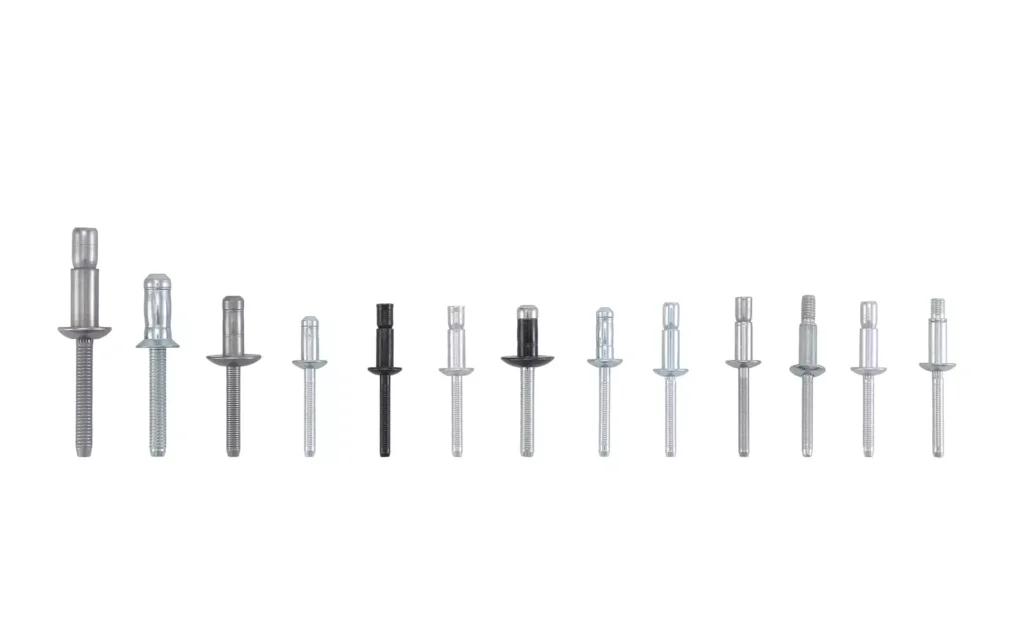
The rivet body’s performance is influenced by factors such as sheet metal thickness, hole diameter tolerances, material properties, and the operating environment. These factors can lead to issues such as insufficient rivet expansion, loose connections, deformation of thin sheets due to tension, and cracking of the rivet body. Therefore, this article will focus on practical applications to help you understand the characteristics, operating principles, and selection methods for different rivet bodies, thereby improving assembly reliability and reducing the risks associated with rework, after-sales service, and the supply chain.
What Is a Blind Rivet Body?
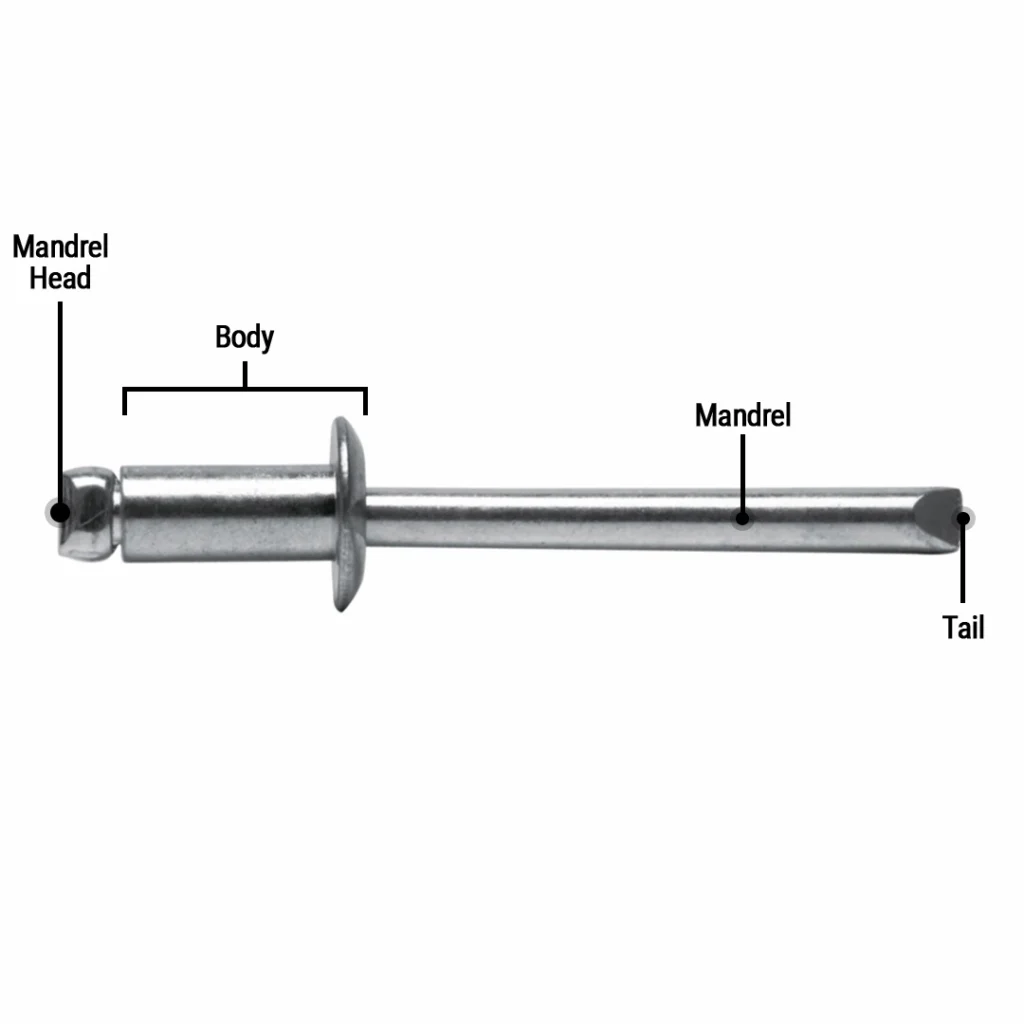
Blind rivet body is the hollow, tubular main component of a blind rivet. After the blind rivet is installed, the mandrel typically breaks off at a predetermined point. The blind rivet body remains inside the fastening hole. It plays a crucial role in clamping the sheet metal, forming the joint, and transferring part of the load.
What parts make up the blind rivet body?
For example, in a common open-end blind rivet, the blind rivet body is divided into two main parts:
- Rivet head: Located on the visible side of the workpiece, it protrudes from the surface after installation. It covers the installation hole and supports the sheet metal.
- Rivet body: This passes through the installation hole, deforms during the riveting process, and forms a raised, closed head on the back of the workpiece.
When you examine a complete blind rivet, you will see that the thicker outer metal sleeve is the rivet body, while the thinner, pullable rod in the center is the mandrel. The rivet body and the mandrel are not the same component. The blind rivet body is responsible for forming the permanent joint. The mandrel is primarily used to pull and compress the rivet body during installation, causing it to undergo plastic deformation.
Rivet Body vs Rivet Mandrel
① rivet body
The rivet body is the hollow metal sleeve surrounding the blind rivet. The thicker outer section with the rivet head is the rivet body.
② rivet mandrel
The rivet mandrel is the slender rod located inside the rivet body. It is also known as the core shaft, rivet core, or pull rod. The mandrel serves to pull and form the components during the riveting process.
| Comparison Item | Rivet Body | Rivet Mandrel |
|---|---|---|
| Appearance | A relatively thick hollow sleeve | A long, slender rod located inside the rivet body |
| Primary Function | Passes through the installation hole, deforms, and clamps the workpieces together | Pulls and compresses the rivet body to complete the forming process |
| Direct Contact with the Installation Hole | Yes | Usually does not directly contact the hole wall as the main fitting component |
| Change During Installation | The blind end undergoes plastic deformation | It is pulled and usually breaks at the predetermined break point |
| Condition After Installation | Usually remains completely in the joint | The exposed stem breaks off, while part of the mandrel may remain inside |
| Effect on Joint Performance | Affects the grip range, clamping performance, strength, and corrosion resistance | Affects the forming process, break-point consistency, and retained mandrel condition |
| Common Materials | Aluminum, carbon steel, stainless steel, copper, and other materials | Carbon steel, stainless steel, aluminum, and other materials |
| Key Selection Considerations | Diameter, length, material, head style, and grip range | Material, mandrel-head design, break-point position, and tensile performance |
How a Blind Rivet Body Works
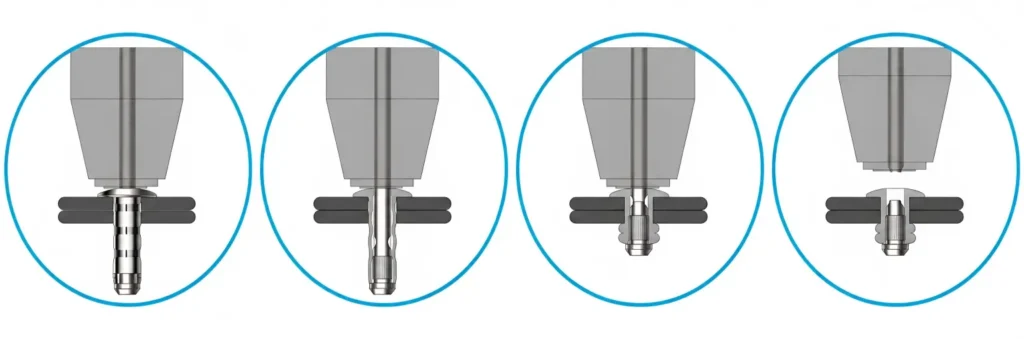
The rivet body works by applying tensile force through the mandrel to induce controlled plastic deformation in the hollow rivet body, forming a closed head on the back of the workpiece. This clamps and secures two or more layers of material together.
STEP 1:Insert the rivet body into the mounting hole
Before installation, you must first machine a properly sized mounting hole in the materials to be joined. Then, insert the blind rivet body into the pre-drilled hole. If the installation hole is too large, it will affect the rivet body’s formation and the stability of the joint after riveting.
STEP 2: Secure the mandrel with the riveting tool
After inserting the rivet into the installation hole, place the tool’s nozzle over the mandrel and ensure the nozzle is snug against the rivet head.When you activate the riveting tool, the internal jaws will grip the mandrel and pull it away from the workpiece.
STEP 3: The Mandrel Head Compresses the Tail End of the Rivet Body
As the mandrel is pulled, the mandrel head at the tail end of the rivet body also moves toward the rivet head. The mandrel head applies axial pressure to the tail end of the rivet body. The tail end of the rivet body undergoes permanent deformation due to this pressure.
STEP 4: A closed head forms on the back of the rivet body
As the mandrel continues to be pulled, the tail end of the rivet body gradually expands, bulges, or folds, forming a new head on the back of the workpiece. This is commonly referred to as a closed head or blind-side head.
STEP 5: The rivet body clamps the joined materials
After the closed head is formed, the mandrel continues to move, causing the rivet head and closed head to gradually compress the materials being joined. The rivet body eliminates part of the gap between the joined components and creates a clamping effect. Especially for applications involving vibration, high loads, or structural connections, you cannot judge the reliability of the joint based on appearance alone; you must also select structural blind rivets with the appropriate performance rating.
Step 6: The mandrel breaks at the predetermined position
Once the rivet body has reached the design-required degree of deformation, continuing to pull the mandrel will increase the tensile force. When the tensile force reaches the range that the mandrel’s predetermined break point can withstand, the mandrel will break at that position. The riveting tool then removes the exposed mandrel shank, completing the installation process. You can determine whether the riveting was successful by the position where the mandrel broke.
Material Comparison Table
The material of the blind rivet body directly affects the blind rivet’s weight, formability, joint strength, corrosion resistance, and cost of use. Rivmate offers blind rivet bodies made of aluminum, carbon steel, stainless steel, and copper. In some specialized applications, you may also encounter rivets made of copper-nickel or nickel-copper alloys. You should consider various factors when selecting the appropriate blind rivet.
| Comparison Item | Aluminum Rivet Body | Carbon Steel Rivet Body | Stainless Steel Rivet Body | Copper Rivet Body |
|---|---|---|---|---|
| Relative Strength | Low to medium | Medium to high | High | Low to medium |
| Product Weight | Lightest | Medium | Medium | Relatively heavy |
| Corrosion Resistance | Good | Relatively low; usually requires a protective coating | Good to excellent | Good in various environments |
| Required Installation Pull Force | Low and easy to install | Medium | High, requiring more powerful installation tools | Low to medium |
| Recommended Sheet Materials | Aluminum sheets, thin sheets, and lightweight materials | Steel sheets and general industrial sheet metal | Stainless steel sheets and outdoor equipment panels | Copper sheets and selected electrical connection materials |
| Typical Applications | HVAC systems, electronic enclosures, signs, and lightweight equipment | Machinery, enclosures, brackets, and industrial assemblies | Outdoor equipment, food machinery, chemical equipment, and heavy-duty joints | Electrical equipment, copper components, and decorative connections |
| Procurement Cost | Low to medium | Usually low | High | Medium to high |
| Main Procurement Risks | Insufficient strength or inconsistent hardness between batches | Rusting after the protective coating is damaged | Insufficient tool pulling force and higher installation costs | Galvanic corrosion and fluctuations in raw material costs |
Aluminum Rivet Bodies
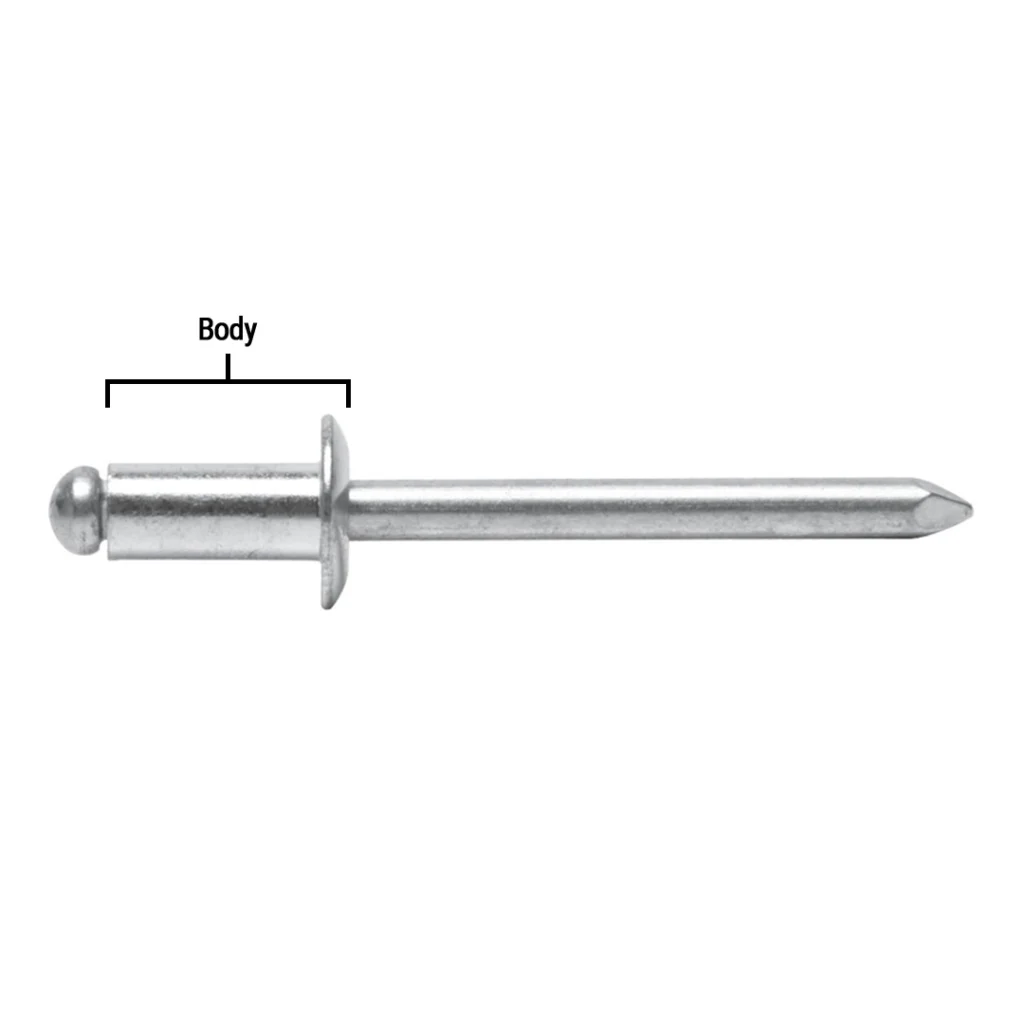
Aluminum rivet bodies refer to blind rivets whose hollow sleeves are made of aluminum or an aluminum alloy. They are one of the most common materials used. They are particularly suitable for joining thin sheets, aluminum sheets, and lightweight structures.
What are the characteristics of aluminum rivet bodies?
- Relatively light weight
- . Aluminum is prone to deformation during riveting
- Offers a certain degree of corrosion resistance
- Requires relatively low installation force
Steel Rivet Bodies
Steel rivet bodies refer to the hollow sleeves surrounding blind rivets, which are made of carbon steel or low-carbon steel. Compared to standard aluminum rivet bodies, steel rivet bodies offer higher mechanical strength and better resistance to deformation.
What are the main characteristics of steel rivet bodies?
- Higher joint strength
- Better resistance to localized deformation; steel rivet bodies are less prone to excessive deformation
- Require a higher installation tension than aluminum rivet bodies
- A cost-effective choice that balances cost and strength
Stainless Steel Rivet Bodies
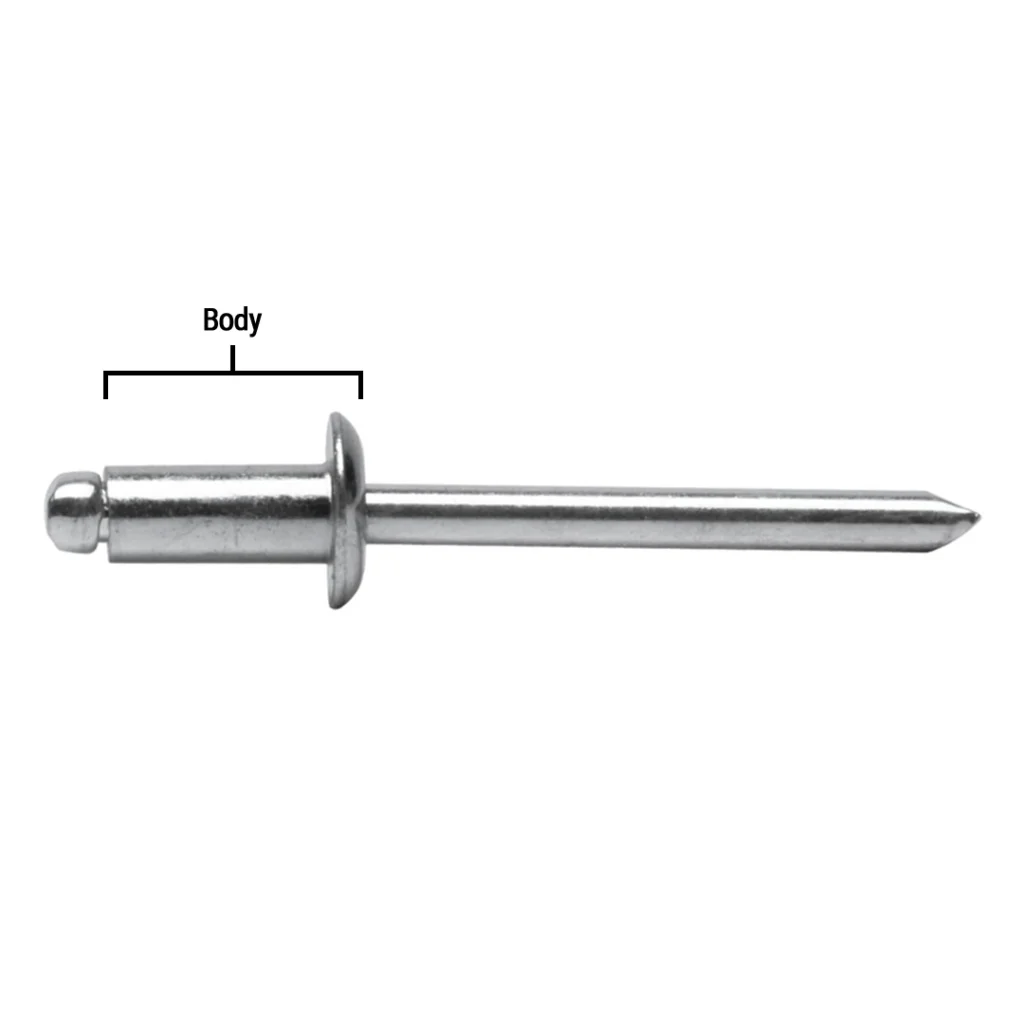
Stainless Steel Rivet Bodies refer to blind rivets whose hollow sleeves are made of stainless steel. Compared to standard aluminum or carbon steel rivet bodies, Stainless Steel Rivet Bodies offer higher mechanical strength and better corrosion resistance, making them particularly suitable for applications that require high connection reliability, such as those in humid environments, outdoor settings, food processing, and chemical equipment.
What are the main characteristics of Stainless Steel Rivet Bodies?
- Superior corrosion resistance
- High mechanical strength
- Typically higher installation tensile strength
- Lower long-term maintenance costs
Copper Rivet Bodies
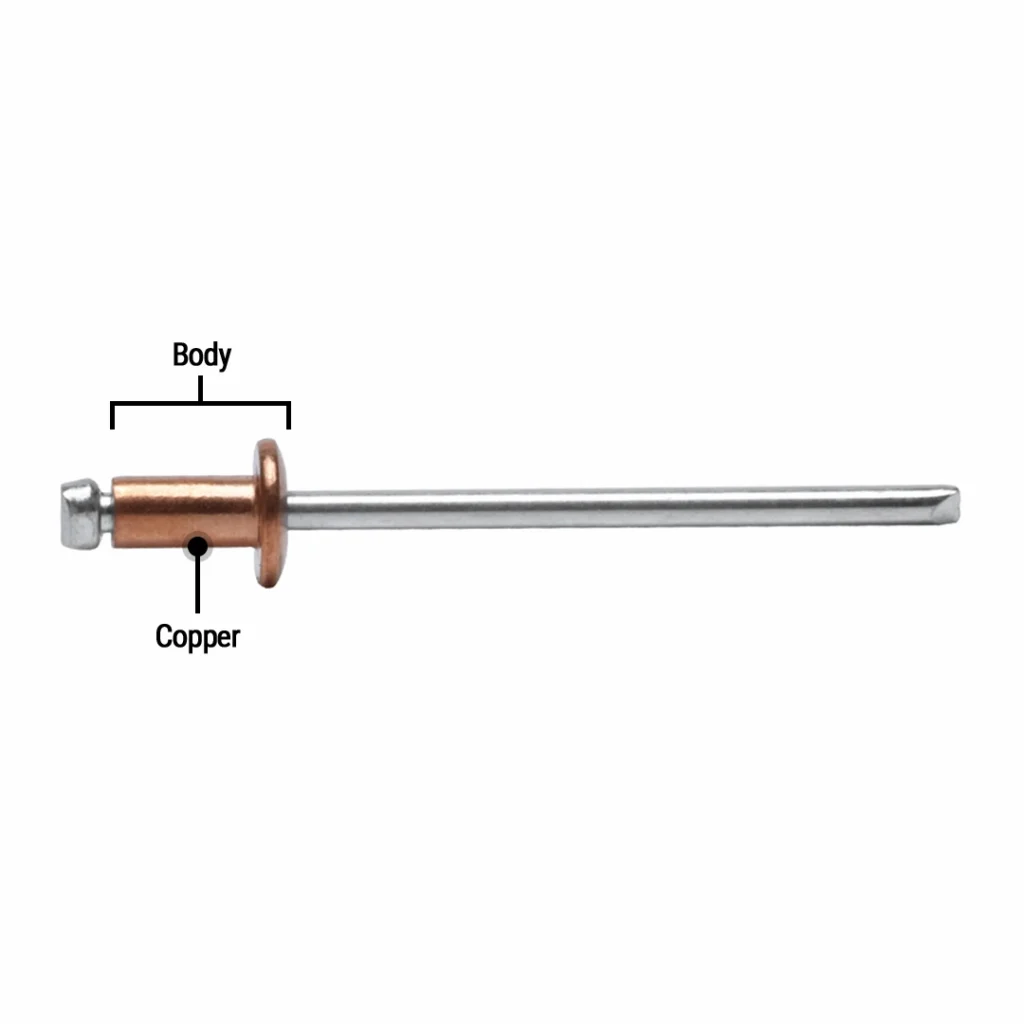
Copper Rivet Bodies are the hollow sleeves on the outside of blind rivets, made of copper or copper alloys. They are particularly suitable for use in copper sheets, electrical equipment, architectural decoration, and certain applications where material compatibility is a requirement.
What are the main characteristics of Copper Rivet Bodies?
- Copper has good ductility, making it easy to form a closed head.
- It has good electrical conductivity.
- It offers good resistance to atmospheric corrosion.
- Copper has a reddish-brown metallic appearance that provides a unique decorative effect.
- It has lower mechanical strength than steel and stainless steel.
Body and Mandrel Material Combinations
Common Material Combinations for Rivet Bodies and Mandrels:
1. Aluminum Body + Steel Mandrel
Aluminum rivet bodies are easy to form and lightweight, reducing installation loads. Steel mandrels have higher strength and can reliably drive the aluminum body to form a closed head. The Aluminum/Steel combination is the optimal choice that balances weight, strength, installation efficiency, and procurement costs. It is widely used in general indoor equipment, HVAC ductwork, electronic enclosures, and lightweight sheet metal.
2. Aluminum Body + Aluminum Mandrel
An aluminum body and aluminum mandrel mean that both the rivet body and the mandrel are made of aluminum or an aluminum alloy. The aluminum/aluminum combination is lighter in weight and reduces corrosion compared to aluminum/steel rivet bodies.
3. Aluminum Body + Stainless Steel Mandrel
Stainless steel mandrels offer higher strength and may provide better corrosion resistance than standard steel mandrels.
4. Steel Body + Steel Mandrel
The steel body and steel mandrel combination offers higher mechanical performance than standard aluminum blind rivets, while the procurement cost is lower than that of all-stainless steel products. It is widely used for joining steel plates, mechanical equipment housings, brackets, or general industrial sheet metal.
5. Stainless Steel Body + Stainless Steel Mandrel
The all-stainless steel combination typically features high mechanical strength and good overall corrosion resistance. It is particularly suitable for long-term use in outdoor, humid, food processing, chemical, or frequently cleaned environments.
6. Copper Body + Steel Core
The copper body and steel core combination utilizes the steel core shaft to provide installation tension, while the copper rivet body ensures electrical conductivity, material compatibility, or decorative effects. It is suitable for certain electrical enclosures, copper sheets, and decorative fastenings.
Why is the mandrel typically harder than the rivet body?
The mandrel must not only withstand the tensile force applied by the riveting tool but also drive the rivet body to undergo plastic deformation. Therefore, the mandrel requires higher strength and hardness than the rivet body.
However, when it comes to the combination of materials for the mandrel and the rivet body, “harder is not necessarily better.” Manufacturers must control the dimensions of the mandrel head, the fracture location, the material strength, and the hardness of the rivet body. These parameters must be carefully balanced so that the rivet body deforms stably, the mandrel fractures at the correct location, and the riveting process is successful.
How Material Affects Performance
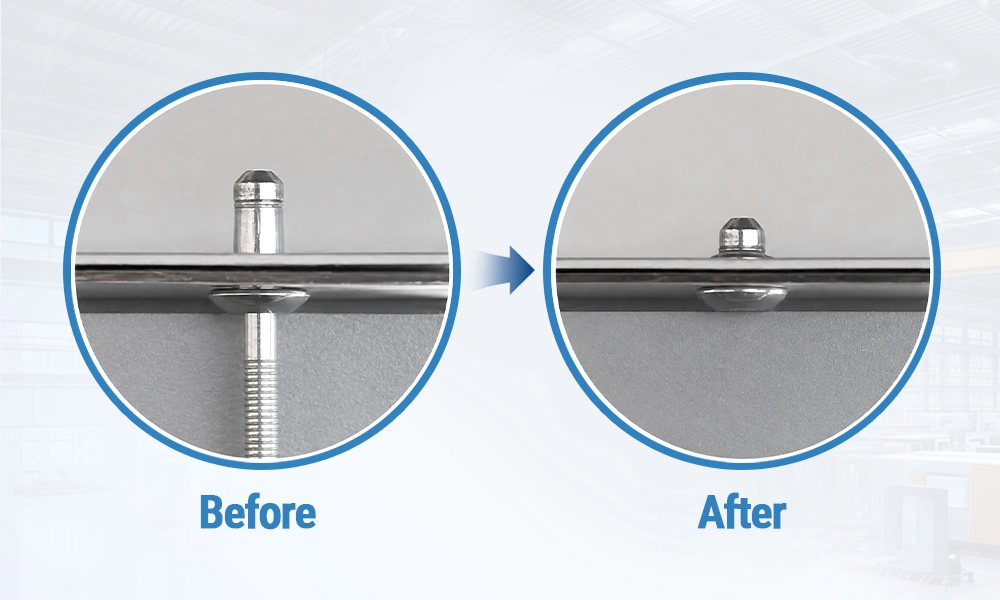
A. Different Materials Affect Whether the Rivet Body Can Be Formed Correctly
When installing blind rivets, the rivet body must undergo plastic deformation under the action of the mandrel head. It must form a stable, closed head on the back of the workpiece. If the material is too hard, the rivet body may crack during deformation. If the material is too soft, the rivet body may deform excessively, damaging the material and preventing the formation of a stable clamping structure.
B. Different materials affect the strength of the joint
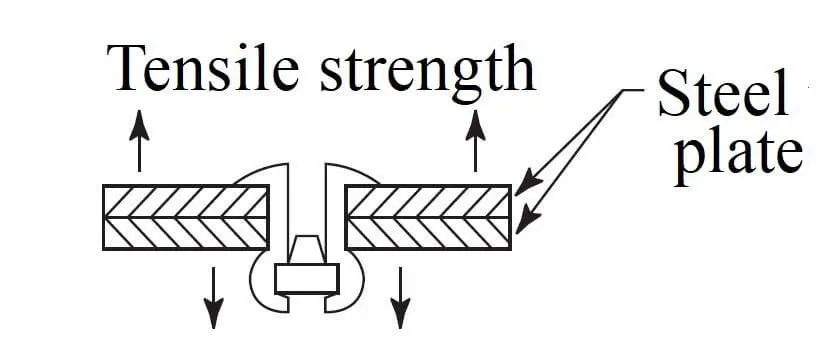
Different rivet body materials provide varying tensile and shear resistance for blind rivets. The appropriate choice depends on the sheet metal being joined.
C.Different Materials Affect Installation Force and Tool Selection
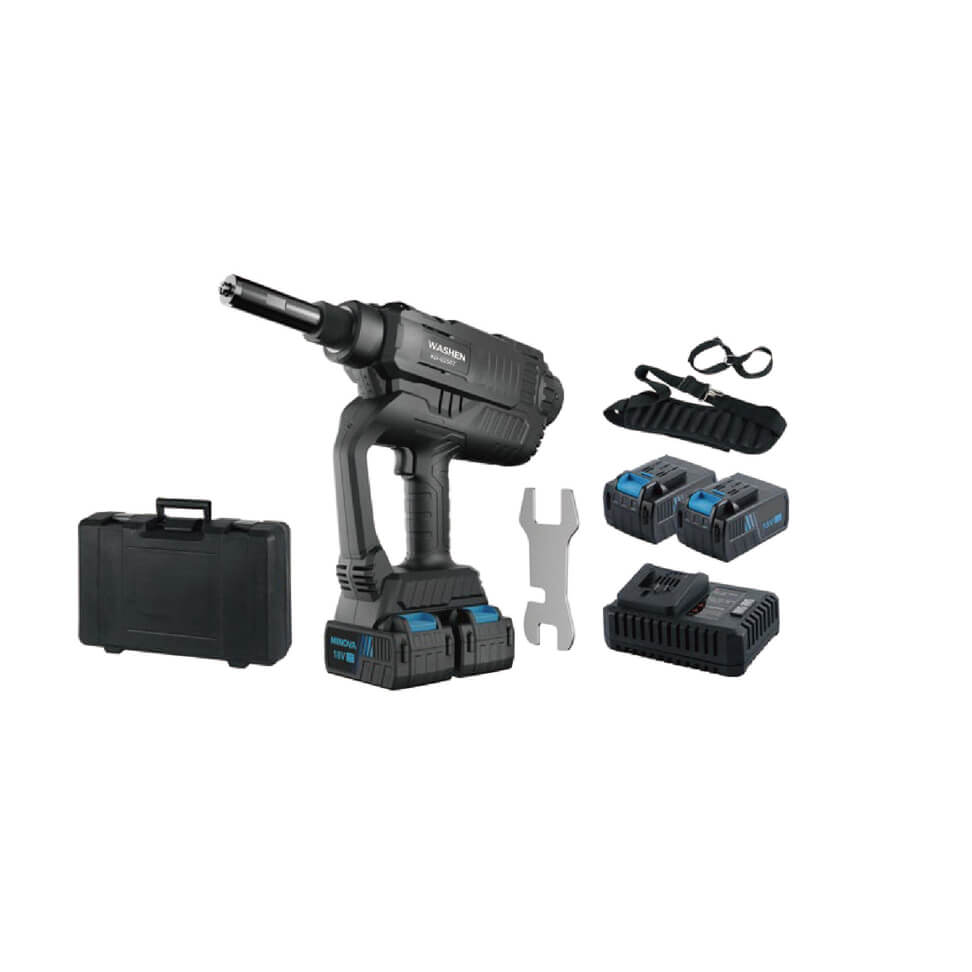
Different materials have varying resistance to deformation of the rivet body, so the required installation force will also differ.Aluminum rivet bodies have relatively low installation loads. Steel rivet bodies can withstand greater forces than aluminum ones.Stainless steel rivet bodies, with their high strength, place higher demands on riveting tools;Copper rivet bodies have good ductility, but the actual installation force still depends on the mandrel and rivet structure.
D.Different Materials Affect Corrosion Resistance
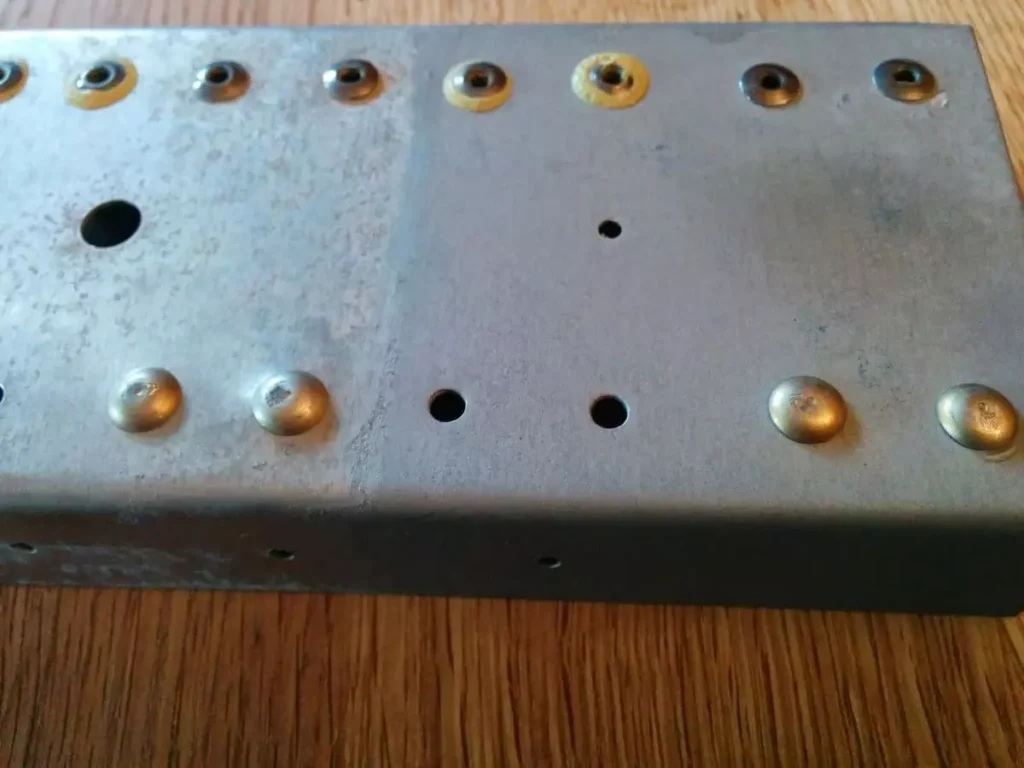
Different materials have varying abilities to resist environmental corrosion. Aluminum exhibits good corrosion resistance in normal environments; carbon steel typically requires galvanization or other surface treatments; stainless steel offers better corrosion resistance and is more suitable for humid and corrosive environments. Copper also exhibits good corrosion resistance in normal atmospheric conditions.
E.Different Material Combinations Can Cause Galvanic Corrosion
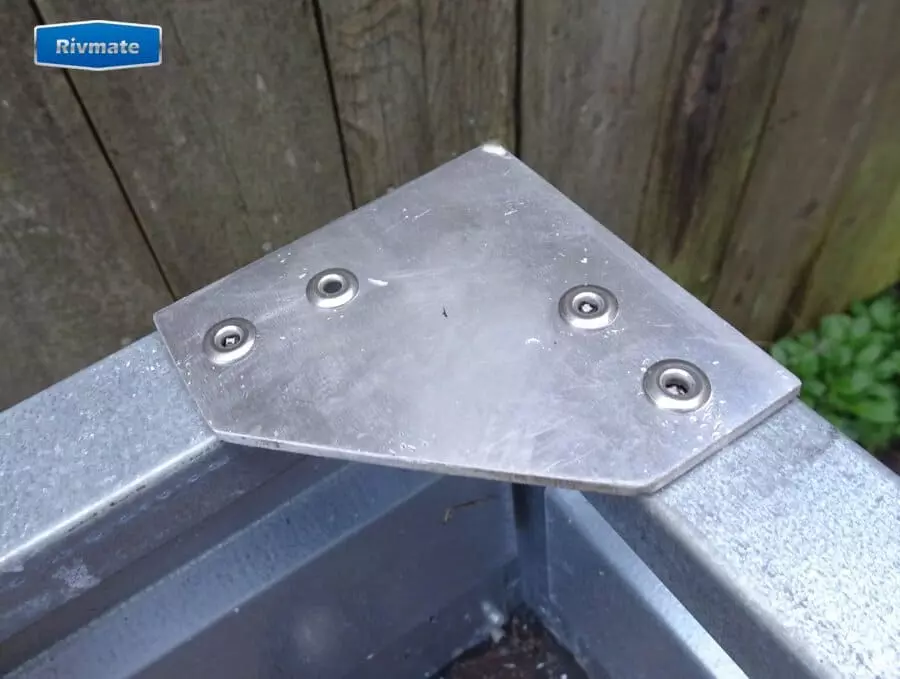
When the rivet body and the sheet material are made of different metals, and moisture, salt, or other electrolytes are present at the joint, galvanic corrosion may occur.
F.Different Materials Affect Product Weight
Aluminum rivet bodies are best suited for lightweight applications. Steel and stainless steel rivet bodies are heavier and offer higher mechanical performance. Copper rivet bodies are relatively heavy and are suitable for connections with special functional requirements.
G.Different Materials Affect Electrical and Magnetic Properties
When connecting workpieces that involve electrical equipment or magnetically sensitive components, the impact of materials on electrical and magnetic properties must be considered first. Copper rivets are used in electrical applications because they are conductive, and aluminum is also conductive. However, to determine the actual electrical conductivity of a blind rivet joint, you need to test the actual contact resistance.
Material Selection Guide
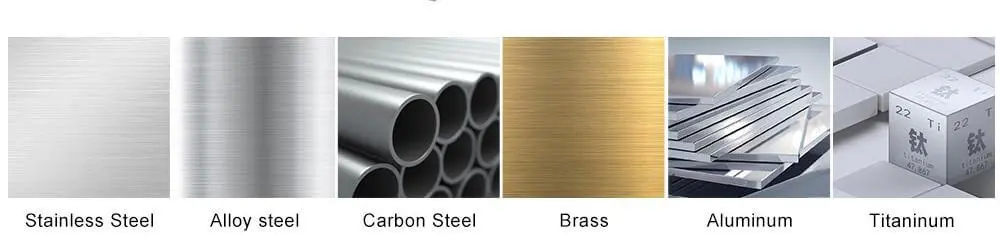
Rivmate operates its own factory and offers materials including aluminum, carbon steel, stainless steel, and copper. Different materials are suitable for different applications and requirements. You should select the appropriate material based on your specific application.
If the products you are connecting prioritize lightweight design and installation efficiency, we recommend choosing aluminum rivet bodies. If your application requires a balance between general industrial strength and cost, we recommend using steel rivet bodies that have undergone appropriate corrosion protection treatment. If your application environment is humid or corrosive, consider stainless steel rivet bodies of an appropriate grade. If the products you are connecting contain copper components or require electrical conductivity or decorative finishes, consider copper rivet bodies.
Application Recommendations
When selecting rivet bodies, most customers focus only on material, diameter, or price—which is one of the main reasons for riveting failures later on. You also need to consider factors such as sheet metal material, total clamping thickness, mounting holes, connection loads, corrosive environments, and whether sealing is required.
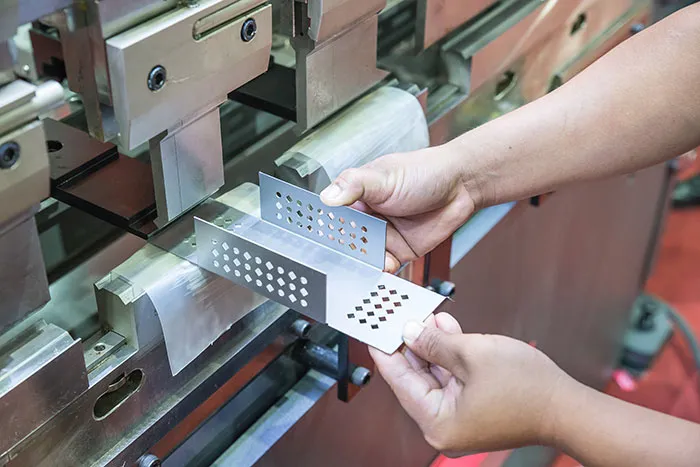
Lightweight Sheet Metal and General Indoor Equipment
Aluminum rivet bodies are lightweight and easy to form, so they do not require excessive tooling force. They are suitable for joining electronic enclosures, appliance panels, signage, display racks, or other lightweight sheet metal applications.
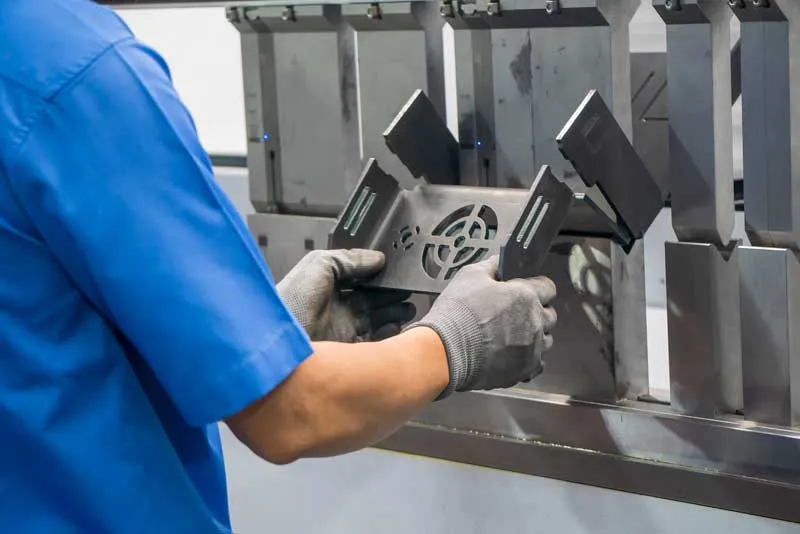
Steel Chassis, Cabinets, and Mechanical Equipment Enclosures
Steel rivet bodies offer the best balance between strength and procurement cost. They are suitable for carbon steel sheets, coated steel sheets, or general industrial sheet metal.

Outdoor, Humid, and Corrosive Environments
Stainless steel rivet bodies provide superior corrosion resistance. They are particularly suitable for fastenings subject to long-term exposure to rain, condensation, frequent cleaning, or corrosive environments.
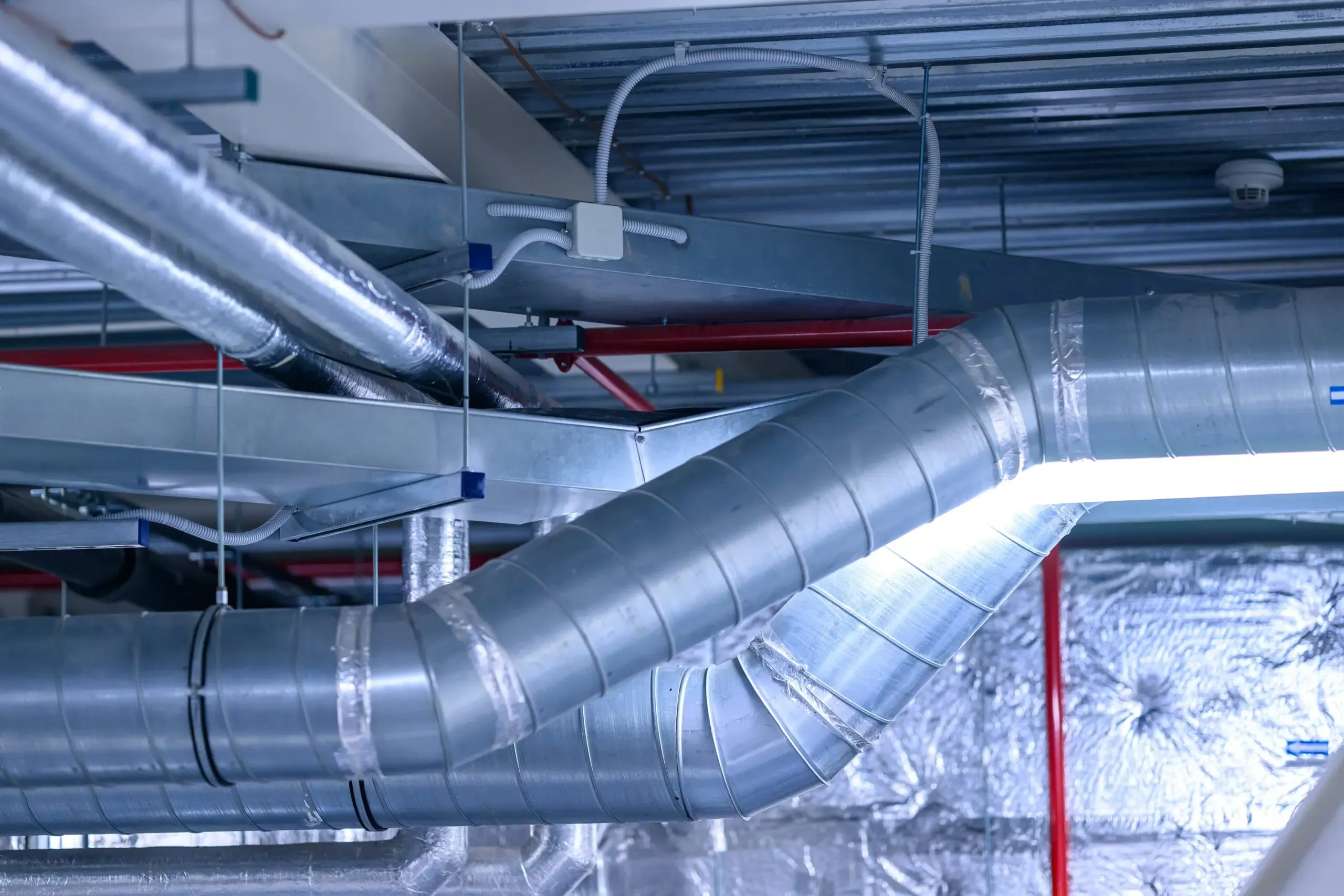
HVAC Ductwork and Ventilation Equipment
Aluminum or corrosion-resistant steel rivet bodies are commonly used in standard HVAC ductwork, ventilation panels, and lightweight equipment enclosures. Consider using sealed blind rivets at connection points where water and dust ingress must be minimized.
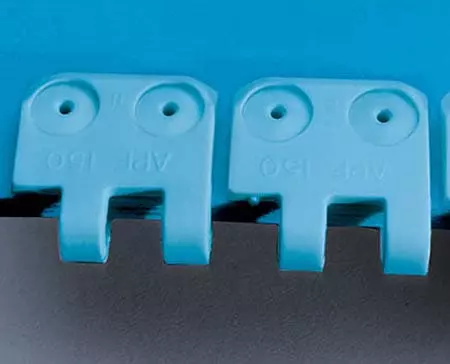
Thin Sheets, Plastics, and Composite Materials
When joining thin aluminum sheets, plastics, fiberglass, or other softer materials, the primary consideration should be preventing the thin workpiece from being torn through, rather than the strength of the rivet body. It is recommended to select flower-type or peel-type blind rivets with large flanges to increase the bearing surface area.

High-Load and Continuous Vibration Applications
In vehicles, machinery, rail transit, heavy-duty enclosures, or other high-load, continuous vibration environments, it is essential to select structural rivets specifically designed for high tensile and shear strength.
Common Failure Modes
①Insufficient Forming of the Rivet Body After Expansion
After riveting with a rivet gun, the closed head on the back of the workpiece is too small, or there is still a gap between the fasteners because penetration has not occurred.
Rivmate has encountered this issue as well. The customer’s product consists of metal plate assemblies used for electronic components. After connecting them with standard open-end rivets, insufficient expansion led to unstable electrical conductivity. Rivmate provided the customer with a core solution using locking open-end grooved blind rivets.This resolved the issue of insufficient expansion of the rivet body.
② Excessive Deformation of the Rivet Body After Riveting
When the rivet body is too long, or the total thickness of the sheet metal is below the specified grip range, excessive deformable length may remain on the back of the workpiece. In severe cases, this can crush thin sheets or cause dents on the workpiece surface.
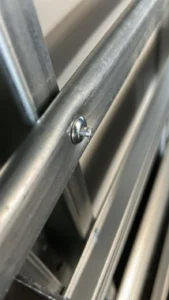
A customer who found us through our official website experienced deformation of the tube walls in the steel frame structure of a truck bed after riveting. After inspection by Rivmate, the primary cause was determined to be excessive breaking force that the hollow tube walls could not withstand. Rivmate ultimately readjusted the rivets, ensuring a high-strength connection while resolving the tube wall deformation issue.
③Loose Connections
After riveting, two or more layers of sheet metal may shift relative to one another, produce unusual noises, or cause wear around the holes.
④Rivet Shank Sheared Off
The rivet shank may be sheared off near the joint between the two layers of sheet metal.
Rivmate Manufacturing Capabilities
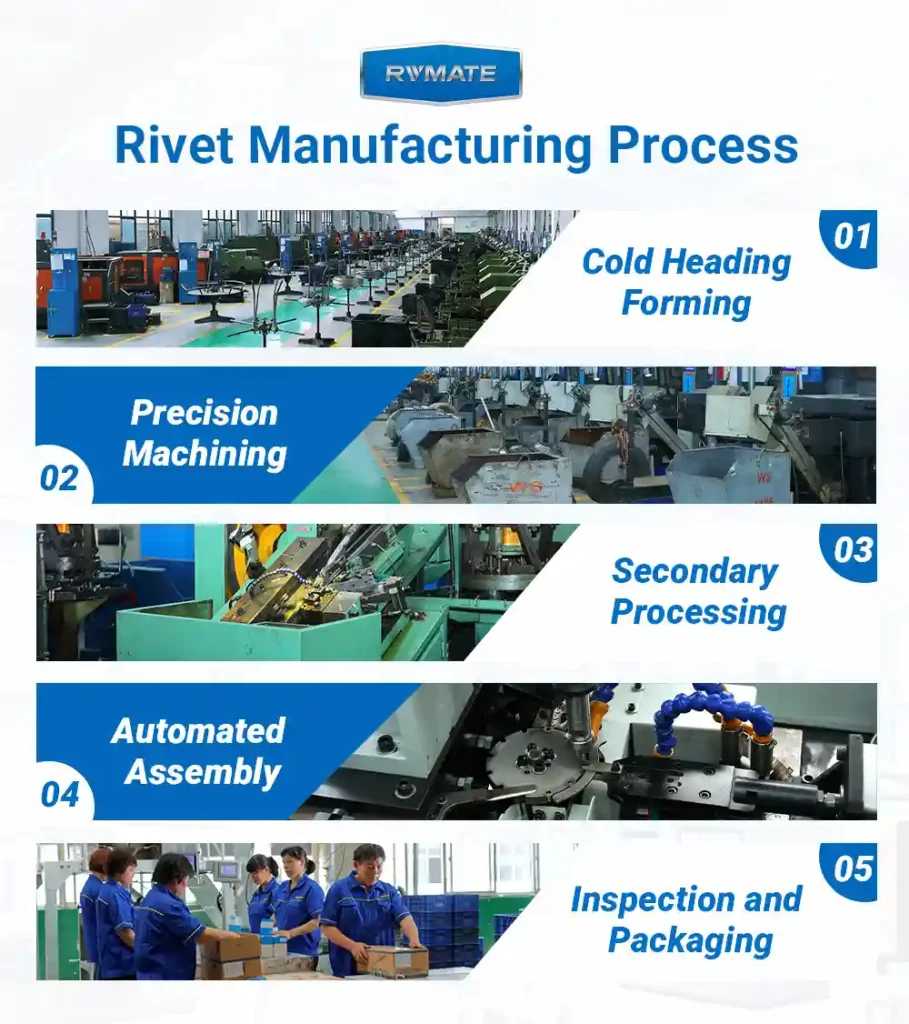
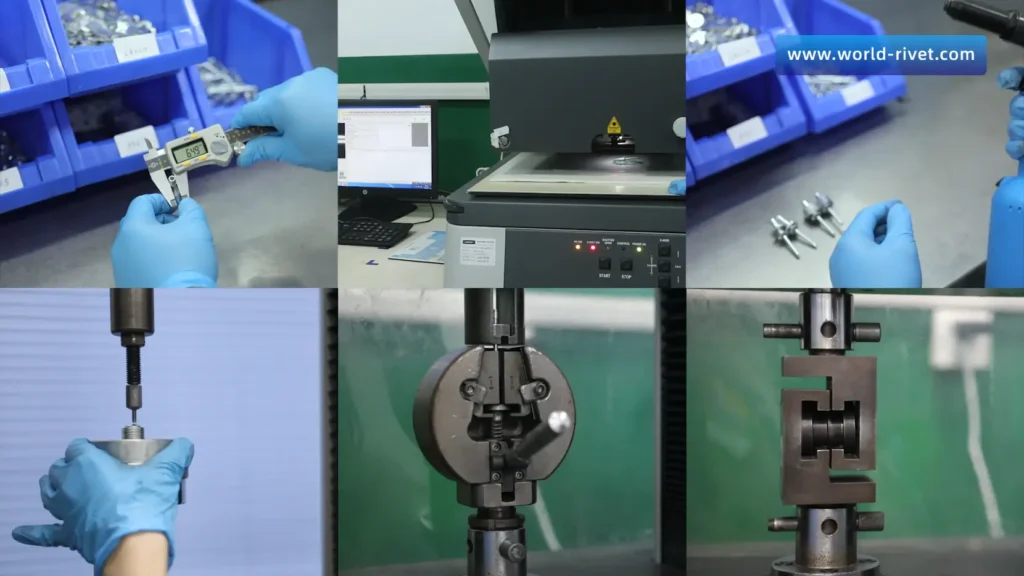
Rivmate operates a production facility of approximately 40,000 square meters, equipped with advanced automated machinery. The company implements 13 key quality control processes throughout the production workflow—from rivet body forming and mandrel machining to product assembly, surface treatment, and performance testing. You can select the appropriate blind rivet solution based on sheet metal type, clamping range, load capacity, and operating environment.
Rivmate manages production in accordance with automotive industry standards and related quality management requirements, and operates within the framework of IATF and ISO management systems. The company provides Level 3 PPAP reports, offering OEMs, sheet metal fabricators, and industrial buyers more reliable quality assurance and documentation.
Conclusion
The above section provides a clear understanding of the structure, materials, operating principles, and common failure issues of rivet bodies. The rivet body determines the performance of the joint after riveting. The mandrel helps the rivet body achieve stable forming.
When selecting a rivet body type, you should consider more than just diameter, length, or price. You also need to evaluate the sheet metal, grip range, mounting holes, load, corrosive environment, and tooling capabilities. Aluminum, steel, stainless steel, and copper each have their own advantages. Different applications require matching the appropriate components based on actual conditions. As a professional manufacturer, Rivamte can provide consistent batch-to-batch quality. We can also assist in selecting the appropriate rivet body, mandrel combination, and blind rivet solution based on your sheet metal thickness, hole diameter, and operating environment.
FAQs
Can blind rivet body materials be customized?
Yes, the material of the body of a hollow-core rivet can be customized. Common materials for rivet bodies include aluminum, carbon steel, stainless steel, and copper. Some manufacturers also allow customers to select specific material grades, hardness conditions, or surface treatments based on project requirements.
What is the difference open-end and closed-end bodies?
The key difference between the two lies in the structure of their tails. The tail end of an open-type rivet is open, while that of a closed-type rivet features a sealed, cup-shaped structure. After riveting, the closed-type rivet encloses the mandrel head inside, reducing the risk of liquids and contaminants entering the rivet. It offers a certain level of protection
Which blind rivet body material is strongest?
Compared to rivet bodies made of common materials such as aluminum, carbon steel, stainless steel, and copper, those made of stainless steel and carbon steel typically have higher mechanical strength.
Can aluminum rivets be used in steel sheets?
Aluminum pop rivets can be used on steel plates, but the joint strength and the risk of galvanic corrosion must be considered.
Since aluminum and steel are dissimilar metals, it is important to verify whether galvanic corrosion occurs between them in humid or salt spray environments. Aluminum is more electrochemically active than steel and is therefore more susceptible to corrosion. Consequently, aluminum pop rivets are better suited for dry indoor environments. The tensile and shear strengths of aluminum rivets are lower than those of steel plates. For connections subject to high loads, severe vibration, thick steel plates, or where safety requirements are high, it is recommended to consider steel or stainless steel materials.
How do i choose the correct body diameter?
When selecting the correct diameter for a pop rivet body, first narrow down the nominal diameters based on the existing hole diameter and load requirements. Next, verify the selection using the hole diameter range, grip range, and strength data provided by the manufacturer. For critical connections, perform pull-out, shear, or vibration tests on actual samples.
Work with a IATF 16949 Certified Blind Rivet Manufacturer
Get High Quality Rivets Instead of Huck and Avdel Rivets

Rivmate Rivet
Rivmate is one of China’s top three manufacturers of pop rivets. The company is IATF 16949 certified and offers high-strength structural pop rivets that serve as alternatives to Huck and Avdel products.
Explore Rivmate Cases

Rivmate Rivet
Rivmate is one of China’s top three manufacturers of pop rivets. The company is IATF 16949 certified and offers high-strength structural pop rivets that serve as alternatives to Huck and Avdel products.