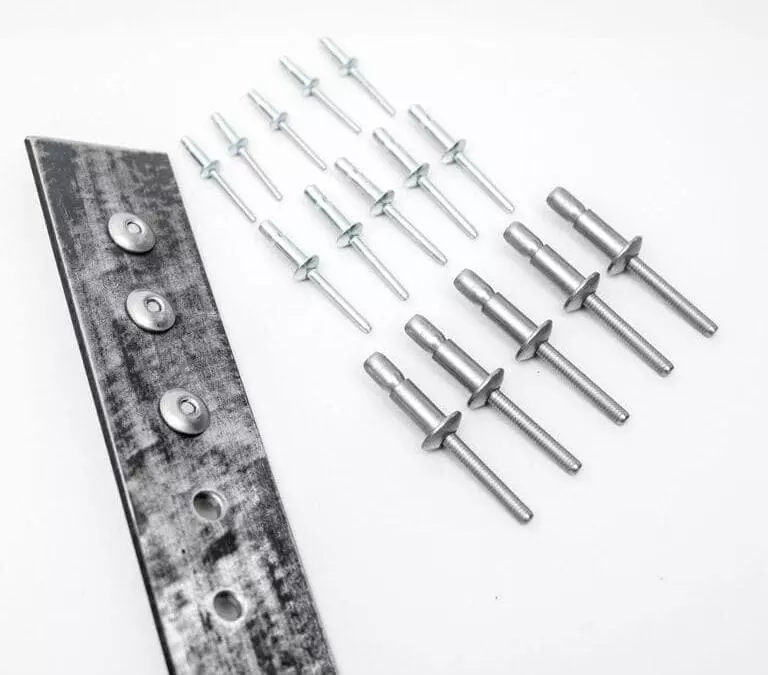
Structural rivets are a type of pop rivet used for high-strength fastenings. They can be installed from one side of the workpiece. They offer higher shear strength and tensile strength. They are particularly suitable for fastening locations subject to heavy loads, vibration, and stringent safety requirements.
This article will provide a detailed overview of structural rivets, including their operating principles, types, performance advantages, common applications, and how they differ from standard pop rivets. This information will help you determine when to choose structural rivets.
How Do Structural Rivets Work?
Structural rivets consist of a rivet body and a mandrel. The basic principle of operation is as follows: the riveting tool pulls the mandrel backward, causing the rivet body to deform on the back side of the workpiece. At the same time, multiple layers of material are clamped together, ultimately forming a high-strength joint.
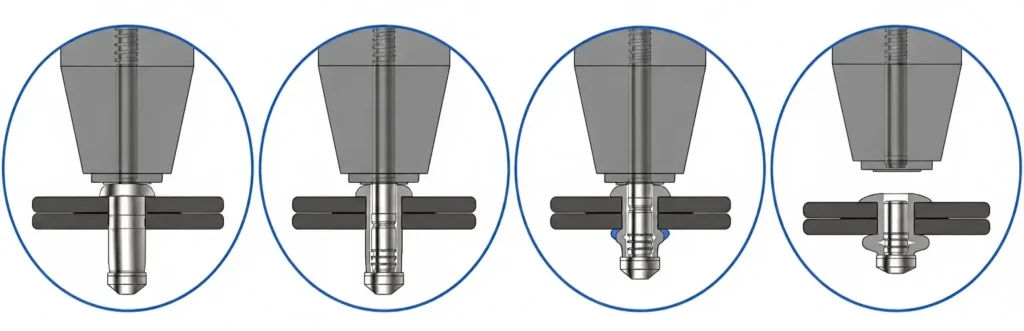
The entire installation process can be divided into the following steps:
Step1. Insert the rivet into the installation hole
First, machine a suitable hole in the surface of the workpiece to be joined. Then, insert the structural rivet into the hole from the accessible side.
Step 2. The riveting tool pulls the mandrel
Position the riveting tool’s nozzle against the rivet head and clamp the mandrel. When the tool is activated, the mandrel is continuously pulled outward, ultimately causing the rivet head to press tightly against the workpiece surface.
Step 3. The rivet body expands and deforms on the reverse side
As the mandrel is pulled, its head continuously compresses the rivet body. This forces the rivet body to expand on the reverse side of the workpiece, forming a bulge, a lantern shape, or another load-bearing structure.
Step 4. Multiple Layers of Material Are Tightened
As the rivet body deforms on the back of the workpiece, the structural rivet clamps and secures two or more layers of material together, reducing the gap between the sheets.
Step 5. Locking and Shearing of the Mandrel
Once the pulling force of the riveting tool reaches the design installation load, the mandrel shears at a predetermined breaking point. This creates a mechanical locking mechanism, with a portion of the mandrel securely locked inside the rivet body. The mandrel and rivet body jointly contribute to load-bearing.
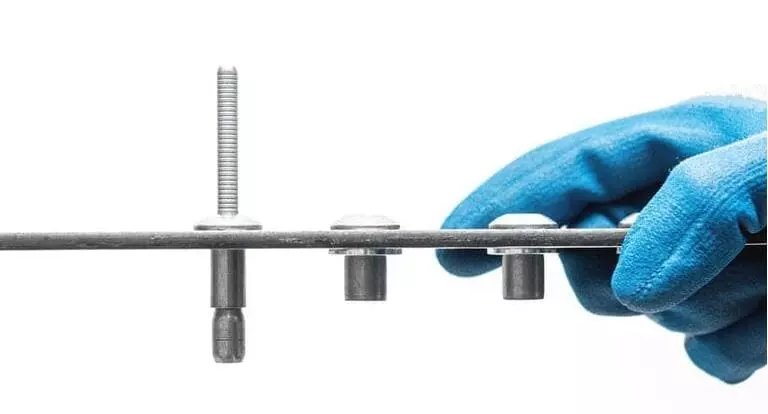
1. Higher Shear Strength and Tensile Strength
Want a more visual understanding of the load-bearing capacity of structural rivets? Watch the videos below showing the tensile and shear tests conducted in our lab.
2. The Mandrel Can Be Reliably Locked in Place
Structural rivets operate on the principle of a mechanical locking mechanism. After installation, part of the mandrel remains inside the rivet body. The mandrel and rivet body work together to bear the load, reducing the risk of mandrel loosening and rattling.
3. Superior Vibration Resistance
Once installed, structural rivets provide significant clamping force and hole-filling force, reducing the gap between the materials on either side and improving connection stability in vibrating environments.
4. Installation Can Be Completed with Access to Only One Side
Like blind rivets, structural rivets support single-sided installation, improving assembly efficiency.
5. A Stable Load-Bearing Structure Can Be Formed on the Back Side
When the mandrel is pulled, the rivet body expands or deforms on the back side of the workpiece, forming a load-bearing surface. This stable back-side formation helps distribute the load, enhancing the joint’s resistance to shear and loosening.
6. Provides stable clamping force
During the riveting process, structural rivets clamp and secure multiple layers of material through the deformation of the rivet body. Effective clamping reduces gaps between panels, as well as vibration and relative displacement, thereby enhancing the overall strength of the joint.
7. Some products offer a wide clamping range
Certain structural rivets can accommodate a variety of material thicknesses with a single size. This effectively reduces inventory and lowers procurement costs.
8. Sealing or corrosion-resistant properties can be provided based on the application
Structural rivets can be manufactured from high-strength materials such as steel, stainless steel, or aluminum alloys. Different surface treatments can be applied to meet corrosion resistance requirements.
What Are the Main Types of Structural Rivets?
Interlock Blind Rivets
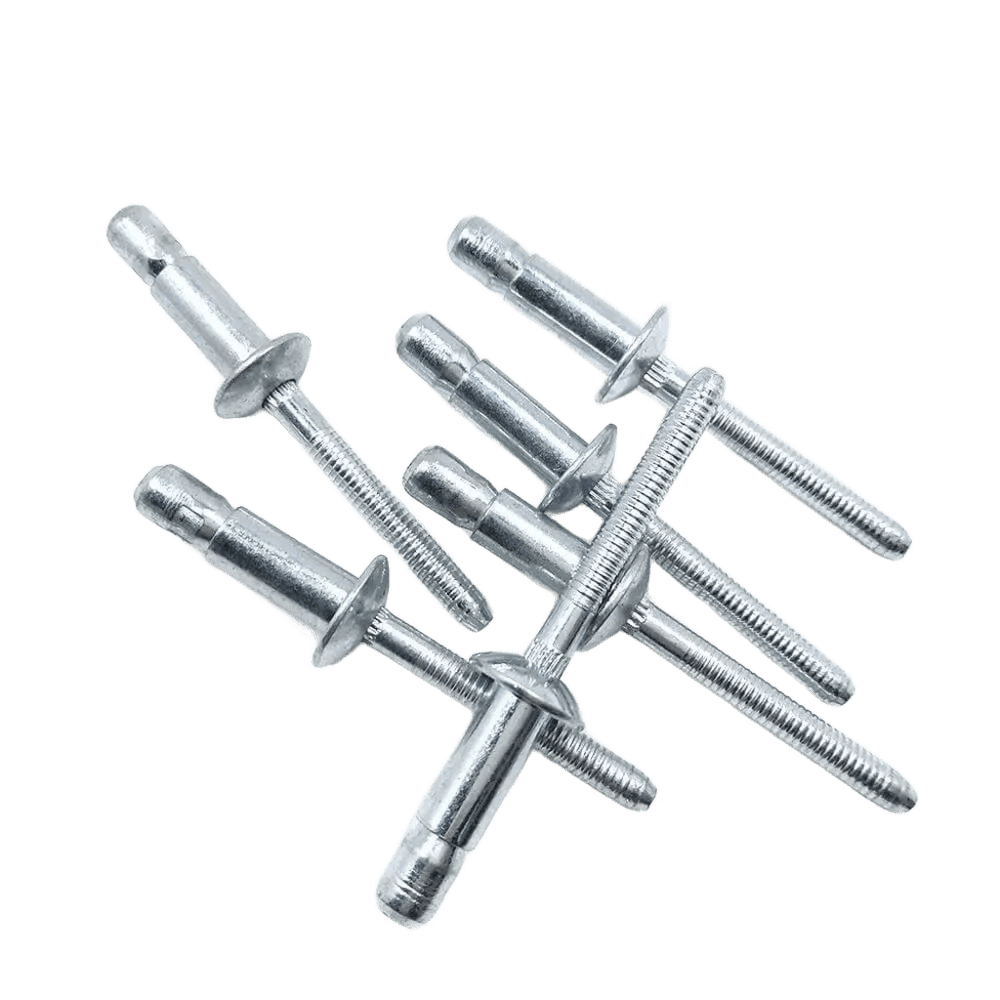
Internal-lock rivets feature a locking mechanism formed inside the rivet body. During installation, the rivet gun pulls the mandrel backward. The rivet body expands and deforms, clamping the workpiece. When the pulling force reaches the set value, the mandrel breaks at the preset fracture groove. The remaining portion is mechanically locked inside the rivet body.
The main advantages of Interlock Blind Rivets include:
- The locking core is located inside the rivet body
- The core pin remains inside, making it less likely to loosen or fall out
- It provides excellent hole-filling capability
- It forms a stable, vibration-resistant connection
- It is suitable for withstanding high shear and tensile loads
Monobolt Blind Rivets
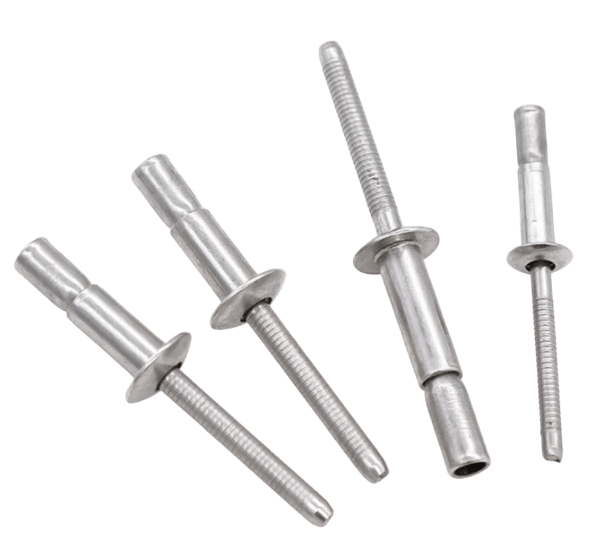
The locking position of Monobolt Blind Rivets is typically located near the rivet head after installation. During the riveting process, the rivet gun nozzle causes the material at the rivet head to deform under compression, mechanically locking the mandrel in place. Compared to internally locking types, the most notable difference is that, once Monobolt Blind Rivets are installed, it is possible to visually inspect the rivet head to confirm that the locking core has formed correctly.
The main advantages of Monobolt Blind Rivets include:
- The condition of the installed locking core is easily inspectable from the outside
- Facilitates visual quality control on production lines
- Provides high shear and tensile strength
- Fills voids and reduces sheet metal movement
- Some products offer a wide clamping range
- Suitable for automated or mass assembly
Hemlock Blind Rivets
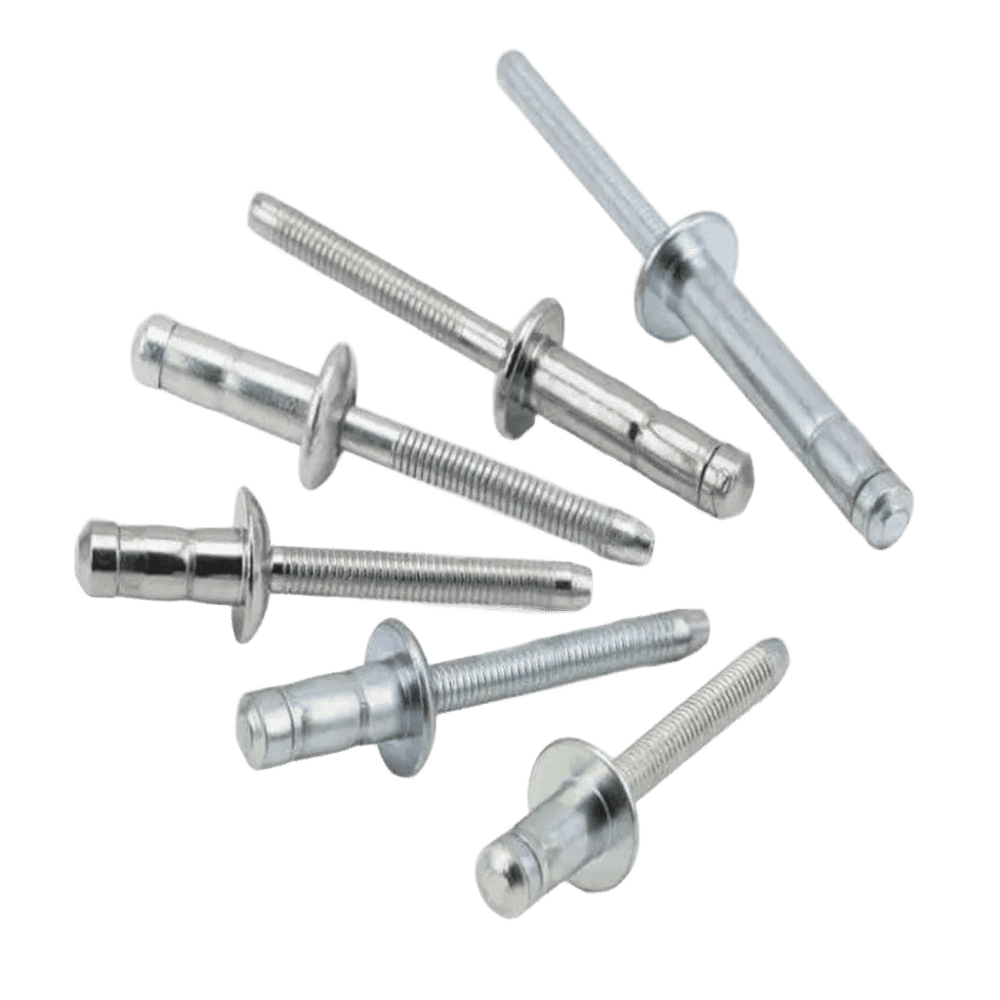
The design of Hemlock Blind Rivets focuses on interference locking via a serrated mandrel and large-area back-side forming. During installation, the serrated mandrel is pulled backward, causing the tail end of the rivet body to expand on the back of the workpiece, creating a large load-bearing surface. This effectively distributes localized clamping forces and loads. Hemlock Blind Rivets reliably retain the mandrel within the rivet body by creating an interference fit between the mandrel’s serrations and the rivet body.
The main advantages of Hemlock Blind Rivets include:
- The serrated mandrel ensures a stable interference fit
- The mandrel is securely retained after installation
- The tail of the rivet body forms a large load-bearing area on the back side
- Distributes localized pressure on thin sheets
- Suitable for joining thin sheets, plastics, and materials of varying hardness
- Offers good shear, tensile, and vibration resistance.
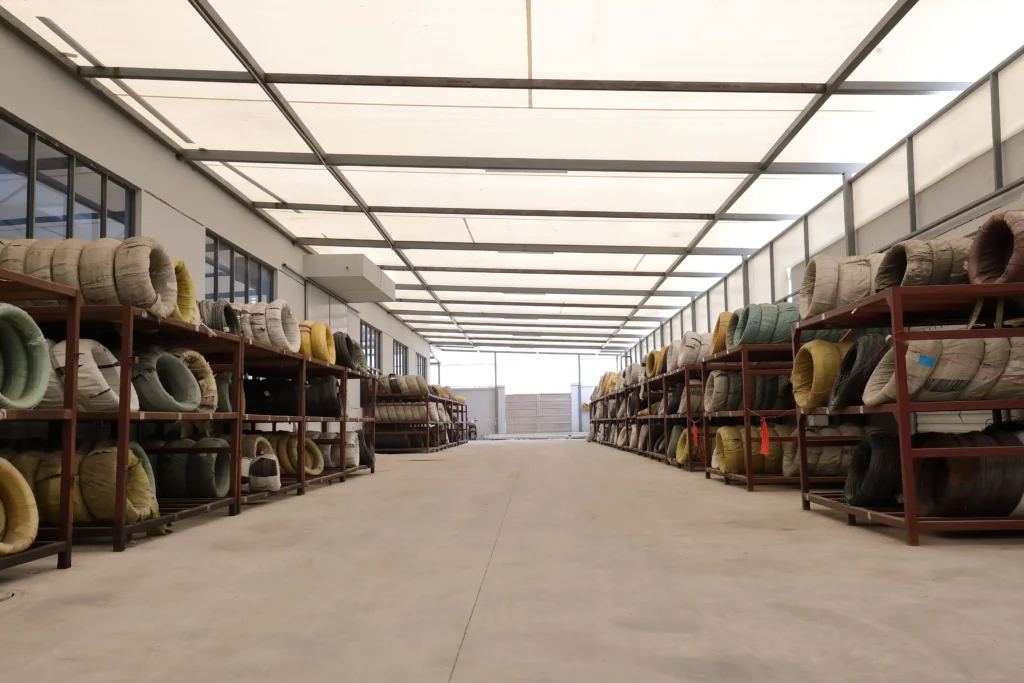
Structural rivets consist of two parts: the rivet body and the mandrel. Therefore, when selecting rivet materials, you must not only consider the rivet body but also verify the mandrel material. As a professional manufacturer, Rivmate operates its own independent factory and has been producing rivets for several decades. The materials commonly used for structural rivets in the industrial sector include aluminum , carbon steel, and stainless steel.
In past projects, Rivmate has found that customers often tend to choose aluminum, steel, or stainless steel rivets based solely on price. However, in actual assembly, selecting the correct material combination requires evaluating joint strength, corrosion environments, workpiece materials, and the risk of dissimilar metal contact.
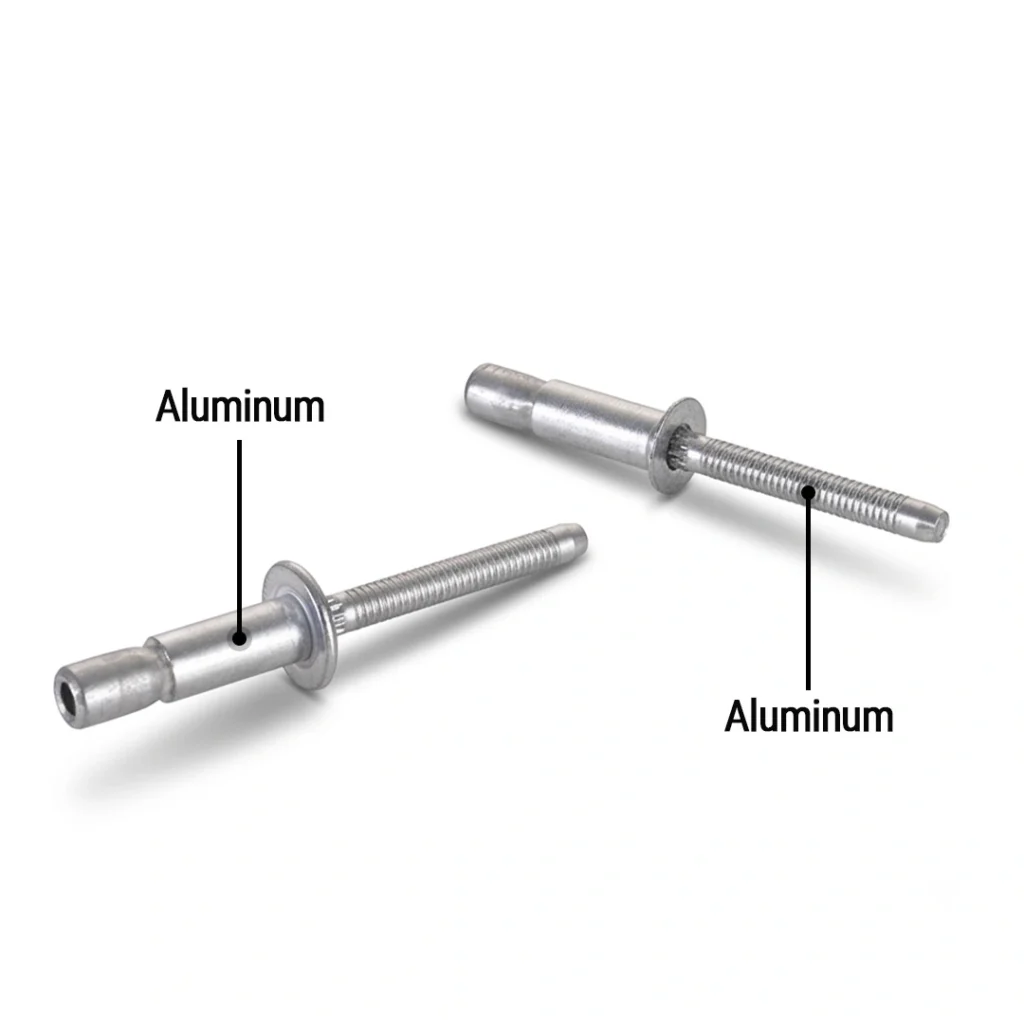
①Aluminum Structural Rivets
Aluminum structural rivets are lightweight and offer good inherent corrosion resistance. They are particularly suitable for structures where weight reduction is a key requirement. Based on our past experience supplying structural rivets for projects across various industries, we recommend using aluminum structural rivets for non-load-bearing connections in automotive body panels, ventilation equipment, and lightweight enclosures.
Key Features:
- Lightweight
- Resistant to general atmospheric corrosion
- Suitable for joining aluminum sheets and lightweight structures
- Installation load is lower than that of steel products of the same specification
- Load-bearing capacity is lower than that of steel and stainless steel structural rivets
②Steel Structural Rivets
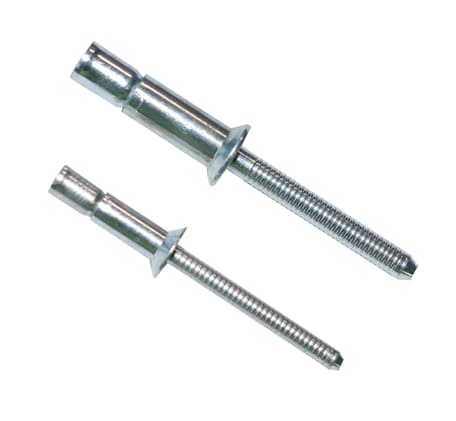
Steel Structural Rivets feature a steel rivet body and a steel mandrel. They offer high shear strength, tensile strength, and clamping force. In Rivmate’s projects involving trucks, construction machinery, and heavy equipment, customers place a high priority on strength and clamping force. Therefore, steel structural rivets are commonly used. In outdoor or humid environments, you must evaluate whether the surface treatment meets the project’s corrosion protection requirements.
Key Features:
- High strength
- Strong clamping force
- Lower cost than stainless steel
- Suitable for heavy-duty and vibration-prone environments
- Reliable corrosion protection required for use in damp or outdoor environments
③Stainless Steel Structural Rivets
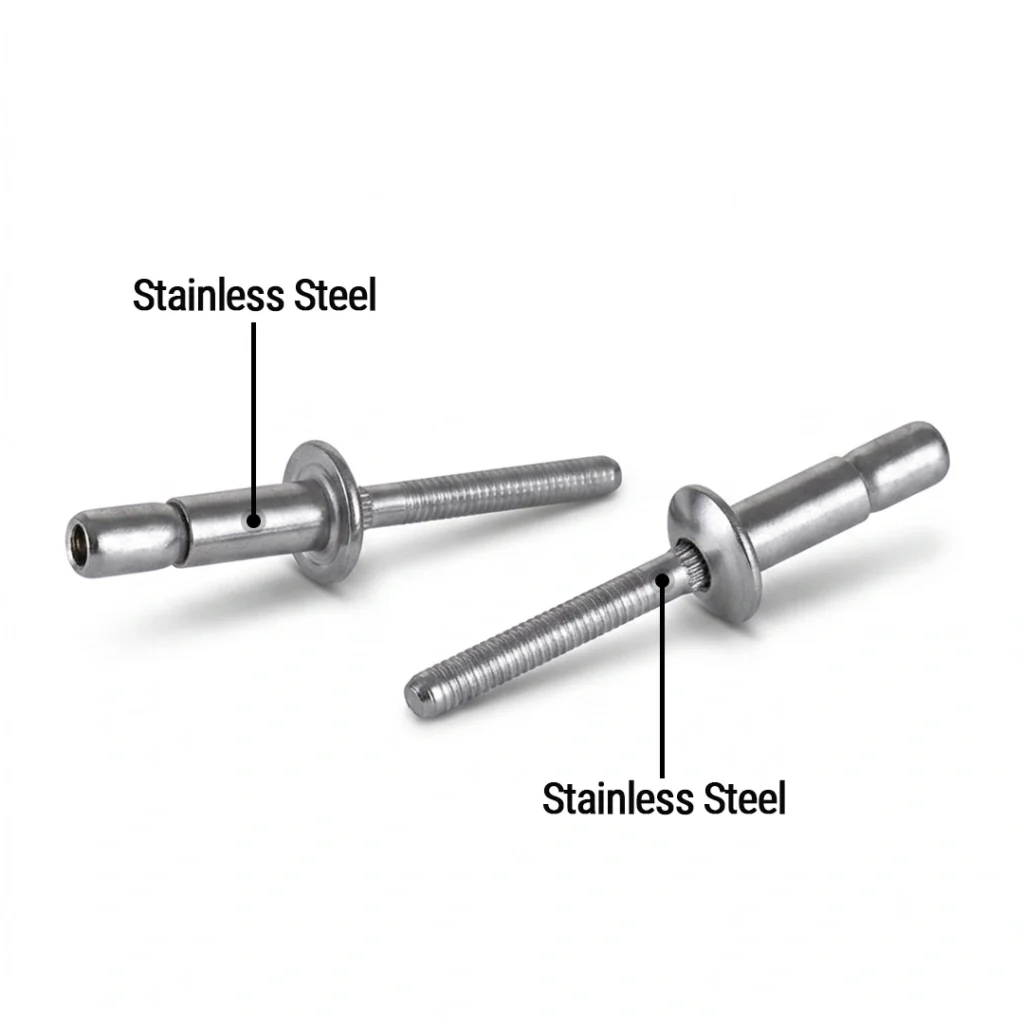
Stainless Steel Structural Rivets feature a stainless steel rivet body and a stainless steel mandrel. Stainless steel provides high joint strength and corrosion resistance. Corrosion resistance varies among different grades of stainless steel. Rivmate conducts salt spray tests lasting 7 to 200 hours to assess whether the rivets meet your product’s corrosion resistance requirements.
Key Features:
- Better corrosion resistance than aluminum and steel
- Suitable for outdoor and humid environments
- High shear and tensile strength
- Long service life
- Higher cost and more demanding installation tool requirements than aluminum products
Structural Rivets vs Standard Blind Rivets: What Is the Difference?
| Comparison Factor | Structural Rivets | Standard Blind Rivets |
|---|---|---|
| Primary Purpose | Designed for load-bearing, high-vibration, and reliability-critical joints. | Designed for general fastening and non-critical sheet metal assemblies. |
| Shear and Tensile Strength | Usually provides higher shear and tensile strength for demanding structural connections. | Usually provides lower load capacity and is better suited to light-duty applications. |
| Mandrel Retention | The mandrel is usually mechanically locked or securely retained inside the rivet body. | The broken mandrel may remain inside the rivet body, but it is not usually mechanically locked. |
| Vibration Resistance | Reliable mandrel retention and higher clamping force make it more suitable for vibration and impact. | More suitable for static or low-vibration applications. |
| Hole-Filling Ability | Some types expand radially during installation to fill the hole more completely. | Usually provides limited hole filling and is less tolerant of oversized holes. |
| Sheet Pull-Up and Clamping | Usually provides stronger sheet pull-up and clamping, helping reduce gaps between joined materials. | Can clamp materials effectively but generally works best when the sheets are already tightly aligned. |
| Blind-Side Formation | Can form a strong blind-side bulb or a large bearing area, depending on the rivet design. | Usually forms a smaller and simpler blind-side bulb. |
| Installation Tool Requirements | Often requires a tool with greater pulling force and stroke. Some types also require a special nosepiece. | Can generally be installed with standard manual, pneumatic, electric, or battery-powered rivet tools. |
| Product and Installation Cost | Usually has a higher unit cost and may require additional tooling, but offers greater reliability in critical joints. | Usually has a lower unit cost and simpler tooling requirements, making it suitable for cost-sensitive applications. |
| Typical Applications | Trucks, trailers, automobiles, rail vehicles, construction machinery, and high-vibration industrial equipment. | Signs, enclosures, ventilation ducts, equipment covers, and general sheet metal assemblies. |
What Are Structural Rivets Used For?
When your application involves a workpiece where access to the back side is impossible and blind rivets do not provide sufficient load-bearing capacity, structural rivets are the optimal choice. They are particularly suitable for single-sided riveting applications that require high strength, vibration resistance, and connection reliability.
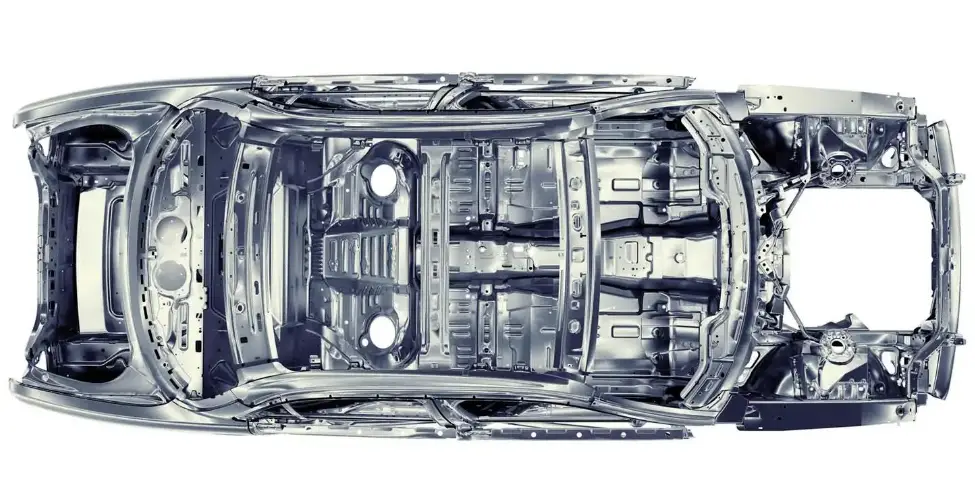
Vehicles are subjected to prolonged vibration, impact, and temperature fluctuations. Structural rivets provide high shear and tensile strength. Their excellent hole-filling capability effectively reduces movement between sheet metal panels.
Common applications include:
- Body side panels and roof panels
- Door frames and rear door assemblies
- Body mounts
- Floor and cross-member attachments
- Fenders and exterior attachments
- Semi-trailer body structures
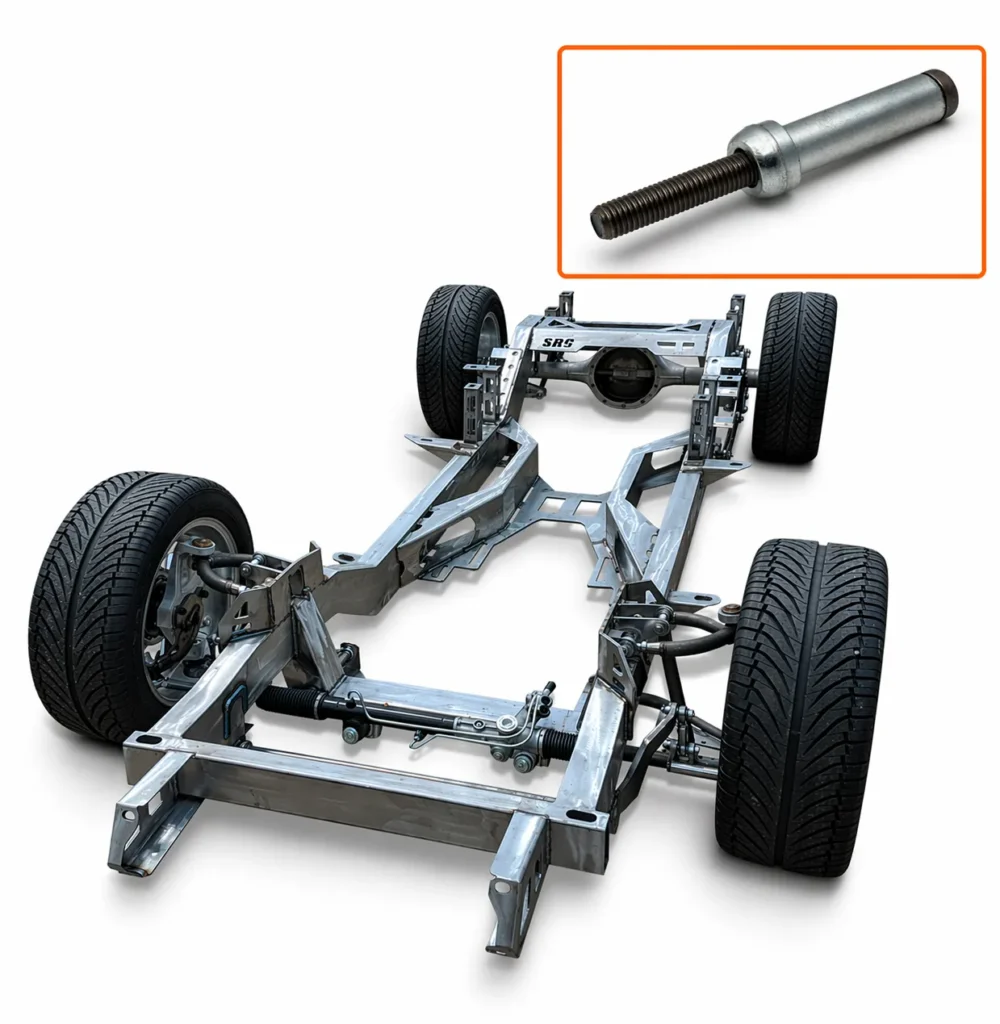
While in motion, connection points are subjected to road impacts, chassis torsion, and prolonged vibration. Structural rivets form load-bearing connections that are more stable and offer better vibration resistance than blind rivets.
Common applications include:
- Cargo compartment side panels and roof panels
- Door frames and rear door assemblies
- Body mounts
- Floor and crossbeam attachments
- Mudguards and external attachments
- Semi-trailer body structure
Application 3. Rail Transportation
Trains, subways, and other rail vehicles must withstand dynamic loads caused by vibration, acceleration, and braking over extended periods. Structural rivets feature stable clamping force and a mechanical locking mechanism, reducing the risk of joint loosening and abnormal noises. They can be used in car body panels, interior frameworks, equipment brackets, door systems, and certain auxiliary structures.
Application 4. Construction and Agricultural Machinery
Excavators, harvesters, tractors, and other machinery are subjected to significant vibration, impact, mud, water, and dust during operation. Choosing structural rivets provides high-strength connections and stable vibration resistance.
Common applications include:
- Equipment housings
- Protective covers
- Cab assemblies
- Brackets and reinforcements
- Ventilation and access panels
- Non-welded sheet metal structures
Application 5. Industrial Equipment and Enclosures
In industrial equipment, control cabinets, power distribution boxes, communication cabinets, and machine housings, installation space is often limited, allowing access from only one side. Structural rivets support single-side installation, simplifying the assembly process for enclosed structures.
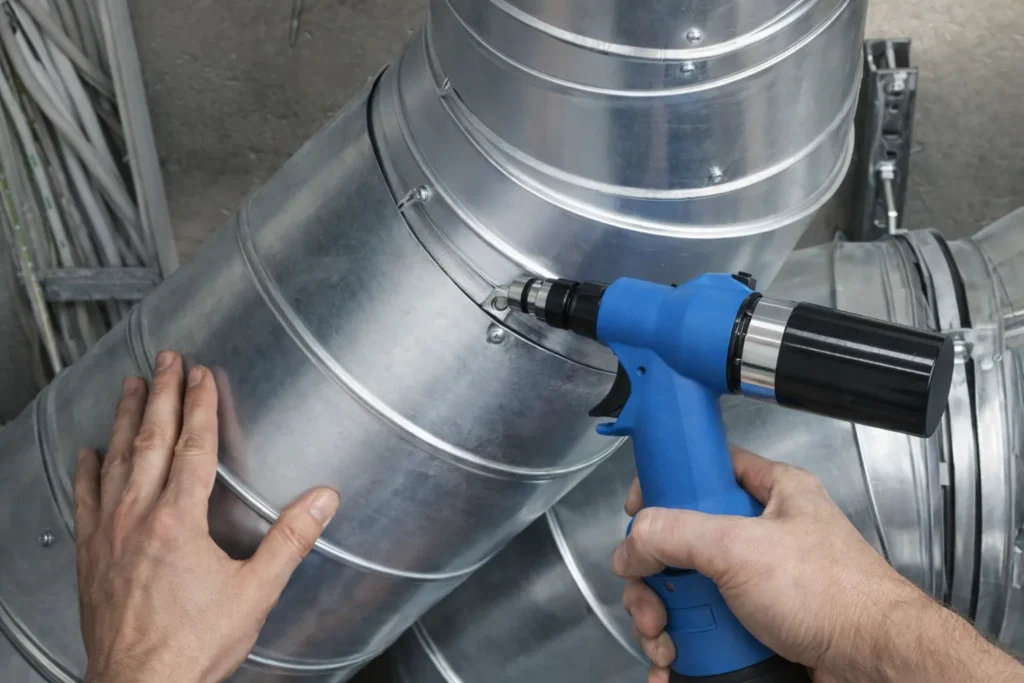
This type of equipment consists of multiple layers of thin sheet metal, frames, and insulation materials. The joints must withstand continuous vibration generated by fan operation. Structural Rivets provide stable clamping force and critical load-bearing capacity.

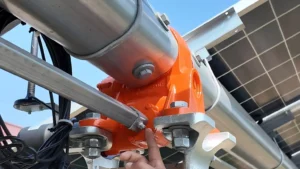
Outdoor renewable energy equipment is exposed to wind loads, vibration, and rain over extended periods. This places high demands on joint strength and corrosion resistance. Surface-treated Structural Rivets are particularly well-suited for these applications, enhancing joint strength and service life.
What Are the Advantages of Structural Rivets?
A.Simplified Design of Enclosed Structures Through Single-Side Installation
For some products, the rear side of the connection points is inaccessible. When using structural rivets, there is no need to design assembly openings for enclosed components. The single-side installation method of structural rivets significantly reduces the complexity of structural design.
B.Reduced Number of Fasteners and Assembly Parts
Unlike bolts, which require nuts for connection, structural rivets consist of a rivet body and a mandrel, forming a permanent joint upon riveting.
C.Fast Installation and Consistent Results
When installed using a matched tool, the rivet gun completes the tightening, forming, core locking, and core shearing according to a pre-designed stroke. Unlike bolts, there is no need to manually judge the tightening torque. This makes them particularly suitable for high-volume production lines.
D. Easy Connection of Materials of Different Thicknesses and Types
Structural rivets clamp materials through mechanical deformation. Unlike welding, they do not require materials with the same melting point. You need to consider whether the rivet’s clamping range, back-side forming, and material compatibility are suitable. This allows you to join a variety of material combinations.
Based on Rivmate’s 15 years of experience, the following conclusions can be drawn:
Joining different metals in a humid environment can lead to galvanic corrosion. To prevent this, you need to use sealants, insulating layers, or anti-corrosion coatings to provide isolation in advance.
What Are the Limitations of Structural Rivets?
Structural rivets offer certain advantages in high-strength fastening, vibration resistance, and single-sided installation. However, structural rivets are not always the best choice for every project; you should select them based on specific requirements. Structural rivets place high demands on product selection, installation tools, and hole diameter control. If used indiscriminately, they can lead to rivet failure.
1.Structural rivets are more expensive than blind rivets
Structural rivets have a more complex design in terms of the rivet body, mandrel, and locking core. The cost per structural rivet is relatively high.
2.Specialized installation tools are required
Structural rivets provide higher strength and require greater pulling force than blind rivets. The correct nozzle and tool stroke must be selected. This may involve specialized pneumatic, hydraulic, or electric riveting tools.
Based on the riveting issues I’ve handled in the past, many are related to mismatches in the tool’s nozzle, force, and stroke.
3.The joint is permanent after riveting
Structural rivets cannot be unscrewed directly like bolts. Disassembly will damage the connection between the structural rivet and the workpiece, making reuse impossible.
4.Strict Requirements for Installation Hole Diameter
Structural rivets must be installed within the hole diameter range specified by the supplier. A hole that is too large or too small will affect the riveting result.
We have also received feedback from customers regarding loose rivets. After measurement, we found that the customer’s actual installation holes were significantly larger than the range we recommended. This prevented the structural rivets from fully filling the hole walls, resulting in unstable clamping of the sheet metal.
5.The clamping range must match the material thickness
The actual total thickness of all materials being joined must fall within the clamping thickness range specified for structural rivets.
6.The blind side still requires sufficient forming space
Structural rivets support single-sided installation. Since the rivet head needs to expand on the back side of the workpiece after riveting, sufficient space must be reserved on the blind side to allow for forming.
How to Choose the Right Structural Rivet for Your Application
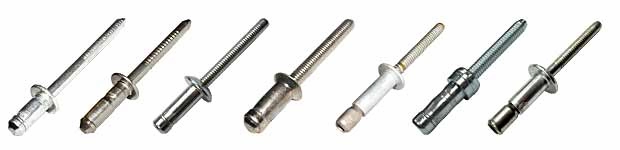
When selecting a type of structural rivet, you cannot rely solely on the rivet’s diameter. Follow these six steps to ensure proper selection:
- Determine the actual load and application environment for the structural rivets.
- Accurately measure the total material thickness at the riveting location.
- Select the appropriate structure, material, and diameter based on product requirements.
- Verify the clamping range, hole diameter, and clearance on the blind side in advance.
- Confirm the compatibility range between the riveting tool and the rivet nose.
- Conduct sample testing using actual workpieces before purchasing.
Quick Selection Checklist
If you would like to request product selection and a quote from the manufacturer, please have the following information ready:
- Application
- Workpiece material
- Material thickness per layer
- Actual total clamping thickness
- Mounting hole diameter
- Primary load
- Operating environment
- Sealing requirements
- Clearance on the blind side
- Existing installation tools
- Purchase quantity
How to Install Structural Rivets Correctly
Proper installation of structural rivets involves more than simply “snapping off” the mandrel at the designated position.
Correct installation steps
- Step 1. Verify rivet specifications: Before installation, confirm that the selected structural rivets are suitable for the workpiece.
- Step 2. Drill the correct installation holes: Mark and drill the rivet holes on the workpiece, ensuring that the holes in multiple layers of sheet metal are aligned.
- Step 3. Remove burrs from the hole edges.
- Step 4. Align and secure the multiple layers of material: Ensure there are no excessive gaps between the individual sheets.
- Step 5. Insert the rivet fully into the hole: The rivet must pass through all the sheets being joined.
- Step 6. Use a compatible rivet gun and nozzle: The tool must be compatible with the rivet’s diameter, mandrel, and load rating.
- Step 7. Hold the rivet gun vertically: Using it vertically ensures uniform forming.
- Step 8. Snap off the mandrel.
- Step 9. Inspect the installation results.
What Are the Common Structural Rivet Installation Mistakes?
Based on our experience with past projects, many installation issues are not caused by a single factor. Rather, they result from a lack of proper alignment between the rivet, the mounting holes, the workpiece, and the riveting tool. Therefore, when you encounter a failed rivet joint, it is not necessarily a problem with the rivet itself; you need to conduct a systematic, step-by-step inspection.
Common Rivet Installation Mistakes:
- Error 1. Incorrect clamping range selection: If the rivet is too short, the rivet body will not expand sufficiently and will not form properly. If it is too long, it will result in insufficient clamping force.
- Error 2. Incorrect installation hole diameter: If the hole is too large, a significant gap will remain between the rivet body and the hole wall. If the hole is too small, it may damage the workpiece surface.
- Error 3. Neglecting burrs and hole quality: Burrs can damage the rivet body surface and prevent uniform expansion of the rivet body.
- Error 4. Using the wrong nozzle: If the nozzle does not match the riveting structure, the rivet will not seat properly.
- Error 5. Failing to keep the riveting gun vertical: If the tool is tilted, the force applied to the mandrel will be uneven, causing uneven deformation on the side of the rivet head.
- Error 6. Large gaps between sheet metal panels
- Error 7. Ignoring the forming space on the blind side: Although no operation is required on the back side of the rivet, space must be reserved to accommodate deformation.
What Are the Common Structural Rivet Failure Modes?
The failure of structural rivets depends not only on the rivets themselves but is also influenced by a variety of factors. These include the clamping range, the machined mounting holes, the sheet metal contact surfaces, the installation tools, and the installation methods.
| Observed Failure | Possible Failure Mode | Recommended Checks |
|---|---|---|
| The rivet breaks at the sheet interface | The rivet has suffered shear failure or fatigue fracture under repeated loading. | Check the actual shear load, number of rivets, rivet diameter, material strength, and load distribution. |
| The rivet breaks along its axis | The rivet has suffered tensile failure because the axial load exceeded the capacity of the rivet body or locking system. | Check the axial load, minimum tensile strength, mandrel-lock condition, and overall joint design. |
| The rivet head pulls through the front sheet | Head pull-through occurs because the front sheet cannot support the local bearing pressure under the rivet head. | Check the front-sheet thickness, material strength, rivet-head diameter, and hole size. |
| The blind-side bulb pulls through the hole | Blind-side pull-through occurs because the rear sheet is too thin, too soft, or the blind-side bearing area is too small. | Check the rear-sheet strength, thickness, hole diameter, and blind-side formation area. |
| The installation hole gradually becomes elongated | The hole wall has suffered bearing deformation, enlargement, or repeated movement between the rivet and the hole. | Check the original hole diameter, hole filling, sheet thickness, shear load, and clamping condition. |
| The sheet tears from the hole toward the edge | Edge tear-out has occurred, usually because of insufficient edge distance or inadequate sheet strength. | Check the edge distance, rivet spacing, sheet thickness, material strength, and load direction. |
| The joint moves or produces rattling noise | The joint may have insufficient clamping, poor hole filling, an enlarged hole, or a loose retained mandrel. | Check the grip range, sheet gaps, hole diameter, blind-side formation, and mandrel-lock condition. |
| The mandrel becomes loose or falls out | The mechanical or interference lock did not form correctly, resulting in mandrel-retention failure. | Check the nosepiece, tool pulling force, tool stroke, mandrel break position, and lock formation. |
| Visible corrosion appears around the rivet or hole | The joint may be affected by surface corrosion, galvanic corrosion, crevice corrosion, or local corrosion in a salt-rich environment. | Check the rivet and workpiece material combination, surface treatment, coating damage, moisture, and service environment. |
| Cracks appear after a period of service | Fatigue failure may have developed in the rivet, mandrel-locking area, or sheet around the hole. | Check cyclic loading, vibration frequency, hole-edge quality, clamping force, and relative movement between the sheets. |
How to Choose a Reliable Structural Rivet Manufacturer?
In short, a reliable manufacturer. Not only can they produce rivets, but they can also assist you throughout the entire process—from product selection and testing to tool matching and batch quality control.
- Do they have actual production equipment?
- Can they provide complete technical specifications?
- Can they specify minimum shear and tensile strengths?
- Do they have in-house testing capabilities?
- Can they control core break load and ensure batch consistency?
- Can they provide product selection recommendations based on your operating conditions?
- Can they confirm tool and nozzle requirements?
- Do they support sample riveting tests?
- Do they have material and batch traceability capabilities?
- Can they ensure long-term, stable delivery?
Conclusion: Are Structural Rivets Right for Your Application?
Whether structural rivets are suitable for your application depends on the loads at the joint location, vibration, material thickness, installation conditions, and reliability requirements.
If the back of your product is difficult to access and the joint location is subject to high shear loads, tensile loads, continuous vibration, or impact, then structural rivets are more suitable than blind rivets. Structural rivets offer more reliable mandrel locking, better hole-filling capability, and more stable sheet metal clamping. They are particularly suitable for connections in trucks, factory machinery, and high-vibration industrial equipment.
If you’re unsure which type of structural rivet is right for your project, our team of experts will design a tailored riveting solution based on the information you provide.
Frequently Asked Questions About Structural Rivets
How Much Load Can a Structural Rivet Support?
The load capacity of a structural rivet depends on factors such as the rivet’s diameter, material, design, direction of force, sheet metal strength, hole diameter, and installation quality. The load capacity of structural rivets can range from several thousand newtons to tens of thousands of newtons. You will need to conduct actual tests under specific conditions to determine the exact load capacity.
Can Structural Rivets Be Used in Thin Sheet Metal?
Structural rivets can be used on thin sheets. However, you must select an appropriate hole diameter, clamping range, and ensure that the installation tool is properly matched. In my experience, if the thin sheet lacks sufficient strength, selecting a structural rivet with a diameter that is too large increases the risk of hole-edge tearing, sheet deformation, or the rivet tearing through the sheet.
Are Structural Rivets Watertight?
Not all structural rivets are waterproof. Certain products, such as Watertight Bulb Tite Rivets, can be used for connections that require rain or water resistance, but must be used with EPDM washers.
Do Structural Rivets Loosen Under Vibration?
If you select and install structural rivets correctly, they are unlikely to loosen due to vibration. Structural rivets clamp the sheet metal in place through a mechanical locking core mechanism. They provide excellent hole-filling capability. The mandrel is locked in place and does not wobble easily. Conversely, if the hole diameter, clamping range, or tooling is not properly matched, structural rivets may fail and become loose.
Do Structural Rivets Require a Special Rivet Gun?
A fully dedicated rivet gun is not necessarily required. The installation tool must be matched to the pull force, tool stroke, and nozzle size appropriate for structural rivets.
Work with a IATF 16949 Certified Blind Rivet Manufacturer
Get High Quality Rivets Instead of Huck and Avdel Rivets

Rivmate Rivet
Rivmate is one of top 3 blind rivets manufacturers in china. The company is IATF 16949 certified and offers high-strength structural blind rivets that serve as alternatives to Huck and Avdel products.
Explore Rivmate Cases
Rivmate Rivet
Rivmate is one of top 3 blind rivets manufacturers in china. The company is IATF 16949 certified and offers high-strength structural blind rivets that serve as alternatives to Huck and Avdel products.

Hey There, I'm Allen!
I am the founder of Rivmate. For over two decades, we have specialized in the manufacture of blind rivets, providing our customers with reliable riveting solutions. Need riveting services? Feel free to contact us.