
Blind Rivets for Ventilation Systems
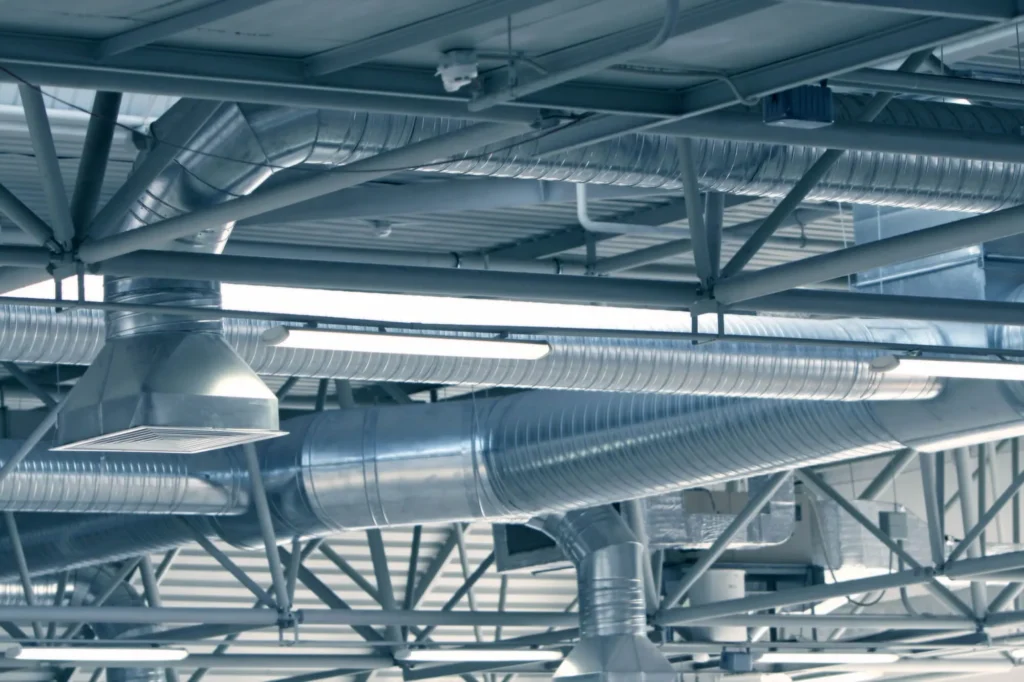
Rivmate supplies specialist blind rivets for ventilation systems, which are widely used in duct panels, air distribution systems and equipment enclosures.
HVAC Rivet Solution
HVAC Rivet Solutions Explained
Blind rivets are used to connect duct panels to air distribution structures, enhancing installation efficiency whilst effectively ensuring the system’s airtightness and the stability of the connections. They are suitable for all types of air distribution systems.
2–5 s
30–50%
per installation
faster assembly compared to screws
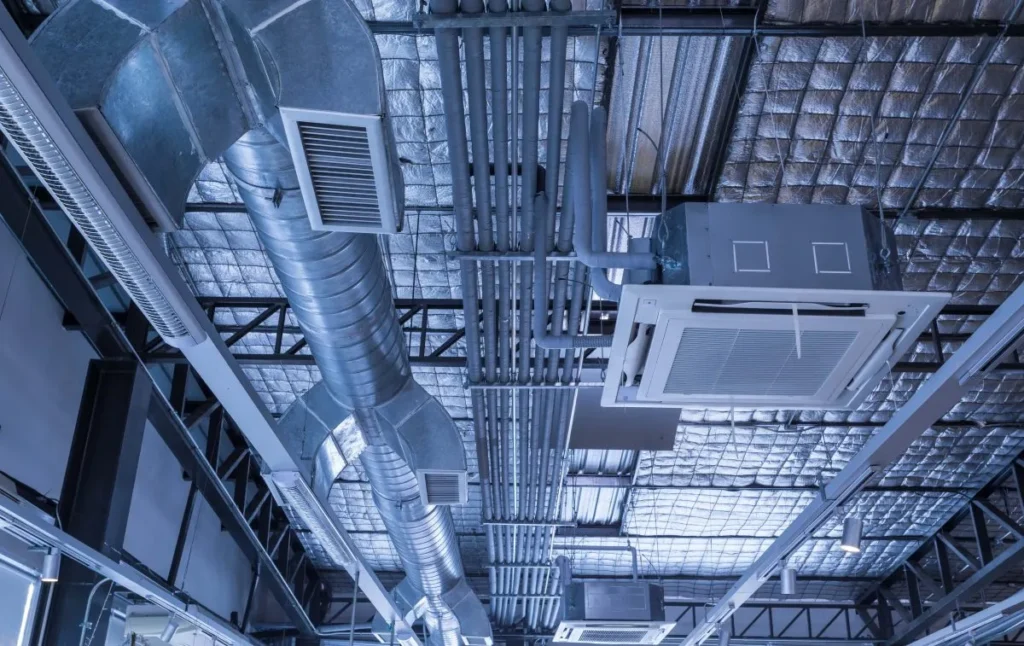
Ventilation System Fastening Problems and Rivet Solutions
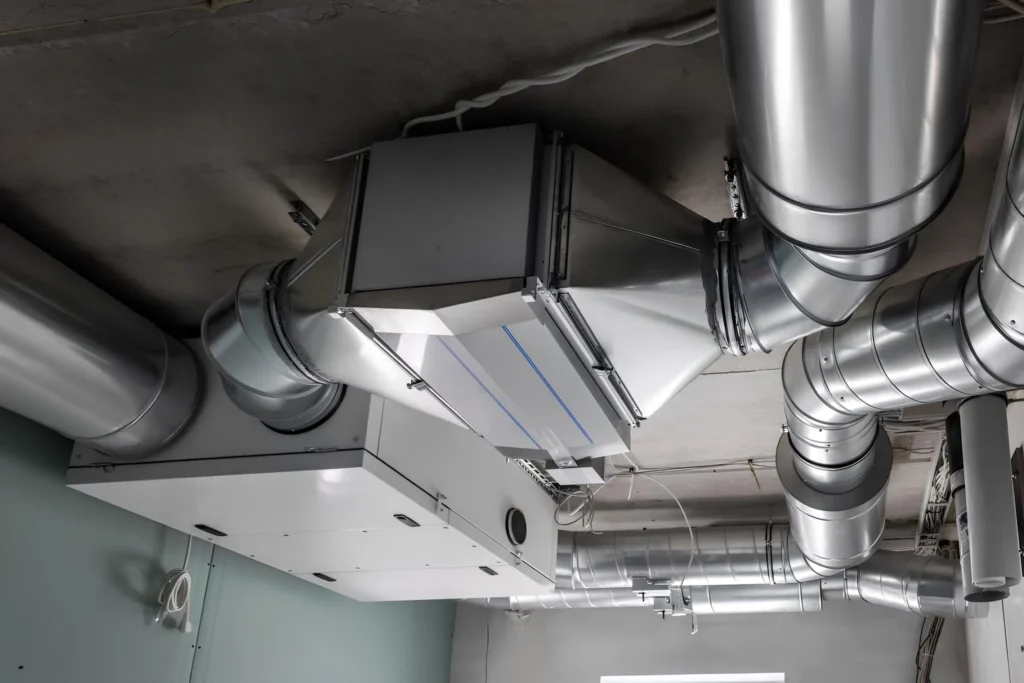
Air leakage → Sealed rivet solution
Traditional connection methods leave gaps, which can easily lead to air leakage and reduce the efficiency of ventilation systems.
Blind Rivets for Ventilation Systems can be used in conjunction with sealed rivets to effectively improve airtightness and reduce air loss.
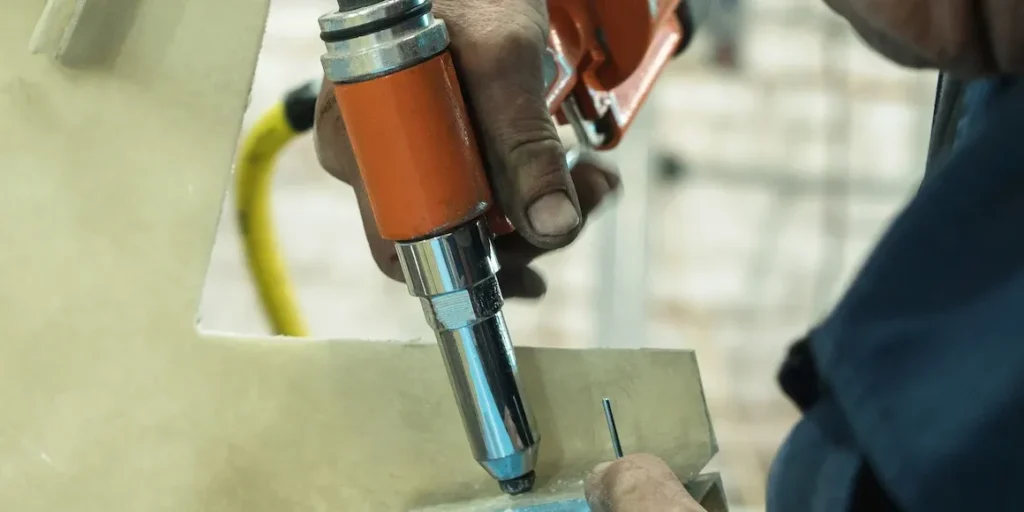
Slow installation → Rapid blind rivet installation
Traditional installation methods involve multiple steps and are inefficient, impacting overall construction progress.
Blind rivets for ventilation duct panels allow for single-sided operation, significantly increasing installation speed.
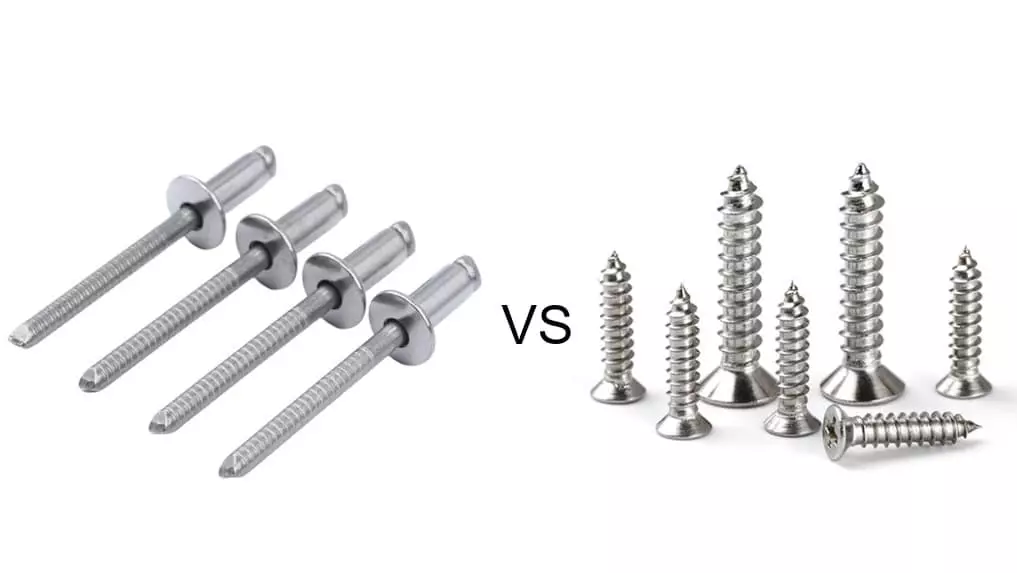
Screw loosening → Permanently locked structure
Vibration from long-term operation of ventilation systems can cause screw connections to loosen.
Blind rivets for ventilation systems create a stable mechanical locking structure, ensuring a long-term, reliable connection.
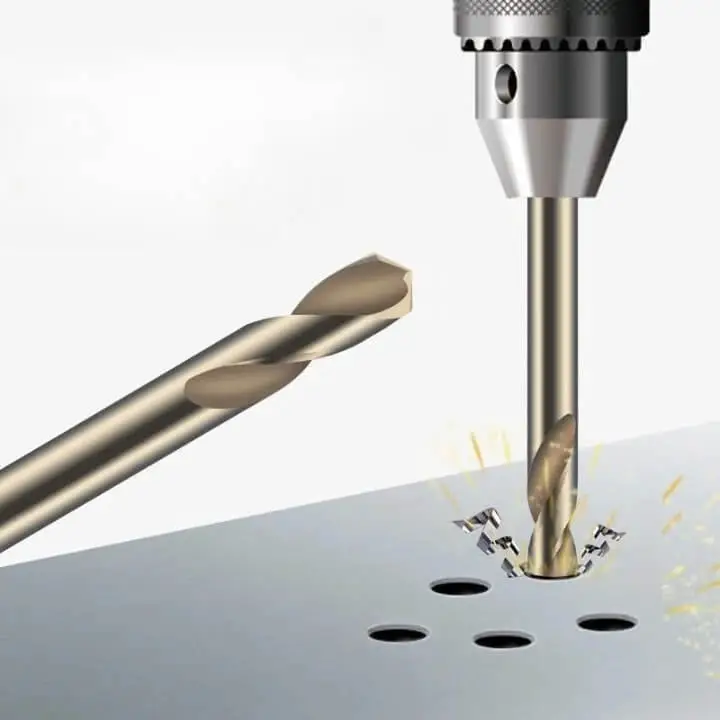
High labour costs → Efficient installation process
Labour costs are high, and installation takes a long time.
Blind rivet installation takes just 2–5 seconds per point, significantly reducing labour input and construction costs.
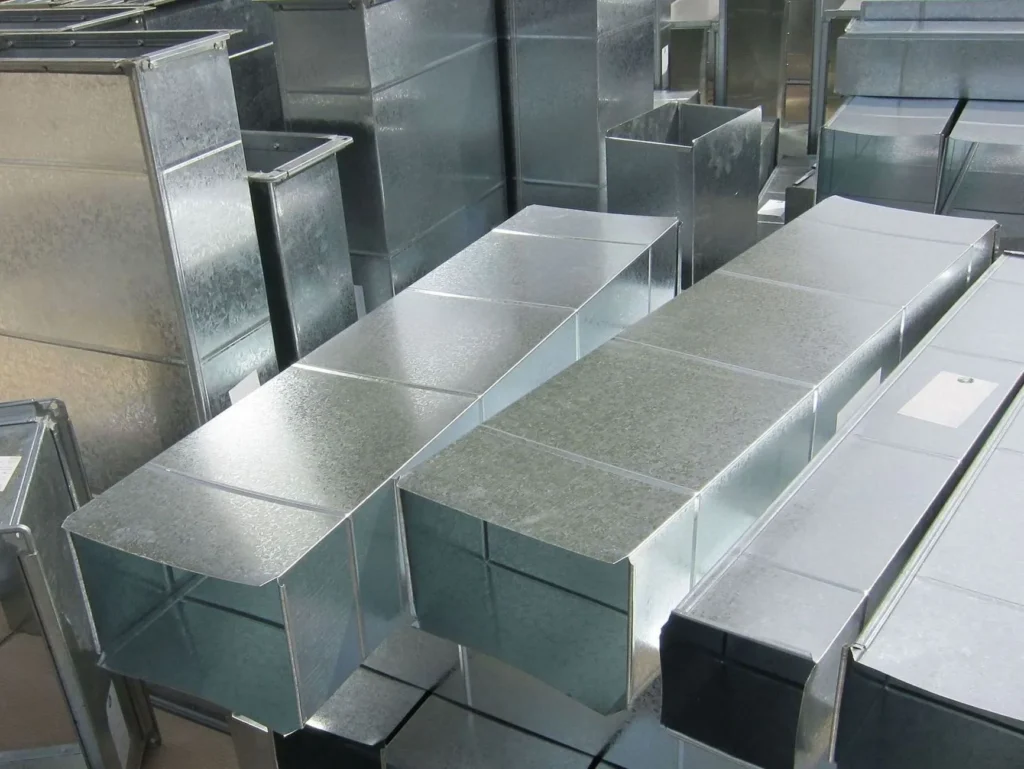
Rivmate’s blind rivets are widely used for joining and securing ventilation duct panels, enabling rapid single-sided installation (2–5 seconds per point) and ensuring stable, consistent connections.
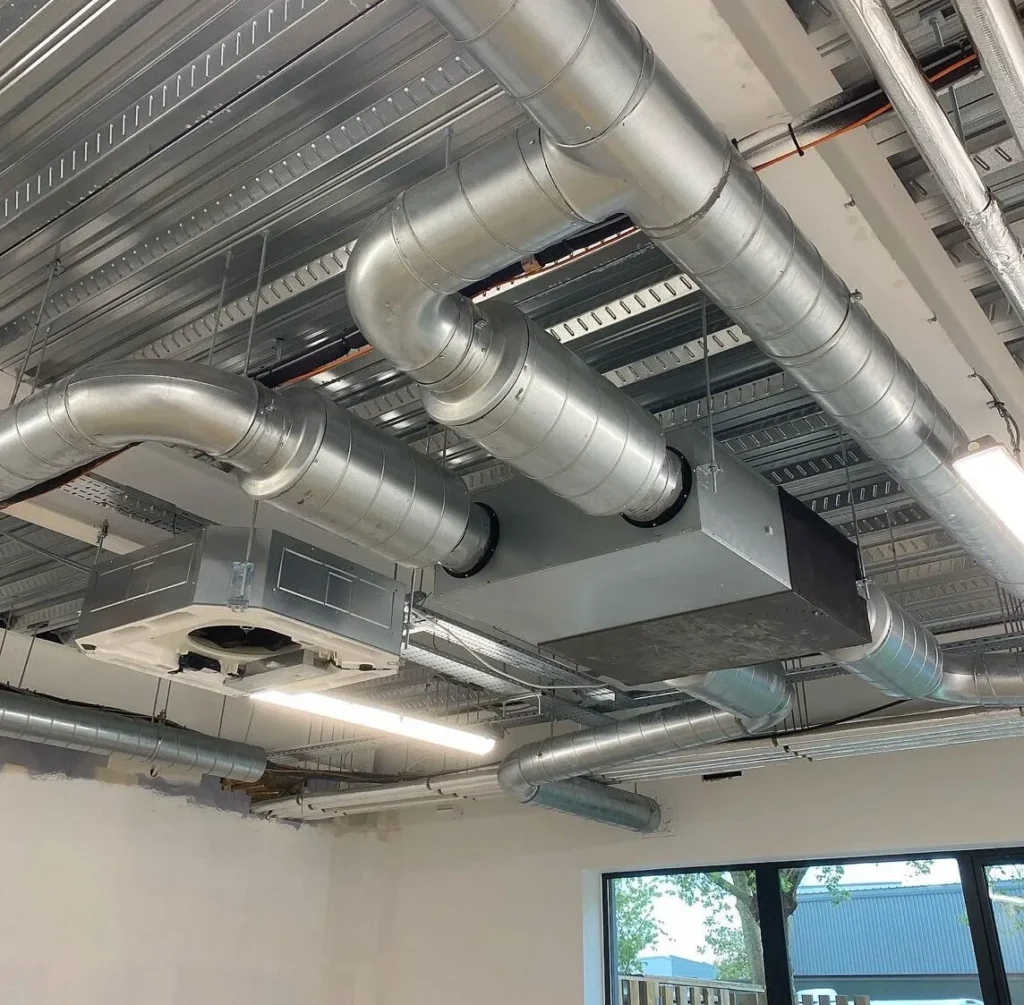
In air distribution systems, Rivmate’s Blind Rivets for Ventilation Systems can be used for structural connections in various airflow channels, helping to improve the system’s overall airtightness and ensure stable airflow transmission.
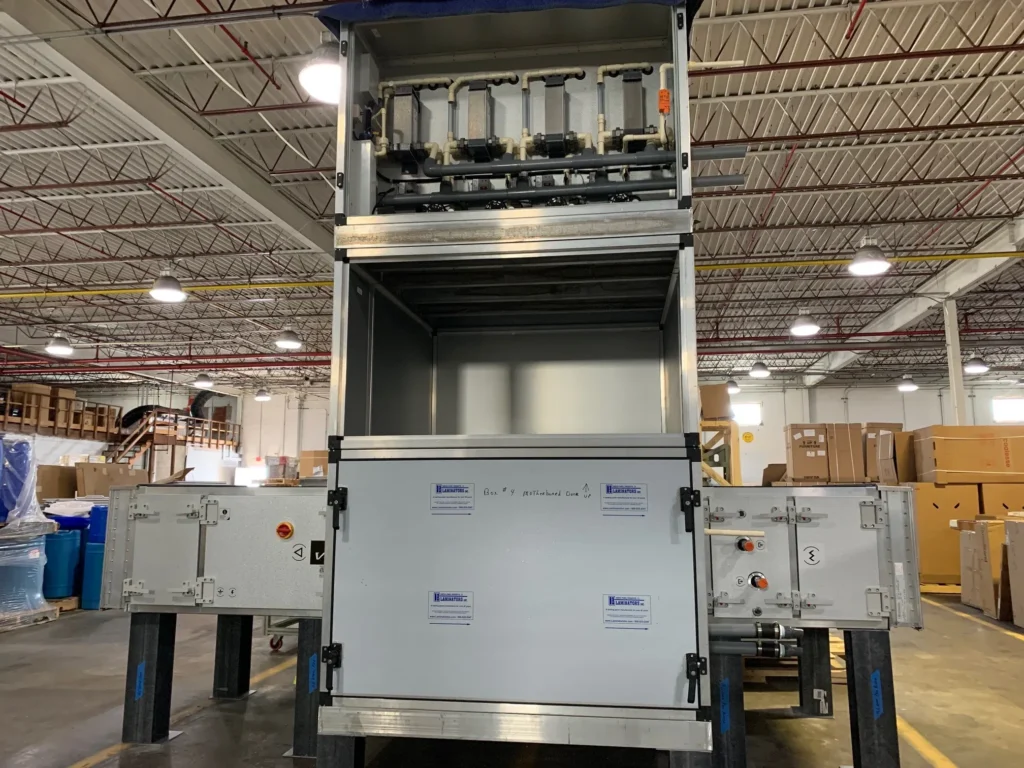
Suitable for joining ventilation equipment housings, Rivmate blind rivets require no hot working, thereby preventing material deformation whilst enhancing structural strength and visual consistency.
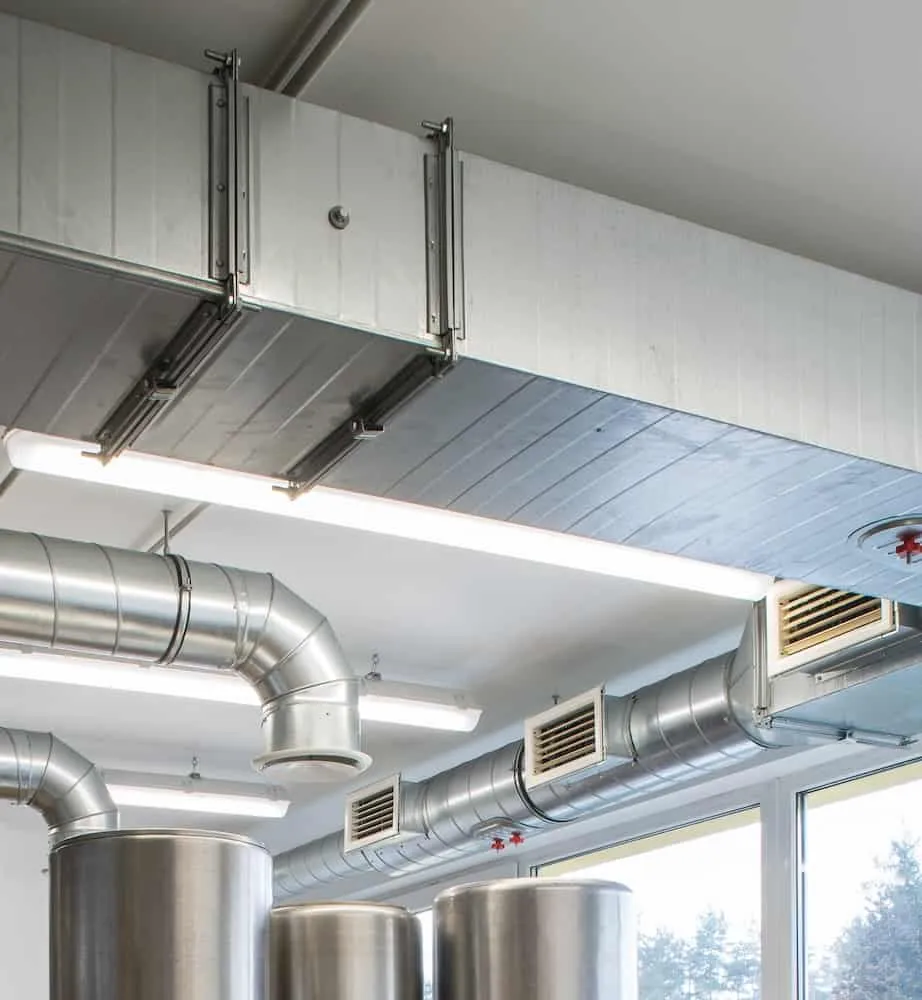
In the framework and critical connection points of ventilation systems, our blind rivets provide a stable mechanical locking structure, suitable for long-term operational environments, ensuring the reliability of the overall structure.
Not sure which Blind Rivets for Ventilation Systems fit your projects?
Share your material, thickness, and application — Rivmate engineers will recommend the exact rivet solution with optimal strength, airtight performance, and installation efficiency.
Recommended Rivets
Best Blind Rivet Types for Ventilation Systems
In ventilation and air distribution systems, different applications place varying demands on the performance of fasteners. Rivmate offers a wide range of Blind Rivets for Ventilation Systems to meet diverse requirements, including airtightness, strength and assembly efficiency.
Large Flange Rivets
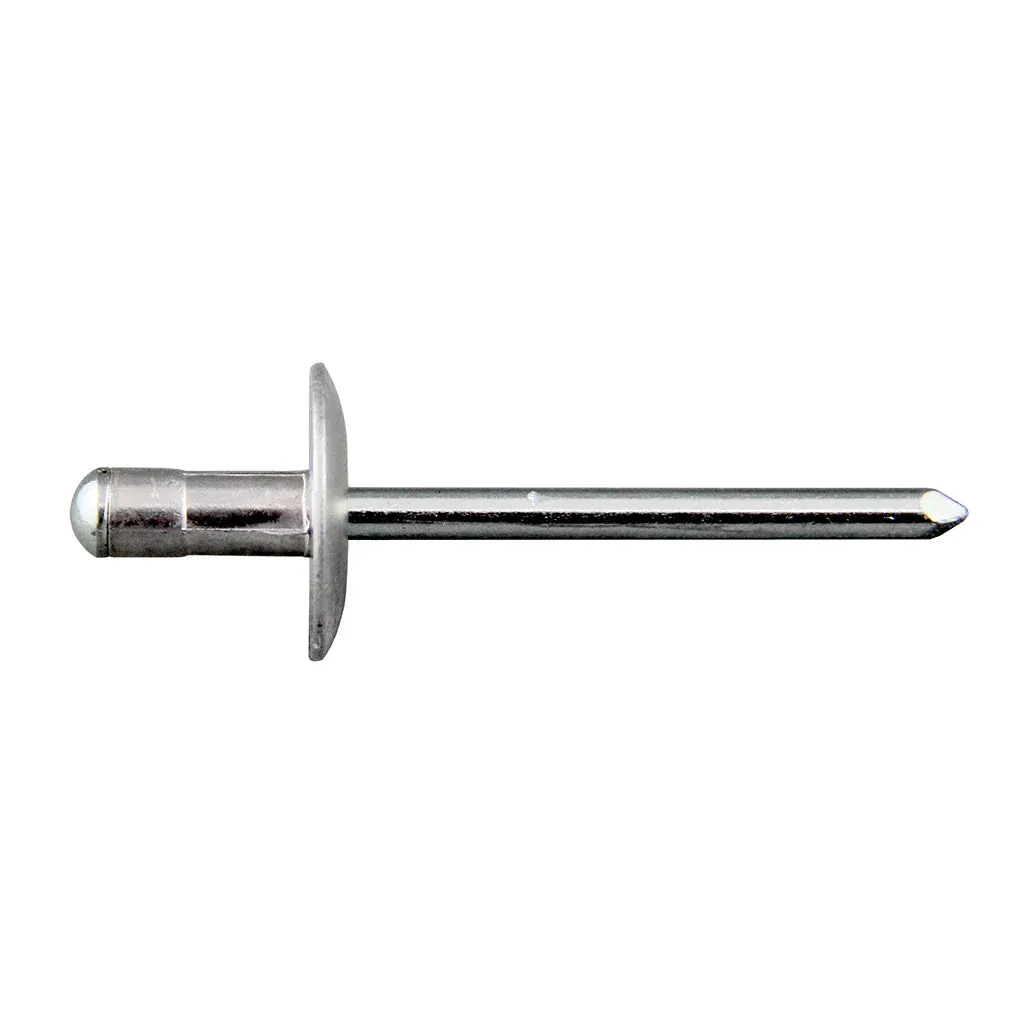
Suitable for thin-sheet structures, such as duct panel connections.
By increasing the load-bearing area, they effectively reduce the risk of deformation and improve connection stability.
Multi-Grip Rivets
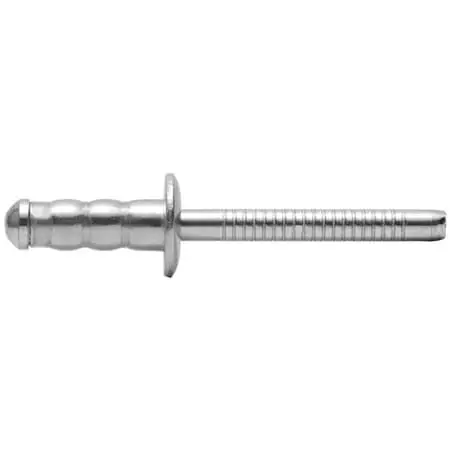
Suitable for structural connections where sheet metal thickness varies significantly.
Covers a wide range of thicknesses, reducing the number of required specifications and improving assembly efficiency.
Structural Rivets
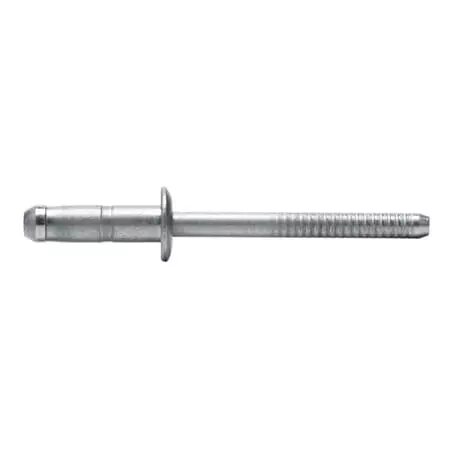
Suitable for critical structural joints requiring higher strength.
Offers superior tensile and shear resistance, making it suitable for long-term operational environments.
Sealed Rivets
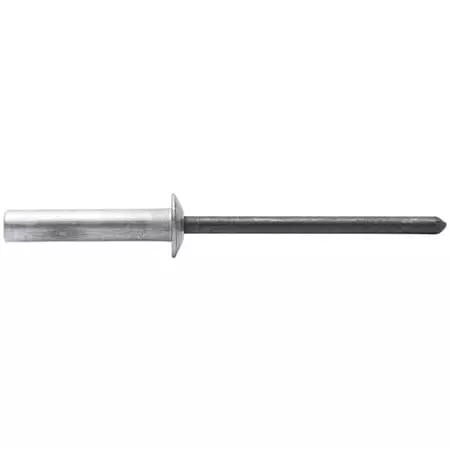
Suitable for connections in ventilation systems where high airtightness is required.
The sealed structure effectively reduces air leakage, enhancing the overall sealing performance of the system.
Choose Right Blind Rivets for Ventilation Systems
Rivmate offers professional Blind Rivets for Ventilation Systems selection support to help you quickly find the right solution for different applications.
| Application | Thickness | Rivet Type | Reason |
|---|---|---|---|
| Duct panels | 0.5–1.5 mm | Large flange | Increases the load-bearing area to prevent deformation of thin panels |
| Mixed structure | 1–3 mm | Multi-grip | Suitable for a range of thicknesses, improving assembly efficiency |
| Structural | 2–4 mm | Structural | Provides high-strength connections to ensure structural stability |

manufacturer
Performance of Blind Rivets in Ventilation Systems
In ventilation system applications, the quality of the joints directly affects structural stability and system efficiency. Rivmate’s Blind Rivets for Ventilation Systems, produced using consistent manufacturing processes and subject to rigorous quality control, deliver outstanding performance in terms of strength, airtightness and vibration resistance.
High Tensile Strength
Typical aluminium-steel structural rivets offer tensile strengths of 800–1200 N (depending on specification), making them suitable for ductwork structures and critical joints
High Shear Strength
Provides approximately 600–1000 N of shear strength, meeting the dynamic load requirements during ventilation system operation
Vibration Resistance
The mechanical locking mechanism effectively prevents loosening; compared to screw connections, the risk of loosening is reduced by approximately 90%
manufacturer
Rivmate Manufacturing Excellence
Cold Heading
Fully Automated Coating Line
IATF 16949
Rivmate employs a cold heading process to ensure high dimensional accuracy and consistent mechanical properties in its rivets, meeting the demands of high-strength fastening applications. Furthermore, utilising a fully automated coating production line, the company achieves standardised control of RAL colours, guaranteeing colour consistency across batches as well as uniform coating and reliable adhesion.
In terms of quality control, Rivmate has established a comprehensive QC system covering everything from raw materials and production processes to finished product inspection, ensuring that every batch of products meets performance standards. Our factory is certified to the IATF 16949 automotive quality management system, providing system-level assurance of long-term product stability and consistency.
OEM
Custom Rivet Solutions
Custom
Flange Diameter
You can request a larger or special flange size to better distribute load on composite panels.
02
Special
Surface Coatings
You can choose coatings for corrosion resistance, durability, or specific environmental conditions.
03
OEM &
Private Label Packaging
You can customize packaging with your brand, labels, and carton specifications for your market.
Need Help With Your Project?
FAQ: Blind Rivets for Ventilation Systems
Q1: Do blind rivets reduce air leakage in ventilation systems?
Yes. Rivmate’s Blind Rivets for Ventilation Systems, when used in conjunction with a sealed construction, effectively minimise air leakage caused by gaps in the joints, helping to improve the system’s airtightness and reduce energy loss.
Q2: How quick is installation using blind rivets for ventilation duct panels?
Using Rivmate’s blind rivets for ventilation duct panels, installation at a single point typically takes just 2–5 seconds, improving overall assembly efficiency by approximately 30%–50% compared to screw connections, making them suitable for large-scale construction projects.
Q3: Are blind rivets better than screws in ventilation systems?
In ventilation systems, blind rivets provide a more stable connection than screws. Rivmate’s Blind Rivets for Ventilation Systems create a permanent mechanical locking structure that is resistant to loosening and requires no subsequent maintenance, making them more suitable for long-term operational environments.
Q4: Can blind rivets be used in air distribution systems?
Yes. Rivmate’s blind rivets are widely used in air distribution systems, suitable for connecting various air duct structures whilst ensuring both airtightness and structural stability.
Q5: Do blind rivets require maintenance in ventilation systems?
Generally not. Rivmate’s Blind Rivets for Ventilation Systems form a stable, locked structure after installation, eliminating the need for periodic tightening as with screws, thereby reducing maintenance costs.
Q6: What type of blind rivets are best for ventilation systems?
Different types are recommended for different scenarios: wide-flange rivets are advised for duct panels, multi-grip rivets are suitable for complex structures, whilst sealed rivets are recommended for applications requiring airtightness. Rivmate can provide professional selection advice based on specific applications.