Rivets can rust, but not all of them do. Whether a rivet rusts depends primarily on the material used, the surface treatment, and the actual application environment.
| Rivet Material | Does It Rust? | Possible Corrosion | Typical Environment |
|---|---|---|---|
| Carbon Steel | Yes | Red rust caused by iron oxidation | Dry indoor or protected applications |
| Zinc-Plated Steel | Rust is possible after coating failure | Red rust may appear when the zinc coating is damaged or consumed | General industrial applications |
| Aluminum | No iron rust | Oxidation, pitting corrosion, or galvanic corrosion with dissimilar metals | Indoor, outdoor, and lightweight assemblies |
| 304 Stainless Steel | Highly corrosion resistant | Pitting or crevice corrosion may occur in harsh environments | Humid environments and general outdoor applications |
| 316 Stainless Steel | Higher chloride resistance | Still not completely corrosion-proof under extreme chemical exposure | Coastal areas, marine applications, and demanding outdoor environments |
| Copper | No red rust | Tarnishing or natural patina formation | Electrical and decorative applications |
| Monel | No conventional rust | Corrosion may occur in specific chemical environments | Marine and highly demanding applications |
Do All Rivets Rust?
Rusting is primarily caused by the formation of iron oxide resulting from a chemical reaction between the iron in iron or steel and the oxygen and moisture in the air.
Whether a rivet rusts depends mainly on its material composition—specifically, whether the material contains iron.
- Steel rivets will develop red rust in humid environments.
- Aluminum, copper, and Monel do not develop red rust in the traditional sense, though they may undergo other forms of corrosion in specific chemical environments.
- Stainless steel rivets offer good corrosion resistance; however, pitting or crevice corrosion can still occur in high-salinity or chloride-containing environments.
What Is the Difference Between Rust and Corrosion?
- Rust is the iron oxide formed on iron and ferrous materials; it is a form of corrosion.
- Corrosion encompasses all forms of degradation that can affect metals; it includes rust.
Key Differences Between Rust and Corrosion
| Comparison Item | Rust | Corrosion |
|---|---|---|
| Definition | The formation of iron oxides and related corrosion products on iron or iron-containing alloys. | The chemical or electrochemical deterioration of a metal caused by interaction with its environment. |
| Applicable Materials | Primarily affects iron, carbon steel and other iron-containing alloys. | Can occur on steel, stainless steel, aluminum, copper, nickel alloys and many other metals. |
| Relationship | Rust is one specific form of corrosion. | Corrosion is the broader term covering many forms of metal deterioration. |
| Typical Appearance | Red, orange or reddish-brown corrosion deposits. | May appear as red rust, white oxidation, pitting, discoloration, tarnishing or green patina. |
| Blind Rivet Examples | A carbon steel blind rivet may develop red rust after exposure to moisture and oxygen. | An aluminum rivet may suffer pitting, while a stainless steel rivet may experience crevice corrosion. |
Which Rivet Materials Rust?
Iron-based materials, such as carbon steel and low-carbon steel, may develop red rust; aluminum, copper, and Monel do not form red rust but may still undergo oxidation, pitting, galvanic corrosion, or other forms of corrosion.
Do Steel Rivets Rust?
Yes, steel rivets will rust. In humid environments, steel rivets undergo electrochemical corrosion, gradually forming red or reddish-brown corrosion products.
Steel blind rivets are more prone to rusting in the following environments:
- Prolonged exposure to moisture;
- Outdoor exposure to rain;
- Coastal areas with salt spray;
- High-temperature and high-humidity conditions;
- Environments with industrial pollution;
- Contact with acids, alkalis, or chloride-containing media;
- Joint locations where water tends to accumulate.
Do Aluminum Rivets Rust?
Aluminum rivets do not rust, but they can experience other forms of corrosion. Aluminum forms an aluminum oxide film when exposed to air, which slows further corrosion of the underlying metal.
Aluminum rivets may encounter the following issues:
- Surface oxidation
- Pitting corrosion
- Galvanic corrosion
- Corrosion of the steel mandrel
Do Stainless Steel Rivets Rust?
While stainless steel rivets do not rust, they can still be subject to other forms of corrosion. Stainless steel contains a certain proportion of chromium; when this chromium comes into contact with oxygen, a very thin passivation layer forms on the material’s surface. This layer enhances the stainless steel’s corrosion resistance.
Common forms of corrosion affecting stainless steel rivets include:
- Pitting corrosion
- Crevice corrosion
- Galvanic corrosion
Do Copper Rivets Rust?
Copper rivets do not rust. However, they may be subject to other forms of corrosion:
- Galvanic corrosion
- Corrosion caused by specific chemical media
Do Monel Rivets Rust?
Monel rivets do not rust. Monel is a nickel-copper alloy primarily composed of nickel and copper; it exhibits excellent resistance to corrosion from seawater, salt spray, and various industrial media.
However, Monel may still undergo corrosion in certain highly oxidizing media or unsuitable chemical environments.
Why Do Blind Rivets Rust?
The rusting of blind rivets is not due to the quality of the rivets themselves. A blind rivet consists of a rivet body and a mandrel; in actual riveting applications, rusting results from the combined effects of factors such as rivet material, surface treatment, the joint structure, and the operating environment.
The primary causes of rust on blind rivets include:
- Use of steel materials for the rivet body or mandrel
- Abrasion or failure of the galvanized coating
- Prolonged exposure to moisture
- High humidity and salt spray accelerating the rusting process
- Scratches on the rivet surface caused by burrs in the installation hole
- Inadequate protection of the mandrel’s break point
- Exposure to moisture during storage and transportation
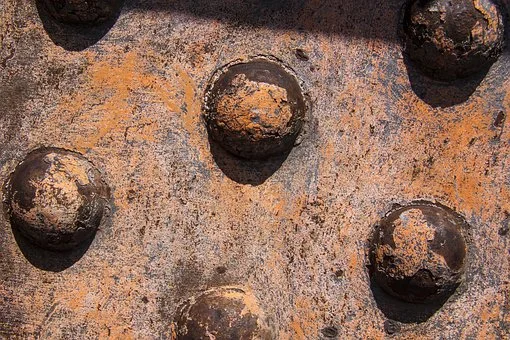
Does the Rivet Body or Mandrel Rust First?
Depending on the combination of materials, either the rivet body or the mandrel may develop red rust first. Which component rusts first depends primarily on:
- the specific materials used for each component;
- whether the surface has undergone galvanizing or other anti-rust treatments;
- which part is more exposed to moisture after riveting;
- which part’s protective coating is damaged first during installation.
Which Part of a Blind Rivet Is More Likely to Develop Red Rust First?
| Blind Rivet Material Combination | Can the Rivet Body Develop Red Rust? | Can the Mandrel Develop Red Rust? | Where Is Red Rust More Likely to Appear First? | Explanation |
|---|---|---|---|---|
| Aluminum Body + Zinc-Plated Steel Mandrel | Usually No | Possible | Mandrel break area or center of the rivet head | This is the most common combination in which red rust first appears at the center of the installed rivet. |
| Aluminum Body + Stainless Steel Mandrel | Usually No | Generally Unlikely | Conventional red rust is generally unlikely | This combination is suitable for aluminum assemblies requiring better resistance to visible red rust. |
| Steel Body + Zinc-Plated Steel Mandrel | Possible | Possible | Depends on where the zinc coating is damaged first | Both the rivet body and mandrel should be inspected because either steel component may develop red rust. |
| Stainless Steel Body + Steel Mandrel | Generally Unlikely | Possible | Center of the rivet head | A stainless steel rivet body cannot prevent an ordinary steel mandrel from developing red rust. |
| Stainless Steel Body + Stainless Steel Mandrel | Generally Unlikely | Generally Unlikely | Conventional red rust is generally unlikely | This combination provides high rust resistance, although iron contamination and severe environments should still be avoided. |
| Copper Body + Steel Mandrel | No Conventional Red Rust | Possible | Mandrel break area or center of the rivet head | Visible red rust normally comes from the steel mandrel, rather than the copper rivet body. |
| Aluminum Body + Aluminum Mandrel | No Conventional Red Rust | No Conventional Red Rust | No steel-type red rust | Neither component produces traditional red rust, although the aluminum surface may still oxidize or change in appearance. |
Why Is Rust Coming From an Aluminum Rivet?
The term “aluminum rivet” simply indicates that the rivet body is made of aluminum, whereas the mandrel may be made of aluminum, steel, or stainless steel. While the aluminum rivet body will not develop red rust, the rivet will rust if the mandrel is made of steel.
Based on our experience with actual projects, you can take the following measures for applications requiring high levels of rust resistance:
- Select rivets with an aluminum body and an aluminum or stainless steel mandrel
- Verify the surface treatment and rust resistance specifications of the mandrel
- Consider using sealed-type blind rivets for outdoor applications
- Prevent moisture from entering through the mandrel channel
- Employ appropriate sealing measures under the rivet head
How Does Galvanic Corrosion Affect Riveted Joints?
When two dissimilar metals come into direct contact in an environment containing conductive liquids—such as moisture or salt spray—a tiny electrochemical circuit is formed. The more reactive metal undergoes degradation.
Three necessary conditions for galvanic corrosion to occur:
- Two metals with different electrochemical properties;
- Direct conductive contact between the two metals;
- The presence of moisture, saltwater, or another electrolyte at the connection point.
In riveting, galvanic corrosion occurs not only at the interface between the rivet and the workpiece but also between the materials of the rivet body and the mandrel.
To reduce galvanic corrosion in riveted joints, we recommend that you take the following measures:
- Prioritize the use of identical or similar materials
- Isolate the two metals
- Seal the rivet joint
- Prevent water accumulation
How Long Does It Take for Rivets to Rust?
Rivets made from combinations of different materials rust at varying rates. The actual rate of rusting depends primarily on:
- the materials of the rivet body and mandrel;
- the type and quality of the surface treatment;
- whether the coating is scratched;
- the duration of exposure to moisture;
- salt content in the environment;
- whether the installation location is prone to water accumulation;
- storage, transportation, and installation conditions.
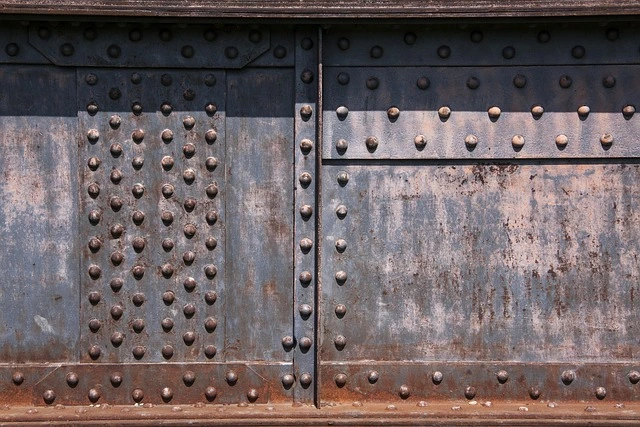
Note: Time to first appearance of red rust” and “effective service life of the riveted connection” are not the same indicator.
How to Prevent Rivets From Rusting
The most effective way you can prevent blind rivets from rusting is not to rely on a single measure, but to establish a comprehensive anti-rust strategy that addresses the issue from multiple angles simultaneously.
1. Select the appropriate rivet material based on the operating environment
Dry indoor environments: You can use standard zinc-plated steel blind rivets.
Humid or general outdoor environments: You can choose an aluminum body with a stainless steel mandrel, or a stainless steel body with a stainless steel mandrel.
Coastal, salt-spray, or marine environments: You should consider stainless steel rivets or Monel rivets.
2. Confirm the materials for both the rivet body and the mandrel.
For applications requiring high corrosion resistance, we recommend the following material combinations:
- Aluminum rivet body + aluminum mandrel;
- Aluminum rivet body + stainless steel mandrel;
- Stainless steel rivet body + stainless steel mandrel.
3. Selecting the Appropriate Surface Treatment for Steel Rivets
If your project requires steel blind rivets, we recommend applying a suitable surface treatment to both the rivet body and the mandrel.
Common surface treatment methods include:
- Zinc plating;
- Zinc-nickel coating;
- Passivation;
- Sealants or topcoats;
- Painting or powder coating.
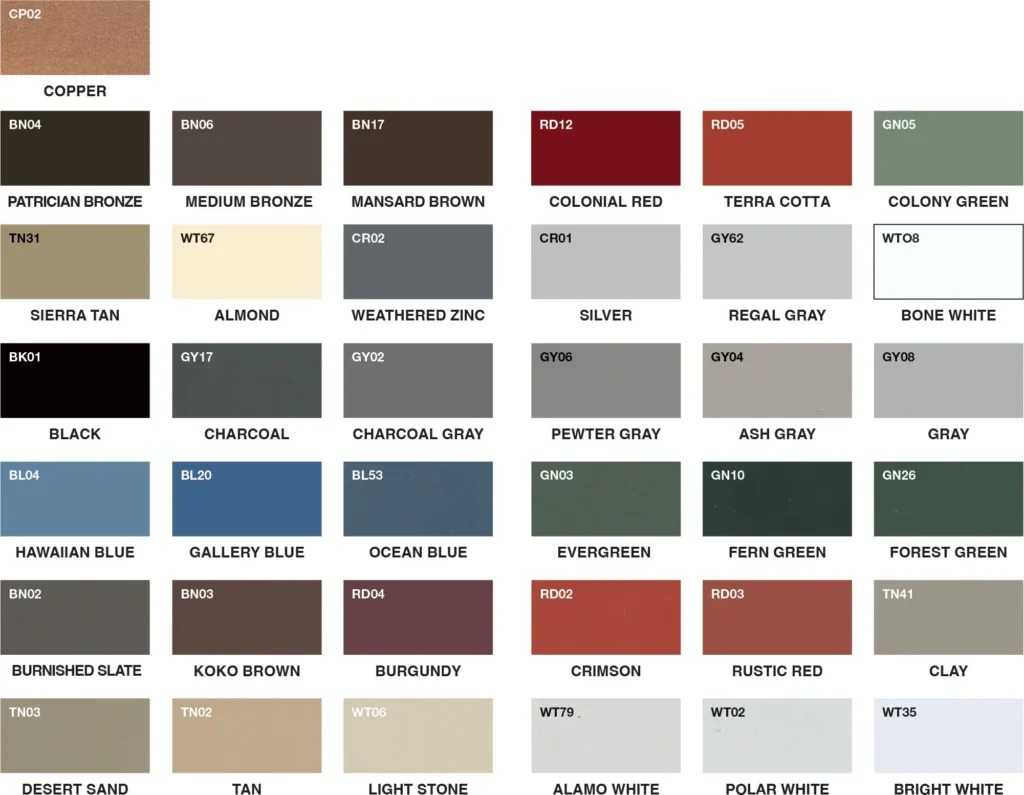
4. Preventing moisture ingress into the rivet
To provide protection against exposure to rain or condensation, the following methods can be employed:
- Use of closed-end blind rivets;
- Waterproof or splash-proof blind rivets;
- EPDM sealing washers;
- Sealant applied under the rivet head;
- Sealing of the mating surfaces;
- Sealing of the installation hole.

5. Select the correct grip range and properly machine the mounting holes.
An unsuitable grip range or incorrectly machined mounting holes can create gaps, making it easier for moisture to penetrate the workpiece and cause rust.
Therefore, before installation, ensure the following:
- Machine the hole diameter according to the rivet manufacturer’s specifications;
- Remove burrs and metal shavings from the hole edges;
- The grip range must match the total thickness of the materials being joined.
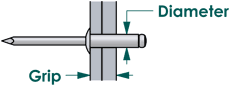
6. Use the correct rivet gun and installation method.
Observe the following during installation:
- Use a nosepiece that matches the rivet diameter;
- Keep the rivet gun perpendicular to the workpiece surface;
- Avoid tilting the rivet;
- Periodically check the nosepiece for wear;
- Avoid severe scratching of the rivet head by the nosepiece;
- Ensure the mandrel breaks off correctly;
- Check that the rivet head sits flush against the workpiece.
7. Ensure moisture protection during packaging, transportation, and storage
Based on our project experience, some rivets do not rust only after installation; they can become affected by moisture during storage and transportation.
Avoid the following:
- Damaged packaging;
- Cardboard boxes in direct contact with damp floors;
- Prolonged high humidity in the warehouse;
- Condensation inside shipping containers;
- Exposure to rain;
- Prolonged exposure to humid air after the packaging has been opened.
How to Choose Rust-Resistant Rivets by Application
Rust-Resistant Rivet Selection Guide by Application
| Application Environment | Recommended Rivet Materials | Key Considerations |
|---|---|---|
| Dry Indoor Applications | Zinc-Plated Steel Body + Zinc-Plated Steel Mandrel | Prevent moisture exposure during storage and avoid scratching the protective coating during installation. |
| Humid Indoor or Condensation-Prone Environments | Aluminum Body + Stainless Steel Mandrel, or Stainless Steel Body + Stainless Steel Mandrel | Check the mandrel material carefully and prevent water from entering or remaining inside the installed rivet. |
| General Outdoor Applications | Aluminum Body + Stainless Steel Mandrel, 304 Stainless Steel Rivets, or Steel Rivets with a Proven Protective Coating | Protect exposed hole edges and provide suitable sealing and drainage around the riveted joint. |
| Metal Roofing and Facade Systems | Aluminum Body + Stainless Steel Mandrel, All-Stainless Steel Rivets, or Color-Coated Rivets | Consider color matching, water resistance and material compatibility at the same time. |
| Coastal and Salt-Spray Environments | 316 Stainless Steel, Monel, or Other Suitable Corrosion-Resistant Alloys | Ordinary zinc-plated steel rivets are generally unsuitable for long-term direct exposure to salt spray. |
| Automotive and Road Equipment | Structural Steel Rivets with High-Performance Protective Coatings, or Stainless Steel Structural Rivets | Rust resistance must be evaluated together with strength, fatigue resistance and vibration performance. |
| Food Processing Equipment | 304 or 316 Stainless Steel Body + Stainless Steel Mandrel | Select the stainless steel grade according to the cleaning chemicals, chloride exposure and hygiene requirements. |
| Chemical Processing Environments | Stainless Steel or Special Alloys Selected According to the Specific Chemical Medium | Confirm the chemical type, concentration, operating temperature and exposure duration before selection. |
Note: This table provides preliminary selection guidance only. Final rivet selection must also consider the workpiece material, required shear and tensile strength, grip range, sealing requirements, design life and applicable project standards.
How Is Rivet Corrosion Resistance Tested?
The corrosion resistance of rivets is evaluated through professional testing procedures; common tests include salt spray testing, coating thickness measurement, and surface quality inspection.
Salt Spray Testing
Salt spray testing is one of the most common methods for evaluating the surface protective performance of rivets.
Common standards include ISO 9227 and ASTM B117.
Key aspects examined during the salt spray test include:
- When white corrosion products appear on the rivet surface;
- When red or reddish-brown rust appears;
- The specific location where red rust first emerges;
- Whether the coating exhibits blistering, peeling, or significant discoloration;
- Whether the fracture point of the mandrel rusts before the rivet body;
- Whether rust appears earlier in the deformation zone caused by riveting compared to other areas.
Presented below is a neutral salt spray test report for a Rivmate product. The test samples consisted of five all-steel, round-head, internal-locking blind rivets (specification: 6.4 × 14; part number: N300017). The test was conducted in accordance with GB/T 10125-2021, with technical requirements specifying no white rust after 48 hours and no red rust after 96 hours. The test results met these requirements, and the product was ultimately deemed compliant.
Salt Spray Test Report
Jiangsu Huasheng Fastener Manufacturing Co., Ltd.
| Report Item | Report Details | ||
|---|---|---|---|
| 1. Report Information | |||
| Document Code | WS/QR-SYS-008 | Report Number | YW20260124-1 |
| Page | Page 1 of 1 | Report Type | Salt Spray Test Report |
| Testing Company | Jiangsu Huasheng Fastener Manufacturing Co., Ltd. | ||
| 2. Product and Sample Information | |||
| Part Name | All-Steel Round-Head Internal-Locking Blind Rivet | Part Number | N300017 |
| Specification | 6.4 × 14 | Sample Quantity | 5 pcs |
| Requester | Huang Daozhi | Customer Organization | / |
| Received Date | January 20, 2026 | Completion Date | January 24, 2026 |
| 3. Test Equipment and Standard | |||
| Test Equipment | Salt Spray Test Chamber | Calibration Valid Until | January 1, 2027 |
| Test Standard | GB/T 10125-2021, Corrosion Tests in Artificial Atmospheres — Salt Spray Tests | ||
| 4. Neutral Salt Spray Test Conditions | |||
| Test Parameter | Specified Range | Actual Value | |
| pH Value of Collected Solution | 6.5–7.2 | 6.90 | |
| Spray Air Pressure | 0.07–0.17 MPa | 0.11 MPa | |
| Test Chamber Temperature | 33–37°C | 35.00°C | |
| Saturation Barrel Temperature | 46–50°C | 47.00°C | |
| Salt Solution Collection Rate | 1–2 ml/80 cm²·h | 1.50 ml/80 cm²·h | |
| 5. Test Requirements and Results | |||
| Test Item | Neutral Salt Spray Test | Technical Requirement | No white rust after 48 hours and no red rust after 96 hours |
| Test Result | No white rust after 48 hours and no red rust after 96 hours | ||
| 6. Test Inspection Records | |||
| Exposure Time | Inspection Item | Recorded Result | |
| 24 Hours | White Rust Inspection | ✓ No White Rust | |
| 48 Hours | White Rust Inspection | ✓ No White Rust | |
| 72 Hours | Red Rust Inspection | ✓ No Red Rust | |
| 96 Hours | Red Rust Inspection | ✓ No Red Rust | |
| 7. Test Pictures | |||
| Before Test | Sample photograph shown in the original report | After Test | Sample photograph shown in the original report |
| 8. Final Judgement | |||
| Judgement | PASS | Judgement Date | January 24, 2026 |
| Conclusion | The tested blind rivet samples met the specified requirement of no white rust after 48 hours and no red rust after 96 hours under the recorded neutral salt spray test conditions. | ||
| Remarks | No remarks stated in the original report. | ||
| 9. Report Authorization | |||
| Prepared By | Signed on the original report | Reviewed By | Signed on the original report |
| Approved By | Signed on the original report | ||
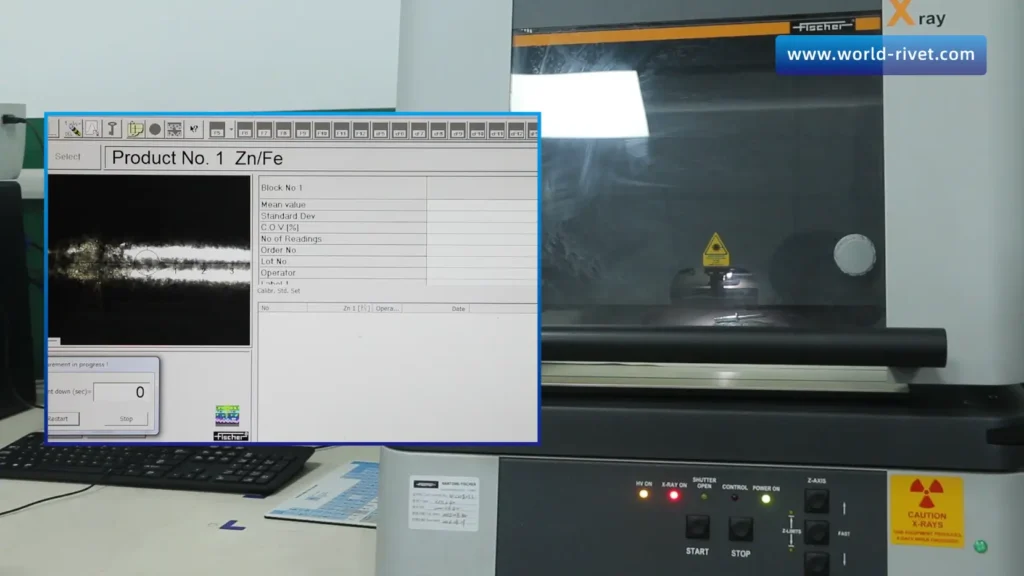
Coating Thickness and Surface Inspection
By examining coating thickness and surface conditions, one can determine why the rivets are rusting prematurely.
Common methods for measuring coating thickness include:
1. Magnetic thickness measurement
2. Eddy current thickness measurement
3. X-ray fluorescence thickness measurement
Surface inspections cover coating integrity and installation-related damage, focusing on the following:
- Uniformity of the coating color;
- Presence of uncoated areas or exposed steel;
- Presence of scratches, dings, or indentations;
- Presence of blistering, peeling, or flaking;
- Completeness of coating coverage at the rivet head edges;
- Roughness of the rivet body surface;
- Presence of red rust on the mandrel;
- Presence of moisture or corrosion products within the packaging.
When Should Rusted Rivets Be Replaced?
When a rivet rusts, minor surface rust affects only its appearance and does not necessarily mean the riveted connection has failed.
The decision on whether you replace a rusted rivet depends on:
Whether the corrosion has compromised the rivet’s structural integrity, clamping force, load-bearing capacity, or sealing function.
Rusted Rivet Quick Decision Guide
| Inspection Result | Recommended Action | Reason |
|---|---|---|
| Minor surface rust, with the rivet remaining complete and firmly installed | Clean the surface, restore protection and increase inspection frequency | The rust may currently affect only the surface, but the original protective layer has already started to fail. |
| Red rust quickly returns after cleaning | Identify the source of moisture and consider replacing the rivet | The internal steel mandrel or exposed steel substrate may be continuing to rust. |
| The rivet can rotate, or the joined materials have become loose | Replace the rivet and inspect the installation hole | The riveted joint has lost its normal clamping condition. |
| The rivet head is visibly thinner, damaged or flaking | Replace the rivet | The effective load-bearing cross-sectional area may have been reduced. |
| Cracks appear in the rivet head, body or formed blind-side head | Replace the rivet immediately | The structural integrity of the rivet has already been compromised. |
| The installation hole has enlarged, or the surrounding material is damaged | Repair the workpiece before installing a new rivet | Replacing only the rivet may not restore a secure and reliable joint. |
| The riveted joint is leaking water or air | Remove the rivet, inspect the joint and reseal it | The fastening or sealing function of the joint has failed. |
| Obvious rust is found in a structural or safety-critical joint | Stop using the assembly and arrange an engineering assessment | Visual inspection alone cannot accurately determine the remaining strength of the joint. |
Conclusion: Do Rivets Rust and Which Material Should You Choose?
In general, whether a rivet will rust depends on several factors, such as the materials of the rivet body and mandrel, the surface treatment, and the actual operating environment.
For dry indoor applications, we recommend that you use zinc-plated steel rivets; for outdoor or humid environments, aluminum or stainless steel is preferable. In marine environments, materials such as stainless steel or Monel should be selected.
Additionally, you must consider factors such as joint strength, the material of the workpieces, and sealing requirements to ensure long-term connection stability.
FAQ About Rivet Rust and Corrosion
Why Is There Red Rust on an Aluminum Rivet?
The term “aluminum rivet” indicates only that the rivet body is made of aluminum; the mandrel may be made of steel or another iron-containing material, which can lead to the formation of red rust.
Red rust can also appear if the rivet surface is contaminated with iron filings.
Are Closed-End Rivets Rust-Proof?
No. Rivet rusting is unrelated to the rivet’s structural design; instead, it depends on the materials of the rivet body and mandrel, the surface treatment, and the operating environment.
Even steel sealed-type rivets can rust in humid environments. If you perform the riveting process imprecisely—resulting in gaps at the joint—or if the surface coating is damaged, moisture can still penetrate the connection.
How Many Hours of Salt Spray Testing Are Enough?
There is no single prescribed value for rivet salt spray testing; requirements depend on the specific rivet specifications and the acceptance criteria stipulated by the customer.
24/48/72 hours: Suitable for standard galvanized rivets or preliminary verification for general industrial environments.
96/120/200 hours: Suitable for evaluating applications such as outdoor equipment, metal enclosures, and HVAC systems.
500 hours or more: Suitable for projects involving high-corrosion-resistance coatings, stainless steel rivets, or applications in automotive, solar, coastal, or harsh environments.
Can Rusted Rivets Be Repaired?
Through long-term production experience, we have found that rivets with minor rust—where the stability of the connection remains unaffected—can be repaired.
However, rivets suffering from severe rust or corrosion cannot be repaired; as their residual load-bearing capacity is unknown, replacement should be considered.
Work with a IATF 16949 Certified Blind Rivet Manufacturer
Get High Quality Rivets Instead of Huck and Avdel Rivets
Rivmate Rivet
Rivmate is one of top 3 blind rivets manufacturers in china. The company is IATF 16949 certified and offers high-strength structural blind rivets that serve as alternatives to Huck and Avdel products.
Explore Rivmate Cases
Rivmate Rivet
Rivmate is one of top 3 blind rivets manufacturers in china. The company is IATF 16949 certified and offers high-strength structural blind rivets that serve as alternatives to Huck and Avdel products.

Hey There, I'm Allen!
I am the founder of Rivmate. For over two decades, we have specialized in the manufacture of blind rivets, providing our customers with reliable riveting solutions. Need riveting services? Feel free to contact us.