The key difference between structural rivets and standard pop rivets lies in the load-bearing capacity of the rivet. Structural rivets are a type of pop rivet. Both can fasten two or more layers of material together. The difference is that structural pop rivets can withstand higher or more sustained structural loads than standard pop rivets.
What Is a Structural Rivet?
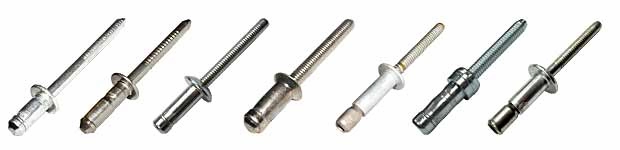
Like standard pop rivets, structural rivets can be installed from one side of the workpiece. Structural rivets are better suited for high-strength joints that must withstand high tensile forces, shear forces, and vibration loads. Structural rivets secure two metal panels together, providing long-term stability to the joint under sustained loads or continuous vibration. In practical applications, structural pop rivets are widely used in truck bodies, trailers, automotive components, industrial equipment, solar mounting systems, and other joints subject to heavy loads or continuous vibration.
A standard blind rivet is a permanent mechanical fastener that can be installed from one side of a sheet metal panel. Unlike structural rivets, it is not suitable for high-load structural connections. Standard blind rivets are better suited for general thin-sheet connections and non-structural fastening.
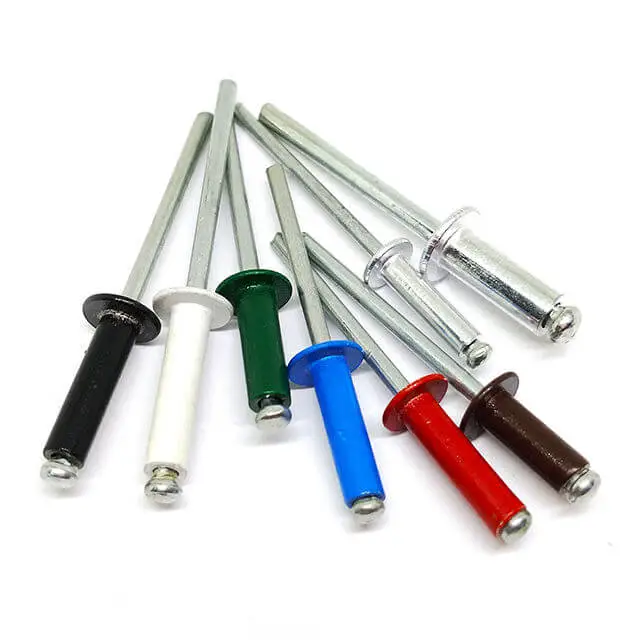
For example, among the various types of standard rivets manufactured by Rivmate, the Open-End Blind Rivet is a common option. The Open-End Blind Rivet features a simple design, quick installation, and low cost. It is used in many everyday applications, including metal enclosures, ventilation ducts, household appliances, signage, chassis, and general sheet metal components.
Is a Structural Rivet Also a Blind Rivet?
Generally speaking, structural rivets are a type of blind rivet, but not all structural rivets are blind rivets.
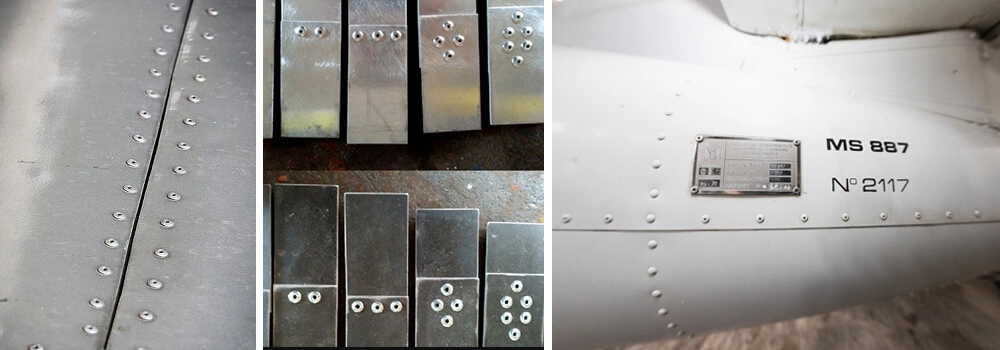
What is the relationship between a structural rivet and a blind rivet?
The key factor in determining the suitability of a blind rivet is whether it can be installed from a single side of the workpiece. A blind rivet works by pulling the central mandrel to expand the rivet body on the back side and clamp the material. The installer does not need to access the back of the workpiece. This advantage makes blind rivets particularly suitable for enclosed enclosures, tubing, and structures that can only be accessed from one side.
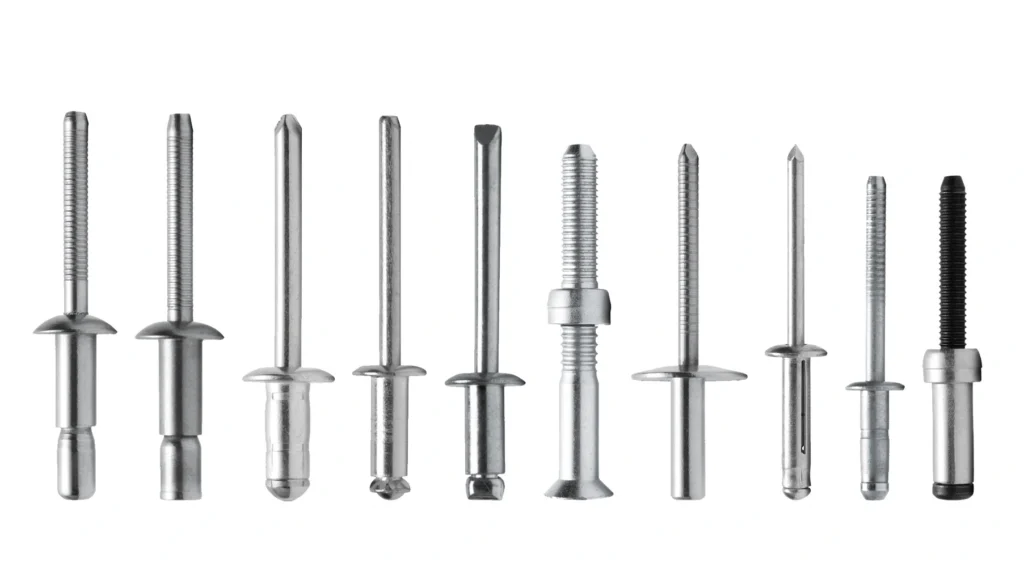
Different Types of Blind Rivets:
- Standard open-end blind rivets;
- Closed-end blind rivets;
- Multi-grip blind rivets;
- Structural blind rivets;
- Other special-purpose blind rivets.
The term “structural rivet” not only refers to structural blind rivets but also broadly encompasses other high-strength riveted fasteners used for load-bearing connections. For example, some common traditional solid rivets or other structural riveting systems can bear structural loads. However, these “structural rivets” do not utilize the blind rivet installation principle and do not support single-side installation. Therefore, strictly speaking, not all “structural rivets” are necessarily blind rivets. You must examine the fastener’s structure, installation principle, and product specifications to determine this.
Structural Differences Between Structural Rivets and Standard Blind
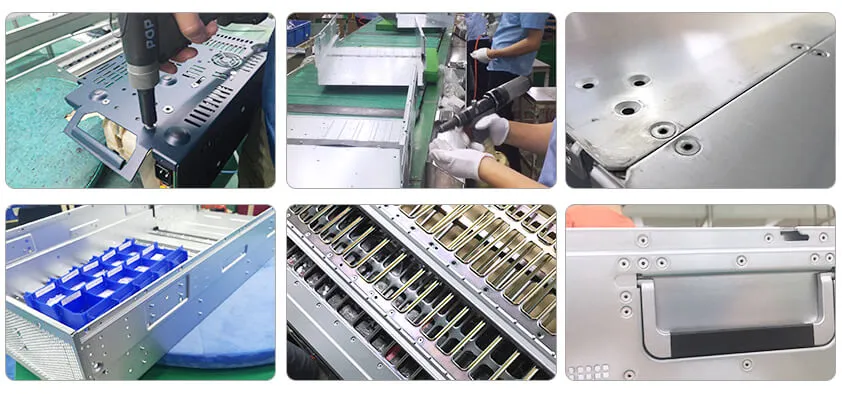
1. The roles of the respective mandrels in the connection differ
The primary function of the mandrel in a blind rivet is to form the rivet body during the riveting process. After riveting, the mandrel breaks at a predetermined breaking point and does not bear the load of the connection. In a structural blind rivet, the mandrel not only facilitates the installation of the rivet but is also reliably locked inside the rivet body. The mandrel participates in load-bearing after installation is complete.
2. Structural rivets feature a mechanical locking mechanism
Structural blind rivets have a specially designed mandrel locking system. After installation, the locking mechanism secures the remaining mandrel inside the rivet body, reducing the risk of mandrel loosening. Standard open-end blind rivets lack a high-strength mechanical locking mechanism. Their load-bearing capacity is lower than that of structural rivets.
3. Different Deformation Mechanisms of the Rivet Body
During installation, a standard blind rivet pulls the rivet body via the mandrel head, causing the tail end of the rivet body to expand or flare. This deformation mechanism forms a back head and clamps the material. Structural blind rivets employ a bulging or expansion deformation mechanism.
4. Differences in Hole-Filling Capability
During installation, standard blind rivets undergo a certain degree of radial expansion, which is primarily responsible for forming the back head and clamping the sheet metal. In contrast, the body of a structural blind rivet expands outward during installation, reducing the gap between the rivet body and the hole wall, thereby enhancing its hole-filling capability.
5. Different Load-Bearing Mechanisms Formed by the Rivet Body and Mandrel
In standard blind rivets, the mandrel breaks off at a predetermined break point after riveting. However, in structural blind rivets, the rivet body and the retained mandrel work together to resist failure and provide load-bearing capacity.
Structural Rivet vs Blind Rivet Strength Comparison
| Comparison Item | Structural Blind Rivet | Standard Blind Rivet |
|---|---|---|
| Primary Design Objective | Withstand higher loads and continuous vibration | Provide fast and economical general fastening |
| Shear Strength | Usually higher | Generally meets standard assembly requirements |
| Tensile Strength | Usually higher | Depends on the material, diameter, and head style |
| Mandrel Function | Usually locked in place and contributes to load bearing | Primarily used to deform and set the rivet body |
| Hole-Filling Capability | Usually better | Standard |
| Vibration Resistance | Usually better | Suitable for low- to medium-vibration environments |
| Blind-Side Formation | Usually larger or more stable | Usually forms a simple blind-side head |
| Typical Applications | Vehicles, equipment frames, and load-bearing joints | Enclosures, panels, and general sheet-metal fastening |
Vibration and Fatigue Performance of Structural Rivets vs Blind Rivets
Why Are Structural Blind Rivets More Vibration-Resistant?
- The mandrel is securely locked in place
After a structural blind rivet is set, part of the mandrel is secured within the rivet body through internal locking, external locking, or interference locking. This effectively reduces the risk of the mandrel shifting or falling out in high-vibration environments. In contrast, standard blind rivets clamp the sheet metal through expansion and deformation after riveting, leaving the mandrel broken and non-load-bearing.
- Superior hole-filling capability
Structural blind rivets, such as Interlock, improve hole filling through radial expansion of the rivet body, reducing sheet metal movement and forming a vibration-resistant joint.
- More Stable Clamping Force
Some structural blind rivets offer higher clamping force and superior sheet metal tightening capability compared to standard blind rivets. They effectively resist vibration and joint slippage.
- More Stable Back-Side Forming
After riveting, structural blind rivets form a larger, controlled back-side bulge or expansion structure. This effectively increases the load-bearing area on the back side and distributes concentrated pressure on the sheet metal.
Why do structural blind rivets typically offer better fatigue performance?
- Structural blind rivets fill the installation hole more completely
- Structural blind rivets reduce relative slippage between sheet metal panels
- Structural blind rivets maintain a more stable clamping force
- Structural blind rivets form a complete load-bearing cross-section by locking the mandrel
- The deformation mechanism of structural blind rivets increases the load-bearing area on the back side
- Structural blind rivets improve load transfer between the rivet and the sheet metal
Grip Range Comparison of Structural Rivets and Standard Blind Rivets
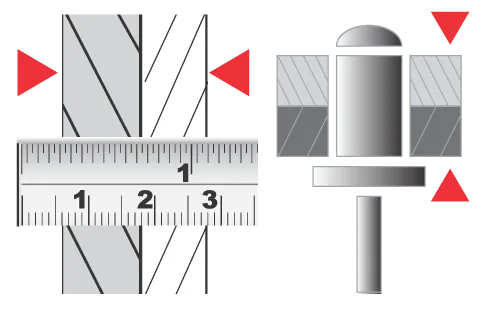
For the same diameter, some structural blind rivets feature a multi-grip design, such as the Interlock Blind Rivet and the Monobolt Blind Rivet. A single structural blind rivet can accommodate a wider range of sheet thicknesses and reduce the number of required specifications. In contrast, blind rivets require a more precise match to the sheet thickness. For example, standard open-end pop rivets require selecting rivets of different lengths based on the total sheet thickness.
Sealing Performance of Structural Rivets vs Standard Blind Rivets
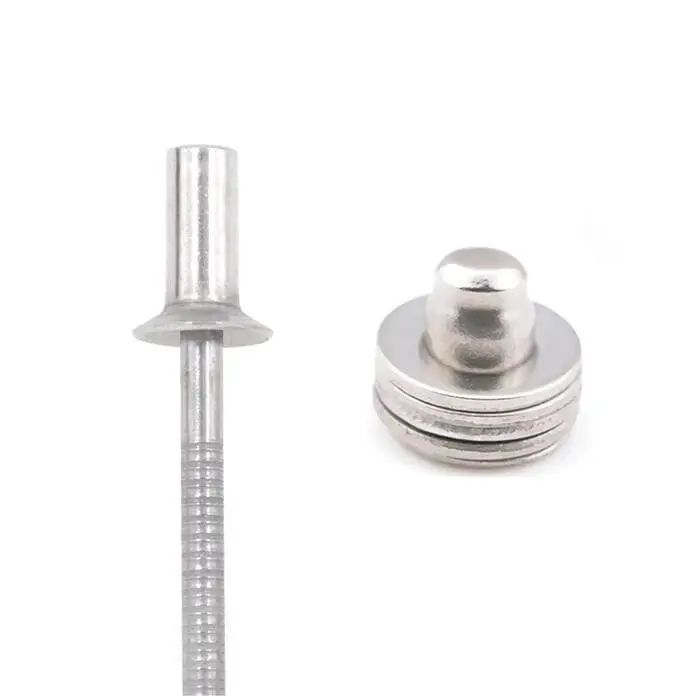
Structural blind rivets are not necessarily more airtight than standard blind rivets.
Structural blind rivets generally offer superior hole-filling capability and a stable clamping structure. They effectively reduce gaps between the hole walls, allowing the rivet head to fit more tightly against the sheet metal.
However, if a structural blind rivet features an open rivet body or if the mandrel position lacks a dedicated sealing design, external liquids and dust can still penetrate the interior.
Conversely, a non-structural, closed-body blind rivet may offer better sealing performance than an open-structure structural blind rivet. The closed rivet body itself can prevent liquids from passing through the interior, whereas standard open-structure products typically cannot provide a complete seal.
| Comparison Item | Structural Blind Rivet | Standard Blind Rivet |
|---|---|---|
| Common Rivet Body Materials | Aluminum alloy, carbon steel, and stainless steel | Aluminum alloy, carbon steel, stainless steel, copper, and nickel-copper alloy |
| Common Mandrel Materials | High-strength steel, stainless steel, or a material matched to the rivet body | Steel, stainless steel, aluminum, and other materials |
| Material Design Focus | Strength, mandrel-lock reliability, vibration resistance, and long-term load bearing | Cost, ease of installation, corrosion resistance, and general assembly |
| Aluminum Alloy Versions | Used to reduce weight while still providing structural load-bearing capability | Commonly used for lightweight enclosures, panels, and general sheet-metal assemblies |
| Steel Versions | Commonly used for higher loads and industrial structural joints | Suitable for general joints requiring greater strength than aluminum blind rivets |
| Stainless Steel Versions | Used for high-strength, corrosion-resistant, or demanding operating environments | Used in humid, outdoor, food-processing, and corrosive environments |
| Copper and Nickel-Copper Alloy Versions | Relatively uncommon in industrial structural rivet ranges and dependent on the product series | More commonly available in standard blind rivet ranges |
| Material Combination Requirements | The rivet body and mandrel usually work together to meet structural load requirements | The mandrel mainly helps deform and set the rivet body during installation |
| Installation Tool Requirements | High-strength materials usually require greater setting force and a suitable tool stroke | Aluminum blind rivets are generally easier to install |
| Selection Focus | Evaluate strength, corrosion resistance, vibration, and tool capability together | Select according to sheet material, environment, cost, and general load requirements |
Head Style Comparison of Structural Rivets and Standard Blind Rivets
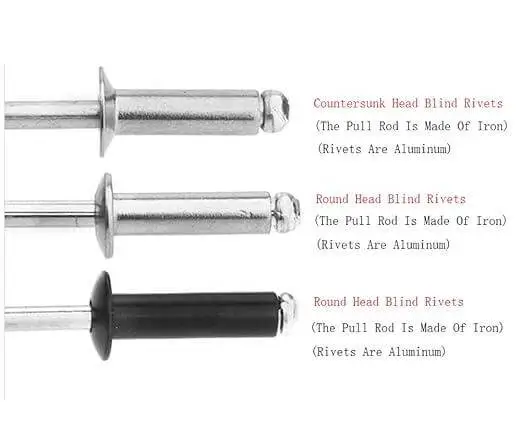
Dome Head
The dome head is a highly versatile head type. The installation process is relatively simple. Once installed, the dome head protrudes slightly above the sheet metal surface. It provides a relatively large load-bearing area on the front face.
Large Flange Head
The large flange head has a larger diameter than the dome head. It increases the rivet’s bearing area, allowing it to distribute concentrated loads. This reduces the risk of the sheet metal being torn through by the rivet head.
A countersunk head requires a pre-drilled countersink hole. Once installed, it sits virtually flush with the sheet metal surface, making it suitable for applications requiring a smooth appearance or where protrusions would cause interference. It is covered by the facing panel, enhancing aesthetics.
Installation Comparison of Structural Rivets and Standard Blind Rivets

Structural blind rivets follow the same installation principle as standard blind rivets and support single-sided installation. The installation process involves using a riveting tool to pull the mandrel, causing the rivet body to deform on the blind side, and finally snapping the mandrel at a predetermined position.
The difference lies in the structural deformation that occurs during the installation process. After a standard blind rivet is installed, the deformation of the rivet body’s tail forms a rivet head on the back side, thereby securing two or more layers of material. A structural blind rivet, in addition to this, must also fill the hole, tighten the sheet metal, lock the mandrel, and perform a controlled mandrel break to clamp the sheet metal.
Tooling Requirements for Structural Rivets vs Standard Blind Rivets
| Tooling Item | Structural Blind Rivet | Standard Blind Rivet |
|---|---|---|
| Tool Type | Heavy-duty manual, battery-powered, pneumatic-hydraulic, or hydraulic tools | Manual, battery-powered, pneumatic, or pneumatic-hydraulic tools |
| Pull Force Requirement | Usually higher | Usually lower, but depends on the rivet material and diameter |
| Stroke Requirement | Must complete rivet expansion, mandrel locking, and mandrel break | Must complete rivet body deformation and mandrel break |
| Nosepiece | Often needs to match the specific rivet series and diameter | Usually selected according to the rivet and mandrel diameter |
| Jaws | Must withstand the higher pulling force applied to the mandrel | Requirements are generally simpler for standard products |
| Front-End Components | Some rivet series require dedicated nose assemblies | Front-end components are generally more universal |
| Suitability for Manual Tools | Some sizes can be installed using heavy-duty manual tools | Manual tools are widely suitable for small-diameter products |
| Process Monitoring | Process-monitoring tools are recommended for critical joints | Usually not mandatory for general-purpose joints |
| Maintenance Requirements | Jaws and front-end components require stricter inspection and maintenance | Regular cleaning is also required, but operating loads are generally lower |
| Production-Line Applications | High-pull-force tools and process-monitoring systems are commonly used | Standard automatic rivet feeding and setting systems can be used |
What information should be provided to the supplier before selecting a tool?
- Complete rivet model number
- Rivet diameter and length
- Rivet body material
- Mandrel material
- Head type
- Number of rivets installed per shift
- Operating environment
- Whether mandrel breakage collection is required
- Whether process monitoring is required
- Whether the installation location is confined
- Existing tool model number
Cost Comparison of Structural Rivets and Standard Blind Rivets
For the same diameter, material, and purchase quantity, the unit purchase price of structural blind rivets is typically higher than that of standard blind rivets. This is due to the design advantages of structural blind rivets, which include a mechanical locking core, higher strength, controlled core breakage, hole filling, and vibration resistance. These features result in stricter requirements for the rivet body, mandrel, manufacturing precision, and quality inspection.
When comparing the costs of these two types of rivets, it is also necessary to calculate the total cost after the rivets are installed in a project and put into service.
Standard blind rivets have a lower initial purchase cost. Although structural blind rivets have a higher unit price, in applications involving high loads, high vibration, or critical project connections, they may reduce long-term total costs by minimizing the number of rivets required, reducing the variety of inventory specifications, and decreasing rework and post-installation maintenance.
Pros and Cons of Structural Rivets vs Standard Blind Rivets
① Advantages of Structural Rivets
1. Structural Blind Rivets offer higher tensile and shear strength
The rivet body and mandrel of structural blind rivets have high strength. After installation, the mandrel is mechanically locked in place and contributes to load-bearing, enabling the rivet to withstand significant tensile and shear loads.
2. The mandrel of structural blind rivets features a mechanical locking mechanism
In standard blind rivets, the mandrel is primarily used to form the rivet body and does not contribute to load-bearing. After installation, part of the mandrel in a structural blind rivet is mechanically locked inside the rivet body. The mandrel and rivet body work together to bear the load, enhancing the stability of the connection. For example, Monobolt’s structural products feature a mechanically locked mandrel and are designed for high-strength, vibration-resistant connections.
3. Structural Blind Rivets Are Better Suited for High-Vibration Environments
Most structural blind rivets are specifically designed for vehicles, machinery, and other applications subject to continuous vibration. For example, Interlock structural blind rivets offer structural strength, vibration resistance, and a wide clamping range. They are widely used in high-strength, vibration-resistant connections to reduce core rod loosening and rattling.
5. The Multiple Clamping Range of Structural Blind Rivets Reduces Inventory Sizes
Some structural blind rivets feature a multiple clamping range design. A single size can accommodate a wide range of total material thicknesses. This reduces inventory and lowers procurement costs.
6. Structural Blind Rivets Facilitate Inspection of Installation Results
Operators can visually verify from the front whether the mandrel is properly locked in place. This allows them to determine whether the structural blind rivet has been installed successfully.
② Disadvantages of Structural Rivets
1. Structural blind rivets have higher installation tool requirements
Structural blind rivets have specific requirements regarding tensile force, rivet nose, tool stroke, and clamping jaws.
2. Structural blind rivets are not suitable for all thin sheets or soft materials
Structural blind rivets require higher installation force and clamping capacity than standard blind rivets. Forcing their use may result in the sheet being torn through or the hole deforming.
3. The unit cost of structural blind rivets is relatively high
Due to their complex rivet body, mandrel, and locking mechanism, the unit manufacturing cost of structural blind rivets is higher than that of standard blind rivets.
What Applications Are Structural Rivets Suitable For?
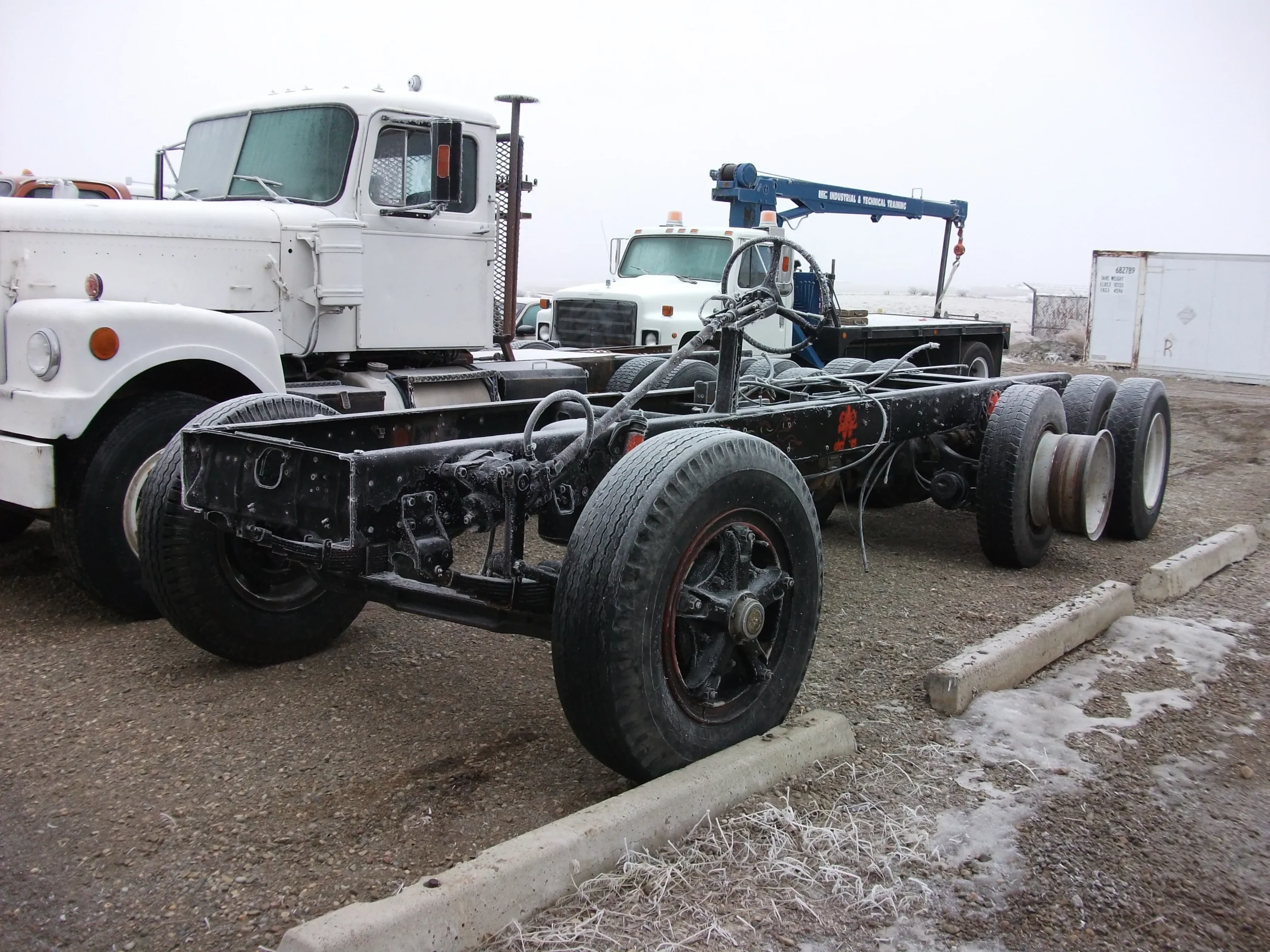
Trucks and Trailers
Trucks and trailers are subjected to prolonged road impacts and vibrations. Structural blind rivets can withstand road vibrations, impacts, and vehicle body torsion.
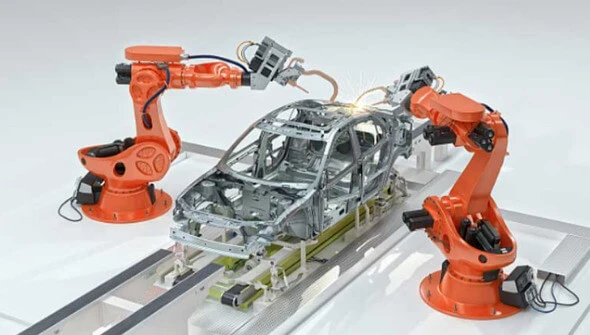
Passenger Cars and Commercial Vehicles
Automotive structures contain many enclosed profiles or locations where the back side is inaccessible. Structural blind rivets can be installed from a single side.

Industrial Machinery and High-Vibration Equipment
Industrial fans, screening machinery, agricultural machinery, and heavy-duty production equipment generate continuous vibrations during operation. Structural blind rivets maintain a stable, secure, and high-strength connection.
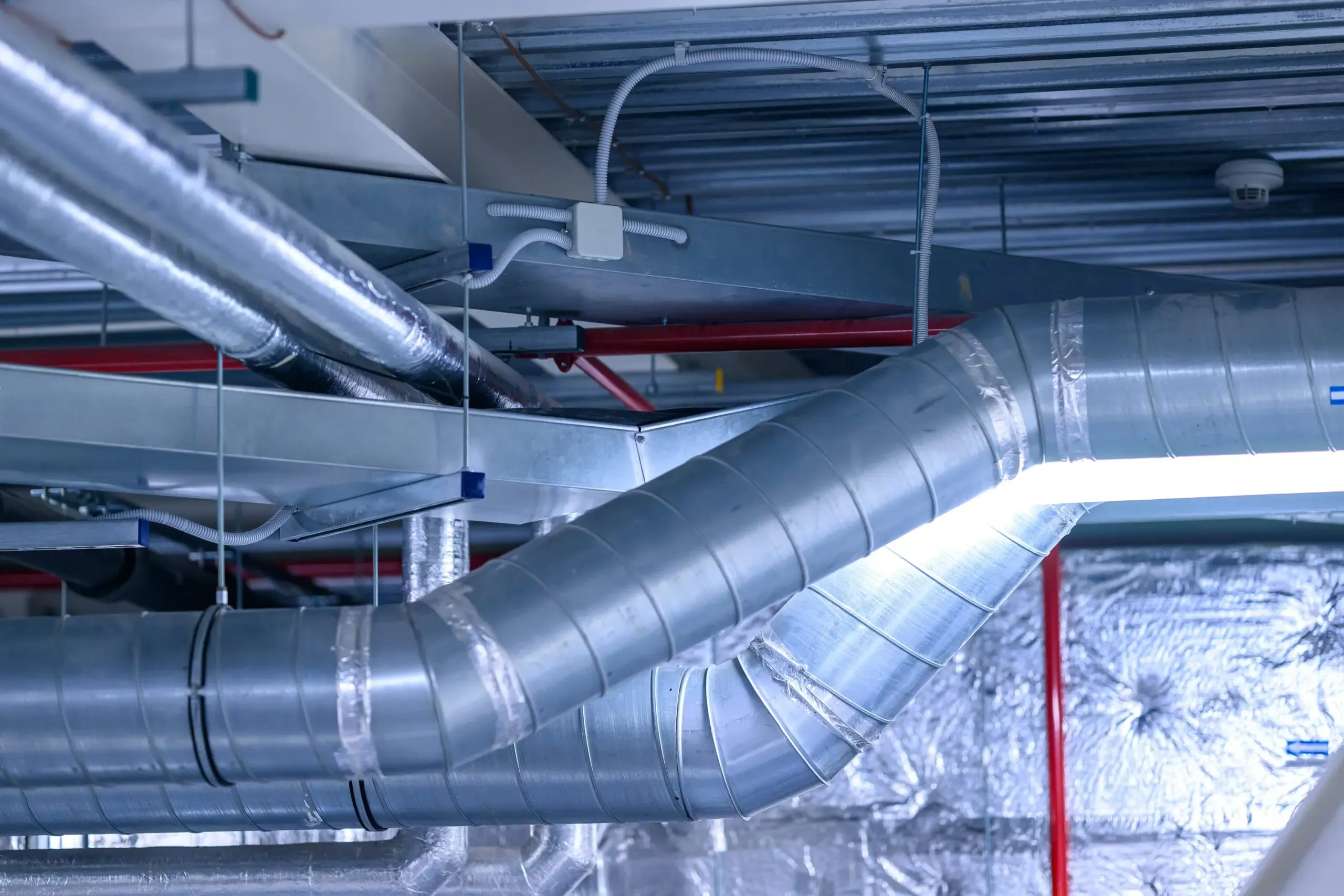
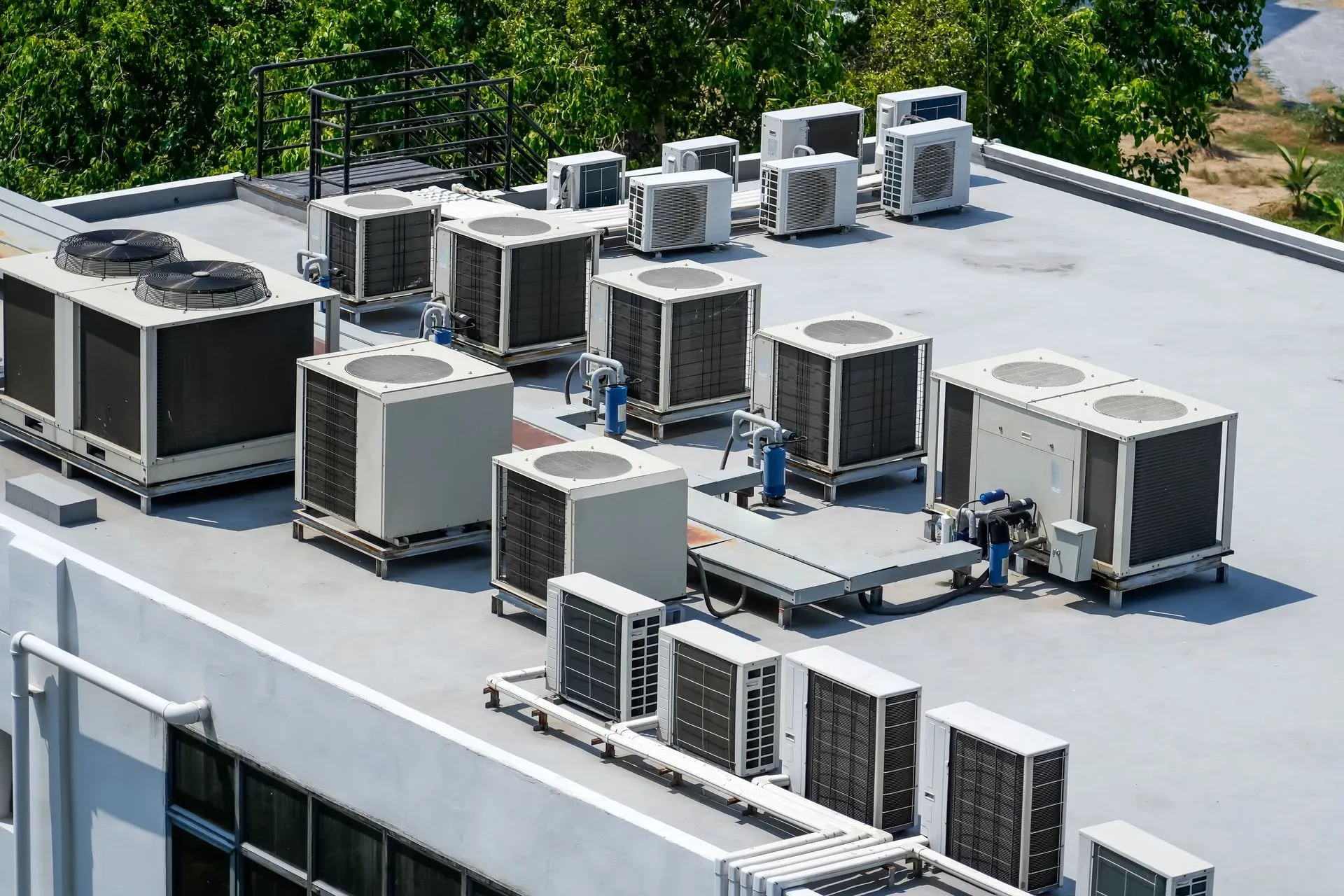
HVAC and Ventilation Equipment
Areas near fans in standard ductwork, air handling unit frames, and heavy-duty equipment enclosures may be subjected to prolonged vibrations. Structural blind rivets can withstand fan vibrations and keep multi-layer sheet metal panels stable.

New Energy, Construction, and Heavy Equipment
Solar tracking systems, warehouse racking, ladders, construction equipment, and mining machinery may be subjected to wind loads, impacts, or cyclic loads. In most cases, installation is limited to a single side. Structural blind rivets are better suited for wind loads, vibrations, and long-term outdoor conditions.
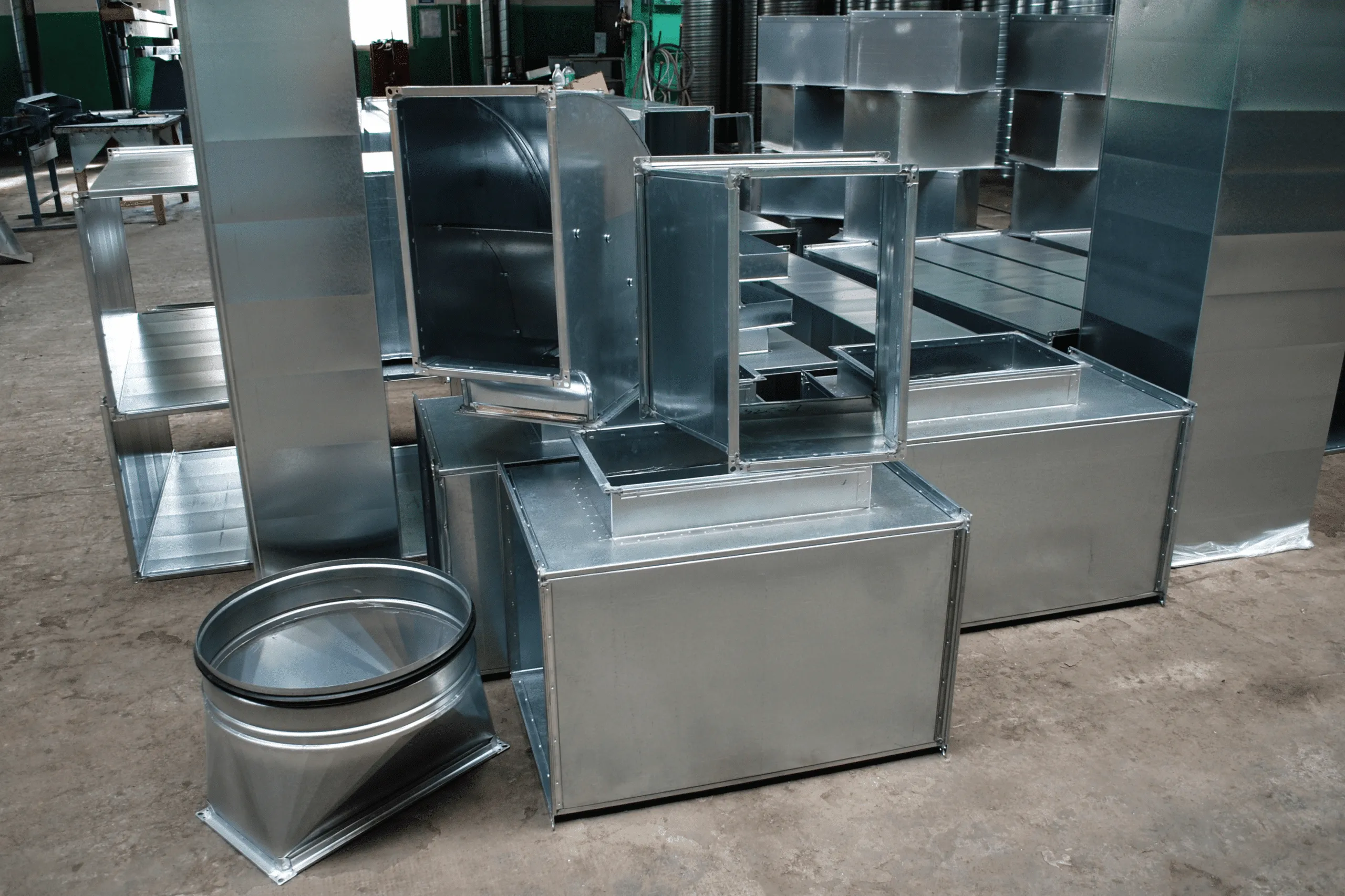
General Sheet Metal and Metal Enclosures
In these applications, the fasteners typically do not bear primary structural loads. Installation is quick, the appearance is neat, and costs are manageable. Blind rivets are suitable for these applications.
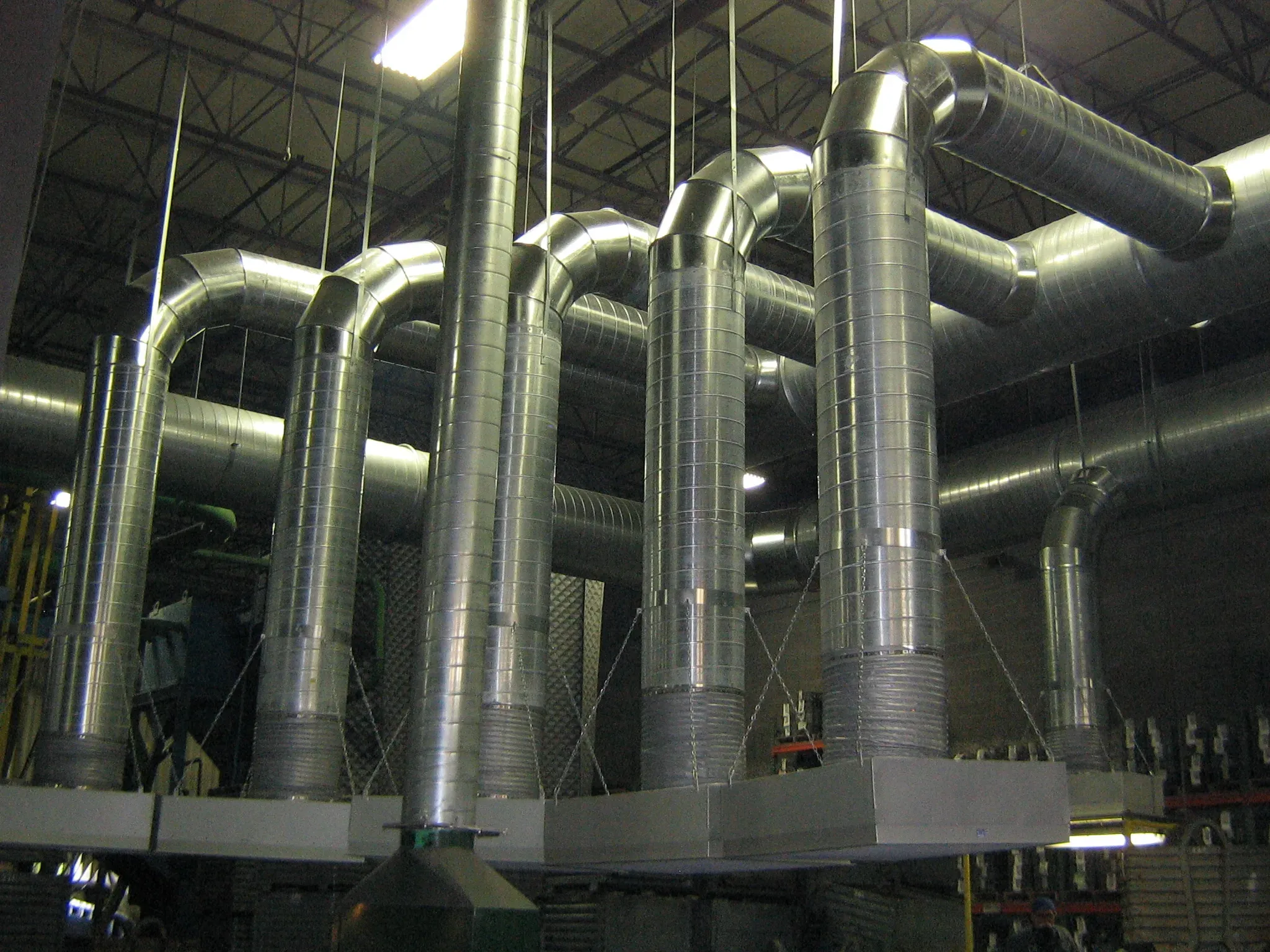
HVAC Ductwork and Lightweight Ventilation Components
Duct panels are thin and subject to low loads. Installation is single-sided and suitable for thin sheets. Therefore, standard aluminum blind rivets can meet the fastening requirements.

Home Appliances and Consumer Products
In household washing machines, kitchen appliances, and other home appliances, there are numerous thin-sheet enclosures and non-critical internal brackets that require rapid assembly. Choosing standard blind rivets offers advantages in installation speed, automation compatibility, and cost.

Electrical Enclosures, Lighting Fixtures, and Electronic Equipment
Standard blind rivets can join metal, plastic, and certain composite materials. Selecting blind rivets with large flanges can help distribute the load, reducing the risk of perforating the sheet material.

Signage, Furniture, and General Decorative Components
The load-bearing requirements for signage, metal furniture, display racks, and decorative panels are low. Mechanical locking and high-strength connections are not required. Blind rivets are suitable for general fastening applications of this type.
Weatherproof or Moisture-Resistant Enclosures
In addition to open-end blind rivets, there are also closed-end blind rivets. They are particularly suitable for non-load-bearing connections where it is necessary to prevent moisture from entering the interior of the rivet body.
Structural Rivet vs Blind Rivet Selection Chart
| Joint Condition | Recommended Choice | Main Reason |
|---|---|---|
| The joint is exposed to continuous vibration, road shock, or machine vibration. | Structural Blind Rivet | A mechanical mandrel lock and better hole-filling performance help reduce mandrel loosening, sheet movement, and hole wear. |
| The joint carries high shear loads. | Structural Blind Rivet | Structural rivets generally provide higher shear strength and are more suitable when the main load acts parallel to the joined sheets. |
| The joint carries high tensile or separation loads. | Structural Blind Rivet | The locked mandrel usually contributes to the installed joint and improves resistance to sheet separation. |
| The joint is used in vehicles, heavy equipment, or an important structure. | Evaluate a Structural Blind Rivet First | These applications commonly involve load, vibration, impact, and long-term reliability requirements. |
| The rivet only secures a sign, enclosure, cover, or general panel. | Standard Blind Rivet | A structural mandrel lock and high load capacity are usually unnecessary, making a standard rivet more economical. |
| A loose mandrel could cause noise, damage, or a safety risk. | Structural Blind Rivet | The mechanical locking system holds the retained mandrel more securely inside the rivet body. |
| The rivet must fill the hole and reduce joint movement. | Structural Blind Rivet | Many structural rivets expand radially during installation and provide improved hole filling. |
| The material is thin, soft, plastic, or composite. | Large-Flange or Load-Spreading Blind Rivet | A larger bearing area helps prevent surface deformation, cracking, and pull-through. Maximum rivet strength should not be the only consideration. |
| The joint must resist rain, moisture, or liquid passing through the rivet body. | Closed-End or Specifically Sealed Blind Rivet | A structural rivet is not automatically sealed. The rivet body and mandrel area must have a verified sealing design. |
| The project is price-sensitive and the joint carries low loads with limited vibration. | Standard Blind Rivet | Standard rivets generally offer lower fastener, tooling, and installation costs for general assembly. |
How to Choose a Reliable Rivet Manufacturer?
1. Verify that the manufacturer has genuine production capabilities
As a buyer, you should first verify the authenticity of the supplier’s factory. Confirm whether the supplier is a middleman. The actual production of hollow rivets involves multiple automated machines and processes. Since Rivmate operates multiple production lines, it has installed dozens of machines.
2. Choose a supplier who understands the actual joint requirements
A reliable manufacturer will not recommend a blind rivet type based solely on diameter. The supplier will ask you to provide specific information—such as the materials to be joined, material thickness, installation hole diameter, application environment, and waterproofing requirements—to evaluate the product.
At Rivmate, we not only offer standard-spec blind rivets but also support customization. Based on customer-provided drawings, sheet metal specifications, hole diameters, and application conditions, we analyze whether standard pop-out rivets or structural pop-out rivets are more suitable.
3. Request Complete and Accurate Technical Data
When purchasing, you should require the manufacturer to provide documentation corresponding to the actual product model. Rivmate can provide product drawings, specification parameters, and corresponding testing requirements based on specific blind rivet models. This prevents customers from substituting the actual purchased product with data from other materials, diameters, or product series.
4. Verify the Manufacturer’s Laboratory and Testing Capabilities
A professional supplier not only inspects the appearance of blind rivets but also provides monitoring data documents that reflect true and accurate performance. At Rivmate, we have established an in-house laboratory to conduct testing tailored to specific product and project requirements. We support the provision of Level 3 PPAP reports.
5. Prioritize Sample Riveting Tests Over Catalog Specifications
A professional supplier will provide samples to test the actual riveting results, confirming whether the manufactured blind rivets are suitable for assembly applications. Prior to full-scale production, Rivmate collaborates with customers to conduct sample validation.
6. Verify the Manufacturer’s Ability to Match Installation Tools
Many riveting issues are not caused by the rivets themselves but by incompatible tools. Suppliers can help customers determine the specific tool configuration based on the rivet type, diameter, material, and mandrel size.
7. Evaluate Consistency in Mass Production Batches
A small number of samples is insufficient to guarantee the quality of bulk purchases. A manufacturer’s true capability is reflected in the stability of subsequent large-volume orders. As an experienced manufacturer, Rivmate controls batch consistency throughout the production process through dimensional inspections, performance spot checks, and optical sorting.
8. Verify Batch Traceability and Customer Complaint Analysis Capabilities
A professional manufacturer has the capability to reliably handle issues with blind rivets and provide timely solutions.
Rivmate’s traceability system analyzes issues based on product lot numbers, customer samples, sheet metal, and tooling conditions, helping to distinguish between manufacturing defects, product selection errors, and installation issues.
Conclusion: Should You Choose a Structural Rivet or a Standard Blind Rivet?
When deciding between structural blind rivets and standard blind rivets, the key consideration is not which is cheaper, but which better meets the actual joint requirements of the product.
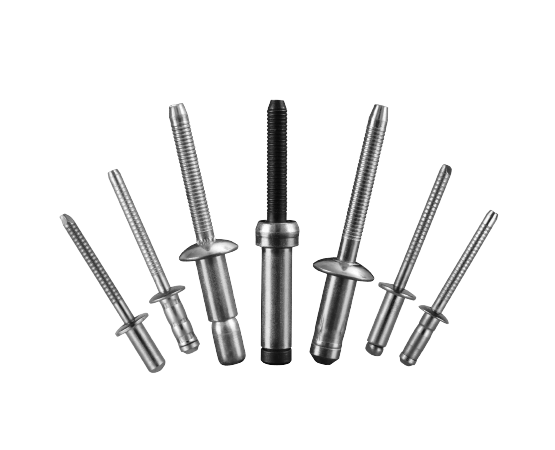
Standard blind rivets are more suitable for applications involving general loads, low vibration, cost-sensitive requirements, and rapid assembly. Examples include common everyday items such as signs, standard sheet metal enclosures, HVAC ductwork, home appliance panels, electrical enclosures, and non-load-bearing covers. Structural blind rivets are better suited for connections subject to high loads, continuous vibration, impact, or long-term cyclic loading. They are widely used in trucks and trailers, industrial machinery, automotive components, rail transit, heavy equipment, and new energy structures.
In summary, standard blind rivets are recommended for general fastening applications. For high-load, high-vibration, or critical structural connections, structural blind rivets are recommended. If you have difficulty selecting the right product, please send your drawings or specific details to Rivmate. We will provide a professional evaluation and help you choose the appropriate product.
Frequently Asked Questions About Structural Rivets vs Blind Rivets
Can Structural Rivets and Standard Blind Rivets Use the Same Tool?
Structural pop rivets and standard pop rivets can use the same tool body, but you must verify that the tool’s pulling force, stroke, diameter range, and front-end assembly are all compatible.
Can Standard Blind Rivets Be Used in High-Vibration Applications?
Standard pop rivets can withstand a certain degree of vibration, but their use is not recommended in environments with continuous high levels of vibration.
Can Standard Blind Rivets Join Dissimilar Materials?
Blind rivets can join different types of materials. It is important to consider whether the joint can withstand long-term loads, environmental conditions, and material differences. When joining different metals, check for galvanic corrosion. When joining metal to soft materials, pay close attention to the risk of crushing, cracking, and tearing.
Can Structural Rivets and Standard Blind Rivets Be Removed and Reused?
They can be removed, but once removed, they cannot be reused. This is because both structural blind rivets and standard blind rivets are permanent, single-use fasteners.
Why Are Structural Rivets More Expensive Than Standard Blind Rivets?
Because the structure of structural rivet lock cylinders is more complex, they must meet higher mechanical performance standards and require even stricter dimensional control and performance testing.
Work with a IATF 16949 Certified Blind Rivet Manufacturer
Get High Quality Rivets Instead of Huck and Avdel Rivets

Rivmate Rivet
Rivmate is one of top 3 blind rivets manufacturers in china. The company is IATF 16949 certified and offers high-strength structural blind rivets that serve as alternatives to Huck and Avdel products.
Explore Rivmate Cases
Rivmate Rivet
Rivmate is one of top 3 blind rivets manufacturers in china. The company is IATF 16949 certified and offers high-strength structural blind rivets that serve as alternatives to Huck and Avdel products.

Hey There, I'm Allen!
I am the founder of Rivmate. For over two decades, we have specialized in the manufacture of blind rivets, providing our customers with reliable riveting solutions. Need riveting services? Feel free to contact us.