
Wide Flange Blind Rivets Manufacturer
When connecting thin steel sheets, aluminum panels, or plastic panels, standard round-head blind rivets often cause stress concentration, panel deformation, or even tearing. Wide flange blind rivets significantly increase contact area with the workpiece through their larger flange diameter. This effectively disperses surface pressure and reduces stress per unit area.
As a professional blind rivet manufacturer and supplier, Rivmate specializes in large flange structural designs. We support bulk supply, custom specifications, and OEM collaborations, catering to industrial-grade and project-based procurement needs.
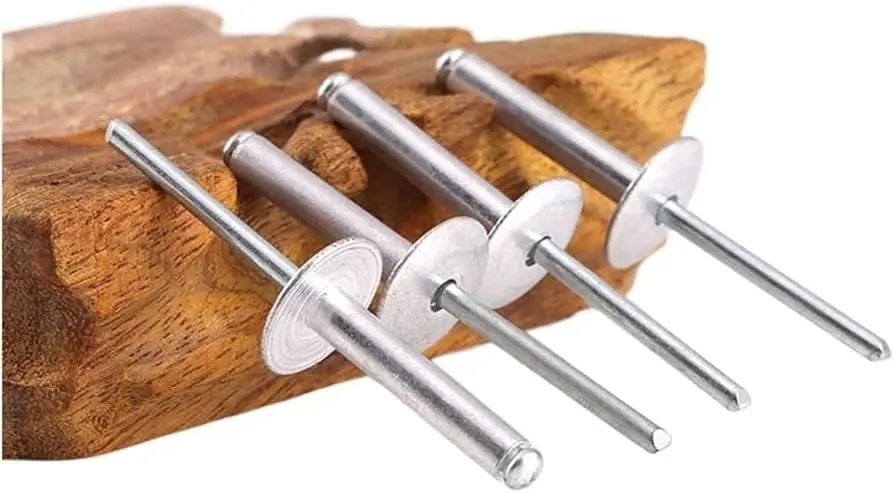
Wide Flange Blind Rivets vs Standard Dome Rivets
Larger Flange Diameter:The head diameter is significantly larger than standard dome designs, creating a wider contact area.
Differences from Standard Dome:Standard domes feature smaller flanges with concentrated stress points; wide flange designs prioritize distributing surface pressure.
Increased Bearing Surface:The larger load-bearing area reduces stress per unit area, minimizing the risk of material deformation.
Suitable for Thin & Soft Materials:Particularly suitable for connecting thin steel sheets, aluminum sheets, plastics, and composite materials.
Why Thin Sheets Fail with Standard Rivets
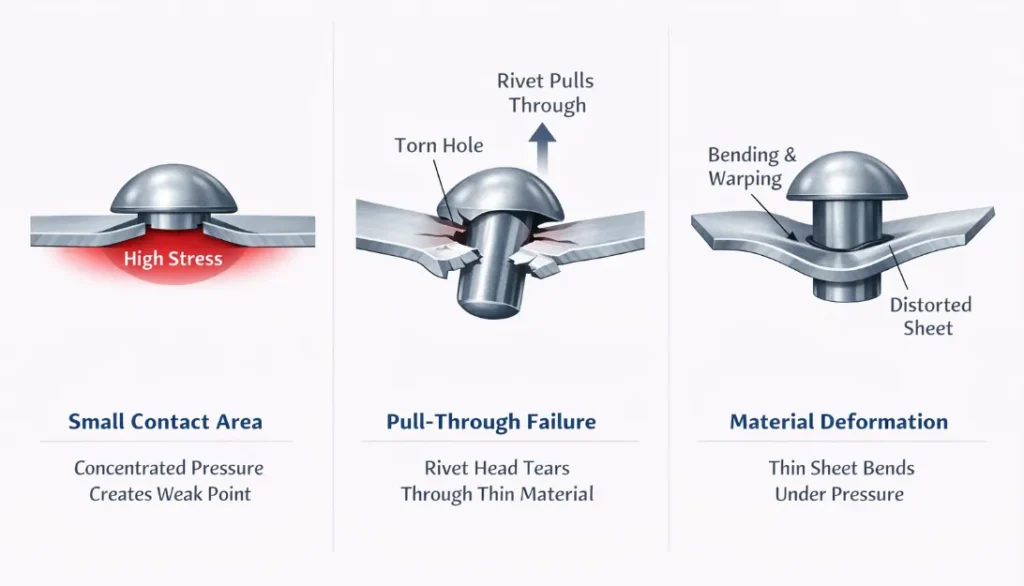
Standard round-head cap has a small bearing area
The bearing cap of standard round-head blind rivets has a relatively small surface area. This means that when bearing loads in thin plates and soft materials, stress concentrates in a smaller region, making material fracture or deformation more likely.
Pull-Through Susceptibility
When pressure per unit area exceeds the strength of thin sheet or soft material, the rivet head may penetrate the hole edge or cause material tearing along the hole edge—a phenomenon known as pull-through. The lack of bearing surface area makes the connection point more prone to this type of failure.
Diameter Range
Common specifications cover 3.2 mm to 6.4 mm (or larger), meeting diverse load-bearing requirements.
Head Diameter
Larger than standard round head designs, with specific dimensions determined by model specifications.
Grip Range Options
Multiple clamping ranges available to accommodate different plate thickness combinations.
Head Types
Dome Head / Large Flange / Countersunk
Material Combinations
Aluminum/Steel, Steel/Steel, Stainless Steel/Stainless Steel
Finish Options
Supports zinc plating, color zinc plating, or other corrosion-resistant treatments.
DIFFERENCE
Standard vs. Wide Flange Blind Rivets
In connecting thin plates and soft materials, standard dome rivets and wide flange blind rivets exhibit distinct differences in load-bearing performance. The core distinction lies in the variation of bearing surface area resulting from the diameter of the flange, which directly impacts pull-out resistance and material stability.
| Feature | Standard Dome Rivet | Wide Flange Blind Rivet |
|---|---|---|
| Bearing Surface Area | Smaller | Larger |
| Pull-Through Resistance | Moderate | Higher |
| Thin Sheet Suitability | Suitable for thicker materials | Better suited for thin and soft materials |
| Application Type | General industrial assembly | Thin sheet metal, plastic, and composite panel fastening |
The wide flange design provides a larger contact area, reducing the pressure per unit area under the same load and thereby minimizing the risk of thin plate tearing and deformation.
DIFFERENCE
Flange Blind Rivets Pull-Out Resistance and Load Distribution
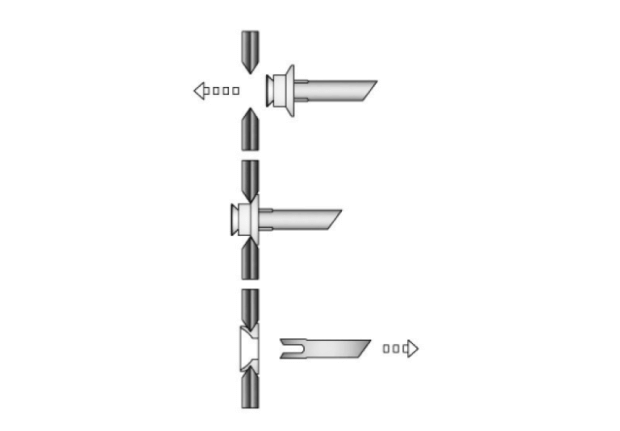
Wide flange blind rivets alter the load path through their larger flange design, enabling more rational load distribution at the connection point.
Pull-Out Resistance
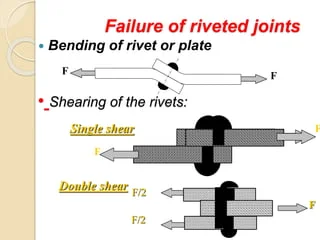
When the connection endures axial tensile forces, the flange must transfer the load to the plate surface. A larger flange diameter translates to a greater bearing area, reducing the pressure per unit area under identical tensile conditions. This minimizes the risk of material tearing or hole edge failure. This provides wide flange designs with superior pull-out resistance stability in thin-plate applications.
Shear performance is primarily determined by the rivet body diameter and material strength. While wide flanges do not directly alter the rivet’s shear cross-sectional area, they enhance overall connection reliability by improving force distribution. This reduces connection failure caused by localized material deformation.
APPLICATIONS
Applications of Flange Blind Rivets

Sheet Metal Fabrication
Widely used for connecting thin plates and sheet metal components, enabling stable connections without sealing requirements while significantly improving assembly efficiency.
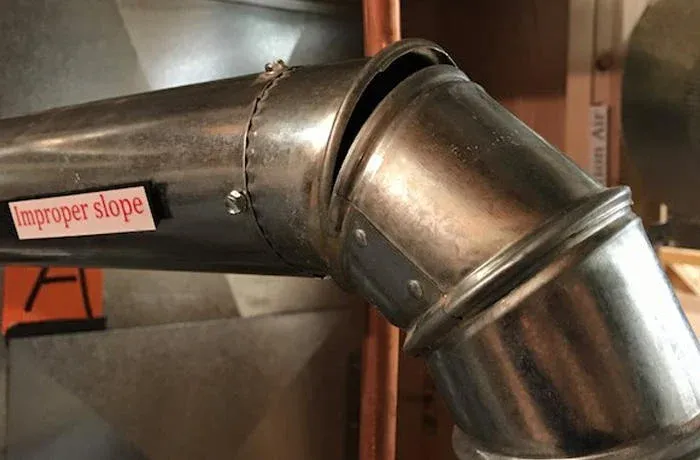
HVAC Ducting Systems
Suitable for rapid fastening of ductwork, brackets, and related metal parts, meeting bulk installation demands while helping control overall assembly costs.
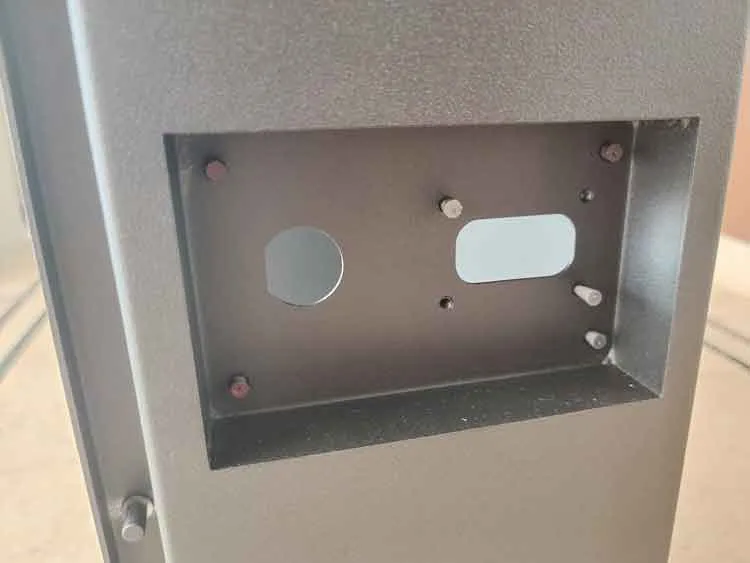
Electrical Enclosures and Cabinets
Commonly used for structural connections in electrical cabinets, control panel housings, and similar applications where moderate aesthetic standards and assembly consistency are prioritized.
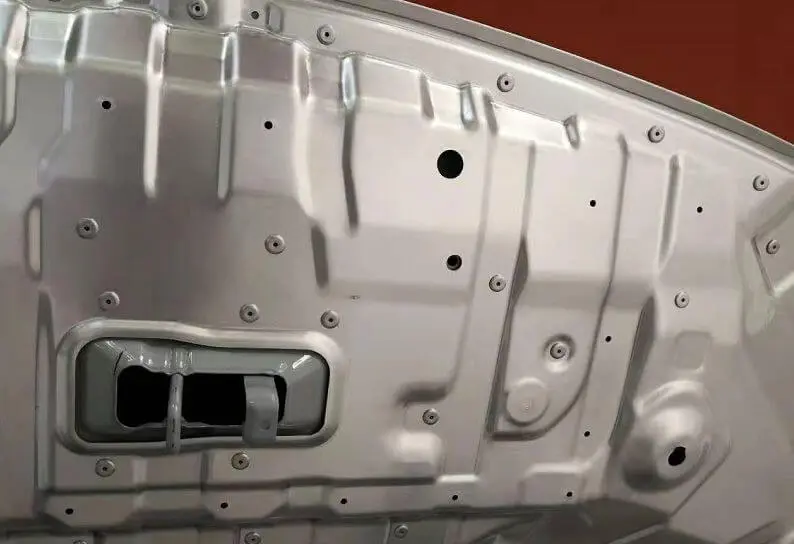
Automotive Interior Components
Suitable for assembling automotive interiors and non-load-bearing structural components, ensuring connection reliability while supporting high-tempo production line operations.
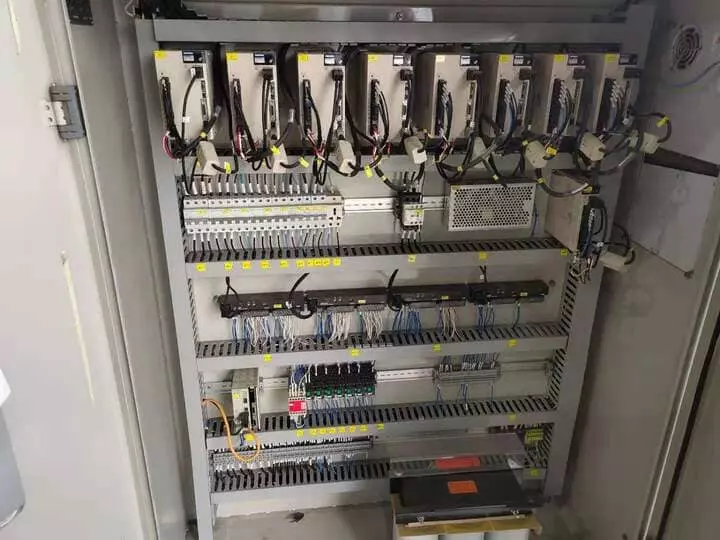
Industrial Equipment Housing
Used for securing equipment enclosures and auxiliary structural components, facilitating installation under single-side access conditions to reduce assembly complexity.
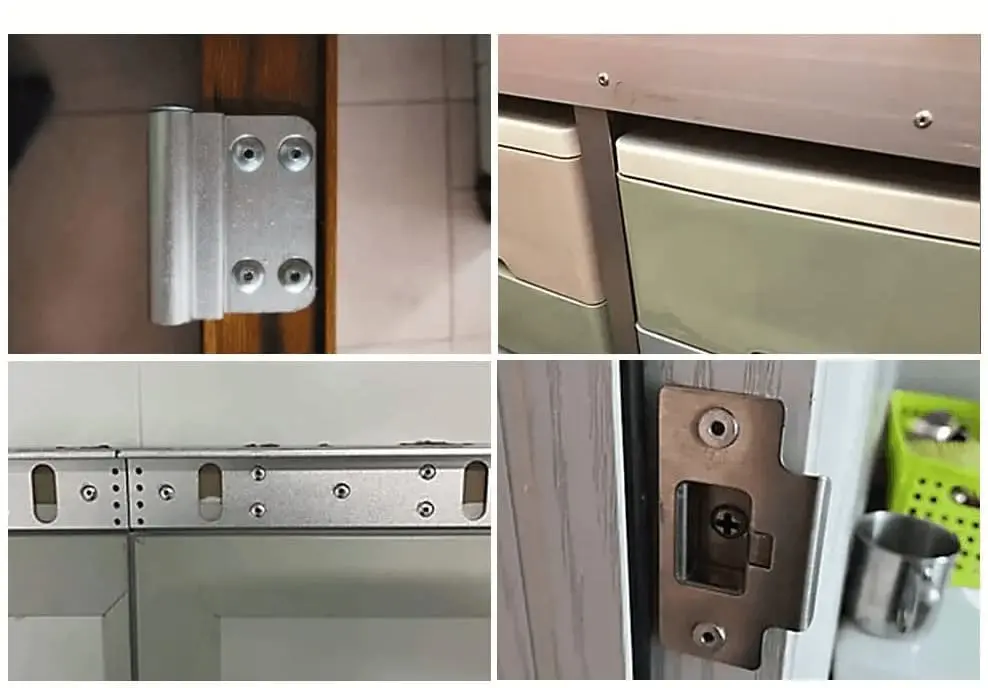
Furniture and Appliance Assembly
Suitable for non-sealed connections in furniture and appliance housings, balancing installation efficiency, structural stability, and mass production costs.
WHY USE IT
Rivmate Rivets: Advantages & Key Benefits
Blind-Side Installation Efficiency
Supports single-side blind installation without requiring rear access, significantly boosting assembly efficiency while reducing labor and time costs. Ideal for high-frequency, high-volume industrial installation scenarios.
Standardized Specifications for Safer Selection
Multiple diameters, grip ranges, and head configurations simplify engineering selection and future replacements, minimizing rework risks from specification mismatches.
Multiple Material Combinations
Offers aluminum, carbon steel, stainless steel, and hybrid options for optimal matching with substrates and environments, balancing strength, corrosion resistance, and cost.
Consistent Mandrel Break Performance
Stable break-off points and uniform tail expansion ensure installation consistency in batches, minimizing loosening and connection failure rates.
Cost-Effective Solution for High-Volume Use
As a proven universal blind rivet, the open-end design delivers fundamental fastening performance while facilitating bulk procurement and cost control.
Wide Tool Compatibility
Compatible with manual, pneumatic, and electric riveting tools, its universal tooling enables rapid deployment across production lines or job sites, minimizing equipment changeover and training costs.
Reliable Performance in Non-Sealed Applications
Optimized for non-sealed conditions, it delivers stable connection performance in indoor or controlled environments. Suitable for sheet metal, enclosure casings, and structural component assembly.
OEM and Bulk Supply Ready
Supports bulk supply and OEM customization requirements, including specifications, materials, and packaging solutions. Facilitates the establishment of long-term, stable industrial fastener supply systems for customers.
WHY CHOOSE US
Rivmate:Rivets Manufacturing Capability
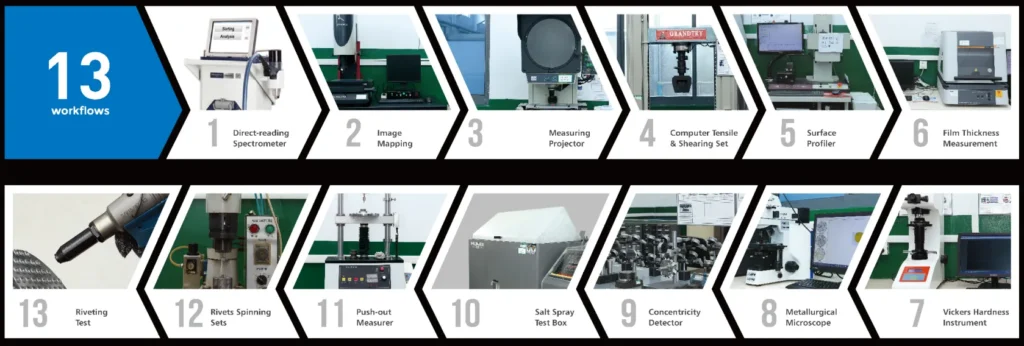
Cold Heading Production Lines
Utilizing multi-station cold heading equipment for rivet body forming ensures dimensional accuracy and consistent head profiles. Through die control and process parameter management, we guarantee stability in mass production across diverse product styles and specifications.
Thread Rolling & Mandrel Processing
Equipped with mandrel thread rolling and finishing capabilities, enabling precise control over mandrel strength grades and fracture point positioning. This ensures stable and controllable tensile performance during installation.
Automated Assembly Systems
Automated rivet body and mandrel assembly equipment enhances assembly consistency while minimizing tolerance variations caused by manual intervention. This capability is ideal for high-volume order production.
In-House Tensile & Shear Testing
We have established internal mechanical property testing procedures to conduct tensile and shear tests on various material combinations. Ensures your products meet specified technical parameters and supports the issuance of test data.
Batch Traceability System
Implements batch number management and production record archiving systems, enabling traceability of raw material batches, production dates, and test results. Meets your requirements for quality traceability.
Quality & Certifications
Rivets Quality Assurance System
IATF 16949 Quality Management System
Production processes operate in accordance with the IATF 16949 quality management standard, covering raw material control, process management, and final inspection requirements to meet the consistency demands of the automotive and high-standard industrial sectors.
Batch Production Records
Complete records are established for each production batch, including raw material sourcing, production parameters, and inspection results. This ensures product quality traceability and facilitates long-term project management.

OEM
Custom Rivet Solutions for Your Application
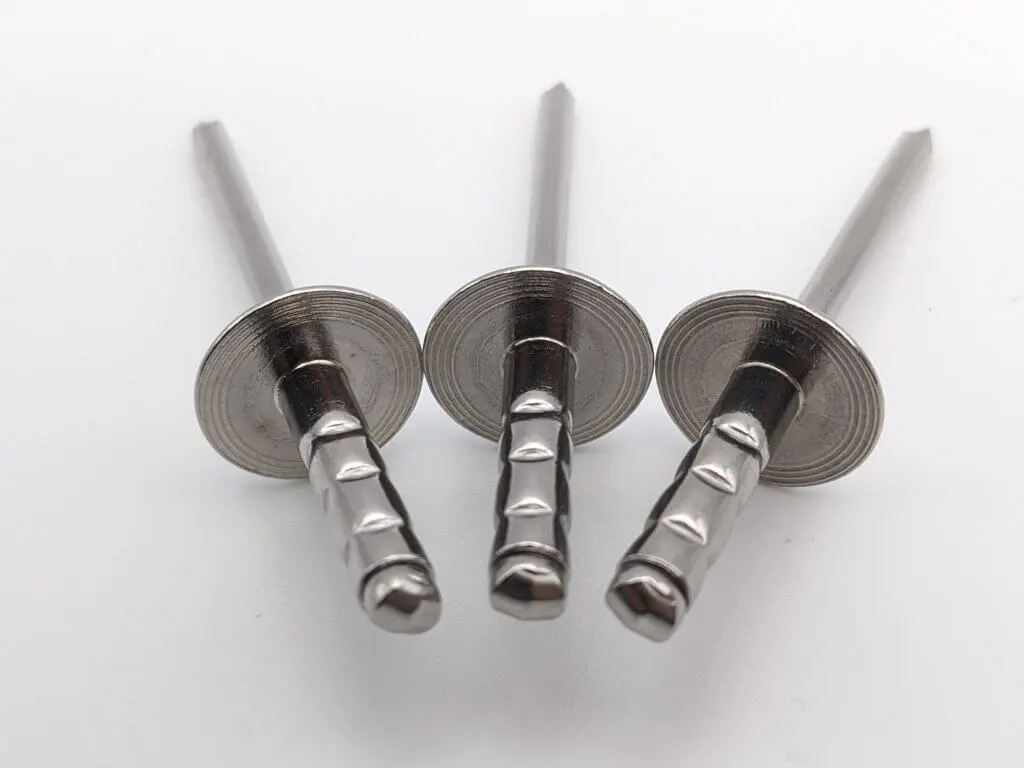
Custom Flange Diameter
Flange diameter can be adjusted based on material thickness and pressure requirements to optimize bearing area and pull-out resistance, particularly suitable for connecting specialty plates or composite materials.
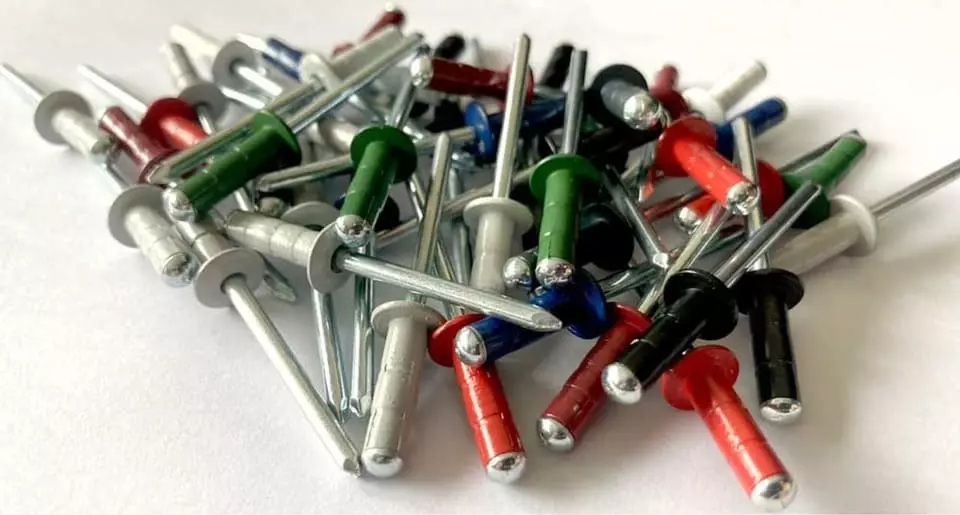
Custom Coating
Supports galvanized, color-coated zinc, or other anti-corrosion coating solutions for outdoor or high-humidity applications, enhancing corrosion resistance and service life.
Mixed Material Supply
Offers combinations of aluminum/steel, all-steel, stainless steel, and other materials to meet varying strength grades and environmental requirements.

OEM Packaging
Supports customized outer packaging labeling, brand tags, and batch number management to meet the warehousing and supply chain needs of wholesalers, distributors, and project-based clients.
FAQs: Wide Flange Blind Rivets for Thin Sheet Applications
Ready to Partner for Reliable Thin Sheet Fastening Solutions?
In the field of connecting thin sheets and soft materials, stable supply and engineering compatibility are more critical than one-time procurement. Wide flange blind rivets must not only meet stress distribution and pull-out resistance requirements but also ensure batch consistency and long-term supply reliability.
We support:
- Bulk Production: Stable mass production capacity to meet ongoing project demands
- OEM Cooperation: Support for customized specifications, material combinations, and branded packaging
- Long-Term Supply: Providing sustained supply solutions for distributors and engineering projects
- Thin Sheet Fastening Solutions: Offering tailored structural design recommendations for thin sheet applications
If you are seeking a reliable wide flange blind rivet manufacturer and supplier, we invite you to establish a partnership with us. Together, we will deliver stable, high-quality fastening solutions for thin sheet connection projects.
Reply within 12 Hours
Send us a message if you have any questions or request a quote. We will be back to you ASAP!