


The key difference between rivets and screws lies in their distinct fastening mechanisms. Rivets form a permanent connection through deformation during the riveting process. They are characterized by their resistance to loosening after installation, making them particularly suitable for high-vibration environments, long-term fastening, and high-volume production. Screws generate clamping force through thread engagement. They are characterized by their removability, making them more suitable for structures that require maintenance or repeated installation in the future.
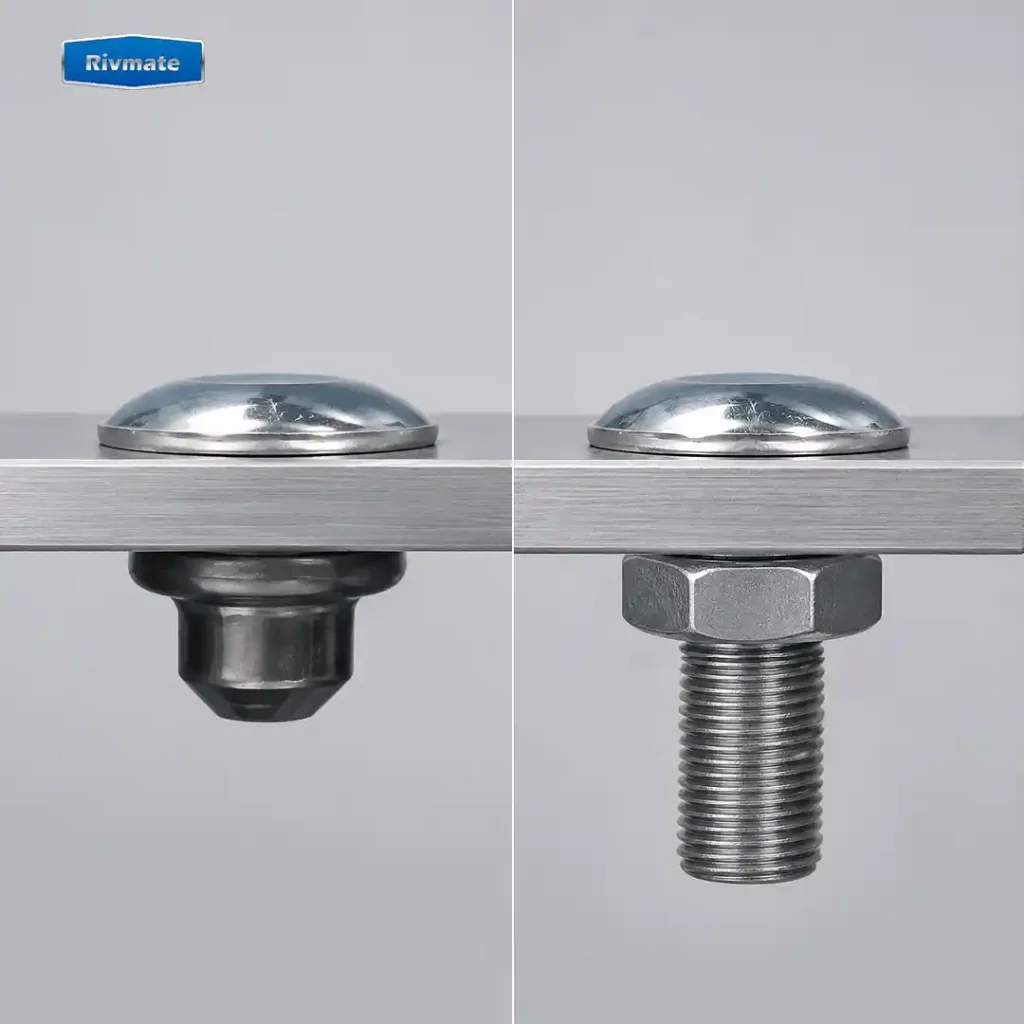
Neither rivets nor screws are inherently superior; the correct choice depends on the product’s application environment, fastening requirements, and future maintenance needs. This article will further analyze the differences between rivets and screws in terms of strength, corrosion resistance, installation efficiency, application scenarios, and cost.
A rivet is a mechanical fastener that forms a permanent connection by expanding and deforming after being set with a rivet gun. It can be used to join two or more parts. During installation, the rivet is inserted through a pre-drilled hole, and a specialized tool is used to pull the mandrel, causing the end of the rivet sleeve to expand and form a locking structure that secures the sheet metal.
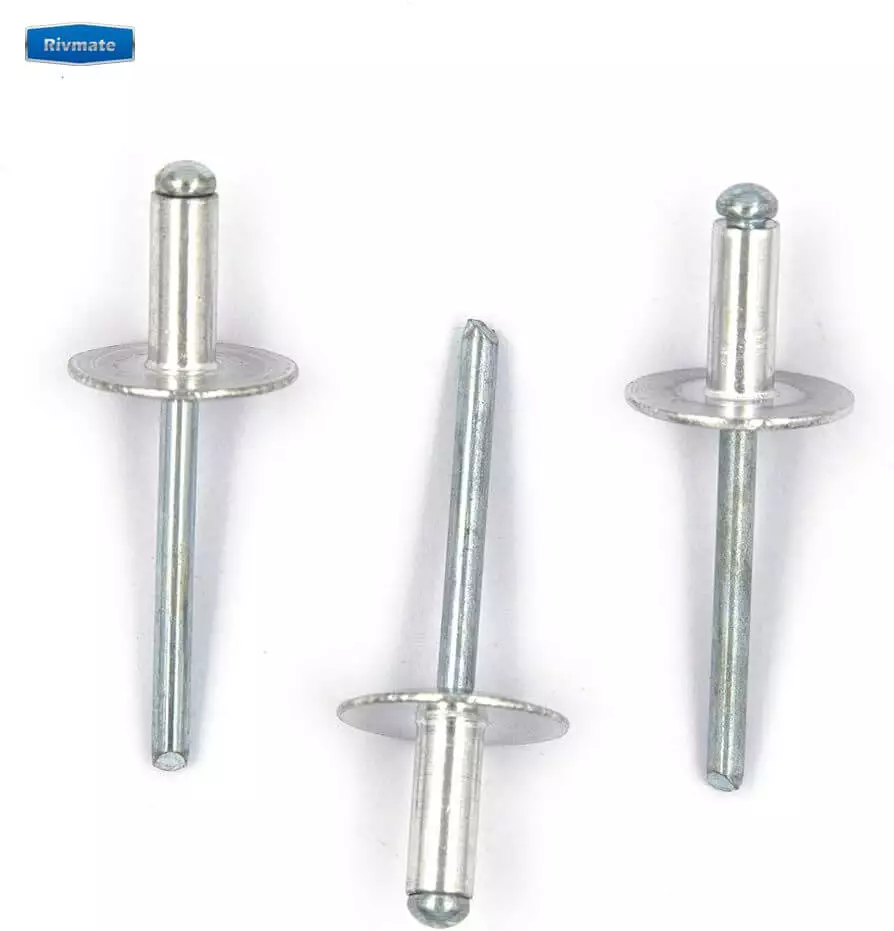
Unlike screws, rivets lack a threaded structure and therefore cannot be removed without causing damage. Rivets are characterized by their resistance to vibration, resistance to loosening, and high connection stability. They are widely used in industrial applications involving thin-sheet metal joints, space-constrained environments, or situations requiring rapid, high-volume assembly. Rivamte manufactures various types of rivets used across industries such as automotive manufacturing, solar mounting systems, HVAC equipment, sheet metal products, and industrial equipment. Common rivet types include Open-Type Blind Rivets, Structural Rivets, and Multi-Grip Rivets.
What Is a Screw?
A screw is a fastener that generates clamping force through a threaded connection. It secures parts together by rotating into a nut, threaded hole, or the material itself. When a screw is installed, its threads form a mechanical lock with the mating part, maintaining a stable connection through preload. Compared to rivets, screws offer the advantage of being removable by rotating them in the opposite direction. They are reusable and facilitate maintenance and adjustment.
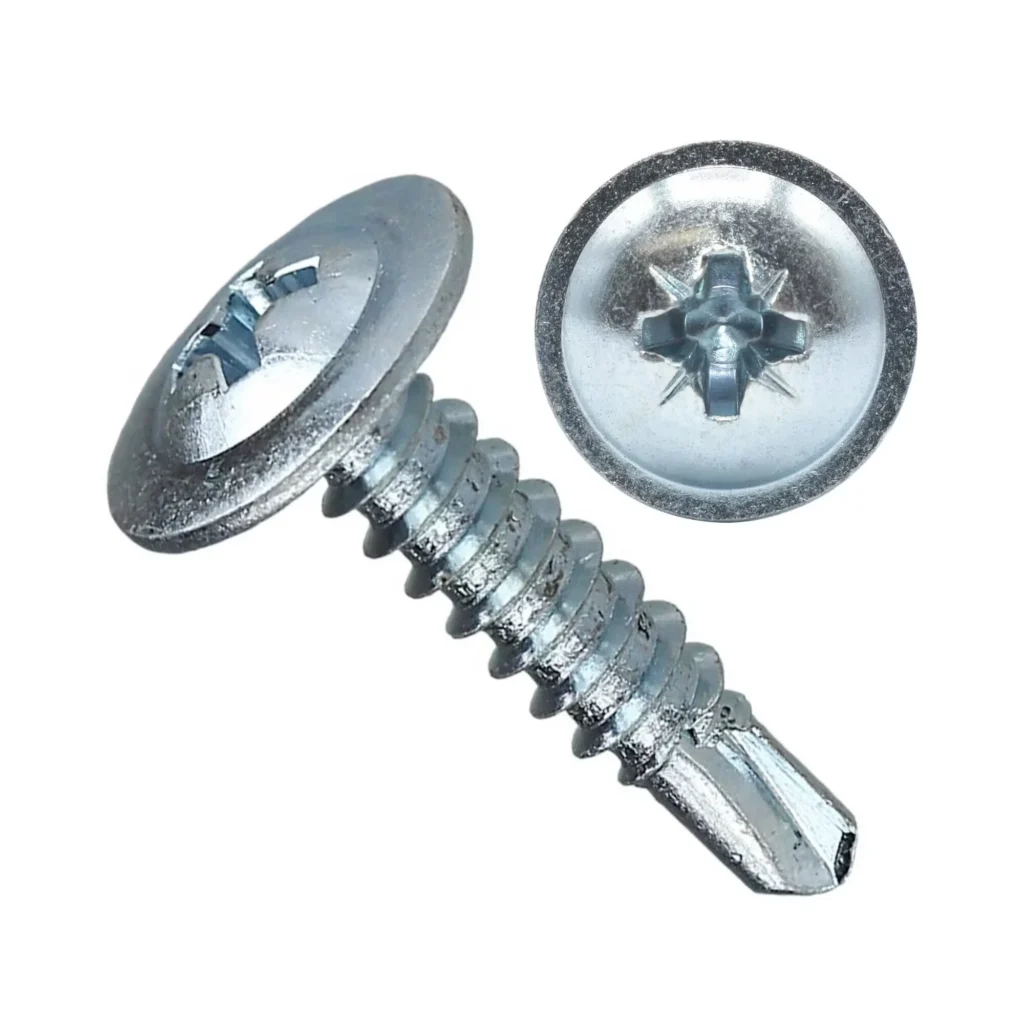
Screws are particularly suitable for equipment that requires future maintenance or replacement of parts. They are widely used in machinery, electronic products, furniture, automotive repair, and industrial assembly. In high-vibration or harsh environments, screws require anti-loosening measures such as lock nuts, washers, or threadlocker. Common types of screws include machine screws, self-tapping screws, bolts, and nuts.
Rivet Vs Screw Comparison Table
| Comparison Item | Rivet | Screw |
|---|---|---|
| Connection Principle | Creates a permanent mechanical lock through plastic deformation of the rivet body. | Uses threaded engagement to generate clamping force between connected parts. |
| Connection Type | Permanent connection. Removal usually requires drilling or damaging the rivet. | Removable connection. Can be installed and removed multiple times. |
| Installation Method | Installed using rivet tools such as blind rivet guns or automated riveting systems. | Installed by rotating with screwdrivers, wrenches, or electric tools. |
| Installation Efficiency | Fast installation and highly suitable for high-volume production. | Flexible installation but generally less efficient for large-scale assembly. |
| Vibration Resistance | Excellent vibration resistance with no thread loosening risk. | May loosen under continuous vibration and may require additional locking methods. |
| Strength Performance | Structural rivets provide high shear and tensile strength for demanding applications. | Strength depends on screw grade, thread engagement, and tightening torque. |
| Maintenance | Not designed for frequent removal or regular maintenance. | Easy to remove, replace, and maintain. |
| Installation Access | Blind rivets allow single-side installation when the rear side is inaccessible. | Usually requires access to both the screw head and threaded area. |
| Typical Applications | Automotive, aerospace, solar structures, HVAC systems, sheet metal, and industrial equipment. | Machinery, electronics, furniture, and equipment requiring regular service. |
| Best Choice When | You need permanent fastening, high vibration resistance, and efficient assembly. | You need frequent disassembly, adjustment, or component replacement. |
What Is the Difference Between a Rivet and a Screw?
Rivets and screws are both mechanical fasteners used to join parts. The difference between the two lies in their joining methods and applications.
- Rivets work by deforming the rivet body to form a permanent joint.Once installed, the rivet locks the joined materials in place, providing excellent vibration resistance and long-term stability. They are particularly suitable for structures that do not require disassembly, such as in the automotive, aerospace, solar mounting systems, and sheet metal fabrication industries.
- Screws work by generating clamping force through the engagement of threads to form a removable connection. They can be repeatedly installed and removed, facilitating maintenance and part replacement. They are particularly suitable for equipment and structures that require periodic maintenance.
Are Rivets Stronger Than Screws?

There is no absolute distinction between the strength of rivets and screws. The strength of both depends on the type of fastener, material, size, installation method, and specific application environment.
If your product requires a permanent connection and high vibration resistance, rivets offer advantages over screws. This is because rivets achieve a mechanical lock through permanent deformation of the rivet body, eliminating the risk of thread loosening and enhancing the stability of the connection.
In further comparison, screws generate clamping force through their threads. Thus, high-strength screws can also withstand high tensile and shear forces. A key advantage of screws is that they can be repeatedly removed, facilitating equipment maintenance, inspection, and part replacement.
Rivet Vs Screw for Vibration Resistance
In high-vibration environments, rivets offer better vibration resistance than ordinary screws. However, it cannot be generalized that all rivets are superior to all screws in terms of vibration resistance; this must be determined based on the specific type and application conditions.
Rivets operate on the principle of a mechanical locking mechanism, which securely fastens the joined materials. When comparing the two structures, rivets lack a threaded design and therefore do not suffer from loosening caused by long-term vibration. This is why rivets of various specifications are widely used in industrial applications subject to continuous vibration, such as the automotive industry, railways, solar mounting systems, and HVAC equipment.
Screws rely on threaded engagement and preload to maintain a secure grip. In static environments, screws provide stable and reliable connections. Conversely, in environments with high vibration and shock, the preload decreases, causing the screws to loosen.
Rivet Vs Screw for Thin Sheet Metal
A.Rivets for Thin Sheet Metal
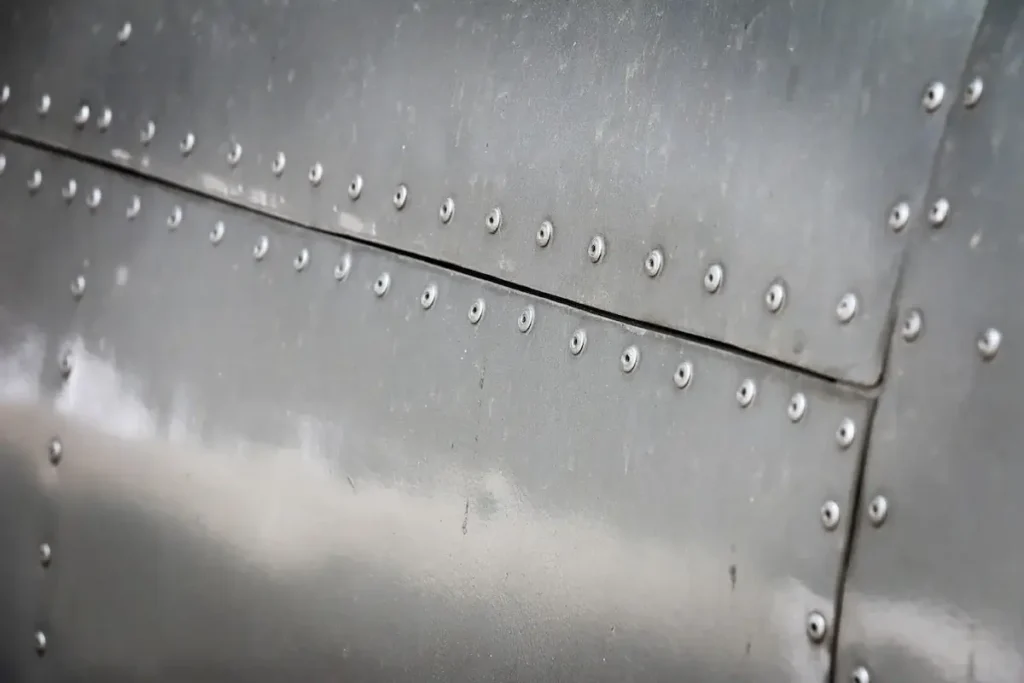
Rivets are commonly used to join thin sheet metal, particularly blind rivets. During installation, the rivet is pulled through a mandrel, causing the rivet body to expand and form a locking structure on the back of the thin sheet, securely clamping two or more layers of material together.
The main reasons rivets are suitable for thin sheet metal:
- Reduce the risk of thin sheet metal deformation
Rivets join thin sheet metal materials through axial clamping force. Selecting a large-flange rivet increases the load-bearing area, reducing the risk of cracking or deformation in the thin sheet metal. - Suitable for single-side installation
Installation requires access from only one side. This makes them ideal for thin-sheet structures such as enclosures, housings, and ductwork where the back side is inaccessible. - High connection stability
Riveted joints form a mechanical locking mechanism, enhancing the strength and stability of the connection - Suitable for High-Volume Production
Rivets can be installed quickly, making them suitable for high-volume manufacturing.
B.Screws for Thin Sheet Metal
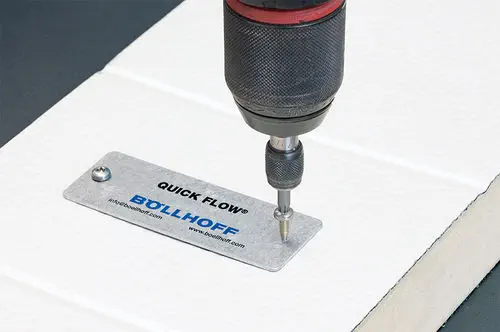
Screws can also be used to join thin sheet metal. Self-tapping screws, in particular, are commonly used to secure metal sheets. However, compared to rivets, screws require more specialized design for thin sheet metal applications to prevent damage to the material.
Characteristics of screws in thin sheet metal:
- Flexible installation and removable for maintenance
Screws support repeated disassembly, making them particularly suitable for structures requiring repair or part replacement. - The connection location requires sufficient material thickness to ensure thread strength
If the sheet metal is too thin, the thread engagement length will be insufficient, leading to stripped threads or reduced connection strength. - Anti-loosening measures are required in vibrating environments
Prolonged vibration may reduce the screw’s preload. It is necessary to use lock nuts, washers, or threadlocker. - Localized damage to thin sheets
When the thread cuts into the thin sheet material, it generates stress around the hole. If the design is improper, this may cause the hole to tear through or damage the sheet.
Rivet Vs Screw for Different Materials
| Material Type | Advantages of Rivet | Advantages of Screw | Recommended Choice |
|---|---|---|---|
| Aluminum | Aluminum rivets are lightweight and have good material compatibility with aluminum sheets. They do not create thread cutting forces during installation, making them suitable for thin aluminum sheet connections with long-term stability. | Screws provide easy disassembly, but aluminum is relatively soft, which may cause thread wear or stripping. Different metal combinations may also require attention to galvanic corrosion. | Choose rivets for permanent fastening; choose screws when maintenance is required. |
| Steel | Steel rivets or structural rivets provide reliable connections with high shear strength and are suitable for high-volume assembly. | High-strength screws provide strong clamping force and are suitable for steel structures that require removal or maintenance. | Choose rivets for permanent connections; choose screws for serviceable structures. |
| Stainless Steel | Stainless steel rivets provide excellent corrosion resistance and stable connections after installation, making them suitable for outdoor and humid environments. | Stainless steel screws also provide good corrosion resistance and offer the advantage of easy removal. | Select based on maintenance requirements and application conditions. |
| Thin Sheet Metal | Blind rivets are highly suitable for thin sheets. They require no rear access, reduce the risk of thread stripping, and minimize sheet damage. | Screws require sufficient thread engagement length. Thin sheets may experience thread stripping or loosening problems. | Rivets are usually the preferred choice. |
| Copper | Copper rivets provide good electrical conductivity and corrosion resistance, making them suitable for permanent connections. | Copper screws allow disassembly, but they have higher cost and require strength evaluation. | Choose rivets for permanent connections. |
| Plastic | Plastic rivets are suitable for quick fastening and can reduce hole damage caused by repeated assembly and disassembly. | Screws are suitable for plastic housings that require maintenance access, but repeated removal may damage threaded holes. | Choose rivets for one-time fixing; choose screws for serviceable structures. |
Rivet Vs Screw Corrosion Resistance
Rivets form a permanent, mechanically locked fastened joint through the riveting process. Because they lack threaded gaps, they offer superior long-term stability. Their corrosion resistance depends on the rivet material and the riveted area. Screws are fastened by tightening the threads, which creates gaps; their corrosion resistance is influenced by the threaded area.
Corrosion Resistance Advantages of Rivets
Reduced Entry of Corrosive Media into the Joint Area
Once riveted, the rivet becomes permanently fixed, forming a tight bond between the rivet body and the hole wall. This reduces the likelihood of moisture entering the joint area.No Thread Corrosion Issues
Rivets lack a threaded structure, so they do not experience thread corrosion or seizing.Suitable for Long-Term Outdoor Applications
By selecting appropriate materials and surface treatments, the corrosion resistance of rivets can be further enhanced, making them ideal for industrial equipment such as solar mounting systems, automotive exterior structures, HVAC equipment, and architectural metal structures.· Zinc Plating
· Anodizing
· Powder Coating
· Paint Coating
Corrosion Resistance Characteristics of Screws
- Corrosion Protection Through Materials and Coatings
· Zinc Plated
· Zinc-Nickel Coating
· Dacromet Coating - The threaded area is the primary risk point
Compared to rivets, screws require regular inspection to check whether the protective coating on the threaded area has worn away or become loose.
Rivet Vs Screw Sealing Performance
Rivet Sealing Performance
After installation, the rivet body fills the mounting hole and forms a mechanically locked structure, resulting in a more stable connection area.
- Sealing rivets offer superior leak-proof performance
For applications with high requirements for water and gas tightness, the use of closed-end blind rivets is recommended. After riveting, the internal structure of the rivet is sealed, preventing liquids and gases from penetrating through the rivet. This enhances the waterproofing and dustproofing performance of the joint. - The joint remains stable after riveting, minimizing the risk of seal failure
The mechanical interlock formed after rivet installation ensures a stable connection. It will not loosen due to vibration.
Screw Sealing Performance
The screw’s connection structure itself is not a sealing element. Waterproofing and sealing performance are primarily enhanced by controlling thread clamping force, using sealing washers, O-rings, and sealants.
Rivet Vs Screw Installation Speed
Rivets can be installed faster than screws, making them suitable for automation and mass production. Screws offer greater flexibility and are better suited for structures that require maintenance and disassembly.
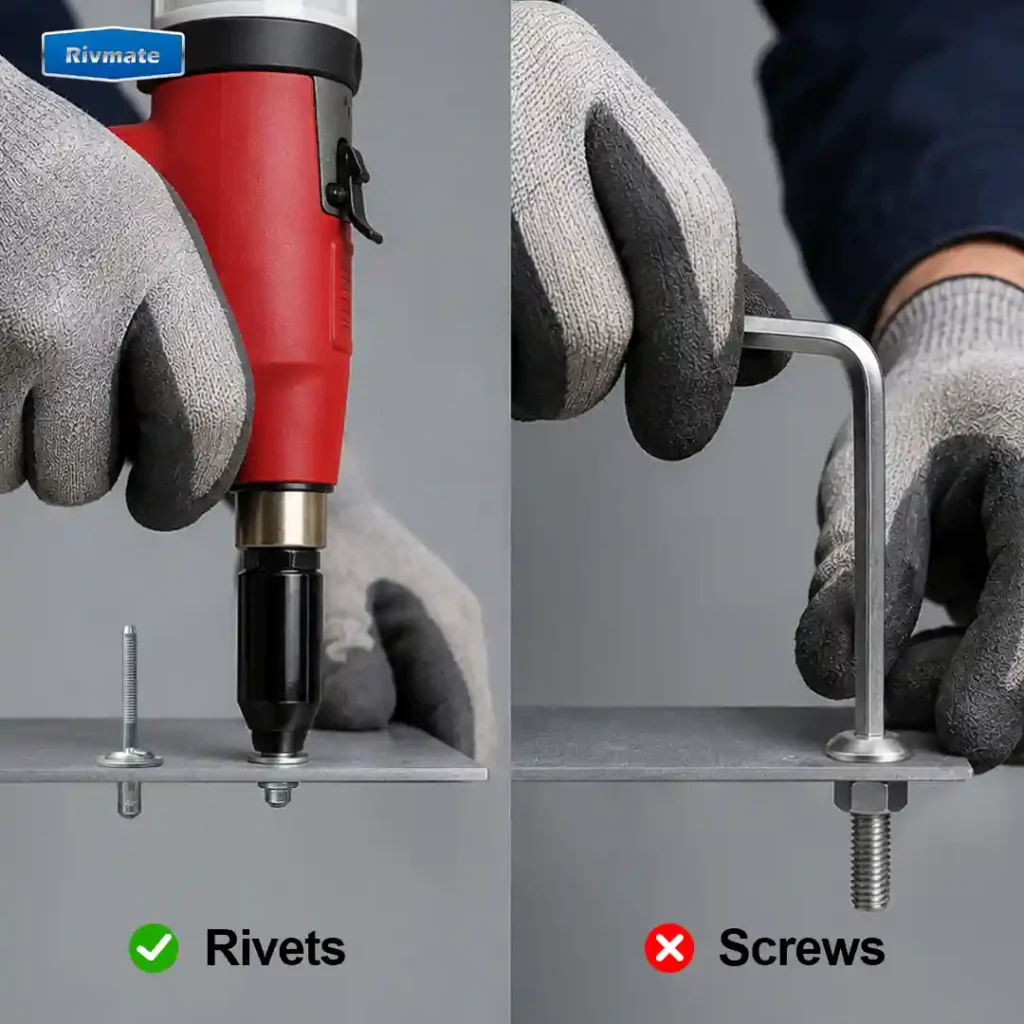
Rivet Installation Speed
1. The installation process is simple; the connection is completed with a single riveting action.
2. Suitable for automated production.
3. Unlike screws, manual torque control is not required.
Screw Installation Speed
Screw installation requires controlling installation parameters and tightening; for high-precision applications, additional nuts, washers, or anti-loosening components may be required. Therefore, efficiency is lower than that of rivets during large-scale assembly.
Rivet Vs Screw Cost Comparison
| Cost Item | Rivet | Screw |
|---|---|---|
| Unit Purchase Cost | Usually lower cost and suitable for bulk purchasing. | Cost varies significantly depending on material and grade. |
| Installation Cost | Lower installation cost with faster installation speed. | Higher installation cost due to tightening process and torque control requirements. |
| Tool Cost | Requires rivet guns or automated riveting equipment. | Requires screwdrivers, electric tools, and torque control tools. |
| Labor Cost | Lower labor cost in high-volume production. | Higher labor cost when installing large quantities. |
| Automation Capability | Highly suitable for automated production. | Can be automated, but equipment is usually more complex. |
| Removal Cost | Higher cost because removal usually requires destructive drilling. | Lower cost because screws can be directly removed. |
| Maintenance Cost | Long-term stable connection with low maintenance requirements. | Requires regular inspection of tightening condition. |
| Mass Production Cost | Usually more cost-effective for large-scale production. | Higher overall cost for large-volume assembly. |
Advantages of Rivets Over Screws
1. Better Vibration Resistance
In high-vibration environments, rivets offer greater connection stability than ordinary screws. Thanks to the mechanical locking mechanism of rivets, there is no risk of threaded loosening. In contrast, screws rely on thread friction and preload for connection; prolonged vibration can cause the preload to decrease, leading to screw loosening.
2. Faster Installation
The installation process for rivets is simpler than that for screws, making them particularly suitable for high-volume production. Using a rivet gun to pull the mandrel causes the rivet body to expand, creating a mechanical lock—a process that is both rapid and standardized.
3. Better Suited for Thin-Sheet Joining
Rivets are better suited for joining thin sheets than screws. They do not suffer from issues such as insufficient thread engagement length or stripped threads.
4. Better for Automated Manufacturing
The installation of rivets is highly standardized, making them ideal for industrial automation.
5. Lower Long-Term Maintenance
Once installed, rivets form a permanent connection and do not require periodic inspection and maintenance like screws do. Rivets can reduce the need for follow-up maintenance.
When Should You Use Rivets Instead of Screws?
1. When a Permanent Connection Is Required
If the connection does not need to be frequently disassembled or repaired, rivets are the optimal choice. Once installed, rivets form a mechanical lock through permanent deformation of the rivet body, ensuring long-term stability.
2. When the application environment involves continuous vibration
In high-vibration environments, the mechanical locking action of rivets provides better vibration resistance than standard screws. Unlike screws, they do not require nuts and washers to prevent loosening.
3. When joining thin sheet metal
Compared to screws, rivets do not require threading in thin sheet metal. This reduces the risk of damaging the sheet metal. They are particularly suitable for connecting metal enclosures, electrical cabinets, HVAC ductwork, and thin-sheet metal brackets.
4. When rapid, high-volume production is required
Compared to screws, rivets do not require torque control during installation, making the process simple. They are highly efficient and easily automated.
5. When installation space is limited or access is restricted to one side
Blind rivets require installation from only one side, making them particularly suitable for structures where the back side is inaccessible. They are widely used for fastening in enclosed profiles, piping systems, equipment enclosures, and confined spaces.
6. When Long-Term Maintenance Costs Need to Be Reduced
Compared to screws, rivets provide a permanent fastening that does not require periodic retightening. The connection remains stable over the long term, reducing the frequency of maintenance.
Rivet Vs Screw for Automotive Applications
| Comparison Item | Rivet | Screw |
|---|---|---|
| Main Applications | Vehicle body structures and permanent connections. | Maintenance parts and removable connections. |
| Connection Method | Forms a mechanical lock through rivet body deformation. | Generates clamping force through threaded engagement. |
| Vibration Resistance | Excellent vibration resistance with lower loosening risk. | Requires anti-loosening design for vibration environments. |
| Thin Sheet Connection | Highly suitable for automotive thin sheet structures. | May experience thread stripping issues in thin sheets. |
| Production Efficiency | Fast installation and suitable for automated production. | Longer installation time compared with rivets. |
| Maintenance | Removal requires destructive drilling or damaging the rivet. | Can be quickly removed and reinstalled. |
| Lightweight Applications | Suitable for aluminum materials and composite materials. | Requires special designs for lightweight structures. |
| Long-Term Reliability | High reliability and suitable for structural components. | Depends on the locking method and tightening performance. |
Can You Replace Screws with Rivets?
Under normal circumstances, rivets can be used as a substitute for some screws, particularly in industrial fastenings where high efficiency and long-term reliability are paramount. However, when the connection point requires access for maintenance or replacement of parts, screws are the optimal choice.
Applications where rivets can replace screws:
- When a permanent connection is required
- When joining thin sheet materials
- When exposed to high vibration over the long term
- When mass production is required
Screws are more suitable for:
- Structures requiring frequent disassembly and maintenance;
- Equipment requiring adjustment or replacement of parts;
- Connection points requiring repeated installation.
How to Choose Between Rivets and Screws
| Selection Factor | Recommended Rivet | Recommended Screw |
|---|---|---|
| Connection Purpose | Suitable for permanent fastening where future removal is not required. | Suitable when disassembly, maintenance, or component replacement is required. |
| Connection Type | Provides a permanent mechanical locking connection through rivet deformation. | Provides a removable threaded connection. |
| Maintenance Requirement | Low maintenance requirement and suitable for long-term operation after installation. | Requires regular inspection or access for equipment maintenance. |
| Material Type | Suitable for thin sheets, sheet metal, aluminum panels, and lightweight structures. | Suitable for thick materials, mechanical structures, and parts requiring high clamping force. |
| Material Thickness | Suitable for thin materials and does not rely on thread strength. | Requires sufficient material thickness to ensure proper thread engagement. |
| Vibration Environment | Performs better in high-vibration environments with lower loosening risk. | Requires locking methods to prevent thread loosening under vibration. |
| Installation Access | Suitable when rear-side access is unavailable (single-side installation). | Usually requires access to the threaded end or sufficient installation space. |
| Production Method | Suitable for high-volume production and automated assembly. | Suitable for small-batch production or flexible assembly requirements. |
| Installation Speed | Faster installation with fewer installation steps. | Slower installation requiring tightening and torque control. |
| Installation Consistency | High consistency controlled by rivet specifications and installation tools. | More affected by operator skills and tightening torque. |
| Removal Requirement | Not suitable for frequent removal; removal usually requires damaging the rivet. | Allows quick removal and repeated installation. |
| Long-Term Reliability | Provides stable long-term fastening with low maintenance requirements. | Requires attention to loosening and tightening conditions. |
Rivmate Blind Rivet Solutions
As a professional manufacturer and supplier of blind rivets. Rivmate has consistently focused on the research, development, and production of industrial-grade blind rivets. We provide stable, highly consistent riveting solutions to customers worldwide.
Rivmate offers a wide range of blind rivet products, including Open End, Closed End, Multi-Grip, and Structural Blind Rivets. We support various material combinations—such as aluminum, steel, and stainless steel—to meet the demands of different application environments. We are also able to provide tailored riveting solutions based on our customers’ specific material, sheet thickness, strength requirements, and application environments.
Conclusion: Rivet or Screw—Which One Should You Choose?
The choice between rivets and screws for fastening not only affects product lifespan but also impacts production efficiency and costs.The key advantages of rivets are quick installation and long-term, stable connections. The advantage of screws lies in the ease of disassembly and maintenance at the connection points later on.
If your application requires a reliable, permanent connection, please send us your specific requirements. Rivmate Blind Rivet offers a complete range of solutions, from standard products to custom designs, to help your products achieve more efficient and stable industrial assembly.
Frequently Asked Questions About Rivet Vs Screw
Can Rivets Replace Self-Tapping Screws?
Rivets can be used as a substitute for self-tapping screws in some applications, but not in all cases. Rivets and self-tapping screws use different fastening methods, so the choice should be based on the specific application requirements.
Which Is Faster to Install, Rivets or Screws?
Rivets can be installed faster than screws, and the installation process for rivets is simpler than that for screws. They are ideal for high-volume production and automated assembly.
Which Fastener Is Better for Outdoor Applications?|
In outdoor applications, both rivets and screws can be used. Rivets are suitable for connections requiring long-term fastening, exposure to the elements, and high-vibration environments. Screws are better suited for applications where components need to be periodically disassembled, repaired, or replaced.
What fastening methods are most suitable for securing plastic components?
If your plastic products require quick assembly, minimal damage, and long-term, stable connections, rivets and specialized plastic fasteners are usually the best choice.
Are Rivets or Screws Better for Preventing Liquid and Gas Leakage?
Closed-End Blind Rivets have a closed-bottom design. Compared to standard screw connections, they are better suited for providing a stable seal.
Work with a IATF 16949 Certified Blind Rivet Manufacturer
Get High Quality Rivets Instead of Huck and Avdel Rivets

Rivmate Rivet
Rivmate is China’s manufacturers of pop rivets. The company is IATF 16949 certified and offers high-strength structural pop rivets that serve as alternatives to Huck and Avdel products.
Explore Rivmate Cases
Rivmate Rivet
Rivmate is China’s manufacturers of pop rivets. The company is IATF 16949 certified and offers high-strength structural pop rivets that serve as alternatives to Huck and Avdel products.

Hey There, I'm Allen!
I am the boss of Rivmate. For over two decades, we have specialized in the manufacture of blind rivets, providing our customers with reliable riveting solutions. Need riveting services? Feel free to contact us.