There are many types of structural pop rivets available on the market. Not only do they differ in appearance, but there are also significant differences in their clamping mechanisms, mandrel locking structures, tensile strength, shear strength, and vibration resistance.
Before selecting structural pop rivets, you should familiarize yourself with their classifications, characteristics, applications, and selection guidelines. This will help you better understand the differences between various types of structural pop rivets.
What Is a Structural Pop Rivet?
Structural pop rivets are mechanical fasteners designed for high-strength, permanent connections. They are particularly suitable for connection points where the back surface is inaccessible, where nuts cannot be installed, or where welding is impractical. Compared to standard pop rivets, structural pop rivets can withstand greater tensile forces, shear forces, and impact in these areas.
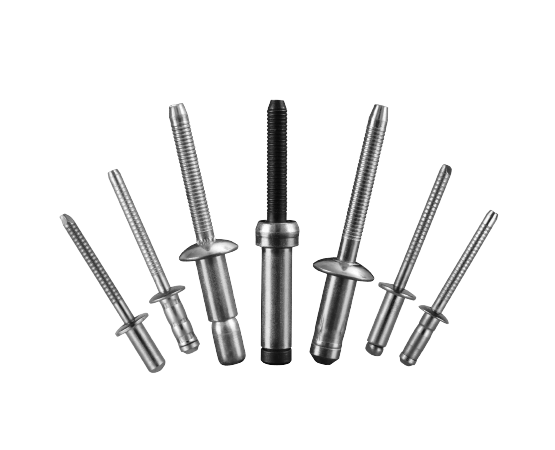
If you are looking for a riveting solution that provides high-strength connections and vibration resistance, structural pop rivets are your best choice. Structural pop rivets are widely used in heavy-duty equipment such as trucks, tractors, rail transit equipment, and steel structures.
What are structural pop rivets made of?
- Rivet Body: Remains in the hole of the workpiece after installation; the tail end of the rivet body deforms to clamp multiple layers of sheet metal.
- Mandrel: The mandrel is located inside the rivet body. Its function is to pull on the mandrel head during riveting to drive the deformation of the rivet body.
What Are the Main Types of Structural Pop Rivets?
There is a wide variety of structural pop rivets, each with its own performance characteristics and application advantages. Based on differences in mandrel locking mechanisms, the forming method at the tail end of the rivet body, hole-filling capacity, sealing performance, and suitable materials, common structural pop rivets can be classified into the following four categories:
1.Interlock Blind Rivets

In Interlock blind rivets, after riveting, the mandrel is locked in place by a mechanical mechanism located either in the rivet head or inside the rivet body. The locking mechanism is concealed within the rivet. As a result, no visible external locking ring protrudes from the rivet head when viewed with the naked eye.
Tip: Based on our application examples, if your connection not only requires high strength but also needs to be installed on a relatively flat surface, you may want to consider using internal-lock pop rivets.
Common applications include:
- Commercial vehicle bodies and trailer components
- Automotive sheet metal structures
- Rail transit equipment
- Industrial equipment frames and enclosures
- HVAC units and large equipment cabinets
- Connections between metal sheets and profiles
- Assembly locations subject to continuous vibration
2.Monobolt Blind Rivets
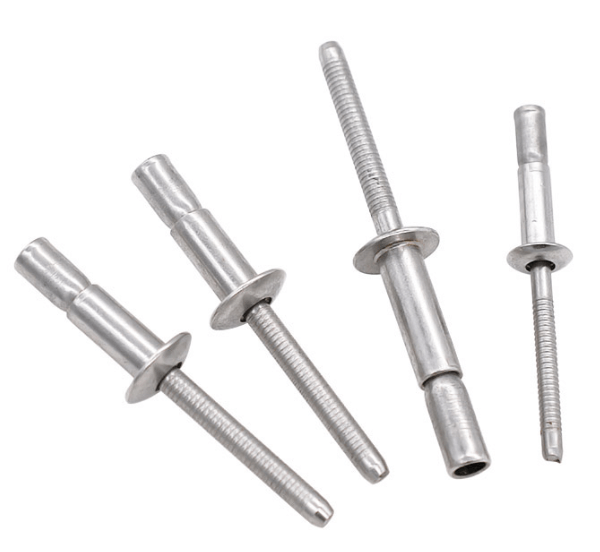
In monobolt blind rivets, the mandrel is secured by an external mechanical locking mechanism near the rivet head after riveting. Compared to internally locked pop rivets, you can view or inspect the condition of the locking core from the rivet head.
Common applications include:
- Automotive and commercial vehicles
- Truck bodies and trailers
- Rail vehicles
- Industrial machinery
- High-strength metal enclosures
- Solar mounting structures
- Equipment components subject to continuous vibration
- Connection points with specific requirements for mandrel retention
3.Hemlock Blind Rivets
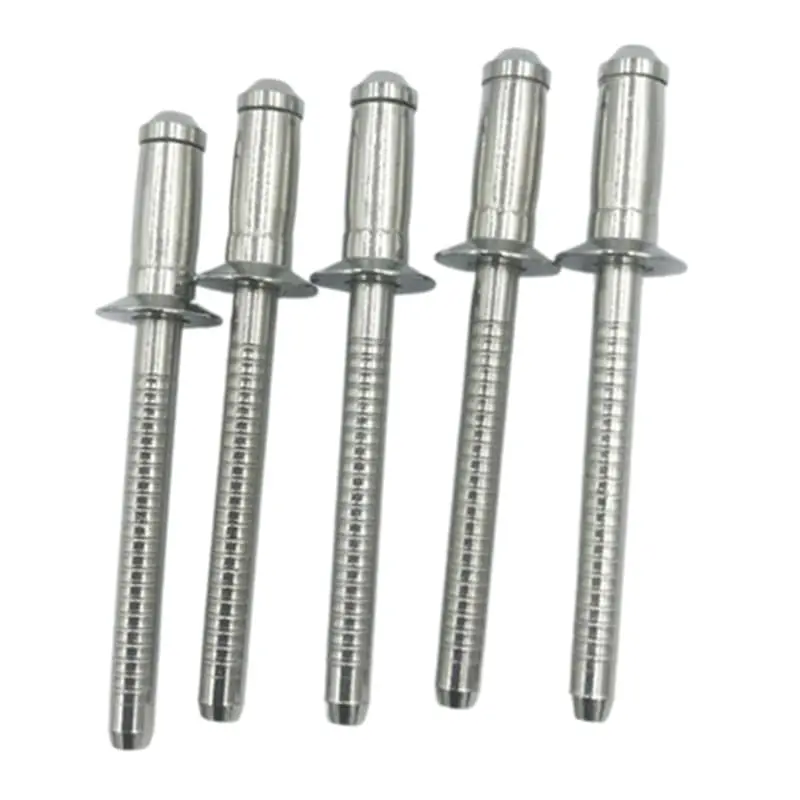
After a hemlock blind rivet is riveted, the special toothed or splined section on the mandrel forms an interference fit with the rivet body. The mandrel is securely held inside the rivet body and breaks off at a predetermined position. Compared to the internal-lock and external-lock rivets described earlier, the seahorse rivet is distinguished by its mandrel interference-lock mechanism and larger load-bearing area on the blind side.
Common applications include:
- Commercial vehicle bodies
- Trucks, trailers, and vans
- Joining metal sheets and plastic parts
- Composite components
- Rail vehicles
- Industrial equipment
- Large metal enclosures
- Thin-plate structures frequently subjected to vibration
4.Bulb-Type Structural Pop Rivets

After being riveted, the tail end of a bulb-type structural pop rivet expands outward to form a lantern-shaped, spherical, or multi-lobed expansion structure. These pop rivets feature a sealed design and are equipped with sealing washers to enhance water resistance.
Please note that waterproof lantern assemblies equipped with sealing gaskets and pop rivets are not permanently waterproof under all conditions. If your project has strict requirements for waterproofing or airtightness ratings, ask your supplier to provide the specific sealing test methods and test results for the product in question so you can make an informed decision.
Common applications include:
- Metal roofing panels
- Building exterior wall panels
- Skylight panels and composite panels
- Solar mounting systems
- Truck roofs and body panels
- RV and trailer shells
- Outdoor HVAC equipment
- Plastic panels and metal frames
- Other outdoor sheet metal connections
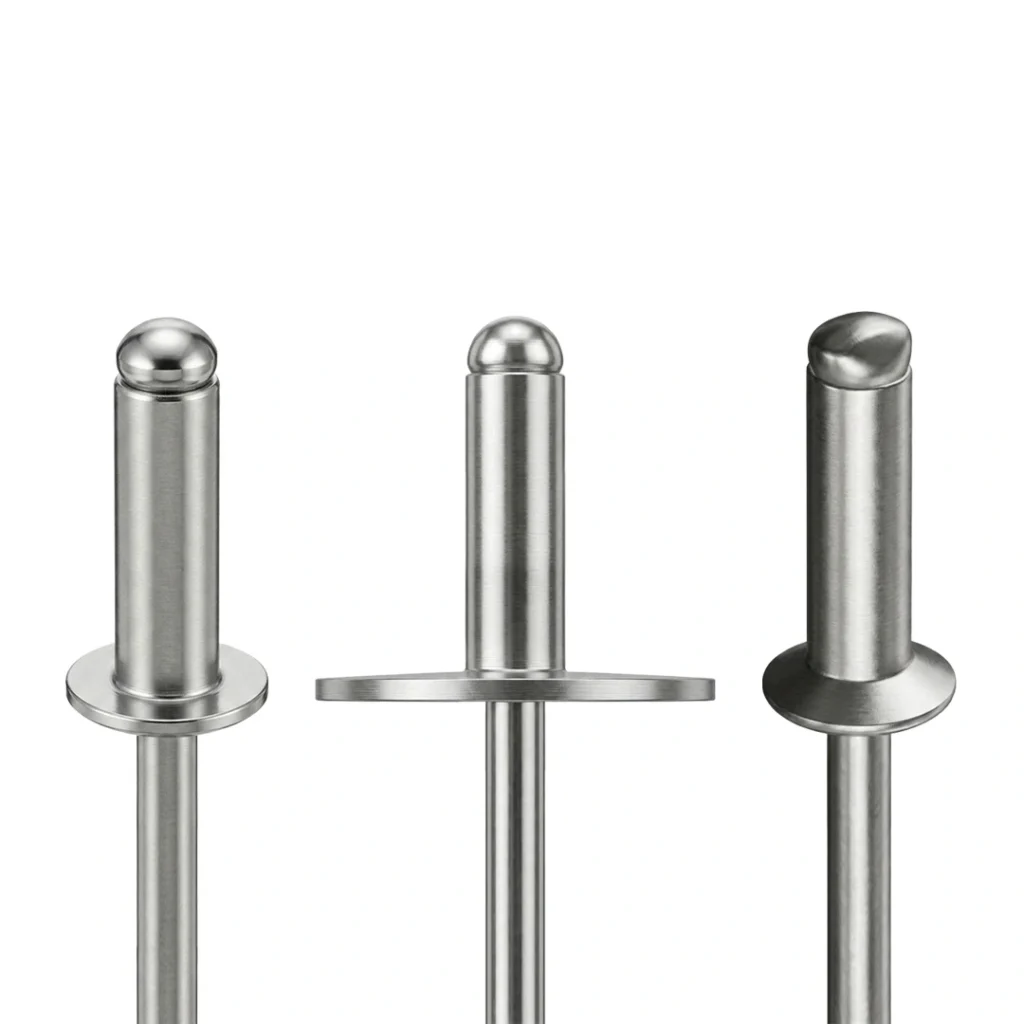
There are three common head types for structural pop rivets: Dome Head, Large Flange Head, and Countersunk Head. The Dome Head is highly versatile and should be the first choice when there are no special requirements for the workpiece surface. The Large Flange Head distributes the load and is suitable for preventing tear-through in thin or soft materials. The Countersunk Head sits flush with the workpiece surface after installation.
When selecting the head type for structural pop rivets, you should also consider whether the diameter, clamping range, material, tensile strength, and shear strength meet the requirements of the actual joint.
| Head Style | Installed Surface Condition | Points to Consider | Typical Applications |
|---|---|---|---|
| Dome Head | The rivet head sits slightly above the workpiece surface. | It creates a visible projection on the workpiece surface and is unsuitable for applications requiring a completely flush surface or where the rivet head may interfere with adjacent components. | Automotive bodies, truck bodies, industrial equipment, metal frames, and general structural joints. |
| Large Flange Head | The head protrudes noticeably, and its diameter is larger than that of a standard dome head. | It occupies more surface space and is more visible after installation. A larger head does not necessarily mean that the rivet itself has higher shear or tensile strength. | Thin sheet metal, plastic panels, composite materials, slightly worn installation holes, vehicle exterior panels, and equipment enclosures. |
| Countersunk Head | When installed correctly, the rivet head is flush or nearly flush with the workpiece surface. | A matching countersunk hole is required. The countersink angle, diameter, and depth must comply with the product drawing. It is not suitable for excessively thin materials that have not been validated for the application. | Rail transportation, vehicle exterior panels, equipment panels, sliding components, and assemblies requiring a flat surface. |
①Dome-Head Structural Pop Rivets
After installation, the head of a Dome Head Structural Pop Rivet protrudes slightly above the workpiece surface. Unlike Countersunk Head Structural Pop Rivets, there is no need to pre-machine a countersink. The Dome Head is the standard choice for most applications.
Key Advantages of the Dome Head:
- Installation holes only require standard straight holes
- Low requirements for workpiece surface flatness
- Suitable for joining most sheet metals and structural profiles
- Balanced head dimensions, appearance, and bearing area
- Wide range of specifications available for structural products
- Facilitates mass installation and quality inspection
②Large-Flange Structural Pop Rivets
Large Flange Head Structural Pop Rivets have a larger head diameter than Dome Head rivets, which increases the load-bearing area on the workpiece surface. Large Flange Head Structural Pop Rivets are widely used in thin, soft, brittle, or easily damaged materials. They offer greater tolerance for oversized, elongated, or worn installation holes.
Key Advantages of Large Flange Heads:
- Larger front bearing surface area
- Distributes concentrated pressure beneath the rivet head
- Reduces the risk of thin sheets being dented or torn through
- Better suited for plastics, thin aluminum sheets, and certain composite materials
- Can accommodate a certain degree of hole wear or oversized holes
③Countersunk Structural Pop Rivets
Countersunk Head Structural Pop Rivets feature a conical head design. Before installation, a countersink matching the rivet head must be pre-machined. After riveting, the conical head sinks into the countersink, reducing the protrusion of the rivet head from the workpiece surface and enhancing the product’s appearance.
Key Advantages of Countersunk Heads:
- A smooth, flush surface on the workpiece after installation
- Reduces interference between the rivet head and other components
- Suitable for sliding, covering, or flush-fitting surfaces
- Helps improve the appearance of certain products
- Can be used on vehicle and equipment panels with specific external contour requirements
How to Choose a Rivet Head Style Based on Material and Load Requirements?
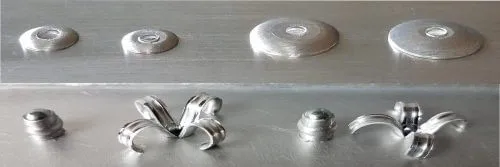
Situation 1: Round-head screws are the preferred choice for standard metal sheets
When fastening standard steel sheets, aluminum sheets, or metal profiles, and the workpiece surface does not need to be flat, the Dome Head is the optimal choice.
Situation 2: For thin sheets, plastics, and soft materials that are prone to damage, prioritize the Large Flange Head
When fastening thinner, softer, or more brittle materials, the Large Flange Head is recommended. It creates a larger bearing surface on the front of the workpiece, distributing localized pressure and reducing the risk of material tear-through.
Situation 3: Choose Countersunk Heads When a Flat Surface Is Required
Countersunk heads sit nearly flush with the workpiece surface after installation. They are recommended for applications where the workpiece surface must slide, fit snugly, provide a seal, or remain flat.
Situation 4: Under tensile and peel loads, consider whether the material might tear through
Tensile loads can cause the upper and lower layers of the material to separate. Peel loads cause the sheet to gradually curl up from the edges. Both types of loads can lead to the sheet tearing through. The Large Flange Head offers advantages over a standard round head because it increases the load-bearing area on the front surface.
Structural Pop Rivet Types by Material
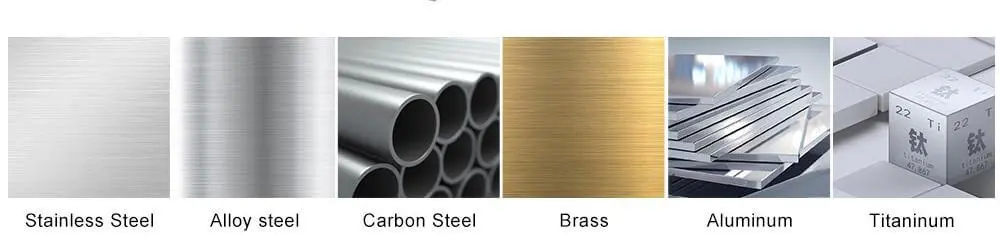
| Comparison Item | Aluminum Structural Blind Rivets | Steel Structural Blind Rivets | Stainless Steel Structural Blind Rivets |
|---|---|---|---|
| Weight | The lightest option, making it suitable for products with lightweight design requirements. | Heavier than aluminum structural blind rivets. | Usually similar in weight to steel and significantly heavier than aluminum. |
| Load Capacity | Generally lower than steel products of the same design and size. Actual strength depends on the aluminum alloy, mandrel material and rivet structure. | Usually provides high tensile and shear strength, making it suitable for high-load metal joints. | Usually provides high strength, but the exact values depend on the stainless steel grade, rivet diameter and product design. |
| Corrosion Resistance | Does not produce red rust like ordinary steel, but pitting or galvanic corrosion may occur in wet, salty or mixed-metal environments. | Unprotected carbon steel can develop red rust easily and normally requires zinc plating, zinc-nickel coating or another protective finish. | Usually offers better corrosion resistance than ordinary carbon steel, but it is not completely corrosion-proof in every environment. |
| Installation Force | Usually requires less pulling force, reducing the demand placed on the riveting tool. | Usually requires more installation force than aluminum products. Tool pulling force, stroke and nosepiece compatibility should be confirmed. | Usually requires relatively high installation force, especially for large-diameter all-stainless structural blind rivets. |
| Blind-Side Formation | The softer material generally forms a larger blind-side closing structure more easily, helping distribute pressure on thin sheets. | Can provide high strength and stable structural support on the blind side. | Provides high strength, but installation requires a tool with sufficient pulling force and stroke. |
| Common Surface Treatments | Natural finish, anodizing, paint coating or other protective finishes. | Zinc plating, zinc-nickel coating, zinc-flake coating or other corrosion-resistant finishes. | Usually relies on the corrosion resistance of the material itself, but passivation and other surface treatments may also be used. |
| Cost Level | Usually low to medium, depending on the material combination and rivet design. | Usually provides a good balance between strength, cost and large-volume availability. | Usually more expensive than ordinary steel structural blind rivets. |
| Suitable Workpiece Materials | Aluminum sheets, thin sheets and components with lightweight design requirements. | Steel sheets, metal brackets, machinery components and high-load structures. | Stainless steel sheets, components used in wet environments and joints requiring higher corrosion resistance. |
| Typical Applications | Vehicle body panels, enclosures, thin-sheet structures and lightweight equipment. | Commercial vehicles, machinery, metal frames and industrial structures. | Outdoor equipment, food-processing equipment, wet environments and selected chemical applications. |
① Aluminum Structural Pop Rivets
Aluminum structural pop rivets are characterized by their light weight, ease of installation, and excellent blind-side forming capabilities. They are particularly suitable for joining aluminum sheets, vehicle body panels, equipment housings, or other lightweight components.
Common material combinations include:
- Aluminum riveted body / aluminum mandrel
- Aluminum riveted body / steel mandrel
- Aluminum riveted body / stainless steel mandrel
②Steel Structural Pop Rivets
Steel structural pop rivets offer the best balance between strength and cost, making them a common choice for industrial equipment, commercial vehicles, and metal structures.
③Stainless Steel Structural Pop Rivets
Stainless steel structural pop rivets offer high corrosion resistance and strength. They are suitable for outdoor equipment, humid environments, stainless steel enclosures, and food processing equipment.
Common material combinations include:
- Stainless steel rivet body / stainless steel mandrel
- Stainless steel rivet body / steel mandrel
How to Choose Between Aluminum, Steel, and Stainless Steel Structural Rivets?
When selecting materials for structural pop rivets, you should not only focus on strength but also consider the strength of the joint, the corrosive environment, and the installation conditions.
- Prioritize weight reduction and connecting aluminum sheets: Give priority to aluminum structural pop rivets.
- Prioritize a balance between high strength and cost: Give priority to steel structural pop rivets.
- Require high strength and are used in damp or outdoor environments: Give priority to stainless steel structural pop rivets.
- Balancing the weight of an aluminum rivet body with higher mandrel performance: We recommend evaluating combinations of aluminum rivet bodies with steel mandrels;
- Requiring better corrosion resistance for both the rivet body and the residual mandrel: Prioritize evaluating all-stainless-steel combinations.
Performance Comparison of Structural Pop Rivet Types
| Comparison Factor | Internally Locked Structural Rivets | Externally Locked Structural Rivets | Hem-Lock-Type Structural Rivets | Bulb-Type Structural Rivets |
|---|---|---|---|---|
| Mandrel Locking Method | The mandrel is mechanically locked by a structure inside the rivet body or rivet head. | The locking area is usually located near the rivet head, making the installed locking condition easier to observe. | The mandrel is normally retained through splines, serrations, or an interference-locking structure. | It depends on the specific model. Structural versions should normally include a mechanical mandrel-locking system. |
| Shear Performance | Typically high and suitable for heavily loaded metal joints. | Typically high. The retained mandrel may contribute to the load capacity of the joint. | Typically high and suitable for structures exposed to severe vibration. | Structural models may provide high shear strength, but ordinary bulb rivets are not necessarily structural rivets. |
| Tensile Performance | Typically high. | Typically high. | Typically high, with a relatively large blind-side bearing area. | A large closing head helps improve pull-through resistance in thin sheet materials. |
| Vibration Resistance | Good. | Good. | Usually excellent. | Depends on the mandrel-locking method and hole-filling performance. |
| Mandrel Retention | Strong. The mandrel is locked inside the rivet body. | Strong. On some models, the locking condition can be inspected from the installation side. | Strong. The interference-locking structure helps reduce the risk of the retained mandrel becoming loose. | You must verify whether the product has a true mechanical mandrel-locking system. |
| Hole-Filling Capability | Typically good. | Typically good. | Good. | Good on selected models and may compensate for limited hole variation. |
| Clamping Capability | Typically strong. | Typically strong. | Strong, while also forming a relatively large blind-side closing head. | Provides relatively even load distribution and is suitable for thin sheets and softer materials. |
| Blind-Side Bearing Area | Medium to large. | Medium to large. | Typically large. | Typically the largest. |
| Thin-Sheet Suitability | Good. | Good. | Very good. | Very good. |
| Sealing Performance | Available only on models specifically designed for sealing. | Some models can form a sealed joint. | Sealing performance cannot be determined from the Hem-Lock-type name alone. | A closed blind-side head combined with a sealing washer provides better sealing potential. |
| Installation Quality Inspection | The internal locking condition is not easy to see directly. | Usually the easiest type to inspect visually after installation. | Head seating and mandrel break condition can be inspected. | The blind-side bulb must be checked to confirm that it has formed completely. |
| Typical Application Focus | High-strength joints requiring good hole filling and multi-grip capability. | High-strength, high-volume assembly where installation inspection is important. | High-vibration joints involving thin sheets or softer materials. | Thin sheets, composite materials, and joints requiring a large blind-side support area. |
How Do Structural Pop Rivets Compare with Open-End Blind Rivets?
The difference between structural pop rivets and open-end pop rivets lies in their intended applications. Open-end pop rivets are used for general manufacturing, standard sheet metal work, and non-critical joints. Structural pop rivets are used for high-strength or heavy-duty, vibration-resistant joints. They enhance tensile, shear, and vibration resistance through the use of mechanical locking cores, interference fits, or other reliable retention mechanisms.
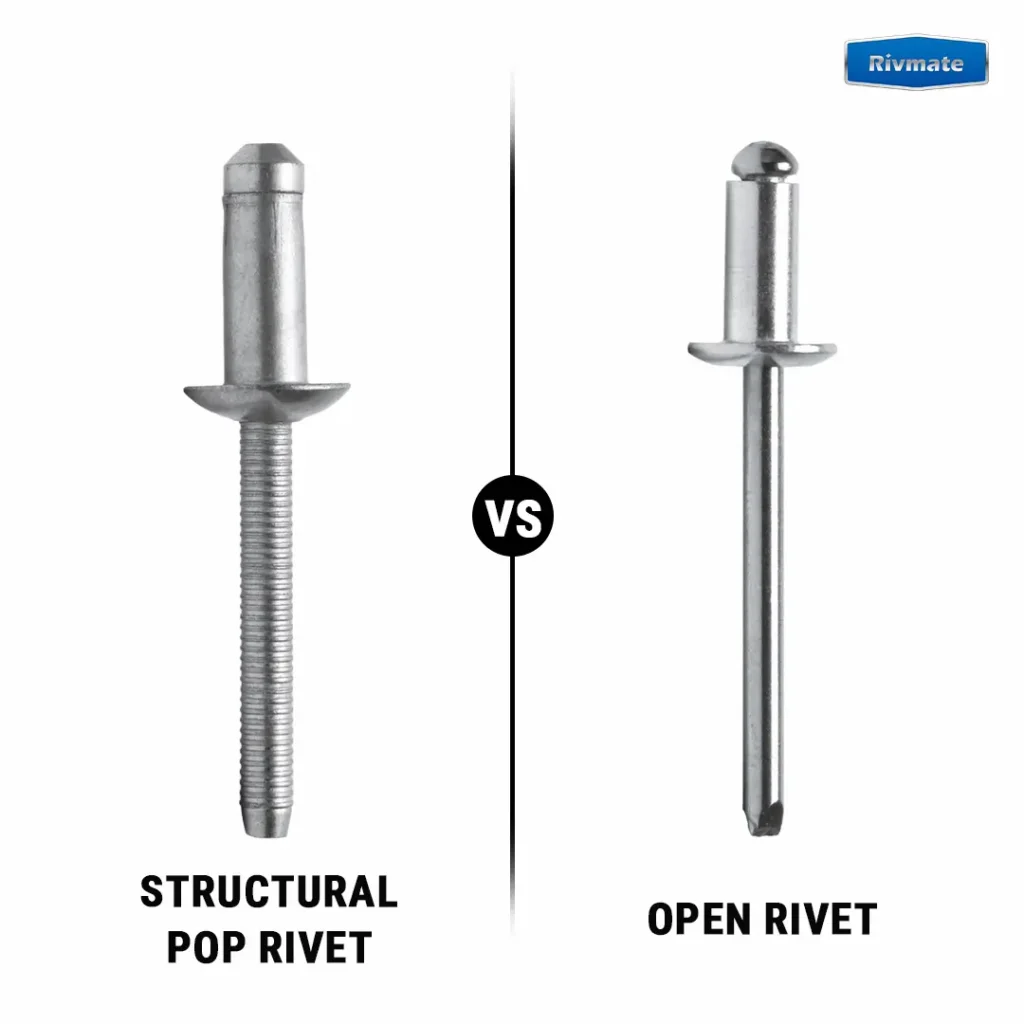
The installation principles are similar, but the post-installation structures differ
After installation, Structural Pop Rivets form a mechanical locking system through internal locking, external locking, splines, or interference fits. This provides more reliable mandrel locking. In contrast, the tail end of an open-end pop rivet remains open after installation and does not utilize a mechanical locking mechanism.Structural Pop Rivets provide higher load-bearing capacity
After riveting, part of the mandrel and the rivet body of Structural Pop Rivets jointly contribute to load-bearing.Structural Pop Rivets are the preferred choice in high-vibration environments
Structural Pop Rivets improve joint stability through mechanical locking and better hole filling.Structural Pop Rivets Require Higher-Capacity Installation Tools
Compared to the riveting tools used for open-end blind rivets, structural pop rivets require higher tool pulling force and effective stroke.Open-End Blind Rivets Are More Cost-Effective
Open-end blind rivets have a relatively simple structure.Structural Pop Rivets have a more complex structure and relatively higher initial costs.
Which Type of Structural Pop Rivet Should You Use for Different Applications?
Quick Selection Chart for Structural Pop Rivets
| Application or Working Condition | Main Joint Problems | Recommended Rivet Types to Compare | Main Reasons | What You Still Need to Confirm |
|---|---|---|---|---|
| Automotive Bodies and Commercial Vehicle Bodies | Vibration, impact, sheet movement and joint loosening | Internally locked, externally locked or Hem-Lock-type rivets | These rivets typically provide reliable mandrel retention, good hole filling and high structural strength. | Shear strength, tensile strength, fatigue performance, hole size and applicable vehicle standards |
| Truck Bodies and Trailers | Road vibration, dynamic loads and variations in material thickness | Externally locked, internally locked or Hem-Lock-type rivets | Suitable for high-strength, high-volume assembly. Some products also offer multi-grip capability. | Grip range, mandrel-locking condition, tool pulling force and corrosion resistance |
| Industrial Machinery and High-Vibration Equipment | Loose mandrels, hole-wall wear and long-term fatigue | Hem-Lock-type, internally locked or externally locked rivets | Mechanical mandrel locking and stable clamping help reduce the risk of vibration-related joint loosening. | Vibration frequency, cyclic loads and fatigue-test results |
| Thin Steel or Aluminum Sheets | Sheet indentation, deformation or pull-through failure | Hem-Lock-type or structural bulb-type rivets | A larger blind-side closing head helps distribute local pressure over a wider area. | Front-side head style, sheet thickness, blind-side formation and pull-through testing |
| Plastics and Composite Materials | Cracking, delamination, crushing and long-term creep | Bulb-type or Hem-Lock-type rivets | A larger blind-side bearing area distributes the clamping pressure more evenly. | Installation force, material compressive strength and testing with the actual workpiece |
| Rail Transportation Equipment | Vibration, fatigue, quality traceability and high reliability | Externally locked, internally locked or validated Hem-Lock-type rivets | These rivets can provide high-strength joints. Externally locked rivets are generally easier to inspect after installation. | Industry standards, fatigue performance, fire resistance and corrosion-protection requirements |
| HVAC Cabinets and Equipment Enclosures | Vibration, thin-sheet deformation and assembly efficiency | Internally locked, Hem-Lock-type or multi-grip structural rivets | They can combine reliable clamping, vibration resistance and tolerance for material-thickness variations. | Whether structural-grade strength and sealing performance are actually required |
| Solar Mounting Systems and Outdoor Metal Structures | Wind loads, vibration, rainwater and corrosion | Internally locked, externally locked or sealed structural rivets | They can provide good structural strength and long-term joint stability. | Material compatibility, salt-spray performance, sealing and wind-load testing |
| Roofing, Facades and Vehicle Exterior Panels | Water leakage, thin-sheet pull-through and thermal expansion | Sealed bulb-type rivets or validated sealed structural rivets | A large blind-side closing head distributes the load, while a sealed design helps reduce water-entry risks. | Washer material, hole diameter, sealing tests and thermal-cycle performance |
| Wet or Corrosive Environments | Red rust, pitting corrosion and galvanic corrosion | Stainless steel structural rivets or structural rivets with high-corrosion-resistant coatings | Suitable materials and surface treatments can provide better protection against long-term corrosion risks. | Stainless steel grade, coating system and compatibility between the rivet and workpiece materials |
How to Choose the Right Type of Structural Pop Rivet?
① Determine the most likely failure mode of the joint
Dentify what problems might arise at the connection point. Different failure risks call for different design priorities. Take steps in advance to prevent the weakest point in the joint from failing first.
② Select the structural type based on the locking core requirements
The key difference between structural pop-out rivets and standard pop-out rivets is that the former feature a more reliable core shaft retention mechanism.
- Internal-lock types secure the residual mandrel inside the rivet body or head, making it invisible.
- External-lock type structural pop rivets have the locking area near the rivet head, allowing the mandrel’s status to be inspected from the installation side.
- Hem-lock-type structural pop rivets typically balance mandrel retention, vibration resistance, and a large blind-side support area.
- Bulb-type structural pop rivets form a large spherical, lantern-shaped, or multi-lobed blind-side closed head after installation.
③ Select Diameter and Rated Strength Based on Load
The rivet diameter significantly affects the joint’s load-bearing capacity. Under identical material and structural conditions, the larger the diameter, the higher the rivet’s shear and tensile strength.
Based on our more than a decade of practical experience, we can summarize the following:
If the rivet diameter is too large, the sheet metal will be pulled through; if the rivet diameter is too small, the rivet body will not deform sufficiently, leading to riveting failure. Therefore, you should select rivets based on the technical specifications provided by the supplier.
④ Accurately Determine the Total Clamping Thickness
You need to calculate the total thickness of all materials to be clamped. When selecting multi-clamp structural rivets, the thickness must fall within the range specified for the particular model.
⑤ Determine the Materials for the Rivet Body and Mandrel Separately
Structural pop rivets consist of a rivet body and a mandrel, so you can choose to combine the same or different materials. Combining different materials will affect their performance. If weight reduction is a priority for your product, use aluminum. If strength and cost are key considerations, steel is recommended. If corrosion resistance is required, prioritize stainless steel.
⑥ Select the head type based on the workpiece surface
Choose a round head if there are no specific requirements for the workpiece surface. A countersunk head is suitable when product appearance is a priority. A large flange head is suitable for thin materials to prevent tearing through.
⑦ Check the mounting holes and clearance on the blind side
Structural rivets must be installed within the specified hole diameter to achieve proper hole filling, clamping, and core locking. Space must be reserved on the blind side to accommodate rivet body deformation.
Tips: Please ensure that the hole diameter matches the rivet before drilling. If the hole is too small, it may scratch the rivet surface or prevent insertion. If the hole is too large, it will result in insufficient hole filling and looseness after installation.
⑧ Verify that the available tools are suitable for installation
The installation tool must have the correct nozzle, pulling force, effective stroke, and diameter. Insufficient tool capacity can result in inadequate deformation of the rivet body and riveting failure.
⑨ Perform actual riveting on a sample to verify the results
Structural Pop Rivet Selection Chart
| Your Main Requirement | Recommended Rivet Types to Compare | Main Selection Reason | Parameters You Must Confirm |
|---|---|---|---|
| High Shear and Tensile Strength | Internally locked or externally locked rivets | These rivets typically provide reliable mechanical mandrel locking, good hole filling and high structural load capacity. | Minimum shear strength, minimum tensile strength, rivet diameter, material and recommended hole diameter |
| Long-Term Vibration or Impact Loads | Hem-Lock-type, internally locked or externally locked rivets | Reliable mandrel retention and stable clamping help reduce loose mandrels, noise and joint movement. | Mandrel-locking method, hole filling, grip range, vibration data and fatigue-test results |
| Quick Inspection of the Mandrel Lock After Installation | Externally locked rivets | The locking area is usually located near the rivet head, making some products easier to inspect from the installation side. | Mandrel break height, locking structure, rivet-head seating and required installation nosepiece |
| Clean Installation Surface or Less Visible Mandrel Lock | Internally locked rivets | The retained mandrel is normally locked inside the rivet body or rivet head, creating a cleaner installed appearance. | Installed head height, mandrel break position and internal locking quality |
| Joining Thin Steel or Aluminum Sheets | Hem-Lock-type or structural bulb-type rivets | A larger blind-side closing head distributes pressure around the hole and reduces the risk of sheet pull-through or deformation. | Sheet thickness, blind-side bearing area, front-side head style and pull-through test results |
| Joining Plastics or Composite Materials | Structural bulb-type or Hem-Lock-type rivets | A larger blind-side support area distributes clamping pressure more evenly across the material. | Installation force, material cracking, delamination, indentation and long-term creep |
| Large Variations in Total Material Thickness | Multi-grip internally locked, externally locked or structural bulb-type rivets | One rivet size can cover a defined range of material thicknesses, helping reduce inventory and installation errors. | Minimum grip range, maximum grip range and actual material-thickness tolerances |
| Rainproof, Waterproof or Reduced Air Leakage | Structurally rated rivets with verified sealing performance | A closed rivet body, enclosed mandrel or sealing washer can reduce the entry of water and air through the joint. | Rivet-body design, washer material, installation-hole diameter and sealing-test conditions |
| Limited Blind-Side Installation Space | Internally locked or externally locked rivets with compact blind-side formation | Some models form a compact blind-side closing head that is less likely to interfere with wiring, pipes or internal components. | Installed blind-side protrusion, closing-head diameter and available internal space |
| Corrosive or Outdoor Service Environment | Stainless steel structural rivets or structural rivets with high-corrosion-resistant surface treatments | Suitable materials and surface treatments can extend joint life in wet, outdoor or corrosive conditions. | Rivet-body material, mandrel material, stainless steel grade, coating system and material compatibility |
Common Structural Pop Rivet Sizes and Specifications
| Structural Rivet Type | Diameter | Total Grip Range | Recommended Hole Diameter | Tensile Strength Reference | Shear Strength Reference |
|---|---|---|---|---|---|
| Now-Lock Blind Rivet | 4.8 mm | 1.6–16.9 mm | 4.9–5.1 mm | 2,000–4,440 N | 2,660–5,800 N |
| Now-Lock Blind Rivet | 6.4 mm | 2.0–18.4 mm | 6.7–6.9 mm | 3,960–8,220 N | 5,785–11,120 N |
| Now-Lock Blind Rivet | 9.8 mm | 3.0–19.0 mm | 10.0–10.4 mm | 8,100–19,400 N | 13,300–26,600 N |
| Mono-Lock Blind Rivet | 4.8 mm | 1.6–12.7 mm | 4.9–5.1 mm | 2,110–5,110 N | 2,890–6,440 N |
| Mono-Lock Blind Rivet | 6.4 mm | 2.1–17.5 mm | 6.7–7.0 mm | 4,220–10,450 N | 6,000–11,780 N |
| Mono-Lock Blind Rivet | 9.8 mm | 3.0–16.0 mm | 10.0–10.4 mm | 8,500–19,400 N | 11,500–26,080 N |
| Hem-Firm Blind Rivet – A Type | Approx. 6.3 mm | 1.5–20.8 mm | 6.6–6.8 mm | 8,800 N | 10,500–16,000 N |
| Hem-Firm Blind Rivet – B Type | 4.8 mm | 1.5–13.5 mm | 4.9–5.1 mm | 1,600–4,900 N | 1,700–7,800 N |
| Hem-Firm Blind Rivet – B Type | 6.4 mm | 1.5–26.0 mm | 6.6–6.8 mm | 3,400–8,300 N | 4,200–14,500 N |
| Hem-Firm Blind Rivet – B Type | 7.8 mm | 4.0–16.0 mm | 8.1–8.3 mm | 5,800–12,500 N | 7,800–20,500 N |
| Hem-Firm Blind Rivet – B Type | 9.8 mm | 4.0–22.0 mm | 10.0–10.4 mm | 12,740 N | 21,500 N |
| Bulbtight Rivet | 5.2 mm | 1.3–19.1 mm | 5.3–5.5 mm | 1,800 N | 2,700 N |
| Bulbtight Rivet | 6.4 mm | 1.6–15.9 mm | 6.4–6.6 mm | 2,500 N | 3,780 N |
| Bulbtight Rivet | 7.5 mm | 0.8–19.1 mm | 7.8–8.2 mm | 4,400 N | 5,600 N |
Common Structural Pop Rivet Selection Mistakes
When the correct structure, dimensions, materials, and installation tools are used, structural pop rivets can provide high shear strength, tensile strength, and mandrel retention. However, if you overlook any of these factors during the selection process, riveting failure may occur.
elow, I have listed the top ten common mistakes regarding structural pop rivets to help you avoid problems when selecting the right product.
| Common Selection Mistake | Possible Problems | Correct Selection Method |
|---|---|---|
| Selecting Only by Structural Rivet Type | Rivets described as internally locked, externally locked or Hem-Lock-type may have very different load capacities when their materials and diameters are different. | Check the material, diameter, grip range, tensile strength and shear strength of the specific part number. |
| Treating Rivet Length as Grip Thickness | A rivet that is too long or too short may fail to clamp the joint or form a complete blind-side closing head. | Select the correct grip range according to the total thickness of all joined materials. |
| Measuring the Thickness of Only One Sheet | The actual total thickness may exceed the grip range, causing mandrel-locking failure or abnormal mandrel breakage. | Include the thickness of all sheets, brackets, washers, adhesive layers and surface coatings. |
| Assuming a Larger Diameter Is Always Safer | The installation hole may become too large, thin sheets may deform, edge distance may be insufficient, or the available tool may not install the rivet correctly. | Select a suitable diameter according to the joint load and the strength data of the specific rivet. |
| Ignoring Hole Diameter and Hole Quality | Poor hole filling, rivet rotation, joint movement or wear around the hole may occur. | Control the hole diameter, roundness, burrs and alignment of holes according to the product data sheet. |
| Comparing Only Rivet Tensile and Shear Strength | The rivet may remain intact while a thin sheet is pulled through, cracked or crushed. | Also check the bearing strength of the workpiece, head style, blind-side formation and overall joint design. |
| Ignoring the Rivet Body and Mandrel Material Combination | Strength, required installation force or corrosion resistance may fail to meet the project requirements. | Confirm the rivet body material, mandrel material and surface treatment separately. |
| Selecting the Wrong Head Style | Thin sheets may be pulled through, the rivet head may protrude, or the countersunk area may crack. | Choose a dome head, large flange head or countersunk head according to the required bearing area and surface flushness. |
| Assuming All Bulb-Type Rivets Are Structural or Sealed | The selected product may not have reliable mandrel locking or may fail to meet the required waterproofing performance. | Confirm whether the specific model has mechanical mandrel locking, structural strength data and verified sealing-test results. |
| Ignoring Tool Compatibility and Actual Joint Validation | The rivet may appear correctly installed while the internal mandrel lock or blind-side formation is incomplete. | Check tool pulling force, stroke and nosepiece compatibility, then test the rivet with the actual workpieces. |
How to Choose a Structural Pop Rivet Manufacturer?
When selecting a manufacturer of structural pop rivets, you cannot simply compare unit prices, lead times, and product drawings. Structural pop rivets are used in applications involving heavy loads, vibration, and critical connections. If the materials, lock core structure, dimensional tolerances, and installation performance of the products you purchase are inconsistent, it can result in joint loosening or even lead to production downtime and rework.
Before formally selecting a supplier, you should verify the following ten points:
- Whether the supplier has a genuine factory and production equipment
- Whether the supplier can provide complete product technical data
- Whether the materials of the rivet body and mandrel are clearly specified and traceable
- Whether there are control records for key production processes
- Can they provide test data for dimensional accuracy, tensile strength, shear strength, and installation checks?
- Does each batch of products have a clear lot number and inspection report?
- Can they provide matching installation tools and nozzle recommendations?
- Do they support test riveting on actual workpieces and joint validation?
- Do they have stable mass production and delivery capabilities?
- Can they provide root cause analysis and corrective actions when anomalies occur?
Structural Pop Rivet RFQ Checklist
Rivmate is a manufacturer that integrates production and R&D, and has consistently focused on providing reliable structural riveting solutions to customers worldwide. As a supplier, Rivmate has encountered situations where customers provided incomplete information, leading to feedback that the actual product specifications did not match or that there were significant discrepancies in pricing.
To ensure that suppliers can accurately recommend models and provide valid quotes, and to prevent the risk of selecting the wrong model or failing to install the batch, please provide the following information:
- Application location
- Workpiece material
- Total clamping thickness
- Mounting hole diameter
- Load requirements
- Structural type
- Material combination
- Head type
- Operating environment
- Tooling information
- Purchase quantity
Conclusion: Which Type of Structural Pop Rivet Is Best for Your Application?
The type of structural pop rivet best suited for your joint depends on which structural pop rivet matches the load, sheet metal, clamping thickness, mounting holes, and operating environment of your application.
If the joint requires high strength and good hole filling, the Now-Lock Blind Rivet is the preferred choice. If your project prioritizes installation inspection, the Mono-Lock Blind Rivet is the best option. If the joint is subject to long-term vibration and requires a larger blind-side support area, the Hem-Firm Blind Rivet is more suitable. The Bulbtight Rivet is suitable for large blind-side forming in thin sheets and soft materials.
If you’re still unsure which structural blind rivet is right for your project, simply provide Rivmate with the workpiece material, sheet thickness, hole diameter, load requirements, and purchase quantity. Our technical team will assist you with product selection, sample testing, and bulk supply.
Frequently Asked Questions About Structural Pop Rivet Types
What Is the Difference Between Internally and Externally Locked Structural Rivets?
The main difference between the two lies in whether the mechanical locking position and structure of the mandrel are visible from the outside of the rivet head after riveting. Internally Locked Structural Rivets are locked inside the rivet body and are not visible from the outside. Externally Locked Structural Rivets have a locking mechanism near the rivet head, allowing the installation status to be inspected.
Which Structural Pop Rivet Type Is Best for Thin Sheet Metal?
For thin-sheet connections, prioritize Structural Pop Rivets that form a large blind-side closed head, as they effectively distribute localized loads.
If the thin sheet is exposed to high vibration and shock, consider Hem-Lock-Type Structural Pop Rivets. If the thin sheet is made of a soft material, Bulb-Type Structural Pop Rivets are recommended. When selecting head types, choose large-flange heads whenever possible to increase the bearing surface area.
Which Structural Pop Rivet Type Is Best for High-Vibration Applications?
For high-vibration applications, high-strength internal-lock or external-lock rivets with a mechanical locking core are the preferred choice. Once installed, these rivets securely lock part of the mandrel inside the rivet body, enhancing the long-term stability of the joint.
Which Structural Pop Rivet Type Is Best for Watertight Joints?
Bulbtight Rivet equipped with an EPDM sealing gasket.
Can Structural Pop Rivets Be Used with Soft or Composite Materials?
Yes, you should select the appropriate structural pop rivets for installation in soft materials or composite materials. When the soft material is on the face side, you should prioritize using large-flange heads to distribute localized stress on the workpiece. When the soft material is on the blind side, prioritize structural pop rivets with a lantern-type head or a large blind-side closed head. For other materials, you should refer to the specific data and test results for structural pop rivets when making your selection.
Work with a IATF 16949 Certified Blind Rivet Manufacturer
Get High Quality Rivets Instead of Huck and Avdel Rivets

Rivmate Rivet
Rivmate is one of top 3 blind rivets manufacturers in china. The company is IATF 16949 certified and offers high-strength structural blind rivets that serve as alternatives to Huck and Avdel products.
Explore Rivmate Cases
Rivmate Rivet
Rivmate is one of top 3 blind rivets manufacturers in china. The company is IATF 16949 certified and offers high-strength structural blind rivets that serve as alternatives to Huck and Avdel products.

Hey There, I'm Allen!
I am the founder of Rivmate. For over two decades, we have specialized in the manufacture of blind rivets, providing our customers with reliable riveting solutions. Need riveting services? Feel free to contact us.