Whatsapp: +86 18962304392

Email: manufacture@world-rivet.com

Blind Rivets Size Guide

Picture of Rivmate Fastener

Rivmate Fastener

Top Rivet and Rivet Nut Manufacturer in China

Table of Contents

Steel Blind Rivets Size

Blind rivet size consists of many parts. Do you know which rivet parameter you should focus on? Read this Blind rivets size guide together.

Table of Contents

Blind Rivet Size Composition

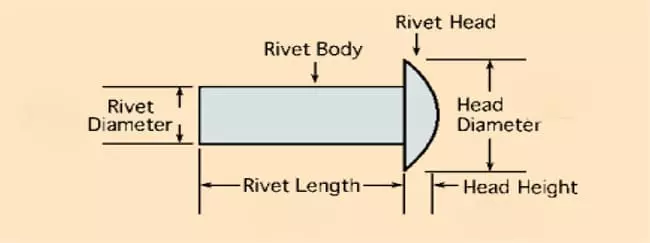
Before you buy a blind rivet, you need to understand exactly how the specifications of a blind rivet are composed. This way, you can provide your rivet supplier with the complete purchasing requirements. This will save a lot of communication costs. The specification of a complete blind rivet consists of the following parts:
Blind Rivet Size Guide

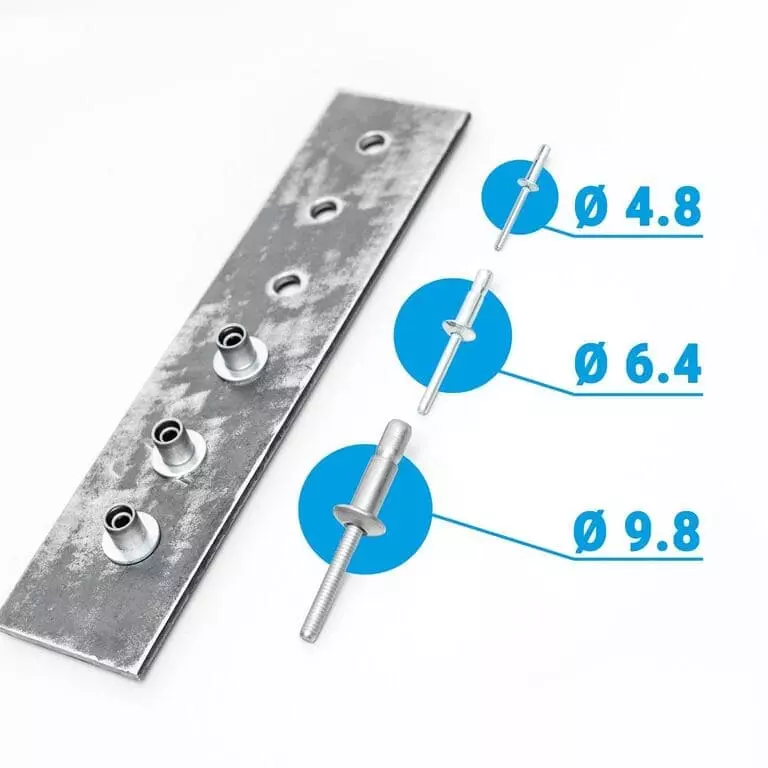
Rivet diameter is the body diameter of a rivet and is commonly used to indicate the size of a rivet. It is a key factor in rivet selection, joint strength and application.

Rivet diameters are usually standardized and marked in inches or millimeters. Common rivet diameters include:

  • 2.4 mm (3/32″)
  • 3.2 mm (1/8″)
  • 4.0 mm (5/32″)
  • 4.8 mm (3/16″)
  • 6.4 mm (1/4″)
  • 8.0 mm (5/16″)
  • …….
Sizes of Rivmate Monobolt Rivets

Application Scenarios for Different Blind Rivet Diameters

According to the different rivet diameters, rivets are used in different application scenarios:

  • Small diameter rivets (2.4 mm, 3.2 mm): commonly used in light duty applications, such as electronics, home appliances, and decorative items.
  • Medium diameter rivets (4.0 mm, 4.8 mm): commonly used in medium load applications, such as automotive components, light mechanical equipment and thin steel plates.
  • Large Diameter Rivets (6.4 mm, 8.0 mm): for high strength industrial applications such as aerospace, shipbuilding, heavy equipment and building structures.

Do You Have Any Questions?

Let Us Solve Your Problem

Rivet Body Length

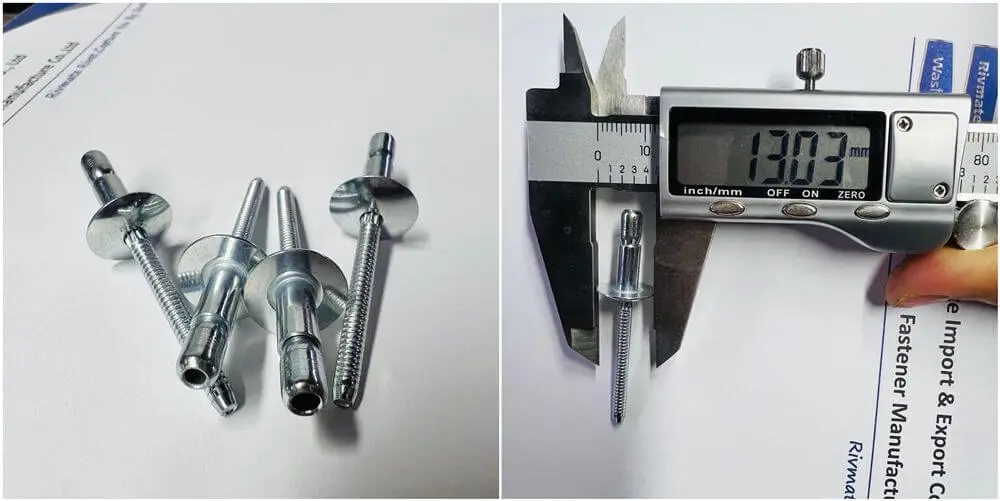
Blind Rivet Body Length is the length of the rivet body portion of a blind rivet, i.e., the length from the head to the bottom of the rivet. The choice of rivet length directly affects the strength of the riveted joint, the stability of the installation and the final result.

Typically, the length of a rivet does not include the head of the rivet and the extension of the tail of the rivet. The total length of a rivet is usually measured by the outside measurement of the rivet, including the head.
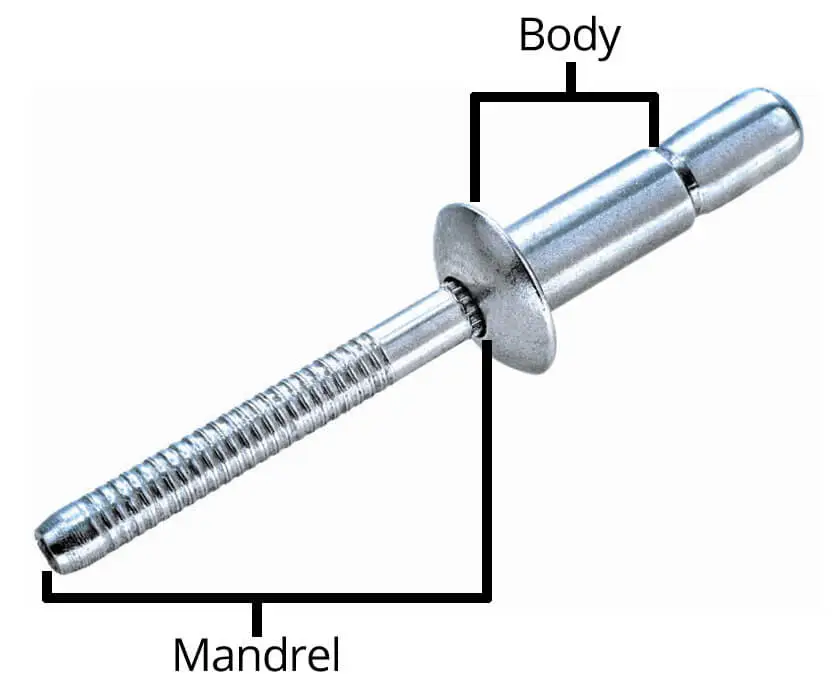
Blind Rivet Body and Blind Rivet Mandrel

The Role of Blind Rivet Body Length

Rivet length is a key factor in determining the strength and suitability of a rivet joint. Selecting the proper body length ensures that the rivet will completely penetrate the material to be joined, providing a strong connection. The right rivet length helps:

  • Increase joint strength: If the rivet is of the right length, it will be able to press sufficiently against the surface of the material to ensure a tight joint.
  • Ensure a stable riveted joint: A rivet of the right length ensures that the rivet is fully secured and provides adequate support during riveting.
  • Avoid damaging the material: rivets that are too long can lead to material damage during riveting or excessive compression of the head of the rivet, resulting in an unstable connection; while rivets that are too short may not fully penetrate the material, resulting in a loose connection.

Application scenarios for different rivet lengths:
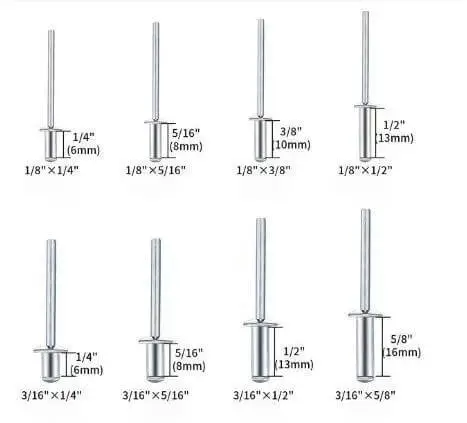
How Do I Choose The Right Size Pop Rivet? - Select the Length of the Pop Rivets

Short length rivets: suitable for the connection of thinner materials. Such as thin steel, plastic or light aluminum alloy plate.

Long length rivets: suitable for multi-layer materials, thick plates or connections with greater strength requirements. Such as heavy machinery, building structures or aerospace.

Head Diameter

The Rivet Head Diameter (RHD) of a Blind Rivet is the maximum outside diameter of the head of the rivet. Generally, it is larger than the diameter of the rivet body. This dimension is an important indicator for evaluating the suitability of a rivet and directly affects the installation process and fixing strength of the rivet.
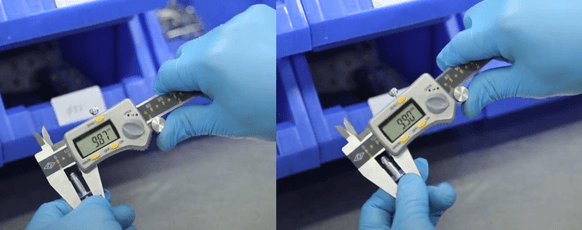
How are the Diameters of a Rivet Measured?

Standard sizes and common types of rivet head diameter

Rivet head diameter size is usually categorized based on rivet specifications and standards, common standards include:

  • American Standard (ANSI): According to the U.S. standard for rivets, the rivet head diameter is usually 1.5 to 2 times the outside diameter of the rivet. For example, a common rivet OD is 4.0mm, then the head diameter may be between 6.0mm and 8.0mm.
  • European Standard (DIN): The European standard rivet head diameter is also adjusted to the outside diameter of the rivet, but may vary in specific dimensions.

There are usually several common types of rivet heads, for example:

Types of Blind Rivet Head

Grip Range

Grip Range is the maximum range of thickness of material that a blind rivet can hold. The correct Grip Range ensures that the rivet will securely hold two or more layers of material together and that the riveting process is robust and stable.

Selecting the proper grip range is critical to the effectiveness of the riveted joint. Too small or too large a grip can result in a riveted joint that is not strong enough or difficult to install.
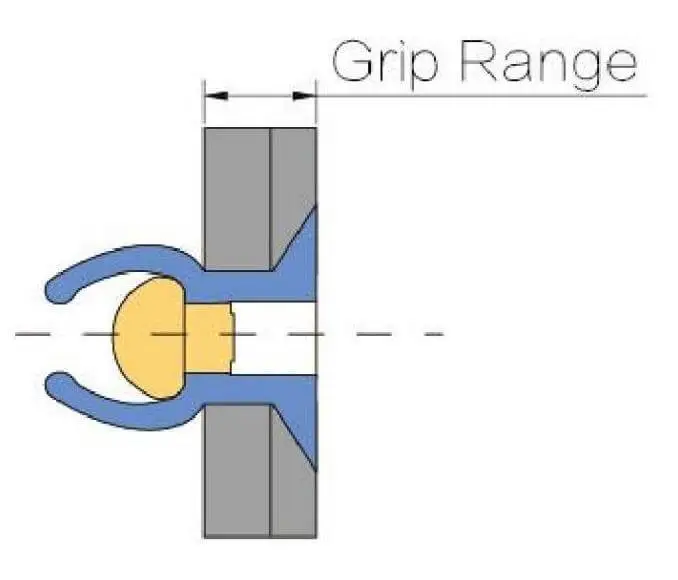
the grip range of blind rivet

Grip range is the range of thicknesses of material that a rivet can compress and hold. It usually has a minimum and a maximum value, i.e. the minimum material thickness and the maximum material thickness that the rivet can accommodate. Example:

  • Minimum Grip Range: The thinnest material thickness that a rivet can hold.
  • Maximum Grip Range: The thickest material thickness that the rivet can hold down.

When installing rivets, the thickness of the material to be joined must fall within this range. This ensures that the head of the rivet will hold the material securely and that the body of the rivet will properly penetrate through the material and form a strong connection.
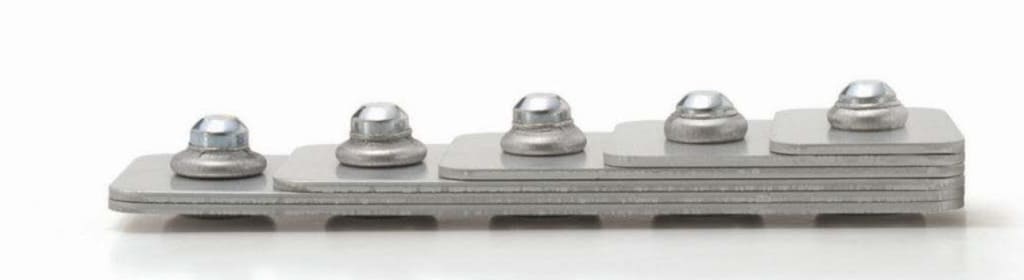
Applications of Multi grip Pop Rivets

Blind Rivet Grip Range Size Chart

The grip range of a rivet is usually related to the diameter and length of the rivet. Common grip ranges, based on standard dimensions, are as follows:

Rivet Diameter (mm)Grip Range (mm)
3.2 (1/8″)0.8 – 3.0
4.0 (5/32″)1.5 – 5.0
4.8 (3/16″)2.0 – 7.0
6.4 (1/4″)3.0 – 9.5
8.0 (5/16″)4.0 – 13.0

Proper selection of the Blind Rivet Grip Range is a critical step in ensuring the quality of the riveted joint. It determines the range of material thicknesses that can be effectively fixed by the rivet, ensuring robustness and stability during the riveting process. When choosing pop rivets, it is important to consider the thickness of the material, the type of material, the application scenario and the required fixing strength to ensure that the grip range of the rivet selected meets the actual requirements.

Do You Have Any Questions?

Let Us Solve Your Problem

What Happens When Blind Rivets is the Wrong Size?

Using the wrong size blind rivet can lead to a number of undesirable consequences. These consequences not only affect the quality of the connection, but can also result in safety hazards, increased costs and reduced productivity. The following are some of the main consequences of using the wrong size Blind Rivet:

1. Poorly Riveted Joints

  • Rivets that are too small: If a rivet is too small (not large enough in diameter or length), it will not be able to adequately penetrate and secure the thickness of the material. In this case, the riveted connection may loosen, resulting in a weak connection that cannot withstand stress or external loads.
  • Oversized rivets: If a rivet is too large, it may put too much pressure on the material, resulting in cracking or deformation.

2. Incorrect Grip Range

  • Grip range too small: If the grip range of the selected rivet is insufficient, it may not cover all the thickness of the material to be joined. The rivet will not fully grip the material, resulting in a poorly riveted joint.
  • Grip range too large: A rivet with a grip range that is too large can result in the rivet being pressed into the material at too shallow a depth. This reduces the stability of the connection and may even lead to elastic failure of the rivet.

3. Installation Difficulties

  • Installation Difficulty: Improperly sized rivets may make the installation process more difficult. If the rivet is too long or too short, it may result in the riveting tool not being able to effectively apply enough pressure or in some cases not even be able to fully install the rivet.
  • Tool Wear: Wrong size rivets can put undue pressure on the installation tool, causing wear or damage to the tool and increasing repair costs.

4. Material Damage

When too large or too small a rivet is used, the head of the rivet may exert an uneven force, causing deformation or damage to the material. For thin sheet metal materials, oversized rivets may create excessive localized pressures that can deform or crack the material.

5. Safety Hazards

  • Structural failure: In some applications with high strength requirements, the use of inappropriately sized rivets can lead to loosening, fracture or disintegration of the connected parts. This poses a safety risk, especially in industries such as aerospace, automotive or construction.
  • Reduced durability: Incorrectly sized rivets can lead to reduced durability and possible failure of the connection when subjected to repetitive loads, vibration or extreme environmental conditions.

Wholesale Blind Rivets from Manufacturer

By reading this article, I am sure you have got a detailed understanding of blind rivets size guide. If you would like a customized riveting solution for your project, please contact our engineers.

Whether you need blind rivets or structural rivets, Rivmate has you covered.

Get rivet samples now!

Get Rivets Quote

You may also find these topics interesting

Custom Rivet Solutions for Your Project

What is the Purpose of a Rivet?

Picture of Rivmate Fastener

Rivmate Fastener

Top Rivet and Rivet Nut Manufacturer in China

Table of Contents

Types of Rivets

Today, rivets are one of the most commonly used fasteners in industry. So do you know what the purpose of a rivet is? This blog will tell you the history of rivets.

Rivet has always played an irreplaceable role in the field of structural connections. From the age of steam to the present day, rivets have been used as a “permanent connection” solution for structures with high strength and safety requirements, from bridges and ships to aerospace. Compared to screws or welds, riveted connections are not only maintenance-free, vibration-resistant and less prone to loosening, but also offer unique structural advantages by providing a stable and reliable clamping force in situations where it is not possible to work from the back.

In this paper, we will focus on the topic of “What is the purpose of a rivet” to systematically explain the mechanism of action, typical applications and why it is still the first choice for many critical assembly scenarios. An engineering review of its historical evolution and modern technological value helps readers fully understand the centrality of this classic fastener in today’s manufacturing industry.

Table of Contents

What are Rivets?

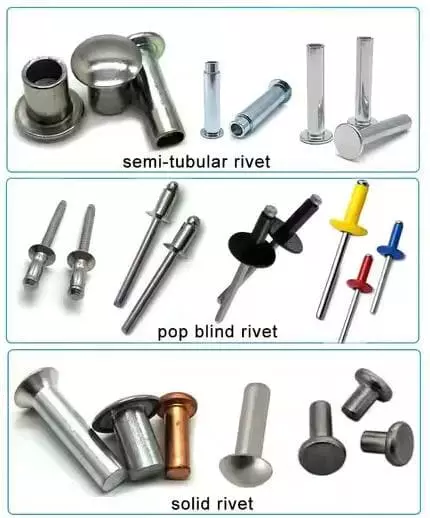
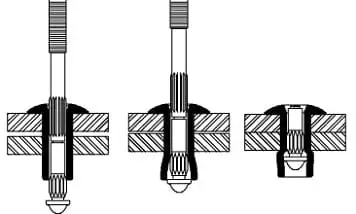
Whether solid rivets, hollow rivets or blind rivets, they are a type of mechanical fastener. Their primary function is to permanently fasten two or more parts (usually metal, plastic or wood) together. A rivet consists of a smooth cylindrical stem and a larger head. During installation, the rod (tail) is deformed or expanded by pressure to create two heads, which are tightened.

How to Install Q Rivets

Rivet is a reliable mechanical connection. With their wide applicability and excellent performance, rivets play an important role in modern manufacturing and engineering.

When using rivets, it is necessary to insert the stem of the rivet into a pre-drilled hole in the connecting material in advance. A riveting tool is then used to apply pressure to the stem of the rivet, causing the tail to deform plastically to form a new “head”.

What is the Purpose of a Rivet?

A rivet is a fastener that provides a permanent connection. Its primary purpose is to securely join two or more components together in a mechanically permanent method. Unlike screws, bolts, and other fasteners, rivet connections usually cannot be disassembled after installation, making them suitable for application scenarios that require long-term fixing and vibration resistance. Of course, manufacturers use rivets for more than just permanently securing two or more pieces of material together. Here are some of the main purposes for which users use rivets:

  • Fixing components: The basic function of a rivet is to hold two or more materials (e.g. sheet metal, plastic, wood, etc.) together, ensuring that they do not move again.
  • Prevents loosening: Rivets are virtually impervious to loosening or falling out due to vibration, friction or external forces.
  • Provides a Seal: Blind or sealed rivets provide a good seal at the point of attachment.
  • Simplify the installation process: Rivets are often very simple to install and do not require complicated tools or extensive handling.
  • Increased Joint Strength: Solid rivets provide more strength than many other fasteners.
  • Reduced Damage to Materials: Rivets are installed without excessive heat affected zone (HAZ) on the joining material, thus reducing the risk of deformation or degradation of the material.
  • Adaptation to the connection of different materials: Rivets are suitable for the connection of many different materials, especially metals, plastics, composites and so on.
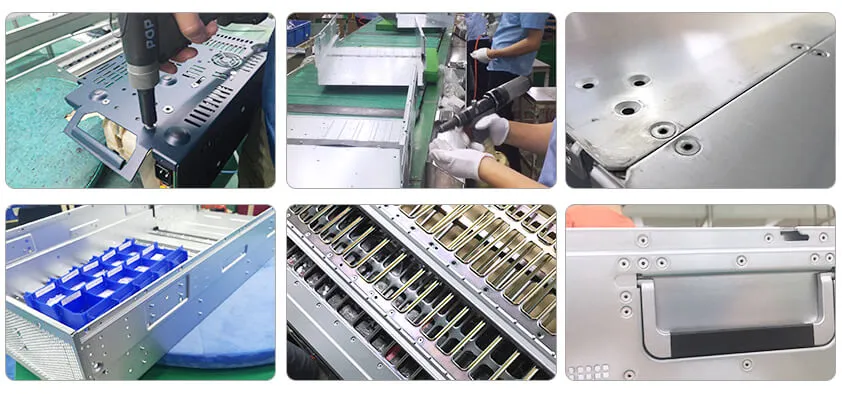
What Are Pop Rivets Used For? - Pop Rivets for Electronic Devices

The purpose of rivets is not just to connect, but to provide a long-term, reliable and robust connection. In application scenarios where vibration, corrosion and sealing resistance is required, rivets can still stabilize their simple, cost-effective and efficient installation, and are an important fixing method in a variety of fields such as industrial, construction, aerospace and automotive.

History of Rivets

The history of rivets can be traced back to ancient times, and their application and development has been through many centuries. As a kind of fixed connectors, rivets have played an important role in the process of human manufacturing and construction.

1. Ancient Period

The earliest rivets date back to the 3rd century B.C. in Ancient Egypt and Ancient Greece. During those times, rivets were used to join wood and metal together. Rivets would be used frequently in the construction of ships and in building structures. Ancient rivets were usually hand-forged and made of black iron or copper. They were very simple in function and construction and were mainly used to hold two or more pieces of material together.

2. Medieval and Renaissance Period

As the use of rivets gradually expanded into the Middle Ages and Renaissance, rivets became an important part of architecture and mechanical devices. In construction, rivets were used in the building of large structures such as cathedrals and castles to join steel and wood components. In the maritime industry, rivets were used to build strong wooden hulls to support the structure of ships.

At this time, rivets were mostly solid metal nails that were heated and forged through a process that created a strong connection.

Solid Rivets for Metal Door

3. Industrial Revolution (late 18th to early 19th century)

The Industrial Revolution gave a great impetus to the development of rivets. With the innovation of steam engines, railroads, and steel manufacturing technology, the application of rivets entered a new stage.

  • The wide application of steel: In the early 19th century, with the improvement of steel production technology, steel began to become the main material for rivet manufacturing. The strength and durability of rivets increased dramatically.
  • Railroad construction: The construction of railroads requires a large number of rivets to connect rails, bridges and other components. In bridge construction, the use of rivets is critical as they provide a high strength connection that ensures the safety of the structure.
  • Shipbuilding: The rise of steel ships has made rivets a standard tool in the construction of ships, especially large iron-hulled vessels.
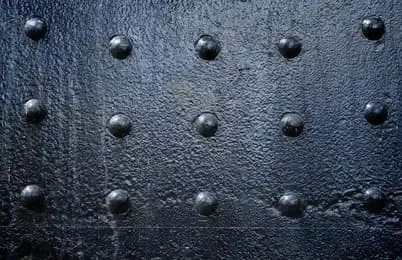
Hot Riveting Application

4. Early Twentieth Century - Modern

Into the 20th century, with the process of industrialization and mechanization, the application of rivets gradually expanded to more fields. In the aerospace, automotive manufacturing and construction industries, rivets became an indispensable connecting tool.

  • The emergence of aluminum alloy rivets: with the application of lightweight materials (such as aluminum alloys), rivet materials have also changed. Aluminum alloy rivets are widely used in the aerospace industry due to their light weight and corrosion resistance. The use of aluminum alloy rivets not only improves the efficiency of the connection but also reduces the overall weight.
  • Invention of blind rivets: In the early 20th century, blind rivets (pop rivets) came into existence. This type of rivet can be operated unilaterally, making it possible to perform riveting operations in places where space is limited. Blind rivets have been widely used especially in construction, automobile manufacturing and various electronic devices.
  • Automated riveting technology: with the automation of manufacturing, rivet installation is also gradually to automation and mechanization direction. Modern rivet guns and automated riveting systems make the riveting process more efficient and accurate.
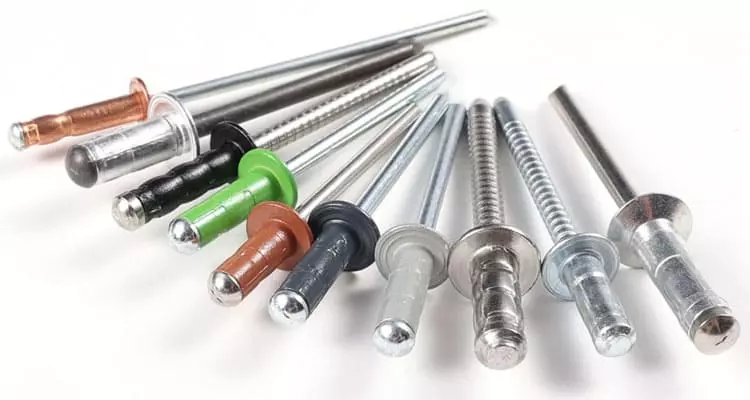
Types of multi grip pop rivets

Do You Have Any Questions?

Let Us Solve Your Problem

Main Applications of Rivets

The main applications of rivets cover a wide range of industries. Below are the main application areas and specific uses of rivets:

  • Aerospace: connection of aircraft fuselage, wings and internal support structures. For example, solid rivets are widely used in the fuselage of Boeing and Airbus airplanes.
  • Automotive manufacturing: body panels, frames, chassis and interior components. The body structure of electric vehicles is basically connected with rivets.
  • Buildings and bridges: metal frames, curtain walls, roof structures and decorative panels are fixed.
  • Shipbuilding and offshore engineering: ship hull structures, rig mounting. Rivets are used to fix thin plates where hull welding is inaccessible.
  • Furniture manufacturing: joining of wood and metal frames.

Do You Have Any Questions?

Let Us Solve Your Problem

Types of Rivets Materials

Material TypeFeaturesApplications
Aluminum RivetsLightweight, corrosion-resistant, easy to processAerospace, automotive, home appliances
Stainless Steel RivetsHigh strength, corrosion-resistant, high temperature toleranceAerospace, marine environments, food processing, chemical industry
Copper RivetsExcellent electrical conductivity, good corrosion resistance, easy to processElectrical equipment, electronic products
Titanium RivetsUltra-high strength, extreme corrosion resistance, lightweightAerospace, high-end racing, industrial equipment
Zinc Alloy RivetsEconomical, moderate strength, good corrosion resistanceAutomotive, home appliances, general industrial equipment
Carbon Steel RivetsHigh strength, low cost, poor corrosion resistanceIndustrial machinery, construction projects
Galvanized RivetsGood corrosion resistance, moderate strength, low costAutomotive, exterior metal components, construction projects
Brass RivetsGood electrical conductivity, corrosion-resistant, moderate strengthElectrical equipment, decorative applications, electronic products


Future Trends of Rivets

With the manufacturing industry towards lightweight, intelligent and sustainable, rivet technology is ushering in a multi-dimensional innovation and upgrading. The future development trend is mainly reflected in the following directions:

First, high-strength composite material rivets are gradually replacing the traditional metal rivets. In the field of aerospace, rail transportation and new energy vehicles, these companies are using high strength rivets. Through the introduction of titanium alloy, carbon fiber composite core rod and multi-layer structure design, improve the connection strength while significantly reducing the overall weight.

Secondly, the integration of rivets and automated assembly systems has become a mainstream trend. Automatic nail feeding, fast positioning and intelligent inspection technology is accelerating the application of precision manufacturing and high-volume production lines. This solution solves the problem of low efficiency and human error in traditional riveting.

Custom Rivet Manufacturer in China - Custom Pop Rivets for your Project

In terms of sustainability, green materials and RoHS compliance requirements have become the new standard. The promotion of lead-free coatings, recyclable aluminum and low-pollution anodizing technologies have made rivets more compliant with global environmental regulations and customers’ ESG policies.

It is worth mentioning that leading rivet brands such as Rivmate are actively exploring structural optimization and new processes to promote riveting technology to achieve leapfrog upgrades in high-end manufacturing.

FAQs

Why use rivets instead of bolts?

A: Rivets are a permanent connection that is not removable after installation and are used in applications where loosening or structural vibration is not allowed. Compared to bolts, rivets are lighter, better suited for high volume assemblies, and still allow for efficient installation in structures where the backside is not accessible.

Do rivets hold better than screws?

A: The structural stability of rivets is superior to that of screws in environments where dynamic loads, vibration, or regular maintenance is not possible. In high vibration industries such as aerospace and automotive, rivets are better able to maintain a durable and reliable connection to avoid loosening or shifting.

What is the use of rivets in the photovoltaic/aerospace/automotive industry?

A: In the photovoltaic system, rivets are used to fix the aluminum profile bracket and panel components. In the field of aviation, rivets undertake high-strength, high-fatigue life connection tasks, is the standard connecting parts of the fuselage skin. In automotive manufacturing, rivets are used for lightweight connection and vibration-resistant assembly of doors, chassis, brackets and other components.

Wholesale Rivets from Rivmate

Rivmate is the top rivet manufacturer in China. Whether it is solid rivets, hollow rivets, blind rivets or structural rivets, you can get satisfactory solutions from Rivmate.

If you are purchasing rivets for your project or business, please contact our engineers. Get a quote today.

Get Rivets Quote

You may also find these topics interesting

Custom Rivet Solutions for Your Project

How to Choose Rivets for Mailbox?

Picture of Rivmate Fastener

Rivmate Fastener

Top Rivet and Rivet Nut Manufacturer in China

Table of Contents

Blind Rivets for Mailbox

Mailbox is something that is very commonly used. So do you know how it is installed and fixed? Usually using mailbox rivets. Do you know how to choose rivets for mailbox? Let us learn more!

Table of Contents

What is a Mailbox?

A mailbox is basically a container or device that’s used to receive, send, and store mail. You’ll usually find them on the outside of buildings, and they’re used to receive letters, parcels, and other items from the postal service.

What is Mailbox

Types of Mailbox

  • Mailboxes for physical mail
  • Residential Mailbox
  • Commercial Mailbox
  • Post Boxes
  • Cluster Mailbox

Traditional postal mailboxes are usually installed in front of the home or in the garden. They are usually designed so that they are waterproof and burglar proof.

Do You Have Any Questions?

Let Us Solve Your Problem

Types Mailbox Rivets

There are many rivet types that can be used to mount a mailbox. but it depends on the material of the mailbox, the mounting location and the functional requirements. Below are the common rivet types and their specific uses.

Blind Rivets for Mailbox

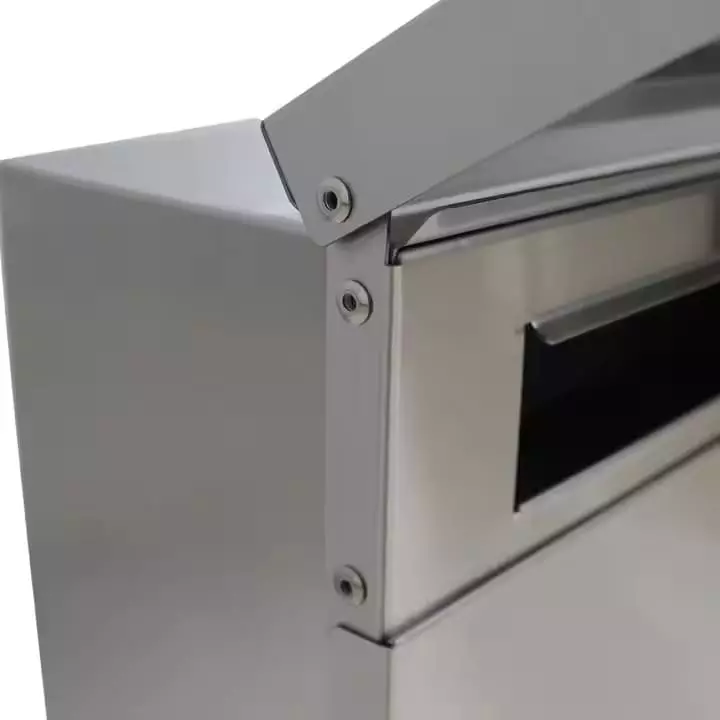
The single-sided mounting capability of the Blind Rivet makes it ideal for mounting mailbox frames and brackets. And can be installed in a variety of materials (such as aluminum, stainless steel) manufacturing, suitable for outdoor use.

  • Mailbox frame: connects the front panel, back panel and frame portion of the mailbox together.
  • Bracket Attachment: used to secure the mailbox to a support pole or wall.
How to Choose Rivets for Mailbox

Sealed Rivets for Mailbox

Sealed rivets create a sealed structure when riveted. It can effectively prevent water or air infiltration, perfect for mailbox to be used outdoors. Even if the mailbox is exposed to rainwater, no leakage will occur.

  • Mailbox Top: Ensure the joint is waterproof to prevent rainwater from entering.
  • Mailbox door: sealing performance to ensure that the inside of the mailbox is dry.

Aluminum Rivets for Mailbox

Aluminum rivets are characterized by light weight and corrosion resistance. This is very friendly for installation in light structures.

  • Aluminum Mailboxes: used to connect aluminum components to ensure metal-to-metal compatibility.
  • Mailbox Brackets: provide a strong connection without adding extra weight.

Stainless Steel Rivets for Mailbox

Stainless steel rivets are strong and very resistant to corrosion. Therefore it is often used in heavy duty or high stress areas.

  • Large or heavy duty mailboxes: e.g. commercial mailboxes or multi-occupancy mailboxes for attaching frames and fixings.
  • Coastal mailboxes: for resistance to salt spray corrosion.
Stainless Steel Rivets for Mailbox

Painted Rivets for Mailbox

Painted rivets have rivet heads that are painted or tinted to match the exterior color of the mailbox.

  • Decorative panels: on front panels or exterior trim of mailboxes to provide an aesthetically pleasing exterior connection.
  • Exterior Trim: To secure nameplates, logos or number plates on mailboxes.

Large Flange Rivets for Mailbox

Large flange blind rivets have a wide head. It can increase the clamping area and prevent material damage, suitable for softer or thinner materials.

  • Mailbox door hinges: used to connect the mailbox door to the frame, adding strength and preventing the hinge from coming loose.
  • Thin metal or plastic panels: to fix softer materials and prevent cracking due to stress concentration.

Grooved Rivets for Mailbox

Applications Grooved Pop Rivets

Grooved Rivets have a grooved surface that provides a stronger connection in plastic or other soft materials.

  • Plastic mailboxes: for securing plastic panels or other composite components.
  • Mailbox door frames: to secure softer framing materials.

Multi-Grip Rivets for Mailbox

Multi grip blind rivets have a very wide riveting range. The same size multi grip rivets can be used on a wide range of material thicknesses. If you need to install several different mailboxes, this rivet is perfect for you.

  • Mailbox frame connection: suitable for a variety of thicknesses of metal or composite materials to ensure a strong connection.
  • Support bar and mailbox base connection: to adapt to different thicknesses of component combinations.
Applications of Multi grip Pop Rivets

Below I have included a table that shows you in detail how the different types of rivets work. Choosing the right type of rivet not only ensures that your mailbox is structurally sound, but also improves its durability and aesthetics. Making the best choice based on the installation location and environmental conditions is key.

Rivet TypeApplicable PartsReasons for Use
Blind RivetsFrame, Support BracketsOne-side installation, easy operation
Sealed RivetsTop, DoorExcellent waterproof performance, suitable for outdoor use
Aluminum RivetsAluminum Mailboxes, Support BracketsLightweight, corrosion-resistant
Stainless Steel RivetsLarge Mailboxes, Coastal AreasHigh strength, excellent corrosion resistance
Painted RivetsDecorative Panels, External TrimAesthetic, enhances overall appearance
Large Flange RivetsThin Metals, Door HingesIncreases clamping area, prevents soft material damage
Grooved RivetsPlastic Parts, Door FramesExtra grip, prevents slippage
Multi-Grip RivetsFrame, BaseAdapts to various material thicknesses, high flexibility


How to Choose the Right Rivets for Mailbox?

There are a number of factors to consider when selecting the best rivets for a mailbox project. This ensures that the rivets will not only meet the mechanical strength requirements, but also maintain good durability in the environment. Below are a few important factors to look at when selecting rivets for your mailbox project:

1. Material Selection

  • Aluminum Rivets: Aluminum rivets are commonly used in aluminum mail boxes because they are lightweight and easy to handle.
  • Stainless Steel Rivets: Used where corrosion resistance and strength are required.
  • Galvanized Steel Rivets: For use in metal mailboxes or mailbox projects exposed to inclement weather.
  • Copper rivets: for use in specialty applications or mailboxes with aesthetic requirements.

2. Environmental Conditions

  • Outdoor use: choose rivets with high corrosion resistance, such as stainless steel or galvanized rivets. This way mailbox can cope well with the effects of elements such as wind, rain, moisture and UV rays.
  • Indoor use: If it is placed indoors, you can choose lower cost aluminum rivets.

3. Aesthetic Requirements

For mailboxes that require a high level of appearance, it is recommended to use rivets with a surface finish (e.g., painted rivets or decorative rivets). These rivets will harmonize with the design of the mailbox and enhance the overall appearance.

Do You Have Any Questions?

Let Us Solve Your Problem

Custom Rivets Solutions for Mailbox Project

For thin sheet products, rivets are a solution installation solution. It provides a stable connection and is inexpensive. If you would like to purchase a large quantity of mailbox rivets for your project, please contact us.

Get samples of rivets for testing today.

Get Rivets Quote

You may also find these topics interesting

Custom Rivet Solutions for Your Project

How to Choose the Right Rivets for Window?

Picture of Rivmate Fastener

Rivmate Fastener

Top Rivet and Rivet Nut Manufacturer in China

Table of Contents

How to Choose the Right Rivets for Window

Window installation requires the use of many rivets. So do you know how window rivets work?Do you know how to choose the right rivets for window?

Table of Contents

Why Use Rivets for Window?

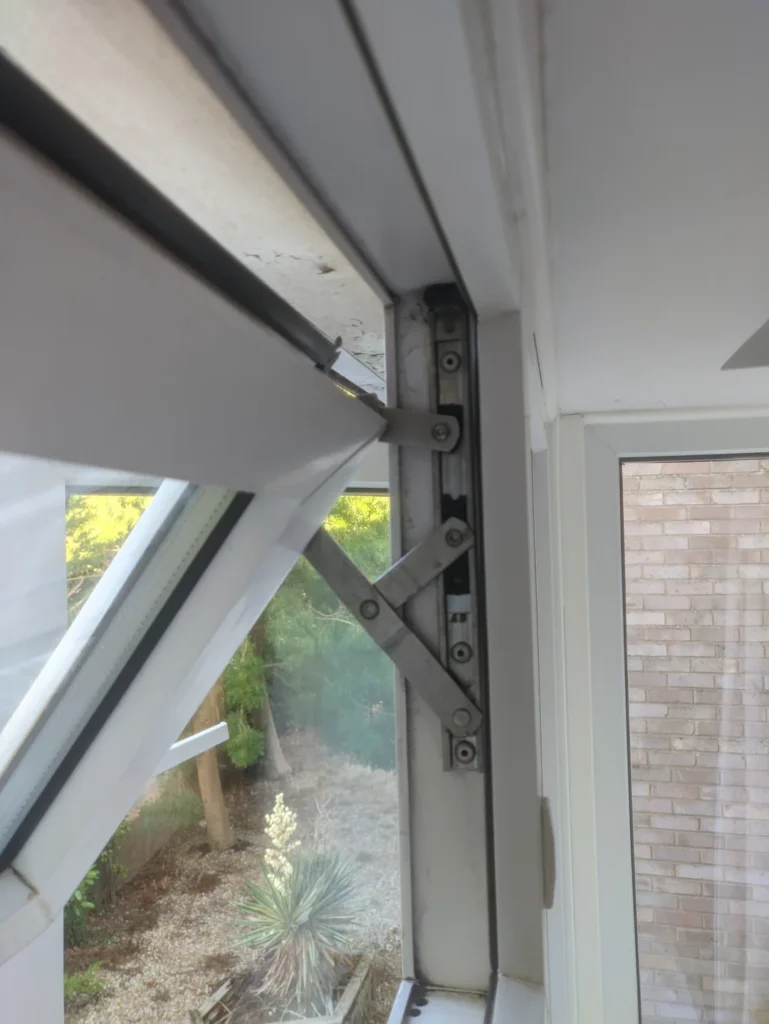
Rivets are a very common fastener used in the installation and maintenance of windows.Window rivets are commonly used to attach and secure window frames, glass brackets and other components. So why use rivets on windows? Here are the main reasons for using rivets:

1. Rivets can Provide Strong and Reliable Connections

The windows are usually opened outwards during use. So windows are usually used under strong winds or external pressure. In the case of plants, window rivets need to withstand the high strength of fixing required by window frames and brackets, and maintain the stability of the connection.

How to Choose the Right Rivets for Window

In addition to this, window rivets have good vibration resistance. Even if the window is subjected to prolonged vibration or impact, the rivets will still maintain a strong connection.

2. Suitable for One-sided Installation

Many components of a window (such as glass brackets or exterior trim) may only allow for one-sided operation. And operating space is tight. Rivets are ideal for this purpose because they can be installed from one side.

Why Use Rivets for Window

The rivet installation process is known to be very quick and easy. When using blind rivets to install a window, the operator only needs to complete the installation from one side, without touching the back of the window. This feature greatly simplifies the construction and improves the efficiency of the installation. The operator also does not need to be trained, only need to have a rivet gun to complete the entire installation process.

Types of Window Rivets

There are several different types of window rivets depending on the nature of the window and the scenario in which it is used. The following are common window rivets.

Blind Rivets for Window

The benefits of using blind rivets on windows are numerous. For example, single side installation, multiple materials and the ability to rivet many different materials. Common types of window blind rivets are these:

  • Sealed Rivets: Strong waterproof performance. Allows for outdoor window frame installation and window fixing in high humidity environments.
  • Grooved Rivets: The exterior is grooved to create a stronger bite in plastic or soft materials. Often used to secure PVC window frames or other soft materials. Grooved rivets are also sometimes used when extra stability is required for window frame fitting.
  • Tri Fold Rivets: Tri fold rivets increase contact area and clamping force and are ideal for joining thin plates or soft materials. Examples include the installation of thin metal window frames and the fixing of wooden window frames to glass components.
  • Multi Grip Rivets: A wide range of different thicknesses can be riveted. Multi grip blind rivets are often used to join aluminum window frames to other materials and to assemble window assemblies of different thicknesses.
Types of pop rivets - Rivmate Blind Rivet Supplier

Solid Rivets for Window

Solid rivets are also commonly used for window rivets. they provide extreme strength for window connections. Ideal for areas subject to high loads or vibration. However, solid rivets must be accessible from both sides to be installed.

Solid rivets are generally used for heavy frames or highly stressed windows. Solid rivets are also chosen for industrial windows or for fixing the exterior of buildings.

Solid Rivets for Window

Self Piercing Rivets for Window

The big difference with Self piercing rivets is that there is no need to pre-drill. It penetrates right through the window frame material and holds it in place. SPR Rivets provide a high-strength connection while reducing installation steps and increasing efficiency.

When your project is one that requires a multi-layer metal window frame installation, self piercing rivets are the best solution.

Do You Have Any Questions?

Let Us Solve Your Problem

What is the Difference Between Blind Rivets and Solid Rivets for Windows?

Comparison FactorBlind RivetsSolid Rivets
Installation MethodSingle-sided installation: Operates from one side, ideal for inaccessible areas.Double-sided installation: Requires access to both sides, typically secured with hammering tools.
Installation DifficultyEasy to install, requires only a rivet gun.Complex installation, needs specialized tools (e.g., hammer or press) and skilled operation.
Suitable MaterialsWorks with aluminum, plastic, steel, composite materials, especially thin sheets.Suitable for thick plates or metal materials, ideal for high-strength connections.
Application Scenarios– Window frame to glass bracket– Heavy-duty window structures
– External trims– High-strength metal frames
– PVC or aluminum frames– Industrial windows
Strength and Load CapacityModerate strength, suitable for light to medium loads, mainly for decorative or lightweight connections.High strength, suitable for heavy loads and high-vibration components.
Water ResistanceSealed blind rivets can provide water resistance.Typically not waterproof, requires additional sealing.
Space ConstraintsIdeal for constrained spaces, such as narrow window frames where only one side is accessible.Requires space to access both sides, less versatile in tight areas.
Aesthetic AppearanceClean surface post-installation, minimal protrusion, suitable for visually appealing designs.Rivet heads may protrude, typically used in concealed internal connections.
DurabilityModerate durability, suitable for low to medium loads and mild environments.High durability, suitable for long-term use in harsh environments.
Tool RequirementsRequires manual, electric, or pneumatic rivet guns; portable and easy to operate.Requires tools like hammers or presses, bulkier equipment.
Material CostRelatively low cost, ideal for mass production and lightweight window frames.Higher material and processing costs, suitable for high-strength and industrial applications.
What is the Difference Between Blind Rivets and Solid Rivets for Windows

Blind Rivet:

  • Suitable for lightweight window frames (e.g. aluminum, PVC window frames) and scenarios that require one-sided installation.
  • Commonly used in the fixing of external window frames, trims or glass brackets.
  • Preferred for high requirements on installation convenience and appearance.

Solid Rivets:

  • Ideal for high load or heavy duty window construction such as industrial windows or metal window frames.
  • Used for connections requiring high strength and long term durability.
  • Ideal for scenarios where high reliability is sought and there are no restrictions on installation space.

Why Choose Rivets over Screws or Welding for Window Installations?

In window installations, rivets are more suitable than screws for permanent connections, with essentially no risk of loosening. Welding can cause damage to the window material. Therefore, rivets are the most common and efficient choice for window installation. Below is a comparison of rivets and screws, and welding.

When it comes to window installation, rivets have the following advantages over screws:

  • Single-sided installation for tight spaces.
  • Excellent vibration resistance for high vibration environments.
  • Flat surface after riveting.
  • Suitable for permanent joining of a wide range of materials.
  • Provides a long-term stable connection without subsequent maintenance.
Rivet vs Screw. Which Fastener are Stronger?

Rivets also have many unique advantages over welding:

  • There is no need to operate at high temperatures.
  • No thermal effects. Does not cause deformation of the material.
  • Can be operated indoors or on site.

Do You Have Any Questions?

Let Us Solve Your Problem

How to Remove Rivets in a Window Frame?

Rivets are known to be a permanent connection. Therefore, removing rivets only destroys the structure of the rivet. You need to prepare the following tools:

  • Electric drill or hand drill
  • Drill head
  • Center Punch
  • Hammer
  • Pry bar or sharp-nosed pliers
  • Protecting Equipment
Best Ways to Remove Rivets

Removal Steps:

  1. Determine rivet location and type
  2. Marking the rivet center
  3. Drill off the rivet head
  4. Remove the rivet bar
  5. Checking the holes

Wholesale Window Rivets from Rivmate

Rivmate is a reliable rivet manufacturer. You can get professional window riveting solutions from Rivmate.

To make your window project more successful, get the rivet samples for testing now!

Get Rivets Quote

You may also find these topics interesting

Custom Rivet Solutions for Your Project

What are Car Body Rivets and How to Riveting Car Body Panels?

Picture of Rivmate Fastener

Rivmate Fastener

Top Rivet and Rivet Nut Manufacturer in China

Table of Contents

What are Car Body RIVETS

Automobile bodies are often attached using rivets. So do you know what are car body rivets and how to riveting car body panels?

Through this article, you will learn the concept of car body rivets and the specific use scenarios.

Table of Contents

What are Car Body Rivets?

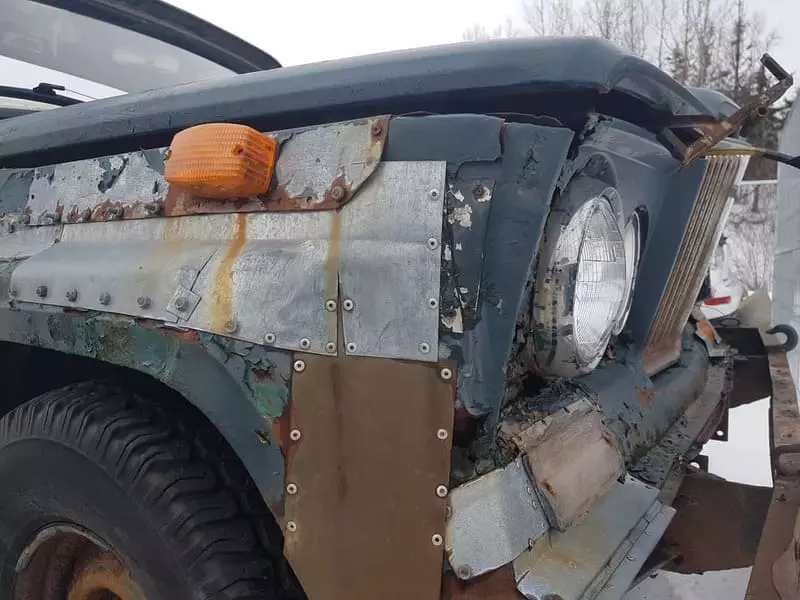
Car Body Rivets are rivets that are specifically used in the manufacture and repair of car bodies. These rivets are usually used to join different metal plates, components or other materials on the car body, and common materials include aluminum, steel and stainless steel. Car Body rivets are widely used in the automotive industry. For example, structural connections in body frames, doors, roofs, and chassis.

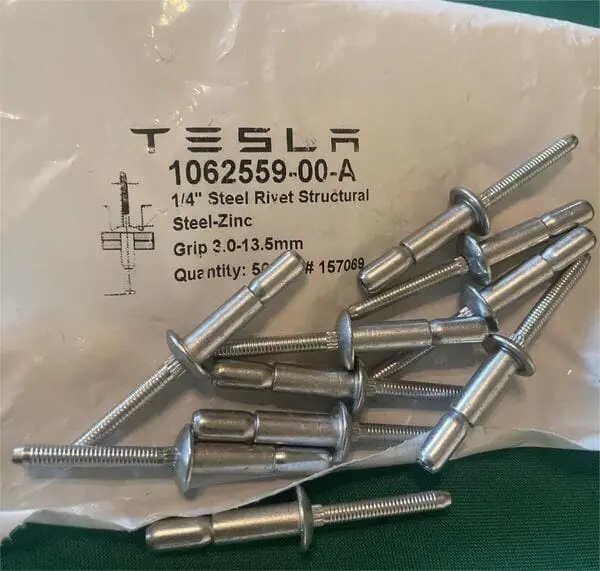
Tesla Rivets - Blind Rivets in Tesla Cars

Features of auto car body rivets:

  • Body rivets provide strong connection strength to withstand the vibration, pressure and impact of vehicles.
  • Body rivets are usually made of corrosion-resistant materials to prevent corrosion in wet or harsh weather conditions.
  • Durability: Rivets are usually highly resistant to aging and durable for long-term use.
  • No damage to the body surface

Types of Car Body Rivets

There are many types of rivets that can be used for car bodies. Each type has different characteristics and application scenarios and are usually chosen based on the strength required, the type of material and the installation method. Here are some common types of rivets used for auto body panels.

Blind Rivets for Car Body Panels

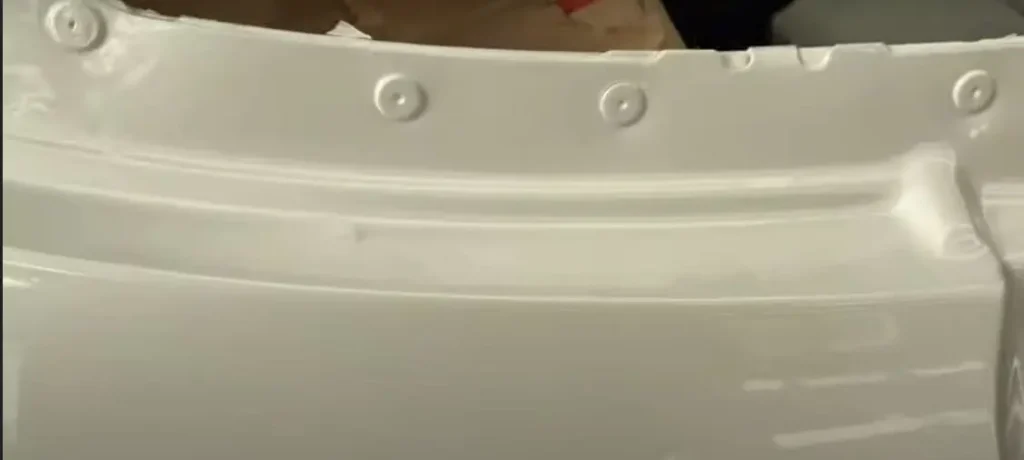
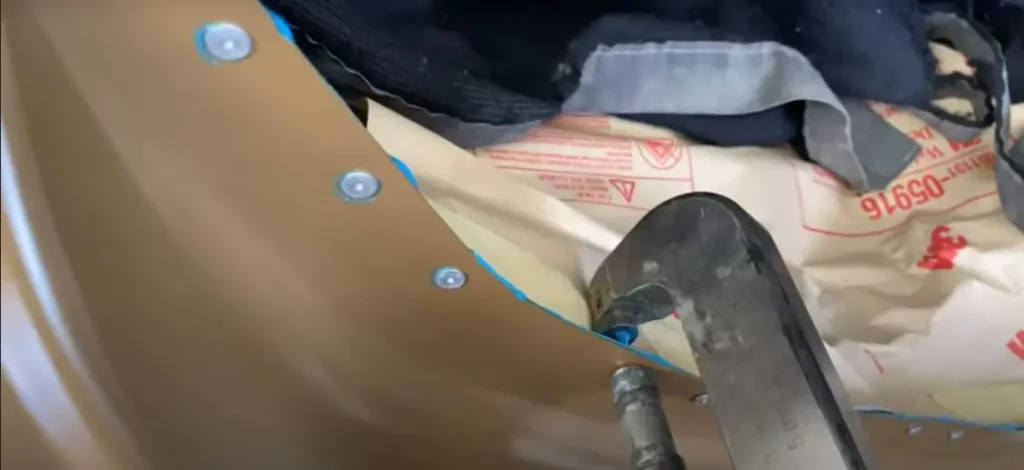
Rivmate Car Rivets Application

Blind rivets are widely used in automotive body panels. Especially some difficult to access or need to install one-sided offset, the blind rivet is very ideal solution. The specific application scenarios of blind rivets in automotive body panels are as follows:

  • The connection of automobile exterior body panels: doors, hoods, roofs, wings and side panels, etc.
  • Fixing interior door panels, window frames or window glass brackets.
  • Door interior panels
  • Body frames, sunroofs, etc.
  • Attachment of accessories such as lamp brackets, reflector brackets, emblems, windshields, etc.

Structural Rivets for Car Body Panels

The application scenario of structural rivets in automotive body panels mainly involves those parts that require high strength of connection, especially in ensuring the strength, rigidity and crash safety performance of the body. Structural rivets are used for joints that are subjected to high loads and impacts. It provides a durable and solid connection. Below are some specific applications for structural rivets in body panels:

  • Brackets for bodywork, girder connections
  • Chassis to body panel connection
  • Connection of the components of the crash beam
  • Connecting door outer panels to door frames
Tesla Rivets - Blind Rivets in Tesla Cars

Rivets Nuts for Car Body Panels

Rivet Nut‘s role in automotive body panels is primarily to provide an internally threaded connection, enhance the structural strength of the body, and ensure a strong and reliable connection in place. Below are some typical applications of rivet nuts in automotive body panels:

  • Provides female threaded connections during door manufacturing for mounting door handles, window frames and other accessories.
  • Provides strong female threaded connections in thin-walled body panels
  • Provides a strong connection point for exterior accessories that can be removed and installed multiple times

Self Piercing Rivets for Car Body Panels

Tesla Rivets - SPR Rivets in Tesla Cars

Self-Piercing Rivets (SPR) is an efficient joining technique commonly used in automotive manufacturing. Self piercing rivets are used very frequently in the assembly of body panels. Compared with traditional riveting or welding methods, self-piercing rivets can be applied by riveting two layers of metal panels together directly, without the need for pre-drilling, which has greater application advantages. The application of self-pierce rivets in automotive body panels is mainly reflected in the following aspects:

  • Body Frame to Outer Panel Joints
  • Door panel to frame connection
  • Window frame to body panel connection
  • Connection of crash beam and body panel
  • Roof sunroof frame and body panel connection
  • Connection of underbody guards to body panels
  • Connection of multi-layer body panels (e.g. connection of body frame and roof)

Do You Have Any Questions?

Let Us Solve Your Problem

How to Riveting Car Body Panels?

Both riveting and welding are used frequently in auto body repair. Both methods have their advantages and disadvantages. The choice of which method is more appropriate then depends on the specific needs and circumstances of the repair.

Riveting vs Welding: Which is Better for Auto Body Repair?

Both riveting and welding are used frequently in auto body repair. Both methods have their advantages and disadvantages. The choice of which method is more appropriate then depends on the specific needs and circumstances of the repair.

Pros and Cons of Welding for Car Body

Pros

  • High strength: welding can provide higher connection strength than riveting, which is suitable for parts subject to high pressure and stress.
  • Good sealing: Welded joints are continuous without gaps, which can effectively prevent water, gas or other substances from penetrating and ensure sealing.
  • Structural consistency: welded joints are completely fused and can maintain the integrity of the raw material without affecting the strength of the material.
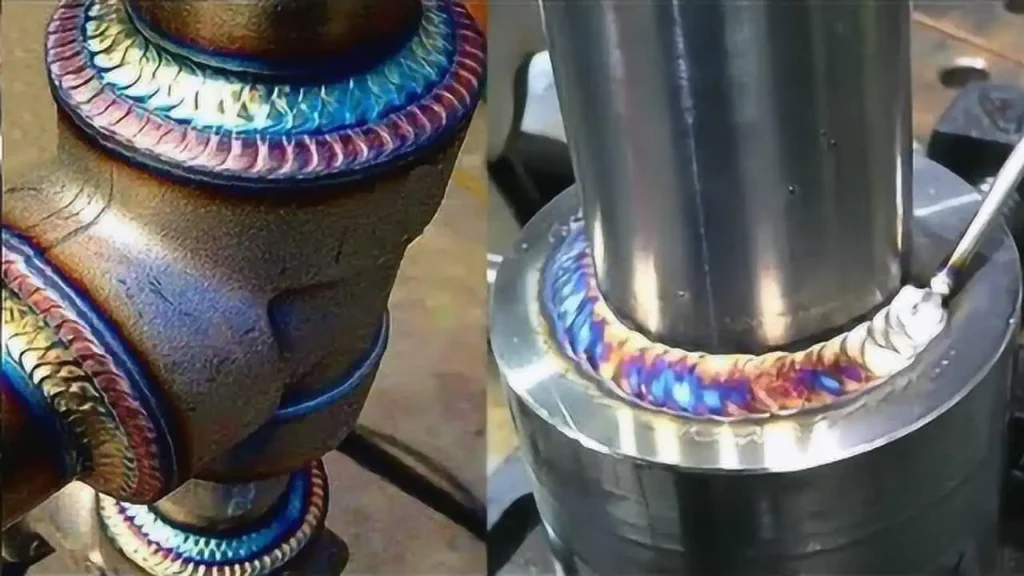
Why are Aircraft Riveted and not Welded? Riveting vs Welding

Cons

  • Specialized equipment and skills required: Welding requires specialized welding equipment and trained mechanics, which may increase repair costs for some vehicle owners or garages without welding facilities.
  • Thermal effects: The high temperatures generated during the welding process may cause deformation or damage to the metal in the surrounding area, especially for thin sheet materials, which may affect the appearance or strength of the bodywork.
  • Higher time cost: The welding process requires more time and steps, especially for complex repair work.

Pros and Cons of Riveting for Car Body

Pros

  • Simple installation: the installation process of rivets is relatively simple, can be completed using a rivet gun, does not require specialized welding equipment, lower maintenance costs.
  • Suitable for thin plate materials: rivets do not require high-temperature operation, suitable for use in thin plates or materials susceptible to thermal damage, avoiding possible thermal damage during the welding process.
  • Reduce body deformation: Since rivet installation does not produce thermal effects, body deformation that may be caused by welding can be avoided. This feature is especially important when dealing with automotive exterior and body panels.
Automatic Riveting Stainless Steel Products

Pros

  • Limited joint strength: Rivets generally have a lower joint strength than welds. Riveted connections may not be as strong as welded connections when subjected to large loads.
  • Poor sealing: riveted joints may have small gaps, which are not suitable for parts requiring high sealing, and are susceptible to penetration of external substances.
  • Appearance problem: The appearance of rivets is not as flat as welding. In exposed areas of the body, this can affect aesthetics.

Riveting Car Body vs Welding Car Body

ParameterWeldingRiveting
Suitable MaterialsSuitable for most metals, especially steelSuitable for aluminum, steel, copper, plastic, and thin sheet materials
Installation ProcessRequires specialized equipment, high technical skillsSimple installation with rivet gun
Repair SpeedSlow, requires cooling and handling timeFast, especially for quick repairs
Connection StrengthHigh, suitable for heavy loads and high-stress areasMedium, suitable for low to moderate stress areas
Sealing AbilityGood, suitable for repairs requiring sealingAverage, may have gaps
SuitabilitySuitable for complex, heavy, or long-lasting areasSuitable for aesthetic repairs, thin sheet materials

Conclusion

  • In body frames and structurally significant areas, welding may be a more appropriate choice if high strength or sealing is required in the repair area. For example, welding provides better strength in doors, undercarriages and areas subjected to high forces.
  • For exterior restoration or repairs to thin sheet materials, rivets are a more appropriate choice. Rivets do not generate high temperatures, do not affect the strength of the raw material, are less likely to cause deformation, and are easy to work with, making them suitable for exterior body panels and parts that need to be repaired quickly.

Do You Have Any Questions?

Let Us Solve Your Problem

Wholesale Car Body Rivets from Rivmate

Automobiles demand high quality rivets. When purchasing car body rivets, automobile manufacturers usually require PPAP documentation from the rivet manufacturer. Rivmate can provide you with professional PPAP 4 documentation.

Get instant access to samples of rivets that can be used in your car body pane project for testing.

Get Rivets Quote

You may also find these topics interesting

Custom Rivet Solutions for Your Project

When Were Pop Rivets Inveted and Who Invented the Pop Rivets?

Picture of Rivmate Fastener

Rivmate Fastener

Top Rivet and Rivet Nut Manufacturer in China

Table of Contents

Monel Blind Rivets for Sale

Nowadays, pop rivets are being used more and more widely. So do you know when were pop rivets invented and who invented the pop rivets? Through this blog, you will learn the history of pop rivets. Including the promotion process, the order of invention and the importance of pop rivets.

Table of Contents

History of Pop Rivets - When were Pop Rivets Invented ?

To meet the needs of different industries and applications, Pop Rivets (Blind Rivets) have gone through many innovations and evolutions since their invention. Below is a timeline of the invention of the different types of Pop Rivets, as well as the purpose and background of their respective inventions.

Types of multi grip pop rivets

To solve the riveting problem in the aerospace industry. The Pop Rivet Company invented pop rivets around the 1930’s. Conventional rivets require access on both sides of the riveted surface and cannot be operated on one side. The Pop Rivet, however, allows for one-sided riveting, solving the problem of not being able to access the other side in aircraft construction and other similar applications.

Pop rivets were originally used in the aerospace industry, particularly in aircraft construction. After World War II, Pop Rivet quickly found its way into the automotive manufacturing and construction industries.

Aluminum Pop Rivets - Invented 1940s

With the growing need for lightweighting in the aviation industry, aluminum pop rivets were invented in the 1940s.

Aluminum Pop Rivets were invented to meet the demand for lighter weight. Aluminum rivets are lighter than steel rivets for the aerospace and automotive industries. And the corrosion resistance and good formability of aluminum alloys also make them ideal.

Aluminum pop rivets were first used in aircraft housings and automotive manufacturing. Today, aluminum pop rivets are used in a wide range of applications requiring low weight and high strength components.

Because of the many advantages of pop rivets, it is increasingly used in a wide range of applications. Thus in response to the need for high strength and corrosion resistance, stainless steel Pop Rivets were developed in the 1950s.

Stainless steel pop rivets are so resistant to corrosion that they are often used in high temperature or humid environments. Examples include the construction, marine, chemical and petroleum industries.

Copper Pop Rivets - Invented 1960s

To solve the problem of electrical conductivity and corrosion resistance, copper pop rivets appeared in the 1960s. The electrical conductivity of copper makes it an important application in the electronics industry and electrical equipment. For example, electrical equipment and electronics shell connection.

Rivmate Aluminum Sealed Type Blind Pop Rivet

As sealing technology evolved, waterproof Pop Rivets were invented. This type of rivet creates a seal during the riveting process, preventing water, air and other liquids from penetrating. It is usually equipped with special rubber gaskets or seals.

In applications where high water resistance and corrosion resistance is required. For example, in construction, water treatment equipment and marine environments, you will often see waterproof rivets.

Structural Rivets - Invented 1980s - 1990s

Riveted Connections in Steel Structures - How to Choose Pop Rivets for Steel Structures?

As technology evolved, structural rivets that could withstand greater pressure and strength were invented. There are many types of structural rivets, but they all have one thing in common – extremely high tensile and shear strength. As a result, structural rivets are widely used in heavy equipment, industrial machinery and riveting in high stress environments.

Why are Pop Rivets so important?

1. Wide Range of Application Scenarios

The application scenarios for Pop rivets are quite extensive. Basically any thin sheet connection can use pop rivets to improve installation efficiency.

  • Aerospace: Pop Rivets were first used extensively in aircraft manufacturing because they allow fastening to be accomplished quickly in hard-to-reach areas such as fuselages and wing panels.
  • Automotive industry: Used for body panels and interior part connections, providing a lightweight, high-strength solution.
  • Construction and household appliances: Pop Rivets are used in scenarios such as façade fastening and equipment housing installation.
What Are Pop Rivets Used For? - Pop Rivets for Electronic Devices

2. Convenience and Safety

  • Pop Rivets are designed for ease of operation, reducing the skill level required of workers during installation and minimizing the possibility of installation errors.
  • Its single-side mounting feature also increases safety in high-risk environments, such as working at heights.

3. Cost Effectiveness

Riveting offers significant economic savings compared to traditional joining methods. So how do pop rivets reduce overall project costs?

  1. The use of Pop Rivets reduces the complexity of production line equipment by eliminating the need to align and manipulate from both sides.
  2. The rivet cost is inexpensive. But provide extremely high reliability in complex scenarios, reducing maintenance costs over time

4. Durability and Versatility

Pop rivets provide a connection that is permanent. Therefore it provides excellent resistance to vibration. Even when used in dynamic loading scenarios, pop rivets will not easily loosen.

In addition to this, it is adapted to corrosive environments (e.g. salt spray, moisture) or high temperature application scenarios with a wide range of material compatibility (e.g. aluminum, stainless steel, copper, etc.).

Do You Have Any Questions?

Let Us Solve Your Problem

Who Invented the Pop Rivets?

Pop Rivets were invented in the 1930s by the George Tucker Eyelet Company (later Tucker Fasteners Ltd.). This company, based in Birmingham, England, originally developed the rivets to meet the aerospace industry’s need for single-sided riveting.

The Process of Popularizing Pop Rivets

Although pop rivets were invented in the 1930s. But its real popularity came after the second end of the Great War. Since then, the use of pop rivets has not only been limited to the aviation industry, but has gradually entered more industrial fields.

What Are Pop Rivets Used For? - Pop Rivets for Furniture Manufacturing

In the 1950s, the use of pop rivets in the automobile industry was widely popularized. Since then, instead of relying on welding or traditional rivets, pop rivets have been used to join many metal plates in the body structure, and the productivity of automobiles has been greatly improved since then.

The popularity of pop rivets also extends to the construction industry and the production of household appliances due to their high performance and ease of installation. Its simple and efficient installation and time-saving features have made it a standard part in modern manufacturing.

Do You Have Any Questions?

Let Us Solve Your Problem

Modern Applications of Pop Rivets

Today, Pop Rivets occupy an important position in many industries. Typical areas of application include:

  • Aerospace: Pop Rivets are used in the assembly of airplanes and spacecraft, especially in the joining of housings and inner frames.
  • Automotive: In modern automotive manufacturing, Pop Rivets are used to join body panels, interior trim, electronic equipment housings, etc.
  • Construction: Pop Rivets are particularly useful in the connection of metal structures and prefabricated components.
  • Electronics: Pop Rivets are used in the housings and interior components of many electronic devices.
  • Home Appliances: Pop Rivets are also used in the metal housings and internal connections of some home appliances to increase manufacturing efficiency.
Hemlok Blind Rivets Application

The Future of Pop Rivets

As material science and manufacturing technology continue to improve, the future of pop rivets remains full of endless possibilities. In the future, pop rivets may be used in more lightweight, environmentally friendly, and high-strength applications. At the same time, with the development of automation and robotics, pop rivets will be installed in a smarter and more efficient way.

Wholesale Pop Rivets from Rivmate

If you want to be in the process of finding high quality pop rivets for your project or business, please contact us.

You can get standard blind rivets, structural blind rivets and high strength rivets. And we offer you customized riveting services and customized packaging services.

Get a free sample of rivets for testing now.

Get Rivets Quote

You may also find these topics interesting

Custom Rivet Solutions for Your Project

How to Choose Monel Rivets for Mast?

Picture of Rivmate Fastener

Rivmate Fastener

Top Rivet and Rivet Nut Manufacturer in China

Table of Contents

Find the best riveting solution for your mast project with our high quality blind rivets. Find the perfect rivets to enhance your mast safety.

How to Choose Monel Rivets for Mast

For mast, the safety and stability of the riveted joint is key. Most mast manufacturers will use monel rivets for mast.

Here we discuss choosing the right monel rivets for your mast project so you can be successful in your business.

Table of Contents

The Importance of Using the Right Rivets for Mast

Masts serve as an important support component for structures such as ships, towers, wind turbines, and other structures. It is subjected to wind, vibration and other external forces. If you use unsuitable rivets to rivet the mast, it may lead to the failure of the connection part. This can greatly affect the safety and stability of the structure.

The right rivets have proven to have an extraordinary impact on the safety of the mast.

7 Things to Consider When Choosing Mast Monel Rivets

1. Consider the Environment of Use

Mast Rivets

The first thing to consider before choosing monel rivets for mast is the actual environment in which it will be used. For mast, it is often used in the ocean or in extreme temperatures, so mast rivets need to meet the following characteristics.

Corrosion Resistance Requirements

  • If the mast is in a marine environment (e.g. ships, offshore wind turbines), Monel Rivets is the best choice. monel rivets are extremely resistant to corrosion in salt water and humid environments.
  • In other corrosive environments (e.g. high humidity, chemical areas), Monel Rivets also performs well.

Climatic Adaptability

  • Monel Rivets maintain their mechanical properties at extreme temperatures (up to 537°C or in deep cold environments). If you need to resist high or low temperature scenarios when it comes to your mast project, then monel rivets are the ideal choice.

2. Material Compatibility

Monel is a nickel-copper alloy and requires attention to galvanic corrosion when used with metals such as aluminum and stainless steel. If the mast is aluminum, an insulating coating or spacer will need to be added between the Monel Rivets and the mast to reduce the galvanic reaction.

Elemental composition of monel rivets

If the mast is steel or another metal, Monel Rivets perform well and reduce the risk of corrosion.

However, Monel Rivets are hard and care should be taken when using them on softer materials such as aluminum to avoid crushing or damaging the material.

3. Load and Structural Strength

Compared to rivets made from other materials, the strength of monel rivets is very high. And the environment where mast is used needs to cope with strong winds, vibration or ship shaking, so most mast manufacturers will use monel rivets to rivet mast.

The characteristics of Monel Rivets allow them to withstand high and dynamic loads on the mast. It is important to note that operators need to ensure that the size and type of rivets match the designed load of the mast.

Mast Monel Rivets

In actual use, mast needs to withstand vibration for a long time. Therefore the fatigue resistance of monel rivets is particularly important. The use of mast monel rivets can effectively prevent the riveting point from loosening or breaking.

4. Rivet Size and Grip Range

For selecting mast monel rivets, the size and grip range of the monel rivets are two important technical indicators.

  • Hole and Rivet Diameter: Ensure that the diameter of the Monel Rivets is suitable for the pre-drilled holes in the mast. Holes that are too large will cause the rivets to come loose, while holes that are too small will interfere with installation.
  • Clamping Range: Select rivets with a clamping range appropriate for the thickness of the mast material. This ensures a secure riveted joint without undue stress.
Applications of Multi grip Pop Rivets

How you want to understand in more detail how to choose the rivet size, please read “how do i choose the right size pop rivet”.

For more information about the riveting range of rivets, please read “grip range for rivets”.

5. Installation and Maintenance Requirements

Installation Tool Matching

The hardness of Monel Rivets requires the use of a suitable installation tool (e.g. pneumatic rivet gun) to ensure a smooth riveting process.

Maintenance Costs

Monel Rivets have a long service life and are low maintenance, making them suitable for mast connections that require long term durability.

Installation Efficiency

If the mast has a large number of riveted joints, choosing an easy-to-install type of Monel Rivets, such as blind rivets, can increase efficiency.

Riveting Mast with Monel Rivets

6. Standards and Certification

This is something that you have to consider when buying monel rivets for mast.

The environment in which Mast is used is relatively harsh and hence the quality of monel rivets needs to be guaranteed. When choosing monel rivets for your mast project, you can buy either ISO Standard Rivets or DIN Standard Rivets, both of which will serve your needs well.

If your mast project is for aerospace or military use, then the rivets are needed to meet more stringent specifications and certification requirements. For example IATF 16949.

7. Cost and Budget

Cost vs. budget is a must when choosing monel rivets for mast.

It is well known that the cost of monel rivets is high because of its excellent performance. But in the long run, the security that monel rivets bring to your mast project cannot be replaced. monel rivets have a very long lifespan, which can greatly reduce the cost of long-term maintenance.

Do You Have Any Questions?

Let Us Solve Your Problem

Conclusion

Investing a certain financial cost for the safe use of mast can make your mast program a huge success. This guide details the advantages you can expect for monel rivets for mast as well as points to note when choosing mast rivets.

You don’t even need to contact a professional engineer for this. Just keep in mind the points discussed above and you can choose monel rivets for mast properly.

Do You Have Any Questions?

Let Us Solve Your Problem

Wholesale Monel Rivets for Mast from Rivmate

Rivmate Rivet is the market leading monel rivets manufacturer. Our specialized rivets factory uses the best quality materials and advanced production technology to provide the most perfect mast rivets products.

We can supply standard blind rivets, structural rivets and monel rivets for your project, including monobolt rivets, multi grip blind rivets, open type blind rivets and lockbolt rivets.Our rivets not only provide a stable connection, but also superior quality! Rivmate has a team of specialized engineers and an inspection department to ensure that each rivet product far exceeds national quality standards.

And that’s not all! We also provide free rivet samples and fast quotation service. What are you waiting for? Contact us now!
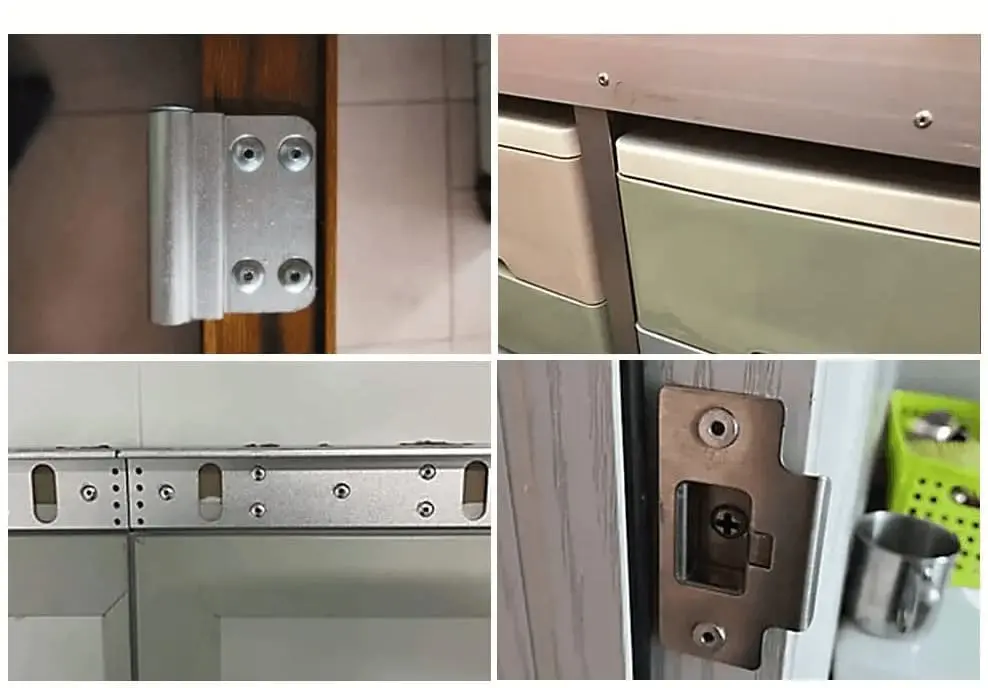
Get Rivets Quote

You may also find these topics interesting

Custom Rivet Solutions for Your Project

Why are Monel Rivets in Aluminum?

Picture of Rivmate Fastener

Rivmate Fastener

Top Rivet and Rivet Nut Manufacturer in China

Table of Contents

Types of Rivets

If you are going to buy monel rivets for your aluminum project, you need to know not only “what are monel rivets” but also “why are monel rivets in aluminum? “Why are monel rivets in aluminum?

This blog shows you the applications, notes and tips for using monel rivets in aluminum. Let’s explore it together!
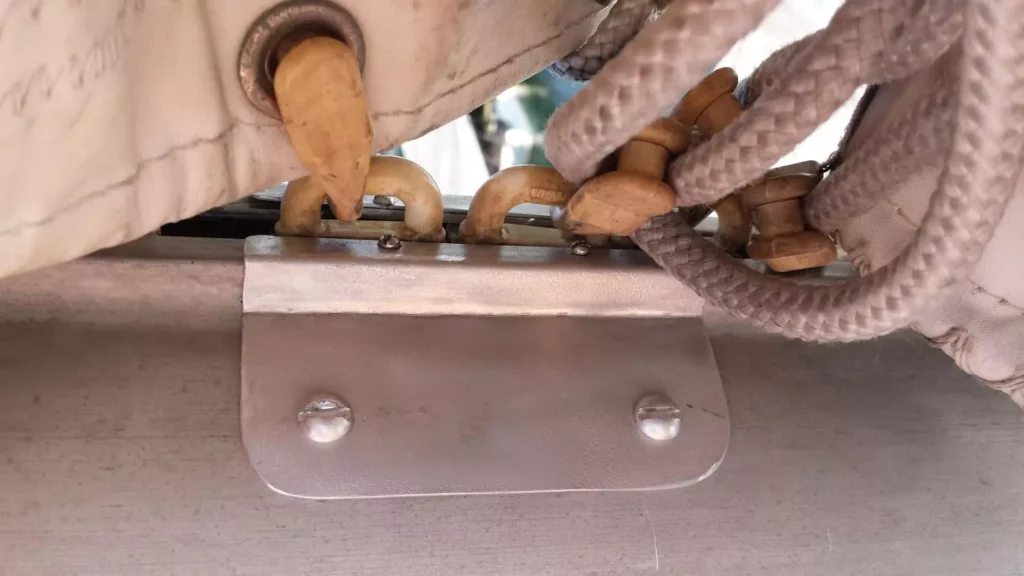
Table of Contents

Why are Monel Rivets in Aluminum?

There are many rivets that can join products made of aluminum, so why choose monel rivets? The main reason is that monel rivets offer significant performance advantages in specific environments and needs. Below are the key benefits of monel rivets in aluminum:

1. Excellent Corrosion Resistance

Monel Pop Rivets - How to Use Monel Pop Rivets

The corrosion resistance of monel rivets is superior compared to other materials.

  • Electrochemical stability: monel rivets are extremely resistant to corrosive environments such as salt water and moisture. In marine, chemical and humid environments, monel rivets do an excellent job of joining aluminum.
  • Prevention of galvanic coupling corrosion: Despite the potential difference between aluminum and Monel, galvanic coupling corrosion can be effectively avoided by insulating treatment or anti-corrosion coating.

2. High Strength and Fatigue Resistance

Monel Rivets are known to be stronger than aluminum and stainless steel rivets. In scenarios where high loads, vibrations and dynamic loads are required, monel rivets perform more reliably. Moreover, monel blind rivets have excellent fatigue resistance and are not prone to loosening, even after prolonged use.

3. Adaptation to Harsh Environments

  • Marine environments: In salt water or salt spray environments, Monel Rivets resist corrosion better than aluminum and stainless steel.
  • Chemical environments: When exposed to acidic or alkaline substances, Monel materials are far more resistant to corrosion than aluminum and stainless steel.
Monel Solid Rivets - Wholesale Monel Rivets from Manufacturer

4. High Temperature Resistance

Monel rivets are stable in high temperature environments. It will not soften in high temperature environments like aluminum rivets or fail due to oxidation like stainless steel rivets.

If your project is in the aerospace, chemical or energy sector involving aluminum, then monel rivets are an excellent choice for you.

5. Long-term Reliability

Monel rivets have a very long service life. You can often see monel rivets in harsh environments. This is because it stays stable in these environments, reducing maintenance and replacement costs.

Monel Rivets vs Aluminum Rivets vs Stainless Steel Rivets

FeatureMonel RivetsAluminum RivetsStainless Steel Rivets
Corrosion ResistanceExcellent, especially in saltwater, acidic, and alkaline environmentsGood, but prone to corrosion in saltwater and chemical environmentsGood, but less effective in high salt and acidic environments than Monel
StrengthHigh, suitable for heavy loads and dynamic stressesLow, suitable for light-duty applicationsModerate, suitable for general industrial applications
WeightRelatively heavyLightweight, ideal for weight-sensitive applicationsRelatively heavy
CostHigh cost, long-term savings on maintenanceLow cost, ideal for cost-sensitive projectsModerate cost
Thermal ExpansionSignificant difference from aluminum, requires design considerationSimilar thermal expansion to aluminum, good compatibilitySignificant difference, may cause connection stress
Fatigue ResistanceExcellent, suitable for high-vibration environmentsPoor, may loosen over time with prolonged useGood, suitable for general applications
Application AreasMarine, aerospace, chemical, and other harsh environmentsIndoor, low-corrosion environmentsIndustrial, construction, household applications

Are monel rivets better suited for aluminum connections in comparison?

Comparison with Aluminum Rivets

  • Monel Rivets are better suited for use in scenarios requiring high strength and corrosion resistance, especially in harsh environments.
  • Aluminum rivets are lightweight and low cost, suitable for lightweight construction and non-corrosive environments, but less reliable in harsh conditions.

Comparison to Stainless Steel Rivets

  • Monel Rivets are superior to stainless steel rivets in corrosion and high temperature environments, especially in salt spray and chemical corrosive environments.
  • Stainless steel rivets are more cost effective in general industrial and construction applications, but may not be as durable in the marine and chemical industries.

Do You Have Any Questions?

Let Us Solve Your Problem

Do Monel Rivets Damage Aluminum Materials?

Monel rivets are much harder and have a higher tensile strength than aluminum. Therefore, special care is needed when riveting, otherwise it may cause some damage to the aluminum surface.

  • Pressure injury or deformation: Due to the hardness of Monel material, Monel rivets may cause pressure injury, deformation or indentation on the aluminum plate if the pressure during riveting is too high or uneven.
  • Surface Damage: Aluminum surfaces may be affected by friction or localized extrusion, resulting in scratches or other surface defects that can affect their appearance and serviceability.
Monel Rivets Applications - Military and Defense

How to Avoid Damage to Aluminum?

So how do you avoid this?

  1. Choose the right riveting tool and pressure: Use the right riveting tool and make sure the pressure applied is appropriate to avoid excessive squeezing.
  2. Optimize the riveting process: Use a suitable riveting method, such as applying pressure gradually (staged riveting) rather than applying too much pressure at once.
  3. Protect the aluminum surface: Before riveting, consider placing thin shims or soft cushions between the aluminum sheet and the rivets to avoid direct contact. Surface coatings (e.g., painted or protective coatings) on the riveted area can provide additional protection.

Do You Have Any Questions?

Let Us Solve Your Problem

Under What Circumstances Must I Use Monel Rivets Instead of Other Rivets?

Monel rivets are more suitable for special applications due to higher corrosion resistance, higher temperature resistance and higher mechanical strength.

Applications where monel rivets must be used are listed below:

  • Highly corrosive environments: marine equipment, oil rigs, chemical equipment.
  • High temperature environments: high temperature industrial equipment, aerospace and other equipment.
  • High-strength connection occasions: aircraft shells, racing cars, offshore platforms and so on.

Do Monel Rivets Improve the Strength of Aluminum Structures?

Monel Rivets for sale

Monel rivets do not directly increase the strength of aluminum. Due to the inherent strength limitations of aluminum, monel rivets do not directly increase the strength of aluminum. However, it enhances the overall performance of the aluminum structure by providing a more solid connection and higher corrosion resistance.

Are Monel Rivets Economical on Aluminum?

To analyze the magnitude of the cost of monel rivets in aluminum, two aspects are needed.

  • Short-term cost: the initial purchase cost of monel rivets is high, which may make some companies feel pressure on the cost. In mass production, the cost of raw materials can increase significantly.
  • Long-term cost savings: Although the initial purchase cost is high, the corrosion resistance, strength and durability of Monel rivets allow for significant reductions in the need for maintenance and replacement over the long term. This results in savings in maintenance, downtime and replacement parts. For equipment used in harsh environments, the long-term economic benefits of using Monel rivets are significant.

Custom Monel Rivets for Your Project

Monel rivets are excellent rivets in every respect. As a result, you will often see monel rivets in harsh and load-bearing environments. For most projects, the quality of monel rivets is far more important than the price. Therefore, a reliable rivet manufacturer is very important to you.

If you want to order monel rivets for your business, please contact us. Get samples of monel rivets for testing now.

Get Rivets Quote

You may also find these topics interesting

Custom Rivet Solutions for Your Project

What Are Monel Rivets Used for ?

Picture of Rivmate Fastener

Rivmate Fastener

Top Rivet and Rivet Nut Manufacturer in China

Table of Contents

Monel Blind Rivets - Buy High Quality Monel Rivets from Rivmate

Monel Rivets are an expensive type of rivet. It can be used in extremely harsh environments. Do you know the exact scenarios in which it is used? Let’s learn more about “What are Monel Rivets used for“.

Table of Contents

Why Use Monel Rivets?

Monel is a very expensive metal material. Despite this, monel rivets are very popular in harsh environments. The main reason for this is that the material of monel rivets has excellent properties, especially in corrosive environments and high strength requirements. Below are the key benefits of Monel Rivets.

1. Excellent Corrosion Resistance

Monel Rivets for sale

The corrosion resistance of Monel material is very strong. Therefore Monel rivets are often used in marine and chemical environments.

  • Marine environments: Monel rivets have excellent salt water corrosion resistance properties, making them particularly suitable for use in marine, marine, desalination equipment and other scenarios.
  • Chemical resistance: monel rivets are resistant to corrosion by acids, alkalis, chlorides and other chemicals such as sulfuric acid, hydrochloric acid and hydrofluoric acid (HF).

2. High Strength and Fatigue Resistance

Monel rivets continue to perform well under dynamic loading conditions. It is therefore widely recognized.

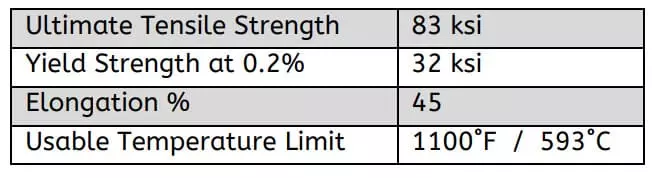
  • Tensile strength: Monel 400 has a tensile strength of up to 83 ksi (approx. 572 MPa). This makes monel rivets suitable for high stress and dynamic loading environments.
  • Fatigue resistance: monel rivets continue to perform well in high vibration and shock environments, such as aerospace and heavy industrial equipment.
Monel Rivets Strength

3. High and Low Temperature Resistance

Monel Rivets retain their mechanical properties even at extreme temperatures, from cryogenic to 1000°F/537°C. If your projects are in hot and cold environments, such as aero-engines and deep-sea equipment, then monel rivets are an excellent choice.

4. Excellent Galvanic Resistance

In practice, rivets are usually used to join thin sheets of many different materials. This can lead to a problem – galvanic corrosion. Monel is so resistant to galvanic corrosion that galvanic coupling is very difficult. Therefore, monel rivets are the ideal multi-metal combination fastener for multi-metal connections.

Monel Pop Rivets - How to Use Monel Pop Rivets

5. Long-term Durability

Monel rivets have a very long service life. Monel rivets remain stable even in harsh environments. This significantly reduces replacement and maintenance costs. This is exciting news for your project.

What Are Monel Rivets Used for?

Monel material has excellent corrosion resistance and high strength properties, so monel rivets are widely used in environmentally demanding scenarios. Below are the main applications for monel rivets.

Maritime Industry

Monel materials are extremely resistant to corrosion in salt spray and seawater environments. They are also less susceptible to galvanic corrosion in multi-metal connections. The following are common applications of monel rivets in the marine industry:

  • Fastening of hull, deck and compartment connections.
  • Fastening of metal components on offshore drilling rigs.
  • Assembly of structural components in desalination equipment.
Monel Rivets Applications - Military and Defense

Chemical Industry

Even in strong acid and alkali media, monel rivets still have excellent corrosion resistance. It maintains long-term stability in corrosive chemical environments.Common applications of monel rivets in the chemical industry are as follows:

  • Connecting reactors, tanks and pipes in chemical plants.
  • Equipment handling strong acids (e.g. hydrochloric acid, hydrofluoric acid) and alkaline environments.
Monel Rivets Applications - Highly Corrosive Building Environments

Aerospace

The monel material retains its strength in environments up to 537°C. The monel rivets are very stable in environments with high vibration and dynamic loads. And monel rivets are very stable in environments with high vibration and dynamic loads.

  • Fixed components of fuel tanks and engines.
  • Structural connections in high vibration areas on the exterior of the aircraft.

Automobiles and Railroads

Self Piercing Rivets for Car Roof and Body Cap Connection

From the above, we can know that monel rivets have strong corrosion resistance and high temperature resistance. Therefore automobiles also use monel rivets frequently.

  • Exhaust systems for high performance vehicles.
  • Railroad car shells exposed to salt spray.

Do You Have Any Questions?

Let Us Solve Your Problem

Tips of Monel Rivets in Aluminum

When using Monel Rivets in aluminum, there are three issues to be aware of:

  1. Electrochemical corrosion
  2. Pressure control during riveting
  3. Effects of vibration environments

So how do you ensure that Monel Rivets will maintain a reliable connection and long-term durability on aluminum?

1. Prevention of Galvanic Corrosion

Contact between Monel and aluminum in a humid or salt water environment may result in galvanic corrosion of the aluminum due to the large difference in electrochemical potential between the two metals.

So how to solve it?

  • Use an insulating gasket or a corrosion-resistant coating (e.g., painted or anodized aluminum surface) between the Monel Rivet and the aluminum material.
  • Seal the joint with a corrosion-resistant sealant to prevent humid air or salt from coming into contact with the metal surface.
Monel Blind Rivets - Prevention of Galvanic Corrosion

2. Mounting Pressure During Riveting

Monel Rivets are harder than aluminum materials and may cause excessive squeezing pressure on the aluminum during riveting, resulting in deformation or cracking of the aluminum material.

Solution:

  • Ensure that the pre-drilled holes are accurate in size and match the diameter of the rivets to avoid excessive gaps or too tight a fit.
  • Control the pressure of the installation tool and use riveting equipment suitable for Monel Rivets to avoid excessive compression.

3. Consider Vibration and Fatigue Stresses

Monel Rivets are often used in high-strength and high-vibration environments, but the aluminum material can be subject to fatigue that can lead to loose connections over time.

Solution:

  • Use elastomeric sealants or vibration isolation washers at connection points to minimize the effects of vibration.
  • Periodically check the tightness of the connection to prevent loosening.

Can Monel Rivets Resist that Level of Corrosion?

There are many types of acidic environments.

Acid TypeCorrosion ResistanceRemarks
Hydrochloric Acid (HCl)ExcellentMonel rivets resist hydrochloric acid well, especially at low to medium concentrations. High temperatures and concentrations may reduce effectiveness.
Hydrofluoric Acid (HF)OutstandingExceptional resistance at all concentrations and temperatures, including boiling points, making Monel ideal for HF environments.
Sulfuric Acid (H2SO4)Good (at lower concentrations)Effective against medium concentrations of sulfuric acid but may corrode under high temperatures or concentrations.
Nitric Acid (HNO3)LimitedPerforms poorly in oxidative acids like nitric acid, especially at high concentrations and temperatures.
Acetic Acid (CH3COOH)ExcellentHighly resistant, making it suitable for food processing and chemical industries.
Phosphoric Acid (H3PO4)GoodResists phosphoric acid well, especially at low to medium concentrations.
Formic Acid (HCOOH)ExcellentOutstanding resistance across all concentrations and temperatures.
Chloride Solutions (e.g., Chlorine, Hypochlorous Acid)OutstandingExceptional performance in chloride environments, ideal for marine and chemical applications.
Ammonia Solutions (NH3)OutstandingHighly resistant to alkaline ammonia solutions, used in chemical processing and cooling systems.


Monel rivets excel in non-oxidizing acids (e.g., HCl, HF) and perform less effectively in oxidizing acids (e.g., HNO3).

Do You Have Any Questions?

Let Us Solve Your Problem

How Much do Monel Rivets Cost?

Within the Blind Rivet family, monel rivets are much more costly. Although the cost of rivets varies depending on a number of factors including size, gauge, quantity purchased, and market fluctuations. But the most significant cost affecting monel rivets is the fact that monel, the raw material, is so expensive. The price range of monel rivets is as follows:

  • Unit price range: each rivet costs approximately ¥0.0731 to ¥19.01, depending on the size and specification of the rivet.
  • Bulk Purchase: Bulk purchases usually enjoy more favorable prices. For example, blind Monel rivets from a blind rivet supplier are available for about ¥0.0728 to ¥0.3637, but require a minimum order of 50,000 pieces.
Monel Blind Rivets for Sale

It should be noted that the price of Monel alloy is relatively high, the main reasons include:

  • Material Cost: Monel alloys are composed primarily of nickel and copper, and contain small amounts of iron, manganese, carbon and silicon. The market price of these metals directly affects the cost of Monel rivets.
  • Difficulty of machining: Monel alloys are subject to work-hardening during machining, requiring the use of lower feed rates and slower cutting speeds, which increases manufacturing costs.

Therefore, when selecting a Monel rivet, it is recommended to consider its excellent corrosion resistance and mechanical properties, as well as its relatively high cost, based on specific application requirements and budget.

Custom Monel Rivets Solutions for You

There are not many blind rivets manufacturers that can offer monel rivets with consistent performance. And Rivmate is one. If you need to buy a large quantity of high quality monel rivets for your project, you can contact us.

We provide free samples of monel rivets for your project. Get a quote now.

Get Rivets Quote

You may also find these topics interesting

Custom Rivet Solutions for Your Project

What Are Monel Rivets? The Ultimate Guide

Picture of Rivmate Fastener

Rivmate Fastener

Top Rivet and Rivet Nut Manufacturer in China

Table of Contents

What are monel rivets? I believe this is a concern for many people who need to use monel rivets. Through this article, you will learn more about “what are monel rivets”.

Monel Blind Rivets - Buy High Quality Monel Rivets from Rivmate

Monel Rivets are high-performance rivets made from Monel alloys, which are primarily composed of nickel and copper.The key characteristics of Monel alloys are their excellent corrosion resistance and high strength, so Monel rivets perform well in extreme environmental conditions. In the marine environment and chemical industry, monel rivets are used in a wide range of applications where corrosion resistance is critical. Below you will find a detailed description of Monel rivets, including their definition, characteristics, advantages, application scenarios and more.

Table of Contents

What Are Monel Rivets?

Monel rivets are rivets made from Monel alloy, a metal material that is extremely resistant to corrosion and is particularly suitable for use in corrosive environments. monel rivets are installed in a similar manner to other rivets, but due to the special material they are unique in terms of durability and strength. The installation principle of Monel rivets is similar to that of other rivets, but because of their special material, they are unique among other types of rivets in their durability and strength.

Did you know that Monel rivets can also be used in the construction of heavy-duty shower doors where corrosion resistance is crucial?

Monel Blind Rivets for Sale

Monel rivets are a specialized type of rivet with high corrosion resistance and strength requirements. Used in a wide range of industries such as marine, aerospace, chemical and nuclear, it is suitable for applications requiring reliability and durability in extreme environments.

Characteristics and Advantages of Monel Rivets

Monel rivets have a number of important characteristics over rivets made from other materials. These properties give them a significant advantage in certain application scenarios.

1. Corrosion Resistance

The most important characteristic of Monel rivets is their resistance to corrosion. They are resistant to seawater, salt spray, acidic environments, and some chemical corrosion, making them particularly suitable for marine and chemical industry environments. Monel rivets retain their strength and integrity when exposed to moisture, salt spray or chemicals for extended periods of time.

Monel Solid Rivets - Wholesale Monel Rivets from Manufacturer

2. High Temperature Resistance

Monel alloys maintain their performance at elevated temperatures. In practice, monel rivets can withstand temperatures up to 1000°F (537°C). This makes Monel rivets suitable for applications in extreme temperature environments such as aerospace and offshore platforms.

3. High Strength and Wear Resistance

Monel rivets have high tensile strength and fatigue resistance. As a result, they are able to withstand high loads and pressures while maintaining structural stability. This makes them particularly suitable for use in high stress environments.

4. Excellent Galvanic Resistance

Monel rivets are highly electrochemically stable in multi-metal environments. They prevent galvanic corrosion reactions from occurring and are often used in applications requiring multi-metal connections.

Monel Pop Rivets - How to Use Monel Pop Rivets

5. Long-term Durability

Monel rivets have a very long service life due to their resistance to corrosion and high temperatures. Even in harsh environments, monel rivets have a long service life.

Do You Have Any Questions?

Let Us Solve Your Problem

Applications of Monel Rivets

Monel rivets are suitable for many industries and applications requiring a high degree of corrosion resistance, heat resistance and structural strength.

Monel Rivets Applications - Highly Corrosive Building Environments
  • Marine & Shipbuilding: Due to their extreme resistance to salt spray, Monel rivets are often used in shipbuilding, offshore platforms, fishing vessels, submarine pipelines and other marine structures.
  • Chemical industry: The acid resistance of Monel alloys allows them to excel in chemical processing, pharmaceutical equipment, petrochemicals and other environments that require resistance to chemical corrosion.
  • Aerospace: In the aerospace industry, Monel rivets are commonly used in aircraft exteriors and engine component connections due to their resistance to heat, corrosion and fatigue.
  • Nuclear: Monel rivets are also used in demanding applications in nuclear energy facilities due to their resistance to radiation and high temperature environments.
  • Food and beverage industry: Monel rivets’ non-toxicity and resistance to acids and salts make them suitable for use in food processing equipment, especially in applications requiring resistance to various types of corrosion.
  • Desalination equipment: In desalination equipment, the corrosion resistance offered by Monel rivets makes them ideal due to their long-term exposure to salt water.

Monel vs Stainless Steel Rivets

Characteristic/FactorMonel RivetsStainless Steel Rivets
Material CompositionPrimarily made of Nickel and Copper (Monel alloy)Mainly composed of Iron, Chromium, and other alloy elements (Stainless Steel)
Corrosion ResistanceExtremely resistant to saltwater, acids, alkalis, and other corrosive environments, especially suitable for marine environmentsGood corrosion resistance, but less effective in saltwater and chemical environments compared to Monel
High-Temperature ResistanceGood high-temperature resistance, capable of withstanding temperatures up to 537°CExcellent high-temperature resistance, can withstand temperatures around 500°C
StrengthHigh strength, suitable for high-load, high-stress environmentsHigh strength, suitable for most general industrial applications
Applicable EnvironmentsSuitable for marine, chemical processing, aerospace, and other extreme environmentsSuitable for general industries, food processing, construction, and other milder environments
WeightHeavierLighter (especially compared to aluminum)
CostMore expensive, especially in large-scale purchasesRelatively cheaper, lower cost
Mechanical PropertiesHigh fatigue resistance and impact strengthGood fatigue resistance and toughness
Electrochemical CorrosionHigh resistance to electrochemical corrosion, less prone to galvanic corrosionMore prone to electrochemical corrosion, especially when in contact with metals like aluminum
LifespanDurable over the long term, ideal for extreme conditionsLong-lasting, suitable for general industrial environments
  • Monel rivets are better suited for extreme environments where extreme corrosion resistance and high strength are required. For example, marine, chemical and high temperature applications, but their cost is higher.
  • Stainless steel rivets are suitable for a wider range of applications, especially in milder environments. It is less expensive and has good corrosion resistance and mechanical properties. It is widely used in construction, food industry and other common applications.

Do You Have Any Questions?

Let Us Solve Your Problem

What is the Strength of a Monel Rivet?

Monel has strong mechanical properties comparable to those of stainless steel because it is made of a nickel-copper alloy.The strength of Monel rivets consists of two main components: 1.Rivet Tensile Strength 2.Rivet Shear Strength.

  • Tensile Strength: For Monel rivets, the tensile strength can reach up to 3750 N (Newtons) for smaller diameters (4.8 mm) and can go up to 6750 N for larger diameters (6.4 mm).
  • Shear Strength: The shear strength is also considerable, with values reaching 3300 N for 4.8 mm diameter rivets and 5400 N for 6.4 mm diameter rivets​.

FAQs

What is the Cost of Monel Rivets?

Monel rivets typically cost more because of the higher cost of their raw materials and the more complex manufacturing process. They cost more than aluminum or regular steel rivets, but their long-term durability and reliability make up the difference.

If you want to know more about rivet cost, read this article “how much do rivets cost”.

Are Monel Rivets Suitable for All Applications?

While Monel rivets perform well in many extreme environments, they are not suitable for all situations. For example, in an ordinary indoor environment, it may not be economical to use Monel rivets, and ordinary aluminum or steel rivets will suffice for most load requirements.

What is the Lifespan of Monel Rivets?

Even in corrosion-resistant environments, Monel rivets are built to last. Their durability makes them ideal for use in marine and other extreme environments, meaning they can withstand long-term exposure to harsh conditions.

Custom High Quality Monel Rivets from China

Through this article, I believe you have a deep understanding of “what are monel rivets”. Including the characteristics of monel rivets, applications and comparison with other materials. If you want to buy high quality monel blind rivets for your project, please contact us!

Rivmate is a leading blind rivet manufacturer in China. You can get satisfactory rivets solutions. Get a free sample of rivets for testing now.

Get Rivets Quote

You may also find these topics interesting

Custom Rivet Solutions for Your Project

Submit Your Rivet Request

First order over $5,000 free riveting tools