Whatsapp: +86 18962304392

Email: manufacture@world-rivet.com

[bellows config_id="main" menu="39"]
Contact Us

manufacture@world-rivet.com

+86 189 6230 4392

Room 9016 of 2# Building, No. 436 Changjiang Road, Suzhou City, Jiangsu Province, China 215011.

Certificate

What is the Process of Self-Piercing Rivets?

Table of Contents

Traditional welding and conventional riveting have gradually shown limitations in the combination of aluminum, composite materials, and mixed materials such as aluminum and steel. At this point, more and more engineers have begun to pay attention to the process of self-piercing rivets. This technique can achieve efficient and reliable mechanical connections without the need for pre-drilling.

Self-Piercing Riveting (SPR) is an advanced connection technology. It uses specially designed rivets and high-pressure equipment to achieve rapid assembly without compromising the material’s properties. This article will provide a detailed analysis of the process flow, technical principle, and application value of SPR from a professional perspective, covering its use in industries such as automobiles, aviation, and construction.

Self-Piercing Rivets (SPR for short) is an advanced mechanical fastening method. It uses high pressure to directly press the rivet into the material. The tip of the rivet pierces through the upper layer of material and expands and locks in the lower layer of material, thus forming a strong mechanical connection.

Advantages of SPR

The structure of self-piercing rivets mainly consists of three parts:

  • Head: Fixed on the surface of the material, providing clamping force.
  • Shank: Penetrates the material and transmits pressure.
  • Hollow Tail: Expands in the lower layer of the material to achieve a locking effect.

Compared with traditional riveting or welding processes, SPR has significant features:

  • Single-sided operation → Installation can be completed without touching the backside.
  • No pre-drilling required → Save processes and improve production efficiency.
  • No heat-affected zone (HAZ) → Avoid common metal property degradation or deformation in welding.

According to industry research, the application ratio of SPR in automotive lightweight manufacturing has exceeded 60%, especially in the dissimilar joining of aluminum alloys and steel. Its popularity stems from the demand for high strength, environmental friendliness, and high-efficiency assembly.

The Step-by-Step Process of SPR

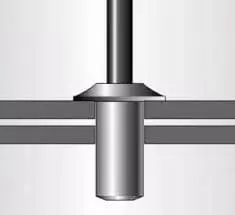
Self Piercing Rivets for Automotive - High Cost Self Piercing Rivets Tool

Self-piercing riveting (SPR) is an efficient and reliable mechanical joining method. The entire process is divided into four key steps, each of which directly determines the quality and strength of the joint.

1) Preparation

  • Correctly overlap and place the layers of the materials to be joined.
  • Insert the SPR rivet into the press head of the riveting equipment.
  • Ensure that the anvil is tightly in contact with the material to provide support for the subsequent forming process.

2) Positioning and Piercing the Upper Layer

The rivet pierces the upper layer of material under high pressure. Important note: The rivet does not completely penetrate the lower layer of material but maintains a certain thickness to prevent damage to the material’s integrity.

3) Expansion & Mechanical Interlock

Under the constraint of the lower die, the tail of the rivet gradually expands outward.
After the tail expands, it “hooks” onto the lower layer of material, forming a stable mechanical interlock.
This process determines the shear strength and fatigue resistance of the joint.

4) Completion and Locking

The head of the rivet remains on the surface of the material, exerting a surface clamping force. The tail of the rivet is fully locked inside the material. Eventually, a permanent connection is formed without the need for additional fasteners or welding processes.

Key Process Parameters of the SPR Process

Advantages of SPR

The success of self-piercing riveting (SPR) is not only dependent on the performance of the equipment, but also on multiple key process parameters. If not properly controlled, it can easily lead to joint failure or material damage. The following four aspects are the most important:

a. Setting Force (Pressing Force)

  • Insufficient pressure applied → The rivet fails to fully expand, causing the joint to loosen.
  • Excessive pressure applied → The material may be crushed, especially for aluminum alloys or thin plate structures.
  • Therefore, in production, it is necessary to conduct process tests to find the appropriate pressure range. Data shows that the appropriate pressing force can increase the joint strength by 15%-20%.

b. Anvil Design

The shape of the lower die directly determines the expansion method at the tail end.
Conical, slot-shaped or specially designed lower dies will affect the expansion angle of the rivet tail end and the joint’s bite quality.
A correct lower die design can enhance the shear strength of the joint and reduce stress concentration.

c. Material Compatibility

  • SPR is particularly suitable for combinations of different materials, such as: aluminum + steel, galvanized steel + composite materials.
  • Different material combinations require different design of rivets and setting of pressing force.
  • In the automotive industry, the connection of aluminum + steel is a typical application of SPR, which can effectively reduce the weight of the entire vehicle while maintaining safety performance.

d. Rivet Design

The diameter, length and hollow depth of the nail body determine the expansion effect.
If the diameter is too small, the strength is insufficient; if the diameter is too large, the material is prone to damage.
Designing reasonable geometric parameters for the nail can ensure stable locking in multi-layer or high-strength materials.

Self-Piercing Riveting VS. Traditional Riveting
FeatureSelf-Piercing Riveting (SPR)Conventional RivetingWelding
Pre-drilled Hole RequiredNoYesNo
Heat Source RequiredNoNoYes
Suitable for Dissimilar MaterialsYesLimitedPoor
Installation SpeedFastSlowModerate
Surface QualitySmoothAverageWeld Spatter / Distortion
Automation CompatibilityHighMediumHigh

① Is pre-drilling required?

SPR does not require pre-drilling and eliminates the need for additional processes. Traditional riveting requires drilling holes, which makes the process quite complicated. Welding does not require drilling, but it may damage the surface coating.

② Is a heat source required?

SPR is a cold processing technique and does not require a heat source. Traditional riveting also does not require a heat source. Welding must rely on electricity or flames, which will create a heat affected zone (HAZ) and alter the properties of the metal.

③ The ability to be compatible with different materials

SPR is highly suitable for combinations such as aluminum + steel, galvanized steel + composite materials, etc.
Traditional riveting is limited in multi-material connections.
The welding performance on the connection with different materials is poor, and it is even impossible to achieve.

④ Installation Speed

SPR can complete locking in a single operation, and it is very fast.
Traditional riveting is slow because it requires drilling holes.
The welding speed is moderate, but it is highly dependent on the environment and the skills of the workers.

⑤ Appearance Quality

The SPR connection points are smooth and do not require additional grinding. Traditional riveting leaves behind the rivet heads and the appearance is usually unsightly. Welding is prone to slag and thermal deformation, and the post-processing procedures are complex.

⑥ Automation Compatibility

SPR is highly suitable for robots and automated production lines.
The traditional riveting process has a limited level of automation and relies heavily on manual operations.
Welding can be automated, but it has high energy consumption and poses significant safety risks.

Self-piercing riveting (SPR) as an advanced mechanical connection method has been widely adopted in industries such as automotive, aerospace, and construction. Its advantages are not only reflected in the simplification of the process, but also in multiple aspects such as strength, efficiency, and environmental protection.

1. No need for pre-drilling → Enhances production efficiency

  • During installation, SPR does not require drilling, eliminating the need for additional processes.
  • Compared with traditional riveting, the production cycle can be shortened by 20% to 30%.
  • For large-scale assembly lines, this means higher production capacity and lower production costs.

2. High strength and durability → Excellent shear resistance and fatigue resistance properties

  • The SPR forms a mechanical interlocking structure, capable of withstanding high shear loads.
  • Under long-term vibration and impact conditions, the fatigue life of the joint is significantly better than that of spot welding.
  • Industry research indicates that the fatigue life of the SPR joint is 15%-25% higher than that of traditional spot welding.

3. Suitable for different materials → Aluminum + Steel, Galvanized Steel + Composite Materials

  • SPR can be easily connected with different material combinations.
  • It is particularly suitable for aluminum + high-strength steel in automotive manufacturing, or aluminum + composite materials in aerospace.
  • This feature solves the problems of low efficiency and unstable quality in welding connections between different materials.

Applications of SPR

4. Environmental protection and safety → No sparks, no smoke, low energy consumption

  • SPR is a cold processing technique.
  • It does not require an electric arc or flame, does not produce welding fumes, and does not damage the anti-corrosion coating.
  • It has lower energy consumption and higher safety, aligning with the green manufacturing trend.

5. Automated production-friendly → Easy to integrate into robotic production lines

  • SPR equipment can be seamlessly integrated with robots.
  • In the manufacturing of car bodies, SPR has become the mainstream choice for robotized assembly.
  • It has high consistency and can ensure the stability of mass production.

Limitations of the SPR Process

Although self-piercing riveting (SPR) performs exceptionally well in terms of lightweighting and connection between different materials, it is not a perfect process.

1. High initial equipment cost

Applications of SPR
  • SPR requires a specialized press riveting machine (hydraulic or servo-driven).
  • The equipment investment is much higher than that of traditional core pulling guns or welding equipment.
  • For large-scale production enterprises, the investment can be offset by increased production capacity, but for small and medium-sized enterprises, the upfront cost pressure is relatively large.

2. Not suitable for extremely thick or highly hard materials

  • SPR is suitable for sheet materials with a thickness ranging from 0.5mm to 3mm.
  • If the material is too thick or too hard, the rivets may not be able to penetrate completely, resulting in poor connection.
  • In such scenarios, traditional bolts or welding might be more appropriate.

3. Permanent connection (Not suitable for structures that need to be disassembled)

The joints formed by SPR are irreversible mechanical locking. Once installed, they cannot be easily disassembled or reused like bolts. If the product requires maintenance or frequent component replacement, SPR is not the best choice.

Applications of SPR in Industry

Self-piercing riveting (SPR) has been widely adopted in various industries due to its efficiency and material compatibility. Here are some typical cases:

Automotive Industry

SPR is the most prominent application in automotive lightweighting. Car manufacturers such as Tesla, Jaguar Land Rover, and BMW extensively use SPR in aluminum body manufacturing. Research shows that over 70% of aluminum bodies in the European market are produced using the SPR process.
Advantages: Enhances vehicle rigidity, reduces weight, and complies with energy-saving and emission standards.

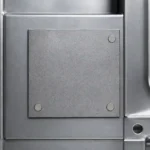
Self Piercing Rivets for Automobile Compartment Assembly

Aerospace Industry

In aircraft manufacturing, SPR is often used for the structural connection of aluminum alloys and composite materials. Compared to welding, SPR avoids the problem of heat affected zone and can maintain the original mechanical properties of the materials.
Advantages: Enhances structural reliability and extends service life.

Appliances & Construction

In the home appliance industry, SPR is used for assembling coated steel plates in refrigerators, washing machines, etc. In the construction industry, SPR is applied to curtain walls and lightweight frameworks.
Advantages: High connection strength, does not damage the anti-corrosion coating, enhances product durability.

Rivmate Expertise & Solutions

As a professional brand in the field of fasteners, Rivmate can provide customers with comprehensive self-piercing riveting (SPR) solutions. Our products and services cover the entire process from rivet selection to process validation, helping customers achieve efficient and reliable production.

Characteristics of Rivmate SPR Rivets

application of self piercing rivet
  • Multiple material options available: Aluminum, stainless steel, carbon steel, suitable for various environments and strength requirements.
  • Wide range of Grip Options: Compatible with thin plates, multi-layer plates and connections of different materials.
  • Strictly compliant with standards: All products comply with the ISO 14589 and DIN 7337 international standards, ensuring consistency and reliability.

Support Provided by Rivmate

Process Evaluation and Testing: Based on the customer’s material combination and strength requirements, provide professional tests to ensure the best performance of the joints.

Automation Production Integration Support: Assist customers in seamlessly integrating SPR technology into robots or automated production lines.

Customized Solutions: Offer exclusive nail design and process optimization tailored for specific industries (such as automotive, aviation, construction).

FAQ

Q1: Is the self-piercing riveting process completely without any pre-treatment?

Answer: Basically, no pre-treatment is required. The SPR rivets can penetrate the upper layer material under high pressure. However, in some scenarios, it is still necessary to ensure that the material surface is clean and there is no excessive coating to guarantee the quality and long-term stability of the joint.

Q2: Can SPR replace welding?

Answer: In many scenarios involving lightweight and composite material connections, SPR has gradually replaced spot welding. For instance, in the combination of aluminum and steel, SPR performs better. However, in thick plates and heavy-load structures, welding still has its irreplaceable advantages. Therefore, whether it can be replaced needs to be determined based on specific applications.

Q3: Will the SPR process damage the galvanized coating?

Answer: SPR offers better protection for the galvanized layer compared to welding. Welding generates high temperatures, which can damage the anti-corrosion coating; while SPR is a cold processing method and does not cause a heat affected zone. However, at the punctured area of the rivet, the local coating may still suffer minor damage. Generally, this impact can be reduced by optimizing the design of the lower die or through subsequent protective treatments.

Q4: Does Rivmate offer a complete solution for SPR equipment?

Answer: Yes. Rivmate not only offers various specifications of SPR rivets, but also can recommend or assist in integrating compatible press riveting equipment according to customer requirements. We can also provide process debugging and training to ensure that customers can smoothly introduce the SPR process.

Self-piercing riveting (SPR) is an efficient, environmentally friendly, and suitable process for connecting different materials. Its core procedure is “penetration → expansion → locking”. With advantages such as no need for pre-drilling, high strength, suitability for different materials, and automation friendliness, SPR has become the mainstream choice in industries such as automotive, aviation, and construction.

Whether you are exploring lightweight solutions or looking for reliable methods for connecting different materials, Rivmate can provide you with complete SPR products and process support. We not only offer standardized rivets that comply with ISO 14589 / DIN 7337, but also provide process testing, equipment integration and customized solutions for your industry needs.

Contact Rivmate immediately to obtain the Self-Drilling Riveting Selection Guide, and choose the best solution for your project.

Reference

Share:

More Posts

Get Rivets Quotes Now

Wholesale Blind Rivets from Rivet Manufacturer

Can Blind Rivets Be Self-Piercing?

Table of Contents

In the application of fasteners, many users may have such a question: “Can blind rivets be self-piercing?” Blind rivets and self-piercing rivets (SPR) have certain similarities in appearance and application scenarios, so they are often confused. Both can achieve single-sided operation and are used in structures where the back side cannot be accessed. However, this does not mean that they can be used interchangeably.

The core issue is: Does the blind rivet have the self-pushing function? Can it be used for two purposes with one rivet? This article will conduct an in-depth analysis from three aspects: structural principle, installation method, and application scenario.

What Are Zinc Plated Blind Rivets

Blind rivets are a common type of mechanical fastener. Their most notable feature is “single-sided installation”. This means that assembly can be completed even if the back of the structure cannot come into contact.

The working principle of blind rivets is very straightforward. During installation, first drill holes on the workpiece. Insert the rivet and then use a special riveting gun to pull the mandrel. The mandrel will force the rivet body to expand and compress the material. Eventually, the rivet is locked in the hole, the mandrel breaks and remains inside the rivet, forming a reliable connection.

Blind rivets have a wide range of applications. They are commonly found in electronic enclosures, sheet metal parts, household appliances and lightweight metal structures. These industries have high requirements for installation efficiency and cost control. Blind rivets do not require double-sided operation, the riveting tools are lightweight, the installation speed is fast, and therefore they are very popular in mass production.

In terms of material selection, blind rivets can be made of aluminum, steel, stainless steel, copper, etc. Different materials are suitable for different needs. For instance, aluminum-made blind rivets are lightweight and are suitable for the home appliance and electronics industries; stainless steel blind rivets have strong corrosion resistance and are more suitable for outdoor and humid environments. According to market data, in the sheet metal assembly and electronics industries, the usage proportion of aluminum-made blind rivets exceeds 50%.

It should be noted that blind rivets must rely on pre-drilled holes. If the hole diameter does not match the rivet diameter, or if the clamping force is insufficient, it may lead to loosening or even failure. Therefore, in engineering applications, choosing the appropriate hole size and adopting the correct installation process is of utmost importance.

The Self-Piercing Rivet (abbreviated as SPR) is an advanced mechanical connection method. Unlike blind rivets, it does not require pre-drilling. During the installation process, the rivet pierces the upper layer material under high pressure. Subsequently, the tail of the rivet expands in the lower layer material, thereby forming a secure mechanical lock.

The greatest advantage of this process is that it is suitable for the connection of different materials.  Traditional welding would encounter difficulties in such combinations, but SPR can ensure a high-strength connection without compromising the material properties.

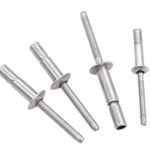
Rivmate SPR Rivet(Self piercing rivet)

The application fields of SPR are very extensive. The automotive industry is the main market. With the trend of lightweighting, many car bodies adopt aluminum structures, and SPR has become an important process to replace spot welding. According to industry data, over 70% of aluminum body parts in high-end European cars are produced using the SPR process.

In the field of aerospace, SPR can efficiently connect aluminum alloys and composite materials, ensuring structural strength and reliability. In the construction and composite materials industry, SPR is also gradually being adopted for the manufacturing of curtain walls, lightweight steel structures, and new energy equipment.

SPR also has environmental benefits. It does not require a heat source, does not produce smoke or sparks, and does not form the “heat affected zone” commonly seen in welding. Therefore, SPR can maintain the original mechanical properties of the material while reducing energy consumption.

Can Blind Rivets Be Self-Piercing?

The answer is very clear: No.

Blind rivets and self-piercing rivets (SPR) both belong to the single-sided installation fastening methods, but their principles and processes are completely different. Blind rivets cannot achieve the self-tapping function. Each of them is designed for different application scenarios and cannot be interchanged.

a. Different structures

Self-Piercing Riveting VS. Traditional Riveting
Self-Piercing Rivets vs. Traditional Rivetis
  • The blind rivets must rely on the pre-drilled holes. Before installation, appropriate holes need to be drilled on the workpiece, and then the rivets can be inserted.
  • Self-piercing rivets have a special geometric structure. Under high pressure, they can directly pierce through the upper layer material and expand and lock in the lower layer material, without the need for pre-drilling holes.

b. Different Installation Methods

How to Install Pop Rivets ? - The Most Complete Guide
Install Blind Rivets
Self Piercing Rivets for Automotive - High Cost Self Piercing Rivets Tool
Install Self-Piercing Rivets
  1. Blind rivets are installed using a riveting gun or hand tools. The operation is simple, but the requirements for hole size accuracy and installation quality are high.
  2. SPR requires a dedicated high-pressure hydraulic press or servo riveting equipment. The equipment cost is higher, but it can ensure repeatability and connection strength.

c. Different Applicability of Materials

  • Blind rivets are more suitable for thin plates with pre-drilled holes, and are commonly used in lightweight structures and conventional metal assemblies.
  • SPR is specifically designed for un-drilled multi-layer materials or dissimilar materials (such as aluminum + steel, steel + composite materials), and is suitable for scenarios with higher requirements for strength and durability, such as in automobiles and aviation.

Why Are Blind Rivets and SPR Confused?

In the selection of fasteners, many users tend to confuse blind rivets with self-tapping rivets. This confusion is not surprising. The main reasons are as follows:

1) All are one-sided operations

Both can be installed without being able to access the back side. For the assembly workers, this “single-sided installation” feature is very similar.

2) Both can be used in thin plate scenarios

Applications of SPR
Applications of SPR

Blind rivets are commonly found in sheet metal parts and lightweight structures. SPR is also frequently used in the combination of aluminum alloy sheets or plates. When users actually assemble, they often find that their application scopes overlap.

3) All fall under the category of alternative welding or bolting methods

In modern manufacturing, riveting and SPR are both widely used as alternative solutions to welding and bolt connections. Both of them can, to a certain extent, reduce the complexity of the process and improve the assembly efficiency.

However, it must be emphasized that: Blind rivets ≠ Self-tapping rivets.

  • Blind rivets require pre-drilled holes, while SPRs do not need any pre-drilling at all.
  • Blind rivets are mostly used in conventional lightweight structures, while SPRs are specifically designed for high-strength and heterogeneous material connections.

Blind Rivets vs. Self-Tapping Rivets

Comparison Table: Blind Rivets vs. Self-Tapping Rivets

FeatureBlind RivetsSelf-Piercing Rivets (SPR)
Pre-drilled Hole RequiredYesNo
Installation MethodRivet Gun (Mandrel Pulling)Hydraulic/Servo Riveting Machine
Self-Piercing CapabilityNoYes
Suitable MaterialsMetals, Plastics, Thin SheetsMulti-materials, Aluminum + Steel, Layered Sheets
RemovabilityNoNo
Typical ApplicationsElectronics, Light Industry, AppliancesAutomotive, Aerospace, Construction

① Is pre-drilling required

  • The blind rivets must be drilled first before being installed.
  • The SPR directly pierces through the upper layer material without requiring any additional processes.

② Different Installation Methods

  • Blind rivets rely on pull-pin guns and are suitable for portable and lightweight operations.
  • SPR requires high-pressure riveting machines and is mostly used in automated production lines.

③ Differences in Self-Drilling Ability

  • Blind rivets cannot self-tap.
  • SPR is precisely because of its self-tapping feature that it performs exceptionally well in the connection of different materials such as aluminum and steel.

④ Different applicable materials

  • Blind rivets are suitable for thin sheets or plastic parts of a single material.
  • SPR is specifically designed for multi-layer and heterogeneous materials, making it more suitable for the trend of lightweight manufacturing.

⑤ Application Field Differences

  • Blind rivets are more commonly used in the fields of electronics, home appliances, and light industry.
  • SPR is mainly found in high-demand areas such as automobiles, aviation, and building structures.

When to Use Blind Rivets vs SPR

Applications of SPR
SPR Applied in Automobiles

Advantages of Blind Bolts

  • Low cost, suitable for large-scale use.
  • Easy installation, low operational threshold.
  • Portable tools, enabling rapid construction on-site.
  • Typical applications: electronic enclosures, home appliance assembly, furniture, lightweight metal parts.

  • High strength, with superior connection performance compared to traditional blind rivets.
  • Particularly suitable for dissimilar materials, such as aluminum alloy and steel.
  • Easy to integrate into automated production lines, resulting in higher efficiency.
  • Typical applications: automotive lightweight body, aerospace aluminum alloy and composite materials, building curtain walls, and new energy equipment.

How to Choose?

If the project requires low cost and easy installation → Choose blind rivets.
If the project requires high-strength or special material connections → choose self-tapping screws.

In high-end manufacturing industries such as automotive production, SPR has gradually replaced traditional welding and some riveting processes. Data shows that over 70% of aluminum body panels in the European market are produced using the SPR process.

Rivmate Expertise & Recommendations

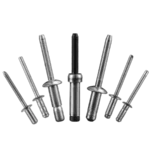
Sizes of Rivmate Monobolt Rivets

In different projects, the choice of riveting method directly affects the structural performance and service life. Rivmate, as a professional fastener supplier, can offer a complete range of products including blind rivets and self-tapping rivets (SPR) to meet the diverse needs of customers.

1. Multiple material options available

The Rivmate products cover various materials such as aluminum, stainless steel and carbon steel.

  • Carbon steel → High strength, suitable for automobiles and structural components.
  • Aluminum → Lightweight, suitable for home appliances and electronics industries.
  • Stainless steel → High corrosion resistance, suitable for marine, construction and outdoor projects.

2. Adapt to different application requirements

Rivmate blind rivets are suitable for lightweight assembly and portable construction.
SPR is suitable for high-strength, multi-layered boards and connections between different materials. Whether in the manufacturing of household appliances or in the lightweight body structure of automobiles, there are matching solutions available.

3. Technical Support and Model Selection Guidance

The technical team of Rivmate has over 20 years of experience in fastener application. We not only offer standardized products, but also provide customized recommendations based on the customer’s working conditions. Through selection guidance and process evaluation, we help customers avoid quality or cost risks caused by choosing the wrong riveting method.

Therefore, if you are unsure whether to choose blind rivets or self-tapping rivets, Rivmate can offer you a one-stop solution to ensure that the performance of the fasteners and production efficiency achieve the optimal balance.

FAQ

Q1: Are there any blind rivets that can partially "self-tap"?

Answer: No. All blind rivets must rely on pre-drilled holes. This is the fundamental difference between them and self-tapping rivets.

Q2: Can the self-tapping rivet installation tool be used to install blind rivets?

Answer: No. The manufacturing processes and equipment for the two are completely different. Blind rivets are made using a pull core gun, while self-tapping rivets require hydraulic or servo riveting machines.

Q3: If I need lightweight and connection with different materials, which option should I choose?

Answer: Self-tapping rivets (SPR) are more suitable. They can achieve high-strength connections in multi-layer or heterogeneous materials such as aluminum and steel. According to industry data, in the manufacturing of lightweight automotive bodies in Europe, over 70% of aluminum parts are produced using the SPR process.

Q4: Can Rivmate provide a comparison and selection guide for blind rivets and SPR?

Answer: Yes. Rivmate not only offers standardized product catalogs, but also provides professional selection comparison tables and process recommendations based on actual working conditions, helping customers avoid incorrect usage.

Conclusion

Blind rivets cannot self-drive. They differ fundamentally from self-driving rivets in terms of installation principles, applicable materials, and strength performance. However, they also share some common points: both support single-sided operation and can provide reliable mechanical connections. In actual selection, the following aspects should be given priority consideration:

  • Is pre-drilling required?
  • Is the material of a heterogeneous or multi-layered structure?
  • What are the specific requirements for strength and durability?

Choosing the correct fastening method is essential to ensure the structural safety while optimizing the cost and assembly efficiency.

Rivmate Rivet Factory in Jiangsu, China

Whether you are considering blind rivets or planning to adopt self-piercing rivets, Rivmate can offer you professional selection guidance and complete solutions. We not only have product series covering aluminum, stainless steel, and carbon steel, but also can provide customized process suggestions based on your industry requirements.

Contact us immediately to obtain the “Blind Rivets vs Self-Tapping Rivets Selection Guide”, and choose the best fastening solution for your project.

Reference

Share:

More Posts

Get Rivets Quotes Now

Wholesale Blind Rivets from Rivet Manufacturer

How Does a Self Piercing Rivet Work?

Table of Contents

In modern manufacturing, lightweighting and the application of multiple materials have become mainstream trends. The extensive use of aluminum, galvanized steel, and composite materials has posed challenges to traditional welding and riveting methods. These methods often fail to balance strength, efficiency, and consistency in appearance. At this point, the industry began to focus on a more advanced solution – Self-Piercing Riveting (SPR). Many engineers and manufacturers would ask: “How does a self piercing rivet work?” How does it achieve high-strength connections without the need for pre-drilling and welding?

This blog will provide an in-depth analysis of the working principle and application value of SPR from a professional perspective. We will gradually break down its core process flow and compare it with traditional riveting and welding to reveal the advantages of SPR in terms of efficiency, material compatibility and consistency.

Self-Piercing Rivets (SPR) are an advanced type of mechanical fastener. Their most distinctive feature is that they do not require pre-drilling. Under high pressure, the rivet can directly pierce through the upper layer of material and expand in the lower layer, thus forming a secure mechanical lock. The entire process is completed in one step, without the need for additional heat sources or pre-treatment.

Structurally speaking, self-piercing rivets are typically composed of three key parts:

Limitations of SPR
  • Head: Provides the insertion force and bearing surface to ensure a smooth appearance after connection.
  • Shank: Achieves the penetration function and bears the main mechanical strength.
  • Partially Hollow Tail: Expands during the forming process to create a mechanical lock, ensuring a reliable bond between different materials.

This structural design enables SPR to simultaneously possess the mechanical reliability of riveting and the high efficiency of automated production. Therefore, it has become a widely adopted high-performance fastening solution in the automotive manufacturing, aerospace, and home appliance industries.

How Does a Self-Piercing Rivet Work?

Advantages of SPR

The working process of a Self-Piercing Rivet (SPR) can be divided into four key steps, each of which ensures the reliability and efficiency of the connection:

Positioning

Before starting the riveting process, the rivets are placed on the surface of the materials to be joined. The equipment is usually a hydraulic or servo-driven riveting machine, which can precisely control the position and pressure. The positioning step is crucial because any deviation could cause the rivets to be skewed or poorly locked. On automated production lines, robotic arms can ensure repeatability accuracy, with common errors being less than ±0.1 mm.

Piercing Upper Layer

As the pressure increases, the head of the rivet penetrates the upper layer material. The key to this step lies in controlling the penetration depth. The SPR only penetrates the upper layer and does not completely pierce through the lower layer. This not only avoids hole leakage but also protects the integrity of the lower layer material.

Unlike traditional rivets, the tip of the SPR is specially designed (usually conical or semi-hollow), enabling plastic deformation without removing any material. This means no chip residue, which is more environmentally friendly.

Expansion in Lower Layer

When the tail end of the rivet enters the lower layer material, the shape of the lower mold (anvil) forces it to undergo radial expansion. The tail end expands and embeds into the lower layer material, forming a structure similar to a “hook”. This process ensures a tight fit between different materials, even for combinations such as aluminum + steel or galvanized steel + composite materials, maintaining high strength and stability.

The experiment has proved that the expansion process of SPR can form a “circular stress zone”, significantly enhancing the tensile and shear strengths.

Mechanical Interlock

Ultimately, the tail end of the rivet is completely locked to the underlying material, forming a permanent mechanical bond. Unlike welding, this locking process has no heat affected zone (HAZ) and does not cause changes in the metal structure or damage to the coating. Unlike traditional riveting, it also does not require double-sided operation or additional fasteners.

 SPR joint has excellent fatigue performance and can remain stable even in environments with vibration and impact. For instance, in the automotive body-in-white (BIW), the fatigue life of the SPR connection is typically 1.5 to 2 times that of spot welding.

The entire process requires no drilling, no heat source, and no additional fasteners. Compared to traditional methods, the SPR connection is more efficient and stable, and is particularly suitable for mixed assembly of aluminum, steel, and composite materials.

In modern manufacturing, self-piercing riveting (Self-Piercing Riveting, SPR) has gradually become the mainstream alternative to traditional welding and riveting due to its unique process. Its advantages mainly lie in the following aspects:

Rivmate SPR Rivet(Self piercing rivet)

a. No need for pre-drilling

SPR can be directly connected onto the material. This eliminates the need for drilling, which not only enhances production efficiency but also reduces tool wear and maintenance costs.

b. Suitable for different materials

It can efficiently connect combinations such as aluminum + steel, galvanized steel + composite materials. In these scenarios, welding often poses technical difficulties, but SPR can maintain high strength and stability.

c. No Heat Affected Zone (HAZ)

SPR belongs to cold processing and does not cause any changes in the material’s structure, nor does it damage the coating. Compared to welding, it can better maintain the original strength and corrosion resistance of the material.

d. Automated-friendly

The SPR process is easy to integrate with robotic production lines. The single-point connection time is usually around 1 second, which is suitable for large-scale automated production, such as the manufacturing of automotive body panels.

e. High connection consistency

The process has a high degree of standardization, relying on equipment rather than human accuracy. Compared to traditional riveting, SPR significantly reduces human errors and ensures the consistency of connections in mass production.

SPR has been widely applied in industries such as automobiles, aviation and home appliances. It not only optimizes production efficiency, but also provides a reliable connection solution for lightweighting and multi-material design.

SPR vs Other Joining Methods

In the manufacturing industry, common connection methods include traditional riveting, welding and bolt connections. Compared with these processes, self-piercing riveting (SPR) demonstrates unique advantages, while also having its limitations.

① Conventional Riveting

Traditional riveting requires pre-drilling, which involves multiple steps and has low efficiency. SPR, on the other hand, can be directly pressed into the material, eliminating the drilling process and shortening the production time.

② Welding

Self-Piercing Riveting VS. Welding

Welding relies on heat sources, which can easily cause material deformation, residual welding slag and heat-affected zones. SPR does not require heat energy, avoiding these problems. At the same time, it is more environmentally friendly and has lower energy consumption.

③ Bolting

The bolts are detachable and suitable for scenarios requiring maintenance. However, in comparison, the SPR connection is lighter and faster, and is particularly suitable for large-scale, one-time, permanent assembly.

Table: Joining Methods Comparison

Comparison DimensionSelf-Piercing Riveting (SPR)Conventional RivetingWeldingBolting
Installation SpeedFast (≈1 second per point, suitable for automation)Slow, requires pre-drillingMedium, requires welding preparationSlow, requires tightening
Applicable MaterialsDissimilar materials (aluminum + steel, steel + composites)Mainly similar metalsMainly similar metals, limited with dissimilar materialsBroad, suitable for almost all materials
Appearance QualityFlat, neat, no spatterVisible holes, average appearanceLikely spatter and discoloration, requires post-processingBolts exposed, affects appearance
Joint StrengthHigh strength, excellent fatigue resistanceModerate, depends on operator skillHigh, but prone to cracking under fatigueHigh, and detachable
Environmental ImpactNo heat, low energy consumption, eco-friendlyProduces chips (drilling waste), moderate eco-friendlinessHigh energy consumption, sparks and fumesModerate, requires additional fastener production

Applications of Self-Piercing Rivets

With the continuous pursuit of lightweighting, multi-materiality and high efficiency in the manufacturing industry, self-piercing riveting (Self-Piercing Riveting, SPR) has been widely applied in various industries. Its technological advantages not only address the shortcomings of traditional welding and riveting, but also drive the development of new-generation structural designs.

  • Automotive Industry
    SPR is widely used in aluminum alloy vehicle bodies and lightweight frame structures. For instance, Tesla and Jaguar Land Rover extensively employ SPR in vehicle body manufacturing, using it for the connection of different materials such as aluminum and steel. This process not only ensures structural strength but also reduces the damage to the coating caused by welding, thereby extending the lifespan of the entire vehicle.

Applications of SPR
  • Aerospace
    SPR can achieve reliable connections between aluminum alloys and composite materials. Compared to welding, it avoids the heat affected zone (HAZ) and can better maintain the material properties and fatigue life. Therefore, SPR is often used in aircraft skins, hatches, and composite structural components.
  • Architecture and Household Appliances (Construction & Appliances)
    In scenarios such as building curtain walls and metal roofs, SPR can quickly connect coated steel plates and maintain the integrity of the anti-corrosion layer. In the manufacturing of household appliances (such as refrigerators and washing machines), SPR is widely used in the assembly of thin-walled metal parts, not only providing a beautiful appearance but also enhancing production efficiency.

Limitations of SPR

Although Self-Piercing Riveting (SPR) has significant advantages in terms of efficiency, compatibility with different materials, and integration of automation, it is not the best choice in all application scenarios. Understanding its limitations can help manufacturing enterprises make more rational decisions in their process planning.

  • Initial equipment cost is relatively high
    SPR requires a dedicated press-bending machine, usually with hydraulic or servo drive systems. Compared to traditional riveting or welding equipment, the initial investment is higher. For small and medium-sized manufacturers, they must consider the payback period of the investment.
  • Not applicable to extremely thick or extremely hard materials
    The penetration and expansion capabilities of SPR rivets are limited. For materials with excessive thickness or hardness, a reliable locking structure may not be achievable. In such cases, welding or bolt connections might be more appropriate.
  • Belongs to a permanent connection
    Once the SPR is formed, it is difficult to disassemble without damaging the material. Therefore, it is not suitable for applications that require frequent assembly, maintenance or component replacement. For example, in electrical equipment or mechanical systems with high maintenance requirements, threaded fasteners remain a more reasonable choice.

Rivmate Expertise & Solutions

SPR Solutions

As a professional supplier of fastening technology, Rivmate offers manufacturing enterprises a comprehensive range of self-tapping riveting (SPR) products and services. Its advantages are not only reflected in the performance of the rivets themselves, but also in the systematic ability to adapt the process and provide technical support.

Product Features of Rivmate SPR

  • Multiple material options available: Offer aluminum, stainless steel, and steel rivets to meet various material combinations and strength requirements.
  • Comprehensive Grip Range compatibility solution: Cover a wide range of thicknesses from thin sheets to multi-layer structures, ensuring flexibility in assembly.
  • Compliant with international standards: All products meet the ISO 14589 / DIN 7337 standards, ensuring consistency and compatibility with global supply chains.

Services provided by Rivmate

  • Process Evaluation and Selection Guidance: Based on material properties and structural requirements, recommend the most optimal rivet solution for customers.
  • Compatibility Support for Automated Production Lines: Ensure that SPR rivets can be seamlessly integrated with existing press riveting equipment and robotic production systems, reducing additional investment.
  • Customized Solutions: For special application scenarios, provide non-standard rivet design, small-batch prototyping and verification, enhancing the flexibility of customer R&D and production.

With the combination of standardized products + specialized services, Rivmate is not only a supplier of rivets, but also an important partner for enterprises to optimize assembly processes and enhance production efficiency.

FAQ

Q1: Can SPR replace welding?

It is possible in many scenarios. Especially in combinations of aluminum + steel, galvanized steel + composite materials, the reliability and consistency of SPR are often superior to welding. However, in thick plate steel structures or scenarios requiring extremely high load-bearing capacity, welding still has advantages. Therefore, SPR and welding are usually in a complementary relationship, rather than being completely substitutable.

Q2: Is SPR stronger than traditional rivets?

The strength performance varies depending on the application. SPR outperforms traditional riveting in terms of fatigue resistance, consistency, and automation efficiency, and does not rely on human accuracy. However, in some low-load and low-cost applications, traditional rivets are still sufficient. Therefore, SPR is more suitable for high-end manufacturing and mass production.

Q3: Is SPR suitable for the connection of aluminum and steel?

It is highly suitable. SPR is specifically designed for intermetallic material bonding, and can maintain high strength and durability in the aluminum + steel combination. Compared to welding, SPR does not damage the coating and does not create a heat affected zone (HAZ), thus better preserving the corrosion resistance.

Q4: Does Rivmate provide the SPR selection table and installation guide?

Yes. Rivmate offers standardized SPR selection tables, covering materials, Grip Range and application scenarios. It also provides installation guidelines and process consultation, helping customers achieve equipment compatibility and process optimization. For special requirements, Rivmate can also provide customized solutions.

Get Your SPR Solution with Rivmate Today

SPR workshop

Self-Piercing Riveting (SPR) has emerged as the preferred method for lightweighting and connecting dissimilar materials due to its advantages of being efficient, environmentally friendly, and reliable. It not only enhances production efficiency but also reduces energy consumption and subsequent processing costs. The application scope of SPR is expanding in industries such as automotive, aerospace, home appliances, and construction.

If you are looking for a better connection solution, Rivmate can offer you professional SPR selection tables, installation guidelines, and process evaluation support. Whether it’s standardized products or customized solutions, Rivmate can help your production achieve a more rapid, stronger, and greener upgrade.

📩 Contact Rivmate immediately to obtain exclusive SPR selection and process consultation services.

Reference

Share:

More Posts

Get Rivets Quotes Now

Wholesale Blind Rivets from Rivet Manufacturer

What are the Key Advantages of Using Self-Piercing Rivets Compared to Traditional Rivets or Welding?

Table of Contents

In modern manufacturing, the trend of material diversity is becoming increasingly evident. Lightweight structures have led to the widespread use of aluminum, composite materials, and galvanized steel. However, these materials are often not suitable for traditional welding or ordinary riveting processes. This results in problems such as insufficient strength and damage to the heat-affected zone during assembly. Therefore, exploring more reliable and efficient connection methods has become an industry consensus.

This is precisely the background for the rapid rise of the Self-Piercing Rivets (SPR) technology. It does not require pre-drilling and does not rely on heat energy, enabling strong connections between different materials. Many automobile, aviation, and rail transportation manufacturers have listed it as their preferred process. So, what are the advantages of using self-piercing rivets compared to traditional riveting and welding? This article will deeply analyze why SPR technology has stood out in multiple manufacturing scenarios.

Self-piercing riveting (SPR) is an advanced mechanical connection process. Its most significant feature is that it does not require pre-drilling. The rivet, under the action of hydraulic or servo pressure, directly penetrates the upper layer material and expands and forms in the lower layer material, ultimately achieving a reliable mechanical locking.

The process flow can be summarized into four steps: Compression → Penetration of the upper layer → Expansion → Locking. The entire process requires only one operation, which is highly efficient and stable.

Compared with traditional techniques, the differences are quite obvious:

Why Remove Self Piercing Rivets
  • Traditional Rivets: They require pre-drilling and usually require double-sided operation. The efficiency is low and it increases the process cost.
  • Welding: It belongs to a thermal processing method and will create a heat affected zone (HAZ), which may reduce the material strength and corrosion resistance. Especially for lightweight materials such as aluminum and galvanized steel, the welding effect is not ideal.
  • Self-Piercing Riveting (SPR): It can be completed in a single operation without pre-treatment and will not generate a heat affected zone. It can maintain connection strength and consistency in different material combinations.

For this reason, SPR has become a crucial connection technology in industries such as automotive, aviation and home appliance manufacturing, and is widely used to replace traditional riveting and welding processes.

Advantages of Self-Piercing Riveting over Traditional Riveting

Self-Piercing Riveting VS. Traditional Riveting

In modern manufacturing, efficiency and consistency are the core competitiveness. Self-piercing riveting (SPR) outperforms traditional riveting and is particularly suitable for industries that have higher requirements for production cycle and connection quality.

a. No Pre-Drilling Required

The SPR rivets can be directly pressed into the material. This eliminates the need for drilling steps, reducing process time and tool wear. Depending on the actual application, it can shorten the assembly time by 20% to 30%.

b. Single-Sided Access

Traditional riveting usually requires a two-sided cooperation, while SPR can be completed with just one side. It is particularly suitable for body closed cavities or complex structural components, significantly enhancing the design flexibility.

c. Faster Assembly Speed

The SPR equipment can be integrated with automated production lines, and the single-point riveting cycle usually lasts around 1 second. It is highly suitable for mass production, such as in the manufacturing of automotive body panels.

d. Consistent Quality

The SPR process is highly standardized and does not rely on manual drilling or precise riveting. The connection results are more stable and the defect rate is significantly reduced.

e. Weight Reduction

SPR rivets are usually lightweight and support multi-material connections. For the automotive and aerospace industries, this means that while maintaining strength, they can further meet the requirements of lightweighting and energy conservation.

Advantages of Self-Piercing Riveting over Welding

Self-Piercing Riveting VS. Welding

Self-piercing riveting (SPR) offers a more flexible and reliable solution. Its main advantages are as follows:

Suitable for joining of dissimilar materials

SPR can easily achieve connections of aluminum + steel, galvanized steel + composite materials, etc. In these scenarios, welding is difficult and often results in insufficient strength or unstable performance.

No Heat Affected Zone (HAZ)

Since no heating is required, SPR avoids the problems of metal structure changes and strength reduction. For galvanized steel, it can also maintain the integrity of the anti-corrosion coating and extend the service life of the material.

Eco-Friendly & Safer Process

The SPR process features no sparks, no gases, and no welding wires, making it safer to operate. Moreover, its energy consumption is lower than that of the welding process, aligning with the manufacturing industry’s goals of carbon reduction and sustainable development.

Better Finish & Consistency

No welding slag, splashing or burn marks will be produced. The connection points will be smoother and more aesthetically pleasing, with higher assembly consistency, reducing the need for subsequent grinding and surface treatment.

Improved Fatigue Resistance

The welding points are prone to cracking under long-term vibration or impact conditions. The SPR connection, however, demonstrates better fatigue resistance and is more suitable for dynamic working environments such as those in automobiles and aviation.

Comparison Table: Self-Piercing Riveting vs Welding

Comparison DimensionSelf-Piercing Riveting (SPR)Welding
Dissimilar Material JoiningCan join aluminum, steel, and composites; highly versatileLimited in most cases; aluminum + steel combinations are difficult
Heat Affected Zone (HAZ)No heat effect, no material deformation or strength reductionHeat affected zone present; may cause structural changes and strength loss
Coating ProtectionPreserves coatings, offering better corrosion resistanceCoatings often damaged, increasing corrosion risk
Eco-Friendliness & SafetyNo sparks, low energy consumption, safer; aligns with carbon reduction goalsHigh energy consumption, sparks, fumes, and safety risks
Appearance & ConsistencyClean joints, no spatter, higher quality consistencyRequires post-processing, appearance may be uneven
Fatigue PerformanceExcellent fatigue resistance, suitable for vibration environmentsProne to cracks, poorer long-term durability

Limitations of SPR

Although self-tapping riveting (SPR) is widely used in industries such as automobiles, aviation, and home appliances, its application still has certain limitations. Understanding these limitations can help enterprises make more rational and cost-effective decisions when choosing processes.

High Initial Investment

SPR requires dedicated press-bolt joining equipment, usually a hydraulic or servo-driven system. Compared with traditional riveting or welding, the equipment cost is higher and the initial investment pressure is greater. Small and medium-sized manufacturers need to assess the payback period when introducing this technology.

Not Suitable for Very Thick or Ultra-Hard Materials

The penetration and expansion depth of SPR rivets are limited. For materials with a thickness or hardness exceeding a certain level, reliable locking may not be achievable. In such cases, welding or mechanical fasteners are still typically required.

Permanent Joint

Once the SPR connector is formed, it is difficult to disassemble without damaging the material. Therefore, it is not suitable for products that require frequent assembly and maintenance. For example, in some electrical equipment or replaceable components, threaded fasteners are still a better choice.

To sum up, self-tapping riveting is not a universal solution. It excels in lightweighting, multi-material applications, and batch production, but enterprises still need to consider factors such as material properties, production scale, and maintenance requirements, and conduct a comprehensive assessment before implementing it.

Applications in Industry

Self-tapping riveting (SPR) has been widely adopted by multiple industries. It addresses the limitations of traditional welding and riveting in terms of lightweighting, multi-materiality, and corrosion resistance. Here are some typical application scenarios:

  • Automotive Manufacturing
    SPR is widely used in aluminum body panels and lightweight frames. Car manufacturers such as Tesla and Jaguar Land Rover all adopt SPR to achieve multi-material connections of aluminum and steel, and to enhance the strength and durability of the vehicle body.
  • Aerospace
    SPR can connect aluminum alloys with composite materials. Such combinations are particularly common in aircraft skins, hatches and structural components. Compared with welding, SPR avoids thermal influence and enhances fatigue life.

Applications of SPR
SPR Used in Automotive Manufacturing
  • Appliances and Construction
    In household appliances such as refrigerators and washing machines, SPR can efficiently connect thin sheet metals with coated steel plates while maintaining the surface integrity. The construction industry also employs SPR in areas like curtain walls and metal roofing to enhance construction speed and reliability.

Application Case Comparison Table

IndustryKey ChallengesSPR Solutions
Automotive ManufacturingDifficulties in aluminum + steel hybrid joining; welding easily damages protective coatingsSPR enables high-strength joining without welding, maintaining corrosion resistance
AerospaceAluminum alloy + composite materials cannot be efficiently welded; high fatigue life requirementsSPR provides stable mechanical locking, enhancing fatigue performance
Appliances & ConstructionThin sheet metals and coated steels are prone to deformation or corrosion; high efficiency requiredSPR avoids heat effects, preserves coating integrity, and improves production efficiency

Rivmate Expertise & Solutions

In the context of the continuous expansion of self-tapping riveting (SPR) applications, Rivmate has emerged as a reliable partner for manufacturing enterprises, thanks to its comprehensive product line and technical support. Its advantages are not only reflected in the performance of the rivets themselves, but also in its systematic process integration capabilities.

Main features of Rivmate self-tapping rivets:

  • Multiple material options: Offers steel, stainless steel, and aluminum alloy rivets, meeting the requirements for different material combinations and strength.
  • Wide range of Grip Options: Suitable for connecting plates of various thicknesses and layers, ensuring process flexibility.
  • Compliant with ISO and DIN international standards: Ensures product consistency and reliability, suitable for cross-border supply chain applications.

The value-added services that Rivmate can offer to customers:

Rivmate - nashville fastener fair USA 2025
  • Process Consultation and Selection Support: Based on material properties and structural requirements, assist customers in choosing the optimal riveting solution.
  • SPR Equipment Compatibility Solutions: Ensure that the rivets are compatible with existing press riveting equipment, avoiding redundant investment.
  • Customized Riveting Services: For special applications, support the development of non-standard rivets and small-scale trial production to accelerate product verification and introduction.

By integrating standardized products with professional technical support, Rivmate not only offers rivets, but also provides system solutions. This enables customers to gain long-term competitive advantages in areas such as improving assembly efficiency, ensuring connection quality, and reducing maintenance costs.

FAQ

Q1: Is SPR stronger than welding?

It is not solely determined by the “strength” single indicator. SPR outperforms welding in terms of intermetallic bonding, fatigue performance, and appearance consistency. Especially in the combination of aluminum and galvanized steel, SPR is more reliable than welding. However, in some thick plate steel structures, welding still has a higher load-bearing capacity.

Q2: Can SPR completely replace traditional riveting?

This is not the case. SPR is suitable for automated, large-scale, and multi-material application scenarios. Traditional riveting still has advantages under the conditions of low cost, small batch production, and disassemblability requirements. Therefore, the two are complementary in the manufacturing industry, rather than completely substituting for each other.

Q3: Can SPR be applied to composite materials?

Sure. SPR is widely used in the structures of aluminum alloys + composite materials, such as aircraft skins and car bodies. It can prevent the composite materials from being damaged during high-temperature welding. However, the appropriate type of rivets and pressure parameters need to be selected based on the laminated structure of the composite materials.

Q4: Can Rivmate provide a selection chart for SPR rivets?

Sure. Rivmate offers a standardized bolt selection guide, covering aspects such as material, Grip Range, and application scenarios. Customers can also receive customized selection support to ensure that the riveting solution is highly compatible with the production process.

Get Your Rivmate SPR Selection Guide Today

Self-Piercing riveting (SPR) has become a cutting-edge joining technology in modern manufacturing due to its efficient assembly, ability to connect different materials, environmental friendliness and low energy consumption, as well as high consistency. Especially in industries such as automobiles, aviation, home appliances and construction, SPR demonstrates advantages that traditional riveting and welding cannot match. With the development of lightweighting and multi-material trends, the application scope of SPR is expected to continue to expand.

Rivmate SPR Rivet(Self piercing rivet)

Looking for the best self-piercing riveting solution for your project? Contact Rivmate immediately to obtain our professional self-piercing rivet selection guide and communicate with our technical team. Whether it’s material assessment, equipment compatibility, or customized rivet design, Rivmate can provide you with efficient, reliable, and internationally compliant solutions.

📩 Contact Rivmate immediately to make your manufacturing process lighter, faster and stronger.

Reference

Share:

More Posts

Get Rivets Quotes Now

Wholesale Blind Rivets from Rivet Manufacturer

What is Self-Piercing Riveting?

Table of Contents

What is self-piercing riveting? As materials become increasingly diverse, traditional welding or bolt connections often fail to meet the demands for both lightweight and strength. Especially in applications involving aluminum alloys, high-strength steel, and multi-layer composite materials, issues such as heat affected zones, additional hole processing, and fatigue life have gradually exposed limitations. Companies began to seek more efficient and reliable alternative processes.

Self-Piercing Riveting (abbreviated as SPR) is precisely an innovative connection technology that conforms to this trend. It does not require pre-drilling or additional heating. Instead, it can complete the connection in a single pressurization process through specially designed rivets and molds. Nowadays, SPR has been widely applied in industries such as automobiles, aviation, and home appliances.

What is Self-Piercing Riveting?

Self-Piercing Riveting (abbreviated as SPR) is an advanced mechanical connection technique. Its most significant feature is that it does not require pre-drilling. The self piercing rivets are pressed directly into the material under high pressure, penetrating the upper layer of the material and expanding and deforming in the lower layer, thereby achieving reliable mechanical locking. The entire process does not rely on heat energy and does not cause the common heat-affected zone problems seen in welding, making it particularly suitable for the connection of aluminum alloys, high-strength steels, and multi-layer composite materials.

The principle of its process can be simplified into the following four steps:

  1. The rivets are pressed into the surface of the material under high pressure;
  2. They penetrate the upper layer of the material but do not penetrate the lower layer;
  3. They expand in the lower layer of the material, forming an anchoring deformation;
  4. A permanent connection is achieved, with excellent tensile and shear strength.

The following is the schematic diagram of the SPR process (example):

schematic diagram of the SPR process

The key advantage of this process lies in its high efficiency and consistency. The installation cycle of a rivet is usually less than 1 second, making it suitable for automated production lines. According to automotive industry research data, the use of SPR can reduce the weight of the vehicle body by 5% – 10%, while maintaining or even enhancing the structural strength.

Advantages of SPR

Advantages of SPR

Self-Piercing Riveting (SPR) has rapidly gained popularity in the automotive, aerospace and home appliance manufacturing industries, and is gradually replacing some traditional welding and bolt connection methods. Its advantages are not only reflected in efficiency and cost, but also in the significant improvement of material compatibility and product performance. Here are the six core advantages:

1. No Pre-Drilling Required

The traditional bolt or riveting process requires pre-drilling, which increases the number of steps and time. SPR, however, does not require pre-drilling. The rivets are directly pressed into the material under high pressure and the locking is completed.

  • Fast production cycle: Installing a single SPR rivet typically takes less than one second;
  • Reduction of equipment wear: Avoiding the wear of cutting tools caused by drilling;
  • Less material waste: No scrapping due to errors in hole positions.

2. Material Flexibility

Welding usually requires that the materials have similar compositions and thicknesses; otherwise, cracks or joint failures are likely to occur. SPR has an advantage in this regard:

  • Different Material Connection: Can easily connect combinations with high welding difficulty such as aluminum + steel, aluminum + magnesium, and aluminum + composite materials;
  • Multi-layer Structure: Can achieve a firm connection of up to 3-4 layers of stacked materials;
  • Support for Lightweighting Trend: The proportion of aluminum body panels is expected to exceed 30% by 2025 (source: IHS Markit), and SPR precisely meets this demand.

Advantages of SPR

3. High Strength and Durability

The SPR connector has been precisely designed and possesses excellent mechanical properties:

  • Shear resistance and peel resistance are higher than those of spot welding;
  • Longer fatigue life: Under repeated loading conditions, the joint’s lifespan can be increased by 20% – 30%;
  • Stronger corrosion resistance: Due to the absence of welding heat affected zone, the material coating remains intact.

4. Eco-Friendly Process

Compared with welding, SPR has more advantages in terms of energy consumption and environmental impact:

  • No need for arcs or sparks, enhancing workshop safety;
  • Energy saving: Energy consumption is approximately 30% lower than that of resistance spot welding;
  • Reduced emissions: No welding smoke or ozone is produced, improving the working environment;
  • Compliance with environmental protection: Compliant with EU RoHS and automotive industry sustainable development requirements.

5. Automation Ready

SPR is highly suitable for automated production lines:

  • Easy integration of robots: The riveting equipment can be installed on a six-axis robot to enable multi-angle operations;
  • High consistency: The installation depth and expansion angle of each rivet are all controlled;
  • High efficiency: In the body shop, one production line can install tens of thousands of SPR rivets, with efficiency not inferior to spot welding.

6. Aesthetic & Consistent Finish

The joint surface formed by SPR is smooth and free of heat marks, and has excellent appearance consistency:

  • No need for secondary polishing: Eliminates the post-processing of solder joints;
  • Surface coating remains intact, facilitating subsequent spraying or electrophoretic processes;
  • Stable quality: Reduces appearance defects caused by variations in operators.

Limitations of SPR

Although self-piercing riveting (SPR) has advantages such as high efficiency, environmental friendliness, and compatibility with multiple materials, there are still certain limitations in practical applications, which require enterprises to make trade-offs when selecting types and planning processes.

High investment cost of the equipment

SPR requires specialized riveting equipment and dies. Compared with spot welding, the initial investment is higher, especially in vehicle assembly lines or large-scale production lines, where the equipment cost may amount to several million dollars. Although the operating cost is lower in the long run, the financial threshold is relatively high for small and medium-sized manufacturing enterprises.

Not suitable for super thick or high-hardness materials

Limitations of SPR

SPR is more suitable for thin plates and medium-thickness materials (typically 0.5 – 4 mm). When the material is too thick or has a high hardness, the rivets may not fully expand, resulting in a decrease in connection strength. This limits its application in heavy machinery and thick plate structures.

Permanent connection, not easy to disassemble

Once an SPR joint is formed, it is a permanent mechanical lock. Compared with bolt connections, it cannot be easily disassembled or reassembled. If the product requires regular maintenance or replacement of parts, SPR is not the best choice. This is also an important factor that some manufacturers need to consider in the assessment of maintenance accessibility and life cycle cost.

Comparison with Other Joining Methods

In modern manufacturing, common joining methods include welding, traditional riveting and bolted connections. Self-piercing riveting (SPR), with its high efficiency, lightweight and environmental-friendly features, has demonstrated obvious advantages in certain applications. However, different processes have their own applicable scopes, and a comprehensive selection should be made based on material, structure and maintenance requirements.

Compared with Welding

Overview of Welding Technology
  • SPR does not require a heat source and does not produce a heat-affected zone (HAZ), thus maintaining better mechanical properties of the material.
  • It can connect materials that are difficult to weld, such as aluminum alloys and high-strength steels.
  • It is more suitable for parts with coatings or surface treatments as it does not damage the coating.

Compared with Conventional Riveting

  • SPR does not require pre-drilling, offering a faster process and shorter production cycle.
  • Locking can be achieved in a single stamping operation, reducing the number of procedures.
  • It avoids the problem of material stress concentration caused by drilling.

Monel Blind Rivets - Buy High Quality Monel Rivets from Rivmate

Compared with Bolting

  • SPR is lighter in weight, does not require nuts and washers, and is suitable for lightweight design.
  • Installation is faster, eliminating the need for tightening and preload force detection steps.
  • However, bolts are detachable, while SPR provides a permanent connection.

Comparison Table: Self-impacting Riveting vs. Welding vs. Bolt Connection vs. Traditional Rivets

Characteristic / ProcessSelf-Piercing Riveting (SPR)WeldingBolted JointConventional Riveting
Requires Pre-Drilled HoleNoNoYesYes
Requires Heat SourceNoYesNoNo
Applicable MaterialsMultiple (e.g., Aluminum + Steel, Composites)Best with Similar MaterialsAlmost All MaterialsMultiple Materials, but Drilling Required
Strength PerformanceHigh Shear & Peel StrengthHigh, but May Decrease Due to HAZHigh (Depends on Bolt Grade)Moderate
ServiceabilityPermanent, Non-RemovablePermanent, Removal Requires CuttingRemovable, ReusablePermanent
Weight PerformanceLightweight, No Nuts/Washers NeededRelatively Light, Local Reinforcement at WeldHeavier, Requires Additional ComponentsHeavier, Uses Solid Rivets
Production EfficiencyVery High, ~1 sec/pointHigh, but Process DependentModerate, Torque Control RequiredModerate, Requires Drilling + Riveting
Environmental PerformanceNo Smoke/Sparks, Low Energy ConsumptionHigh Energy Use, Smoke and Sparks PresentNeutralNeutral

Applications of SPR

Applications of SPR

Self-Piercing Riveting (SPR) has been widely adopted in various industries due to its efficiency, environmental friendliness and compatibility with multiple materials. Here are three typical application scenarios:

Automotive Industry

SPR plays a crucial role in the trend of automotive lightweighting. The combination of aluminum alloy and high-strength steel is the core for reducing the weight of the vehicle body, and SPR can achieve stable and reliable connections between different materials.

  • Whole vehicle application: Brands such as Tesla, Jaguar Land Rover, and BMW have widely adopted SPR technology.
  • Application areas: Lightweight components such as body frames, doors, engine covers, and luggage compartment covers.
  • Industry data: According to the European Automobile Manufacturers Association (ACEA), using SPR technology can reduce the weight of the vehicle by 5% to 10%, while maintaining or improving crash safety.

Applications of SPR

Aerospace

In the aerospace field, the material combinations are more complex, often involving a multi-layer structure of composite materials + aluminum alloys + titanium alloys. SPR has provided a reliable solution for this.

  • Advantage: Avoid thermal damage to the composite material caused by welding; maintain interlayer strength.
  • Application scope: Lightweight structures such as fuselage skins, hatches, and wing panels.
  • Industry trend: Manufacturers like Boeing and Airbus are gradually testing SPR to replace some traditional mechanical fasteners, reducing assembly time and maintenance costs.

Construction & Appliances

SPR is not only applicable to high-end manufacturing, but also has been adopted in the construction and home appliance industries.

  • Construction Field: Used for rapid installation of steel plate roofs, curtain walls and metal frames. SPR can penetrate galvanized steel plates and coated plates while maintaining the anti-corrosion performance.
  • Appliance Field: Widely applied in thin plate connections of products such as refrigerators, washing machines and air conditioners.
  • Value Enhancement: Improves assembly efficiency, reduces coating damage caused by hot welding, and enhances appearance quality.

Self-tapping riveting is not only a key technology for automotive lightweighting, but is also expanding to various industries such as aerospace, construction, and home appliances. As the demand for different materials, high strength, and environmentally friendly processes continues to increase, the application scope of SPR will continue to expand.

Rivmate Expertise & SPR Solutions

As a professional supplier specializing in mechanical fastening technology, Rivmate has accumulated rich experience in self-tapping riveting (SPR) field. The company not only offers various specifications of SPR rivets, but also can customize overall solutions for customers, helping enterprises enhance production efficiency and product performance.

a. Varied Selection of Rivets

SPR Solutions

Rivmate supplies SPR rivets in various materials such as aluminum, stainless steel and high-strength steel. Different materials can meet various requirements including lightweighting, corrosion resistance and high strength, ensuring suitable options for industries such as automotive, aviation and home appliances.

b. Process Optimization and Automation Support

Rivmate is not only a supplier of rivets, but also offers process optimization suggestions. The engineering team can recommend the best riveting solution based on the material characteristics and product structure of the customers. At the same time, Rivmate supports automation line integration, helping customers quickly transition from experimental verification to mass production.

c. Strict Standards and Quality Assurance

All Rivmate SPR fasteners strictly adhere to international standards such as ISO, DIN, and IFI. They have undergone rigorous testing in terms of dimensional tolerance, mechanical properties, and durability, ensuring that each joint is reliable and consistent.

d. Customized Engineering Services

Rivmate offers a complete process support ranging from engineering selection to customized solutions. Customers can enjoy services such as material testing, sample verification, and connection strength assessment, ensuring the optimal match between the rivets and the process. This “one-stop” service significantly shortens the development cycle and reduces potential production risks.

FAQs on Self-Piercing Riveting, SPR

Q1: What is the main difference between self-tapping riveting and traditional riveting?

Traditional riveting usually requires pre-drilling, followed by inserting and securing solid or hollow rivets. Self-tapping riveting (SPR) does not require pre-drilling. The rivets penetrate the upper layer material under high pressure and expand to form in the lower layer. This means that the SPR process is faster and more efficient, while also reducing the weakening of the material caused by drilling.

Q2: Is SPR suitable for the combination of aluminum and steel, or steel and steel?

Yes. SPR is highly suitable for cross-material bonding, especially for the combination of aluminum and high-strength steel, which is a typical requirement for lightweight automotive bodies. At the same time, SPR is also applicable to steel + steel and aluminum + aluminum connections. Industry data shows that in aluminum + steel joints, SPR can maintain excellent shear strength and fatigue resistance, and is more consistent than welding.

Q3: Is SPR stronger than welding?

It depends on the specific application. SPR joints typically outperform spot welding in terms of peel strength and fatigue life, but in some thick plate welding scenarios, welding may be more suitable. The advantage of SPR lies in the absence of a heat-affected zone (HAZ), and the material properties are not damaged by heat. Therefore, it often performs better in the fields of aluminum alloys and composite materials.

Q4: Can the SPR process completely replace welding?

At present, SPR cannot fully replace welding. The reasons are as follows:

  • For extremely thick or highly hard materials, SPR is difficult to achieve effective connection;
  • In some structural components, welding still has cost and strength advantages;
  • SPR is more suitable for the connection of lightweight car bodies, thin plates, and multi-layer heterogeneous materials.

Therefore, in actual manufacturing, multiple processes are often combined. For instance, in the manufacturing of car bodies, SPR is frequently used in conjunction with spot welding and bonding to balance strength, efficiency and cost.

Unlock the Future of Lightweight Manufacturing with SPR

Self Piercing Rivets Factory In China

Self-tapping riveting (SPR) has become an important trend in modern manufacturing. It does not require pre-drilling and does not rely on heat sources, enabling efficient connection of dissimilar materials such as aluminum alloys and steel. In the automotive, aerospace, construction, and home appliance industries, SPR is gradually replacing traditional welding and bolted connections. Its advantages lie in lightweighting, high strength, environmental friendliness, and compatibility with automation, bringing higher production efficiency and product value to enterprises.

If your enterprise is in search of a more reliable and efficient connection process, Rivmate can provide you with comprehensive support. From nail selection, process optimization to integration of automated production lines, our engineering team can tailor solutions specifically for you.

👉 Contact Rivmate immediately to obtain the SPR selection guide, or communicate directly with the engineering team to explore the self-tapping riveting solution that is most suitable for your product.

Reference

Share:

More Posts

Get Rivets Quotes Now

Wholesale Blind Rivets from Rivet Manufacturer

Blind Rivets Offer a Number of Advantages over Threaded Bolts

Table of Contents

In the modern manufacturing and assembly fields, fasteners are indispensable core components. They determine the strength, reliability and assembly efficiency of structures. With the increasing demands for lightweight and efficient production, engineers constantly compare the pros and cons of different fastening solutions. In this process, the advantages of blind rivets over thread bolts have become the focus of industry attention.

Why do engineers increasingly prefer blind rivets over bolts in more and more scenarios? The answer lies not only in their significant reduction of assembly time but also in their adaptability to single-sided operation environments. According to statistics, the use of blind rivets can increase assembly efficiency by approximately 20% to 30%, while reducing rework rates and inventory complexity. These advantages have made blind rivets gradually become the preferred alternative to bolts in industries characterized by rapid iteration, cost sensitivity, and precise assembly.

Blind rivets are a type of single-sided mechanical fastener. Unlike bolts, they can secure the object without needing to come into contact with the back side of the workpiece. This characteristic makes them an ideal solution for addressing “unreachable backside” assembly problems.

Basic Structure

Blind rivets are mainly composed of two parts –

Head: Forms the final locking surface and provides stable clamping force.
Mandrel: Breaks during installation, pushing the head to expand and achieving fastening.

During installation, the operator only needs to use a special pull riveting gun. After inserting the rivet into the workpiece from the front, pull the core shaft to cause the cap to expand. Once the core shaft breaks, a permanent and reliable connection is formed. The entire process is fast, simple, and does not require thread processing.

What Are Zinc Plated Blind Rivets
  • Aerospace: Assembly of structural components, requiring lightweight and high strength.
  • Automobile manufacturing: Body panels, exhaust systems, etc., often accompanied by vibrations and thermal expansion.
  • Construction engineering: Metal curtain walls, steel structure joints, suitable for large-scale installation.
  • Electronic enclosures: Suitable for fixing thin sheet metals or plastic parts.
  • HVAC systems: Connections of ducts and enclosures, fast installation, suitable for batch construction.

According to market research data, blind rivets account for approximately 12-15% of global fastener applications, and their demand is still steadily increasing. The reasons for this are their high assembly efficiency, low maintenance costs, and strong reliability. This also explains why more and more manufacturers prioritize blind rivets over traditional bolt solutions during the design stage.

What Are Threaded Bolts?

A bolt is a mechanical fastener that requires two-sided contact. It is usually used in conjunction with a nut and achieves clamping and fixation through the engagement of threads. Compared to blind rivets, it requires both sides of the workpiece to be in contact, and thus requires more installation space.

Main Features

Threaded Bolts
  • Removable: The bolt connection can be disassembled and reassembled during subsequent maintenance.
  • Reusable: Under conditions where force is permitted, the bolt can be used repeatedly.
  • Requires Torque Control: During installation, a tool must be used to apply the appropriate torque to ensure accurate tightening force.
  • Reliable Load-bearing: Suitable for high-load and long-term usage scenarios.

Common Application Scenarios:

  • Heavy machinery: Such as engineering equipment and mining machinery, must withstand high impacts and continuous loads.
  • Structural engineering: In bridges and steel structures, bolts are the key load-bearing components.
  • Large-scale assembly: Such as wind power equipment and ship manufacturing, require maintainability and replaceability.

According to industry data, bolts account for over 40% of the global fastener market. This is because they have strong load-bearing capacity and high maintainability. However, they have certain limitations in terms of installation efficiency and space compatibility.

Core Advantages of Blind Rivets over Threaded Bolts

Blind rivets have more advantages in terms of single-sided installation, cycle efficiency, weight reduction, anti-loosening, overall cost and appearance. They are suitable for scenarios where the backside is inaccessible, the production line cycle is tight, and weight reduction is critical.

① Single-Sided Installation

Q Rivets Installation
  • Just perform the operation on the front side. There is no need to hold the back nut or enter the sealed cavity.
  • This is particularly crucial for structures that are difficult to access. Such as closed profiles, boxes, interlayer panels, air ducts and vehicle interior.
  • Typical comparison: At the same position, using bolts requires two people (one to tighten on the front side and the other to support on the back side). Blind rivets can be completed by one person.
  • Result: Reduces collaborative work at the workstation and rework. Reduces on-site safety risks (fewer entries into narrow spaces).

② Faster Installation Process

  • The blind rivets are installed in a single pull riveting operation. No torque wrench, stall control or secondary recheck is required.
  • Production line cycle comparison (typical range):
    • Blind rivets: 2 – 4 seconds per point (depending on hole preparation and part retrieval and placement).
    • Screws + nuts: 8 – 20 seconds per point (part retrieval, hole alignment, gasket placement, hand tightening, torque application, recheck).
  • Rough calculation: Each point saves 6 – 16 seconds. Assuming an hourly labor cost of $25, for each product with 100 points, direct labor savings can be $4.2 – $11.1 per piece (excluding quality inspection and rework). This is more significant for large-scale assembly lines.

③ Lightweight Solution

  • Under the same clamping force and structural stiffness, the blind rivet assembly is significantly lighter than “screw + nut + washer”.
  • Example: Common 4.8 mm aluminum blind rivets are approximately 0.5 – 0.8 g per point; M5×12 carbon steel screws + nuts + washers are approximately 4 – 5 g per point.
  • The weight reduction can be 70 – 90% (depending on the material and size).
  • For automotive, rail transit and aviation interior applications, there are quantifiable benefits in terms of vehicle/whole-machine energy consumption and range.

④ Excellent Vibration Resistance

  • The bolt’s vibration resistance relies on frictional preload. It may loosen under long-term vibration and requires spring washers, nylon locking, thread sealant or secondary inspection.
  • The blind rivets become permanently locked after forming. There is no problem of thread slippage.
  • In the body panels, exhaust insulation plates, HVAC ducts, and equipment covers, blind riveting connections are more stable and quieter under high-frequency and low-amplitude vibration conditions.

  • Fewer parts: The blind rivets are single pieces. The bolt system usually includes bolts, nuts, washers, and even anti-loosening devices.
  • Shorter assembly steps: Fewer parts to take, less alignment, no torque tools or calibration required.
  • Easier inventory management: Fewer SKUs, lower obsolescence and mismatch risks.
  • Rough TCO formula:
    • Total cost = (fastener unit price) + (installation time × labor cost) + (quality inspection/retirement) + (inventory holding) + (tool depreciation/calibration).
    • Blind rivets often offset the price difference with lower installation and quality inspection costs, and are more cost-effective throughout the entire life cycle.

⑥ Clean Finish & Low Maintenance

  • The surface is smooth and does not expose any threads. This reduces the risk of scratches and impacts, making it suitable for the exteriors of household appliances, electronic enclosures, and visible components of the passenger cabin.
  • The surface treatment and color can be selected (aluminum rivets, coloring caps, closed type, etc.), with high consistency.
  • No torque re-inspection is required, and the maintenance frequency is low; it is suitable for products with low accessibility after batch delivery.

Real-World Fits

Typical Applications for Blind Rivets in Solar Mount Systems

HVAC/Air Duct System: One-sided operation + Fast pace + Low noise, friendly for construction and maintenance.
Automobile Body and Thermal End Components: Resistance to vibration and weight reduction, suitable for thin plates and multi-layer laminates.
Aviation/Railway Interior Decoration and Cabin Components: Lightweighting and Appearance Consistency.
Electronic and household appliance shells: Thin plates, plastic-gold composite materials, with high requirements for the visible surfaces.
Building Metal Curtain Wall / Profiles: Closed profiles, inaccessible areas on the backside.

Data Snapshot

Assembly cycle: Blind riveting 2 – 4 seconds per point vs Screw fastening 8 – 20 seconds per point.
Weight: Typical reduction of 70 – 90% (aluminum blind rivets vs carbon steel bolt system).
Manual: 6 – 16 seconds per point Savings, $4 – $11 per piece (100 points) Direct labor is visible.
Quality inspection and maintenance: For blind riveting, there is no need for torque recheck. For bolts, force and angle control as well as regular inspections are required.

Limitations of Blind Rivets

Although blind rivets have significant advantages in terms of single-sided installation, assembly efficiency, weight reduction, and vibration resistance, they are not a universal solution in all applications. Understanding their limitations can help make more reasonable decisions during the design and selection stages.

a. Permanent connection, difficult to disassemble

After blind rivets are installed, they achieve a permanent locking effect. If removal is required, usually the surrounding material needs to be drilled out or damaged. This implies that they are not suitable for scenarios where frequent disassembly, regular maintenance, or replacement of components are necessary. In contrast, bolt connections offer greater maintainability.

Are there galvanic corrosion problems

Blind rivets are more suitable for thin sheet metals and medium-strength connections. In extremely heavy and high-stress conditions, such as bridge connections, mining machinery, and main load-bearing parts of wind power, bolts or welding are more reliable. Although there are already high-strength structural blind rivets, in general, bolts still have an advantage in static loads and high shear loads scenarios.

c. Materials and Corrosion Risk

Common materials for blind rivets include aluminum, stainless steel, carbon steel, and coated steel. If the material selection is incorrect, electrochemical corrosion (such as aluminum rivets with carbon steel) may occur. The solution is to choose a material with an electrochemical potential close to that of the base material, or to use coated, anti-corrosion coatings and sealed blind rivets. In marine, chemical, or outdoor environments where exposure is long-term, designers must pay special attention to this issue.

Comparison Table of Blind Rivets and Bolts

During the design phase, engineers usually need to make trade-offs among assembly efficiency, maintenance requirements, load-bearing capacity and cost. The following table visually presents the key differences between blind rivets and bolts:

FeatureBlind RivetsThreaded Bolts
InstallationSingle-sided (front access only)Double-sided (bolt + nut)
Installation SpeedFast (2–4s per point)Slower (8–20s per point)
RemovabilityNo (permanent joint)Yes (reusable)
Vibration ResistanceHigh (permanent lock)Lower, may loosen
WeightLight (up to 70–90% reduction)Heavier
Cost EfficiencyLower (fewer parts, faster assembly, simpler inventory)Higher (more parts, torque control, frequent checks)
Typical ApplicationsAerospace, automotive, HVAC, electronics, constructionHeavy machinery, bridges, large assemblies, serviceable structures

  • Blind rivets are more suitable for industries involving mass production, lightweight structures, and limited installation space.
  • Screws, on the other hand, are indispensable in scenarios with extremely high load-bearing capacity, the need for repeated disassembly, and long-term maintenance.

Blind rivets represent an efficient and lightweight solution, while bolts represent a solution with high strength and maintainability.

Rivmate Expertise & Solutions

As a professional fastener supplier, Rivmate offers a full range of blind rivet solutions to meet the assembly requirements of various industries. Its products not only cover multiple materials, but also demonstrate a deep understanding of industry scenarios in terms of design and application.

Multiple material options available

The Rivmate blind rivets cover materials such as aluminium, stainless steel, Monel alloy, and copper.

  • Aluminum: Lightweight, suitable for automotive and electronic enclosures.
  • Stainless Steel: Corrosion-resistant, suitable for construction and outdoor applications.
  • Monel Alloy: Resistant to salt fog and chemical media, commonly used in marine and chemical environments.
  • Copper: Conductive, suitable for electronics and electrical industries.

Rivmate’s product design covers a wide range of grip range from thin plates to thick plates. This enables customers to reduce the variety of parts during the design stage and decrease the number of inventory SKUs.

For OEM manufacturers and distributors, it helps to reduce inventory holding costs and enhance supply chain efficiency.

Industry Optimization Series

The Rivmate blind rivets have been developed into customized series for the automotive, construction and electronics industries.

  • Automobile: Body panels, exhaust system, lightweight components.
  • Construction: Curtain walls, steel structure joints, HVAC system.
  • Electronic industry: Connection of metal and plastic shells to ensure both aesthetics and durability.

Technical Support and Value-added Services

Rivmate not only offers products, but also provides full-process technical support:

  • Model Selection Support: Assist customers in choosing the optimal model based on materials, loads, and environments.
  • Strength Verification: Through data testing and experiments, ensure the reliability of the connection.
  • Inventory Optimization: Help customers reduce the number of SKUs and achieve lower inventory and higher turnover.

FAQ

Q1: Can blind rivets replace all bolts?

No. Blind rivets are suitable for scenarios of single-sided installation, lightweight and batch production. However, in super heavy-duty structures, high-load areas or situations requiring frequent disassembly, bolts still cannot be replaced. Engineers should make reasonable selections based on load, material thickness, and maintenance requirements.

Q2: Can the blind rivets be removed after installation?

Blind rivets are of permanent connection. If disassembly is required, usually drilling or cutting is needed, which may damage the base material. Therefore, it is not recommended to use blind rivets in areas where repeated assembly or maintenance is necessary. In such scenarios, bolts or screws are more suitable.

Q3: How should one choose blind rivets in high-intensity or high-temperature environments?

It is advisable to choose structural blind rivets or high-performance materials (such as stainless steel, Monel alloy).

  • High-strength Requirements: It is recommended to use structural blind rivets, as their clamping force and shear resistance are superior to those of conventional products.
  • High Temperature Environment: Avoid using aluminum materials and instead choose stainless steel or nickel-based alloy blind rivets.

At the same time, reference should be made to international standards such as ISO 15977 to ensure that the selection meets the load and safety requirements.

Q4: Can Rivmate offer alternative solutions to reduce the assembly costs?

Sure. Rivmate not only offers blind rivet products, but also provides services such as specification optimization, strength verification and inventory management.

  • By reducing the number of SKUs, the inventory holding cost can be lowered.
  • By implementing rapid installation, the labor cost can be reduced.
  • By matching the appropriate materials, the rework and maintenance costs can be decreased.

Choose Smarter Fastening, Choose Rivmate

Rivmate Rivet Factory in Jiangsu, China

Blind rivets have significant advantages over bolts in most medium and light applications. They perform better in terms of installation efficiency, structural weight reduction, cost-effectiveness, and vibration resistance. Particularly in industries such as automobiles, aviation, electronic enclosures, and construction, blind rivets can help manufacturers achieve faster production line cycle times, lower total costs, and higher reliability.

If you are currently struggling with the selection of bolts and blind rivets, or if you wish to further reduce the assembly cost, please feel free to contact Rivmate.

  • Obtain the professional “Blind Rivet vs. Bolt Selection Guide”;
  • Consult our engineering team to obtain the “optimal solution tailored to your product and process”.

📞 Act Immediately: Partner with Rivmate and enhance your competitiveness with a more professional fastening solution.

Reference

Share:

More Posts

Get Rivets Quotes Now

Wholesale Blind Rivets from Rivet Manufacturer

What is the Grip Length of a Rivet?

Table of Contents

One of the common problems when choosing or installing rivets is “what is the grip length of a rivet”. The grip length refers to the total thickness of the material that the rivet can firmly grip when fixed. It directly determines whether the rivet can be formed correctly and whether the connection point has sufficient strength. If the grip length is too short, the rivet cannot fully expand, which may lead to loosening; if it is too long, the rivet may deform unevenly, reducing the structural reliability. Therefore, correctly understanding the grip length is a crucial step in ensuring the quality of riveting.

However, many users often confuse grip length with the total length of the rivets, resulting in incorrect selection or installation. This is a parameter that is frequently misunderstood but is of crucial importance. This article will deeply analyze the concept of grip length, explain its relationship with the material thickness and the diameter of the rivets, and provide practical selection methods.

Definition of Grip Length

In the application of rivets, Grip Length (the thickness range of the material that the rivet can secure) refers to the range of material stacking that the rivet can firmly hold. In other words, it represents the total thickness of the material that the rivet can effectively grip and keep firmly in place after installation. For example, if the combined thickness of two plates is 5mm, then the selected rivet’s grip length must cover this thickness in order to form a qualified rivet connection.

It is particularly important to note that Grip Length ≠ Rivet Length (total length of the rivet).

  • Rivet Length refers to the complete length of the rivet from its head to its tail.
  • Grip Length is only related to the thickness of the material that can be clamped and does not include the deformed part at the tail after expansion.

Many beginners often mistakenly take the total length of the rivet as the clamping thickness, which leads to incorrect selection and affects the connection strength. The correct approach is: First calculate the thickness of the material stack, then select the type based on the grip length, and finally confirm whether the total length of the rivet matches the installation requirements.

👉 The figure below illustrates the position of Grip Length (a cross-sectional view of the head, shaft, and expansion zone):

Grip Length vs Rivet Length
  • Head of the rivet: Exposed, serving a fixing function.
  • Grip Length: The thickness range of the material stack.
  • Bulging area at the tail: Deforms during installation and is used for locking the material.

Why Grip Length Matters

In the application of rivets, the Grip Length directly determines the strength and reliability of the connection. If the grip length is too short, the rivet cannot fully grip the material, and the connection point is prone to loosening or even detachment. On the contrary, if the grip length is too long, the tail end may not expand adequately, and there may be situations such as rotation, slippage, or uneven deformation.

Installation stability also depends on the correct grip length. Only when the clamping length matches the thickness of the material can the rivet form uniform and stable deformation during installation. Either too short or too long will increase the difficulty of installation and even result in the failure of the rivet.

Types of Multi Grip Blind Rivets

From the perspective of cost efficiency, choosing the wrong grip length can lead to rework, material waste, and potential failure costs. In large-scale production or engineering projects, such losses can escalate into significant economic burdens. According to industry data, improper selection of fasteners can increase the rework rate by 10% – 15%, directly increasing manufacturing and maintenance costs.

More importantly, in industries with high reliability such as construction, transportation, and aviation, the standards are extremely strict. For instance, the US aviation standard NAS, the US industrial fastener standard IFI, and the international standard ISO all clearly stipulate that the rivets must be correctly selected based on the grip length. These standards not only ensure the connection strength but also guarantee safety and long-term durability.

How to Measure and Choose the Correct Grip Length

Choosing the correct grip length is the first step in ensuring the quality of rivet connections. Here are the recommended steps:

Use a caliper or grip gauge to measure the thickness of all the materials that need to be tightened. This should include the gap, tolerance, surface coating, and thickness of the gasket. Ignoring these details will result in a shorter grip length, thereby causing installation problems.

Step 2: Refer to the manufacturer's Grip Range chart

Most rivet manufacturers (such as Rivmate) will provide a Grip Range chart. Just compare the total thickness of the material with the chart to find the appropriate grip length range. Rivmate also offers its own Grip Chart, which can be used as a reference tool to quickly confirm the matching model.

Step 3: Recommended Nail Length

Once the grip length is determined, the corresponding total length of the rivet (rivet length) can be recommended by the chart or the selection software. Usually, the total length of the rivet = grip length + an appropriate allowance, which is used for the tail to be expanded and shaped.

Common Errors to Avoid:

  • Only the thickness of the bare material was measured, without including the paint, anodized layer or adhesive.
  • The additional layers such as gaskets and seals were ignored.
  • The selection was made solely based on experience, without referring to the grip chart or industry standards.

Recommended Tools:

  • Grip Gauge (Clamping Length Measuring Tool): The most commonly used specialized tool, which can directly display the grip length.
  • Digital Caliper: Suitable for quickly measuring the thickness of material stacks.
  • Selection Software or Mobile Application: Some manufacturers provide digital tools that can automatically recommend the appropriate nail type based on the input thickness.

By following the above methods, users can not only avoid selection errors but also improve installation efficiency and ensure long-term stability and reliability of the connection.

Grip Length vs. Grip Range

What Are Black Anodized Pop Rivets and Their Uses

In the selection of rivets, Grip Length and Grip Range are often confused with each other, but they have different meanings.

  • Grip Length: This refers to the specific material thickness that the rivet can grip. It is a fixed point value used to determine whether the rivet can match a particular thickness.
  • Grip Range: This indicates the thickness range covered by a certain type of rivet. Rivets of the same model can be applicable to various material thicknesses, as long as they fall within this range, installation can ensure reliability.

For example: The Grip Range of a certain type of rivet is marked as 0.062″—0.125″(1.6—3.2mm). This means that this rivet can be used for material combinations with a total thickness ranging from 1.6mm to 3.2mm. Users only need to confirm that the measured total thickness falls within this range, and then they can be assured to use it.

Correct understanding of these two terms can prevent errors in procurement caused by confusion. For instance, if one only focuses on the point value of grip length but ignores the grip range, one might select a model that lacks adaptability and tolerance margin, thereby increasing the risk of assembly.

Remember: Grip Length is a single point, while Grip Range is an interval. In practical applications, Grip Range is more commonly found in selection tables and product catalogs, facilitating users to quickly match the material thickness.

Case Studies

Case 1: Incorrect Choice of Grip Resulted in Re-work

A certain transportation equipment manufacturer selected the components based solely on the total length of the rivets, without taking into account the actual grip length. As a result, some rivets failed to fully expand, causing loosening and rotation problems. Eventually, over 30% of the rivets required rework, directly resulting in delays in work time and material waste. This case clearly demonstrates that ignoring grip length can seriously affect assembly quality and production efficiency.

Case 2: Selecting the Right Model Enhances Efficiency

Another customer used the “Grip Range” chart provided by Rivmate for component assembly in aviation. By accurately measuring the material thickness and selecting the appropriate grip length, the success rate of assembly was increased to 98%. The rework rate significantly decreased, and the overall assembly efficiency improved by approximately 15%. Not only did this save labor costs, but it also reduced inventory pressure.

Case 3: Industry Application Feedback

  • Aerospace sector: Customer feedback indicates that the correct selection of grip length can effectively meet the NAS and ISO standards, avoiding potential safety hazards caused by the failure of fasteners.
  • Transportation industry: In the manufacturing of railway carriages, Rivmate rivets, due to their high grip length matching degree, have increased assembly efficiency by 12% and significantly reduced maintenance frequency.
  • Furniture manufacturing: Customer reports show that after adopting the recommended grip length, the connection between wood and metal parts becomes more stable, reducing the rate of after-sales maintenance.

These cases demonstrate that: The correct selection of Grip Length is not only a technical issue, but also a key aspect of quality and cost management. Through scientific measurement and reasonable selection, enterprises can achieve the best balance among safety, efficiency and economic benefits.

FAQs

Purchasing cost of zinc plated blind rivets

Q1: What if the material thickness falls between the two Grip Lengths?

A: Always choose the rivet model whose material thickness falls within the Grip Range. If the thickness is exactly at the critical value, it is preferable to select the one with a grip range that is closer to the actual value rather than relying on a single grip length point value. This ensures that the tail expansion is sufficient and the connection is stable.

Q2: Can we use rivets with a longer Grip Length?

A: It is not recommended. When the Grip Length is too long, the tail end of the rivet cannot fully extend, which may result in rotation, loosening or insufficient connection strength. Industry standards (such as NAS, IFI) clearly stipulate that the rivet must match the material thickness to ensure installation quality.

Q3: Does Grip Length Affect Shear/Compression Strength?

A: Yes. Incorrect grip length will prevent the rivet from achieving the ideal expansion form, thereby reducing the shear strength and tensile strength. For instance, when the grip length is too short, the bearing capacity of the connection point is insufficient; when it is too long, the expansion is incomplete and the strength also decreases. A correct grip length can ensure that the strength is close to the design value of the rivet.

Q4: Does the thickness of the coating need to be calculated separately?

A: Required. Any additional thickness – including coatings, anodizing, sealants or gaskets – should be included in the total material thickness. If this part is ignored, the actual grip length will be shorter, causing the rivets to fail to form correctly. Especially in the aviation and transportation industries, the standard requires that the coating thickness must be precisely considered to ensure long-term reliability.

Rivmate Expert Recommendations

Before the formal riveting process, Rivmate advises users to ensure the following three key parameters:

Types of Blind Rivets
  1. Material Thickness: Accurately measure the total thickness, including the coating, gap, and washer.
  2. Material Type: Different materials (aluminum, steel, stainless steel) have different requirements for the expansion form and strength of the rivets.
  3. Structural Strength Requirements: Select the appropriate shear and tensile strength based on the application scenario to ensure compliance with industry standards.

Rivmate not only offers products, but also provides technical support and selection assistance to customers. Through the Grip Range chart, selection software and consultation with engineers, customers can quickly find the optimal rivet solution, avoiding rework and cost waste caused by incorrect selection.

Meanwhile, Rivmate has developed bolting solutions for multiple industries, including aviation, transportation, furniture, and construction. We can offer:

  • Online Selection Tool: Just input the material thickness and type, and it will automatically recommend the appropriate model.
  • One-on-One Technical Support: A team of professional engineers will assist you in resolving installation issues.
  • Customer Exclusive Channel: Quick connection for sample application and large-scale procurement demands.

Through scientific measurement and professional support, Rivmate helps customers achieve the optimal balance between safety, efficiency and cost control.

Get the Right Grip, Every Time – Start with Rivmate

Rivmate Rivet Factory in Jiangsu, China

In the application of rivets, Grip Length is a key parameter that ensures the strength and reliability of the connection. Incorrect selection can lead to assembly failures, rework, and additional costs, while correct selection can significantly improve installation efficiency and structural durability. Whether in aviation, transportation, furniture, or construction industries, having a correct understanding and application of grip length is a prerequisite for achieving high-quality assembly.

Rivmate invites you to learn more:

Take immediate action to ensure that every riveting operation is precise, reliable and efficient.

Reference

Share:

More Posts

Get Rivets Quotes Now

Wholesale Blind Rivets from Rivet Manufacturer

What Rivets to Use on Galvanized Steel?

Table of Contents

When dealing with galvanized steel, many people encounter a common problem: what rivets to use on galvanized steel. This is not a simple choice. If there is an electrochemical reaction between the rivets and the base material, it may lead to accelerated corrosion and affect the service life of the structure. Galvanized steel itself has good anti-rust performance, but if the rivet material does not match, it will destroy this layer of protection. Choosing the right rivets is not only about anti-corrosion, but also directly affects the strength and stability of the connection.

In engineering applications, the selection of rivets often requires a comprehensive consideration of corrosion resistance, structural strength, safety and cost. For instance, in outdoor or humid environments, if rivets undergo galvanic corrosion, the cost of maintenance and replacement far exceeds the initial material selection cost. The correct choice of rivets not only enhances the product’s lifespan but also reduces maintenance expenses over the long term.

Understanding Galvanized Steel and Its Challenges

Galvanized steel is a common structural and manufacturing material. Its surface is covered with a layer of zinc coating, which mainly serves to prevent the steel from direct contact with air or moisture, thereby delaying corrosion. Due to its durability and economy, galvanized steel is widely used in construction, transportation, energy, and outdoor facilities.

Galvanized Steel

However, in the connection and fastening process, galvanized steel faces a particular challenge: galvanic corrosion. This is an electrochemical reaction that occurs when different metals come into contact and are exposed to an electrolyte, such as rainwater or moisture. The metal with a greater potential difference is preferentially corroded.

For example:

  • If incompatible rivets (such as stainless steel or copper) are used on galvanized steel, it may accelerate the consumption of the zinc coating.
  • Once the zinc coating is damaged, the steel substrate will oxidize rapidly, eventually leading to structural failure.

This risk is particularly prominent in outdoor applications, humid environments or industrial settings. According to data from the National Association of Corrosion Engineers (NACE), the global economic loss caused by corrosion accounts for approximately 3-4% of the GDP each year. Among them, electrochemical corrosion is one of the common causes.

Therefore, in the application of galvanized steel, choosing the appropriate material for rivets is of vital importance. This not only affects the firmness of the connection but also directly determines the overall service life and maintenance costs.

Why Rivet Material Matters: Galvanic Corrosion Explained

In fastening applications, electrochemical corrosion is the most common yet often overlooked issue. Its formation conditions are quite simple:

  • Direct contact between different metals.
  • Presence of an electrolyte environment, such as rainwater, moisture or salt fog.
  • Existence of a potential difference between the metals.

When these three conditions are met, the metal with a lower potential will act as the “anode” and be corroded first. While the metal with a higher potential will serve as the “cathode” and remain relatively stable.

electrochemical corrosion
Galvanic Corrosion

Illustrative Examples

  • Use aluminum rivets on galvanized steel. Due to the significant potential difference between aluminum and zinc, in a humid environment, aluminum will accelerate oxidation, causing the strength of the rivets to rapidly decline.
  • If stainless steel rivets are used, the situation will be reversed. At this time, the zinc coating will sacrifice first, resulting in the failure of the protection of the galvanized steel, exposing the steel substrate and causing rusting.

Table: Comparison of Electrode Potentials of Common Metals

(The values are the standard electrode potentials, in relative terms, with the unit: V)

Metal / CoatingElectrode Potential (Approx. Value, V)Corrosion Risk Relation
Zinc Coating (Zn)-0.76 VMost likely to sacrifice, protects the steel substrate
Aluminum (Al)-0.68 VClose to zinc, but still carries corrosion risk
Carbon Steel (Fe)-0.44 VRelatively stable, but corrodes rapidly once zinc protection is lost
Stainless Steel (304/316)-0.10 ~ +0.05 VMuch higher potential, accelerates zinc corrosion

As can be seen from the table, the potential difference between the galvanized layer and stainless steel is the greatest, and thus the risk is the highest. The galvanized layer is relatively close to aluminum, but there are still potential risks. Suggestion:

  • On galvanized steel, it is preferable to use rivets of the same material or with similar potential. For example: galvanized steel rivets or special anti-corrosion coated rivets.
  • If stainless steel rivets must be used, measures such as isolation gaskets and insulating coatings should be employed to reduce direct metal contact.
  • In outdoor, marine or chemical environments, it is recommended to use rivet systems with higher anti-corrosion grades rather than relying on a single material.

Best Rivet Materials for Galvanized Steel

When choosing galvanized steel rivets, material compatibility is crucial. The correct selection not only ensures a strong connection but also extends the service life and reduces maintenance costs. The following are the advantages and disadvantages of several common rivet materials:

  • Advantages: Consistent with galvanized steel material, with the best electrochemical compatibility. Wide range of supply, low cost.
  • Disadvantages: The exposed parts are prone to rust. Usually, additional protection is required, such as anti-rust paint or sealant.
  • Application scenarios: Construction, machinery, interior and general industrial use.

  • Advantages: High strength, excellent corrosion resistance, particularly suitable for outdoor environments.
  • Disadvantages: There is a significant potential difference with the galvanized layer, which may accelerate the corrosion of the zinc layer. Isolation measures are required, such as insulating gaskets, coatings or sealants.
  • Application scenarios: Outdoor facilities, transportation, humid or highly corrosive environments.

  • Advantages: Performs best in marine or extremely corrosive environments, resistant to salt fog and chemical corrosion.
  • Disadvantages: Expensive, not suitable for large-scale use.
  • Application scenarios: High-end applications such as ships, marine engineering, and chemical equipment.

d. Aluminum rivets (Not recommended)

  • Disadvantage: It is prone to electrochemical corrosion when in contact with galvanized steel, resulting in a short service life.
  • Application Limitations: It is only suitable for indoor use, low-strength applications, and temporary connections.
  • Expert Recommendation: Try to avoid using aluminum rivets on galvanized steel.

Summary:

Economy option: Galvanized steel rivets.
Outdoor or industrial applications: Stainless steel rivets (with isolation measures required).
Extreme environments: Monel or specially anti-corrosion rivets.
Avoid using: Aluminum rivets.

Application-Based Recommendations

The selection of rivets is not only dependent on the material, but also closely related to the application environment. The corrosive media, load requirements and maintenance costs vary in different environments. The following table summarizes the best rivet choices for typical scenarios:

Application ScenarioRecommended Rivet MaterialDescription
Outdoor ConstructionStainless Steel Rivets + SealantResistant to rain, moisture, and temperature variations. Sealant helps reduce galvanic corrosion risk.
Indoor FixturesZinc-Plated Steel RivetsLow cost, good compatibility. Suitable for low-humidity and low-corrosion environments.
Automotive / Rail / HVACStainless Steel RivetsHigh strength and vibration resistance. Suitable for automotive body, rail transport, and HVAC systems.
Marine / CoastalMonel or Special Corrosion-Resistant Alloy RivetsExcellent corrosion resistance. Ideal for ships, port facilities, and high-salinity environments.

  • In outdoor or high-humidity environments, stainless steel rivets should be used in conjunction with isolation measures.
  • In extremely corrosive environments, although Monel is more expensive, its long-term maintenance cost is lower.
  • Indoor low-risk environments, galvanized steel rivets are the most cost-effective choice.

Rivmate Expertise & Standards

As a professional supplier in the fastener industry, Rivmate has always emphasized the compatibility of its products with galvanized steel in the design and selection process. We are well aware that the matching of the rivet material and the base material directly determines the reliability and durability of the connection.

Material Compatibility Guarantee

  • Rivmate offers a variety of material options, including galvanized steel, stainless steel, Monel, etc.
  • Each batch of products undergoes electrochemical compatibility testing to ensure safe use in different environments.
  • For the application of galvanized steel, Rivmate will preferentially recommend galvanized steel rivets or isolated stainless steel rivets to reduce the risk of electrochemical corrosion.

Adhered International Standards

IATF 16949 Certificate - Rivmate Certificate
IATF 16949

Rivmate’s products comply with and implement multiple international standards, ensuring performance and quality:

  • IFI (Industrial Fasteners Institute) — North American fastener standards.
  • ISO (International Organization for Standardization) — International unified standards.
  • DIN (Deutsches Institut fur Normung) — German industrial standards, commonly used in mechanical manufacturing.
  • ASTM (American Society for Testing and Materials) — Involves tests on material properties, corrosion resistance, etc.

The strict implementation of these standards has enabled Rivmate’s rivets to meet the requirements of industrial applications in terms of strength, corrosion resistance and consistency.

Rivmate's Selection Chart

To facilitate customers’ quick selection, Rivmate offers an intuitive selection tool.

Rivet TypeRecommended MaterialApplicable Grip RangeApplication Environment
Standard Open RivetZinc-Plated Steel1.5 – 6.0 mmIndoor structures, light installations
Sealed RivetStainless Steel2.0 – 8.0 mmOutdoor facilities, humid environments
High-Strength RivetStainless Steel / Monel3.0 – 12.0 mmTransportation, heavy-duty equipment
Special Corrosion-Resistant RivetMonel / Alloy Coated2.5 – 10.0 mmMarine, chemical, high-salt environments

The advantages of Rivmate lie in compatibility testing + international standard implementation + application scenario selection table. This not only helps customers enhance the reliability of their projects, but also reduces the maintenance costs in the later stage.

FAQ

Can aluminum rivets be used on galvanized steel?

Answer: Not recommended. There is a potential difference between aluminum and zinc. In humid or salt spray environments, it will corrode rapidly, causing the rivets to fail. Only consider this option for indoor or temporary applications.

Will stainless steel and galvanized steel corrode?

Answer: There will be risks. The potential difference between stainless steel and the galvanized layer is significant, which may accelerate the consumption of the zinc layer. However, by using sealant, insulating gaskets or surface coatings, the risk of corrosion can be significantly reduced.

What is the most cost-effective choice of rivets for galvanized steel?

Answer: The galvanized steel rivets themselves. They have the best compatibility with the base material, are inexpensive, and are widely available. For most indoor and light structures, this is the most cost-effective solution.

Is it necessary to apply a coating or sealant during the installation process?

Answer: It is strongly recommended to use it in an outdoor environment. Sealants or coatings can prevent moisture and electrolytes from penetrating, thereby extending the service life. This step is particularly crucial for applications that are exposed to rain, salt fog, or chemical environments for an extended period.

Protect Against Corrosion — Choose Rivmate Rivets Today

In the application of galvanized steel, the correct selection of rivets is of utmost importance. It not only effectively prevents electrochemical corrosion but also significantly extends the service life of the structure and reduces the cost of later maintenance. Incorrect selection often leads to premature failure and additional expenses.

From a practical application perspective:

  • Indoor environment → Choose galvanized steel rivets, which are economical and efficient.
  • Outdoor or humid environment → Use stainless steel rivets and combine with sealing measures.
  • Extremely corrosive environment → Use Monel or special anti-corrosion rivets.

Rivmate - russia(Moscow) International Fastener exhibition 2025

Rivmate offers a complete range of galvanized steel special rivet solutions, covering various materials, specifications and application scenarios. Moreover, all products comply with international standards (IFI, ISO, DIN, ASTM) and have undergone rigorous testing to ensure reliability in different environments.

If you are looking for reliable galvanized steel rivets, please contact Rivmate. Our engineering team will provide you with professional selection suggestions and highly cost-effective products based on your project requirements.

Reference

Share:

More Posts

Get Rivets Quotes Now

Wholesale Blind Rivets from Rivet Manufacturer

What is the Smallest Allowable Rivet Pitch?

Table of Contents

In structural design and manufacturing, a core issue often arises: what is the smallest allowable rivet pitch. As a connecting component, the pitch design of rivets directly affects the strength and durability of parts. If the pitch is too small, the material will have a reduced effective bearing area due to overly dense holes, and may even lead to tearing or premature failure. If the pitch is too large, the connection area may become loose or crack, thereby affecting the overall structural stability.

Rivet pitch usually refers to the distance between the centers of adjacent rivets in the same row. This parameter, seemingly simple, is closely related to material properties, force distribution, and process standards. This article will combine international standards and manufacturing experience to analyze the design basis, recommended values, and engineering practices of the minimum allowable rivet pitch.

Fundamentals of Rivet Pitch and Related Parameters

In mechanical connections and sheet metal structures, rivets are one of the most common methods of fastening. To ensure the strength and reliability of the structure, several core geometric parameters must be mastered: Pitch (rivet spacing), Edge Distance (margin), Row Spacing (row spacing). These three parameters directly determine the load-bearing capacity, fatigue life and safety of the structure.

1. What is Rivet Pitch?

Pitch refers to the distance between the centers of two adjacent rivets. It is the most fundamental layout parameter. The common recommended range is 2.5D ~ 6D (D represents the diameter of the rivet).

  • If the spacing is too small, it may cause the material to crack or have stress concentration.
  • If the spacing is too large, there may be bulging of the panels or failure of the connections.

How to extend the life of zinc plated rivets?

2. Edge Distance - Edge Distance

Edge Distance refers to the distance from the center of the rivet to the edge of the workpiece. It directly affects whether cracks will occur at the edges of the workpiece. The general requirement is ≥ 2D.

  • If the edge gap is too small, the rivets are prone to tearing the edges when under force.
  • If the edge gap is too large, it wastes materials and is not conducive to lightweighting of the structure.

In actual design, the commonly recommended value is 2D to 2.5D.

3. Row Spacing

Applications of Monobolt Blind Rivets for Commercial Vehicles

“Row Spacing” refers to the distance between adjacent rivet rows. It affects the overall load distribution and fatigue resistance performance. Generally, 2D to 4D is recommended.

  • If the spacing is too small, it will cause local weakening of the sheet material.
  • If the spacing is too large, it will result in insufficient stiffness in the connection area.

4. Why These Three Parameters Are Critical?

Pitch, Edge Distance, and Row Spacing jointly determine the overall performance of the connection:

  1. Load-bearing capacity: Appropriate spacing ensures uniform distribution of the load and avoids local overloading.
  2. Fatigue life: Avoid stress concentration and crack initiation points.
  3. Structural stability: Prevent warping, bulging or loosening of the plates.

In the aviation and automotive industries, riveted components need to undergo fatigue tests. The data shows that an improper Pitch arrangement can reduce the fatigue life by more than 30%.

5. Design Best Practices

  • Always take the diameter D of the rivets as the benchmark and follow the empirical formula.
  • Use Pitch ≥ 3D as the safety lower limit.
  • The edge clearance should be maintained at 2D ~ 2.5D, avoiding the risk of cracks.
  • The pitch should be controlled within 2D ~ 4D, ensuring uniform load distribution.
  • For high-strength materials or thin plates, the spacing should be appropriately increased.

Design Basis for Minimum Rivet Pitch

Purchasing cost of zinc plated blind rivets

The arrangement of rivets is not merely a geometric issue; it is directly related to the structural strength and safety. The minimum allowable pitch (Pitch) depends on the loading method, the characteristics of the sheet material, the size of the rivets, and relevant standards. The following will be analyzed from four perspectives.

a. Load and Stress Distribution

The rivets may be subjected to shear, tension or fatigue loads during the connection process.

  • Shear load: The rivets mainly bear the transverse shear force. If the Pitch is too small at this time, the area between the holes will become too weak and may lead to failure by shearing.
  • Tensile load: The edge area of the sheet component is subjected to concentrated tensile stress. If the Pitch is too small, cracks are prone to expand.
  • Fatigue load: Under repetitive cyclic stress, the stress concentration around the rivet hole is a key risk point. Studies have shown that when the Pitch is less than 2.5D, the fatigue life may be shortened by more than 40%.

b. Influence of Plate Thickness and Material

  • Thick plate: High rigidity, capable of withstanding smaller pitch distances.
  • Thin plate: Insufficient rigidity. If the Pitch is too small, it is prone to bulging or cracking.
  • Soft materials (aluminum, copper alloys): Require larger pitch distances to avoid fatigue cracks between holes.
  • High-strength steel or titanium alloys: Can moderately reduce Pitch, but still need to follow the standard lower limit.

The pitch is usually no less than 3t (where t represents the plate thickness) to prevent the failure of thin plates.

c. Rivet Diameter and Pitch Ratio

International engineering experience is based on the reference of D (diameter of rivets).

  • Common recommended minimum value: 2.5D ~ 3D
  • Typical safe range: 3D ~ 6D
  • The edge distance and pitch distance are usually determined in multiples of D to ensure geometric stability.

For instance, for a 6mm diameter rivet, the minimum value of Pitch should be ≥ 15mm.

The requirements for the minimum Pitch vary slightly among different rivet standards, but the principle remains the same: to avoid stress concentration and ensure fatigue life.

  • ASME (American Society of Mechanical Engineers): It is recommended that Pitch be ≥ 3D and the clearance be ≥ 2D.
  • ISO (International Organization for Standardization): Most standards adopt a lower limit of Pitch ≥ 3D.
  • MIL-STD (U.S. Military Standard): Depending on the material and thickness, typically Pitch ≥ 2.5D is specified.
  • FAA (Federal Aviation Administration): Requirements for aerospace structural components are strict. Pitch is generally ≥ 4D, and in fatigue zones, it can even be ≥ 6D.

In safety-sensitive industries (such as aviation and military), the standards are more stringent. It is preferable to sacrifice lightweighting in order to ensure the lifespan.

Practical Design Takeaway

  1. The minimum Pitch must not be lower than 2.5D, and it is recommended to choose 3D ~ 6D.
  2. For thin plates and soft materials, a larger Pitch should be selected.
  3. For fatigue zones or high-stress areas, follow the FAA ≥ 4D or stricter requirements.
  4. Always consider the three dimensions of D, t, and material together, and avoid considering only one aspect.

Recommended Minimum Rivet Pitch Values

Industry applications for zinc plated blind rivets

Table: Recommended Values for Minimum Allowable Pitch

Rivet Diameter (D)Minimum Pitch (P)Edge Distance (E)Row Spacing (R)Notes
1/8 in (3.2 mm)2.5D – 3D≥ 2D≥ 2.5DFor thin sheet assemblies, avoid cracking
3/16 in (4.8 mm)3D≥ 2D≥ 3DGeneral structural applications
1/4 in (6.4 mm)3D – 3.5D≥ 2.5D≥ 3DSuitable for high-strength joints
5/16 in (8.0 mm)3.5D – 4D≥ 2.5D≥ 3.5DUsed in automotive / railway structures
3/8 in (9.5 mm)4D≥ 3D≥ 4DHeavy-duty structures, bridges
> 3/8 in (>9.5 mm)≥ 4D – 6D≥ 3D≥ 4DAerospace, marine, and fatigue-critical joints
  1. Small diameter rivets (≤ 1/8 inch)

    Suitable for thin plate assembly. The pitch can be appropriately reduced to 2.5D – 3D, but it must maintain sufficient margins (≥ 2D) to avoid edge tearing.

  2. Medium-diameter rivets (3/16 in to 1/4 in)

    This is the most common range, widely used in general structures. It is recommended that the Pitch be set at 3D to 3.5D. At this point, the differences in plate thickness and material have a significant impact on the design, and the choice should be made based on the actual situation.

  3. Bolts with larger diameters (5/16 in to 3/8 in) It is mainly applied in automobiles, railways and heavy structures. Pitch suggests raising the level to 3.5D ~ 4D to ensure uniform stress distribution.

  4. Extra-large diameter rivets (> 3/8 inch) It is commonly found in critical fatigue areas of aerospace and shipbuilding. The minimum Pitch is usually ≥ 4D, and sometimes it needs to reach 6D to meet the strict requirements of FAA or MIL-STD.

Summary of Design Points

  • The Pitch must increase along with the D value to prevent crack propagation due to insufficient material between the holes.
  • The Edge Distance and Row Spacing are equally crucial. It is recommended to maintain ≥ 2D and ≥ 3D respectively.
  • Industry standards vary:
    • ASME/ISO: It is recommended that Pitch be ≥ 3D;
    • MIL-STD: Allows 2.5D, but requires stricter control of the Edge Distance;
    • FAA: In fatigue-sensitive areas, it often requires Pitch to be ≥ 4D, even ≥ 6D.

Minimum Rivet Pitch in Engineering Applications

The minimum Pitch is not a fixed value; it depends on industry requirements and the usage environment. Different rivet application scenarios have different focuses on fatigue life, plate thickness, corrosion, and assembly efficiency. The following summarizes the practical experiences in four typical fields.

① Aerospace Industry

In the aerospace field, riveted structures must withstand high cyclic loads, so fatigue life is the most critical design criterion. To ensure safety, Pitch usually requires a value of at least 4D. In the specifications of FAA and MIL-STD, some key areas even stipulate that Pitch must reach 6D. Taking the aluminum alloy fuselages of Boeing and Airbus as an example, they generally adopt Pitch ranging from 4D to 6D in their designs to reduce crack initiation and delay the occurrence of fatigue failure.

② Marine Engineering

In ship engineering, the selection of Pitch not only needs to consider structural strength, but also needs to take into account corrosion resistance and thick plate welding techniques. If Pitch is too small, stress concentration between holes will occur, and the corrosion expansion speed will accelerate. Therefore, ship design usually adopts 3D as the recommended value, especially in the connection area between decks and bulkheads. Practice has shown that for the bulkhead structure of steel cargo ships, 3D Pitch is the most common and reliable design choice.

The automotive industry emphasizes lightweighting and high-efficiency assembly. Due to the generally thin body panels, the diameter of the rivets used is also smaller, so the Pitch can be appropriately reduced. Generally, non-critical load-bearing areas can adopt a 2.5D Pitch, which can not only ensure strength but also help improve production efficiency. 

However, in the chassis and key components involving safety, the Pitch often needs to be increased to above 3D to ensure long-term durability and safety. A typical application is the sheet metal assembly of the vehicle body, and 2.5D Pitch has become a common practice in the industry.

④ Civil and Structural Engineering

In construction and bridge engineering, thick steel plates are commonly used as the main load-bearing components. If the Pitch is too small, it is prone to cause crack propagation in the concentrated force areas, thereby reducing the overall lifespan. Therefore, design specifications generally require that the Pitch in the ordinary areas be no less than 3D, while at the nodes and stress concentration points, the Pitch needs to be increased to 4D or even higher. Taking steel bridges as an example, in the riveted joint areas, a Pitch of ≥ 4D is usually adopted to enhance the fatigue resistance and extend the service life.

Practical Takeaway: Practical Design Points

  1. Aerospace: Focus on fatigue life → Pitch ≥ 4D (Critical parts ≥ 6D).
  2. Marine Engineering: Balance thickness and corrosion resistance → Pitch usually takes 3D.
  3. Automotive Manufacturing: Pursue lightweight and efficiency → Pitch can be as low as 2.5D.
  4. Building Steel Structures: Pay attention to the force on joints → Pitch is generally ≥ 3D, and critical parts ≥ 4D.

The selection of the minimum Pitch must be based on industry standards and actual working conditions. A Pitch that is too small will reduce the fatigue life, while a Pitch that is too large may lead to material waste and assembly difficulties.

Common Design Errors and Failure Modes in Rivet Pitch

Special Tail Structure of Monobolt Rivets

The rationality of the pitch of the rivets directly determines the strength and lifespan of the connection components. Incorrect pitch design can lead to various types of failures, affecting safety and reliability. The following summarizes three common problems and their typical consequences.

Pitch Too Small

Typical failure modes: Plate tearing, inter-pore cracking.
Reason Analysis: When Pitch is less than 2.5D, the amount of material between the holes is insufficient, resulting in significant stress concentration. During tension, cracks are prone to propagate.
Engineering Example: Research shows that when the Pitch is reduced from 3D to 2D, the fatigue life may decrease by more than 40%.
Preventive Measures: Follow the principle of minimum Pitch ≥ 2.5D, and appropriately enlarge it based on the plate thickness and material.

Pitch Too Large

Typical failure modes: Joint opening, structural loosening, fatigue cracks.
Reason Analysis: The excessive pitch causes the load to be unevenly distributed, and the area between the rivets is prone to bulging or warping of the plates.
Engineering Example: In bridges and ships, an excessively large Pitch value can reduce the sealing performance of the joints, accelerating corrosion and fatigue damage.
Preventive Measures: Generally, it should not exceed 6D. For areas with high fatigue, it should be limited to between 3D and 4D.

Uneven Pitch

Typical failure modes: Stress concentration, structural offset, and concentrated fatigue cracks.
Cause Analysis: The pitch distribution is uneven, and some rivets are bearing excessive loads, resulting in excessively high local stress.
Engineering Example: In aircraft maintenance, the non-standard spacing arrangement often leads to local bulging of the fuselage skin.
Preventive Measures: Maintain pitch consistency. If special arrangements are required, finite element analysis (FEA) verification should be conducted.

Rivmate Expert Recommendations for Rivet Pitch Design

In the design of riveting, Pitch not only affects the structural strength but also determines the fatigue life. Rivmate engineering experts suggest considering it from three aspects: plate thickness, rivet diameter, and load type, and using standardized tools to enhance the design efficiency and reliability.

How to Determine Pitch Based on Key Factors

  • Plate thickness (t): For thin plates, a larger Pitch (≥ 3t) should be adopted to avoid bulging and cracks; for thick plates, the Pitch can be appropriately reduced.
  • Bolt diameter (D): Generally, Pitch should be ≥ 2.5D; the recommended range is 3D to 6D to ensure that the material between the holes has sufficient load-bearing capacity.
  • Load type:
    • Shear load → A smaller Pitch (≈ 2.5D ~ 3D) is allowed.
    • Tension load → It is recommended to be ≥ 3D.
    • Fatigue load → It should be ≥ 4D, and for critical parts, it should even be ≥ 6D.

The minimum Pitch should not be considered in isolation; instead, it needs to be evaluated comprehensively in conjunction with t, D, and the load.

Using Rivmate Pitch Verification Table

Rivmate has provided comparison and verification tables based on ASME, ISO, FAA, MIL-STD.

  • The table provides the recommended Pitch for different diameter rivets in thin plates, medium-thick plates and thick plates.
  • For shear, tension and fatigue conditions, the safety ranges are listed separately.
  • Engineers can quickly compare and avoid common design errors.

How Rivmate Products Reduce Pitch Sensitivity

Rivmate’s high consistency rivets achieve this by implementing strict tolerance control and surface treatment, thereby reducing the sensitivity of the Pitch design to failure modes.

  • Diameter tolerance control ±0.01 mm → Reduces the deviation between hole diameter and spacing.
  • Anti-fatigue surface treatment → Enhances the crack resistance around the holes.
  • Batch consistency verification → Ensures the minimization of Pitch deviation after assembly.

The result is: Even when the pitch approaches the design limit, the Rivmate rivets can still maintain a stable fatigue life. This is particularly crucial for industries with high reliability requirements such as automobiles and aviation.

FAQ

Q1: Are the minimum pitches for all types of rivets the same?

No. Different types of rivets (such as open-type, closed-type, and solid rivets) have different minimum Pitch requirements. The minimum Pitch (distance between nail centers) usually depends on the following factors:

  • Bolt diameter (D)
  • Material strength and thickness
  • rivet type and structural method

Take aviation standards as an example, the minimum Pitch of solid rivets is usually set at 2D to 4D. For opening-type rivets used in commercial or industrial applications, the Pitch can be appropriately reduced based on the material’s load-bearing capacity, but it is generally not recommended to be lower than 2D.

Q2: Can the Pitch value be less than 2D?

It is not recommended. A pitch value less than 2D will lead to the following risks:

  • Insufficient material spacing, prone to tearing
  • Installation tools interfere, insufficient operation space
  • Banging pins interfere or deform, affecting connection strength

Unless verified through finite element analysis in the design of extremely small components, general industrial standards typically recommend that Pitch ≥ 2D. For instance, the SAE ASME standards and guidelines from multiple OEMs all stipulate this lower limit.

Q3: How to balance Pitch and Edge Distance in the arrangement of multiple rows of rivets?

The following optimization principles are recommended to be followed:

  1. Set the margin first, then adjust the Pitch
    • The “Edge Distance ≥ 1.5D” is the starting point for conventional design.
    • At the edges in the direction of load (pull/ shear), priority should be given to ensuring the margin to prevent material tearing.
  2. Misalignment design is superior.
    • For layouts with more than two rows, “alternating arrangement” is recommended.
    • This method can reduce the Pitch requirement and enhance the connection strength.
  3. Use CAD/CAE for auxiliary analysis
    • Before optimizing the layout, it is recommended to conduct interference checks using a 2D model.
    • If there is a connection of thin plates, the effects such as plate warping and local yielding need to be evaluated.

Q4: Can Rivmate offer engineering consulting services for pitch optimization?

Sure. Rivmate offers the following professional services:

  • Bolts layout optimization suggestions (including Pitch, margin, and arrangement method)
  • CAD drawing review and modification suggestions
  • Connection strength analysis (can be combined with customer’s FEA report)
  • Engineering drawing standardization, in line with international standards (such as NAS, DIN, GB)

For more detailed inquiries, you can contact the Rivmate engineering support team and provide the specific part drawings and connection requirements.

Conclusion

The minimum pitch (spacing) for rivets has no “uniform standard”. It must take into account multiple parameters in actual applications, such as:

  • Bolt diameter (D)
  • Plate thickness
  • Load type (shear or tension)
  • Adopted standard (such as GB, DIN, NAS)

A proper setting of Pitch is the foundation for connecting strength, safety and structural lifespan.

An excessively small Pitch can cause material tearing, failure or installation difficulties. An excessively large Pitch may reduce onnection efficiency and increase material costs. When designing the layout of rivets, engineers should fully consider the margin, arrangement method and load path. It is recommended to combine industry standards with actual conditions and use CAD or FEA tools to assist in optimization.

For professional consultation or data support, Rivmate offers services for evaluating and optimizing riveted structures, helping you achieve lightweighting and high reliability of the structure.

Reference

Share:

More Posts

Get Rivets Quotes Now

Wholesale Blind Rivets from Rivet Manufacturer

When to Use Rivets?

Table of Contents

During the product design and assembly process, the choice of the appropriate connection method directly affects the strength, cost and lifespan of the structure. Rivets, as a traditional yet efficient means of fastening, are still widely used in various industries. However, when faced with multiple alternative solutions such as screws, welding, and gluing, many engineers will ask: “When to Use Rivets?”

This issue not only involves technical judgment, but also relates to manufacturing efficiency, material compatibility and long-term reliability. Understanding the advantages and applicable scenarios of rivets can help engineers make better decisions at the initial design stage, avoiding rework, failure or unnecessary cost waste.

Do Zinc Plated Rivets Rust

Permanent Joint

After assembly, the rivets will undergo irreversible plastic deformation. Compared to screws, they are less likely to loosen due to vibration or prolonged use. Especially in critical load-bearing structures, rivets can ensure long-term stability and safety.

Blind Installation

The rivets can be installed on one side, which is an advantage that cannot be matched by screws and welding. For structures that are narrow and cannot be contacted on both sides, blind rivets are the ideal choice. For example, in the assembly of car body interiors or electronic enclosures, rivets can effectively simplify the process.

Vibration and Fatigue Resistance

Bolts possess excellent vibration resistance and fatigue resistance properties. The reason why bolts are widely used in the aviation, automotive and railway industries is that they can maintain stable connections even under high-frequency vibrations and alternating loads. Research has shown that bolted structures often outperform welded components in terms of fatigue life.

Lightweight and High Strength-to-Weight Ratio

Lightweight materials such as aluminum alloys and titanium alloys can fully utilize their strength advantages during riveting without experiencing performance degradation due to high-temperature welding. This makes rivets particularly suitable for the aerospace and electric vehicle industries, allowing for enhanced strength while reducing the overall weight.

When Must Rivets Be Used Instead of Screws or Welding?

In mechanical manufacturing, automobiles, aerospace, and construction, the choice of fastening method is of great significance. Screws, rivets, and welding each have their own advantages. However, in some specific situations, rivets are the best choice.

1. One-Side Access → Blind Rivets

When the structure can only be installed from one side, screws and welding cannot complete the operation.
Blind rivets can achieve efficient connection on a single side.
This kind of situation is commonly seen in scenarios such as aircraft skins and the inner cavities of car doors.

Are there galvanic corrosion problems

2. High Vibration Conditions → Better Loosening Resistance

Nuts are prone to loosening under prolonged vibration. Even with the use of anti-loosening washers or thread sealants, it is difficult to completely prevent this from happening. The rivets are of a permanent mechanical locking type and have better vibration resistance than screws.

The data shows that in the aviation industry, more than 60% of structural connections use rivets instead of screws, precisely because of their superior fatigue resistance and anti-loosening properties.

3. Thin Sheet Metal / Composites → Avoid Thread Damage

The screw requires sufficient plate thickness to form a reliable thread.
For thin metal plates or composite materials, screws are prone to slip or break.
The rivets are fixed by deformation through riveting and do not rely on threads. Therefore, they are more suitable for thin-walled materials.

4. Appearance & Aerodynamics → Countersunk Rivets

In automotive body parts, aircraft wings or high-speed rail car bodies, surface flatness and aerodynamic performance are of great importance.
The countersunk rivets can be flush with the surface of the material, reducing air resistance while maintaining a good appearance.

5. Welding Not Feasible → Riveting as an Alternative

Welding generates high temperatures, which may lead to:

  • The strength of the heat affected zone (HAZ) decreases
  • Material deformation
  • Failure of the coating or anti-corrosion layer

For high-strength alloys or heat-sensitive materials, riveting is a better option. In aircraft manufacturing, more than 70% of the aluminum alloy components are joined by riveting rather than welding, and this is for this reason.

  • Can only be operated on one side → Use blind rivets
  • High vibration conditions → Rivets are more reliable than screws
  • Thin plates or composite materials → Avoid thread damage
  • Requirements for appearance/airflow → Choose counter-sunk rivets
  • Welding is not feasible → Riveting is an alternative solution

Bolts are not only a traditional technique, but also the only reliable connection method under specific working conditions.

Rivets Compared with Other Fastening Methods

Fastening MethodKey AdvantagesLimitationsBest Use Cases
RivetsPermanent, vibration-resistant, blind installationNot removableAerospace, automotive, thin sheet metal
ScrewsRemovable, easy to installCan loosen under vibrationElectronics, furniture, repair parts
WeldingStrong, continuous jointsHeat distortion, requires skilled laborHeavy structures, pipelines
AdhesivesSmooth surface, distributes loadLong curing time, weaker in shearComposites, decorative panels

Comparison of Characteristics

  • Nails: Permanent connection. Once installed, they cannot be easily removed.
  • Screws: Removable. Suitable for areas that require frequent maintenance and replacement.

Analysis of Advantages and Disadvantages

  • The rivets have stronger vibration resistance. They are less likely to loosen under long-term vibration.
  • Screws may fail under high-frequency vibration, even with anti-loosening measures in place, and there is still a risk.
  • Screws are prone to damaging the threads in thin plates or composite materials. Rivets are more stable in such materials.

If you want maintainability → Choose screws.
If you need good vibration resistance and long-term stability → choose rivets.

Comparison of Characteristics

  • Nails: Cold connection, no heating required.
  • Welding: High-temperature operation, may affect material properties.

Analysis of Advantages and Disadvantages

  • Welding will create a heat affected zone (HAZ), resulting in reduced strength or structural deformation.
  • Rivets avoid thermal stress and are suitable for heat-sensitive alloys and composite materials.
  • Welding offers good overall sealing performance, but the process is complex and the quality consistency depends on the skill level of the welder.
  • Rivet connections do not require special environments and have more stable assembly cycle times.

If the material can withstand high temperatures and requires complete sealing → Choose welding.
If there is concern about heat effects or connection between different materials → choose rivets.

3) Rivets vs Adhesives

Comparison of Characteristics

  • Nails: Mechanical connection, they can bear weight immediately after installation.
  • Adhesives: Chemical connection, they require a curing time.

Analysis of Advantages and Disadvantages

  • Adhesives are widely used in composite materials and sealing applications, but the curing conditions (time, temperature, humidity) affect reliability.
  • Nails can be installed immediately without waiting.
  • Adhesives have limited shear strength and may fail due to long-term aging.
  • Nails have clear load-bearing capacity and more predictable fatigue resistance.

If lightweighting and sealing performance are the priorities → Adhesives can be used.
If one seeks immediate effectiveness and long-term stability → The rivet is superior.

Common Applications: When to Use Rivets

A rivet is a widely used permanent fastener. In many situations, screws or welding are not suitable, and rivets become the best choice. Here are some typical industry rivet application scenarios:

1) Aerospace Industry → Skin Panels and Fatigue Resistance

In aerospace engineering, the answer to “when to use rivets” is very clear. A large number of rivets are used in the aircraft skin, wing frame and cabin section connections.

The reasons include:

  • In a high-vibration environment, the rivets are less likely to loosen.
  • The aluminum alloy material is sensitive to welding, and riveting avoids damage to the heat affected zone.
  • The arrangement of rivets can disperse the load and increase the fatigue life.

A modern commercial aircraft may contain more than 2 million rivets.

2) Automotive Industry → Body Panels and Chassis Components

In automobile manufacturing, rivets are commonly used for:

  • Body panels, such as doors, roof, and trunk lid.
  • Attachment of chassis components, such as heat shielding plates and reinforcement plates.

Advantages:

  • The process is quick. Assembly can be completed with a riveting gun.
  • It is reliable in a vibrating environment. It is more durable than screws.
  • It is suitable for connecting different materials, such as aluminum plates and steel plates.

With the trend towards lightweighting, aluminum alloy bodies are becoming increasingly popular. The welding process is difficult, while riveting has become a more economical alternative method.

3) Construction and Architecture → Curtain Walls and Roofing

In the construction industry, when to use rivets is commonly found in:

  • Fixing of aluminum alloy curtain wall keels and panels.
  • Jointing of metal roof panels.

Advantages:

  • Strong wind resistance capacity.
  • Quick installation, suitable for large-scale construction.
  • The rivets have a neat appearance and can be coordinated with the coating.

4) Electronics and Home Appliances → Thin Sheet Assembly

In electronic products and household appliances, rivets are used for:

  • The thin plate shell is fixed.
  • The internal support is connected to the heat dissipation component.

Reason:

  • Screws are prone to damaging thin plates, while rivets are more reliable.
  • The assembly process is highly automated, making it suitable for mass production.
  • The rivet heads are small, which does not affect the appearance.

5) Furniture & DIY → Fast and Permanent Assembly

In furniture, hardware and DIY applications, rivets are commonly found in:In furniture, hardware and DIY applications, rivets are commonly found in:

  • Metal frame furniture.
  • Toolboxes, storage cabinets.
  • DIY projects require quick and maintenance-free connection points.

Advantages:

  • The tool is simple and easy to install.
  • No professional welding equipment is required.
  • The cost is low and it is suitable for small-scale production or individual use.

Key Factors Affecting Rivet Selection

In engineering and manufacturing, choosing the appropriate rivets is of utmost importance. Different working conditions determine different selection strategies. The following factors are the core for determining “when to use rivets” and how to select them.

a. Material Type and Thickness

  • Aluminum alloy: Lightweight, suitable for aviation and automobiles. Moderate in strength, but good in corrosion resistance.
  • Stainless steel: High in strength, resistant to corrosion. Commonly used in construction and ships.
  • Steel: Low cost, strong in bearing capacity. Suitable for general machinery.
  • Composite materials: Not suitable for threaded connections. Rivets can disperse stress and avoid inter-layer damage.

Thickness is also crucial. Thin plates (≤1.5mm) are prone to being pulled through and require large flange heads or back washers. Thick plates can withstand higher shear and tensile loads.

b. Load Type (Shear vs Tensile vs Fatigue)

  • Shear Load: Rivets are best suited for withstanding shear force. The hole wall is compressed, ensuring a stable connection.
  • Tensile Load: The diameter or quantity of the rivets should be increased. Otherwise, they may be easily pulled out.
  • Fatigue Load: Common in the aviation and rail industries. High-quality hole processing and proper arrangement are required.

Empirical data: In the aviation industry, more than 70% of rivet operations are carried out in a shearing state, rather than a stretching state.

c. Environmental Conditions

  • High Temperature: Avoid using aluminum rivets as their strength significantly decreases at high temperatures.
  • Damp Environment: It is recommended to use stainless steel or rivets with anti-corrosion coatings.
  • Corrosive Environment: Consider electrochemical corrosion. Contact between different metals will accelerate damage.

In the fields of marine engineering and chemical industry, choosing the appropriate materials and coatings is particularly crucial.

d. Appearance and Surface Treatment

  • Countersunk Head Rivets: Suitable for applications with high requirements for appearance and aerodynamics (such as aircraft skins and body panels).
  • Blind Rivets: Prevent leakage and ensure a complete surface.
  • Surface Coatings: Can enhance appearance and corrosion resistance.

In the consumer electronics and home appliance industries, the appearance quality directly affects the user experience.

Rivmate Material and Coating Options

Types of Blind Rivets

Rivmate offers a variety of materials and coatings to meet different working conditions:

  • Aluminum, stainless steel, carbon steel → Covering from lightweight to high-strength requirements.
  • Anti-corrosion coatings → Including galvanization, nickel plating, anodizing, etc.
  • Weather-resistant solutions → For humid, marine and chemical environments.

By combining materials and coatings, Rivmate can assist customers in balancing cost, strength and durability.

Rivmate Expert Advice: How to Select the Right Rivet

The selection of rivets is not simply a matter of size matching. Different materials, loads and working conditions all have specific requirements for diameter, clamping range and head shape. The engineering team at Rivmate has summarized the following suggestions to help customers avoid common mistakes and enhance connection reliability.

Select the Right Diameter, Grip Range, and Head Style

  • Diameter: Determines the load-bearing capacity. A common rule of thumb is that the diameter of the rivet is approximately three times the thickness of the sheet.
  • Grip Range: Must cover the actual layer thickness. Too small will cause the sheet to be pulled through, and too large will not allow for secure locking.

  • Head Type:

    Round head → Universal, easy to install.

    Large flange head → Suitable for thin sheets or soft materials, reducing surface pressure.

    Countersunk head → Suitable for occasions with high requirements for appearance or air power.

Avoid the Common Mistake: Ignoring Material Compatibility

Many users only focus on the size of the rivets while neglecting the material properties, which often leads to early failure:

  • Electrochemical Corrosion: Different metals coming into contact (such as aluminum and stainless steel) will corrode rapidly in a humid environment.
  • Strength Mismatch: Using a high-strength base material with a low-strength rivet may fail under fatigue.
  • Insufficient Environmental Adaptability: In marine or chemical environments, without a protective coating, the lifespan will be significantly shortened.

Solution:

  • Keep the base material similar to the rivet material.
  • If necessary, choose rivets with anti-corrosion coatings.
  • Conduct salt spray or fatigue tests under critical operating conditions.

Rivmate Engineering Support

Rivmate offers comprehensive engineering support to ensure that customers make the right decisions:

  • Consulting Services: Based on the design drawings and operating conditions, recommend the optimal riveting solution.
  • Sample Testing: Samples can be provided for actual assembly and tensile/shear tests.
  • Technical Documentation: Includes material compatibility tables, installation specifications, and failure analysis guidance.

FAQ

  • Under high vibration and fatigue conditions, rivets are usually more reliable than screws.
  • Screws rely on preload and friction and are prone to failure due to loosening or vibration.
  • Rivets are of permanent mechanical locking type and have no rotating interface, so they will not loosen by themselves.

In aircraft structures, over 60% of the connection points use rivets, and the reason for this is that they offer better resistance to fatigue and loosening.

2) Can Blind Rivets Be Used in Plastics or Composites?

Yes, but it requires the correct selection of the model.

  • For soft materials or composite materials, a large flange head or a back washer should be selected to distribute the surface pressure.
  • Using closed-end blind rivets can prevent the core shaft from loosening and causing damage to the material.
  • In high-load situations, it is recommended to conduct actual tests to confirm the strength and fatigue performance at the edge of the hole.

  • Ordinary open-type rivets are not waterproof. Water may seep through the pores and crack locations.
  • If waterproofing is required, sealed/closed-end rivets should be chosen and sealed with sealant during assembly.
  • In the aviation and automotive industries, sealing rivets are commonly used to ensure the sealing performance of compartments and the body.

4) How to Prevent Rivet Corrosion?

  • Material Matching: Try to use materials with similar electrical potential to the base material. For example, use aluminum rivets for aluminum plates.
  • Protective Coatings: Use galvanized, nickel-plated or anodized rivets to enhance corrosion resistance.
  • Isolation Measures: Add coatings, sealants or gaskets between different metals to reduce galvanic corrosion.
  • Environmental Selection: In marine or chemical environments, it is recommended to use stainless steel or special anti-corrosion rivets.

Rivmate Solution: Offers a variety of material and coating combinations, such as stainless steel closed-end blind rivets + anti-corrosion coating, which is suitable for high humidity or salt spray environments.

Conclusion: When to Use Rivets as the Best Choice

In industrial manufacturing, screws, welding and adhesives all have their application scenarios. However, under the following conditions, Rivets (bolts) are often the best choice:

  • Permanent connection → One-time installation, long-term reliability.
  • High-vibration environment → Better anti-loosening performance than screws.
  • Single-sided operation → Blind rivets provide the only feasible solution.
  • Thin plates or composite materials → Avoid thread damage, maintain structural integrity.
  • Welding not feasible → No heat affected zone, does not damage material properties.

Why Choose Rivmate?

Rivmate Rivet Factory in Jiangsu, China

Rivmate not only offers a full range of rivet products (blind rivets, structural rivets, countersunk rivets, waterproof rivets, etc.), but also provides:

  • Engineering Selection Guidance: Based on materials, loads and environment, recommend the best solution.
  • Samples and Testing Support: Assist customers in verifying connection strength and lifespan.
  • Technical Documents and Standards: Ensure that the installation process is controllable and traceable.

This combination of “product + engineering support” ensures that customers not only can purchase the appropriate rivets, but also can achieve long-term reliability in their applications.

Reference

Share:

More Posts

Get Rivets Quotes Now

Wholesale Blind Rivets from Rivet Manufacturer